Ski Gear
Best Piste Ski Gear: Four Skis, One Boot, and a Smart Tracker Compared
A piste-focused gear roundup covering a slalom race ski, a GS charger, a sweet-spot all-rounder, a high-performance boot, and a ski-tracking system.
Introduction
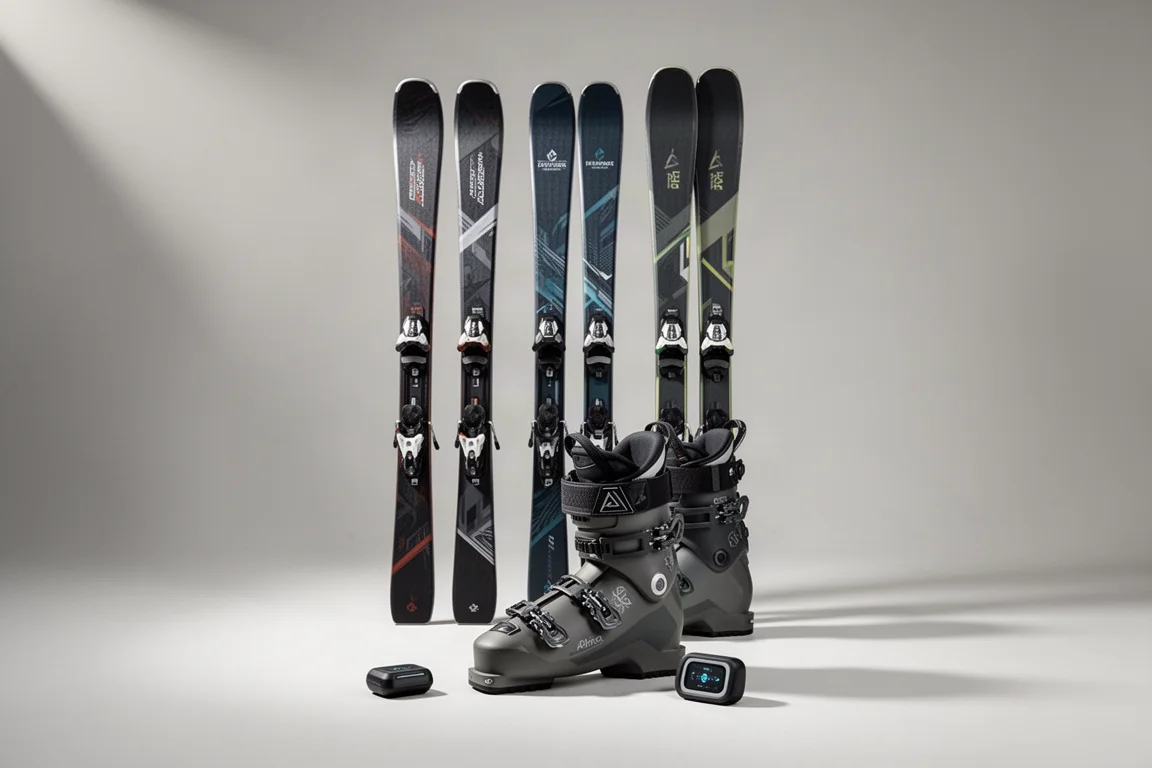
If you spend most of your days on groomed runs and want gear that rewards clean technique, this roundup covers four piste-oriented skis plus the boot and tracking setup that pairs naturally with them. Every product here has a clear personality: some demand a lot from you, and one or two hit a genuinely useful middle ground. The goal is to help you match the right tool to your actual skill level and the turns you like to make.
S9 World Cup: The Pure Race Slalom Ski
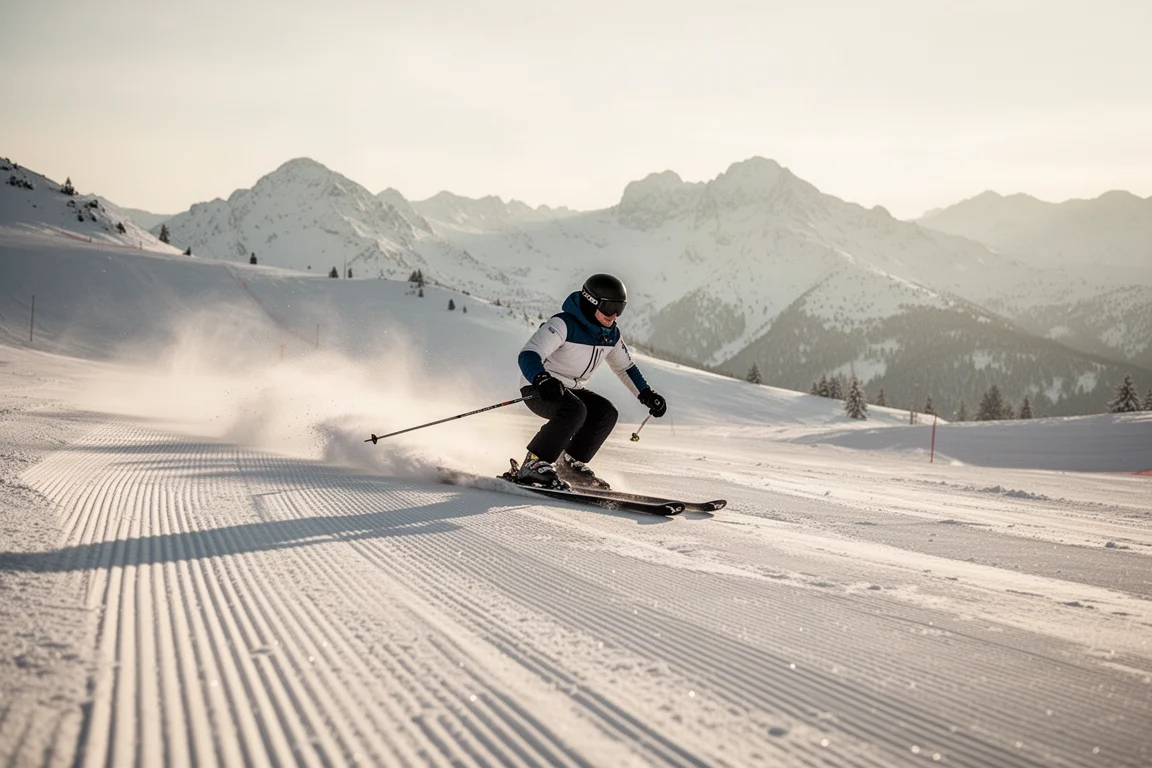
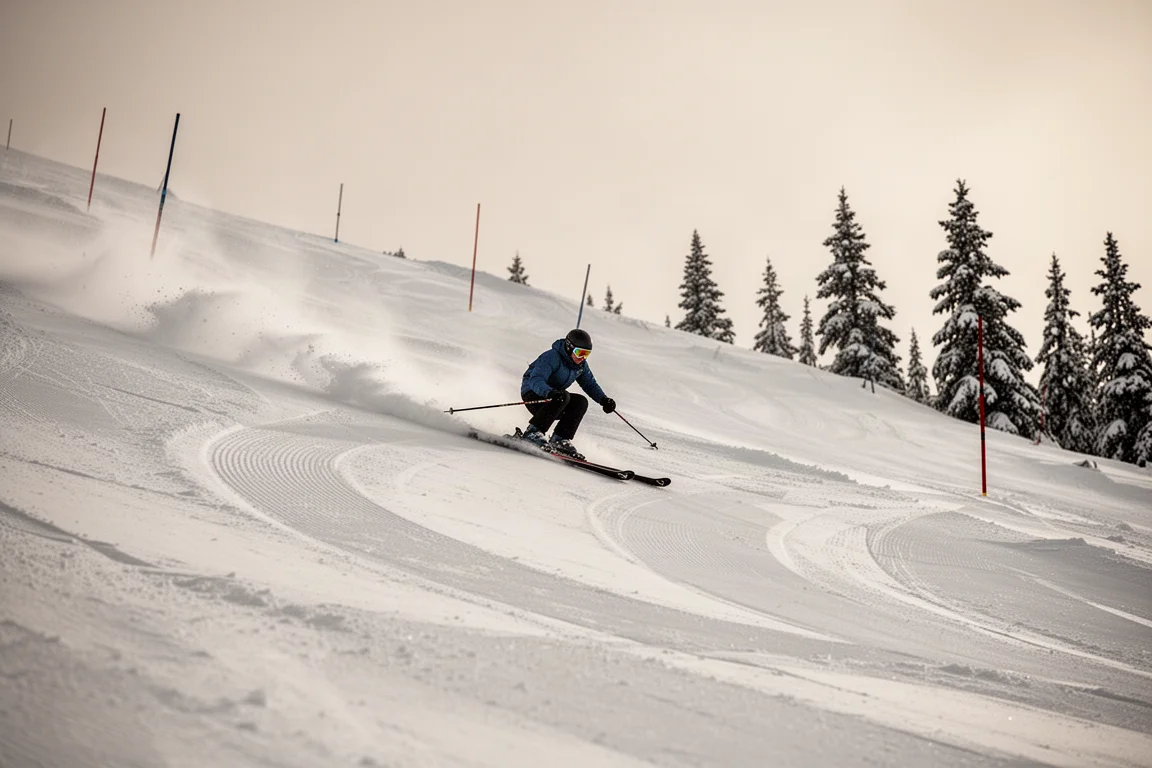
The S9 World Cup is a super aggressive slalom ski built around a very short radius, roughly 12.5 to 12.7 meters, and an extremely stiff torsional construction. That combination makes skiing feel like a sport: you make a huge number of turns per run, and the ski grips ice and firm snow like crazy. Snappy C turns are a blast, and the race-style short turn, where you stay slightly in the middle of the arc and leave two banana-shaped tracks, is a genuine highlight.
The trade-offs are real. It grips so well and turns so sharply that it is hard to handle unless your technique is solid. Lose your edge and the ski can shatter sideways, and it essentially wants to carve clean or nothing. For the vast majority of skiers, the more recreational standard S9 is the smarter choice. This version is for excellent skiers, or very good ones who want to push toward excellence and enjoy being challenged on every run.
G9: The Big-Radius GS Cruiser
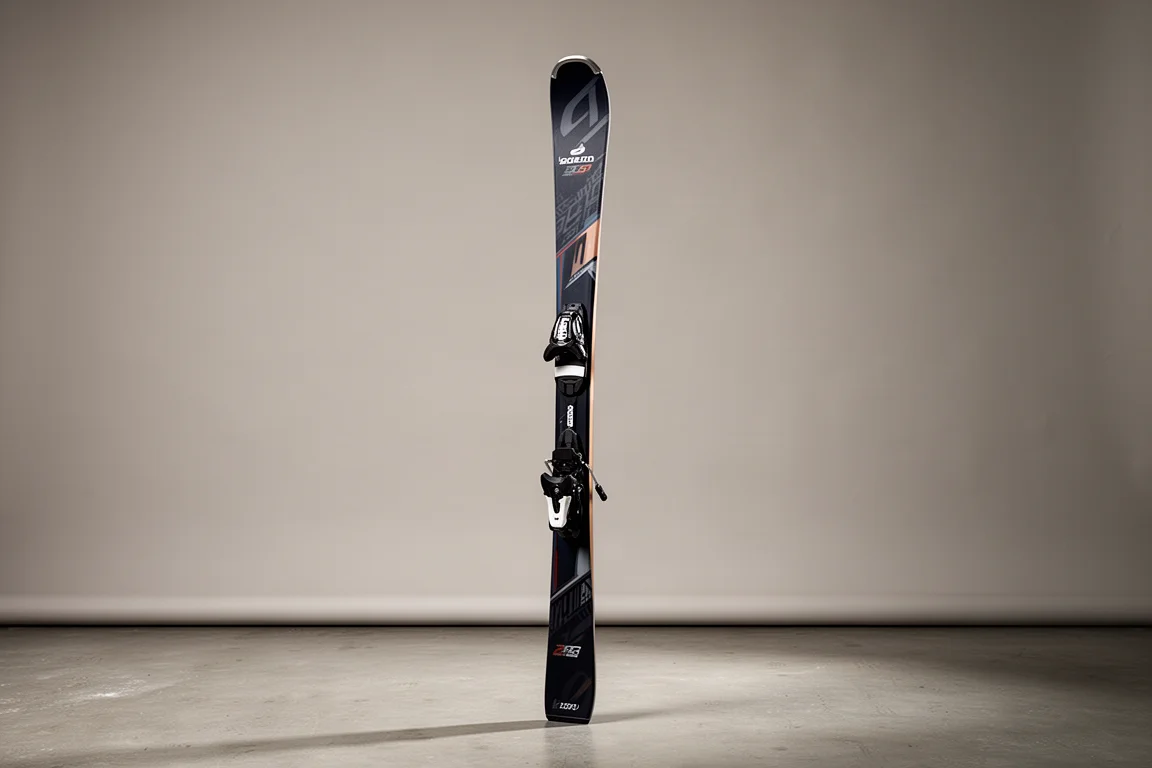
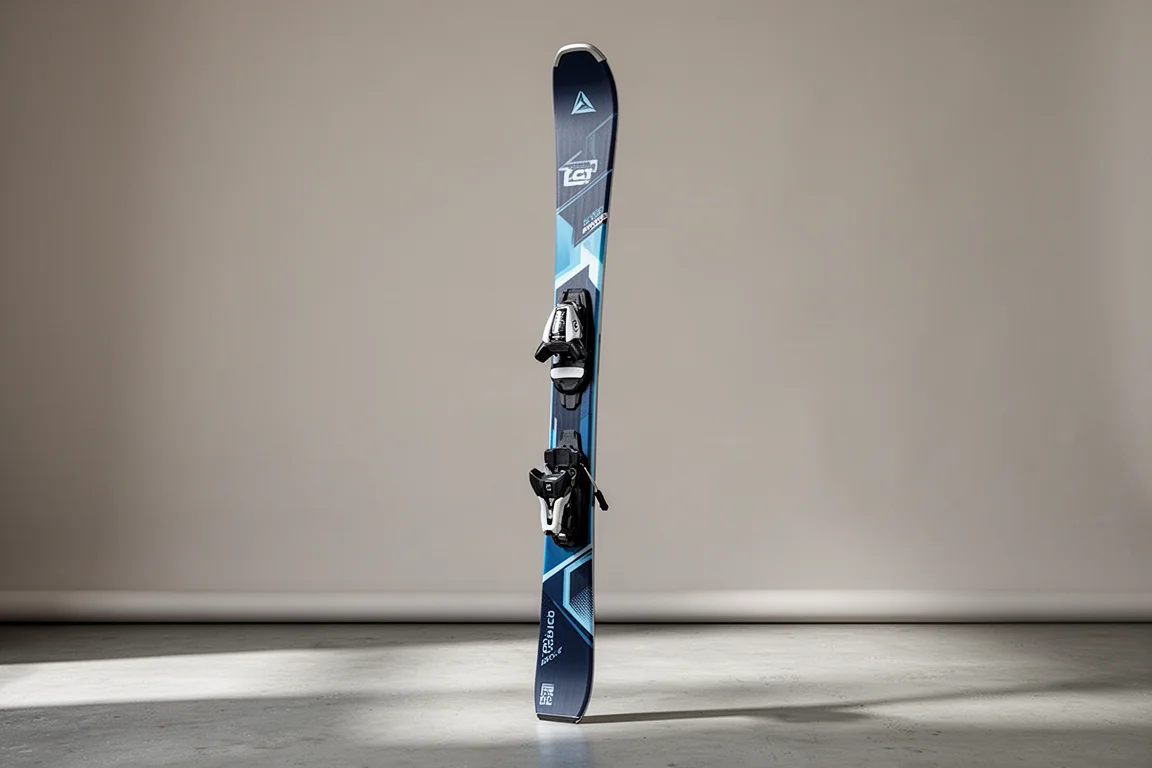
The G9 leans toward giant slalom territory with an 18.2-meter radius at 177 cm. It is reasonably stiff, has excellent torsional stiffness, and wants to grip the snow, which makes carving long turns at speed genuinely fun. It is also a great tool for short, precise turns thanks to its stiffness, and it proved its worth during technical ski exam preparation for a level four ski instructor licence.
The main downside, at least for resort skiing in places with busy slopes, is that the large radius pushes you to ski fast to really lay it down, and that can get sketchy around other people. The 18.2-meter radius can also feel like too much for tighter resort terrain. It is not a twin-tip ski either, but that is expected in this category. This one is for people who like to ski fast, make large turns, and still want a capable ski for short turns.
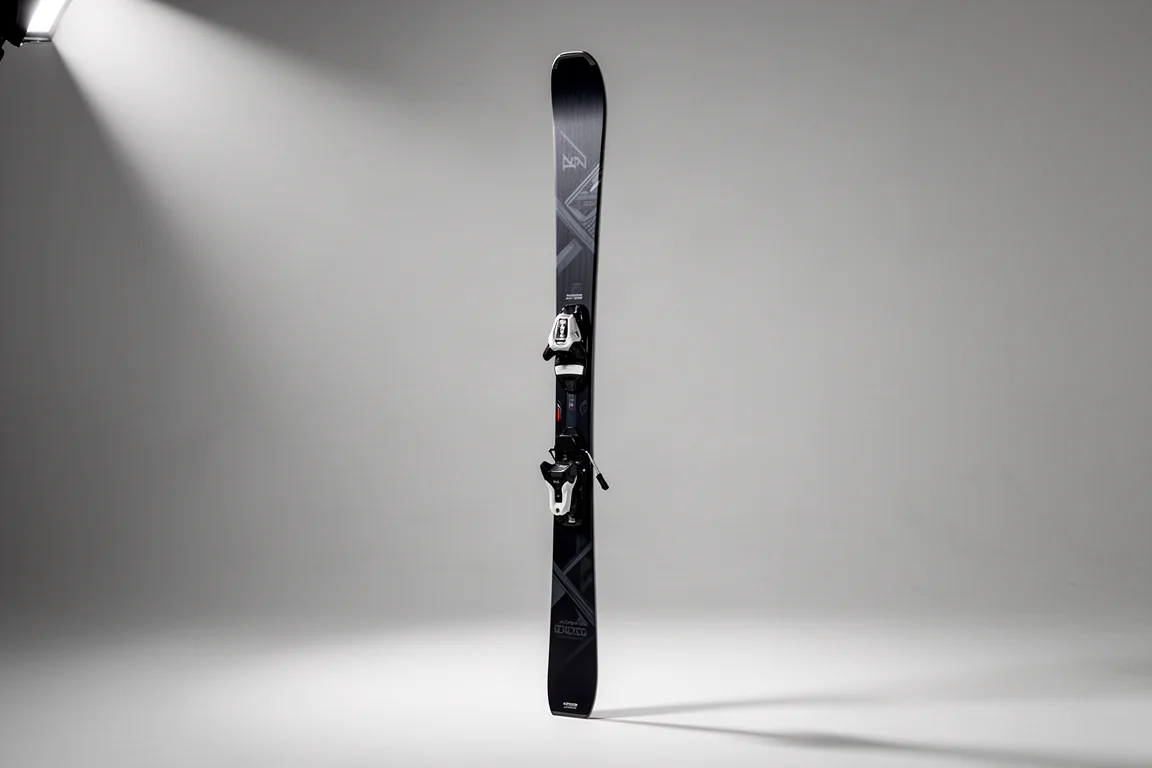
Atomic X9S: The Sweet-Spot Charger
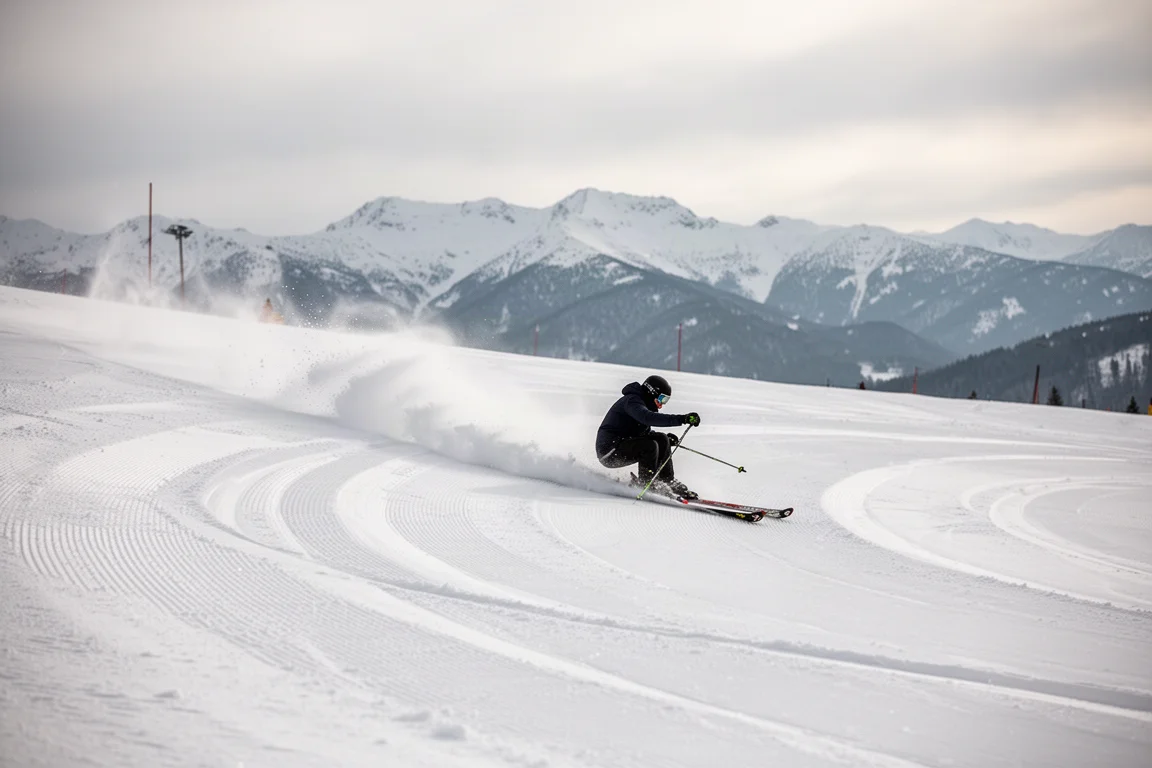
The Atomic X9S is the pick that bridges the two extremes. Its color scheme may make it look like a recreational ski, but it is not: it is stiff, aggressive, and pairs a 15.2-meter radius with serious edge grip. That radius leaves enough time to make your best turns at manageable speeds, unlike the G9 where the radius demands very high speeds to perform. Long turns are great to lay down, speed stays easier to control on steep black runs because you can add turns, and both race-style short turns and more skiddy, bouncy short turns feel excellent.
It is not a freestyle ski and has no twin tip, though you can still land switch. It is probably too stiff for most skiers, and 15.2 meters may still be tight for many riders to show their best turns. On a ski this stiff that demands pure carving, losing the edge can produce a shattering, aggressive fall. This is a ski for really good skiers who find 18 meters too big and 13 meters too small, and who want a stiff charger with a shortish radius.
Atomic Hawx Ultra 130: The Stiff, Grippy Boot
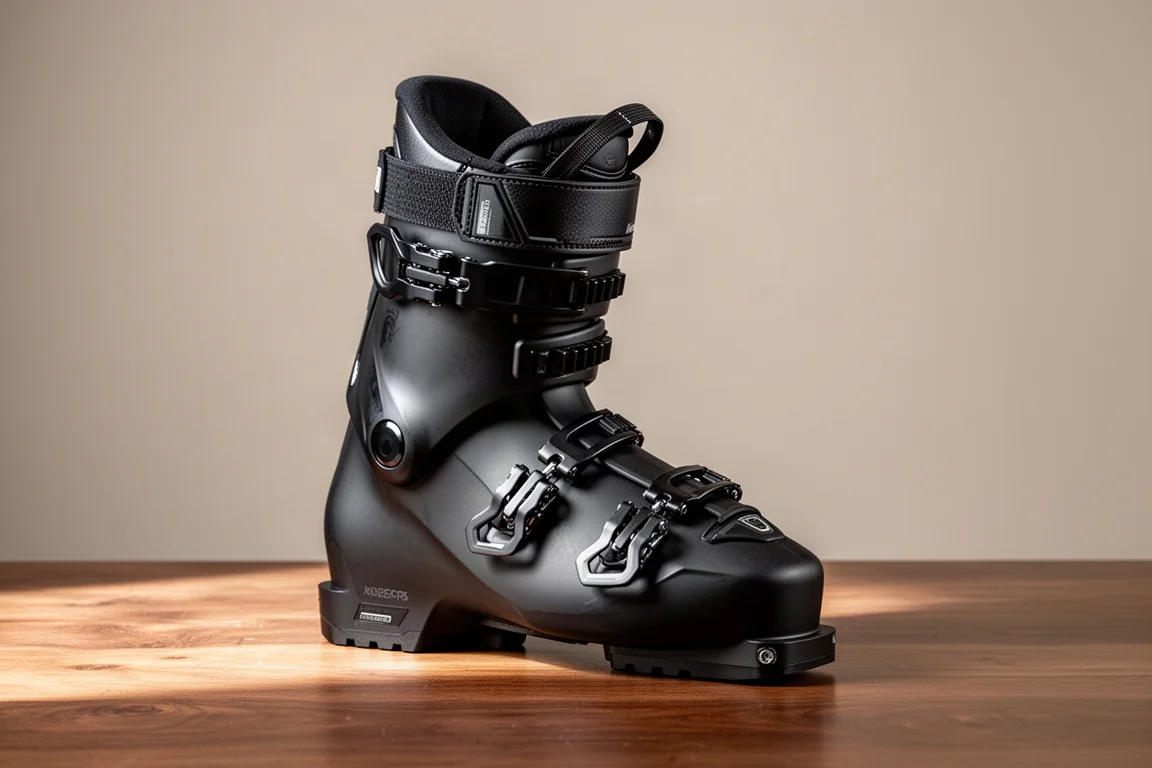
Skiing this kind of piste ski demands a boot to match, and the Atomic Hawx Ultra 130 is a very good one. It is stiff, fun, and has a grippy sole, and it works well for both freestyle and aggressive piste skiing in the same setup. If you are a lighter or less strong skier, consider a softer flex instead of the 130.
One practical note: fit matters enormously. If you ride your boots very tight, you may need to move to the slightly wider, higher-volume version to make everything work, and for some skiers that can mean a second boot just for that purpose. It is worth checking your fit before committing.
Carv: Turning Technique Into Trackable Data
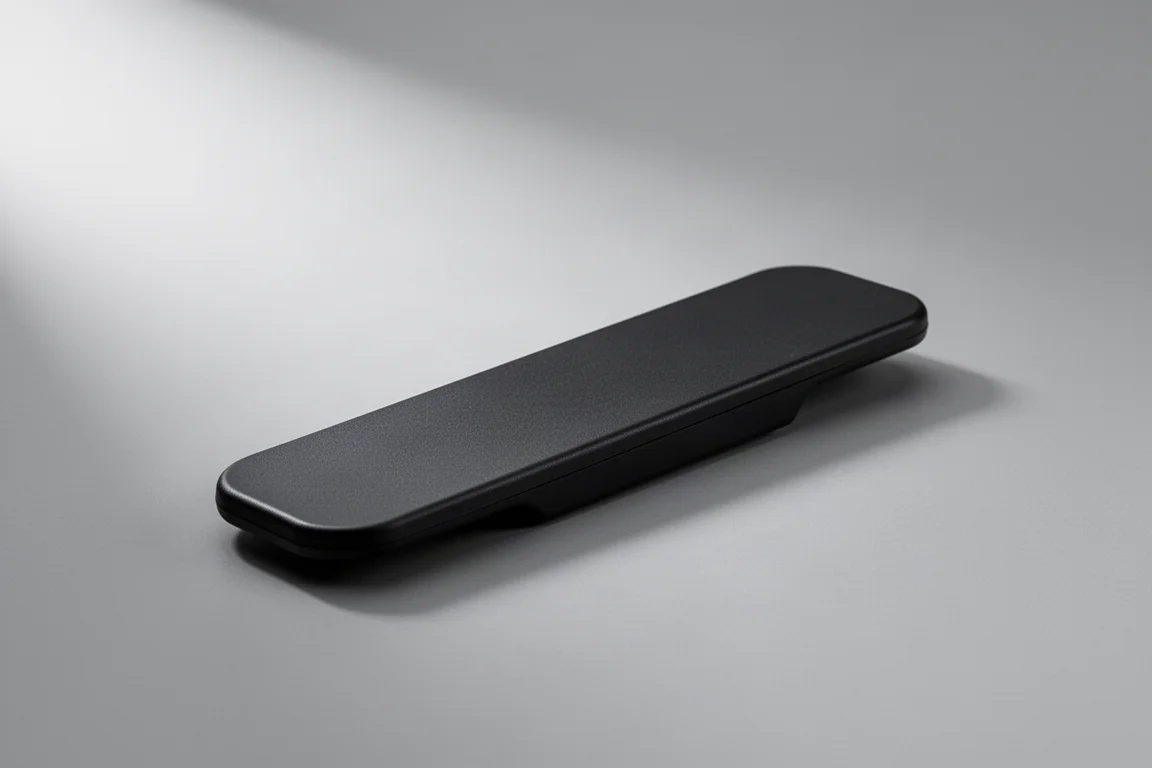
Carv is a foot-mounted tracking unit that measures your skiing and feeds data and feedback to an app. The biggest appeal is motivation: it makes you want to ski better, whether that means higher edge angles, more outside-ski pressure, or simply leveling up in the app. With headphones on, it gives real-time feedback after every turn and gamifies the whole experience, which makes skiing alone a lot more fun. It also tracks progress over time, and the data is quite accurate, if not perfect. It even offers genuinely useful coaching phrasing, like cueing you to rise out of the turn the way you would rise out of a rocking chair.
The downsides are worth knowing. It is fairly antisocial: using it with headphones interrupts conversations and lifts rides, so many skiers will mostly use it solo or just check data briefly on the lift. It only tracks the feet, so it cannot see what your upper body is doing, even though it can infer some issues like lack of outside-ski pressure. And fit can be an issue: skiers who ride very tight, low-volume boots sometimes need a slightly wider boot, roughly two millimeters, to fit the unit.
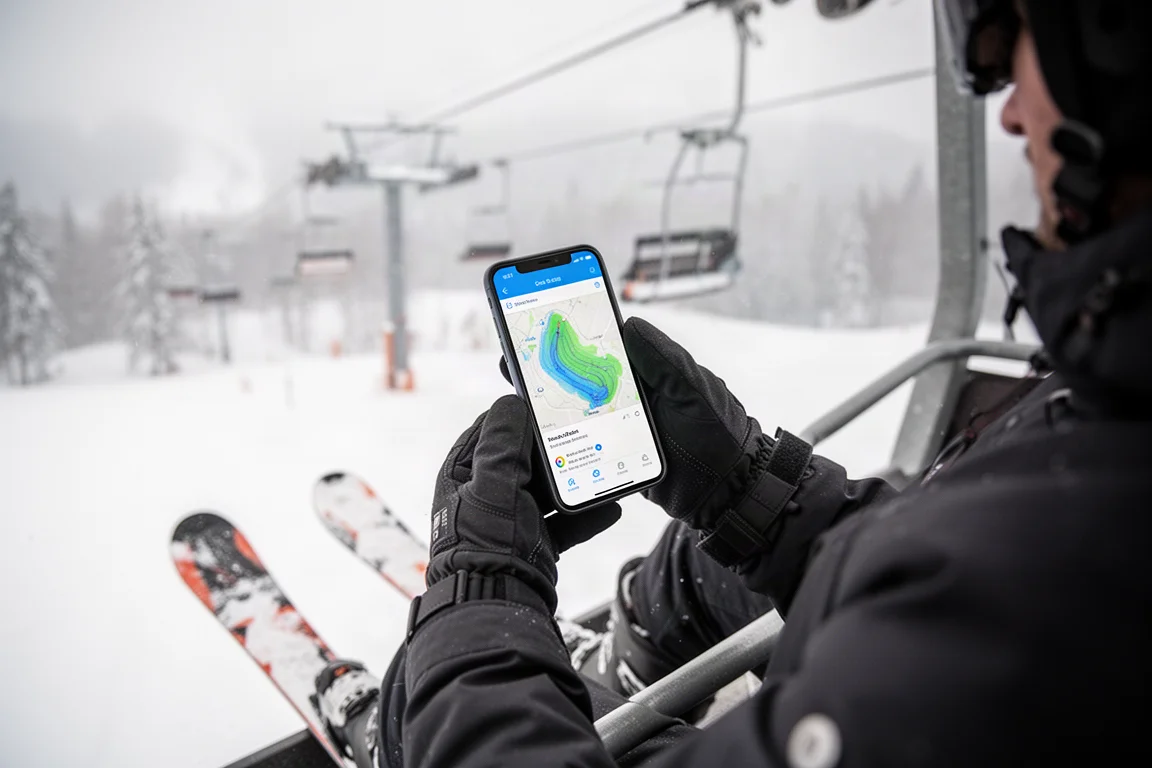
Who is it for? When first tried, it seemed aimed at beginner to intermediate and somewhat advanced skiers, but over time it delivers value even for very strong skiers who use it as a tracking and motivation tool. From beginner through quite advanced, there is something to gain.
Buying Advice
Match the ski to your honest level. The S9 World Cup is a race tool that only excellent skiers will enjoy; most people should look at the standard recreational version instead. The G9 rewards fast, large-radius carving on open pistes. The Atomic X9S is arguably the sweet spot here, pairing real stiffness with a radius that leaves time to finish your turns at sane speeds. Pair any of them with a stiff, well-fitted boot like the Hawx Ultra 130, and if you enjoy measurable progress, Carv adds a genuinely fun and accurate feedback layer.
Conclusion
Piste skiing gets dramatically better when your gear matches your technique and your ambitions. The S9 World Cup rewards elite skill, the G9 favors big fast arcs, the X9S balances both worlds, the Hawx Ultra 130 delivers the stiffness to back it all up, and Carv turns every run into a measurable opportunity to improve. Pick the one that fits where you actually are as a skier, not where you hope to be next season.
Further reading
Related Reviews

Ski Gear
2023 Blizzard Hustle vs Rustler: Six Freeride Skis Compared
Blizzard's 2023 Hustle collection rebuilds the Rustler shape with a lighter core and no metal. Here is how all six skis differ, and which one suits your riding.

Ski Gear
2023 Skis of the Year: Atomic Maverick 88 TI, Salomon QST 106, and Look SPX 12 Pro
Three standout ski picks for all-mountain carving, powder days, and reliable binding performance, with practical buying notes for 2023 models.

Ski Gear
2025 Nordica Enforcer 104 Review: A Directional Charger Replaces the 104 Free
The 2025 Nordica Enforcer 104 drops the Free name and the twin-tip personality, gaining weight, stiffness and composure in rough snow. Here is what changed and who it suits.