Fountain Pens
Pineider La Grande Bellezza Rocco Review: A Show-Stopping Italian Piston Filler
A close look at the Pineider La Grande Bellezza Rocco fountain pen, with a comparison against the Leonardo Momento Zero Grande 2.0 for buyers weighing Italian style against value.
Introduction
Pineider is a name that keeps coming up in Italian pen circles, and the La Grande Bellezza Rocco finally gave me a reason to find out why. This was my first Pineider, picked up during a Black Friday sale after a good deal of willpower-related failure, and it turned out to be one of the more striking pens to land on my desk this year.
The La Grande Bellezza line means “the great beauty,” and Rocco means “rock.” The combination is fitting: the Rocco finish is a special resin that aims to mimic celluloid, and it does an impressive job. Pineider itself is an old company, founded in 1774 in Florence, Italy, where it still operates today. In recent years the brand has been revived by Dante Del Vecchio, previously known for his work at Visconti, and the design confidence shows.
First Impressions and Design
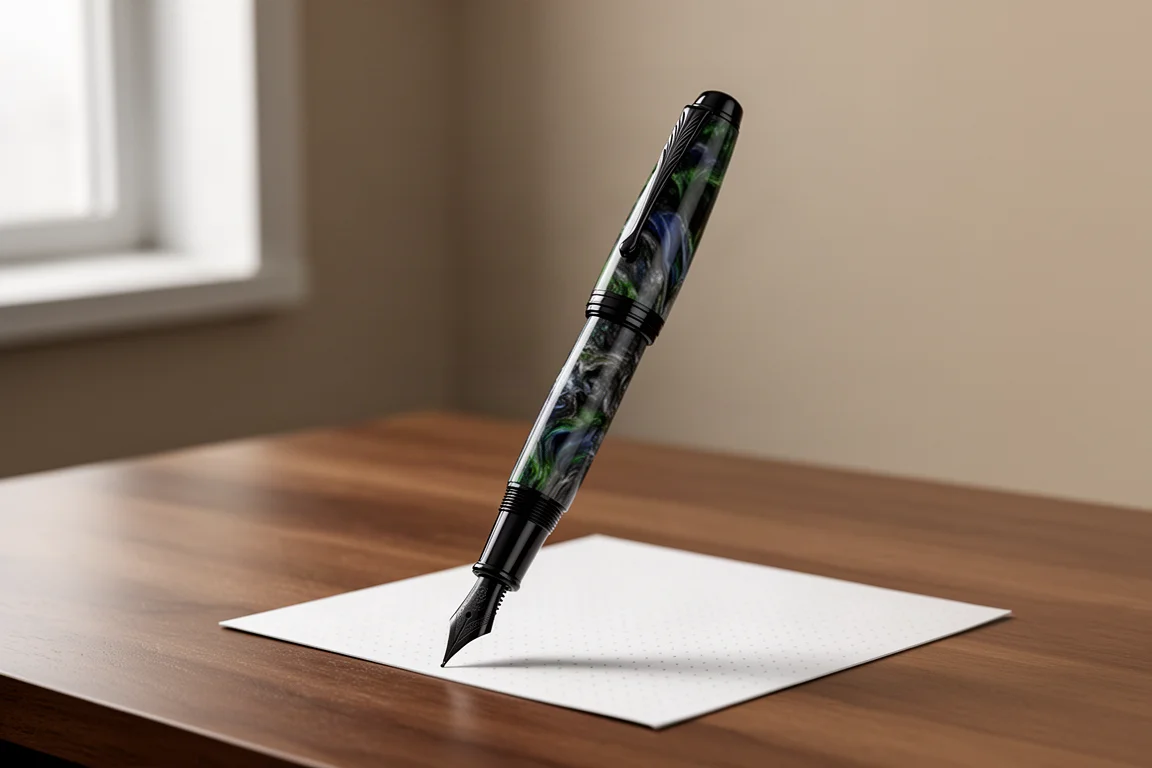
Out of the box, this pen is a genuine show-stopper. The resin has real depth, with swirls and color variation that hold their own against true celluloid pens like jade or sapphire finishes. Black trim runs throughout to match the darker tones of the resin.
The packaging deserves a mention too. Inside the black cardboard box sits a Pineider writing desk box with magnetic closures, designed to look like a slanted writing desk. Alongside the usual pamphlets and a two-year warranty, Pineider includes a bonus set of stationery: several note cards with matching envelopes in different colors, complete with a faint watermark impression. It is a thoughtful touch that gives you something to write with your new pen on.
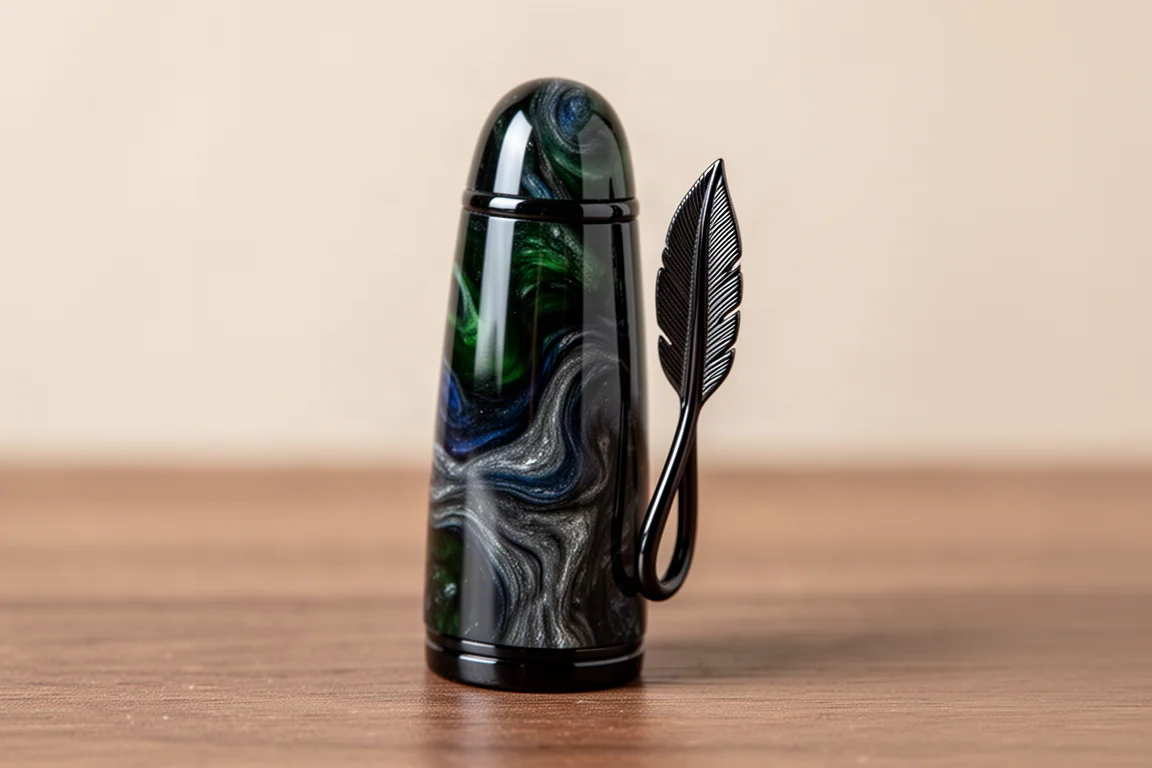
The signature detail is the goose quill clip, a spring-loaded piece meant to harken back to the origins of the pen itself. It looks functional and has a satisfying springy action. At the top sits a rounded Pineider finial, and the cap band carries the brand name, with “Made in Italy” on the back.
Nib and Filling System
This is a piston filler, which is not always obvious from the weight alone. Pineider uses metal parts in the section, so the pen feels hefty and well-balanced in the hand. The magnetic cap closes with polarized magnets, so it only seats in one orientation, and it holds firmly enough that a good shake will not dislodge it. Pineider claims this magnetic closure creates the best possible seal, helping prevent the nib from drying out and reducing ink burping from temperature changes. That claim deserves long-term testing, but the closure itself feels solid.
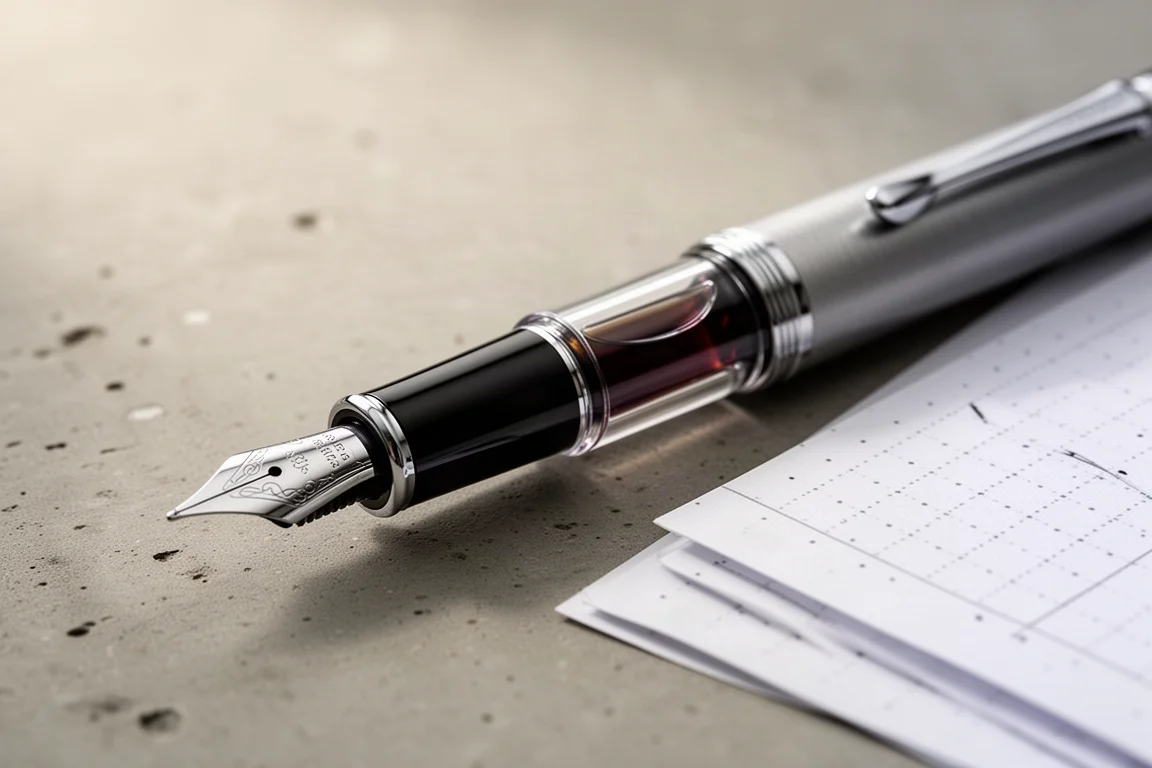
The section is curved and comfortable, with a stylized ink window that runs all the way around so you can monitor ink levels. The nib is a black-coated stainless steel extra fine Pineider nib with no breather hole and attractive scrollwork. The feed appears to be plastic, but it looks and feels well made. The piston itself is the highlight: very smooth and easy to turn, with a feel that genuinely reminded me of a Pelikan piston.
Writing Performance
Inked with a dark, wet black-purple ink on Rhodia dot grid paper, the pen started smoothly. The nib glides in all directions with no catching or scratchiness, only the soft audible sound of steel on paper. There is essentially no feedback, just a consistently smooth ride.
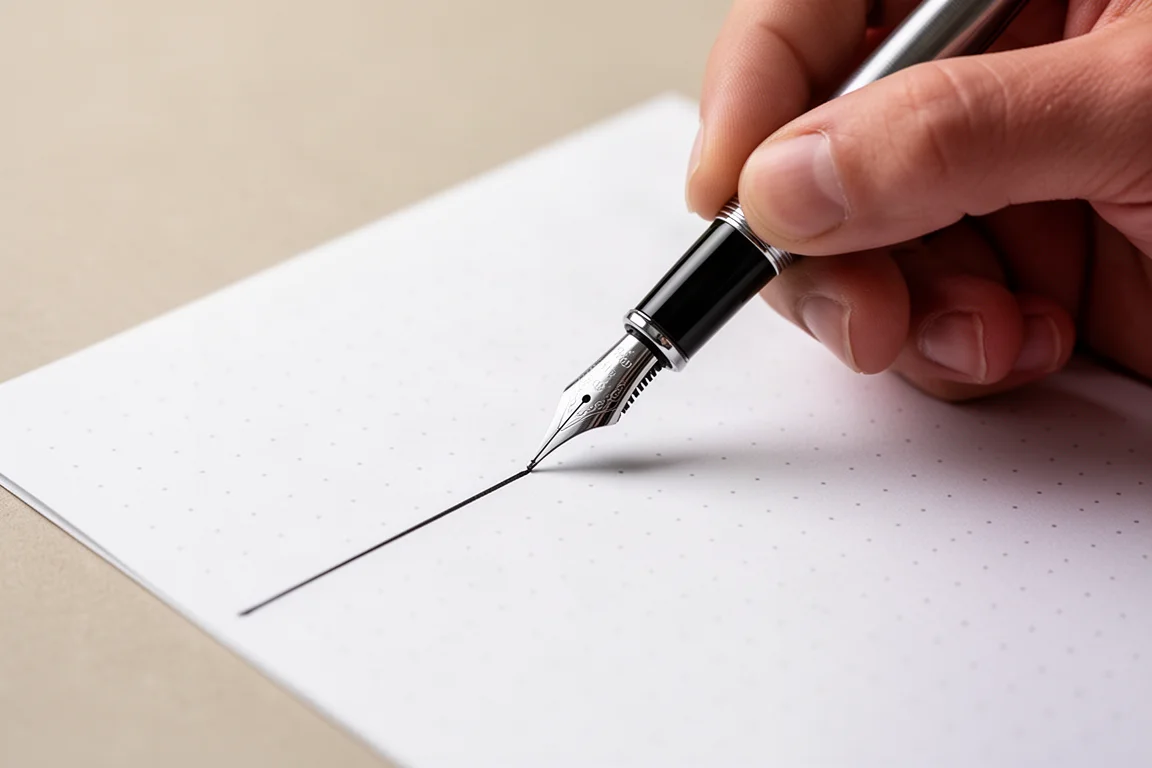
Line width sits at a standard European extra fine, comparable to a Japanese fine. There is no flex, and the line stays consistent whether or not you apply pressure. The one surprise is wetness: the flow ran on the dry side during testing, which could be the pen, the ink, or the two getting acquainted. Either way, smoothness was never in question, and the flow may well saturate as the feed settles.
Value and Competition
At full retail, this pen runs a little over $300 at major retailers like Goulet Pens. On a Black Friday sale it can drop to nearly half that, which is where the value picture changes dramatically. At a deep discount, it is a fantastic deal for a pen this beautiful. At full price, the competition gets much closer.
Buying Advice
That is where the Leonardo Momento Zero Grande 2.0 enters the conversation. For $230 you get an Italian resin pen with an ink window, a piston filler, and a stainless steel nib, which is essentially the same specification sheet as the Pineider. The standard Momento Zero, at $160, offers an even more budget-friendly entry into Italian pens.
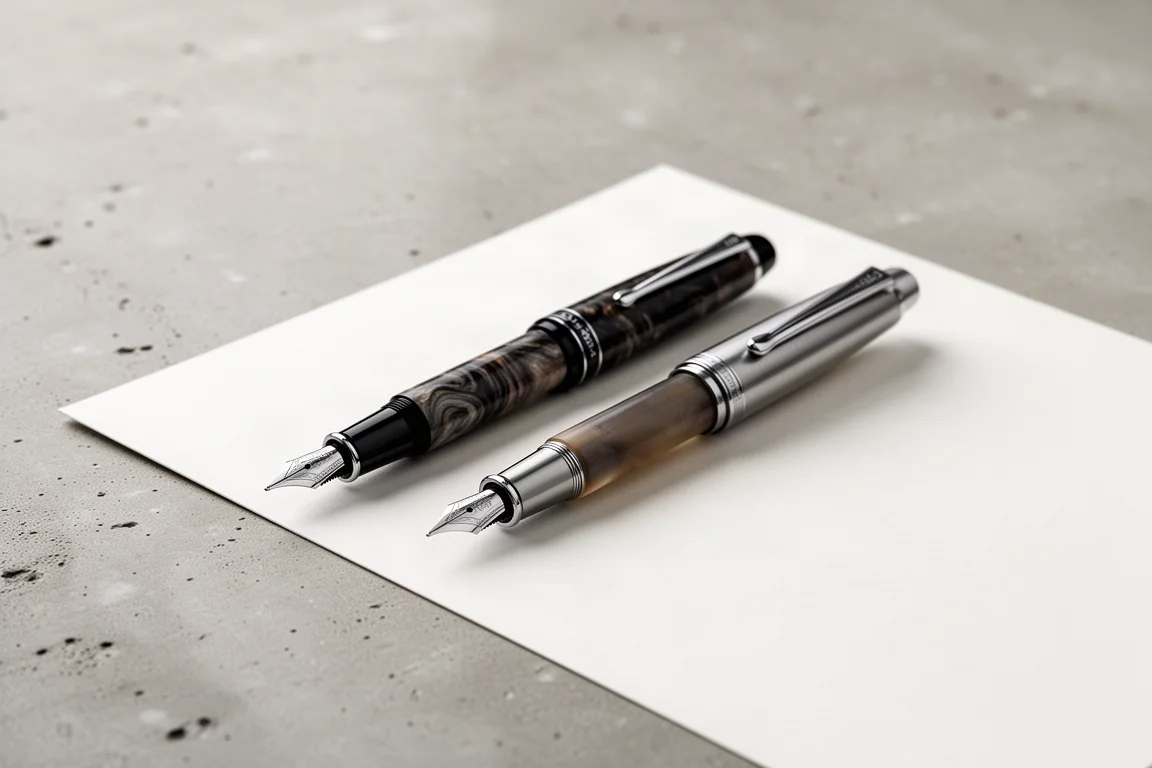
If you can catch the La Grande Bellezza Rocco at a steep discount, it is hard to beat for the looks alone. If you are paying full retail and want the best value in an Italian piston filler with a steel nib, the Leonardo is the smarter buy. Both are well-made, and the right choice comes down to how much you value the Rocco’s finish and presence.
Conclusion
The Pineider La Grande Bellezza Rocco is a stunning pen with a piston as good as pens costing far more, a comfortable magnetic cap, and a resin finish that earns the “great beauty” name. It is a pen I arguably should not have bought, but I am glad I did. For buyers weighing it against the Leonardo Momento Zero Grande 2.0, the deciding factor is price: at a deep discount the Pineider wins on sheer beauty, while the Leonardo makes more sense at list prices.
Product link
View more details for Pineider La Grande Bellezza Rocco
This product is mentioned in the review. Check the specifications, options, and compatibility before buying.
View more details for Pineider La Grande Bellezza RoccoFurther reading
Related Reviews
Fountain Pens
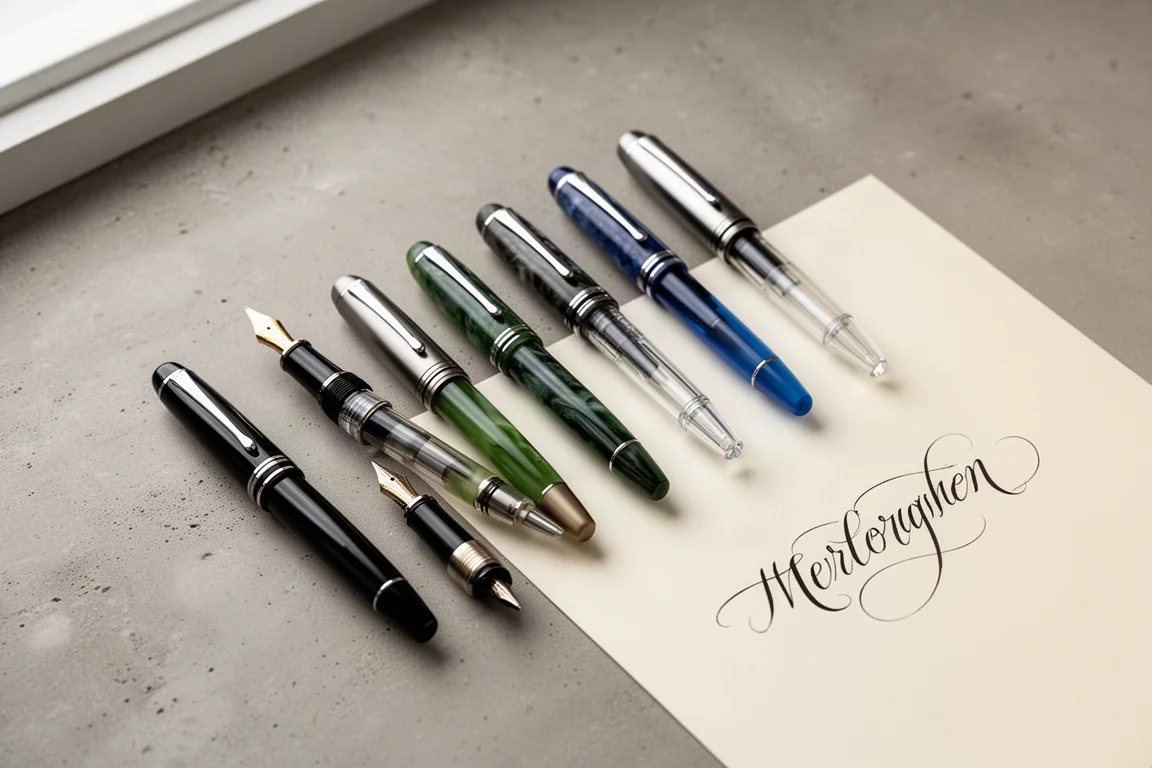
Best Budget Fountain Pens Tested: 9 Pens, One Clear Winner
A hands-on comparison of nine affordable fountain pens for everyday writing, calligraphy, and sketching, with a clear standout for flexible nib fans.
Fountain Pens
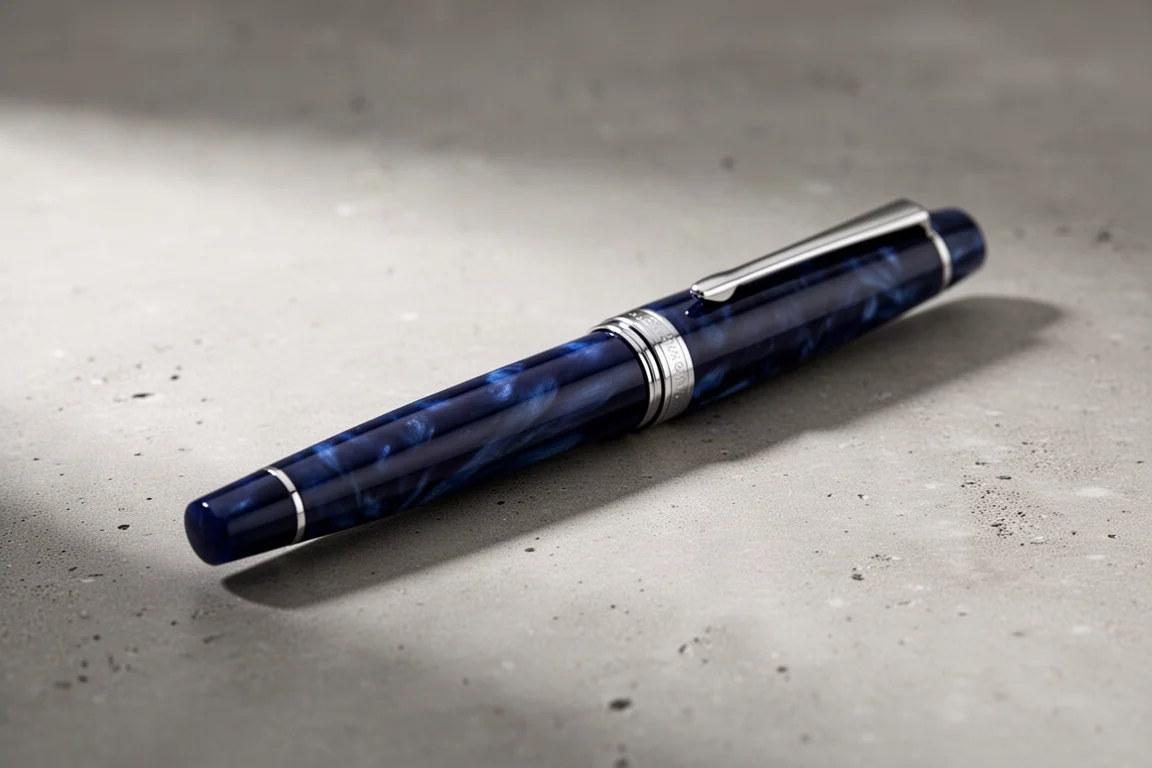
Aurora Optima Review: An Italian Piston Filler That Punches Above Its Price
A 14k gold nib, ebonite feed, and a beautifully deep oraloid body make the Aurora Optima one of the most rewarding piston fillers around.
Fountain Pens
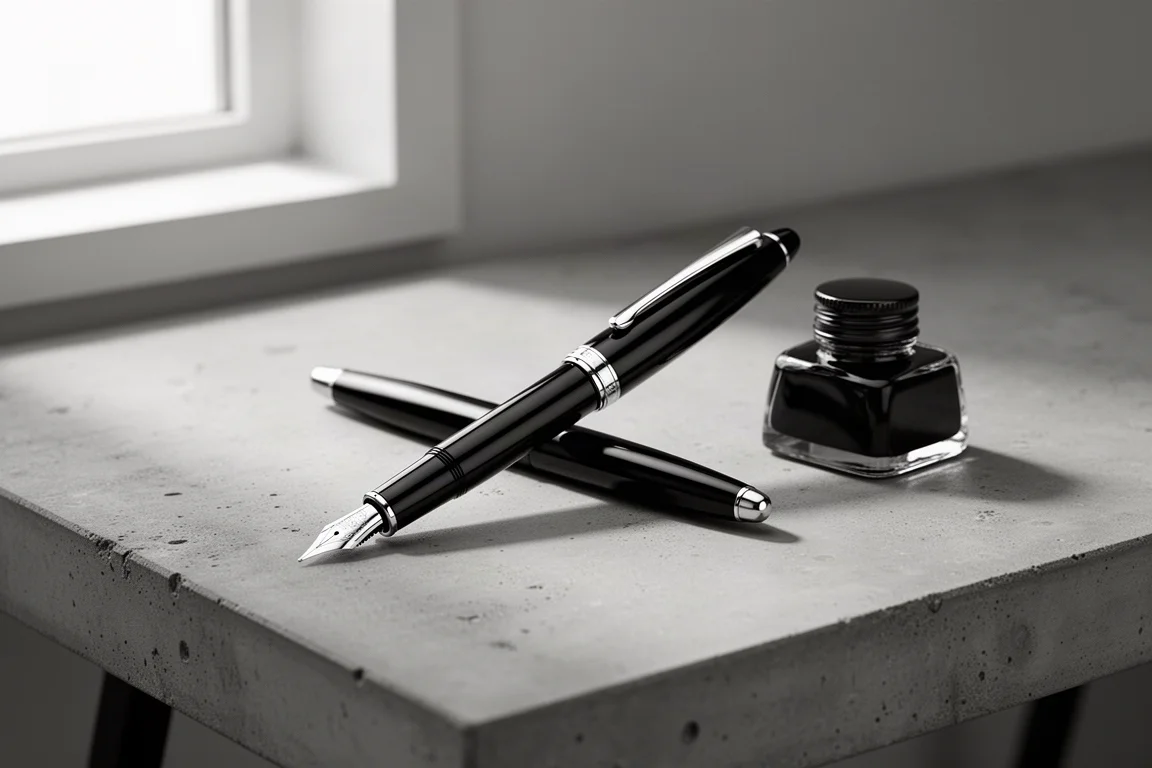
Cross Bailey Light Review: The Entry-Level Fountain Pen Worth Keeping at the Office
A plastic-bodied Cross with a metal clip, snap cap, and famously smooth extra fine steel nib. Around $15, available almost everywhere, and easy to recommend.