Fountain Pens
Pilot Falcon Review: A Fountain Pen With a Truly Unique Nib
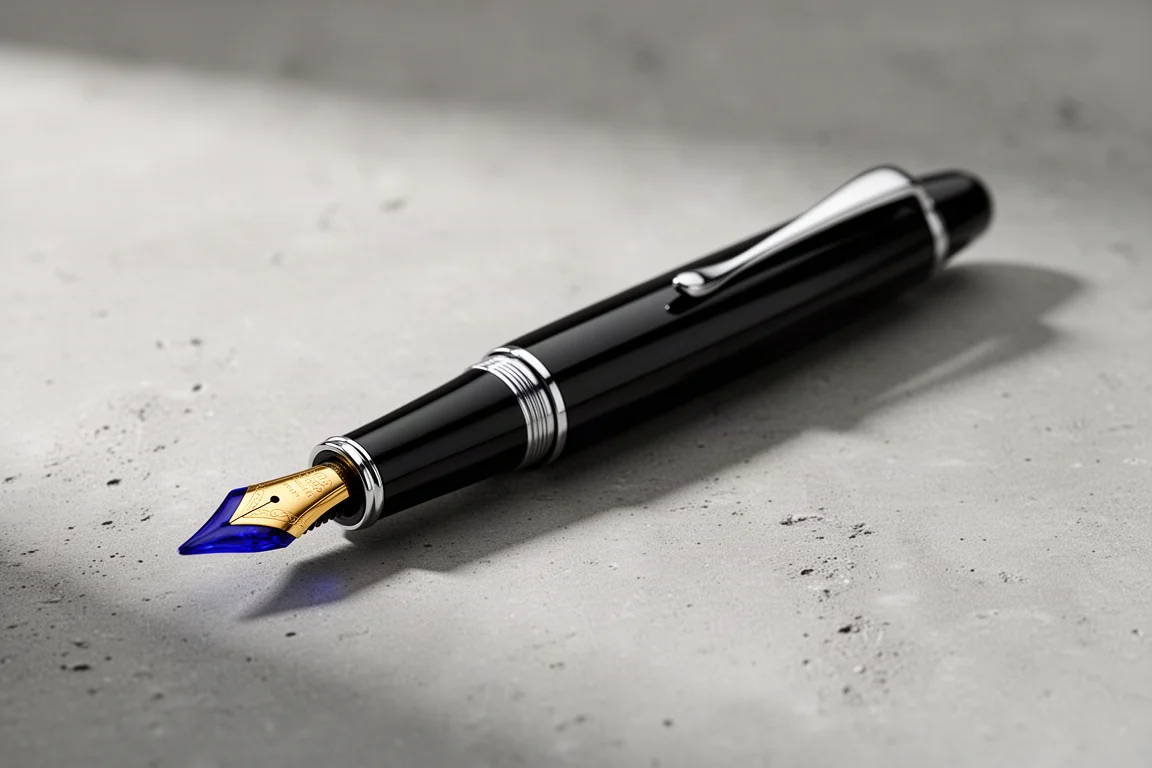
The Pilot Falcon pairs a soft 14k gold nib with a light resin body, delivering both everyday reliability and a touch of line variation on demand.
Introduction
Some pens sit in the spotlight from day one. Others earn their reputation slowly, one satisfying writing session at a time. The Pilot Falcon falls firmly into the second camp: a pen that has long been a favorite among fountain pen enthusiasts, and one that tends to grow on its owners the more they use it. At $180, it occupies a serious but not extravagant position in the Pilot lineup, and its signature soft nib gives it a character few other pens can match.
Design and Build Quality
The Falcon arrives in Pilot’s standard, rather disposable box, along with a use and care guide, a proprietary pilot cartridge, and the pen itself. It is available in several versions: black with gold trim, black with rhodium trim, purple, blue, and red. The pen shown here is the black with rhodium trim, made from a fairly light resin. A metal version also exists, and it differs enough from this one to be worth its own review.
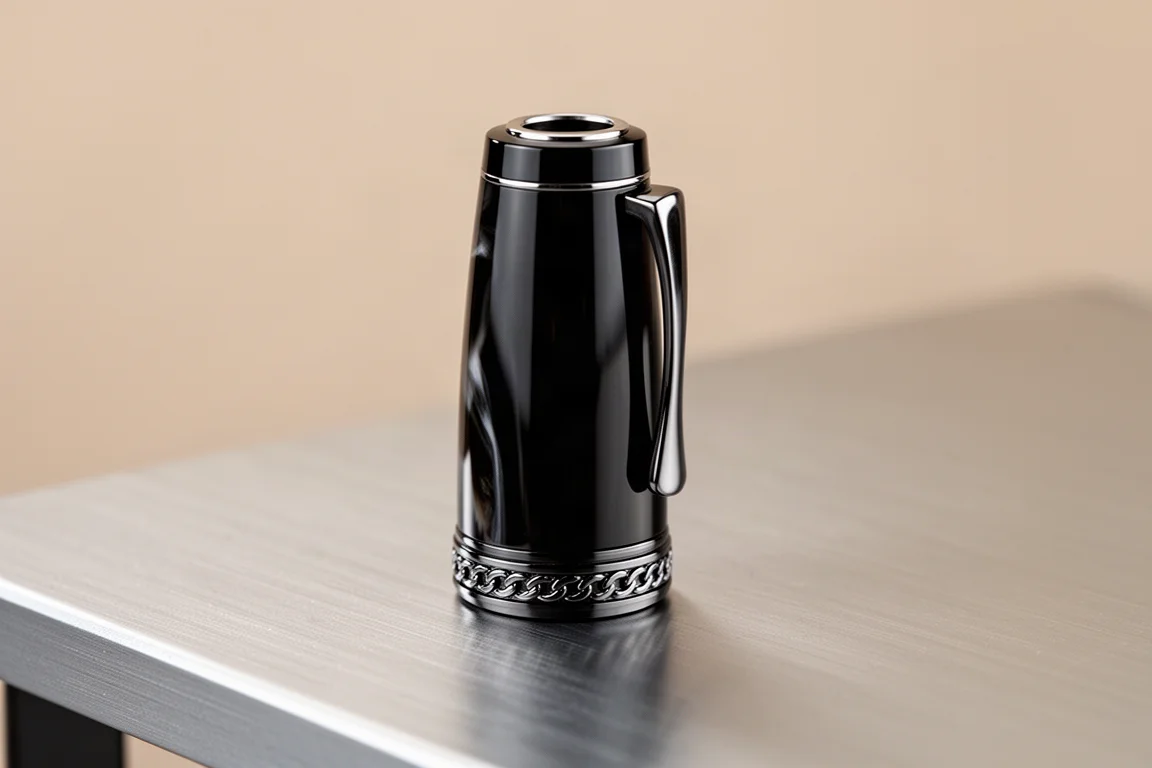
In the Japanese market this pen is called the Elabo, a name combining the Japanese word for “choose” with the English word “elaborate.” The resin version is no longer available in Japan, though the metal version still is. Details like the flat cap top with its metal insert and the swooping clip help the Falcon stand apart from the many other Pilot pens that look similar at a glance. The cap twists off in just under two rotations, and the barrel tapers to a flat end with a thin band.
The section is slightly longer than most, and while the grip sits close to the threads, they are not sharp or uncomfortable. Overall the pen is light, which some may wish had a bit more heft, but it remains comfortable in the hand. The cap posts securely, and since the cap weighs only about a gram less than the rest of the pen, posting does not throw off the balance. Many users actually find the added weight of a posted cap makes the pen feel more substantial.
Filling System
The Falcon is a cartridge-converter pen that uses Pilot’s proprietary cartridges, and a CON-50 converter is included. The larger CON-70 converter will not fit inside this resin version’s barrel. The metal Falcon has a slightly thicker barrel, just enough to accommodate the CON-70, which is one of the practical differences between the two models.
The Nib: The Falcon’s Defining Feature
Underneath the cap sits the pen’s distinguishing feature: a very unique 14k gold nib whose shape allows the tines to be more flexible than most standard nibs. It is available in soft extra fine, soft fine, and soft medium. The soft medium on this particular pen provides a soft writing experience that never feels overly bouncy or mushy.
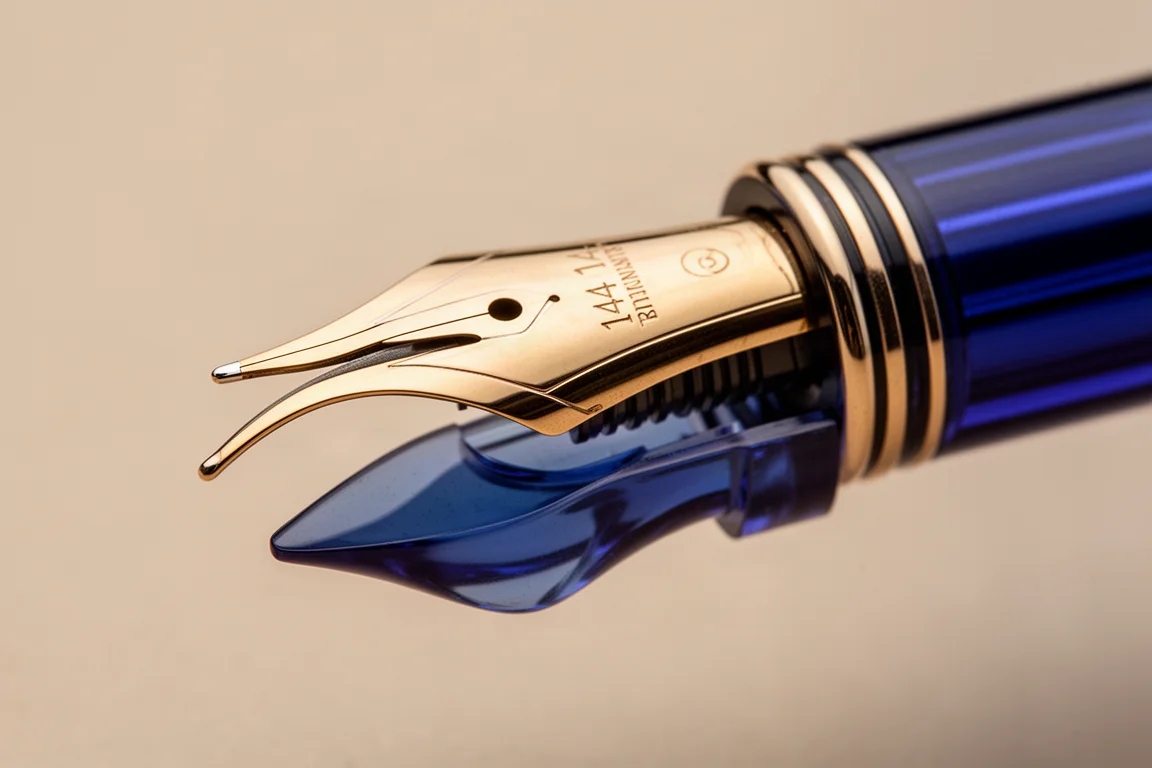
The solid plastic feed has a low, swooping profile that pairs beautifully with the nib, and the slightly translucent deep blue plastic is more interesting than Pilot’s standard feed. Together, the unique nib and angled feed make for one of the best-looking nib profiles in the Pilot lineup. A nice touch: Pilot stamps the nib’s manufacture date, and this one was made in January 2015.
Measurements and Size Comparisons
Capped, the Falcon sits comfortably among its peers. It is slightly smaller than the metal Falcon, and it sits alongside familiar pens like the Pilot Vanishing Point, Custom 823, and Custom Heritage 91 in a way that feels consistent with the rest of the brand’s lineup.
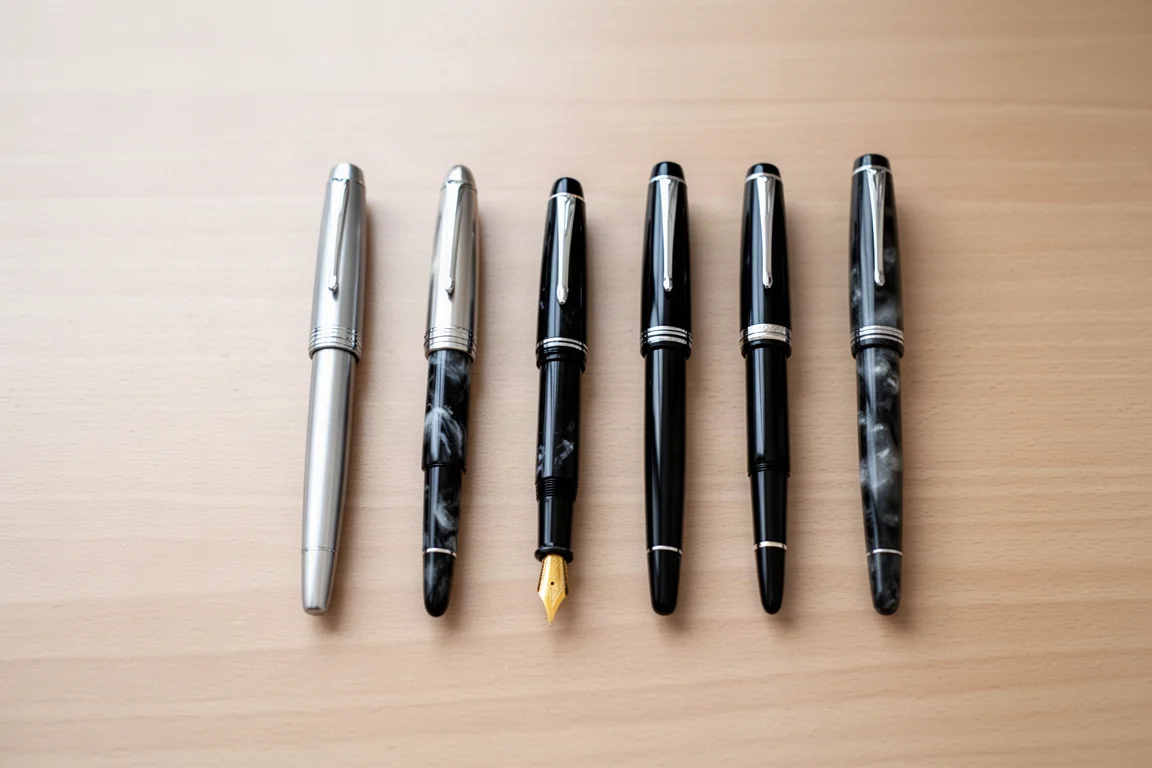
Uncapped comparisons against the Sailor Pro Gear, the Lamy 2000 in stainless steel, and the Pilot Custom 823 show a pen of modest, practical dimensions. It will not dominate a hand, but it fills one comfortably for long writing sessions.
Writing Experience and Ink Performance
This writing sample used the soft medium nib paired with Pilot Iroshizuku Kujaku, a green-blue ink that leans toward the green side rather than the blue. The Iroshizuku lineup is a favorite for many writers, and its inks and bottles are highly recommended in their own right.
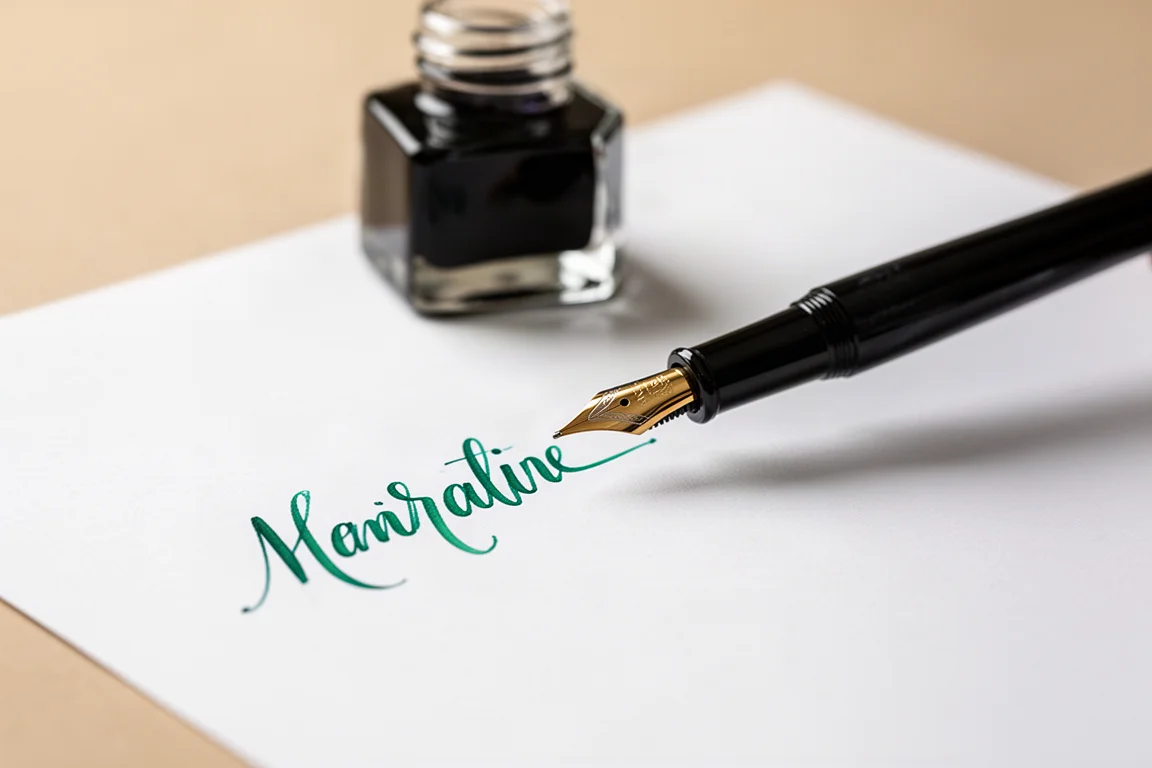
With a little pressure, the nib produces a generous amount of flex and noticeable line variation. What makes it genuinely special is that without pressure it writes like a completely normal pen. It never forces you to feel like you are writing with a flex nib; it simply adds a bit of flair when you want it and disappears into everyday duty when you do not. Ink flow is decent, reverse writing is a little sharp, and during fast writing the feed had no trouble keeping up.
Buying Advice
At $180, the price feels appropriate for what the Falcon brings to the table. If you want a pen that performs beautifully for everyday writing but can also produce expressive line variation when you apply a little pressure, it is one of the most compelling options in this range. If you prefer more heft or want the option of the larger CON-70 converter, the metal version is worth considering instead. Either way, it is easy to see why this pen is a favorite for so many people.
Conclusion
The Pilot Falcon is a fun, distinctive pen that deserves more use than many owners give it. Its unique nib design, comfortable resin body, and dual personality as both an everyday writer and a light flex pen make it easy to recommend. If it is not already in your collection, it is well worth a closer look.
Product link
View more details for Pilot Falcon
This product is mentioned in the review. Check the specifications, options, and compatibility before buying.
View more details for Pilot FalconFurther reading
Related Reviews
Fountain Pens
Best Budget Fountain Pens Tested: 9 Pens, One Clear Winner
A hands-on comparison of nine affordable fountain pens for everyday writing, calligraphy, and sketching, with a clear standout for flexible nib fans.
Fountain Pens
Aurora Optima Review: An Italian Piston Filler That Punches Above Its Price
A 14k gold nib, ebonite feed, and a beautifully deep oraloid body make the Aurora Optima one of the most rewarding piston fillers around.
Fountain Pens
Cross Bailey Light Review: The Entry-Level Fountain Pen Worth Keeping at the Office
A plastic-bodied Cross with a metal clip, snap cap, and famously smooth extra fine steel nib. Around $15, available almost everywhere, and easy to recommend.