Fountain Pens
Pilot Decimo vs Vanishing Point: Which Retractable Fountain Pen Fits Your Hand?
Two retractable fountain pens from Pilot that share the same nib unit but differ in size, weight, and comfort. Here is how they compare for everyday writing.
Introduction
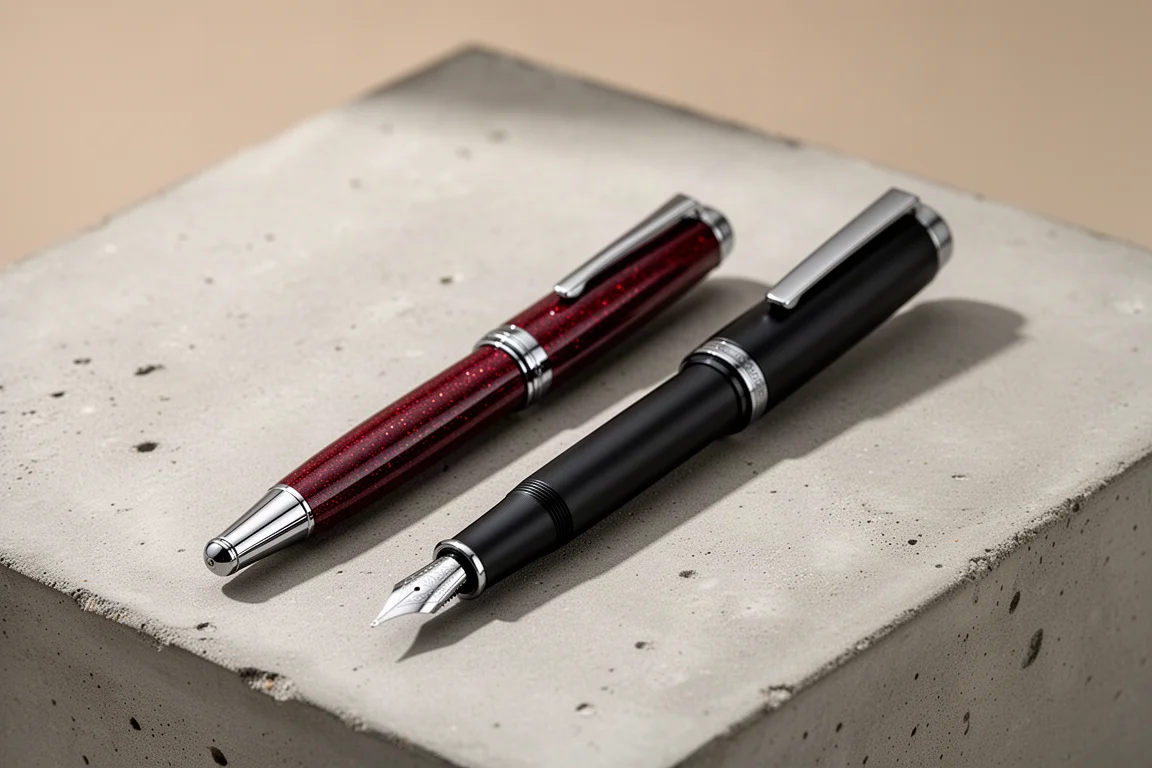
Pilot’s retractable fountain pens occupy a rare niche: a pen that clicks open like a ballpoint but writes with a proper gold nib. The full-size Vanishing Point has been a long-running daily driver for many writers, and the Decimo is its slimmer sibling, sold for roughly $160 US at most retailers, about $8 less than the full-size model.
The two pens are nearly identical under the hood. The same nib unit, the same nibs, the same converters, and the same click mechanism. The difference that matters is in the hand, and that is where the comparison gets interesting.
What Makes These Pens Different
The Decimo is noticeably slimmer and lighter than the Vanishing Point. That sounds minor until you actually write with both. The full-size pen, especially combined with the clip, leaves more space between your fingers and some writers find it slightly unwieldy, with a little less control and handwriting that looks slightly different compared to a thinner regular pen.
The Decimo, by contrast, feels more natural and effortless for many hands. The clip sits less awkwardly because the fingers are closer together, and it effectively disappears in the hand. For medium-sized hands there is no clear size advantage either way; the preference comes down to how the extra thickness and heft of the full-size model sits in your grip.
Inside the Pen: Nib Units and Filling
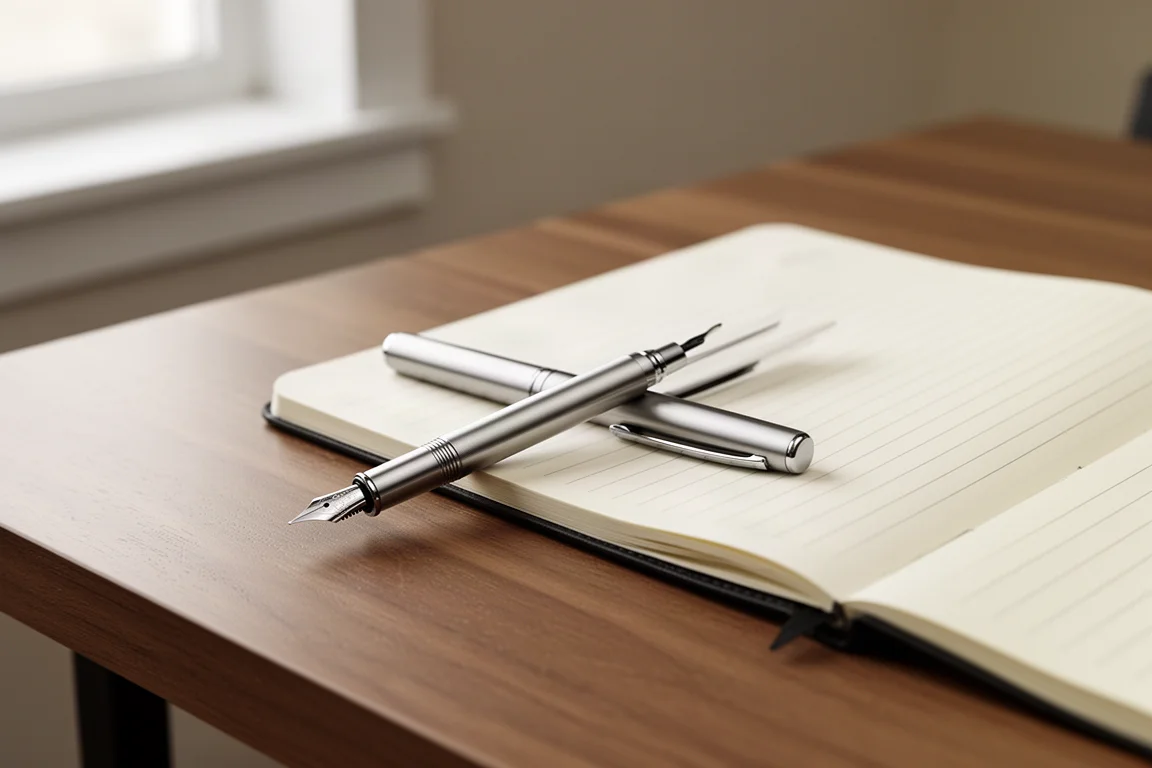
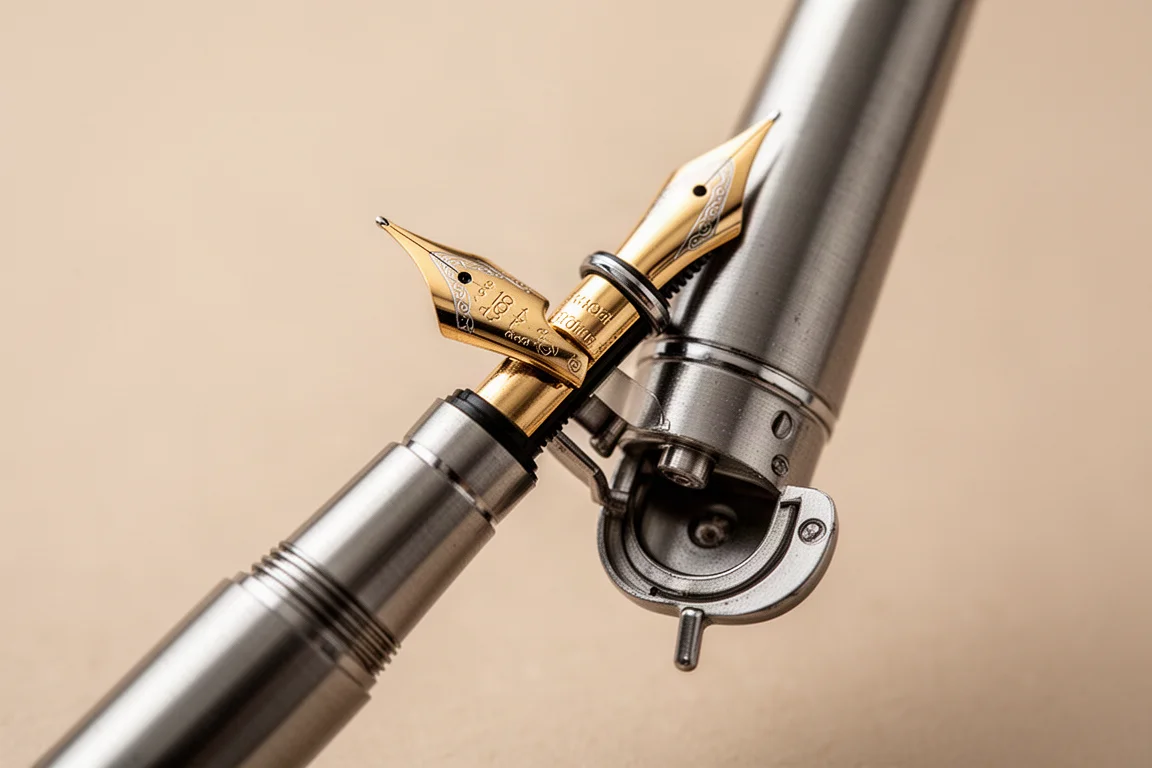
Both pens unscrew in the middle and the entire nib unit slides out. It houses an 18 karat gold nib with a manufacturer date code, and the nib units are interchangeable between the two pens. If you own both, you can swap a fine unit into one and an extra fine into the other without buying a second pen.
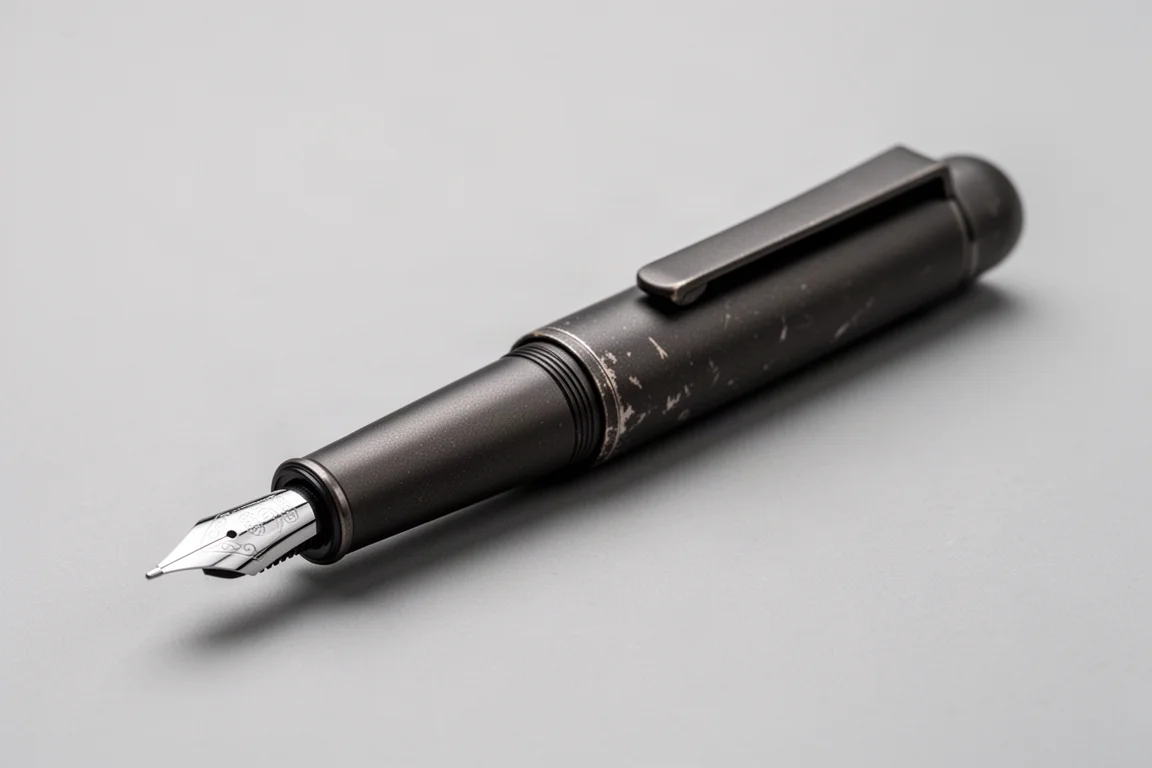
The sealing door mechanism deserves mention. When the pen is closed, a small door pops down over the nib, sealing it off. That keeps the nib from drying out and prevents hard starts, and it is one of the reasons these retractable pens stay reliable over years of use. The well-used Vanishing Point in this comparison shows dents and worn matte finish from years in a bag, but it has always performed.
In the box you get a Pilot black cartridge, the CON-40 converter, and a bonus empty cartridge with a metal cartridge cover. The CON-40 is the weak point: its ink capacity is tiny, it is difficult to get a full fill from a bottle, and many owners skip it entirely and refill cartridges instead. The included metal cartridge cover keeps the cartridge rigid when the button presses down, so save it if you ever switch back to cartridges.
Pilot Vanishing Point
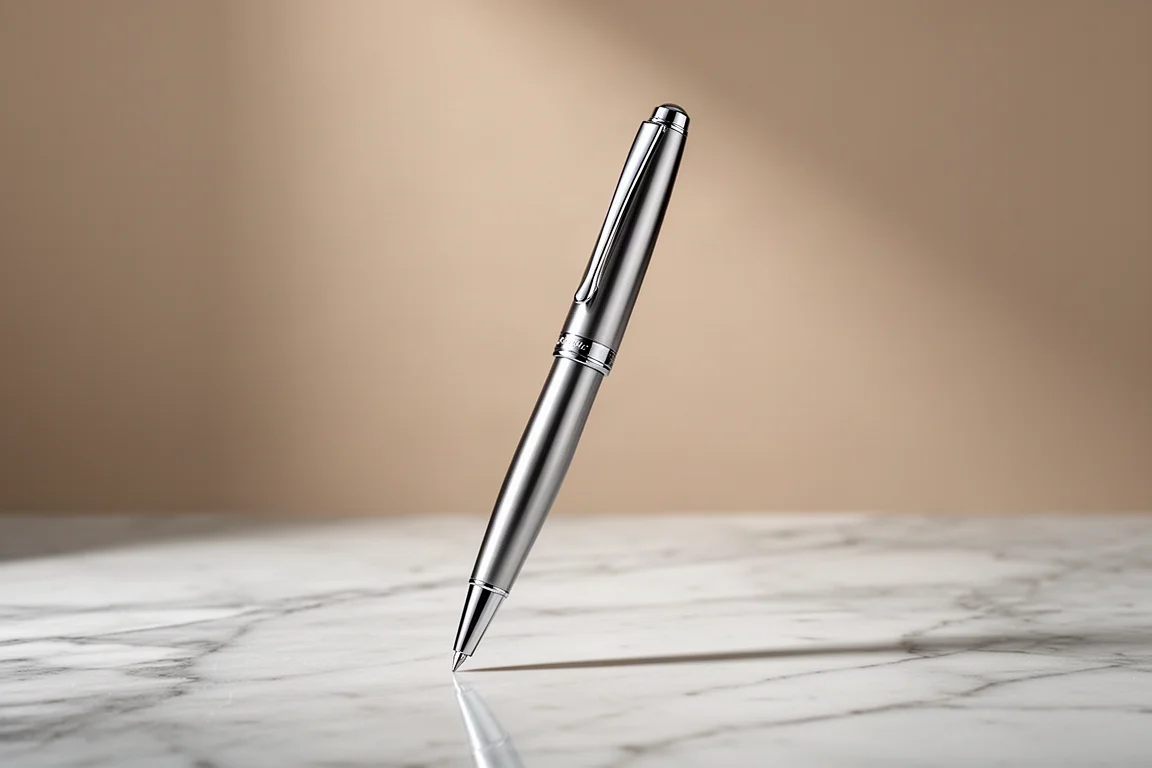
The full-size Vanishing Point is the original and the more established of the two. Its matte metal body and flat clip have become a familiar sight, and it has earned a reputation as a trustworthy daily driver. The nibs on it are consistently smooth and fairly wet writers with a little bounce despite being small 18 karat units.
The main caveat is that Vanishing Point nibs tend to run broader than you would expect from a Japanese nib grading. A fine nib here writes closer to a regular Pilot fine or even wetter, so if you want genuinely fine lines you may need to look at the extra fine option. For quick notes at work or jotting things down, it remains an excellent choice.
Pilot Decimo
The Decimo is essentially the same pen in a slimmer, lighter body. It comes in finishes the full-size line does not get, including white, silver, red, blue, and pastel options, with a sparkly candy-coat lacquer over an all-metal body that looks genuinely striking, closer to a nice car paint job than a typical pen finish.
The extra fine nib in the Decimo still runs a touch wet and broad for a Japanese extra fine, but it writes noticeably finer and with more precision than the fine on the full-size pen. The nib has a soft, bouncy feel with some gentle feedback, almost needle-like, but it stays smooth and wet with no catching on the paper. For longer writing sessions the slimmer body is simply more comfortable.
Nib Feel and Line Width
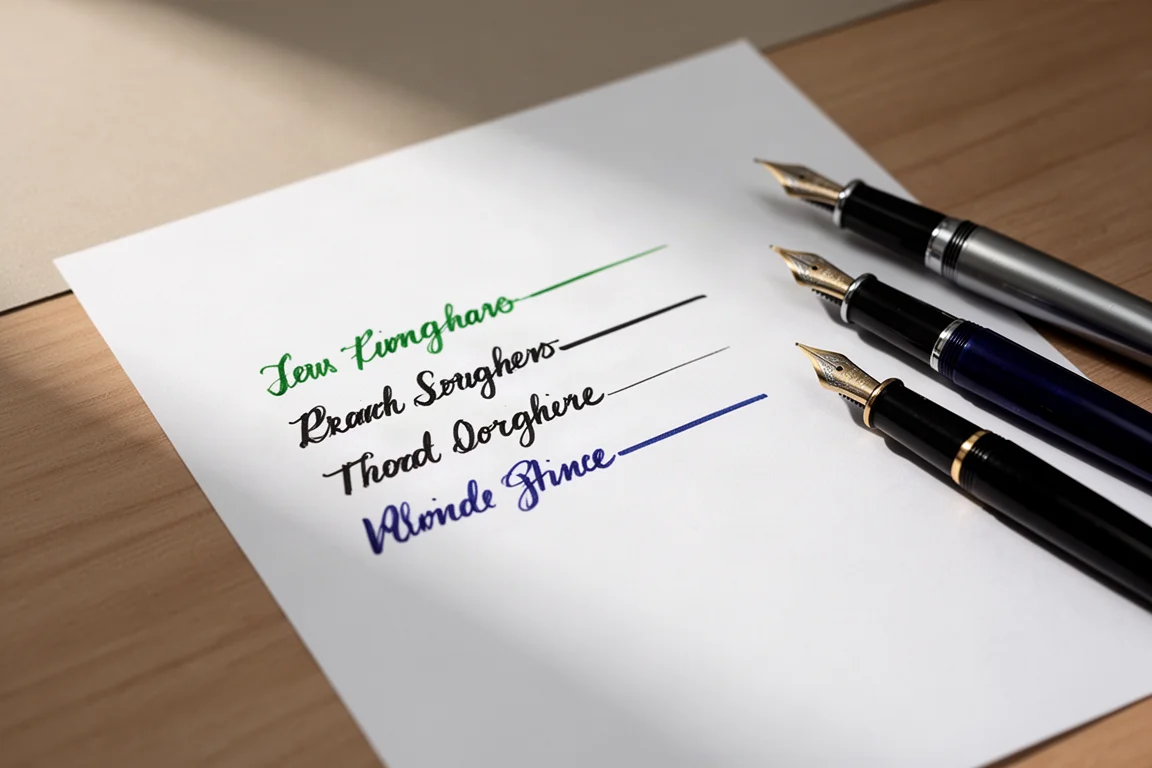
Side by side, the difference between a Vanishing Point fine and a Decimo extra fine is clearly visible. The Decimo line is thinner, and even the full-size fine writes thicker and wetter than a regular Pilot gold fine nib. None of this is a flaw, but it matters if you have specific line-width expectations.
Because the nib units are shared, you can always move an extra fine unit into a Vanishing Point body or a fine unit into a Decimo if you want to change the writing character of either pen. Just be aware that the slim Decimo body has less clearance for larger converters, so filling carefully is part of ownership.
Buying Advice
If you write mostly short notes and quick jottings, the full-size Vanishing Point is hard to beat and its variety of special editions and limited colors is far larger than the Decimo’s. But if you have tried a retractable fountain pen before and found it slightly uncomfortable or bulky, do not write off the concept entirely. The Decimo’s slimmer body changes the experience enough that many writers who disliked the full-size pen end up loving the smaller one.
For long-form writing, letters, and anything that goes on for pages, the Decimo is the better pick of the two: lighter, thinner, more controllable, and easier to write with for extended periods. The roughly $8 price difference is not a factor; you are not paying more pen for the full-size model, you are paying for a different feel.
Conclusion
These two pens share a nib unit, a click mechanism, and a sealing system that has proven reliable over years of daily use. What separates them is ergonomics and finish selection. Choose the Vanishing Point for its wider range of colors and familiar full-size grip, and choose the Decimo if comfort, precision, and a slimmer profile matter more. Between the two, the slimmer Decimo with an extra fine nib is the easier recommendation for anyone prioritizing long writing sessions.
Further reading
Related Reviews
Fountain Pens
Best Budget Fountain Pens Tested: 9 Pens, One Clear Winner
A hands-on comparison of nine affordable fountain pens for everyday writing, calligraphy, and sketching, with a clear standout for flexible nib fans.
Fountain Pens
Aurora Optima Review: An Italian Piston Filler That Punches Above Its Price
A 14k gold nib, ebonite feed, and a beautifully deep oraloid body make the Aurora Optima one of the most rewarding piston fillers around.
Fountain Pens
Cross Bailey Light Review: The Entry-Level Fountain Pen Worth Keeping at the Office
A plastic-bodied Cross with a metal clip, snap cap, and famously smooth extra fine steel nib. Around $15, available almost everywhere, and easy to recommend.