Fountain Pens
Pilot Custom Heritage 92 Review: A Gold Nib Piston Filler Worth Hunting Down
A smooth 14k gold nib, a genuinely useful piston filler, and a design that shares its bones with the Custom 74. Here is why the Custom Heritage 92 earns a full recommendation, especially bought from overseas.
Introduction
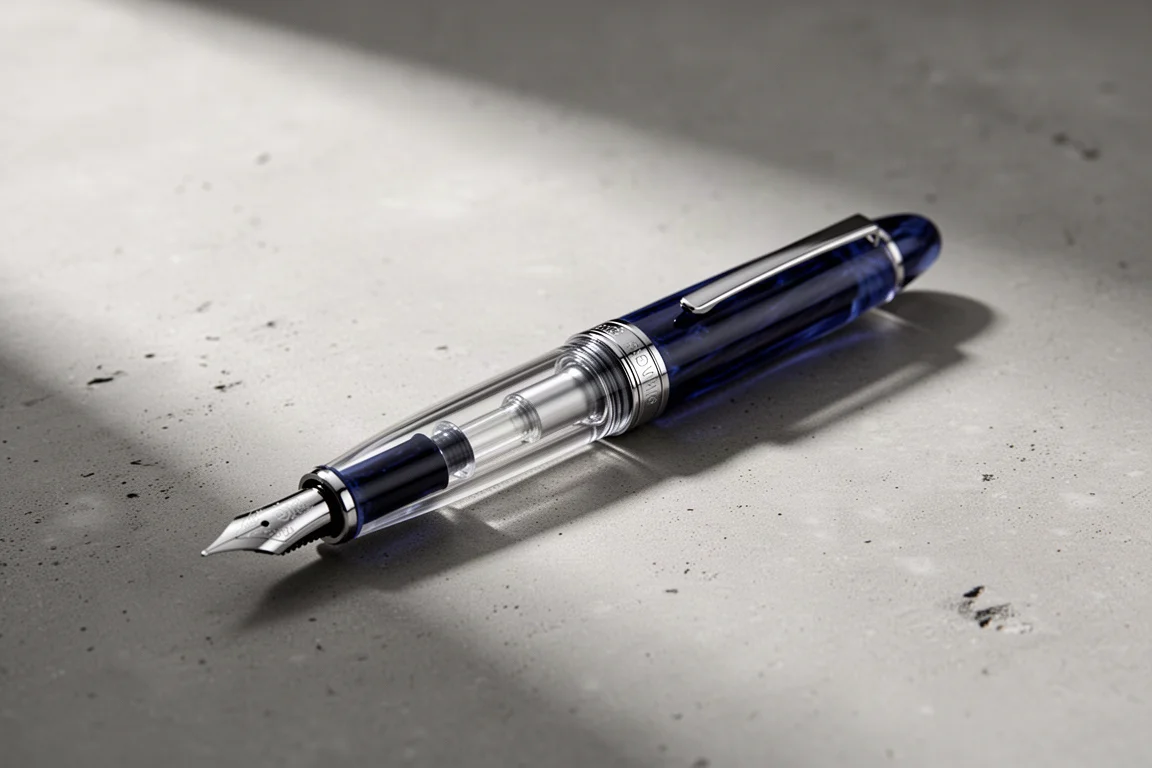
Some pens arrive with a lot of hype around them, and some quietly earn their reputation through sheer usability. The Pilot Custom Heritage 92 belongs firmly in the second camp. It is essentially the piston-filling version of the Custom 74, one of the most respected workhorse pens Pilot makes, and it combines a 14 karat gold nib with a demonstrator body and a large ink capacity.
This one earns a full recommendation, with one important caveat: where you buy it matters enormously.
A Familiar Design With a Different Filling System
If you have handled the Custom 74, the Heritage 92 will feel instantly familiar. It uses the same resin, the same overall proportions, and the same rhodium trim that Pilot applies so well. The rhodium furniture has a genuine luster to it, and the cap band reads Custom Heritage 92 with Pilot, Japan beneath it.
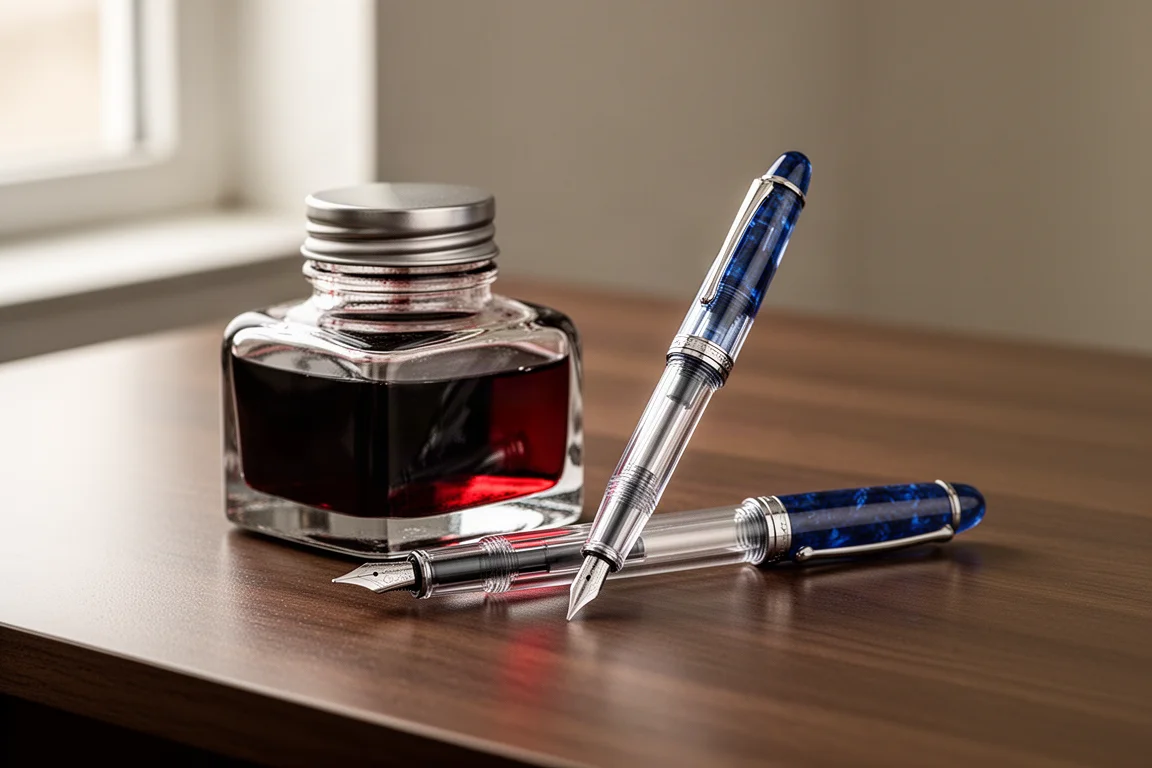
The differences are easy to spot. The clip swaps the classic Pilot ball clip for the Custom Heritage style clip, a stout solid piece of metal with a small ball end that will not catch on fabric or threads. The section is a smoky translucent piece and is slightly smaller than the 74’s, narrowing a little before meeting the nib. The threads are unobtrusive and the transition is smooth and rounded, so even if your thumb lands on the threads, the grip stays comfortable. No sharp edges, no awkward step.
One practical note: the body is transparent acrylic, and it is slightly lighter than the Custom 74. It is long enough to use unposted comfortably, and posting is possible but not recommended, since the threads could scratch the transparent barrel over time.
The Piston Filler Is the Real Story
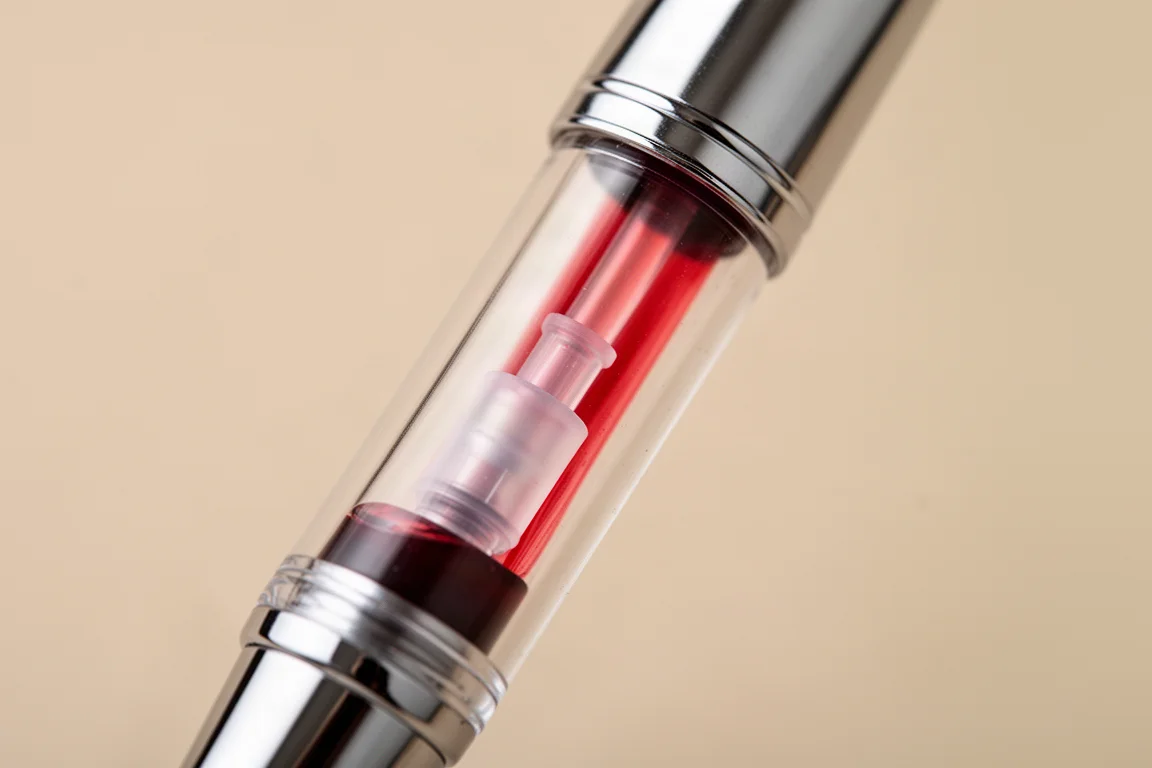
This is where the Heritage 92 separates itself from the Custom 74. The piston mechanism is fully visible through the barrel, and Pilot takes a cleaner single-seal approach rather than the double seals you often see on other piston fillers. The result looks tidier, and there is no widespread record of the single-seal design causing problems.
More importantly, the piston travels all the way down to the entrance of the feed. That has two real benefits. First, filling is dramatically more efficient: in practice, two full up-and-down strokes of the piston produced nearly a complete fill, with just one small air bubble remaining at the top of the reservoir. Second, cleaning is easier. Because the piston reaches the feed, a full draw of water flushes the whole system, so you need fewer repetitions than with a piston that stops above the threads.
The mechanism itself is plastic, which keeps the pen well balanced with no back weight from the filling system.
Writing Performance: Smooth, Bouncy, and Generous
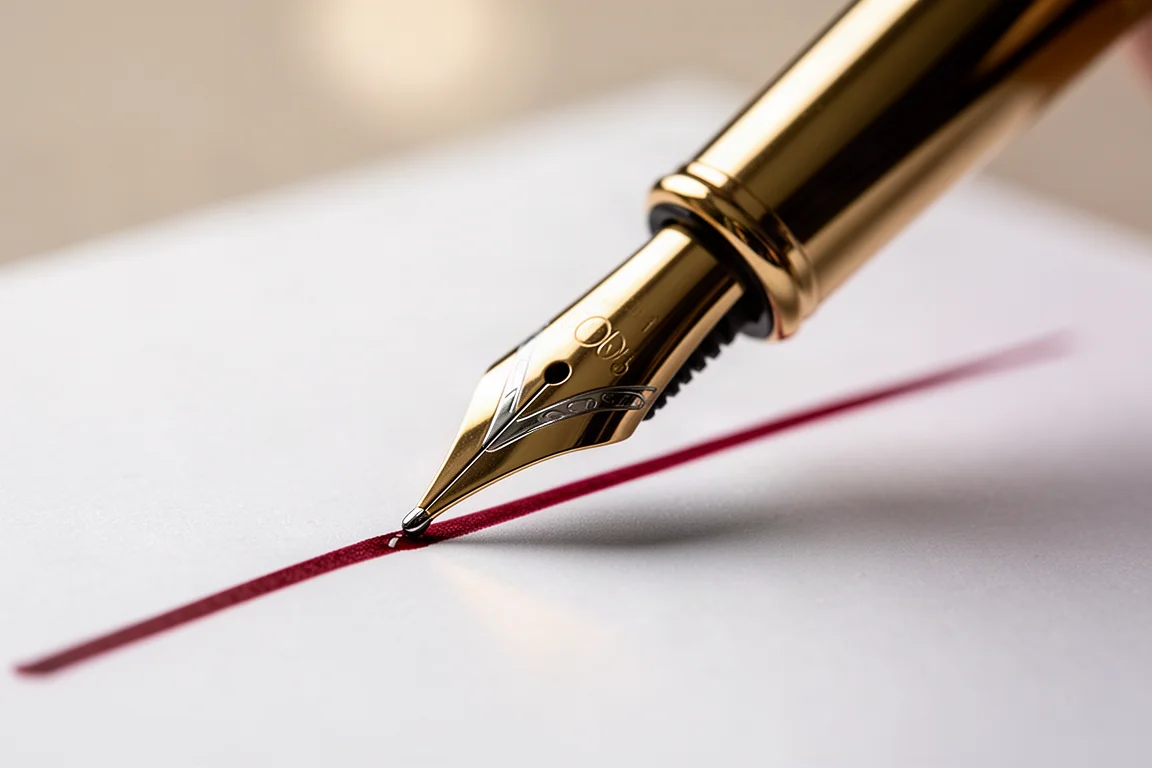
The number five rhodium-plated 14 karat gold nib is the heart of the pen. The unit reviewed here is a fine, which is plenty fine for everyday writing and precise enough for smaller handwriting. Markings on the nib include a date code that hints at manufacturing timing, along with Pilot’s standard trade marks.
In use, it behaves exactly as Pilot gold nibs tend to. The line is smooth and consistent with just a touch of audible feedback, which keeps it from feeling glassy while still being among the smoothest fine nibs around. Ink flow is generous, and even a typically drier German ink came through wet and comfortable. There is a subtle bounce under light pressure, a cushioned feel that is pleasant for fast writing, though this is not a flex pen.
The feed kept up without any hesitation, and the large piston reservoir only helps by keeping plenty of ink available. The cap seal is similar to the Custom 74’s, which has never shown drying issues, so long-term ink storage in the barrel should not be a concern.
Things to Consider Before Buying
A few trade-offs are worth knowing about. The orange colorway was discontinued a couple of years ago and is now very difficult to find, and the blue and black versions are reportedly being discontinued as well. At least in the US market, the transparent version may be the only one left, so if you want a color, the time to look is now.
Buying from overseas marketplaces can save serious money, but expect unorthodox packaging. Pens sourced this way may arrive in a generic sleeve instead of a Pilot box, sometimes with a mismatched care guide for a different Pilot model. The pen itself is still the genuine, sealed article; you simply forgo the fancy packaging and the usual warranty paperwork.
The smaller section is also worth flagging if you prefer a thicker grip, though most writers will adapt quickly given how smooth the threads are.
Price and Buying Advice
Domestically in the US and EU, the Custom Heritage 92 typically lists from around $200 to $240. Bought from the overseas market, it commonly runs roughly $100 to $150. The reviewed unit landed at $108, which is a remarkable price for a Japanese gold-nib piston filler.
That price gap is why buying from outside the US or Europe makes so much sense here: it is essentially less than half the domestic cost. Even at full domestic retail, though, the pen holds its own. Compared to a Platinum 3776 at around $220, spending roughly twenty dollars more gets you a piston-filling gold-nib Pilot. Its main direct competitor, the Sailor Realo, sits around $250 in most places with fewer discounts to be found.
If you have ever wanted a piston filler with a gold nib, this is the pen to consider. It suits letter writing, journaling, and everyday carry, and secondhand or overseas examples at the lower end of the price range are close to a no-brainer.
Conclusion
The Pilot Custom Heritage 92 does almost everything right: a smooth, bouncy 14 karat gold nib, a demonstrator body that shows off a genuinely well-designed piston filler, and a balanced, comfortable feel in the hand. Its filling system makes both filling and cleaning easier than most competitors manage.
Discontinued colors are a reason to act if you want blue or black, and the domestic price keeps it competitive even without a discount. If you can find it overseas or secondhand near the $100 to $150 mark, it is one of the easiest recommendations in the gold-nib piston-filler category.
Product link
View more details for Pilot Custom Heritage 92
This product is mentioned in the review. Check the specifications, options, and compatibility before buying.
View more details for Pilot Custom Heritage 92Further reading
Related Reviews
Fountain Pens
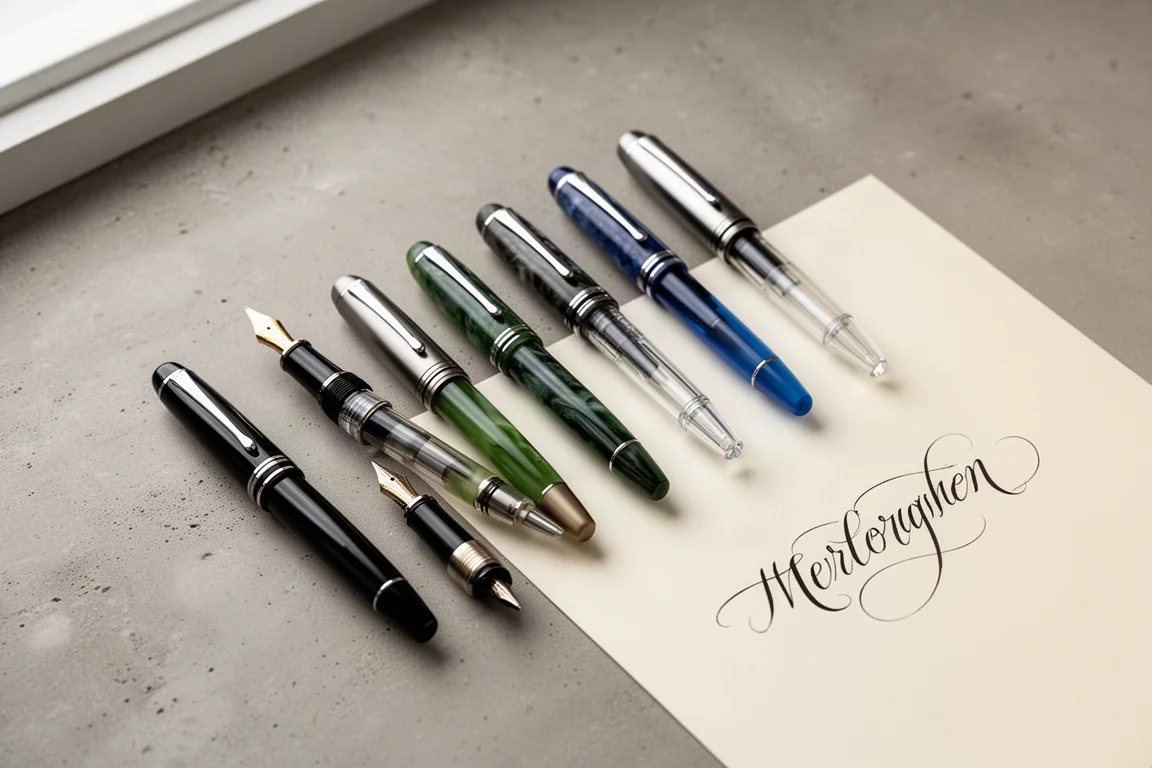
Best Budget Fountain Pens Tested: 9 Pens, One Clear Winner
A hands-on comparison of nine affordable fountain pens for everyday writing, calligraphy, and sketching, with a clear standout for flexible nib fans.
Fountain Pens
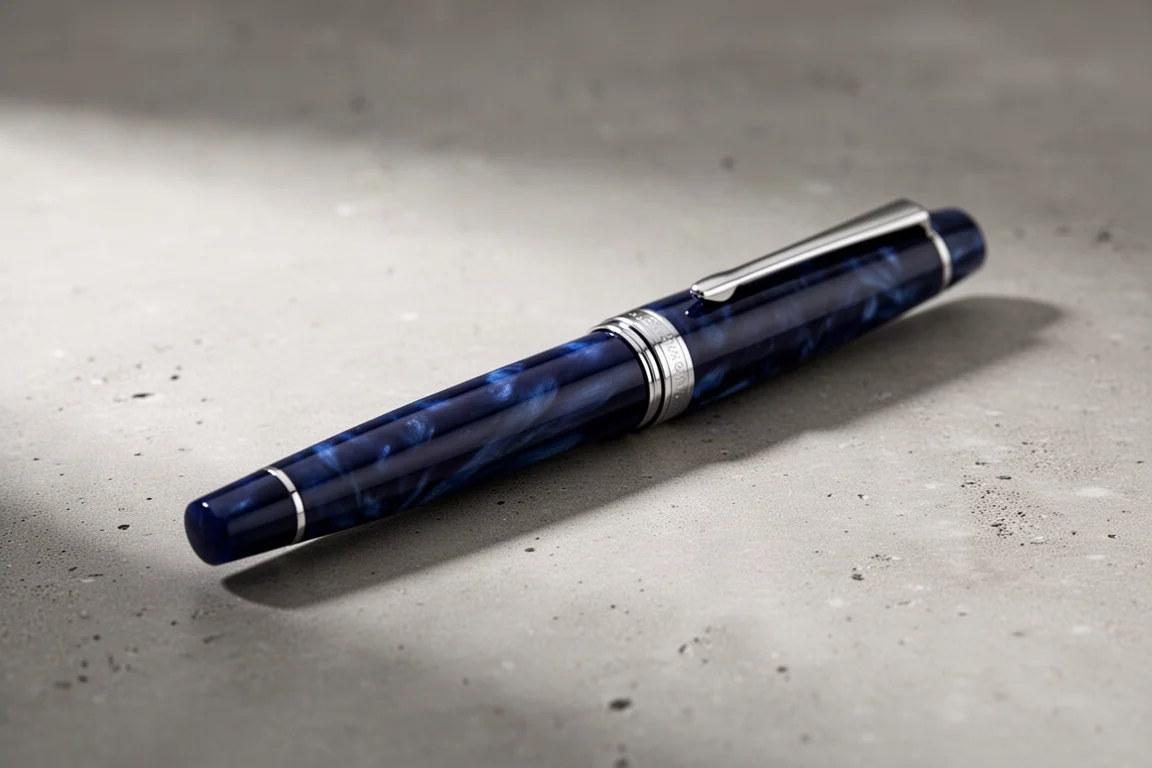
Aurora Optima Review: An Italian Piston Filler That Punches Above Its Price
A 14k gold nib, ebonite feed, and a beautifully deep oraloid body make the Aurora Optima one of the most rewarding piston fillers around.
Fountain Pens
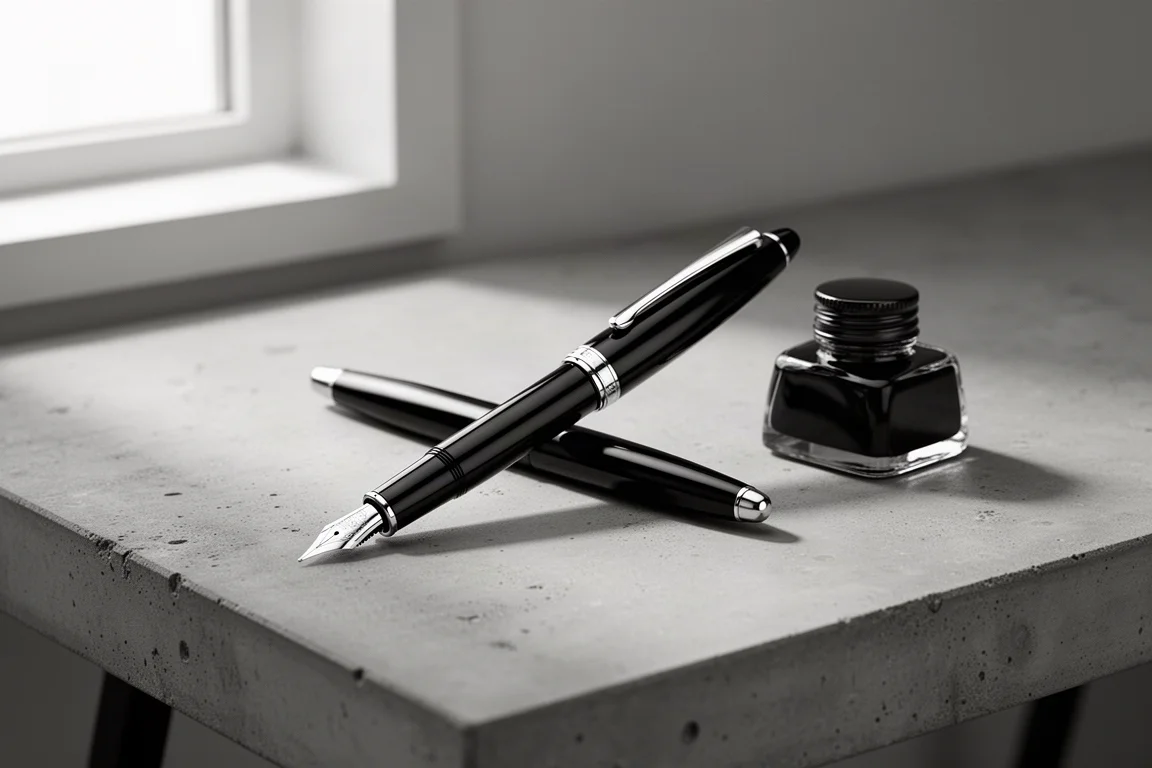
Cross Bailey Light Review: The Entry-Level Fountain Pen Worth Keeping at the Office
A plastic-bodied Cross with a metal clip, snap cap, and famously smooth extra fine steel nib. Around $15, available almost everywhere, and easy to recommend.