Fountain Pens
Pilot Custom 823 Revisited: A Beloved Fountain Pen That Is Not for Everyone
The Pilot Custom 823 is one of the most popular vacuum-fill fountain pens around. We take a fresh look at why so many people love it, and why it may still not suit every hand.
Introduction
Some fountain pens build a following for a reason, and the Pilot Custom 823 is a textbook example. It has been reviewed, recommended, and debated for years, and it remains one of the most beloved pens in its class. This is a fresh look at a pen we were lukewarm on the first time around. The verdict has not dramatically changed, but it feels worth explaining why a pen that is hugely popular still does very little for one particular reviewer, because that tension is exactly what makes pens interesting: there are so many of them, and you get to pick the one that works for you.
To be clear from the start, there is nothing wrong with the Custom 823. It is a well-made, pleasant writer with a genuinely clever filling system. It is simply not our pen. Whether it becomes yours depends on a few specific preferences worth understanding before you spend this kind of money.
Design and Build
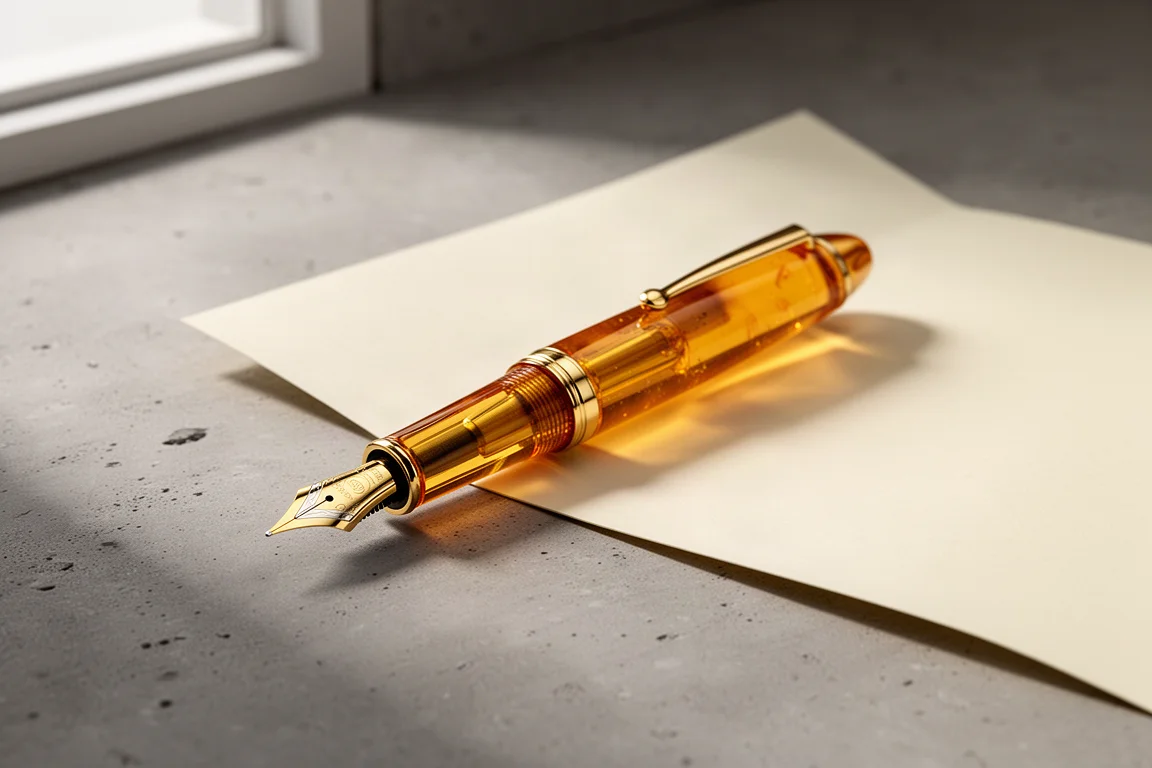
The Custom 823 is a translucent, vacuum-filled pen, and the barrel is the centrepiece of the design. It is smoke-grey resin with just enough transparency to watch ink move inside, which is a large part of its visual charm. The finial and clip carry the Pilot name, the clip is fairly stiff, and the larger opening under it helps the pen slide into cases without fuss. Barrel markings identify it as a Custom 823, made in Japan.
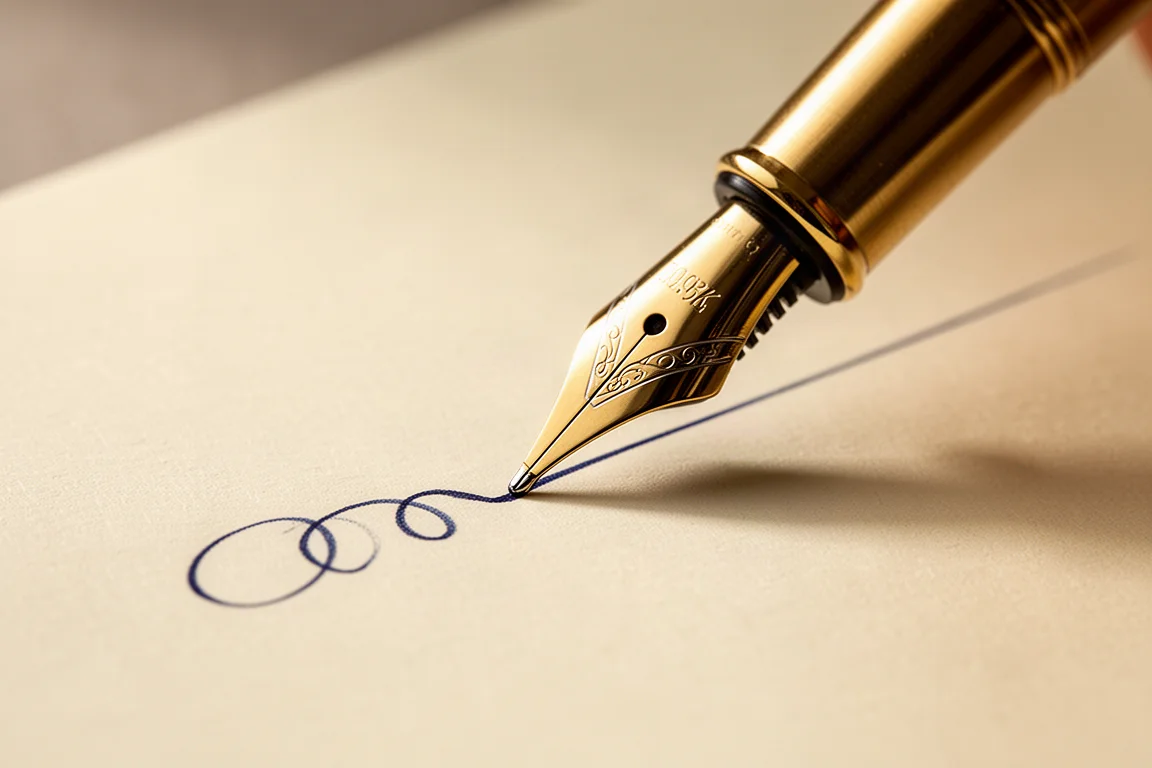
In the hand it is a fairly slim pen. That proportions work extremely well for a lot of people and is often praised as a great everyday size. If you prefer pens with more girth, though, this is the first place where the 823 may not line up with your taste.
Nib Options and Sizes
The pen uses Pilot’s number 15 nib in 14k gold, available in fine, medium, and broad. The nib is beautifully finished, with tasteful scrollwork, and Pilot’s fit and polish are consistently good. One practical note matters a lot when choosing: Japanese nibs typically run a grade finer than Western equivalents, so a Japanese medium writes roughly like a Western fine. If you are buying blind, that is essential to know.
Filling System and Maintenance
The vacuum-filling mechanism is the defining feature and a big reason for the pen’s popularity. You unscrew the plunger knob at the end, pull the plunger back, dip the nib into a bottle of ink, and push it down. As the piston travels, the channel narrows and then suddenly creates a vacuum that pops and sucks ink up into the barrel. It is a satisfying system to watch in action, and the capacity is generous, especially since the pen ships with a large bottle of ink.

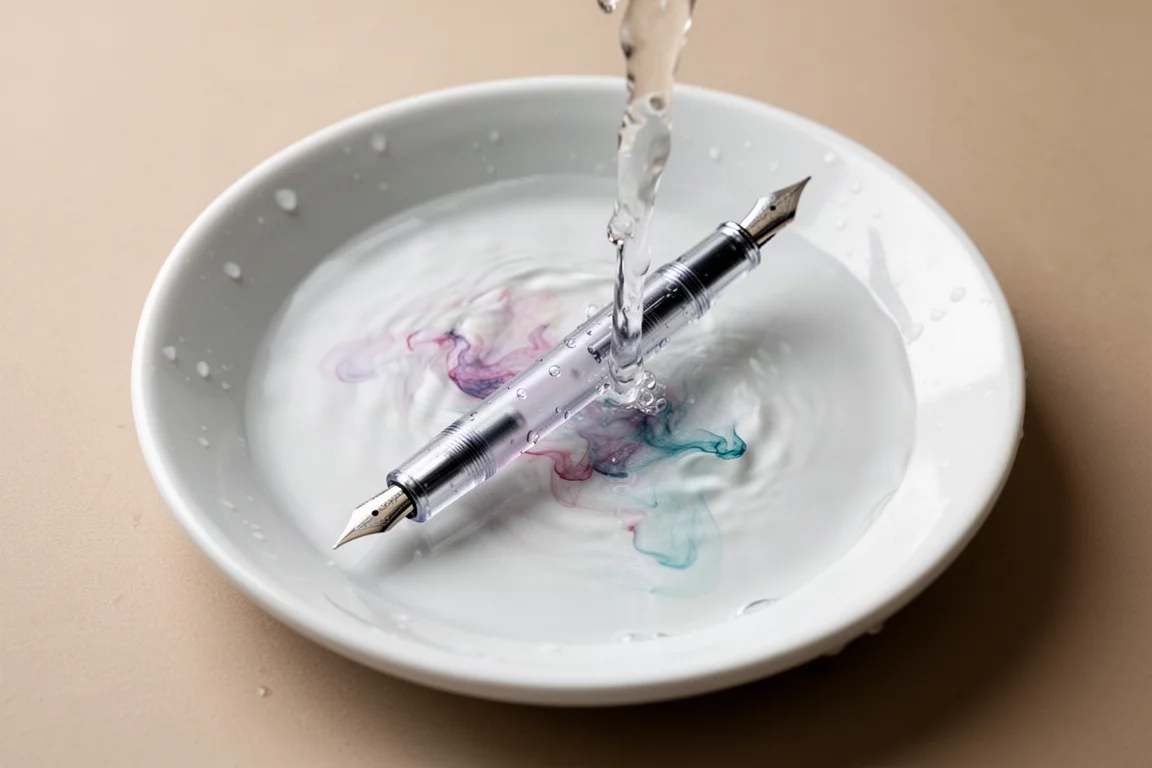
The genuinely clever part is user maintenance. The section unscrews, giving you direct access to the piston seal so you can apply a little silicone grease when needed, and letting you clean the pen far more thoroughly than most sealed systems allow. One operational quirk to remember: the knob at the end must be opened for ink to flow, because otherwise the seal blocks the primary reservoir. Once opened, the pen actually writes even wetter.
Writing Performance
With the 14k medium nib and a standard blue ink, the Custom 823 is a pleasant, fast writer. It keeps up very well with ink demand and runs fairly wet, which suits the generous capacity. There is a hint of line variation and even a small degree of flexibility if you press carefully, but this is not a flex nib. Reverse writing is where it falls down: flipped, the nib goes very light and nearly illegible.
What We Like and What We Do Not
There is a lot to like. The vacuum filler is genuinely fun to use and gives impressive capacity. The self-maintainable design, with a removable section and accessible piston seal, is excellent and rare at this level. The nib is well made, the pen is pleasant to write with, and the included ink bottle is a nice touch.
The reservations are matters of taste rather than flaws. Pilot nibs are excellent, but they are not everyone’s first preference among Japanese makers. The slim profile, while a great size for many hands, is not ideal if you want more girth. And the price is significant: in the United States it currently goes for around 336 dollars at major retailers, and in Europe it has been listed for about 350 euros, roughly 390 dollars, though prices there appear to have come down somewhat. Buying directly from Japan is often cheaper, but import duties may apply in Europe, where high sales tax and importer markups make Japanese pens especially expensive.
Buying Advice
If you want a high-capacity vacuum filler that you can service yourself, and a slim, well-built Japanese pen with a gold nib, the Custom 823 is an easy recommendation at the right price. It is a pen people adore, and the reasons are real: the filling experience, the maintenance access, and the smooth, wet writing.
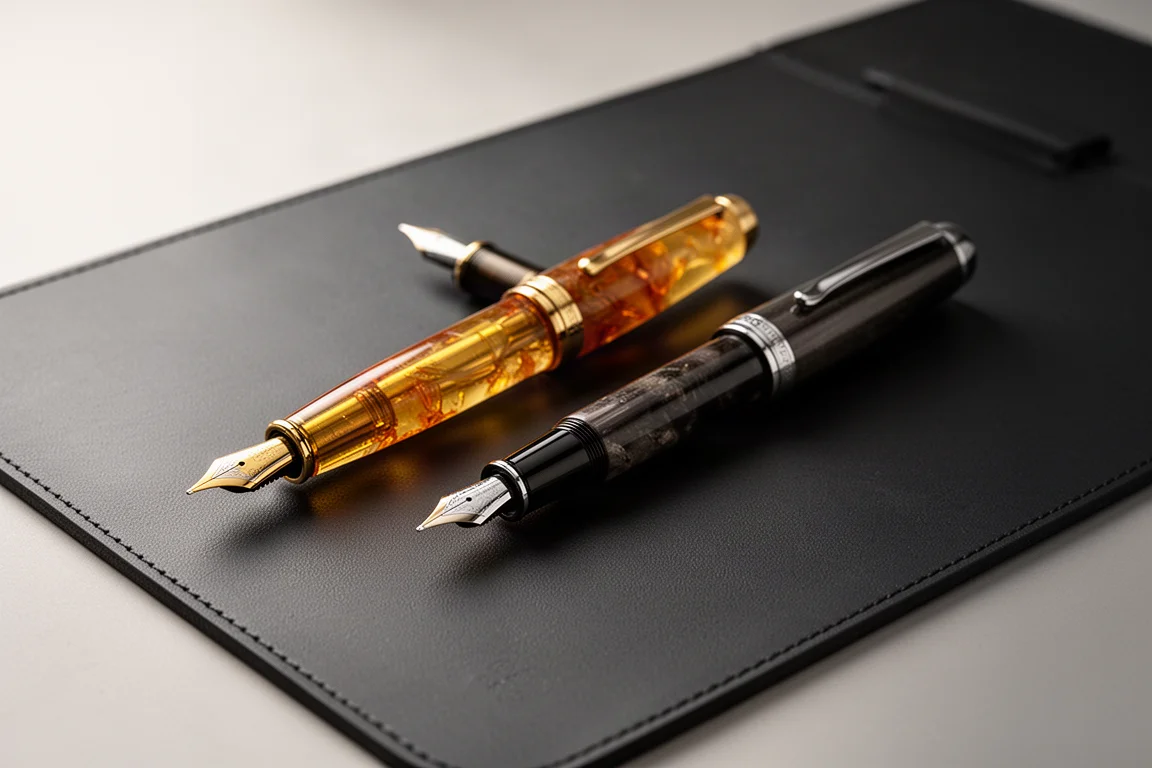
If, on the other hand, you prefer a wider pen, or you already know which Japanese nib-maker suits your writing style best, it is worth handling one first or comparing alternatives. Order directly from Japan if the price difference outweighs potential import charges, and pick your nib size with the Japanese-versus-Western sizing difference in mind.
Conclusion
The Pilot Custom 823 is a very good pen with a devoted following, and the appeal is easy to see: a cool vacuum-filling system, genuine user serviceability, generous capacity, and a well-made gold nib. It is simply not the pen for everyone, and for us the slim shape and Pilot’s nib character never quite won us over despite a second look. That is not a criticism of the pen. It is a reminder of why fountain pens stay interesting: with this many options, there is one that fits your hand and your habits, and the 823 may well be that pen for you.
Product link
View more details for Pilot Custom 823
This product is mentioned in the review. Check the specifications, options, and compatibility before buying.
View more details for Pilot Custom 823Further reading
Related Reviews
Fountain Pens
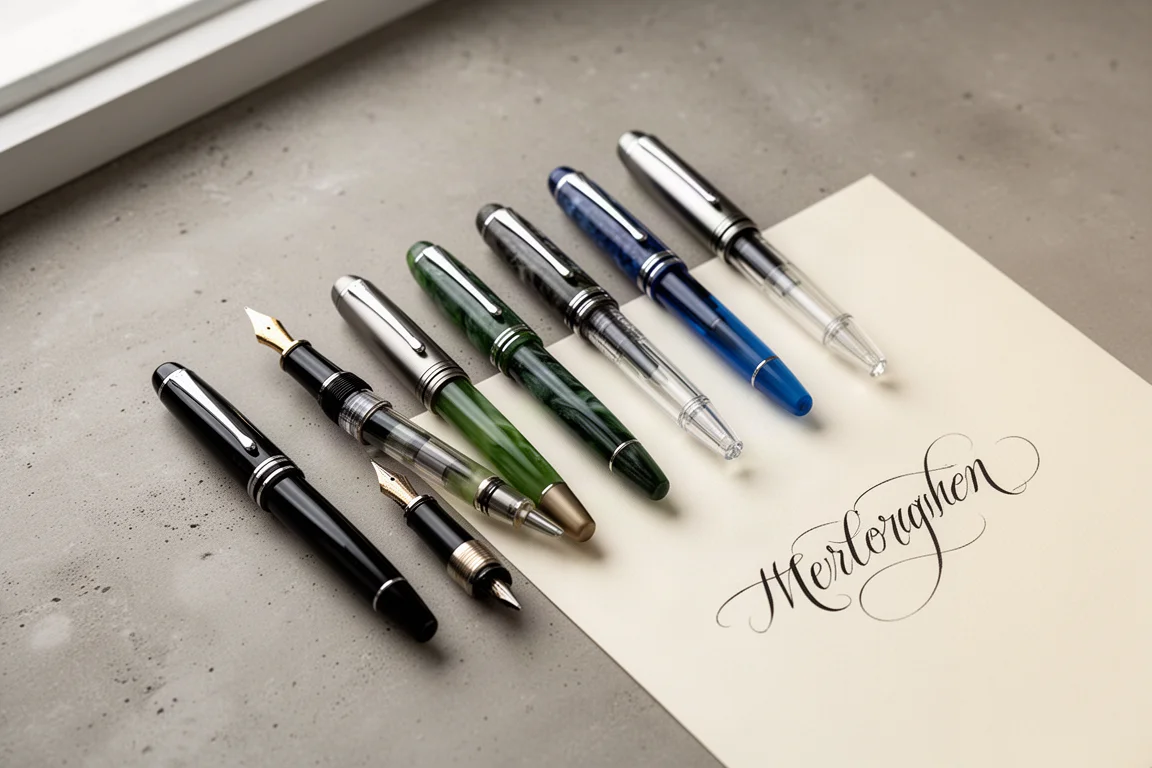
Best Budget Fountain Pens Tested: 9 Pens, One Clear Winner
A hands-on comparison of nine affordable fountain pens for everyday writing, calligraphy, and sketching, with a clear standout for flexible nib fans.
Fountain Pens
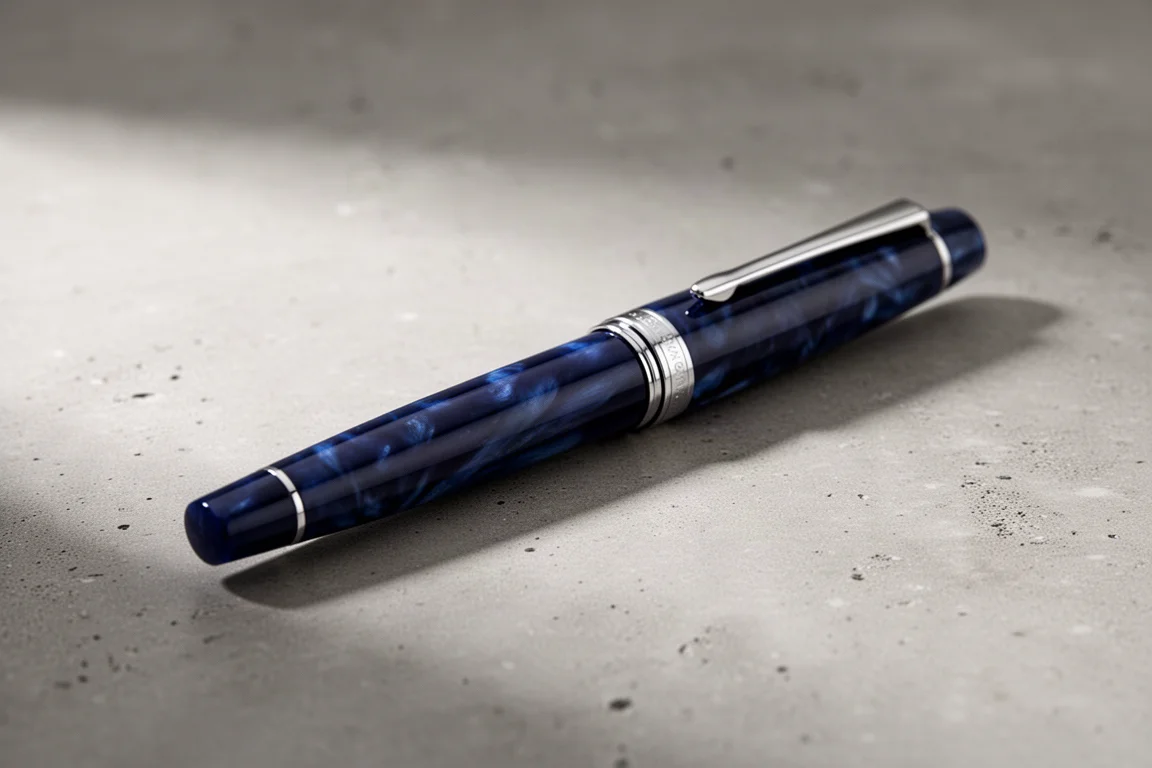
Aurora Optima Review: An Italian Piston Filler That Punches Above Its Price
A 14k gold nib, ebonite feed, and a beautifully deep oraloid body make the Aurora Optima one of the most rewarding piston fillers around.
Fountain Pens
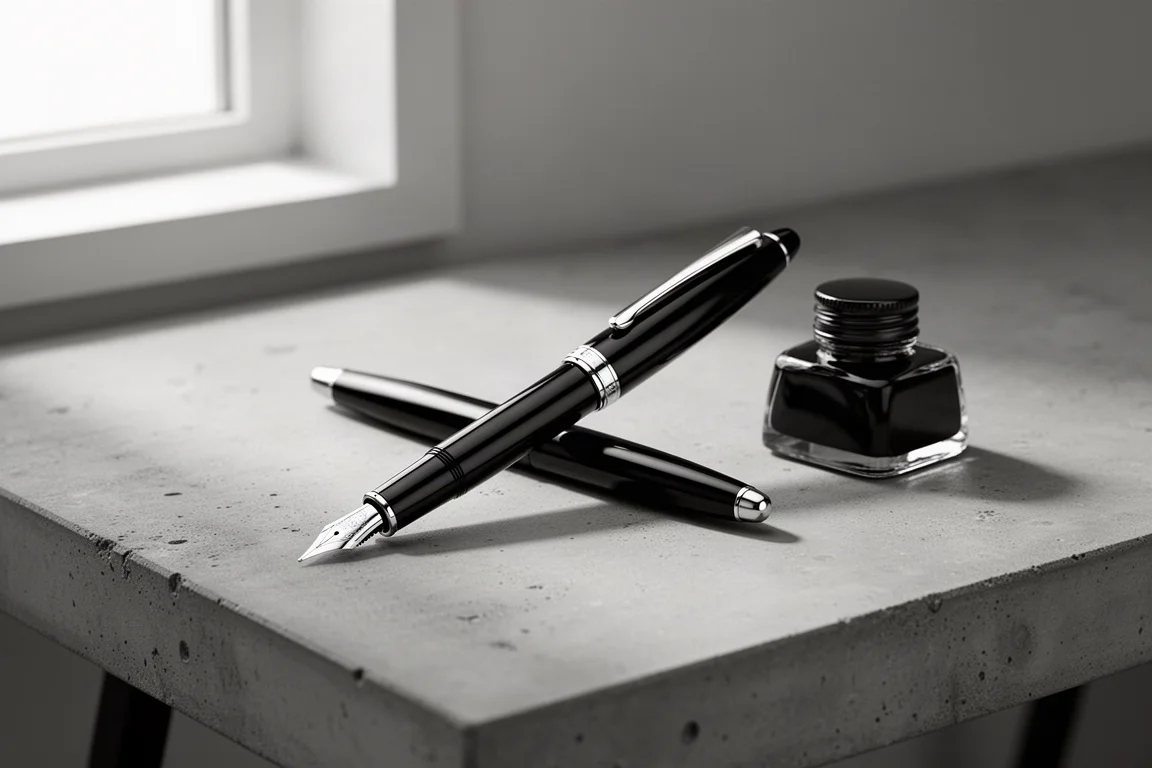
Cross Bailey Light Review: The Entry-Level Fountain Pen Worth Keeping at the Office
A plastic-bodied Cross with a metal clip, snap cap, and famously smooth extra fine steel nib. Around $15, available almost everywhere, and easy to recommend.