Oral Care
Philips Sonicare 5300 vs Oral-B iO Series 3: Which Electric Toothbrush Should You Choose?
A detailed comparison of two popular electric toothbrushes, covering cleaning action, features, battery life, and value.
Introduction
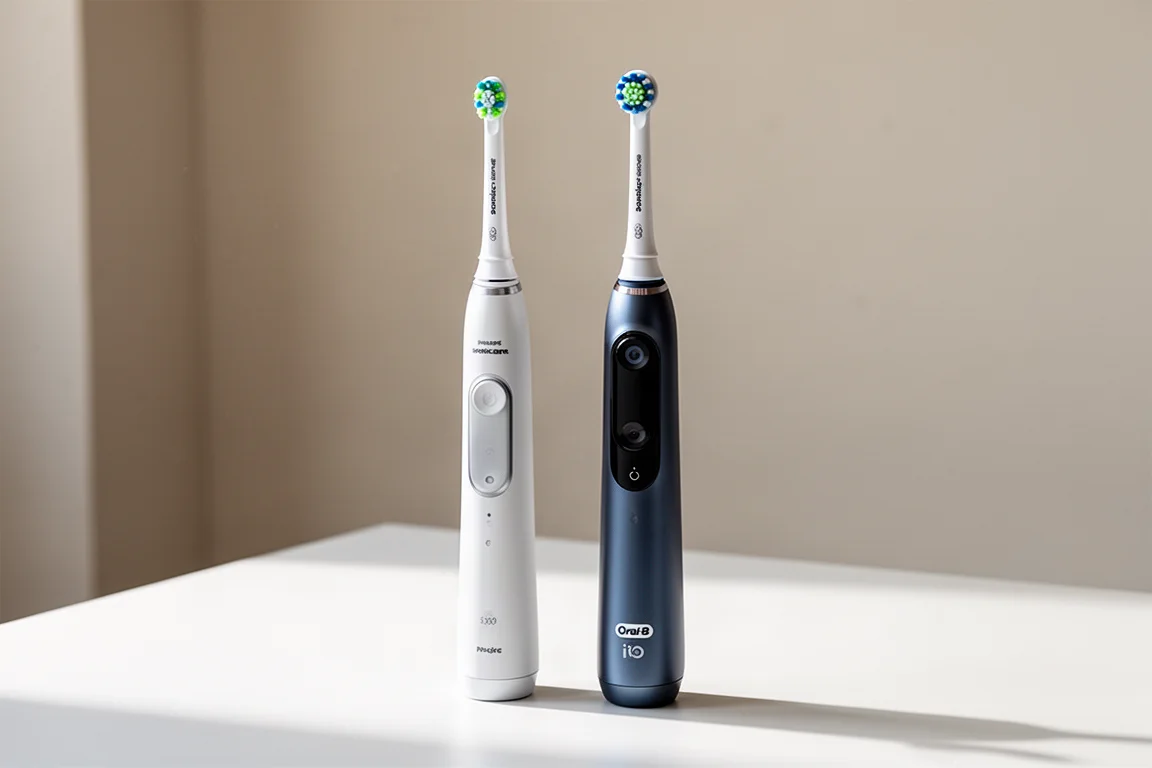
Choosing between the Philips Sonicare 5300 and the Oral-B iO Series 3 comes down to a few key differences that might matter more to you than you think. Both brushes deliver excellent cleaning results and a great user experience, but they approach the job in different ways. This comparison breaks down what sets them apart so you can decide which one fits your routine best.
Cleaning Action: Oscillating vs Sonic
The most obvious difference between these two brushes is their cleaning action. The Oral-B iO Series 3 uses Oral-B’s oscillating and rotating motion. The bristles move back and forth thousands of times per minute in a circular motion, thanks to the round brush head. The Philips Sonicare 5300, on the other hand, uses a sweeping motion that is essentially a straight line.
Both brushes clean teeth effectively. Clinical studies suggest Oral-B may have a slight edge in cleaning ability, but even the researchers behind those studies acknowledge that more research is needed. No study directly compares these two specific models. Your brushing technique and overall oral care routine are likely to have a bigger impact on your dental health than the brushing style itself.
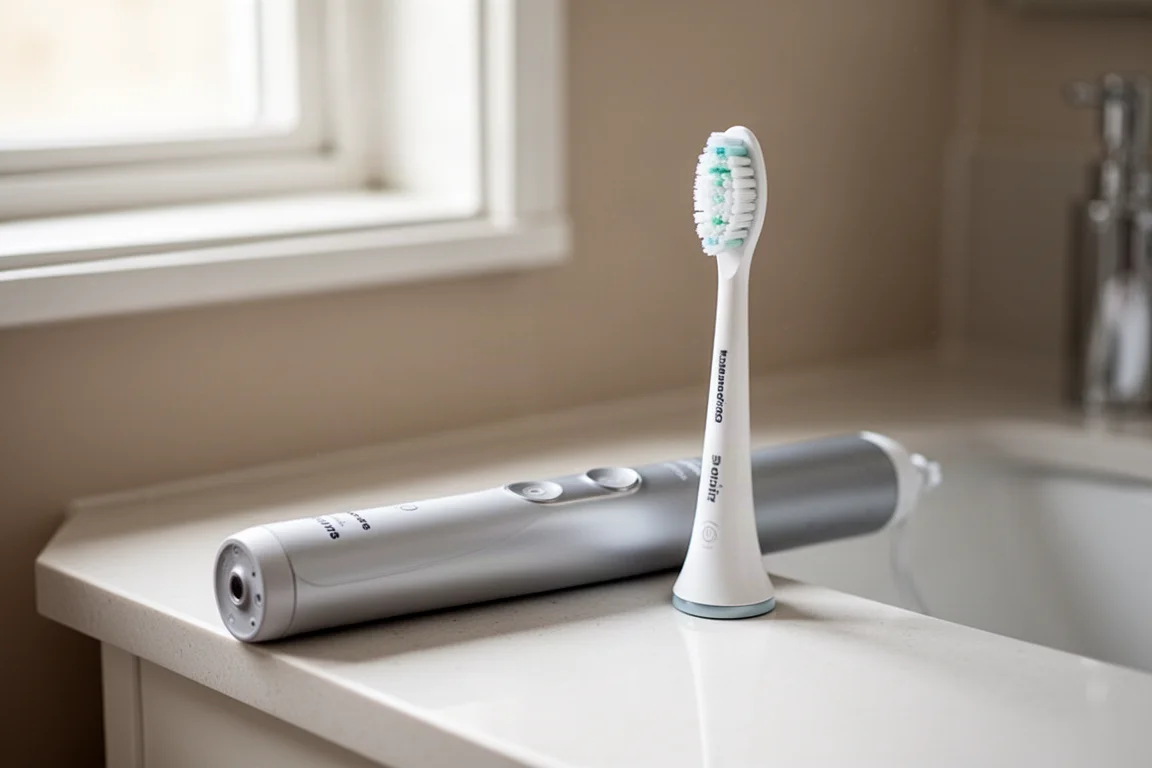
In terms of feel, the Oral-B’s cleaning action is more invigorating. It feels like it cleans deeper. The Sonicare 5300, despite having a strong cleaning action, feels more gentle and less intense overall. If you are already using an Oral-B or Sonicare brush, sticking with the same brand makes the transition easier due to familiarity.
Modes and Intensity Settings
The Oral-B iO Series 3 offers three cleaning modes, while the Philips Sonicare 5300 has one mode with two intensity settings. Essentially, the iO3 provides one extra brushing option. This is not a major difference, but both brushes give you the choice of a more powerful and intense brushing experience or a slightly more gentle configuration. That flexibility suits the needs of most users.
Pressure Sensor: Visible Light vs Vibration
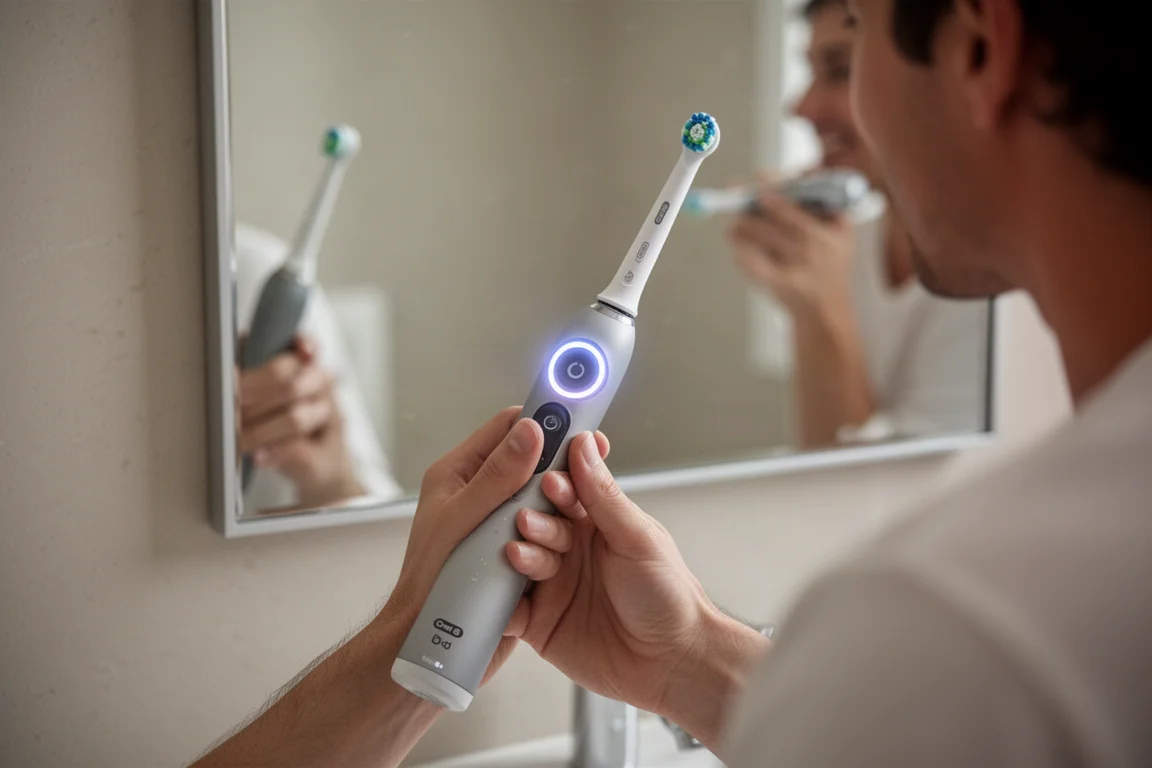
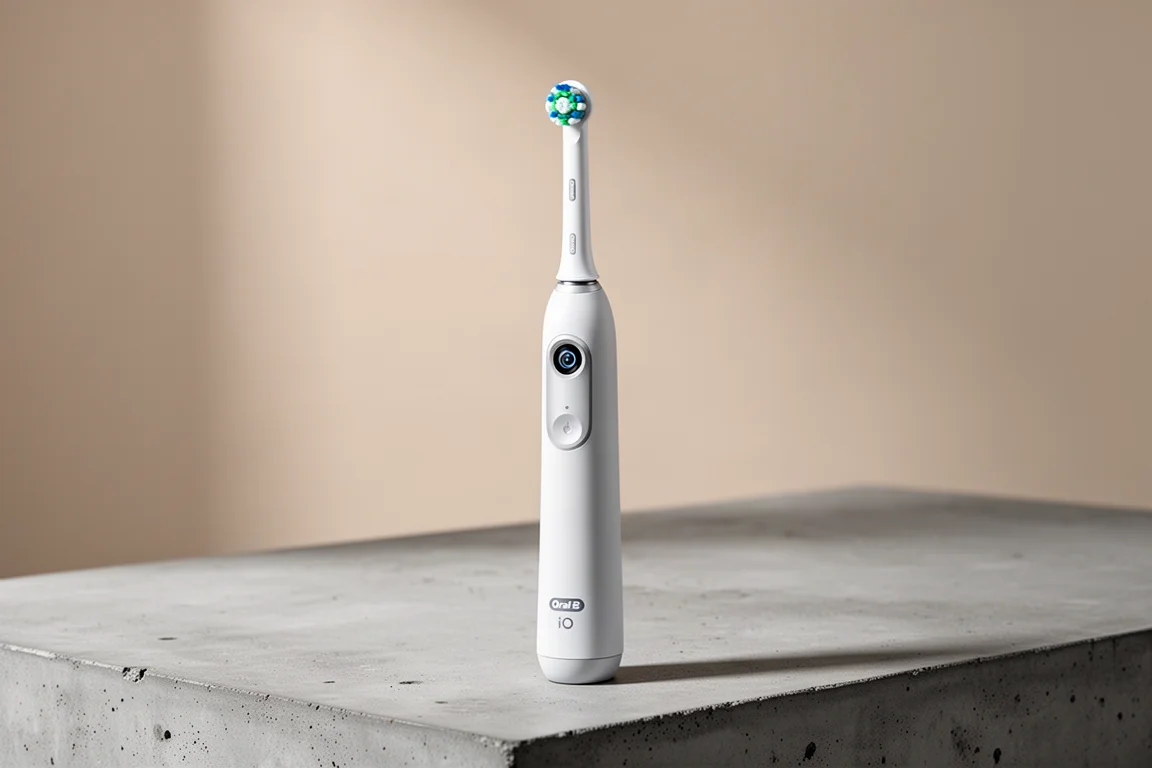
The Oral-B iO Series 3 features a visible pressure sensor that shows when you are using insufficient, correct, or excessive brushing force. The colored light ring is easy to see and particularly useful when brushing in front of a mirror.
The Philips Sonicare 5300 does not have a colored light ring. Instead, it uses a clear vibration pattern change and a resulting sound alteration to indicate when too much force is applied. This feedback works well, and it may actually be more accessible for people with visual impairments. The iO3 offers a subtle sound and brushing sensation change, but it is much more difficult to detect.
Brush Heads: Shape and Maintenance
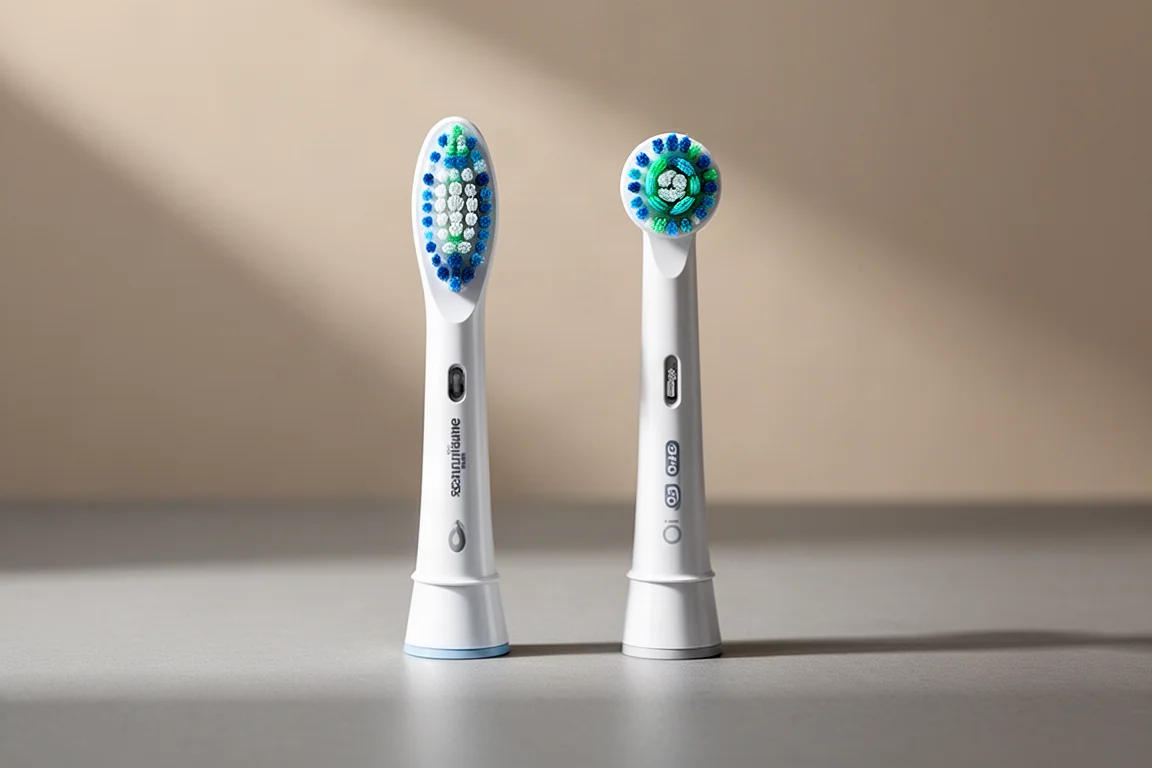
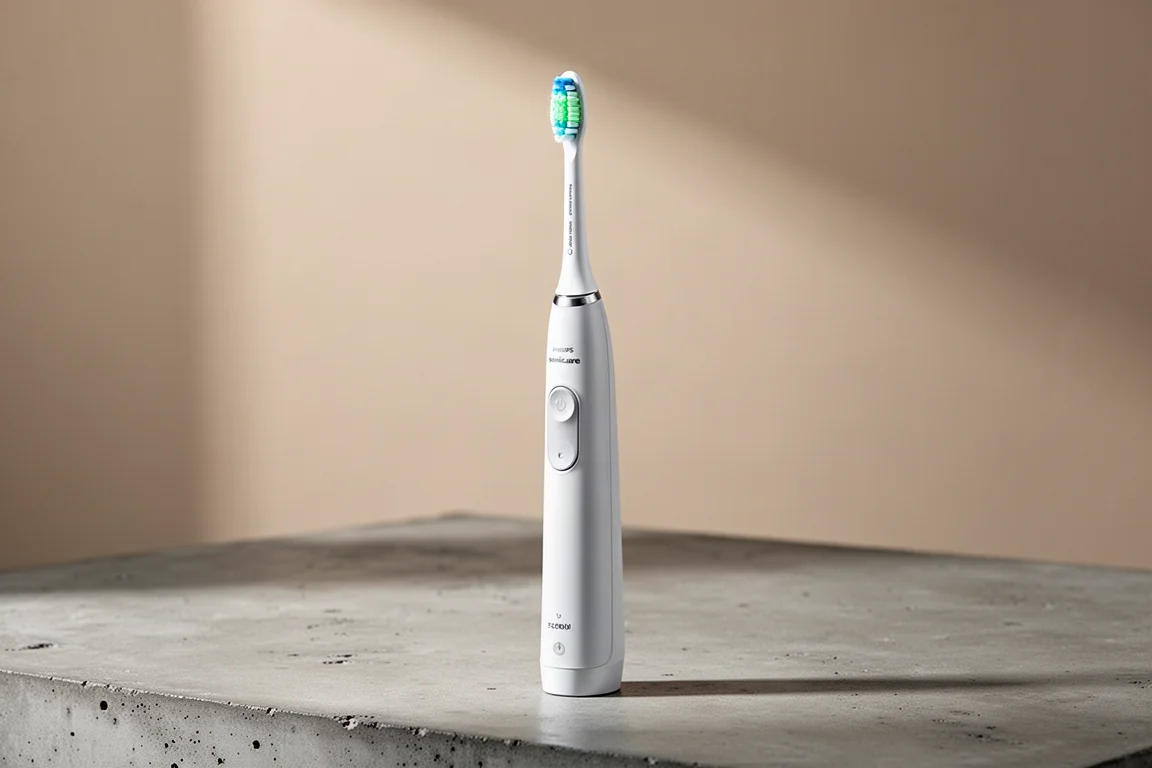
Each brush comes with a single brush head. The Oral-B iO head is rounded, while the Sonicare head is more oval. The Sonicare head is longer, and the iO3 head is deeper. Both are similar but different. The Sonicare 5300’s head is marginally easier to reach the very back teeth.
Both handles accept any of the interchangeable heads offered by their respective brands, and both remind you when the head needs replacing after exceeding its recommended usage time. Brush head prices are comparable for these two models.
One point worth noting: Oral-B iO brush heads are more prone to holding bacteria and allowing mold to build up inside them. This seems to affect some people and not others, and there is no clear trend as to who it affects. Regular cleaning of the head helps, but buildup can still occur. Sonicare heads have not had these issues in most experiences.
Battery Life and Charging
Both brushes have a rechargeable lithium ion battery inside the handle. Both batteries are technically removable and replaceable if needed. The Sonicare 5300 has significantly better battery life, with a claimed life of 21 days compared to the iO3’s approximate 14 days. In real-world testing, the iO3 lasted 17 days and the Sonicare 5300 lasted 46 days. Oral-B rarely states exactly how much usable life you should expect, but the Sonicare battery performance is clearly better.
Both brushes come with charging stands. The iO3 can take up to 16 hours to charge, while the Sonicare takes up to 24 hours. In practice, both typically recharge faster than this. The Oral-B stand has a two-pin adapter that connects directly to a socket. The Sonicare charger uses a USB Type-A connector, which is more versatile but not to everyone’s liking.
Design and Everyday Use
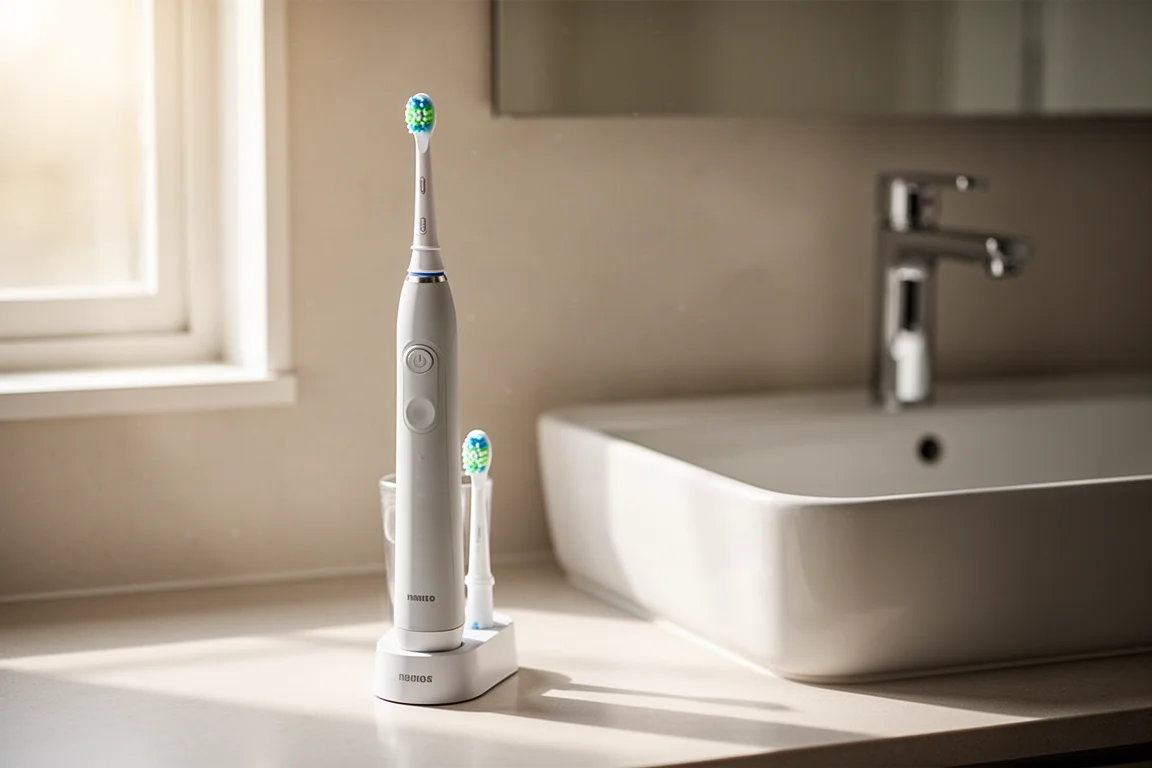
The handles of both brushes are very similar in size and weight, with only a few grams and millimeters of difference. Both have a matte finish and are available in several color options. In use, both produce a similar noise level, up to 64 decibels for the iO3 and 63 for the Sonicare 5300.
Both brushes are sold in configurations with and without a travel case. The version with a travel case is generally the better recommendation.
Price and Long-Term Value
Prices and long-term ownership costs are similar for both brushes. The Oral-B iO Series 3 has a retail price of £160 but can often be purchased for around £60. The Philips Sonicare 5300 is listed at £170 but can be found for around £70. Over three years, the total cost of ownership is approximately £115 for the iO3 and £125 for the Sonicare 5300.
Buying Advice
Both brushes will serve you well, and either one is a solid choice. The Philips Sonicare 5300 feels slightly more refined and has an edge in design and in-use experience. The Oral-B iO Series 3 has a more invigorating cleaning action that some users prefer.
If you are already familiar with one brand, sticking with it makes the transition easier. If you are starting fresh, consider what matters most to you: the Sonicare offers better battery life and a gentler feel, while the Oral-B provides a visible pressure sensor and a more intense cleaning sensation.
Conclusion
The Philips Sonicare 5300 and Oral-B iO Series 3 are both excellent electric toothbrushes that deliver great cleaning results. The differences between them are relatively minor, but they could be important to you. The Sonicare stands out for its superior battery life and refined design, while the Oral-B impresses with its visible pressure sensor and invigorating cleaning action. Whichever you choose, you are getting a reliable brush that will support a solid oral care routine.
Further reading
Related Reviews
Oral Care
AI Electric Toothbrushes: What the Technology Really Does
A practical look at AI-enabled electric toothbrushes, what the sensors and apps actually track, and whether the extra cost is worth it.
Oral Care
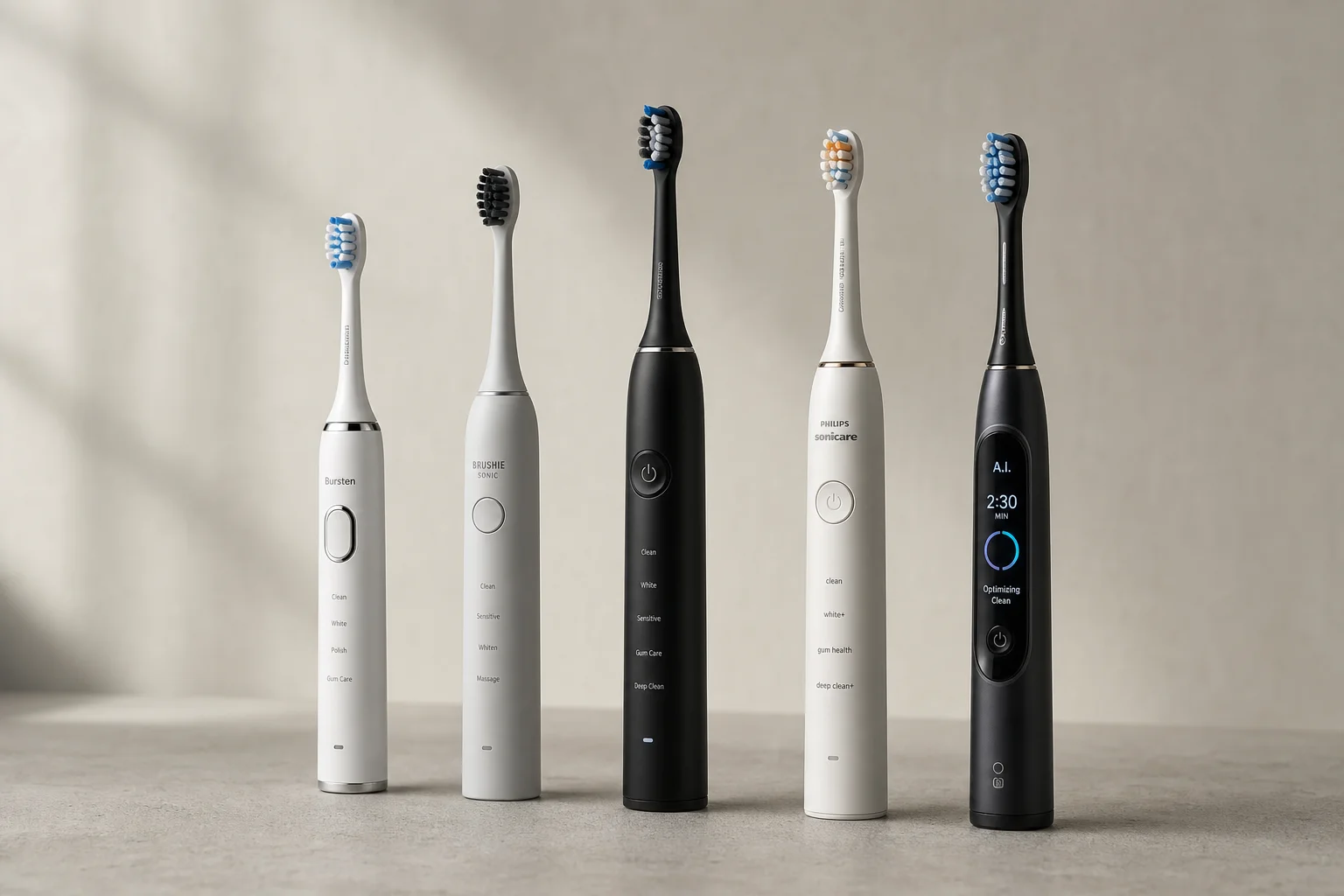
Best Electric Toothbrushes 2026: Five Models Ranked by Performance and Features
A detailed ranking of five electric toothbrushes from budget-friendly to premium, each with distinct strengths for different brushing needs and lifestyles.
Oral Care
Feno Smartbrush Review: A Faster Way to Brush, With Real Trade-Offs
The Feno Smartbrush cleans teeth in about 30 seconds, but comfort, cost, and a subscription model mean it is not for everyone.