Oral Care
AI Electric Toothbrushes: What the Technology Really Does
A practical look at AI-enabled electric toothbrushes, what the sensors and apps actually track, and whether the extra cost is worth it.
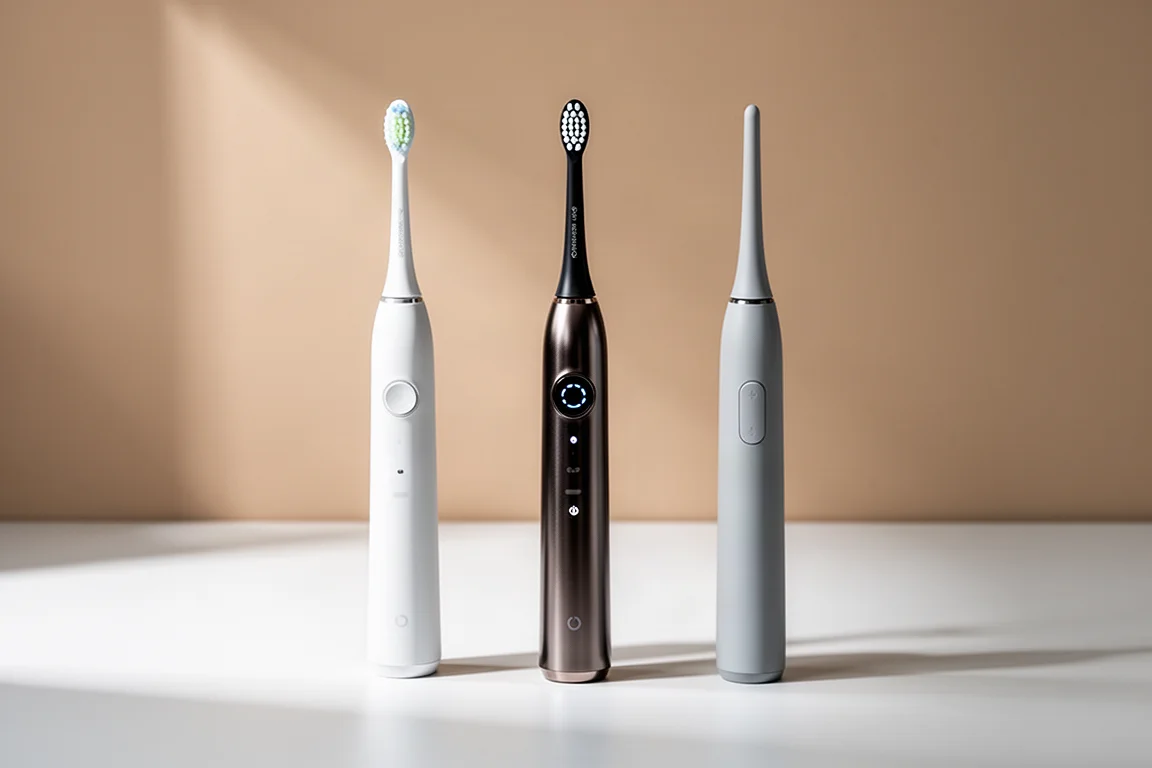
Introduction
Artificial intelligence is everywhere these days, and electric toothbrushes are no exception. The first mention of AI in relation to a toothbrush came back in 2019 with the Oral-B Genius X. Since then, several premium models have adopted the label. But what does AI in a toothbrush actually mean in practice?
The honest answer is that most toothbrushes claiming AI are not using artificial intelligence in the way we usually think about it. They are not connected to services like ChatGPT or other general AI platforms. Instead, they use manufacturer-specific intelligent data processing systems. These systems track your brushing in real time and provide feedback through a companion app. The goal is habit reinforcement and technique improvement rather than some magical cleaning effect.
What AI in a Toothbrush Actually Means
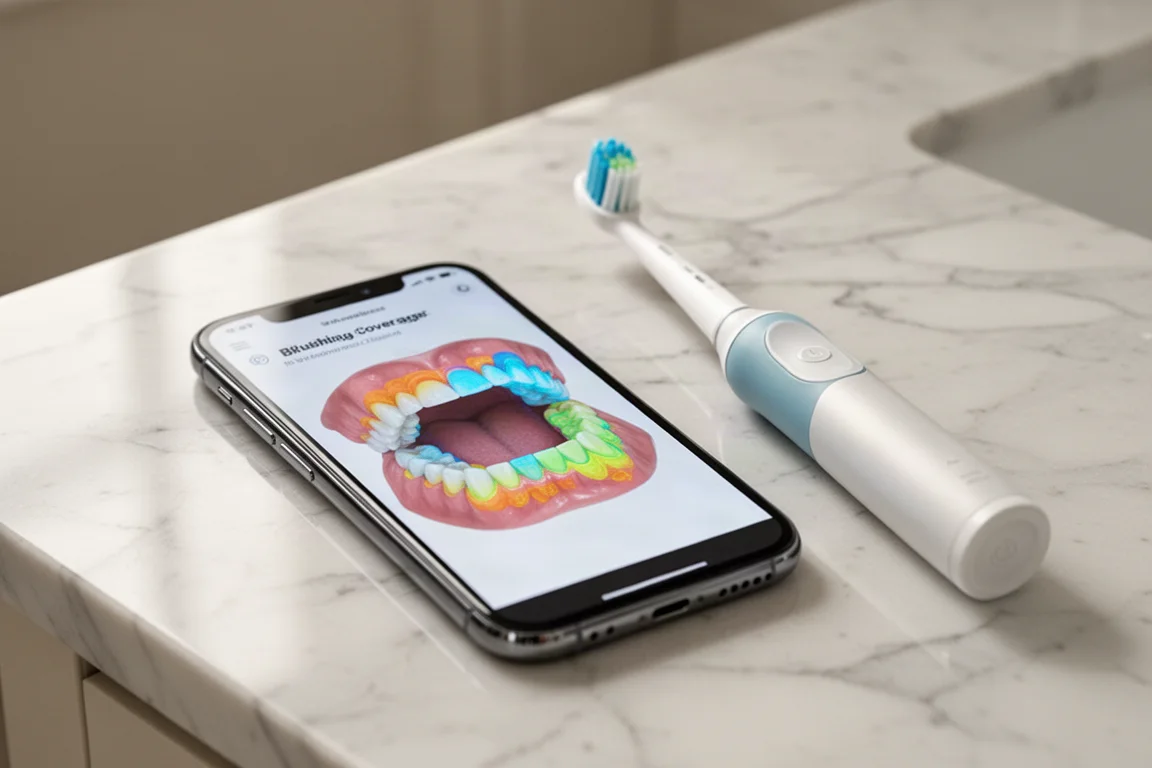
Smart toothbrushes with AI features are essentially brushes with Bluetooth connectivity, a smartphone app, and real-time tracking of the brush’s position and coverage of tooth surfaces. Sensors in the handle track key data points and send them to an app, where the technology compiles everything into a visual or text arrangement. This gives you a clearer picture of how well you are actually brushing.
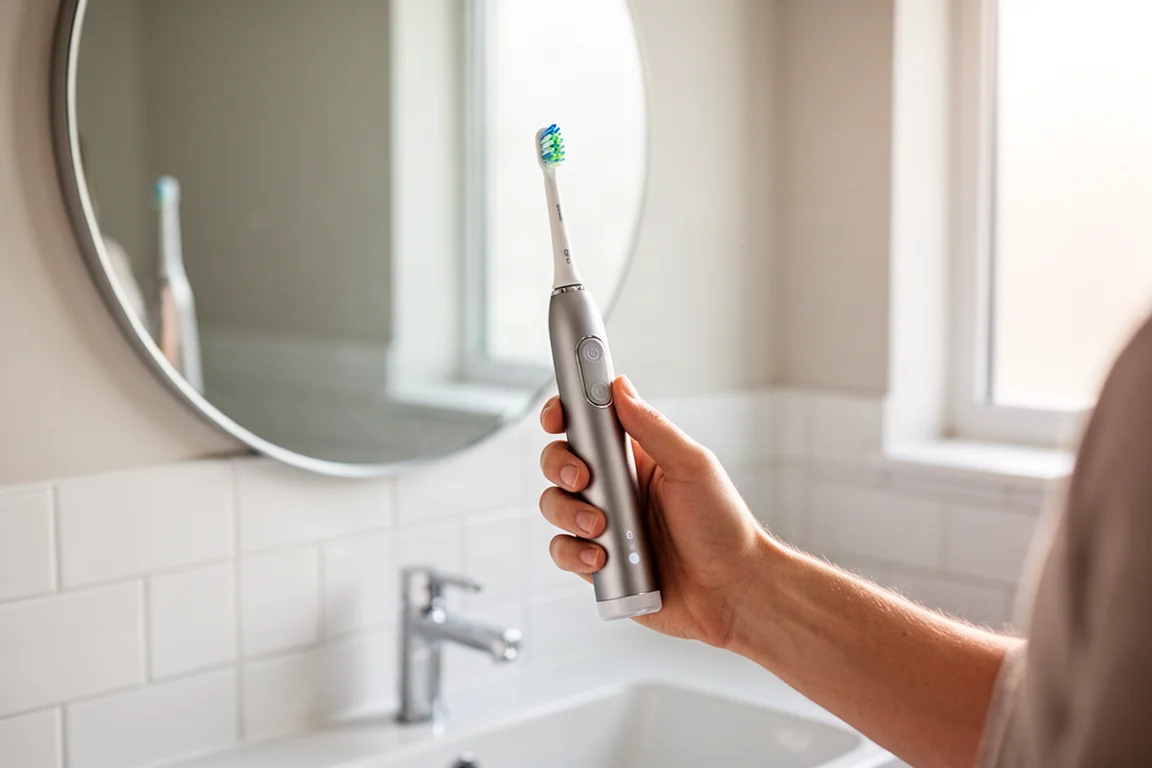
The better models highlight which tooth areas or surfaces you have missed. For example, the Oral-B iO 9 can show that you have not brushed your molars on the right side, or that you did clean in that area but not for long enough. The Philips Sonicare Prestige 9900 will highlight in the app if you are regularly failing to brush for long enough, or if you are skipping required sessions. It can also show areas where you regularly apply too much pressure.
What the Sensors Track
The sensors in these brushes track position, pressure, and duration. They compile this data into feedback that helps you understand your brushing habits. The Oral-B Genius X was one of the first to bring this kind of tracking to the mainstream, using position detection to map coverage across your mouth.
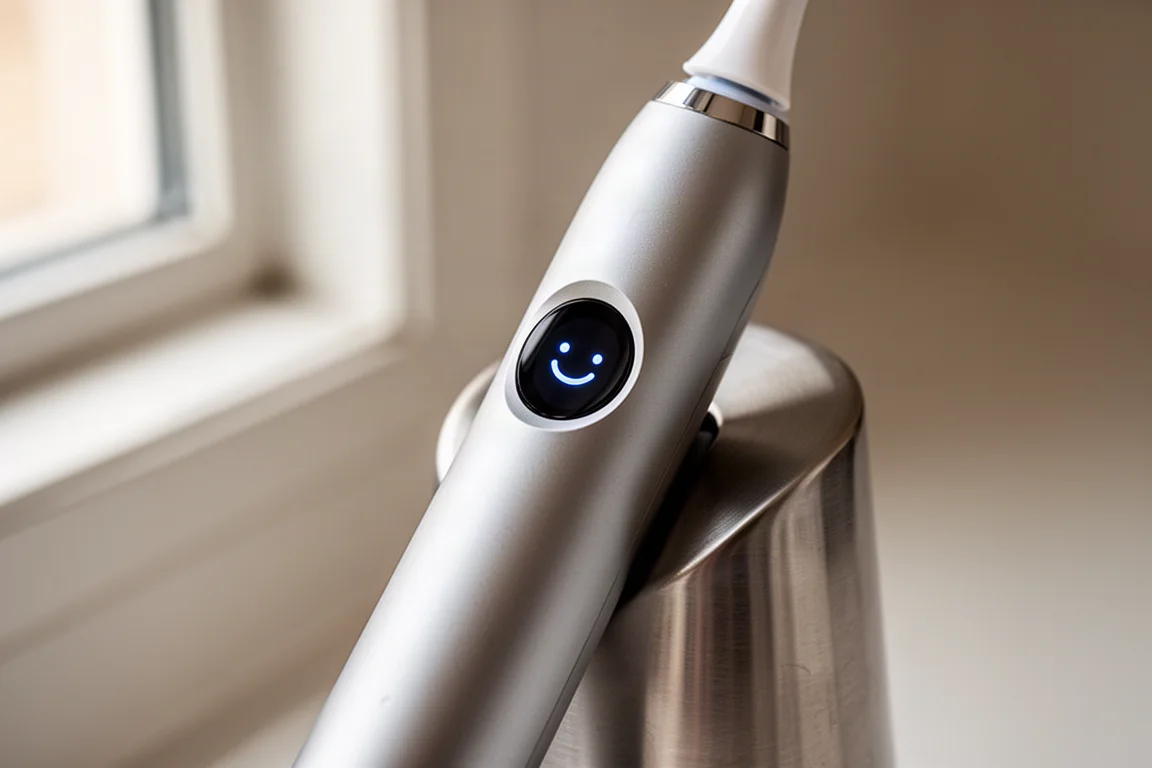
However, the sensors do still get it wrong quite a bit of the time. Accuracy is far from 100 percent. A lot of the feedback is still very generic and comes across much like it could be saying it to anyone. It is not yet specific enough to tell you that you always brush very late on Friday nights with shorter sessions and less pressure compared to Sundays. That level of personalization is still a long way off.
What the Apps Show You
The companion apps compile sensor data into visual maps and summaries. They show coverage of different tooth surfaces, brushing duration, and pressure levels. The Philips Sonicare Prestige 9900 creates averages over time and highlights patterns, such as consistently short brushing sessions or areas where you regularly apply too much pressure.
A 2025 study published in BMC Oral Health found that users of connected toothbrushes reported better perceptions of brushing skill, feel of oral cleanliness, and improved clinical metrics. A separate 2025 controlled trial from South Korea showed that connected toothbrush users demonstrated improved clinical outcomes in plaque reduction. However, that same trial found that interest declined over three to six months. Research also found that nearly 70 percent of users with a smart toothbrush were not using the app after three months of ownership.
Should You Buy an AI Toothbrush?
The evidence suggests that connected toothbrushes with feedback can lead to better oral hygiene outcomes than manual brushing or unconnected electric brushing, especially in the short to midterm. But the extra value hinges on user behavior. You need to engage with the feedback, maintain brushing habits over time, and replace heads regularly.
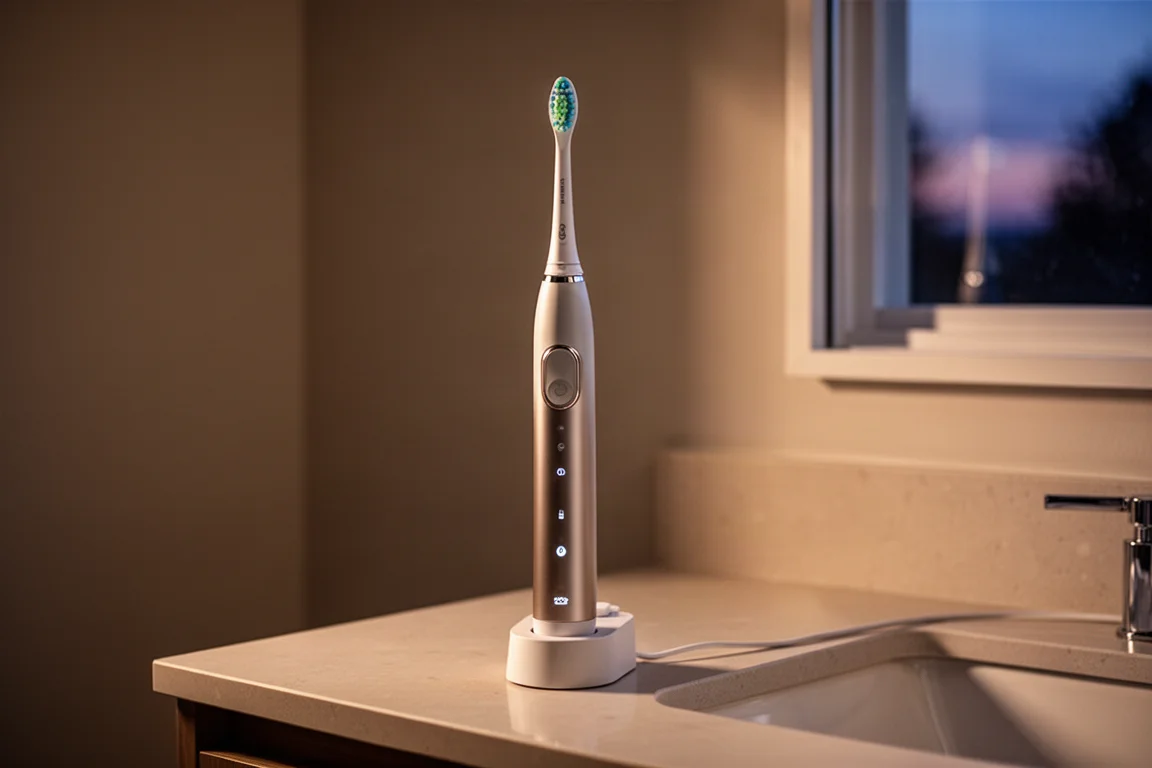
If you already have excellent brushing technique, consistently brush well, and do not need tracking or feedback, an AI toothbrush is overkill. It is also pointless if you do not care for apps or tech features and just want a simple, reliable brush. On the other hand, these brushes are certainly better if you often miss areas of your mouth or do not brush for the full recommended two minutes. If you tend to brush too hard and have gum sensitivity or enamel wear, they can help. If you like data and are motivated by tracking your progress, then such a brush might be for you.
Buying Advice
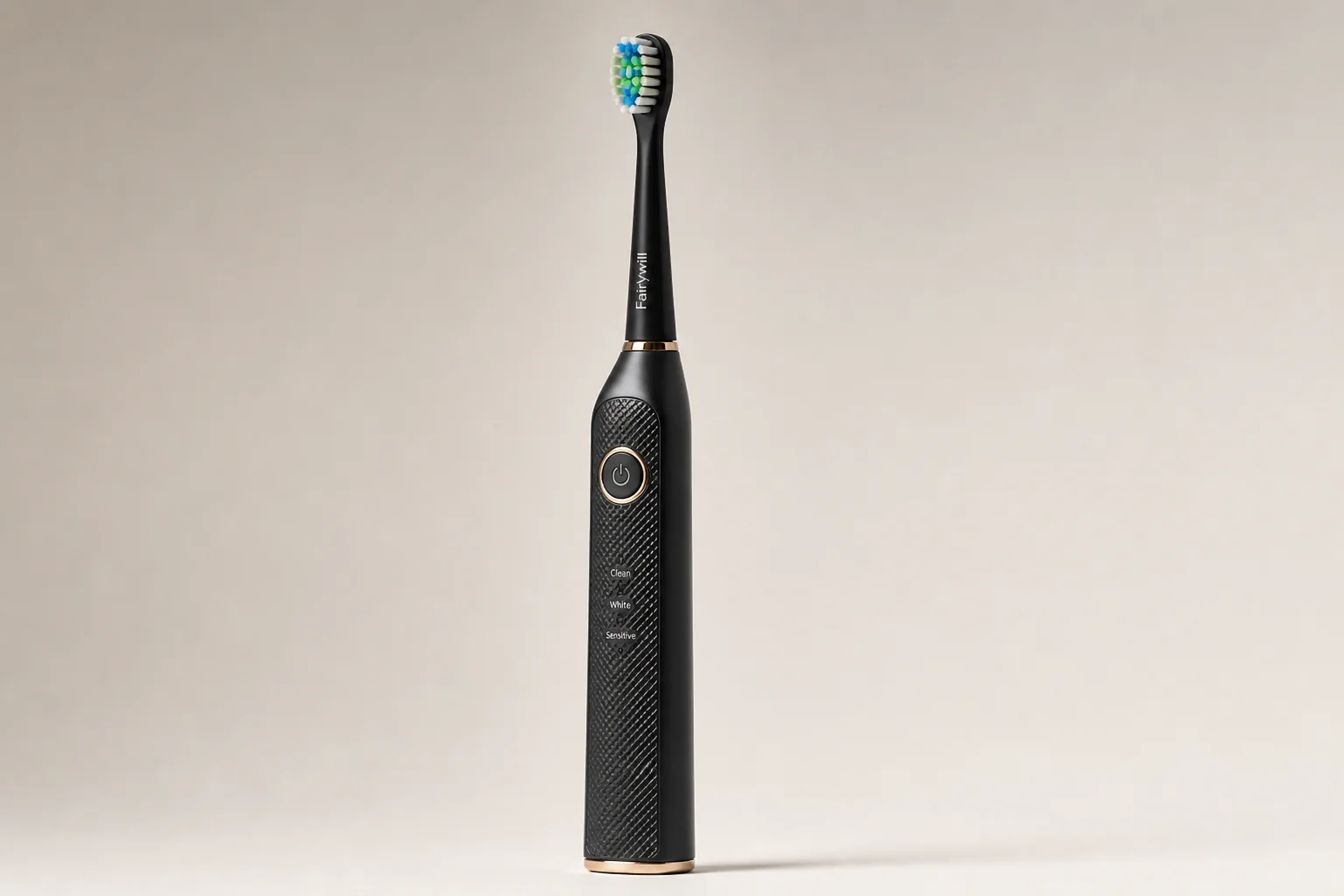
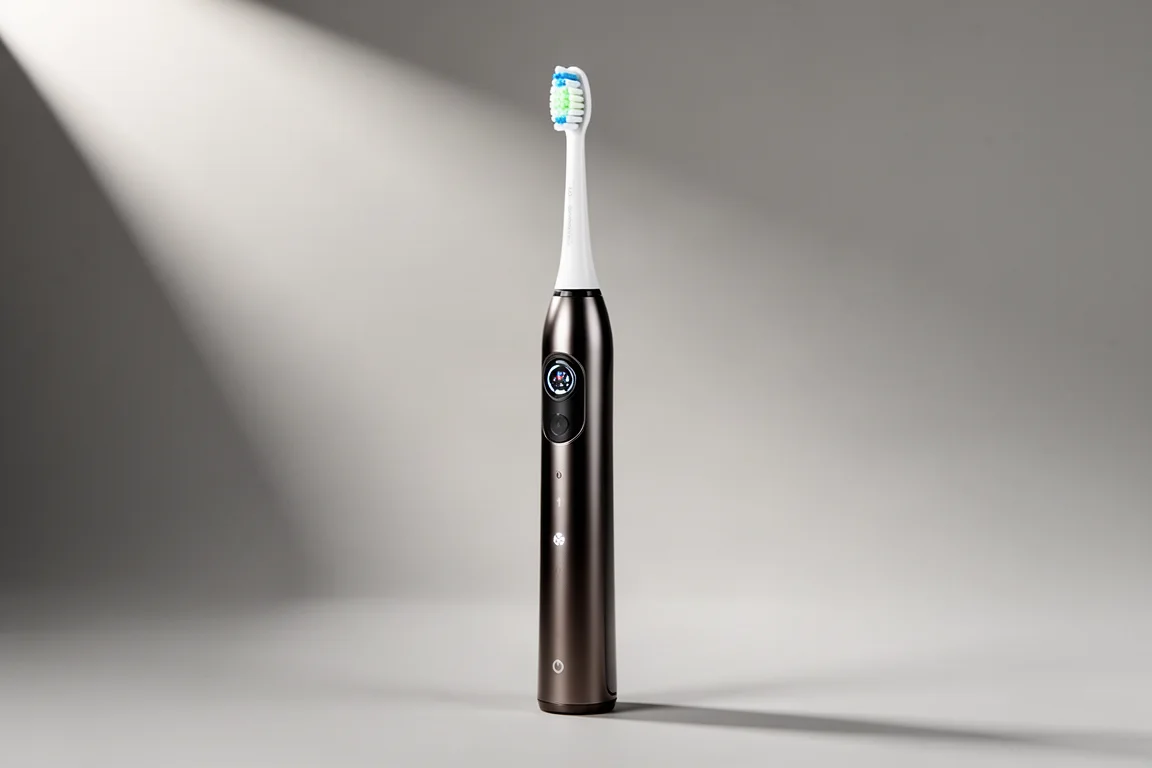
The Oral-B Genius X is a solid entry point into smart brushing, offering position tracking and app feedback at a more accessible price point. The Oral-B iO 9 is a more premium option with a refined brushing experience and detailed coverage tracking. The Philips Sonicare Prestige 9900 stands out for its pressure monitoring and habit analysis over time.
Conclusion
AI-enabled toothbrushes can provide benefits for many people, but there is a risk of becoming too reliant on them when there is still a need for users to do a lot of the work. They are not a replacement for regular dental checkups and good basic habits, but they can help enhance these. Simply having AI labeling does not guarantee a better brush, and it will not replace your dentist visits or professional cleaning. Long-term adoption will come as technology improves, costs reduce, and manufacturers address privacy concerns. For now, treat AI in a toothbrush as a helpful coaching tool rather than a magic solution.
Further reading
Related Reviews
Oral Care
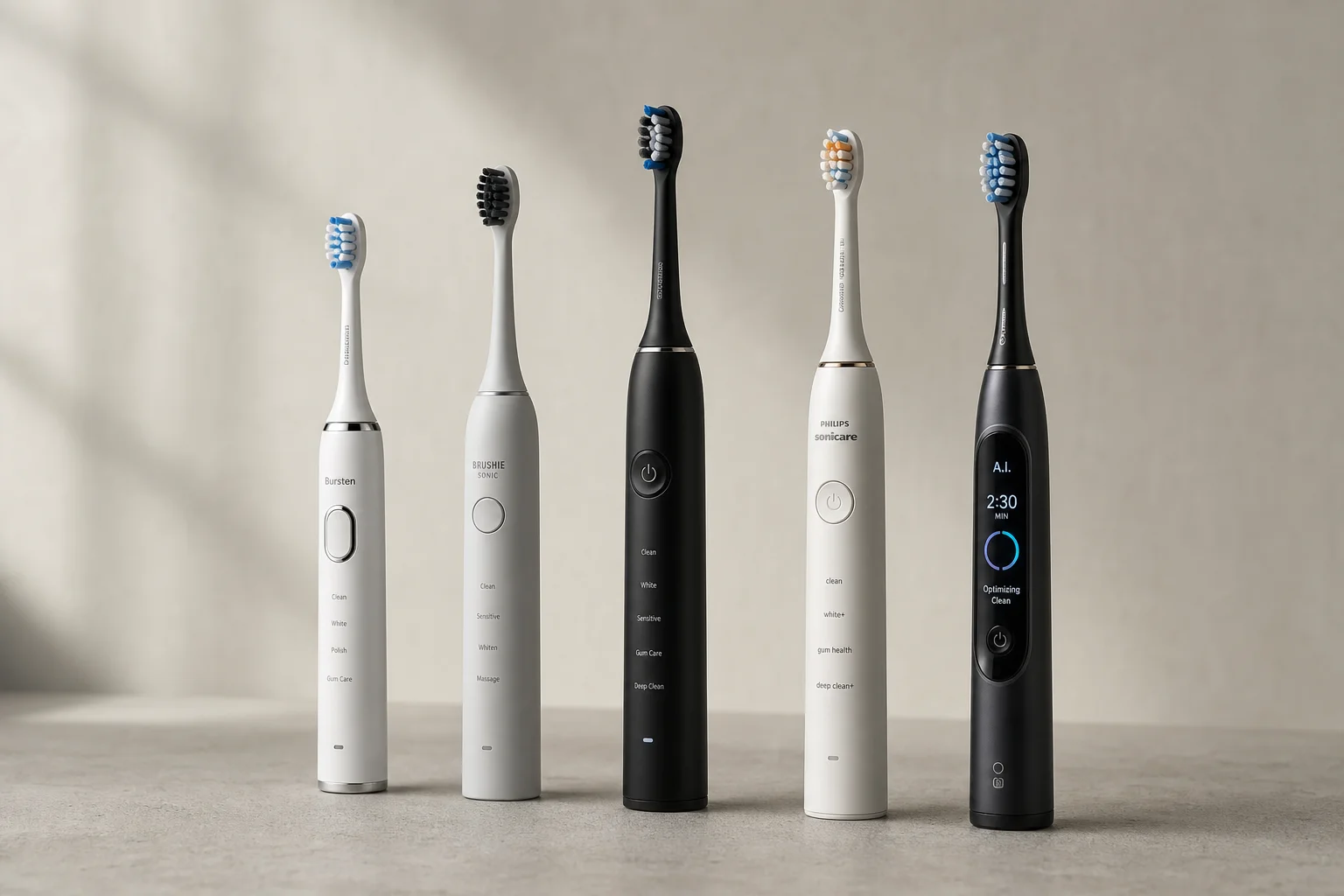
Best Electric Toothbrushes 2026: Five Models Ranked by Performance and Features
A detailed ranking of five electric toothbrushes from budget-friendly to premium, each with distinct strengths for different brushing needs and lifestyles.
Oral Care
Feno Smartbrush Review: A Faster Way to Brush, With Real Trade-Offs
The Feno Smartbrush cleans teeth in about 30 seconds, but comfort, cost, and a subscription model mean it is not for everyone.
Oral Care
Philips Sonic Air Diamond Clean 9900 Prestige Review: App-Only Mode Control
A look at the Philips Sonic Air Diamond Clean 9900 Prestige, a premium electric toothbrush that uses an app for mode selection.