Oral Care
Philips Sonicare 2100 vs 4100: Which Electric Toothbrush Is Right for You?
A practical comparison of two popular Philips Sonicare electric toothbrushes, covering cleaning performance, features, battery life, and value.
Introduction
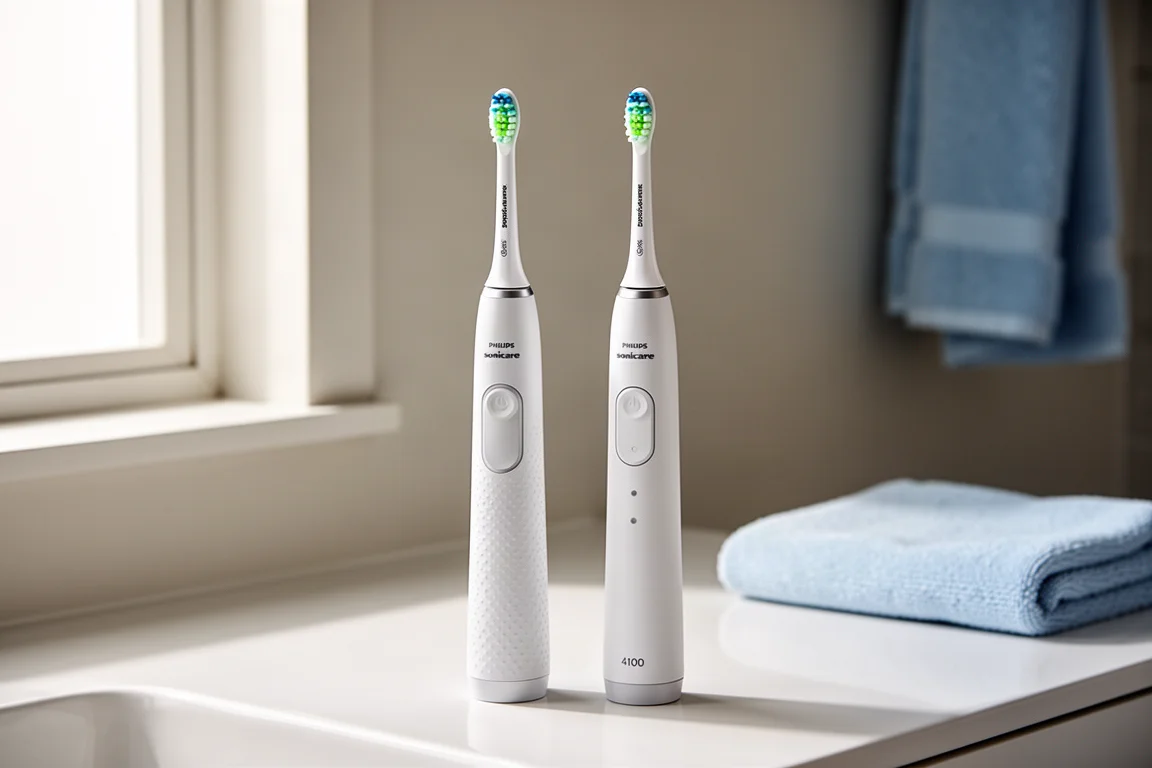
Choosing between the Philips Sonicare 2100 and the Philips Sonicare 4100 comes down to how much you value extra features and a slightly more intense clean. Both brushes do a more than satisfactory job at removing plaque, but the 4100 offers a few upgrades that may justify its higher price for some users.
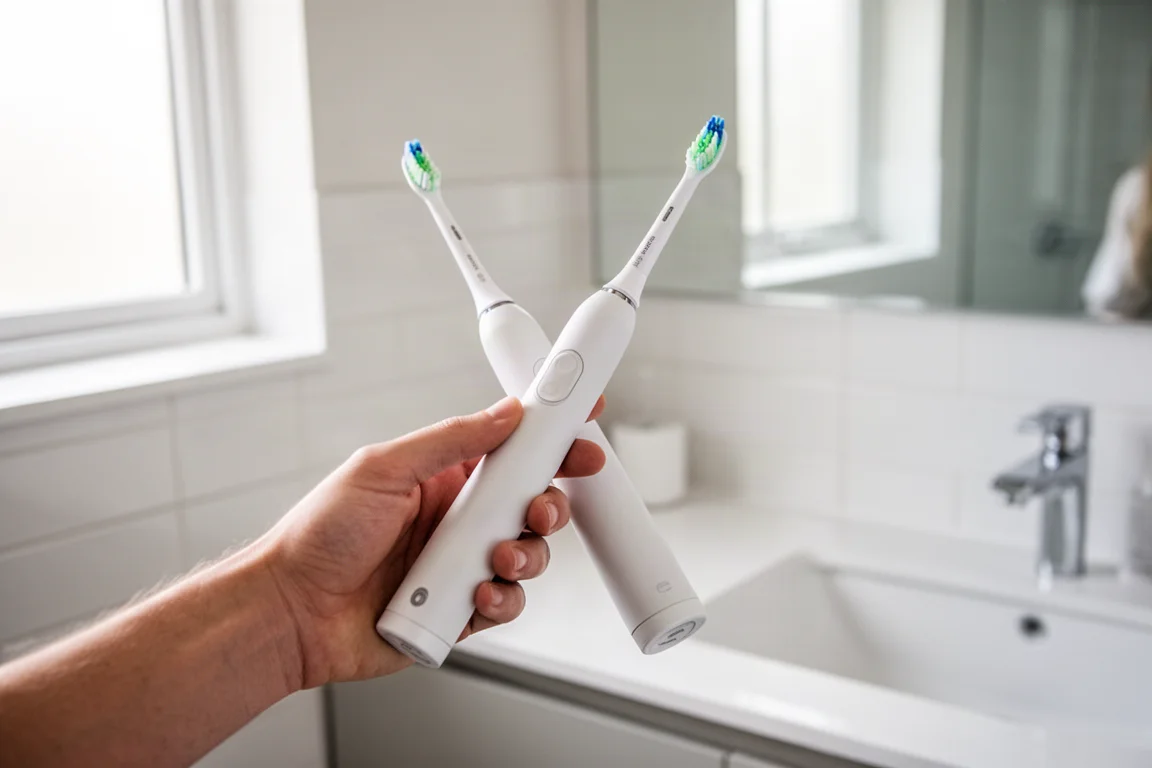
The key differences are the motor tuning, brushing modes, pressure sensor, battery life, and handle design. Understanding these differences will help you decide which brush fits your routine and budget.
Brushing Modes and Controls
The 4100 offers two brushing modes: clean and gum health. The 2100 has a single clean mode. While both brushes have two intensity levels, the 4100 effectively provides four brushing configurations compared to the two on the 2100.
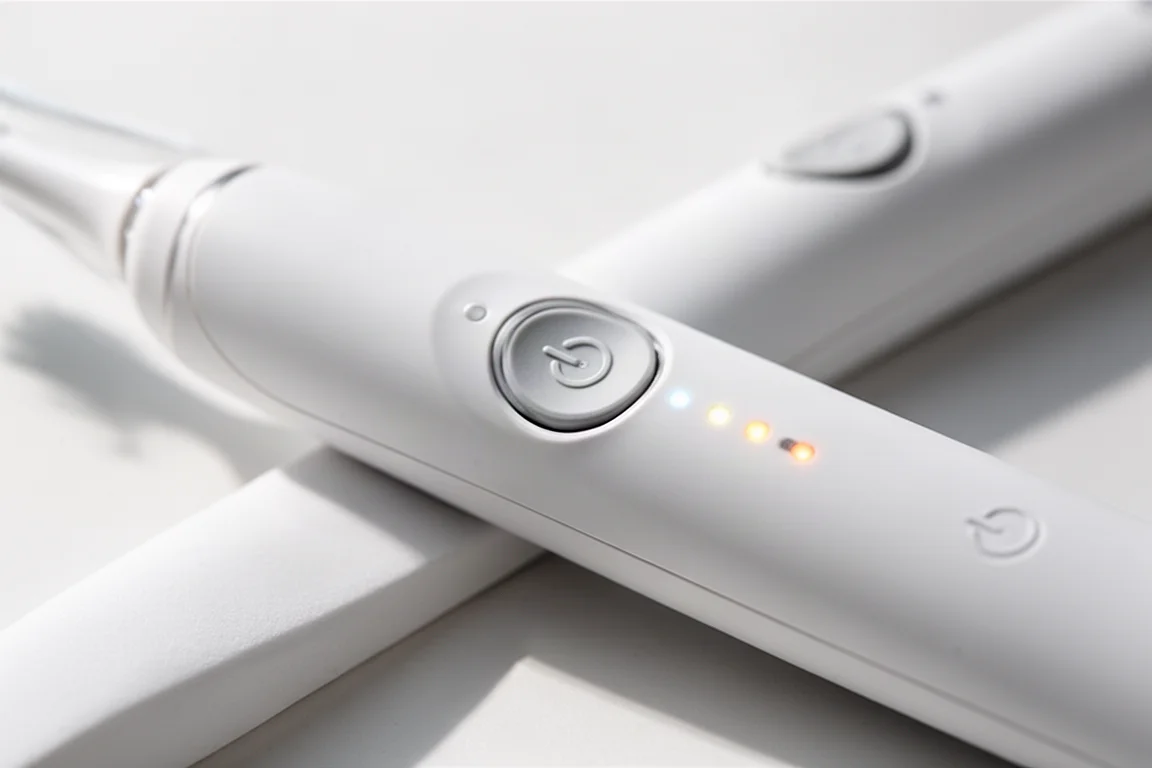
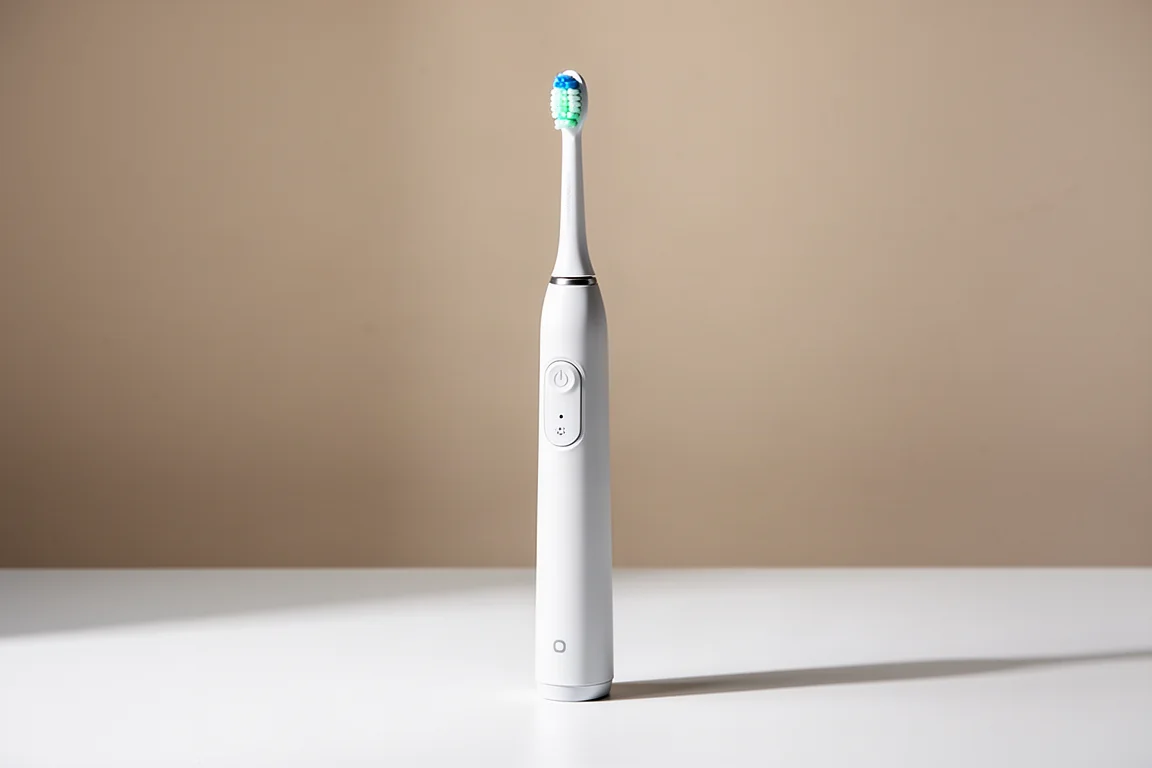
The 4100 handle has mode names and LEDs for each mode, plus LEDs for the intensity levels. This makes it easy to see which mode and intensity is selected. The 2100 has no such labels or LEDs. With the 2100, the intensity is selected using the same button that powers the brush on. With the 4100, a secondary button switches between modes and intensities.
Cleaning Performance
The motor in the 4100 is tuned slightly differently to offer better clinical efficiency than the 2100. In hands-on testing, there were no major visible differences in how well the 4100 moves plaque compared to the 2100. Both do a more than satisfactory job, but the 4100 does offer a more intense clean if that is your preference.
Pressure Sensor
The 2100 has no pressure sensor, but the 4100 series includes one. When activated, the 4100 vibrates the handle and changes the sound. This is a useful tool that protects you from applying too much potentially damaging force to your teeth.
Handle Design and Grip
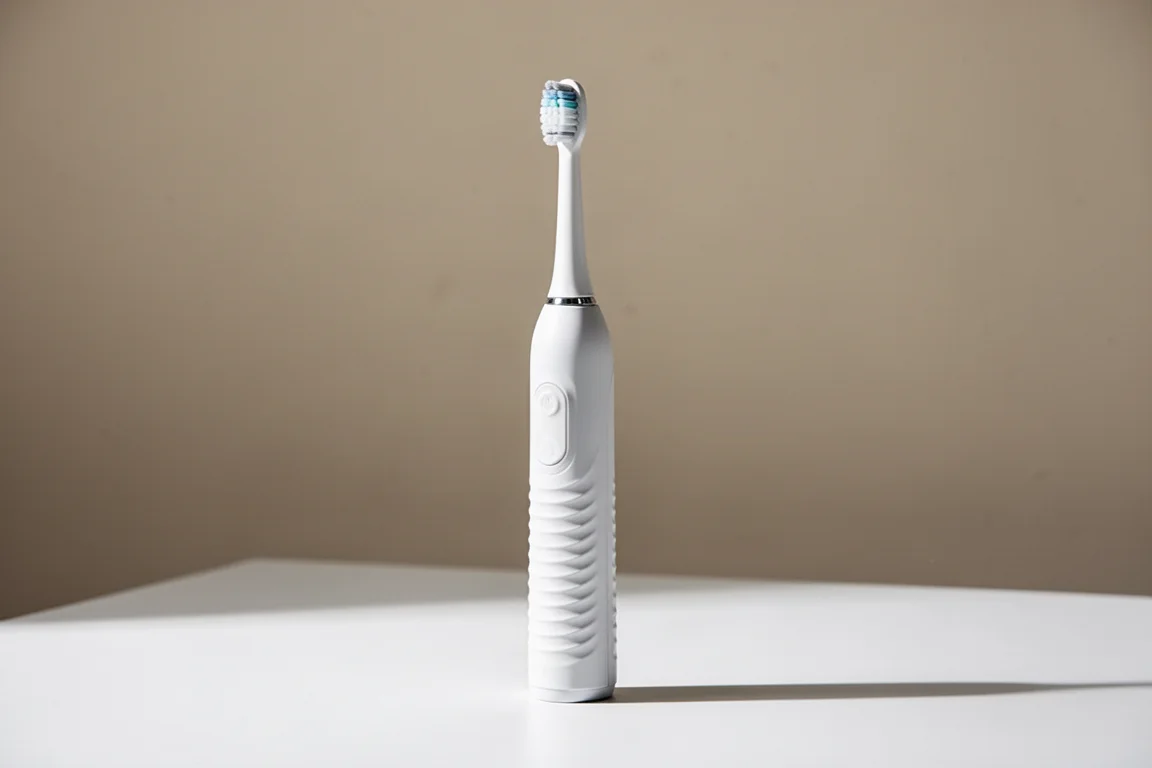
What the 2100 offers that the 4100 does not is a more textured handle. Ridges running down the body aid with gripping the brush a little better than the smoother finished handle of the 4100.
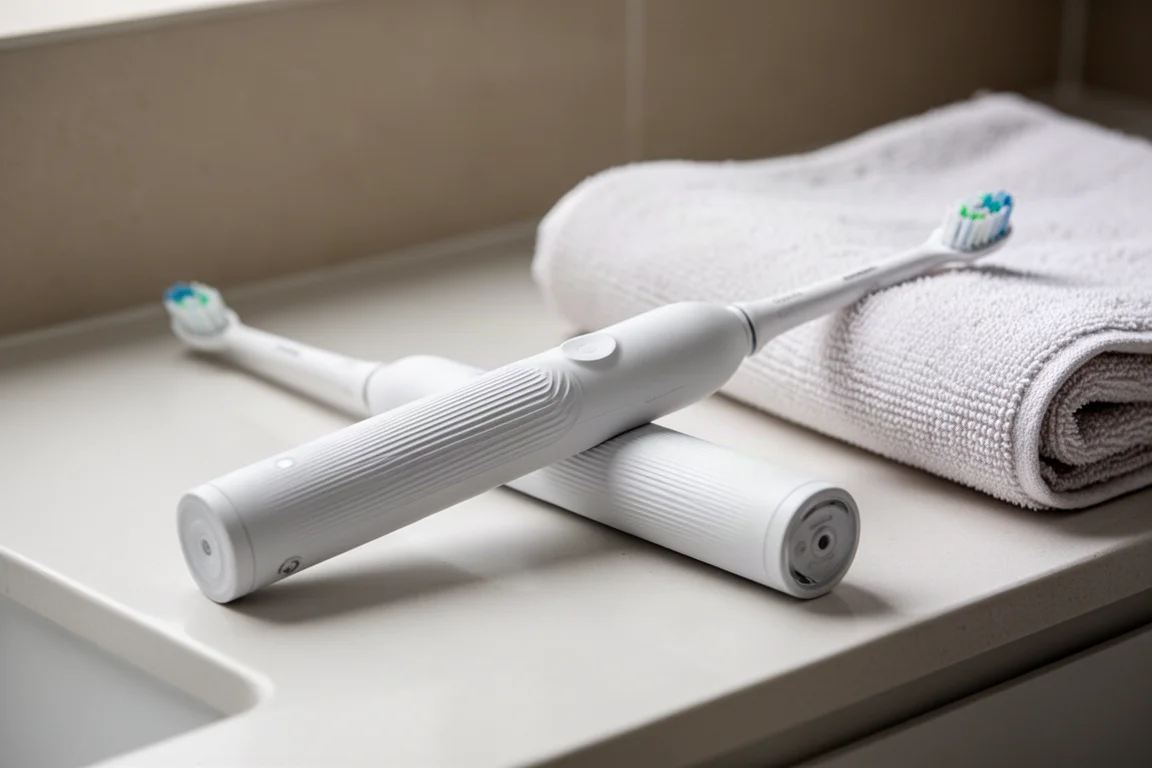
The 2100 is typically available in white, black, blue, and pink color options, whereas the 4100 comes in white, black, green, blue, and purple.
Brush Heads and Maintenance
The supplied brush head is different. Typically, the 2100 comes with an interare head compared to the optimal white head of the 4100. Not a big issue, as both clean the teeth well. You can change the brush head at any time to one of your preference, as both use the same interchangeable brush head attachment mechanism. Ongoing ownership costs are the same since they use the same brush heads.
Battery Life and Charging
Both brushes have a lithium ion battery, but the 4100 offers up to 21 days on a full charge compared to the 14 of the 2100 series. In hands-on testing, the 4100 lasted 50 days and the 2100 lasted 44 days. They use the same USB charging stand, and both take up to 24 hours to charge.
Noise and Size
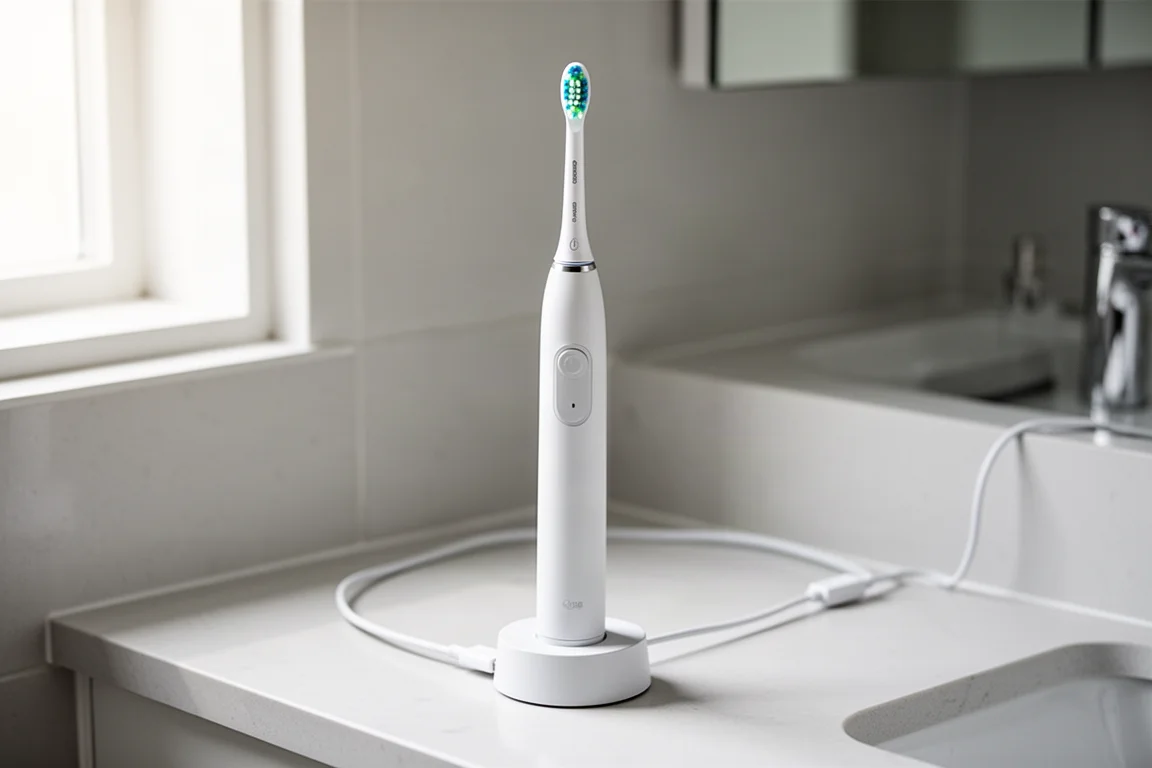
The 4100 registered at 63 dB, which is 6 dB louder than the 2100 at 57 dB. The 4100 is about 5 g heavier and marginally taller than the 2100.
Price and Value
At the time of review, the 2100 retails for £60 compared to the £90 of the 4100. Both typically sell for half price. Since they use the same brush heads, ongoing ownership costs are the same, so there is very little difference from a cost point of view. Essentially, £15 sets them apart when both are at their typical sale price.
Overall Buying Advice
The 4100 series is the pick of the two brushes. For a small premium, you gain worthwhile extra features: a pressure sensor, more brushing modes, better battery life, and clearer mode indicators. The 2100 is a solid, more affordable option if you prefer a simpler brush with a better grip and don’t need the extra features.
Conclusion
Both Philips Sonicare brushes deliver effective cleaning. The 4100 justifies its higher price with a pressure sensor, additional modes, and longer battery life. The 2100 remains a strong budget choice with its textured handle and lower cost. Your decision should come down to whether the extra features of the 4100 are worth the premium to you.
Further reading
Related Reviews
Oral Care
AI Electric Toothbrushes: What the Technology Really Does
A practical look at AI-enabled electric toothbrushes, what the sensors and apps actually track, and whether the extra cost is worth it.
Oral Care
Best Electric Toothbrushes 2026: Five Models Ranked by Performance and Features
A detailed ranking of five electric toothbrushes from budget-friendly to premium, each with distinct strengths for different brushing needs and lifestyles.
Oral Care
Feno Smartbrush Review: A Faster Way to Brush, With Real Trade-Offs
The Feno Smartbrush cleans teeth in about 30 seconds, but comfort, cost, and a subscription model mean it is not for everyone.