Oral Care
Philips Sonicare 1100 vs 3100: Which Electric Toothbrush Should You Choose?
A practical comparison of two popular Philips Sonicare models, covering cleaning power, brushing modes, battery life, and value.
Introduction
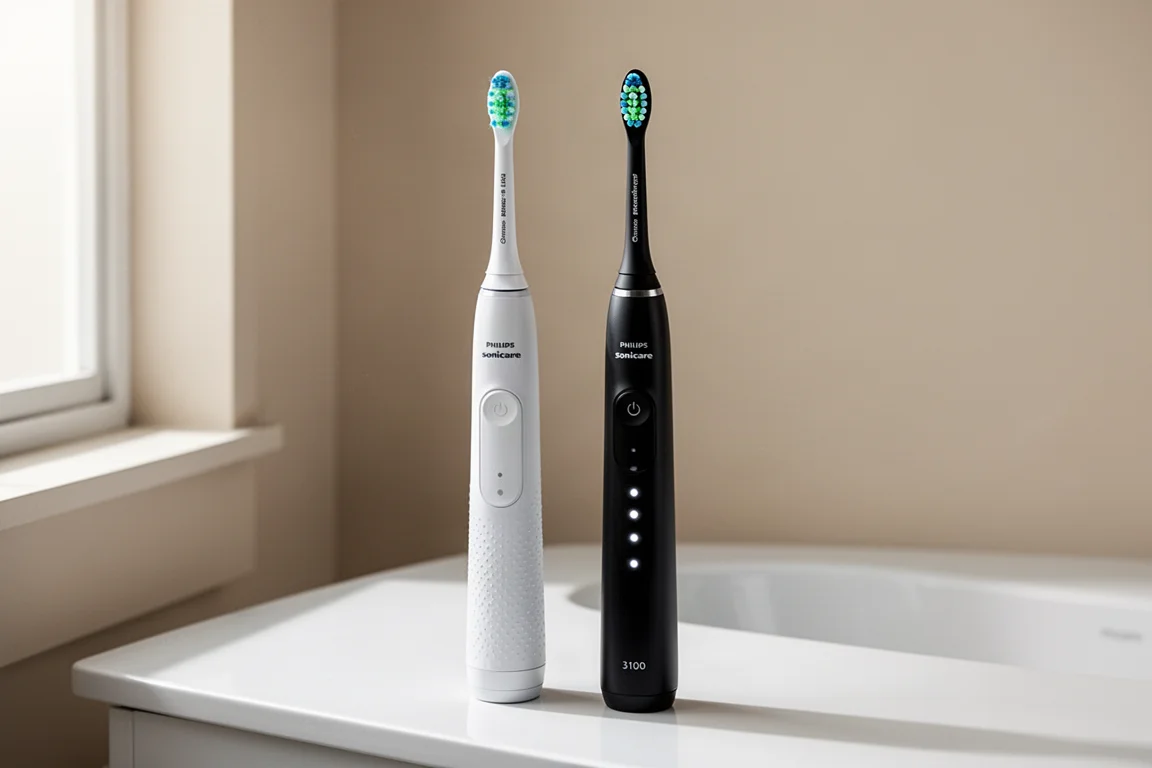
Choosing between the Philips Sonicare 1100 and the Philips Sonicare 3100 comes down to a few meaningful differences rather than a complete redesign. Both brushes clean teeth well, but the 3100 offers a more powerful motor, adjustable intensities, and a pressure sensor that many users will appreciate. The 1100, meanwhile, is the more budget-friendly option with a slightly longer battery life in real-world testing.
Cleaning Performance
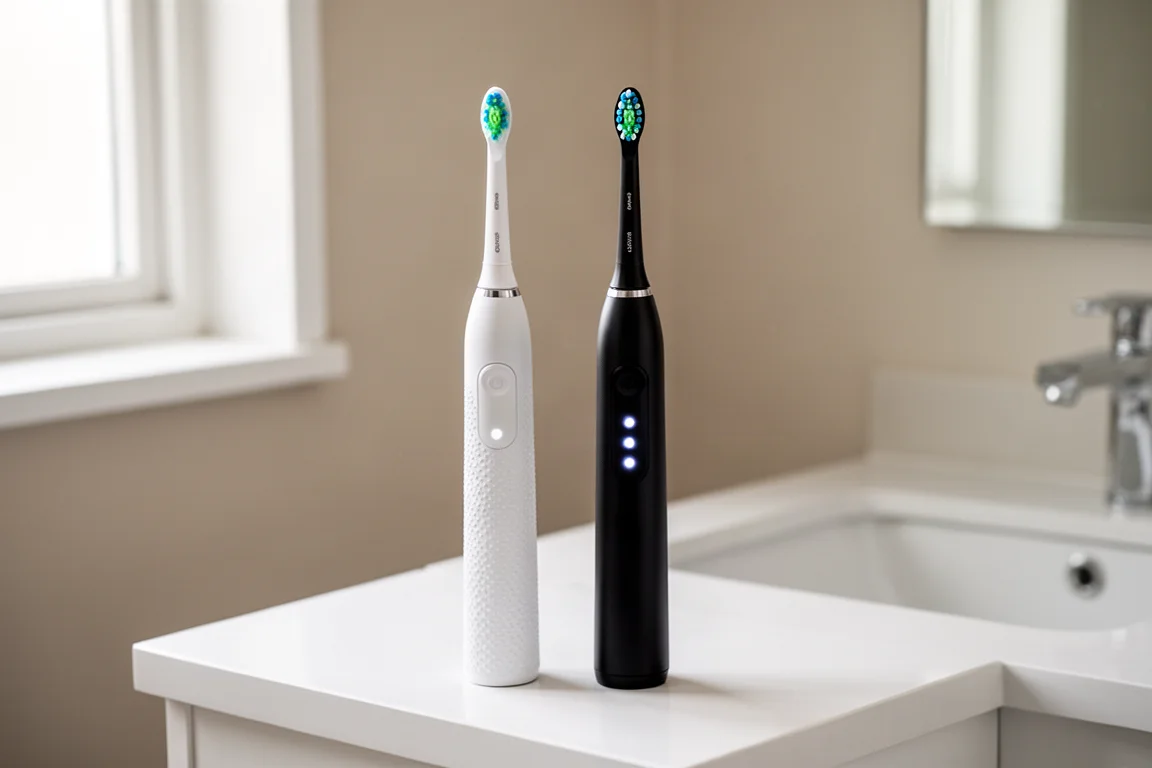
The most significant difference between the two models is the brush motor. The motor in the 3100 is more powerful and delivers better cleaning results. While the difference is not dramatic, the 3100’s cleaning feels more intense and satisfying. Both brushes clean teeth effectively, and at-home plaque disclosing tests show only marginal differences between them.
Brushing Intensities and Modes
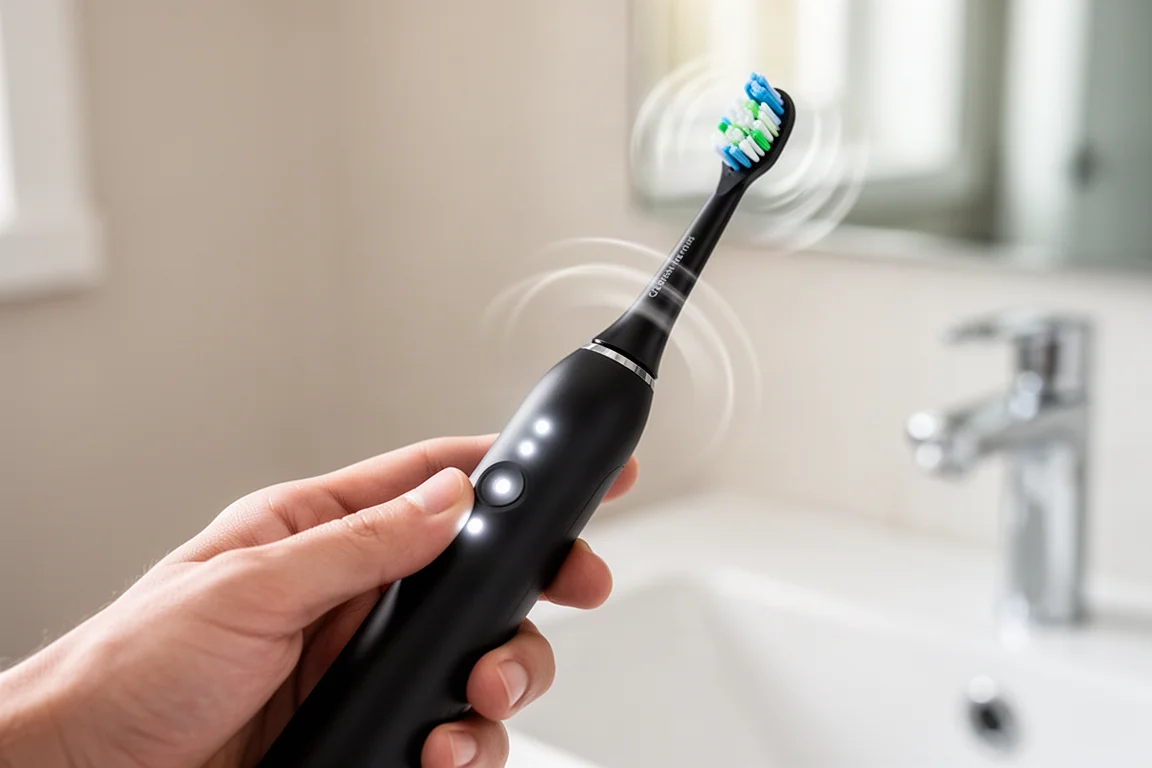
Both brushes offer a single cleaning mode, but the 3100 adds three different brushing intensities: low, medium, and high. This gives users the flexibility to choose the intensity that feels right for them, rather than being locked into one option like on the 1100. The 3100 also features three LEDs on the handle that clearly indicate which intensity level is selected, adding a visually appealing touch.
Handle Design and Grip
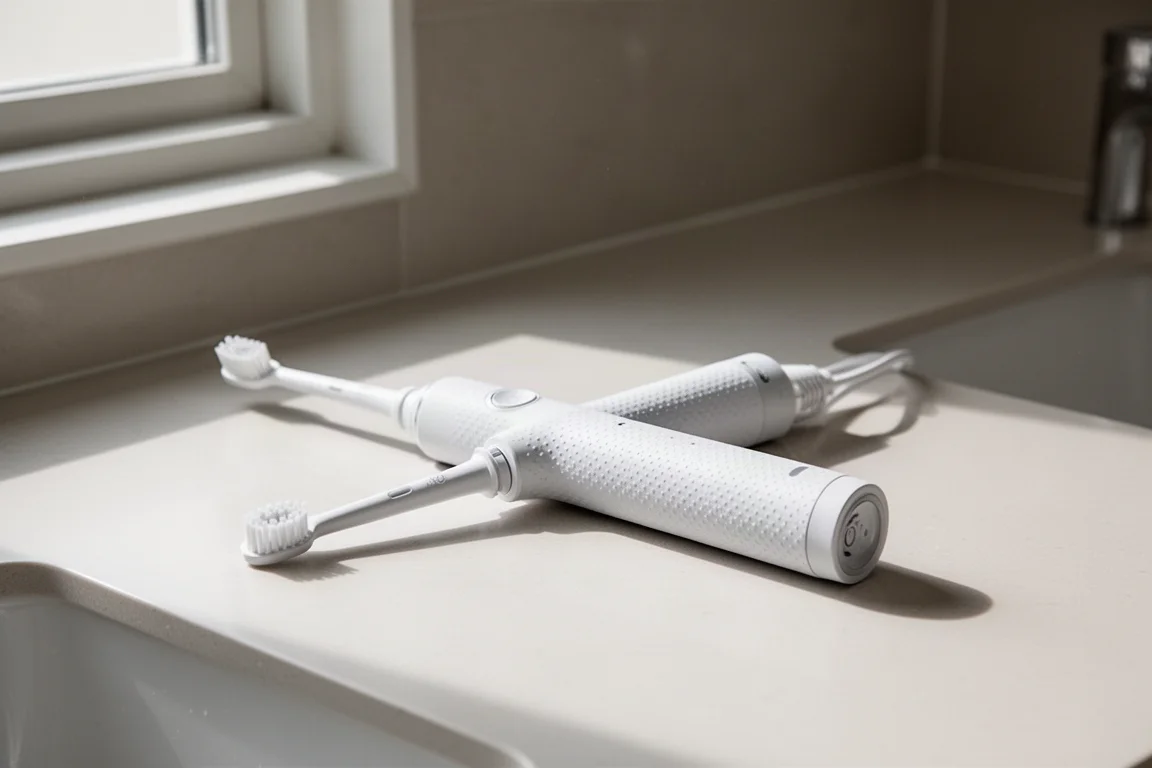
The 1100 has a slightly more textured handle surface, which some users may find easier to grip than the smoother finish on the 3100. This is a minor consideration, but it can matter for those who prefer a more secure hold during brushing. Color options also differ: the 1100 is typically available in white, black, and blue, while the 3100 comes in white, black, green, and purple.
Pressure Sensor
The 3100 includes a pressure sensor, a feature that is often recommended on electric toothbrushes. It detects when too much brushing force is applied and reduces bristle movement while alerting the user through a vibration pattern change in the handle and a sound difference. This can help protect gums from over-brushing, making the 3100 a more complete option for those concerned about brushing technique.
Brush Heads and Maintenance
The supplied brush heads differ between the two models. The 1100 typically comes with an InterCare head, while the 3100 includes a W Optimal White head. Both clean teeth well, and since both models use the same interchangeable brush head attachment mechanism, users can swap heads at any time to suit their preference. Ongoing ownership costs are the same for both brushes.
Charging and Battery Life
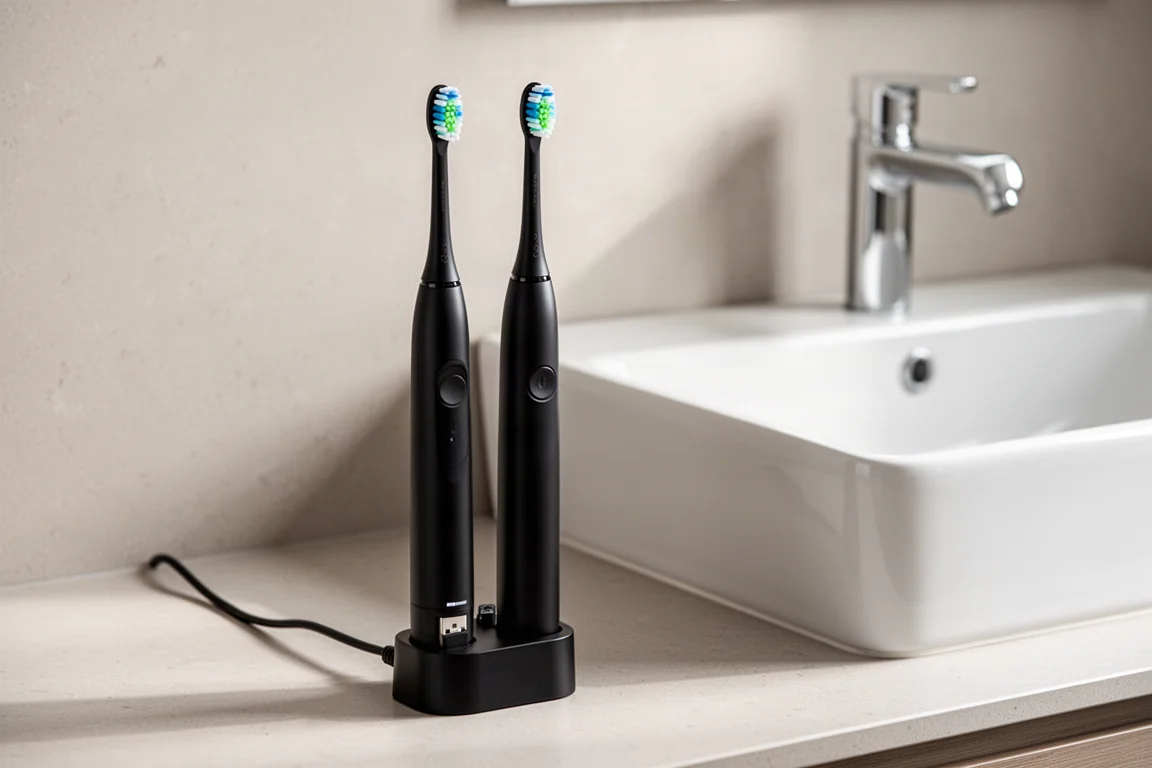
Both brushes use the same battery and offer similar usable life. In hands-on testing, the 1100 achieved seven days longer battery life than the 3100, but the 3100 still performed remarkably well at 45 days. The 3100 uses a conventional USB charging stand, while the 1100 relies on a proprietary USB charging cable. Most users will likely prefer the stand setup, as it is neater, more user-friendly, and harder to mislay than a cable.
Noise and Weight
The 1100 registered one decibel louder in testing, though this difference is negligible and could be attributed to environmental factors. The 3100 is about four grams heavier, which is unlikely to be noticeable during use.
Price and Value
The 1100 is typically £30 cheaper at £50 compared to the 3100 at £80. However, factoring in real selling prices, the difference drops to about £15. There are also versions of the 3100 that include a travel case, which cost a bit more but are great for those who are frequently on the go.
Overall Buying Advice
The Philips Sonicare 3100 is the more complete all-round product. Its more powerful motor, three brushing intensities, and pressure sensor make it a better choice for most users, especially those who want more control over their brushing experience. The 1100 remains a solid budget option with a slightly longer battery life and a textured grip, but the 3100’s additional features justify the modest price difference for most people.
Conclusion
If you are deciding between the two, the 3100 is the recommended pick. It delivers better cleaning performance, offers adjustable intensities, and includes a pressure sensor that adds real value. The 1100 is still a capable brush, but the 3100 provides a more complete and satisfying experience for a relatively small price increase.
Product link
View more details for Philips Sonicare 1100
This product is mentioned in the review. Check the specifications, options, and compatibility before buying.
View more details for Philips Sonicare 1100Further reading
Related Reviews
Oral Care
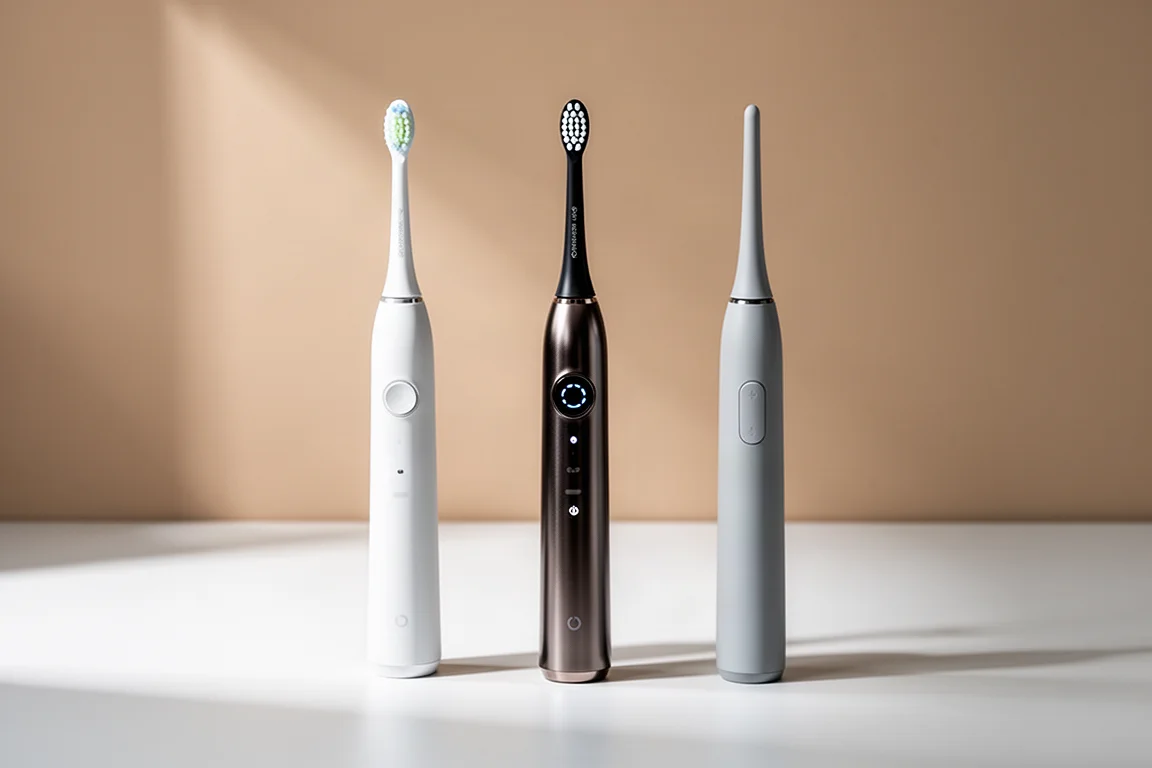
AI Electric Toothbrushes: What the Technology Really Does
A practical look at AI-enabled electric toothbrushes, what the sensors and apps actually track, and whether the extra cost is worth it.
Oral Care
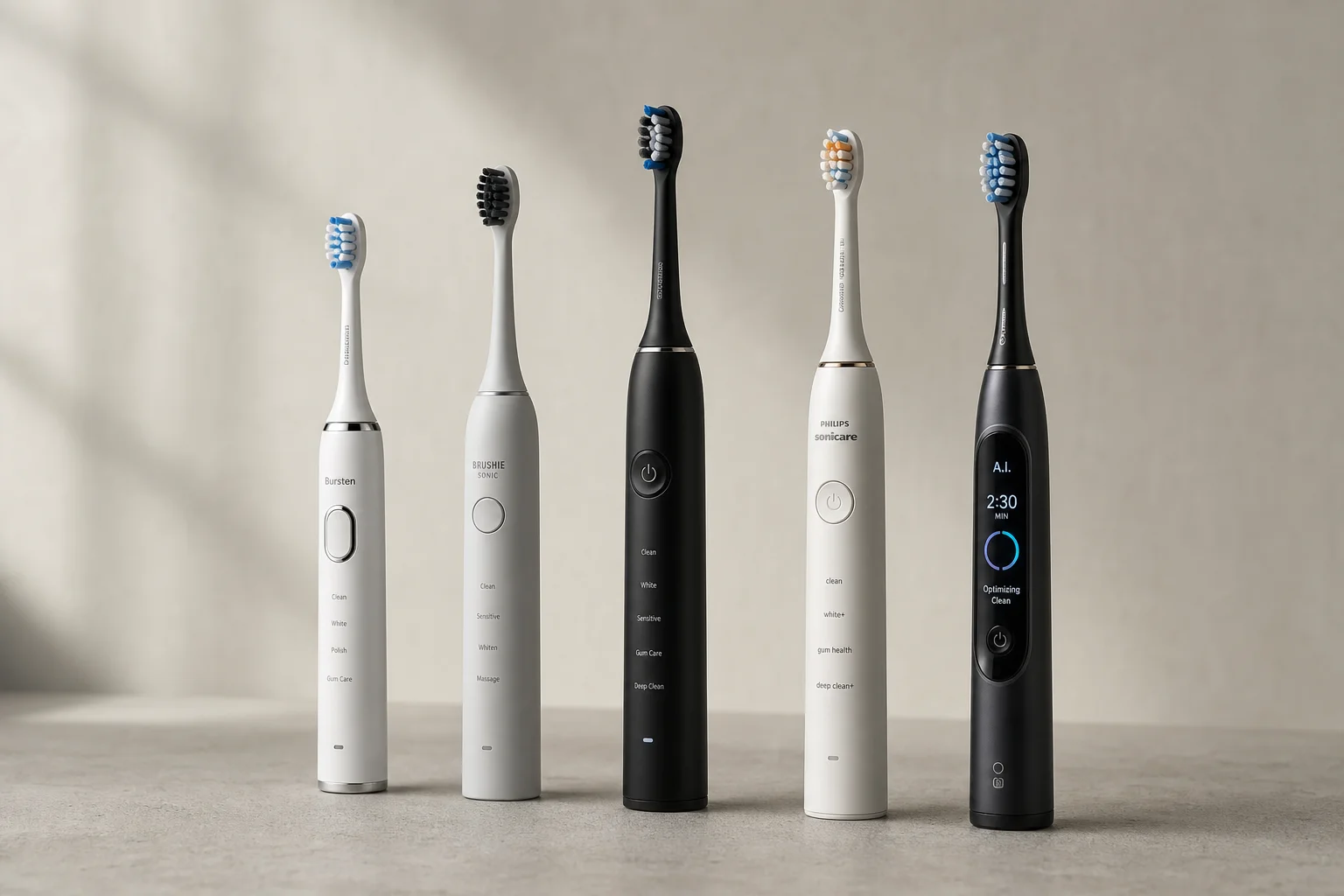
Best Electric Toothbrushes 2026: Five Models Ranked by Performance and Features
A detailed ranking of five electric toothbrushes from budget-friendly to premium, each with distinct strengths for different brushing needs and lifestyles.
Oral Care
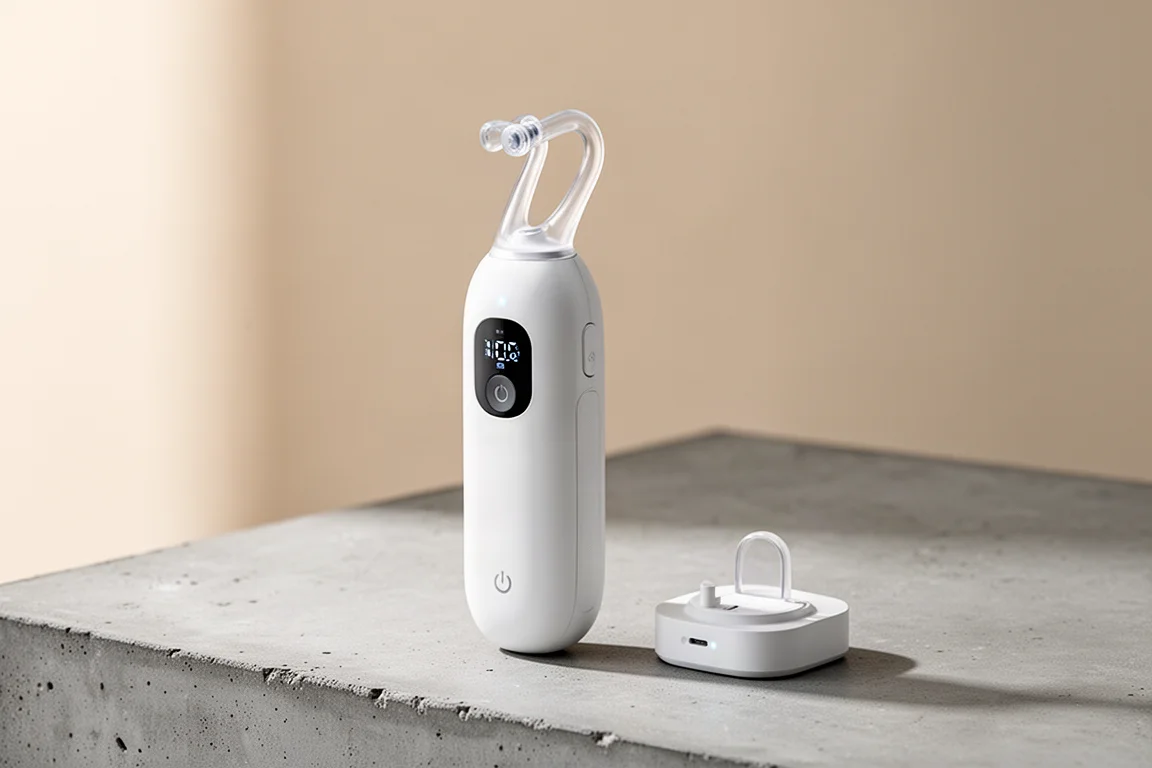
Feno Smartbrush Review: A Faster Way to Brush, With Real Trade-Offs
The Feno Smartbrush cleans teeth in about 30 seconds, but comfort, cost, and a subscription model mean it is not for everyone.