Trail Running Gear
Petzl NAO RL vs IKO Core: Trail Running Headlamp Comparison
Two Petzl headlamps tested for trail running: the powerful NAO RL with reactive technology and the ultralight IKO Core, with real-world performance insights and use-case recommendations.
Introduction
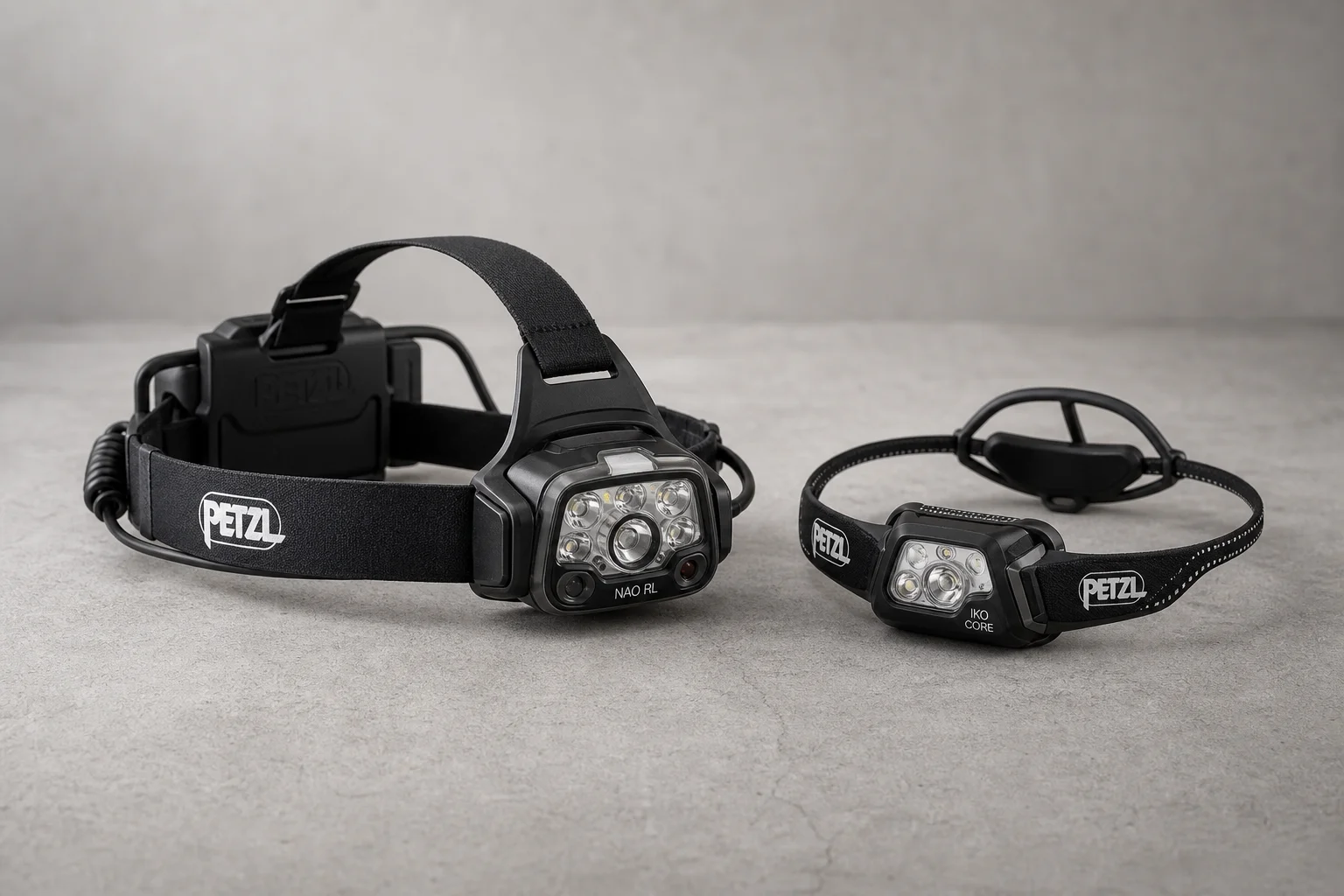
The Petzl NAO RL and IKO Core represent two different approaches to trail running headlamps. The NAO RL is the larger, more feature-rich option with reactive brightness adjustment, while the IKO Core strips things down to ultralight essentials. Both have genuine strengths, but they serve different running styles and distances.
Petzl NAO RL: Power and Reactive Technology
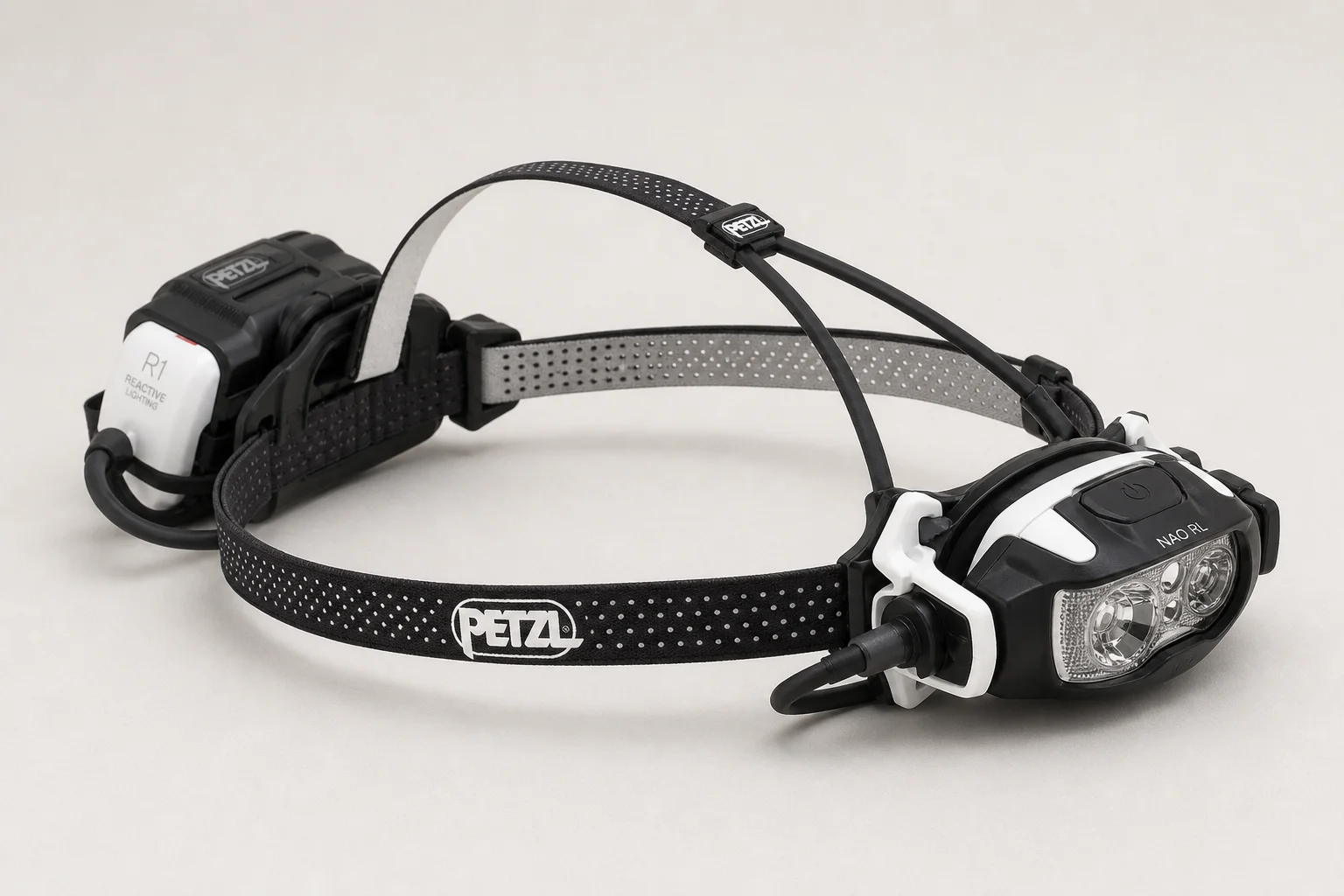
The NAO RL is rated for up to 1500 lumens and retails for approximately $170 USD. It builds on the design philosophy of the original NAO, which was one of the most powerful headlamps available when purpose-built for trail running. The key innovation was the rear battery pack design, which offsets the weight of the front lamp and creates better balance during wear.
The NAO RL carries a 3200 mAh battery in the rear, making it feel much lighter and more balanced in practice compared to front-heavy designs. The lamp uses a series of smaller LEDs in a dynamic pattern rather than the original’s separate spot and flood beams. In Normal mode, you get 250 lumens for up to 5 hours at standard power, or 900 lumens for up to 2 hours at maximum brightness.

The standout feature is Reactive mode, which automatically adjusts brightness and beam pattern based on light reflecting back to the headlamp. If you approach an object or lift a map to your face, it dims. This technology can extend battery life significantly and works particularly well during slower-paced hiking where you’re looking down at the ground more. In Reactive mode, you can achieve up to 250 lumens for 10 hours, 550 lumens for 5 hours, or 1500 lumens for up to 2 hours. However, reactive mode takes time to master and behaves unpredictably in groups, rain, and snow, as other headlamps or weather conditions can trigger unwanted dimming.
The NAO RL also includes a rear red light beacon rated at 2 lumens with up to 78 hours of runtime. This addresses a practical need: some races require rear lighting for safety, and this eliminates the need to carry a separate red LED. The battery uses USB-C fast charging and can function as a battery bank to charge phones and GPS watches.
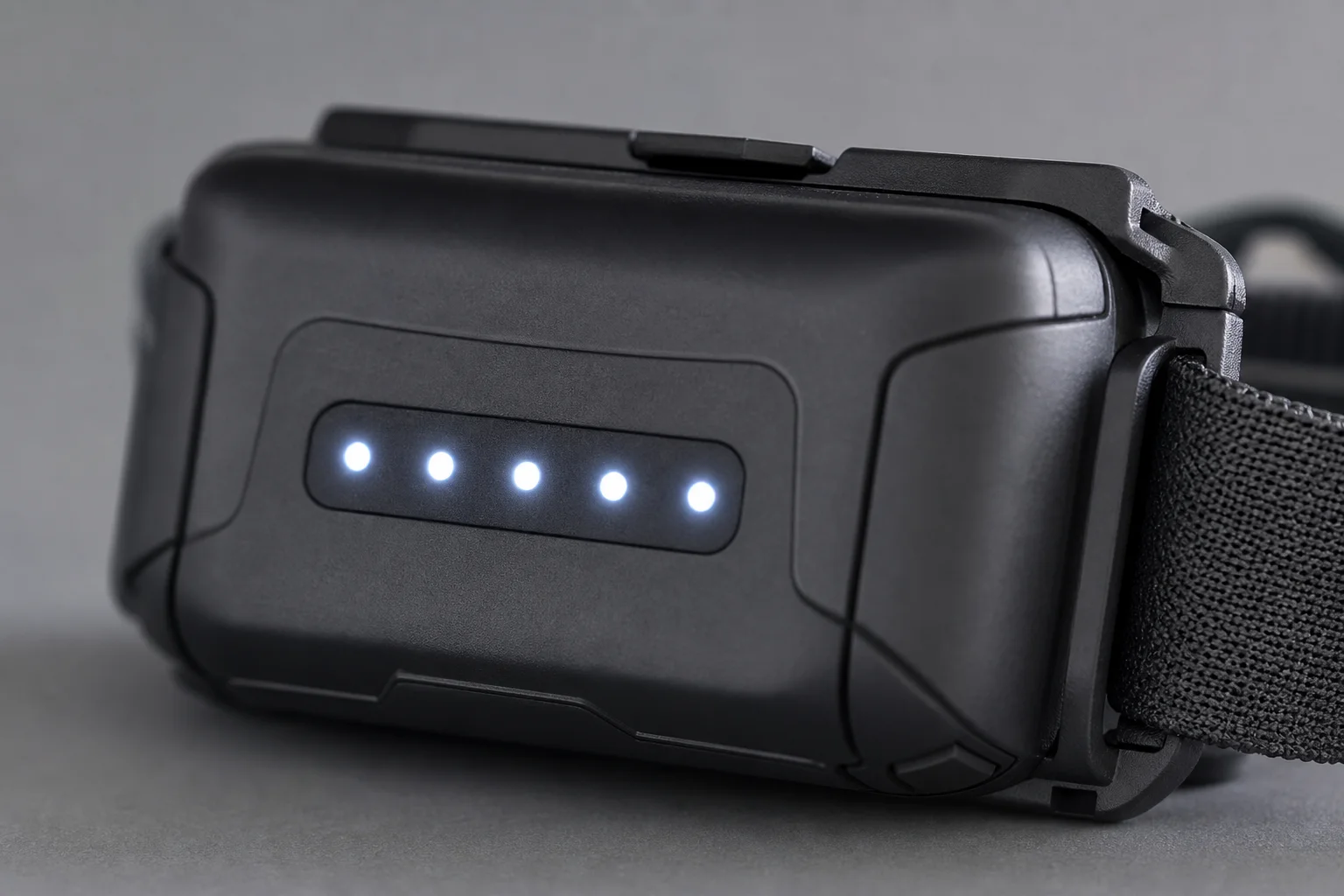
Comfort and fit are exceptional. The design is well-balanced once properly adjusted, and it comes with an optional overhead strap for added security. The single button control is simple but tucked away at the bottom, making it difficult to operate with gloves, especially thick winter gloves. The battery power indicator with five dedicated lights is excellent. Build quality is good overall, though the plastic construction feels less durable than magnesium alloy alternatives like the Fenix HM65R-T. The headlamp is weather-resistant but not fully waterproof, and impact resistance is limited.
Petzl IKO Core: Ultralight Simplicity
The IKO Core is rated for up to 500 lumens and retails for approximately $100 USD. It’s essentially a lighter, stripped-down sibling to the NAO RL, with a similar ergonomic design but at close to half the weight. The smaller 1250 mAh battery powers fewer LEDs, and there is no reactive mode.
In standard mode, the IKO Core delivers 100 lumens for up to 9 hours, or 500 lumens for up to 2.5 hours at maximum power. A useful feature is the ability to use AAA batteries in a pinch, though this limits maximum power to 350 lumens. The battery uses micro-USB charging rather than USB-C, and the battery compartment is somewhat difficult to access. The locking function prevents accidental activation.
Comfort is good, though not quite as adjustable as the NAO RL. The light weight means you barely notice it’s there. One practical consideration: both Petzl headlamps can be difficult to wear with a hat, as the rear battery pack gets in the way. The IKO Core sits slightly lower on the back of the head, making this issue more pronounced.

The button is easier to use with gloves than the NAO RL’s recessed design, but the battery indicator is crude: a green light indicates over 30% battery remaining, while red indicates below 30%. This provides minimal practical information for planning run duration. Build quality feels like a cheaper version of the NAO RL, and the battery compartment latching mechanism seems fragile.
Comparing the Two: Use Cases and Recommendations
The NAO RL excels for longer distance events and situations where reactive technology adds real value, particularly during multi-hour mountain runs where you’re alternating between looking down at technical terrain and scanning ahead. The rear battery design and extended burn times make it practical for all-night efforts. The built-in red beacon is genuinely useful for races that require rear lighting.
The IKO Core attempts to fill a gap between the more powerful NAO RL and the compact Swift RL, but it falls short. For trail running, the standard mode’s 100 lumens is often too dim for technical terrain, while the maximum 500 lumens doesn’t last long enough to justify the purchase over alternatives like the Nitecore UT27, which offers similar weight and price but better performance and additional features for camping and other sports.

The NAO RL is the better choice if you value reactive technology and plan to use it for longer distances where battery life and balance matter. It’s one of the more expensive trail running headlamps available, but the 3200 mAh battery pack effectively functions as a free battery bank. Reserve it for events where you have backup lighting in drop bags, rather than multi-day fastpacking adventures where durability is critical.
The IKO Core doesn’t justify its price point for most trail runners. The gap between its standard and maximum brightness modes is too large, leaving no practical middle ground for technical running.
Conclusion
The Petzl NAO RL is a genuine improvement over the original NAO, offering better balance, longer battery life, and useful features like the rear red beacon. It’s best suited for runners who embrace reactive technology and tackle longer distances. The IKO Core, while comfortable and light, is too compromised in brightness and battery life to recommend as a primary trail running headlamp.
Further reading
Related Reviews
Trail Running Gear
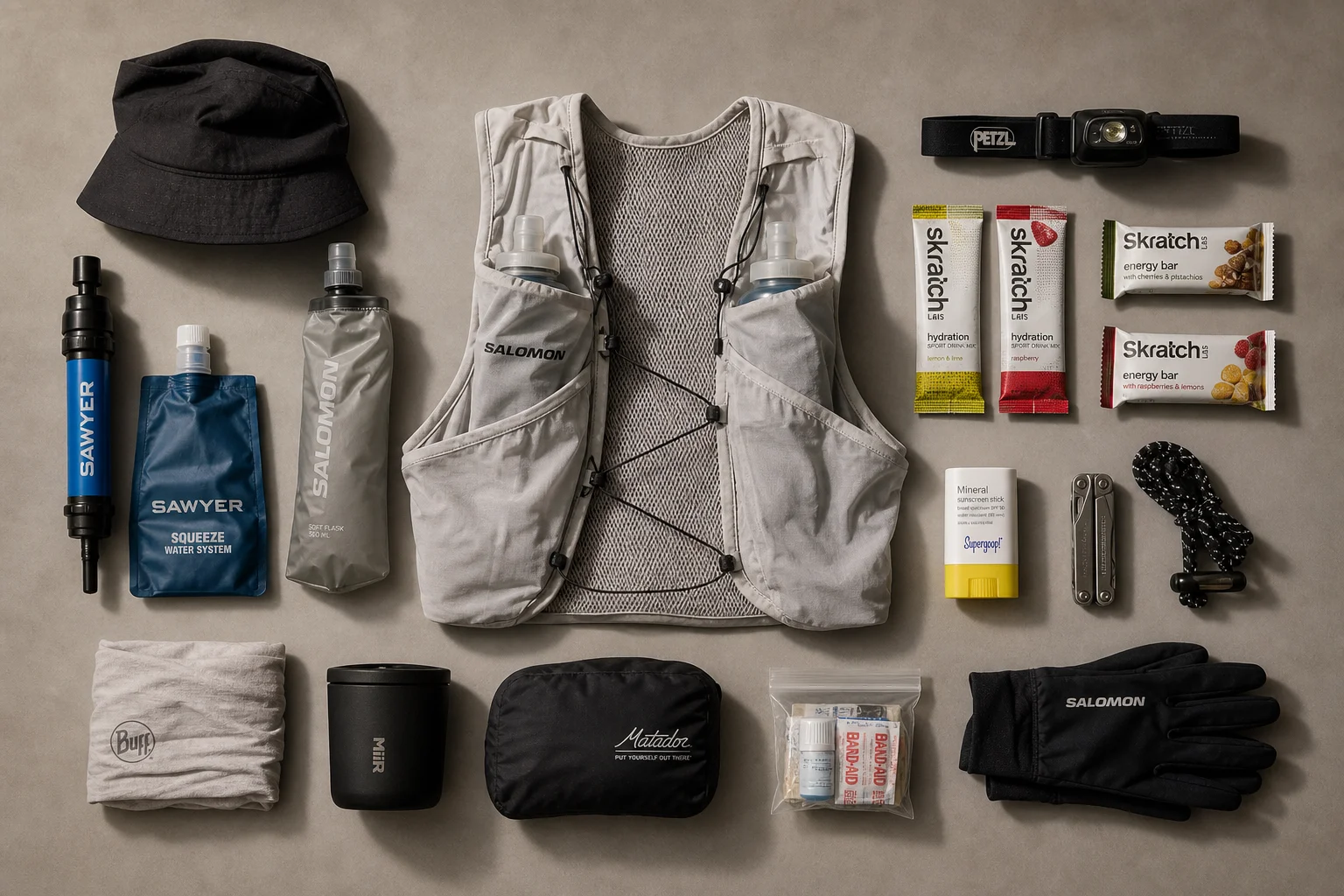
28-Mile Trail Run Pack Loadout: Ultralight Gear for High Alpine Self-Supported Running
A complete breakdown of gear, clothing, hydration, nutrition, and safety equipment for a 28-mile high alpine trail run with 7,800 feet of elevation gain.
Trail Running Gear
Best Trail Running Gear 2025: Nine Products That Earned Real Use This Season
A curated look at nine trail and ultrarunning essentials that delivered genuine performance across training, racing, and adventure throughout 2025.

Trail Running Gear
Instinct Evolution 7L Pack Review: Versatile Trail Running Vest with Thoughtful Hydration Design
A detailed look at the Instinct Evolution 7L, a trail running pack that prioritizes accessible hydration and organized gear storage with some trade-offs in hardware simplicity.