Ski Gear
A Personal Ski Quiver: Nine Pieces of Gear That Earn Their Place
A practical walk through a working ski quiver, from fleece and bibs to boots, bindings and three pairs of skis, with the trade-offs worth knowing before you buy.
Introduction
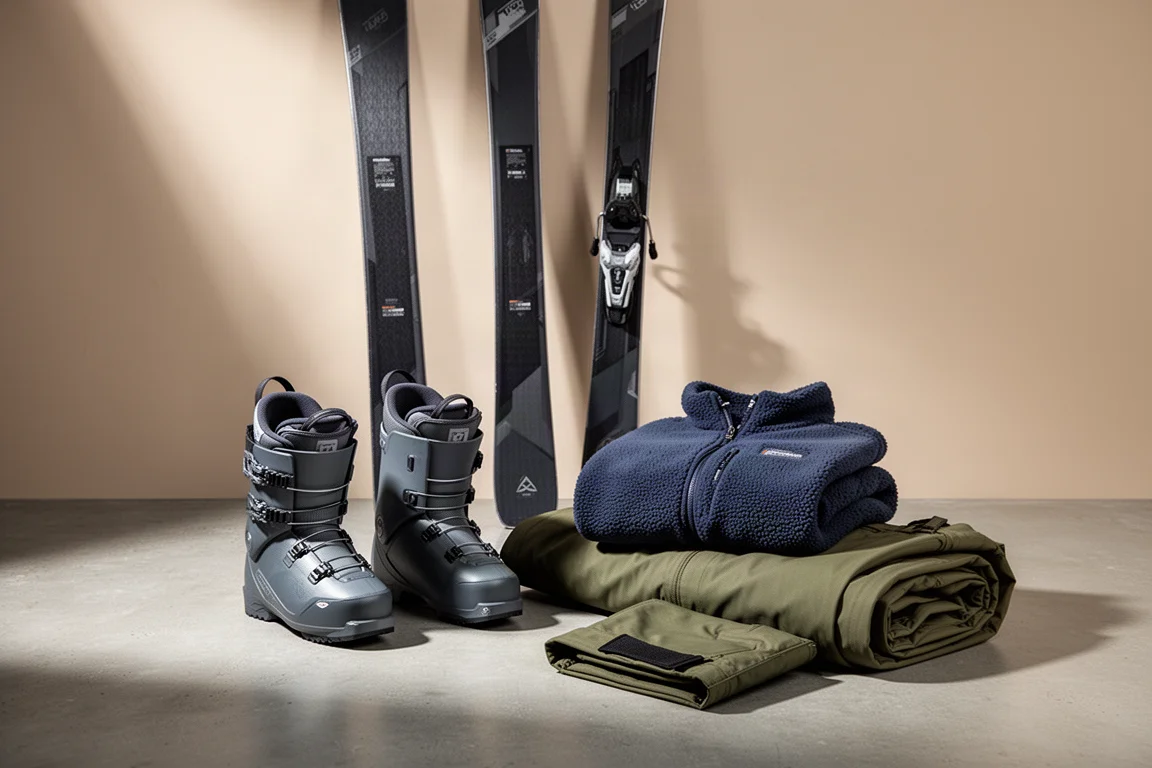
Gear lists are easy to write and hard to live with. This one is built around a simple test: which pieces actually get used, season after season, on a home mountain in Idaho, and which ones sit in the corner.
Nine items made the cut. They cover the drive to the hill, the walk from the car, cold midwinter days, warm spring afternoons, groomed runs and deep powder. Some were bought new, some came from a used gear program, and one pair of skis was supplied by its maker and kept for long-term use.
None of it is here because it photographs well. It is here because it works.
What Earns a Place in a Quiver
Two jackets do not solve the same problem. An insulated jacket that feels perfect at 15 degrees becomes a sauna at 35, and a lightweight shell that breathes on a warm spring day offers almost nothing when the temperature drops. Skis follow the same logic: an 88mm carving ski and a 106mm powder ski are not competing for the same slot, they are covering different days.
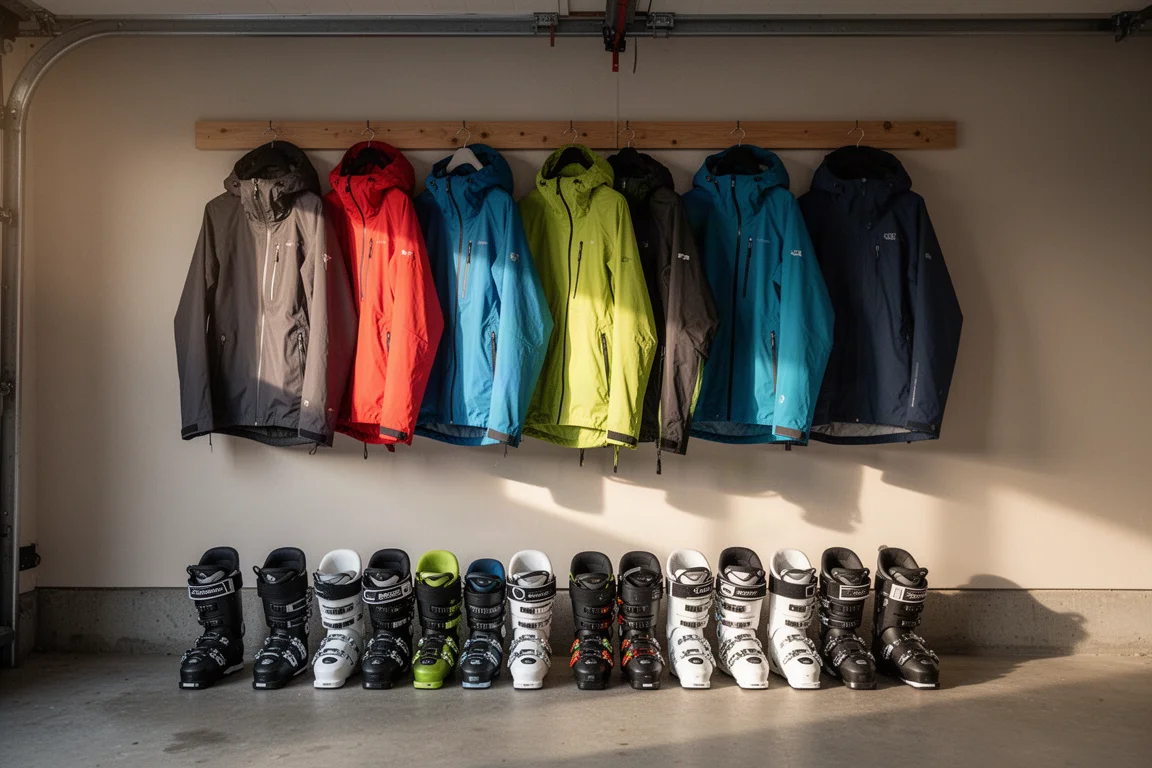
The second filter is everything that happens off the snow. A 30 to 40 minute switchback drive to the mountain, a wet jacket at the end of the day, and cold hands fumbling for a season pass all shape how much a piece of gear actually gets used. Details like a pass pocket, a taped zipper, or a hood that genuinely fits over a helmet matter more across a season than a spec sheet suggests.
Patagonia Retro Pile Fleece
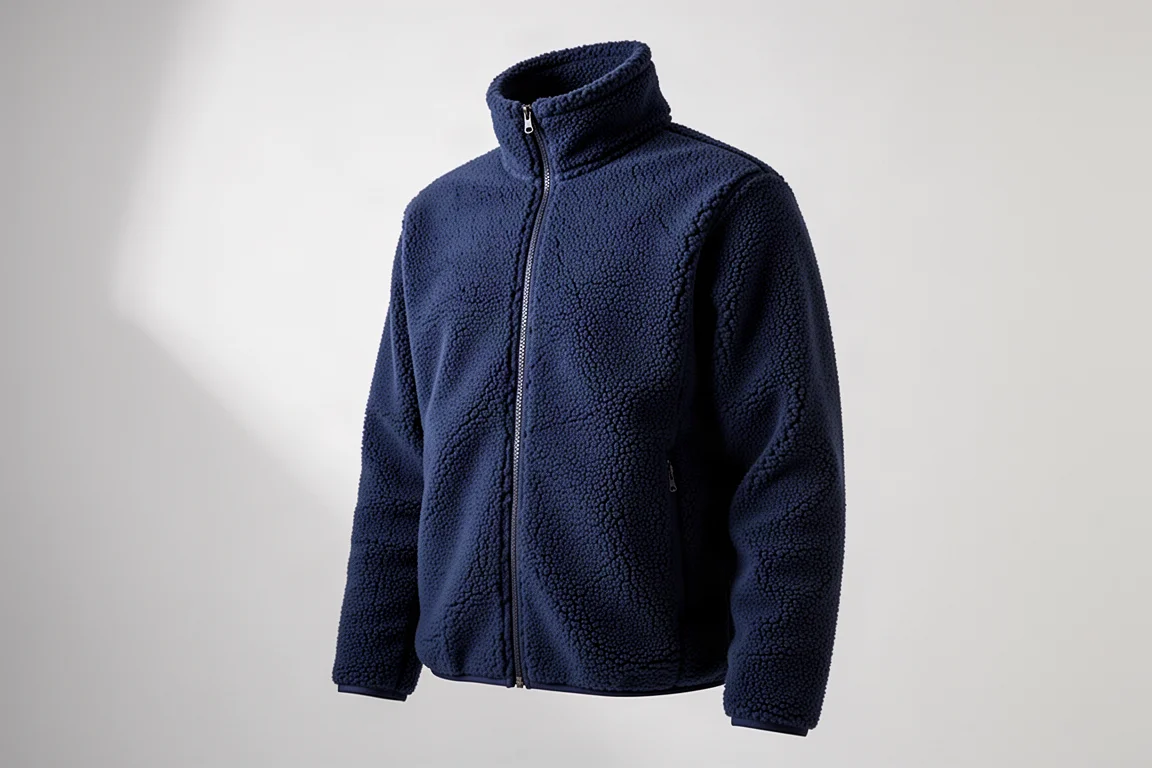
A warm fleece lives in the car for the drive up and for the moment the ski day ends. It is a small comfort, but an important one: after hours in wet, cold gear, changing into something dry and soft is one of the best feelings in skiing.
The Retro Pile is a simple, warm, all-around fleece. It works over a shirt on a cool evening as well as layered under a shell, and it looks presentable enough for dinner on the way home. Both examples here came from Patagonia’s used gear program, which is worth checking before paying full retail. The brand is also known for ethically made, environmentally friendly clothing, and the fleece is widely stocked by outdoor retailers.
Patagonia Powder Town Bib Snow Pants
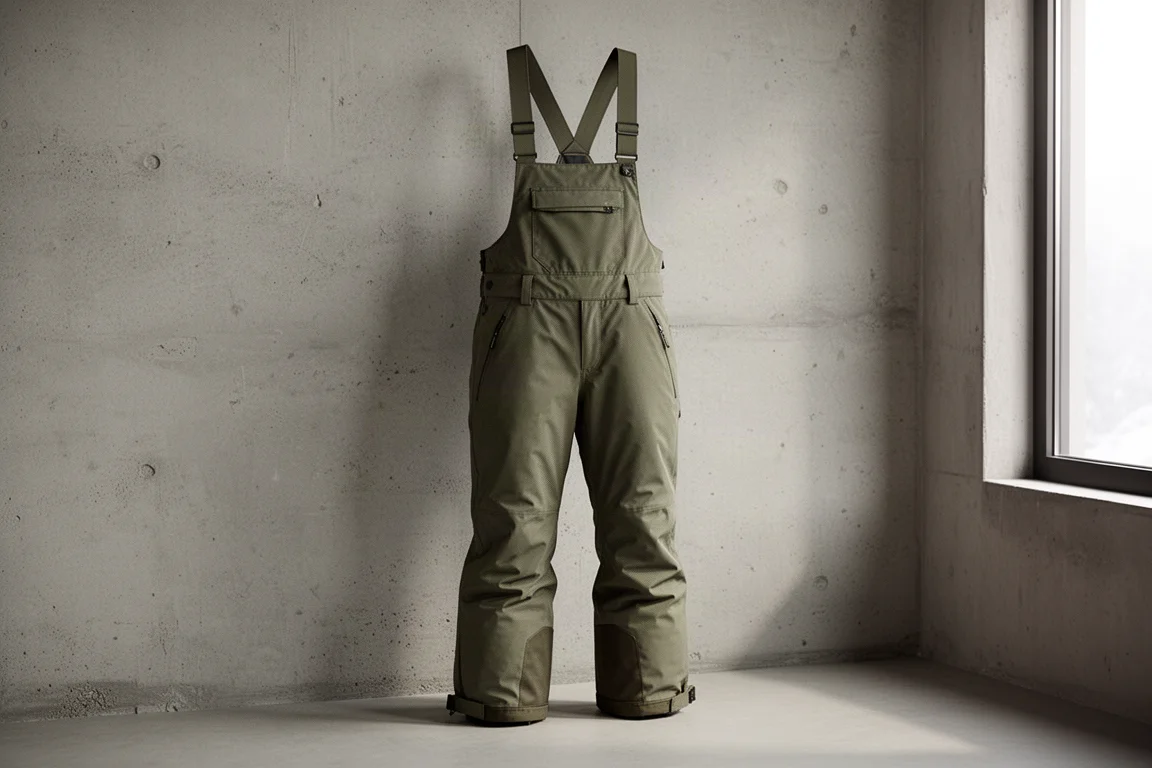
The bib design was not a style choice. Clip-on suspender attachments on cheaper snow pants kept coming unclipped, which is exactly the kind of small failure that ruins a day. A built-in bib removes the problem entirely.
The Powder Town bibs have a small front pocket that is ideal for a season pass, especially useful on days when jackets get swapped. They are warm without being a hardcore shell, and the taped zippers kept moisture out well enough that they outperformed previous snow pants in wet conditions. They were worn through an entire season and picked up on sale in summer for around $120.
There is one real annoyance. The pants have a single side zipper, so the fly does not open all the way, and that side zip can work its way down during the day when a hip gets close to the ground. An Arcade belt is the planned fix this season. The powder cuffs, on the other hand, work exactly as intended.
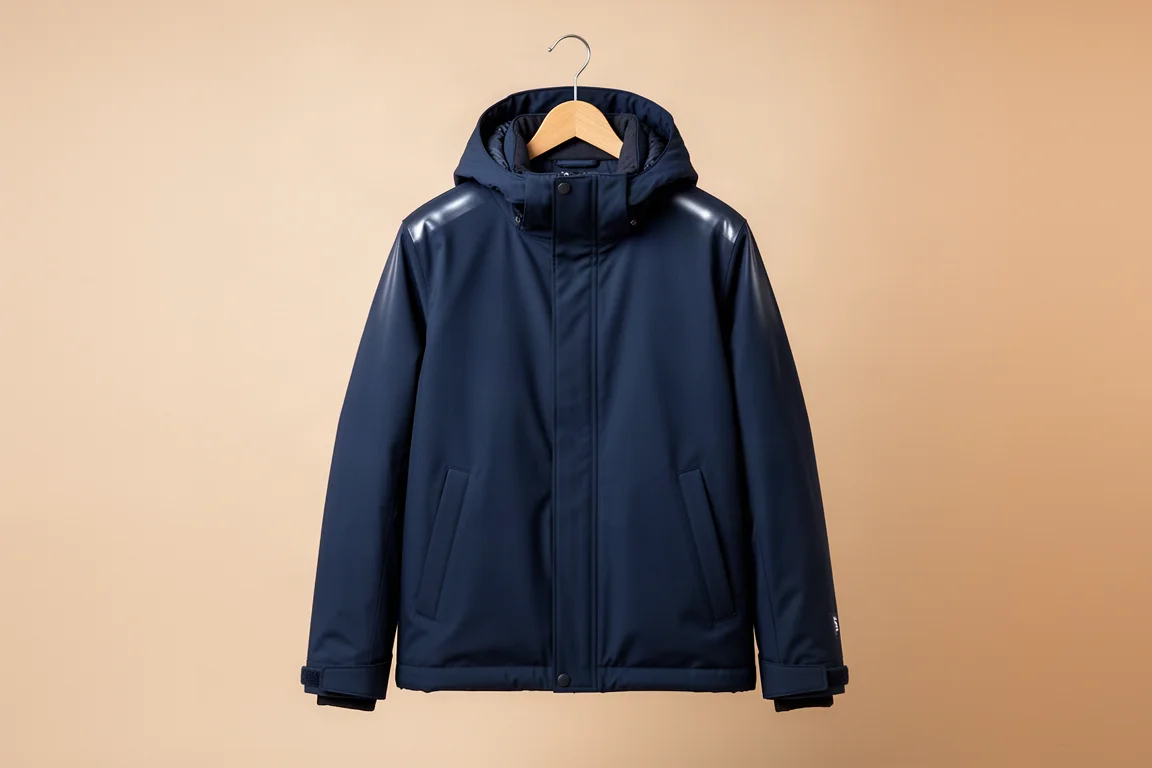
Armada Insulated 2-Layer Ski Jacket
This is the cold-day jacket rather than the wet-day jacket. It is insulated and very warm, comfortable from roughly 5 to 30 degrees Fahrenheit, and it cost closer to $140 midwinter, which makes it one of the better value pieces here.
The trade-off is simplicity. There is no sleeve pocket for a pass and no centre pockets, just two front pockets and a couple of internal ones. The hood has a comfortable shape over the face, but the fabric does not shed rain well and starts to soak up moisture in a downpour. For dry, cold days it is excellent.
Atomic Hawx Prime 12 Ski Boots
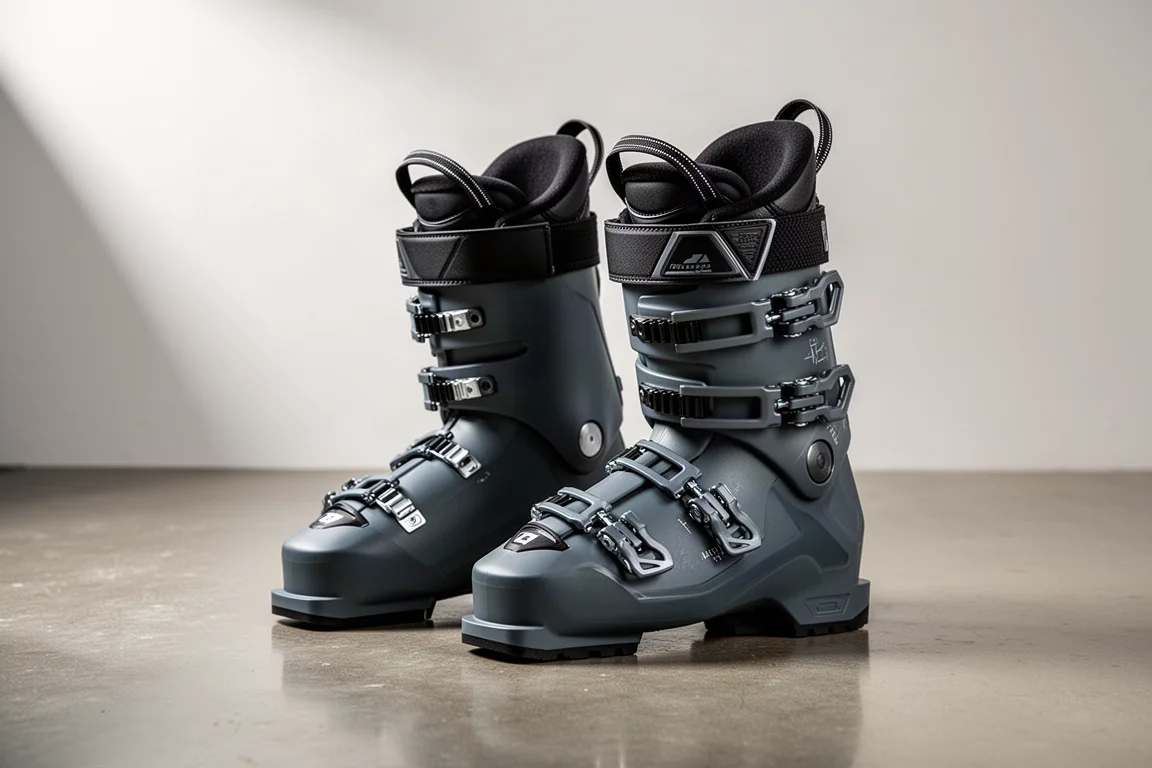
These are the wider fit in Atomic’s Hawx Prime range, and they replaced a boot brand worn for three decades. That is a big change, and it worked: comfortable out of the box, solid through a full season, and easy to live with thanks to liner handles that let you pull the liners out without a fight.
Two practical notes. The buckles on the first pair collapsed into each other and were replaced under warranty, and the replacements still need breaking in. If the shin does not feel properly sealed against the cuff, installing the spoilers that ship in the box fixes it. That single adjustment transformed the fit.
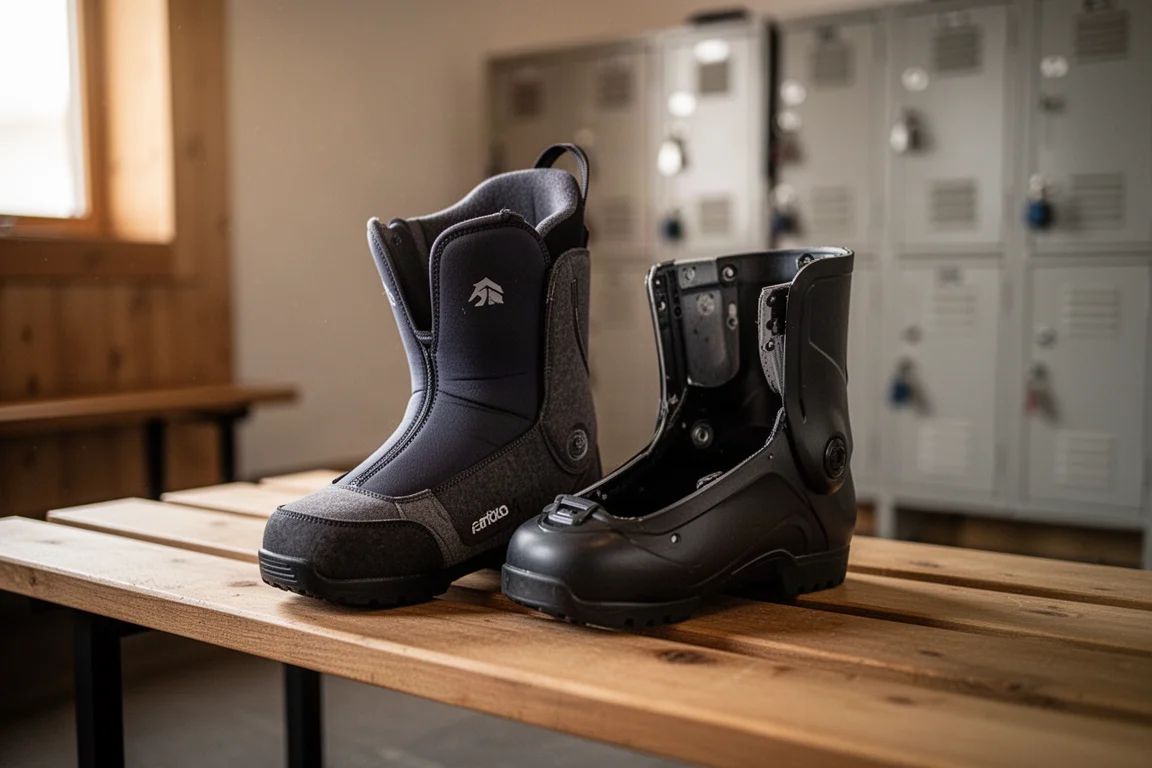
For anyone coming from an older boot, the lesson is that fit can be tuned rather than endured. Break-in still takes a few days, but the performance is worth the patience, and the value at this level is genuinely strong.
Smartwool Ski Socks
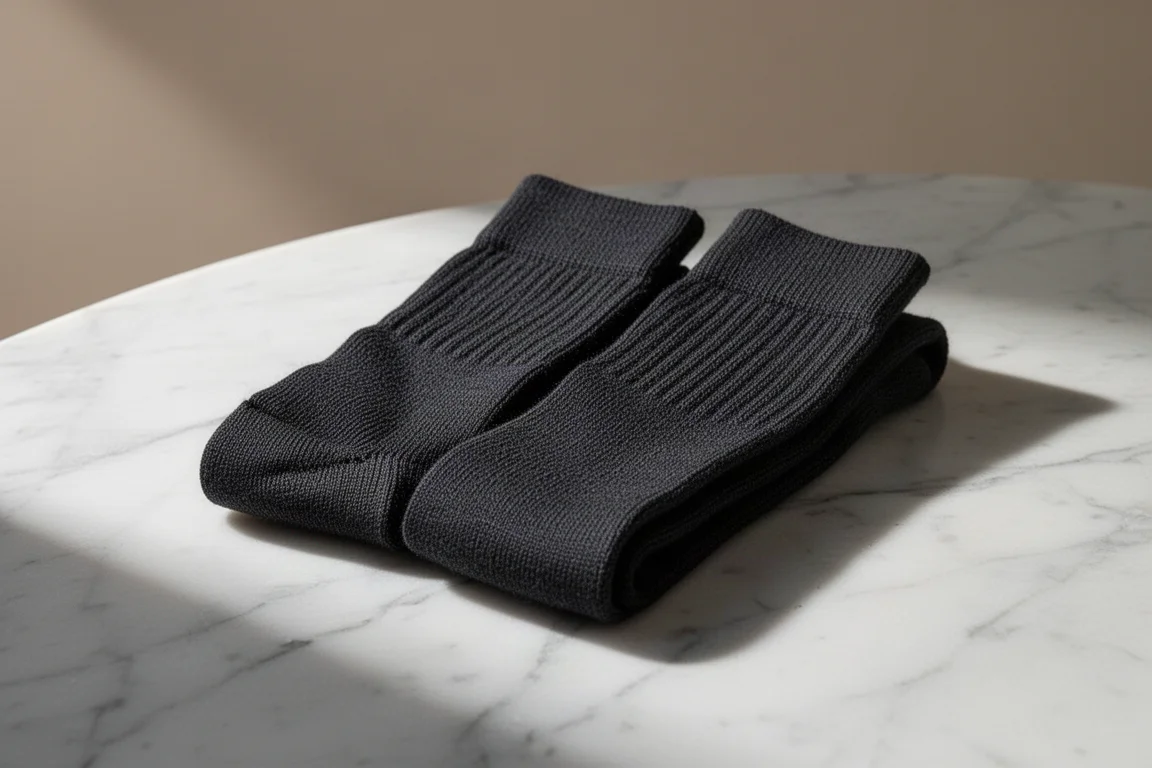
Socks are the least glamorous item here and one of the most consequential. A thinner sock gives better feel inside the boot and is plenty for feet that run warm, while a thicker version covers the coldest days.
Smartwool has been the sock of choice since racing days, and the fit and texture are the reason. At around $10 a pair, they are an easy item to stock up on rather than replace seasonally.
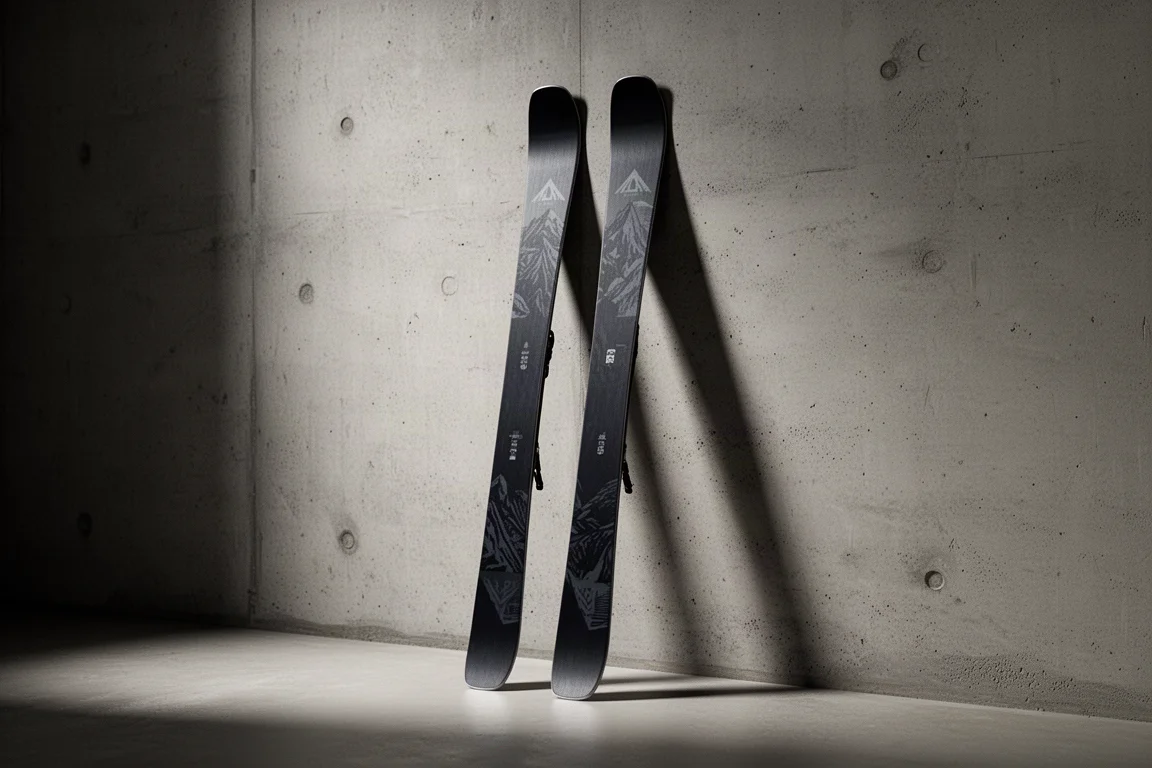
Atomic Maverick 88 Ti Skis
At 88mm underfoot and 176cm in length, this is the ski that gets thrown in the car when the plan is simply to have a good day. The width is right for a daily driver, the Horizon Tech construction keeps it light, and the turn accuracy is well beyond what most all-mountain skis deliver. Anyone with a carving or race background should try a pair.
The shape carries over from the Vantage series, with more camber replacing some of the thicker sidewall. The result is roughly 10 percent more pop entering and exiting a turn. It handles surprise powder well and carves beautifully, though it starts to struggle once snow depth passes about 6 to 9 inches. Atomic also builds the same ski in 95mm and 100mm widths.
One durability note: a hard crash shredded part of the top sheet and removed some titanal, which was described as cosmetic rather than structural. Sealing the area to keep moisture out is a sensible precaution.
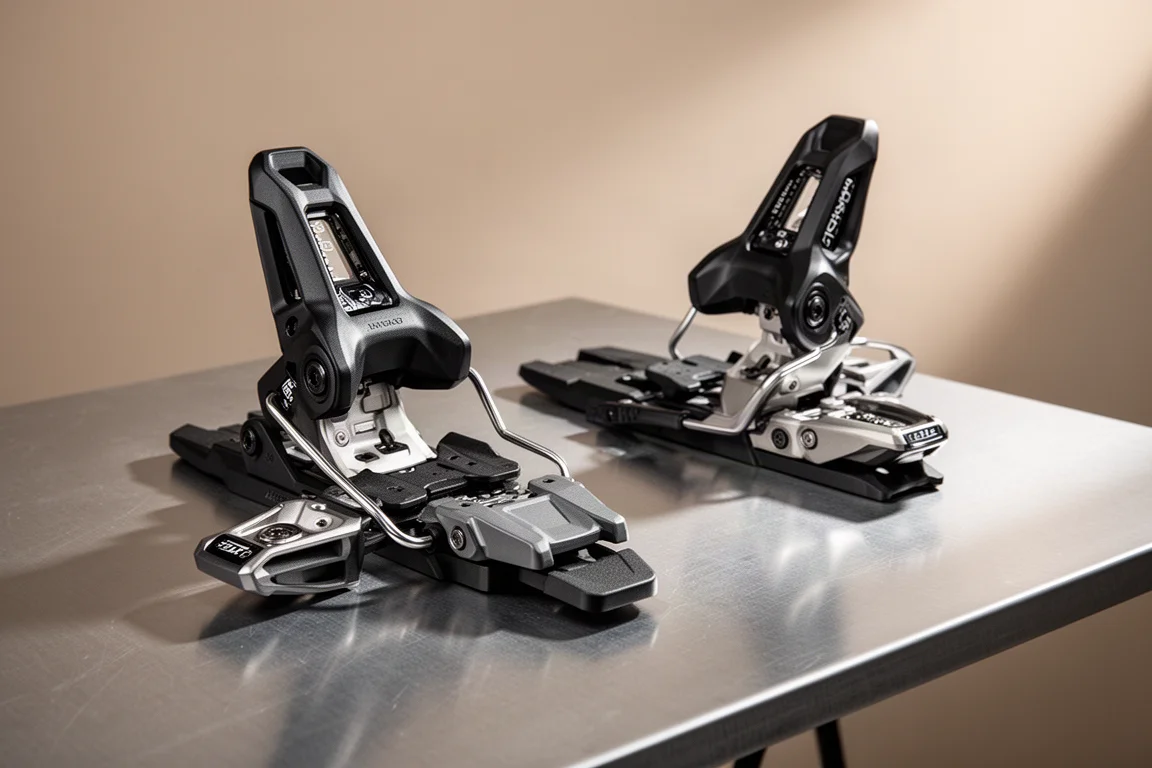
Look SPX 12 Ski Bindings
These bindings show up on two of the skis here, which says more than a spec sheet can. They are high performance, release up to a DIN of 12, which is more than most skiers will ever need, and the same binding family appears on race skis.
At around $150, and frequently discounted, they are also one of the better values in skiing. They use some plastic components, which is the usual knock against them, and they get overlooked in favour of Pivots. For most skiers that trade-off is not worth worrying about, since bindings rarely stay on one pair of skis for their whole life anyway.
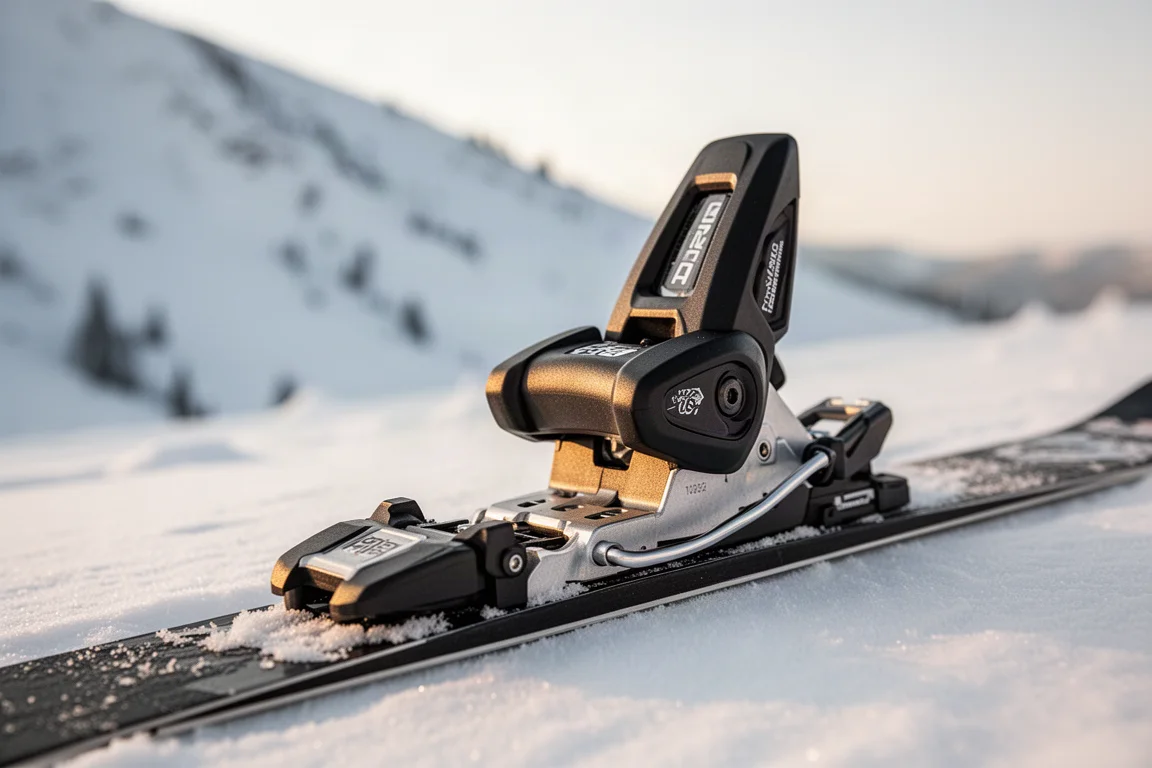
If you are pairing skis with bindings for the first time, this is a straightforward place to start. They are predictable, durable and easy to find on sale.
Meier Wrangler 93 Skis
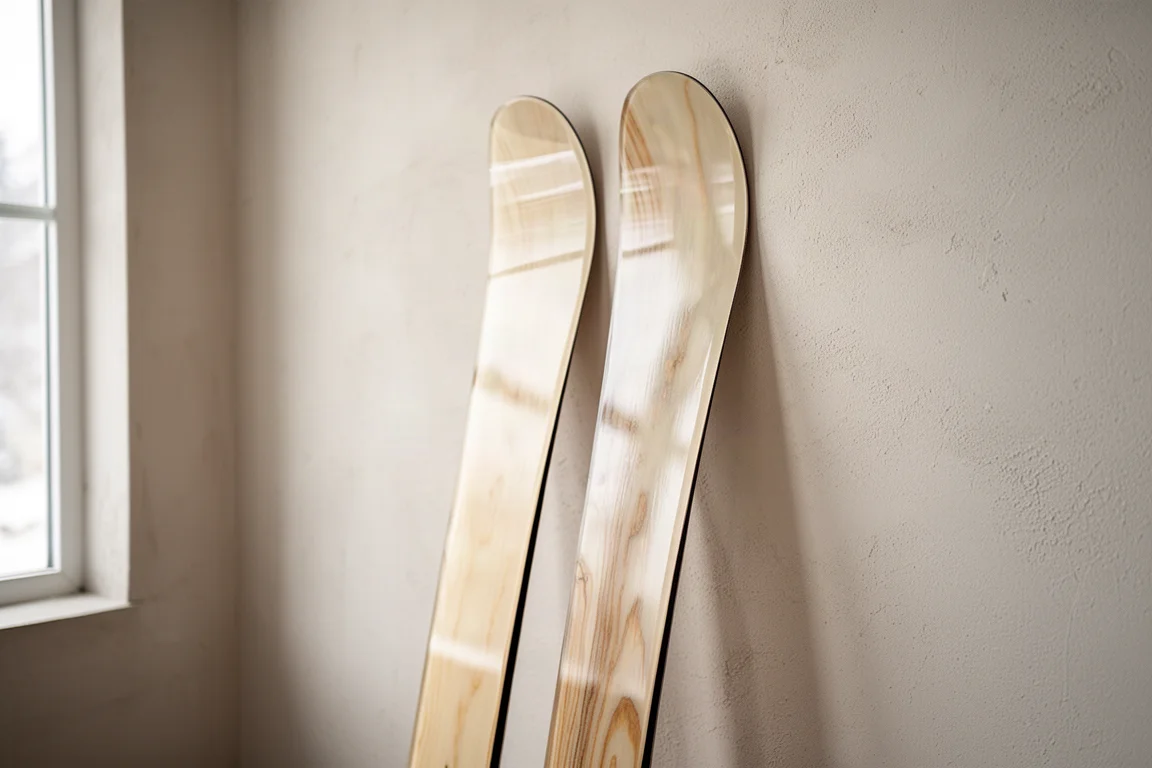
Meier is a small independent brand out of Denver, Colorado, and the Wrangler 93 is handmade in the United States using environmentally friendly materials. The topsheets have a translucent look because less dye is used in the process. This is the one ski here that was supplied by its maker and kept for long-term use.
At 93mm underfoot in a 180cm length, the Wrangler is a versatile shape. Compared with the 88mm Maverick, the tail sinks a little more, which delivers extra flotation from the top of the ski, and it carries speed slightly better. It gives up about 10 percent of the Maverick’s precision in and out of the turn, but it is still very accurate and genuinely fun, and it rewards a more aggressive off-trail line.
Rossignol QST 106 Skis
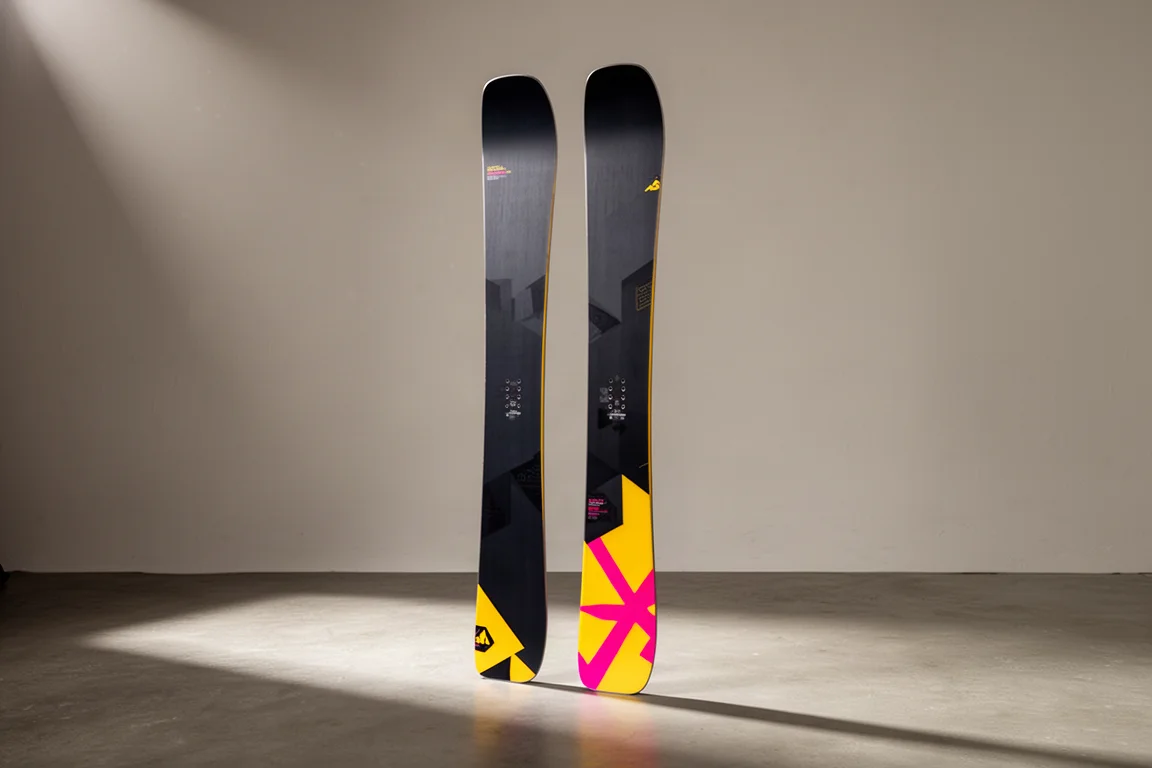
For powder, this is the ski. It was bought on sale at the end of last season and ridden roughly 7 to 10 days, and it produced the most enjoyable powder turns of any ski tried. The cork dampener smooths the ride while the shape still turns properly, so it is not a one-trick floater.
The feel is the standout. It replicates the swooping, weightless sensation of snowboarding in deep snow, letting you sit back and let the turn wash out. It is a flowing ski that carries weight down the hill instead of feeling light and vague.
Two things to know. In tight trees it is less forgiving than something like a Bent 110, trading surfy feel for responsiveness. And the two skis occasionally tip into each other, something that eased with familiarity and can be managed through stance. Both are minor compared with how good the ski feels in powder. It is mounted with Look SPX 12 bindings, and at 182cm it stays nimble enough for tighter terrain.
Overall Buying Advice
Buy for the days you actually ski, not for the days you imagine. If most of your season is groomed runs with the occasional storm, a narrower all-mountain ski plus a dedicated powder ski covers more ground than a single in-between width. A daily driver around 88mm alongside a powder ski around 106mm handles nearly everything without much overlap.
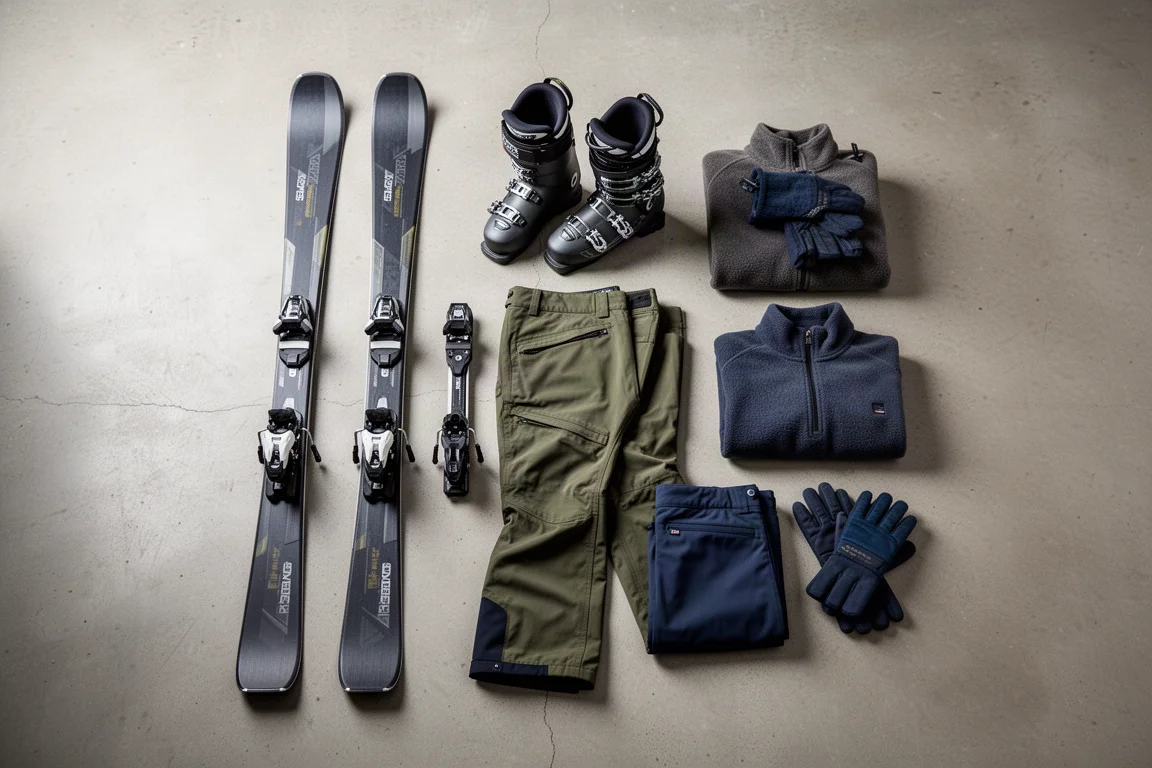
Boots deserve the largest share of the budget, and they deserve patience. Fit adjustments, including the spoilers that come in the box, are part of getting a boot right. Socks are cheap enough that owning a thin pair and a thick pair removes a variable entirely.
On outerwear, think in layers rather than in one perfect jacket. An insulated jacket for cold days, a lightweight shell for warm or wet ones, and a fleece for the drive home cover more conditions than any single piece. Used gear programs are worth checking for fleece and shells, where quality holds up well and prices drop sharply.
Bindings are a place to be practical. A high-performance binding that sells for around $150 and appears on race skis is more than enough for recreational skiing, and the money saved is better spent on boots or a second pair of skis.
Conclusion
A quiver is not about owning everything. It is about owning the right few things, chosen for the conditions you actually ride and the small details that make a day easier: a pass pocket, a taped zipper, a boot that fits, a fleece waiting in the car.
The nine items here cover cold days and warm ones, groomed runs and powder, at price points from a $10 pair of socks to a full ski setup. Start with the pieces that solve a real problem for you, and build from there.
Further reading
Related Reviews

Ski Gear
2023 Blizzard Hustle vs Rustler: Six Freeride Skis Compared
Blizzard's 2023 Hustle collection rebuilds the Rustler shape with a lighter core and no metal. Here is how all six skis differ, and which one suits your riding.

Ski Gear
2023 Skis of the Year: Atomic Maverick 88 TI, Salomon QST 106, and Look SPX 12 Pro
Three standout ski picks for all-mountain carving, powder days, and reliable binding performance, with practical buying notes for 2023 models.

Ski Gear
2025 Nordica Enforcer 104 Review: A Directional Charger Replaces the 104 Free
The 2025 Nordica Enforcer 104 drops the Free name and the twin-tip personality, gaining weight, stiffness and composure in rough snow. Here is what changed and who it suits.