Running Shoes
Performance Trainers of the Year: Five Shoes That Defined the Season
From the award-winning Topo Cyclone 2 to strong contenders from Brooks, Adidas, Saucony, and Altra, these performance trainers earned a spot on our list.
Introduction
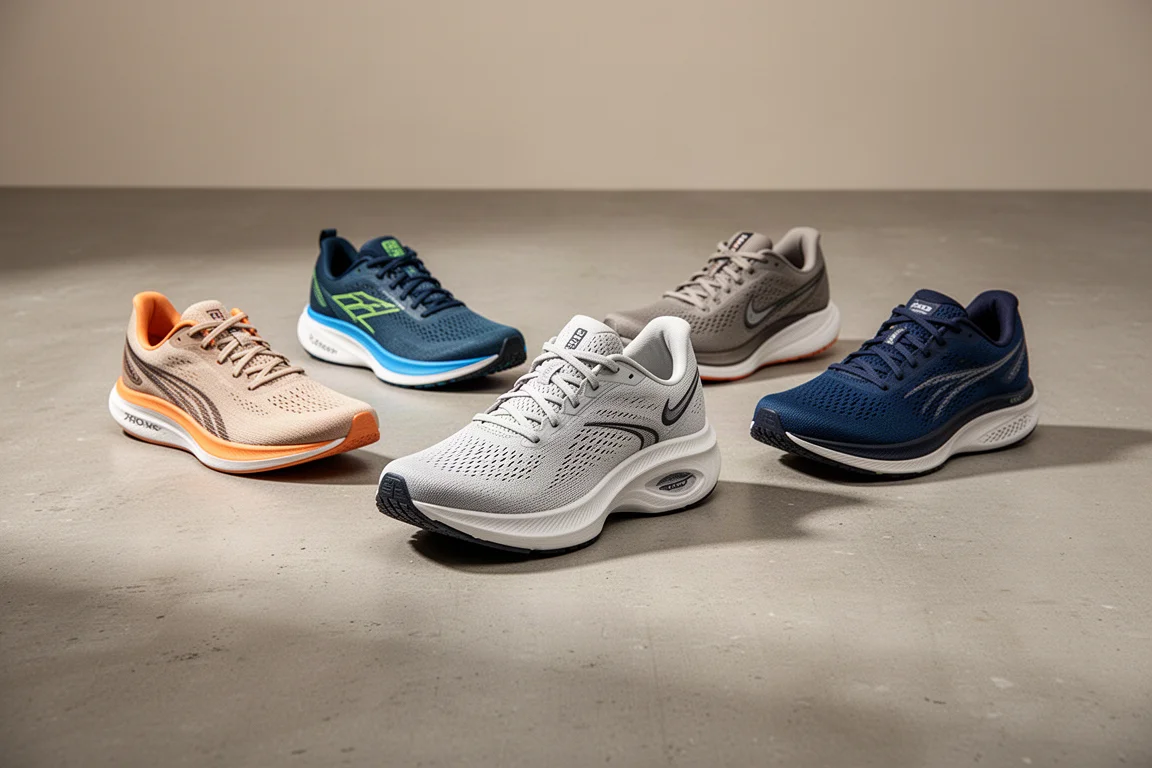
Performance trainers had a standout year. More models than ever arrived with full-length super foam, plates or rods, and racing-flat roots, and the category has clearly evolved beyond “just a lighter daily shoe.” After logging serious mileage in a deep field of contenders, one shoe rose above the rest, with four others close behind. Here is how the top five stack up.
How We Looked at Performance Trainers
The test was simple: a great performance trainer should handle workouts at speed, survive longer efforts without feeling punishing, and stay fun on easy days. Versatility mattered more than specialization, since many modern shoes now excel at one narrow job and little else.
Fit, ride quality at different paces, and durability were the deciding factors. A shoe that feels magical for two weeks but bottoms out at 250 miles loses points against one that keeps its bounce for a full training cycle.
Topo Cyclone 2
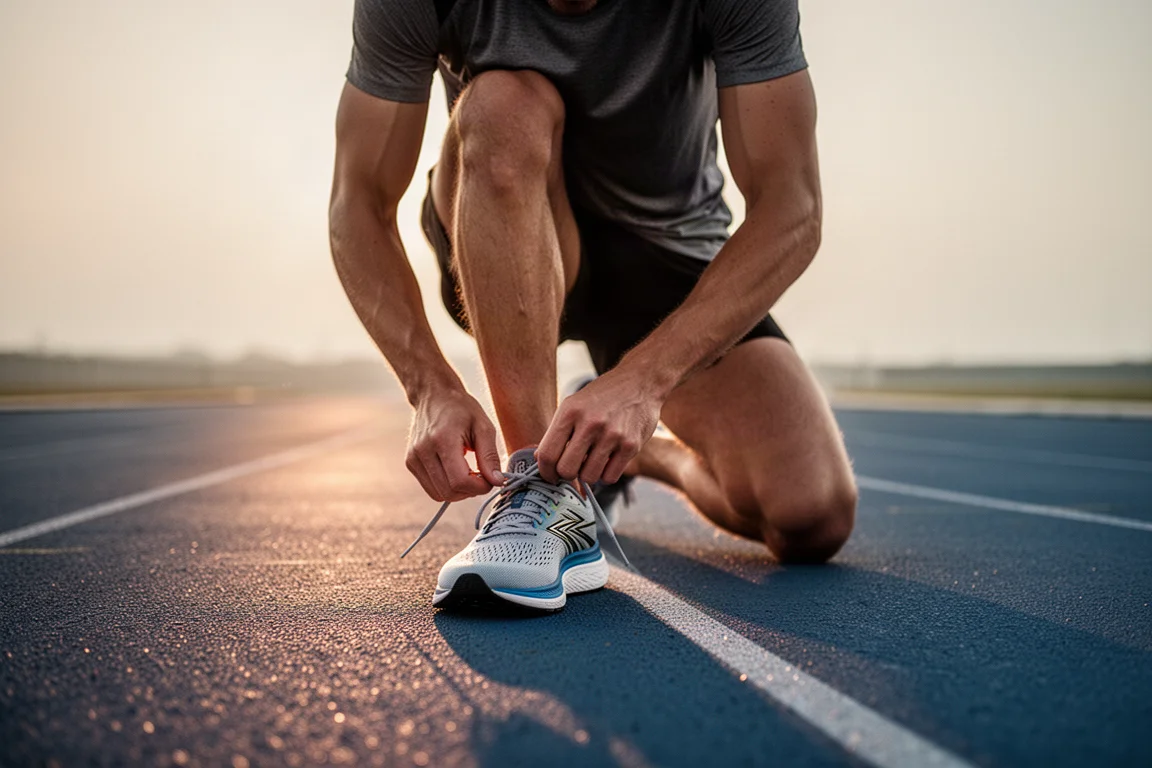
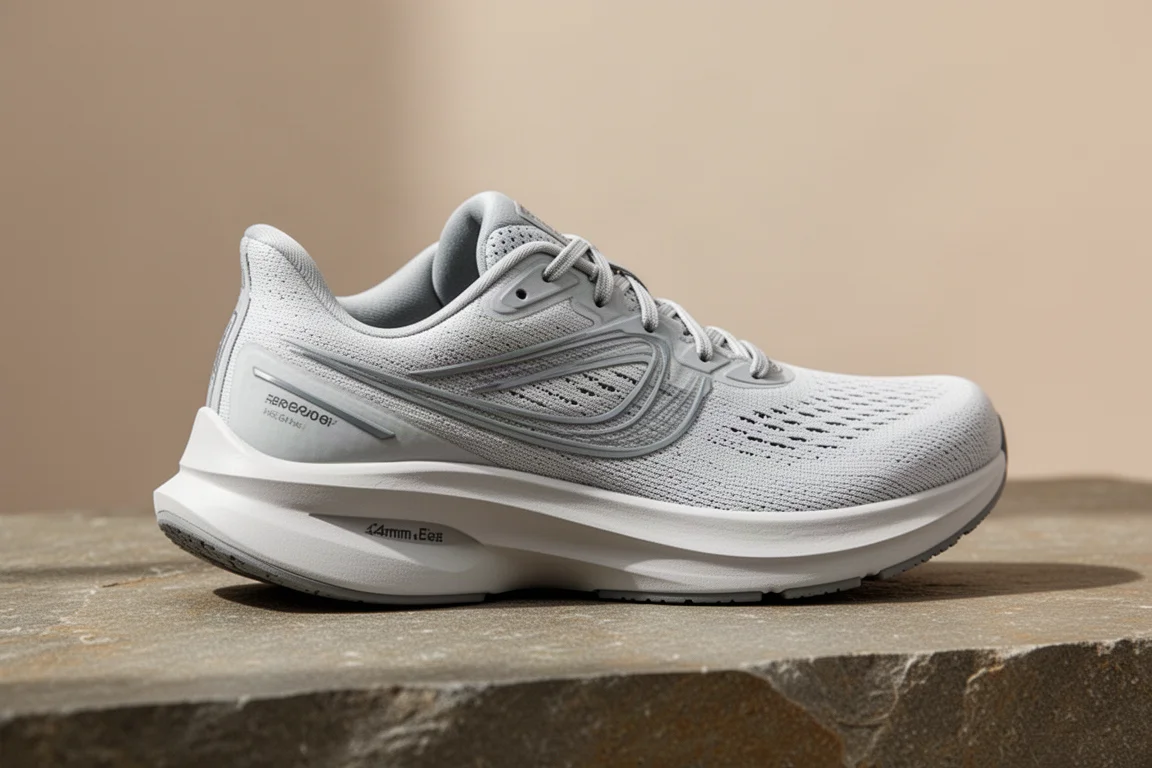
The Topo Cyclone 2 earned the top spot across the board, and it is easy to see why. It is Topo’s first shoe with a full PEBA midsole, sitting at 27mm in the heel and 22mm in the forefoot, and it is remarkably light: 5.9 oz in a women’s size 8, just a few tenths of an ounce heavier than a Vaporfly, and around 6.5 oz on the men’s side.
The ride is bouncy without a plate, with enough flexibility and late toe spring to deliver a natural, flowing toe-off rather than an aggressive roll. It shines from 10K down to mile pace, yet the stack is protective enough that longer runs of 16 or 17 miles felt fine. The wide anatomical toe box and improved heel collar, a fix over the original Cyclone that rubbed some runners’ Achilles, make it one of the few performance shoes that feels genuinely comfortable from the first step.
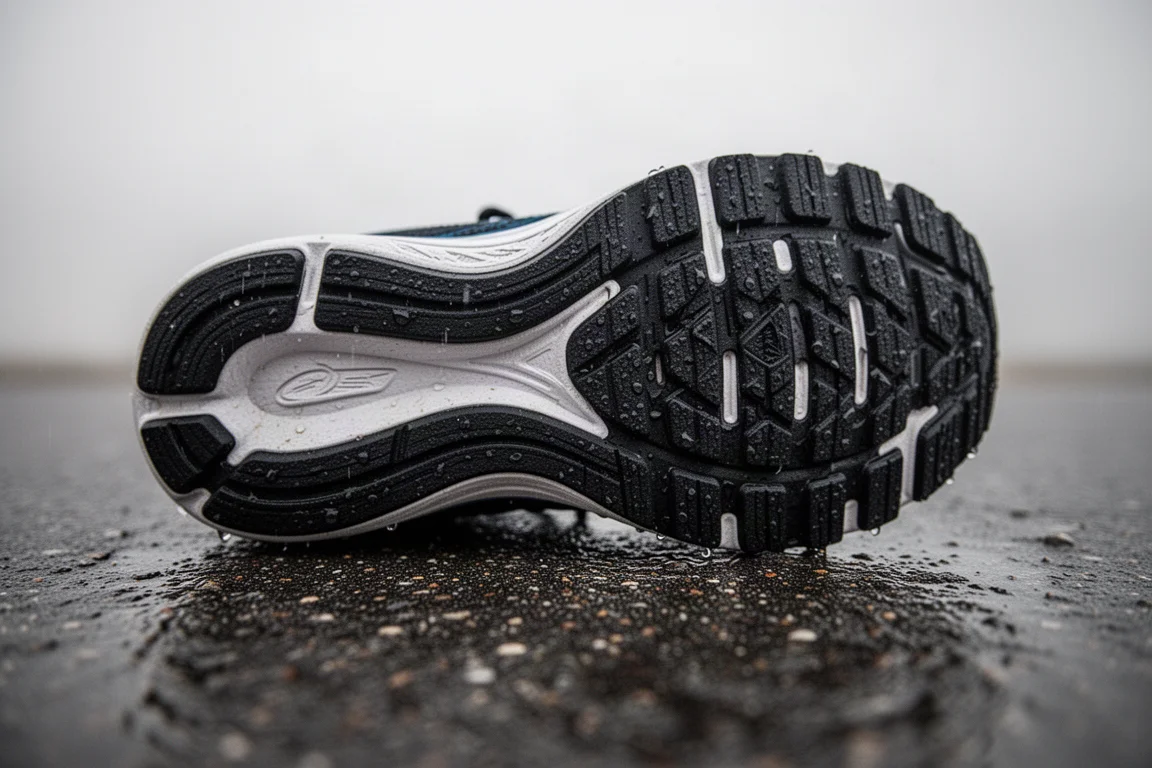
Traction held up impressively well, with no slipping on wet tracks or fast turns over sandy roads, though the shoe does absorb water and can feel squishy in heavy rain. Durability is the honest caveat: one runner noticed the forefoot midsole bottoming out around 250 to 275 miles and replaced the pair. The fact that one runner is on a second pair and another is on a third says more than any spec sheet could.
Brooks Hyperion
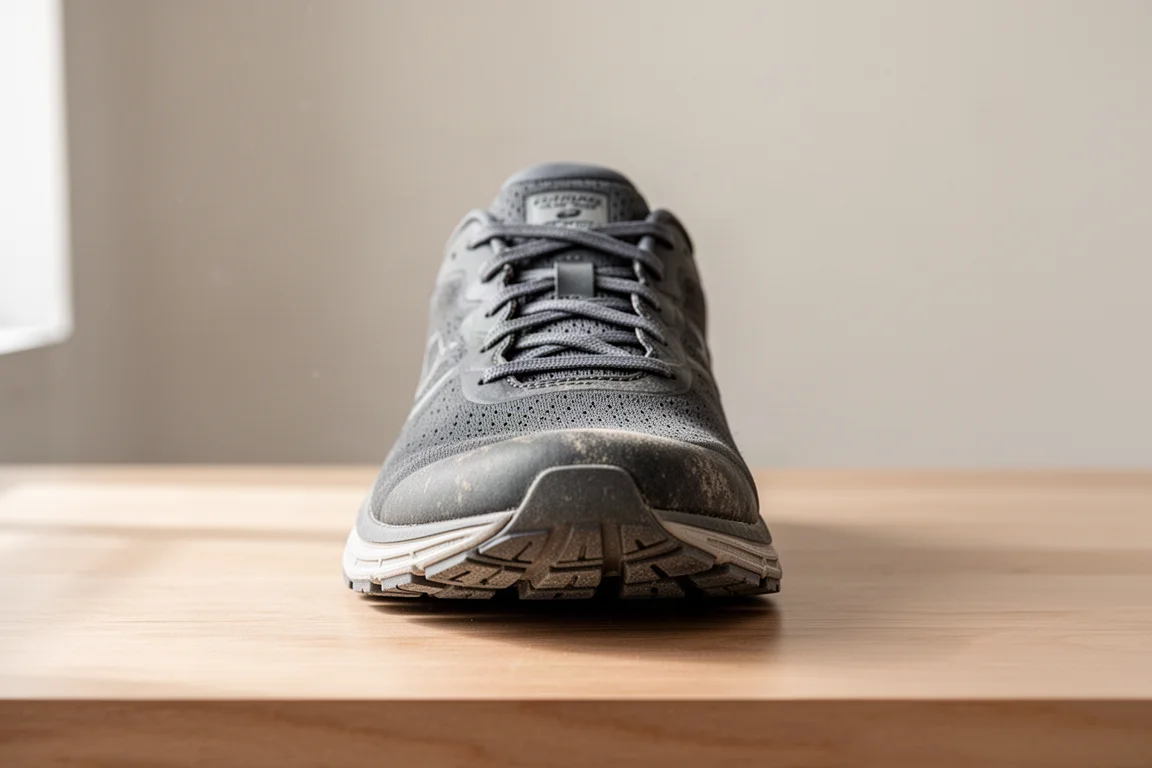
The runner-up pick went to the Brooks Hyperion, the updated successor to the Hyperion Tempo after Brooks cleaned up its line. This is a lower-stack performance trainer with an old-school racing flat character, sitting a little closer to the ground than the Hyperion Max.
The forefoot was widened slightly compared to the Tempo, and the fit is close to the Hyperion Max, just lower to the ground. The ride sits on the firm side with a well-judged balance between flexibility and rigidity, making it a strong option for runners who want that classic racing flat feel in a modern package. Anyone who loved the Hyperion Tempo will feel at home here, and probably prefer the new fit.
Adidas Boston 12
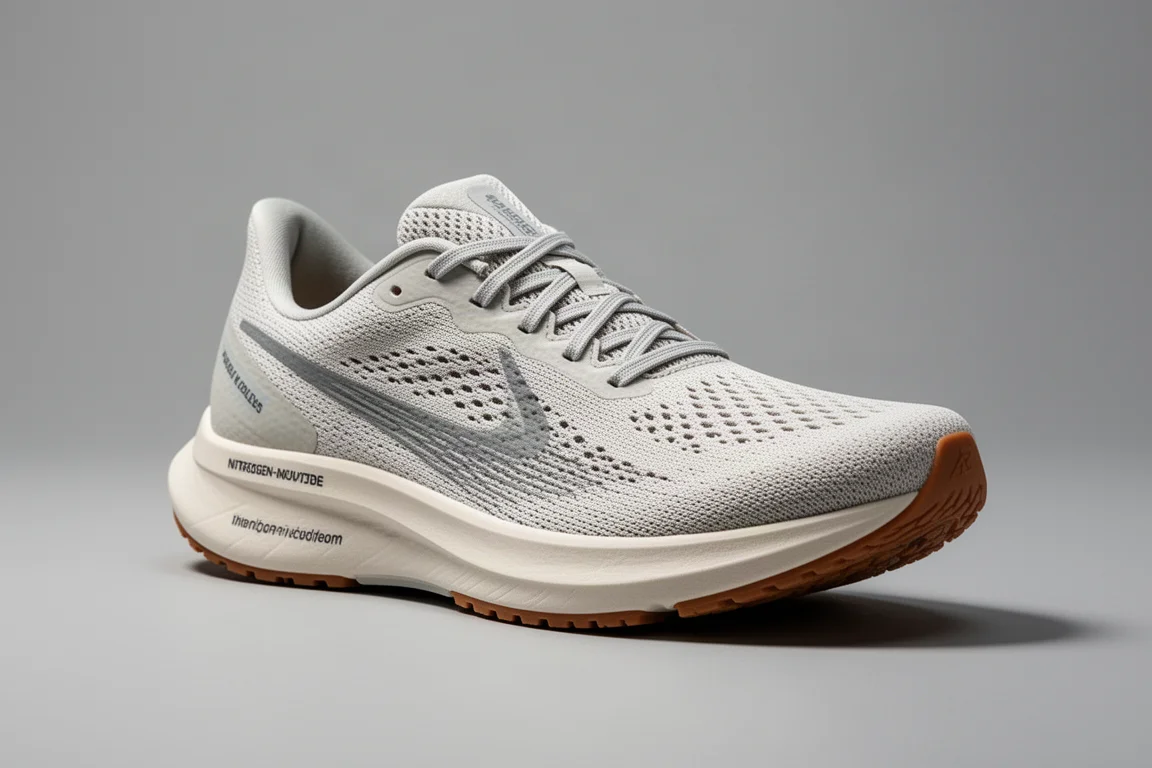
The Adidas Adizero Boston 12 finally feels like a Boston again after the 10 and 11 drifted from that identity. The update adds more Lightstrike Pro in the forefoot, which is genuinely noticeable, layered over the firm Lightstrike in a very grounded heel.
The fit is relatively anatomic with a locked-in, narrower heel and midfoot that widens out at the forefoot, and the rigid rods give a real pop at the forefoot when loading at speed. It leans toward longer efforts: for 20-plus-mile runs with marathon-pace work mixed in, this would be the pick over the Cyclone 2, and durability is excellent, with 100 miles logged showing minimal wear. Where it falls short is pure top-end speed; it does not turn over like the Cyclone 2 at fast 10K paces. Two fit caveats: the midfoot narrowing and lateral rod extension pushed one tester into the medial midfoot, so runners with lateral stability needs may do well here, while those needing medial support should look elsewhere.
Saucony Kinvara Pro
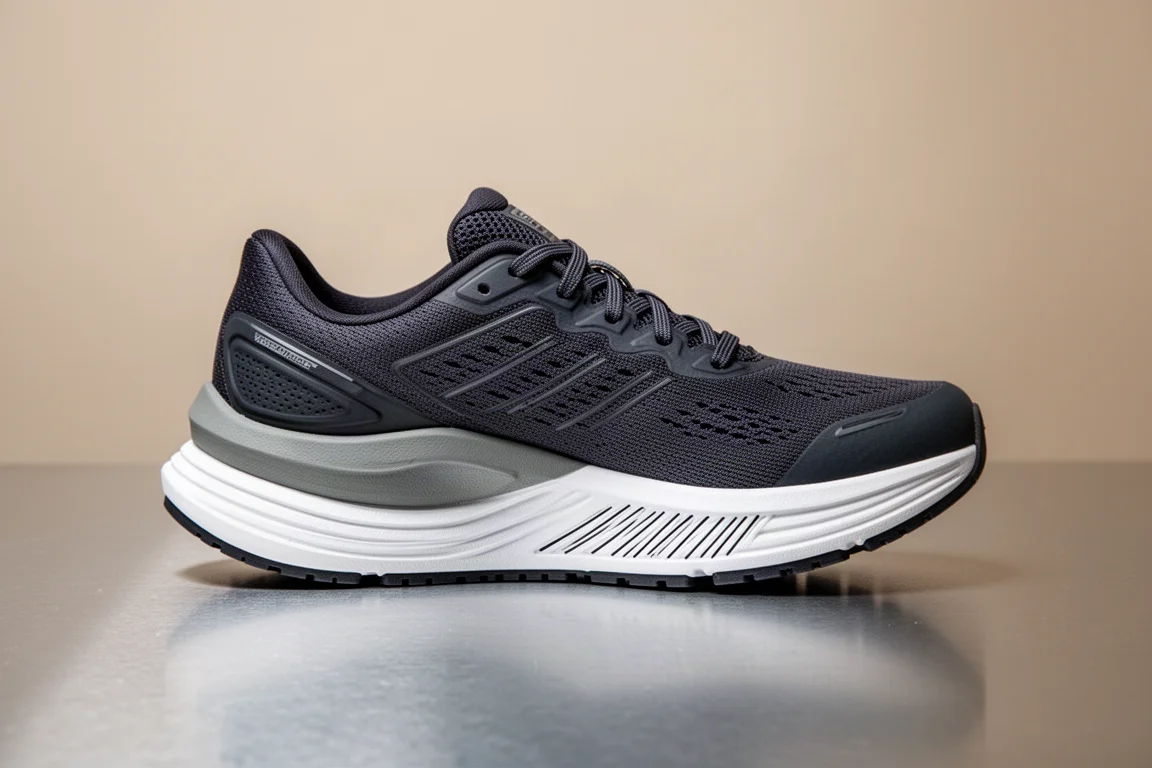
The Saucony Kinvara Pro was a genuine surprise and a favorite for long runs of the year. It handled mile after mile on hilly terrain without complaint and made up-tempo efforts feel effortless.
It also proved surprisingly stable for a neutral shoe. The main drawback is durability: heavy wear developed a medial wedge that eventually irritated a runner’s IT band. As a first attempt at this kind of shoe it was very good, and more outsole material without adding weight would go a long way in the next version.
Altra FWD
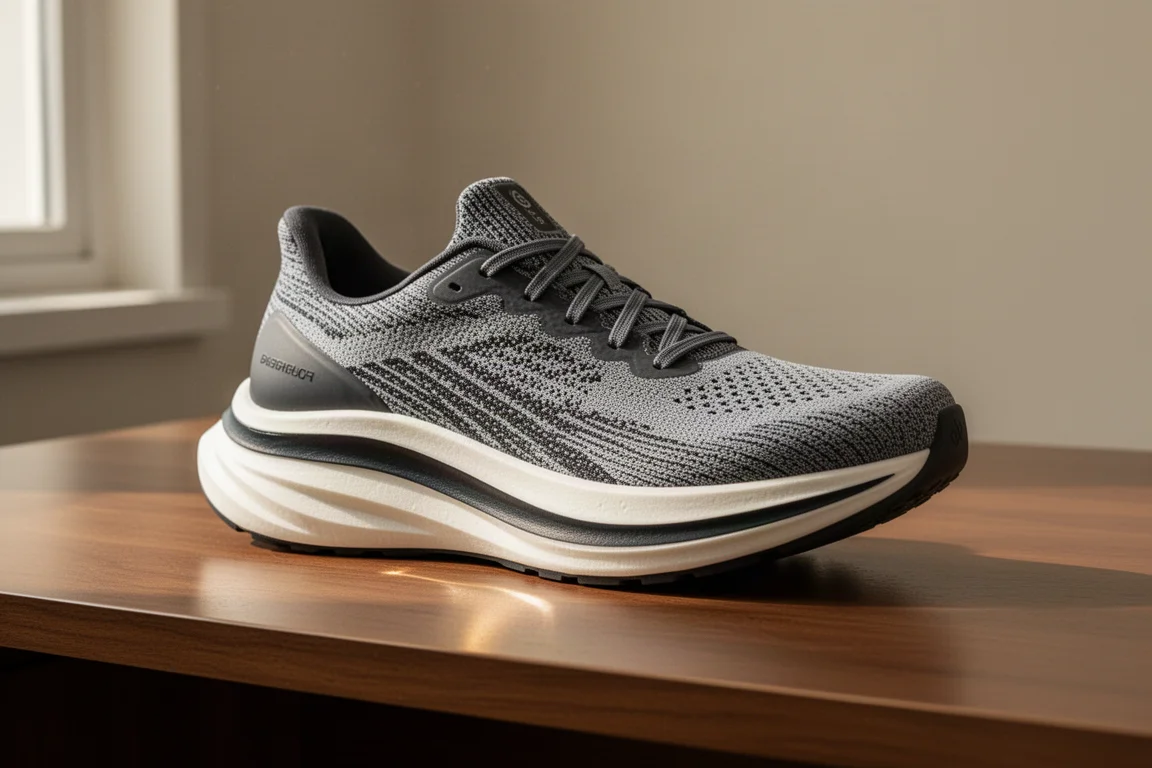
The Altra FWD was not designed as a performance trainer, yet nearly every run in it turned into a workout. It sits in the mid 8-oz range with snappier, slightly stiffer foam, an excellent heel bevel, and the anatomic toe box Altra is known for. The 4mm drop twist took pressure off in a way testers had been waiting over a decade for Altra to build.
It proved another stable neutral option in the group. Durability was the deciding factor against it: the outsole wore down rapidly despite reinforcement, and that concern kept it out of the top spot. Outside of that, it delivered on nearly every run.
Durability: The One Thing to Watch
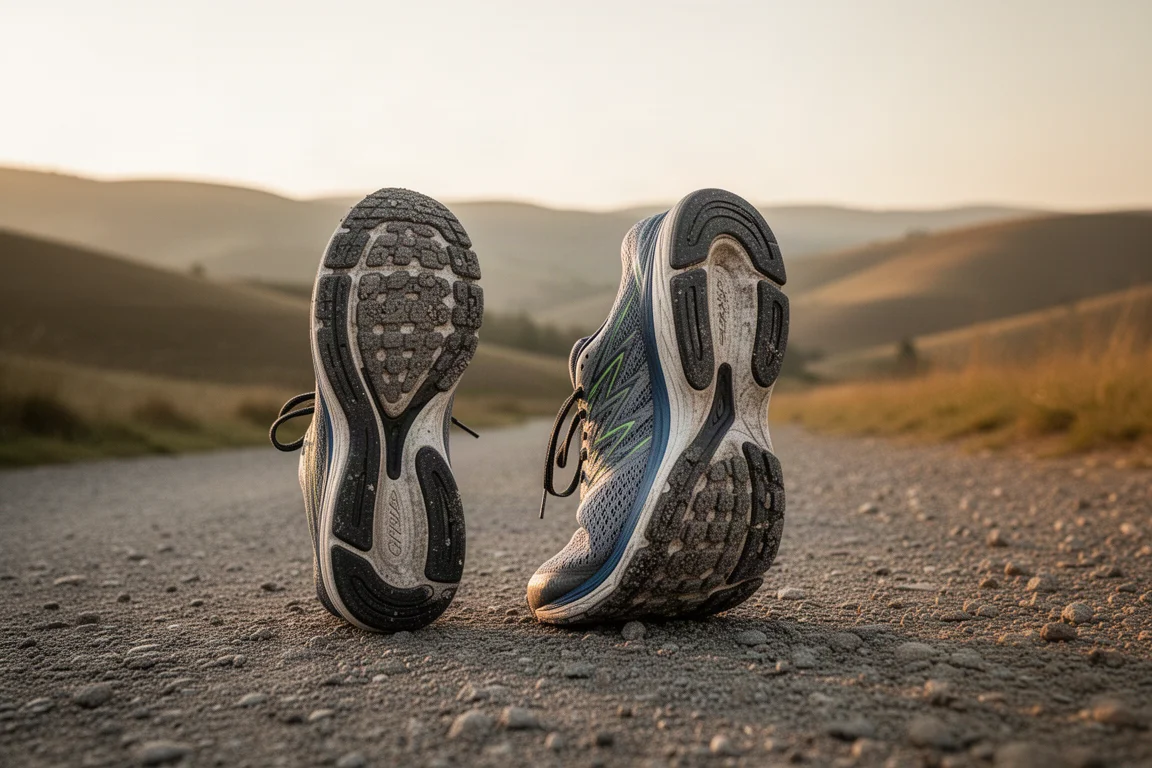
A clear theme across this year’s field: the most exciting super-foam shoes also showed the most durability question marks. The Cyclone 2 bottomed out in the forefoot around 250 miles, the Altra FWD chewed through its outsole, and the Kinvara Pro developed a wear pattern that affected comfort. The Boston 12, by contrast, was a durability standout.
View more details for Saucony Kinvara Pro
Buying Advice
If you want one shoe that can do nearly everything, the Topo Cyclone 2 is the pick, provided you accept the wide toe box and keep an eye on midsole life past 250 miles. Racers who prefer a firmer, old-school flat feel should look at the Brooks Hyperion. Long-run specialists with marathon-pace workouts will get the most from the Adidas Boston 12. Saucony Kinvara Pro buyers should love long, up-tempo days and accept faster outsole wear, and Altra FWD is for those who have waited for exactly this shoe and can live with its durability.
Conclusion
This year’s performance trainer field was the strongest in recent memory, and the Topo Cyclone 2 earned its win by doing a little bit of everything well: bouncy PEBA ride, a genuinely comfortable anatomic fit, and speed on demand. The Brooks Hyperion, Adidas Boston 12, Saucony Kinvara Pro, and Altra FWD all earned their places with distinct strengths, and most runners will find a clear match among them once they know which job matters most.
Further reading
Related Reviews

Running Shoes
Best Road-to-Trail Running Shoes: Three Versatile Options for Mixed Terrain
A practical guide to three road-to-trail running shoes that handle both pavement and mild trails, with clear strengths and trade-offs for different runner types.

Running Shoes
Best Running Shoes for Achilles Tendonitis: Three Options Explained
Three running shoes with different heel drops and support features designed to help reduce Achilles tendon pain during walking and running.

Running Shoes
Best Running Shoes for Women: Five Top Choices Ranked
A ranked guide to five women's running shoes, from versatile daily trainers to high-performance racing options, with real strengths and trade-offs for each.