Running Shoes
What the Perfect Running Shoe Looks Like: Design Elements Worth Copying
A wishlist of running shoe design details, from decoupled outsole grooves to semi-gusseted tongues, with the models that already get each element right.
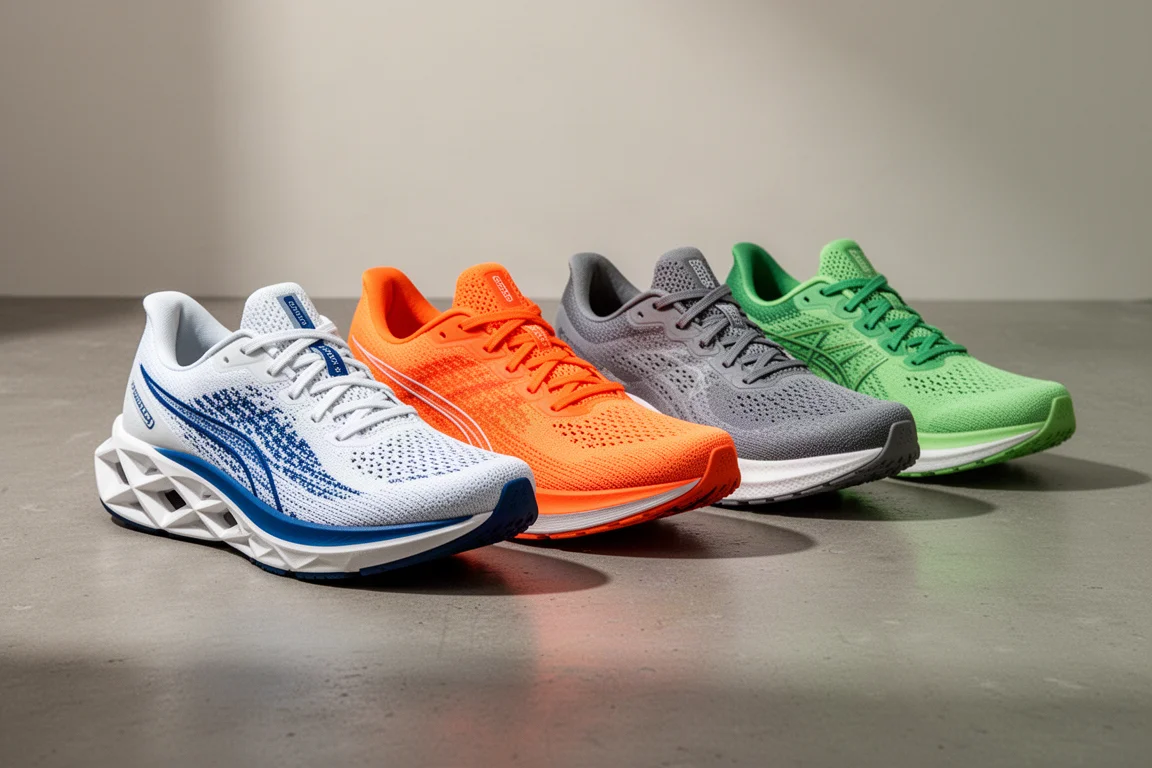
Introduction
If you could sketch your own perfect running shoe, what would be on it? It is a fun exercise, because once you start listing the details, the wishlist writes itself: how the tongue sits, how the heel pocket holds, how much midsole bulges out the sides. The shoes around us at the moment cover a surprising amount of that wishlist, and each model gets at least one design element genuinely right.
This article walks through the design elements we would want in a dream shoe, with the current models that best demonstrate each one.
The Decoupled Groove and Midsole Geometry
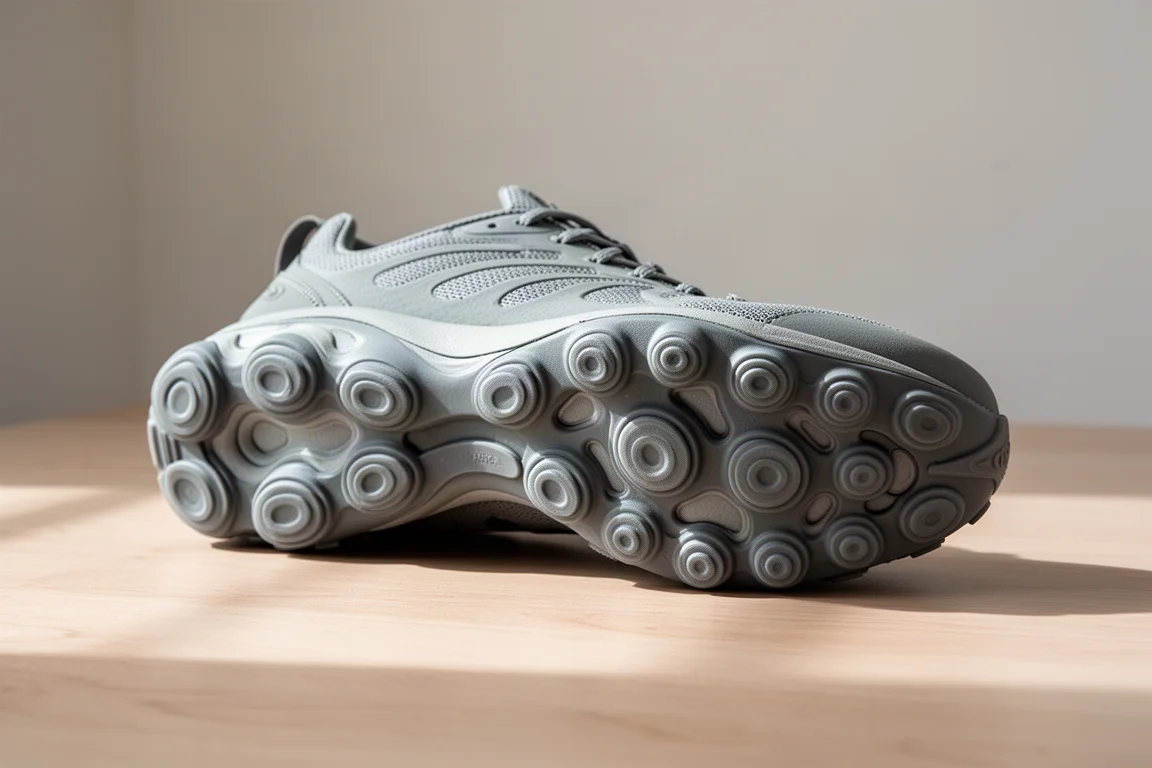
The first element on the wishlist is a decoupled groove in the outsole running from the heel into the midfoot. The Asics Novablast popularised this for us, and it adds a subtle geometric bounce to the foot strike. The physics behind why a groove enhances the ride are not obvious, but the feel is real, and the Mizuno Wave Rebellion carries a similar groove that delivers a little of the same character. Both are shoes to watch.
Beyond the groove, the Novablast also shows what Asics is doing with unique cuts, triangles and pyramid shapes into the midsole. That sculpted geometry seems to add a bit more energy return through your own biomechanics, at least in how it feels on the run.
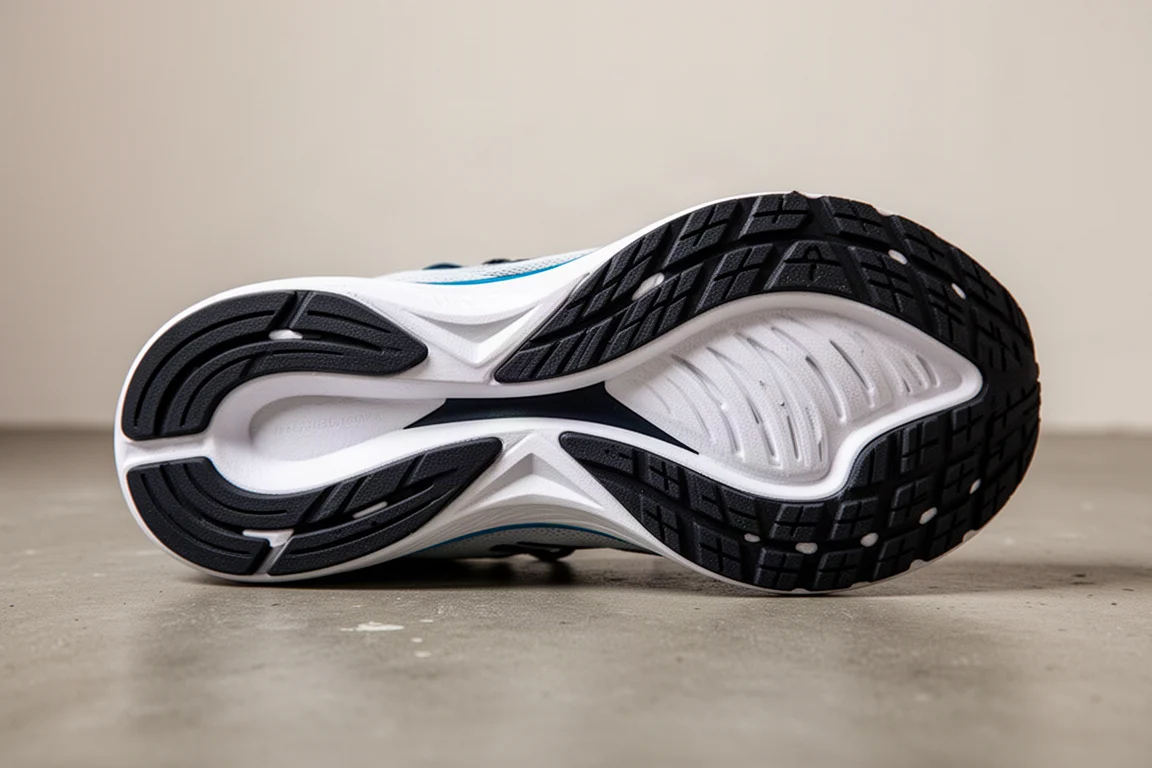
The Mizuno Wave Rebellion is also notable for its upper treatment. The overlay looks almost spray-painted on, minimal and unobtrusive, which is exactly the direction we want to see. Fewer bulky overlays means less weight and a cleaner fit.
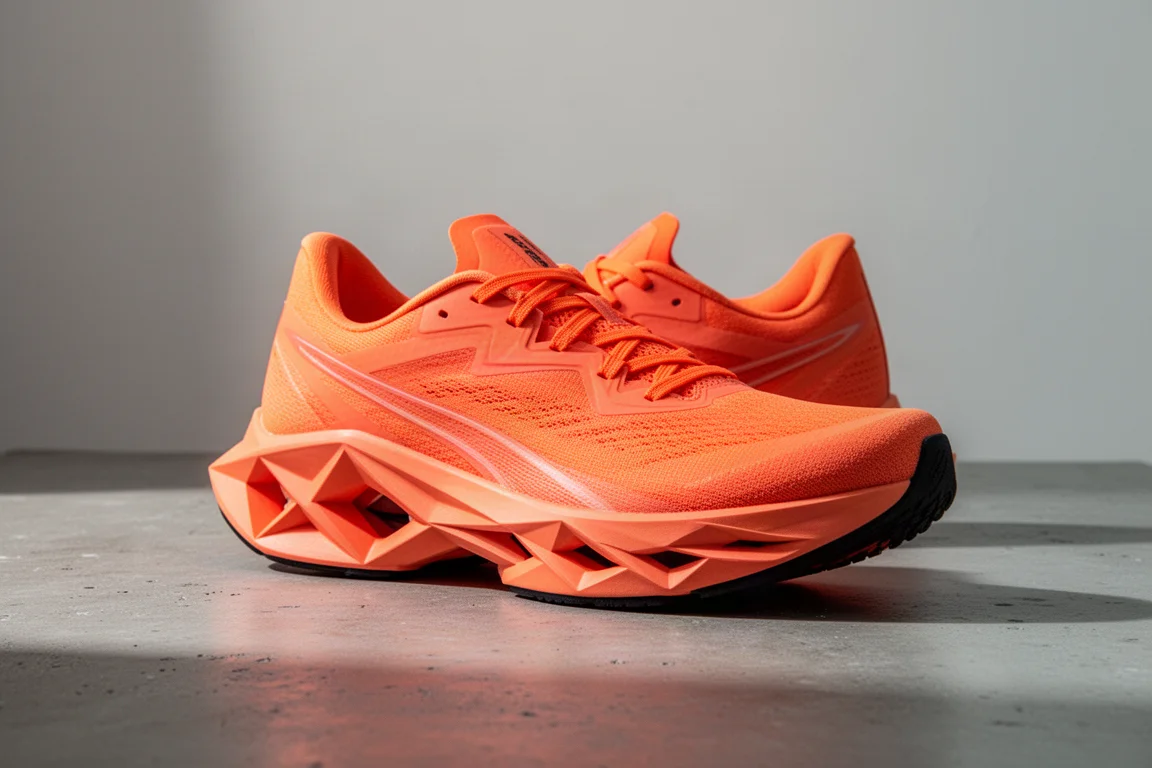
The Novablast 2 rounds out the Asics story with a deeper heel pocket, so the heel feels genuinely secure at the bottom of the heel counter with no slipping through the gait cycle.
Tongue, Laces and Fit
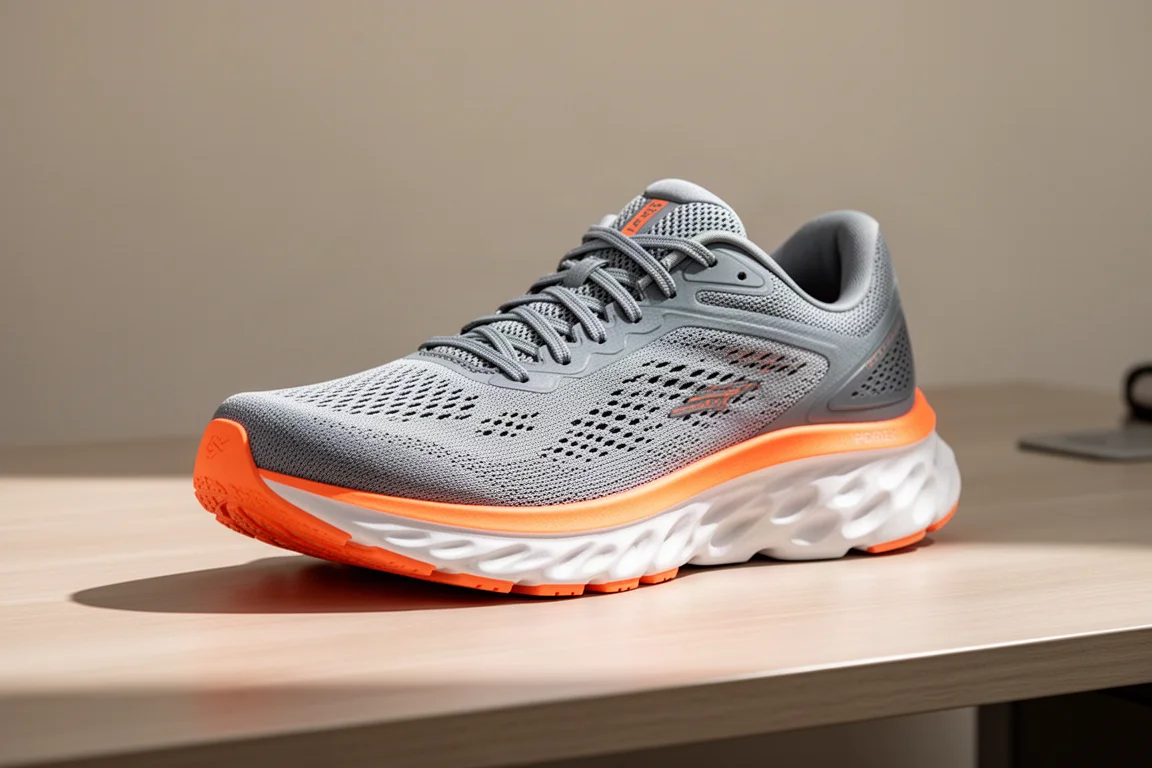
For tongue design, the Skechers Max Road 5 is the benchmark. The tongue is not plush, but it lays on top of the foot beautifully with zero movement, and it is comfortable in a way that is hard to describe beyond “beautifully”. Interestingly, it is not even semi-gusseted, which leads to the next wishlist item.
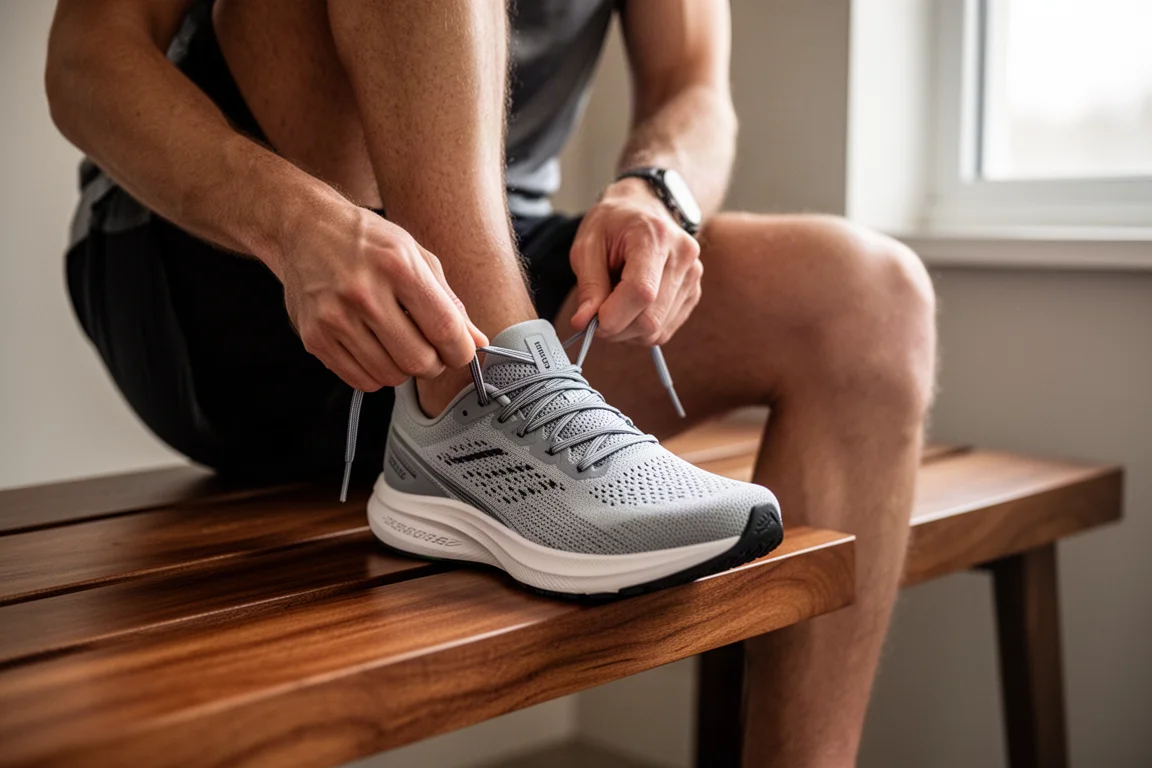
If we were building the perfect shoe, we would want a semi-gusseted tongue, keeping everything centered and secure. For laces, flat laces beat round ones, and a little built-in elasticity is a bonus, letting you cinch the upper without pressure points.
One more fit note: avoid any scrunching at the bottom of the eyelet chain, an area where the New Balance Beacon has had minor issues despite being an otherwise excellent shoe. And on the vamp, a fit that leans slightly snug works best, which is also why an ultra-wide toe box does not suit everyone. Some runners want maximum toe splay; others simply do not.
Heel Pocket and Heel Counter Strength
A deeper, more secure heel pocket is high on the wishlist, and the Novablast 2 is a good example of it done well. At the opposite end of the spectrum sits the Saucony Endorphin Pro Plus. The shoe is amazing overall, but the heel counter lacks strength and uniformity, and there is a sense of slipping through that heel pocket. That is the one area where the design clearly needs refinement.
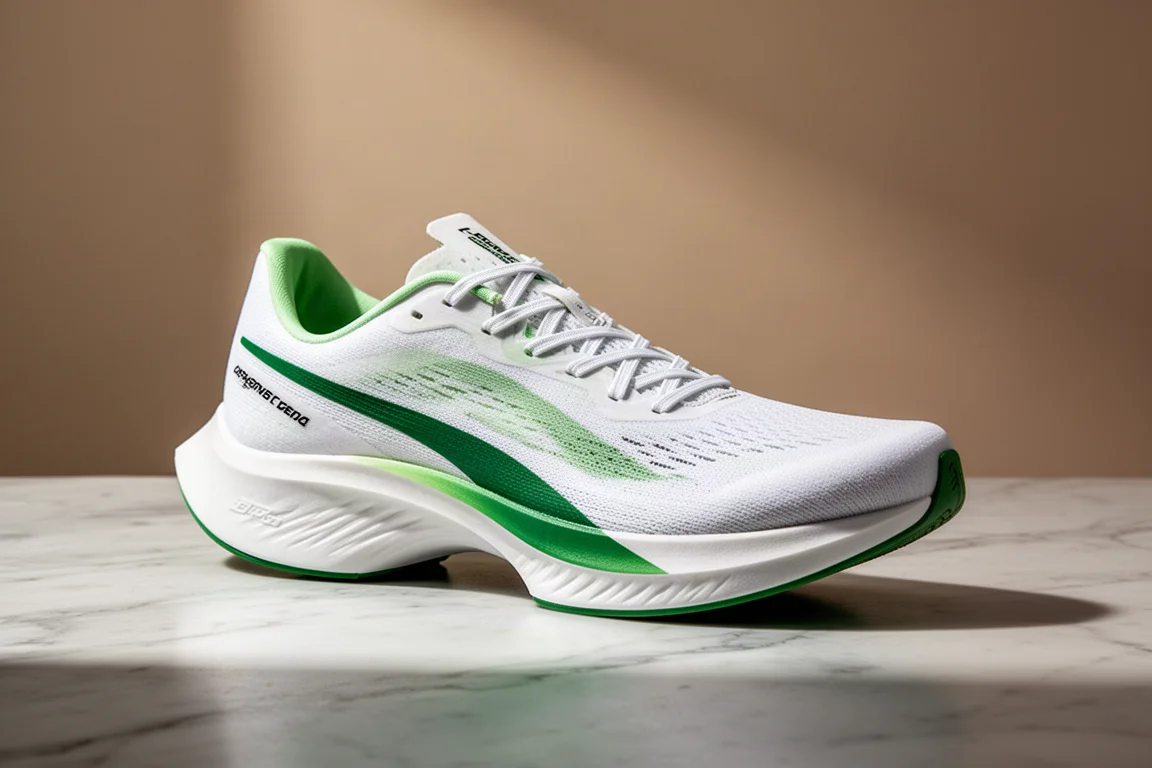
On the heel counter exterior, a slight flare at the tab of the collar at the back of the heel is another small detail worth copying, softening the transition at the top of the heel counter.
Durometer: How Soft Is Too Soft?
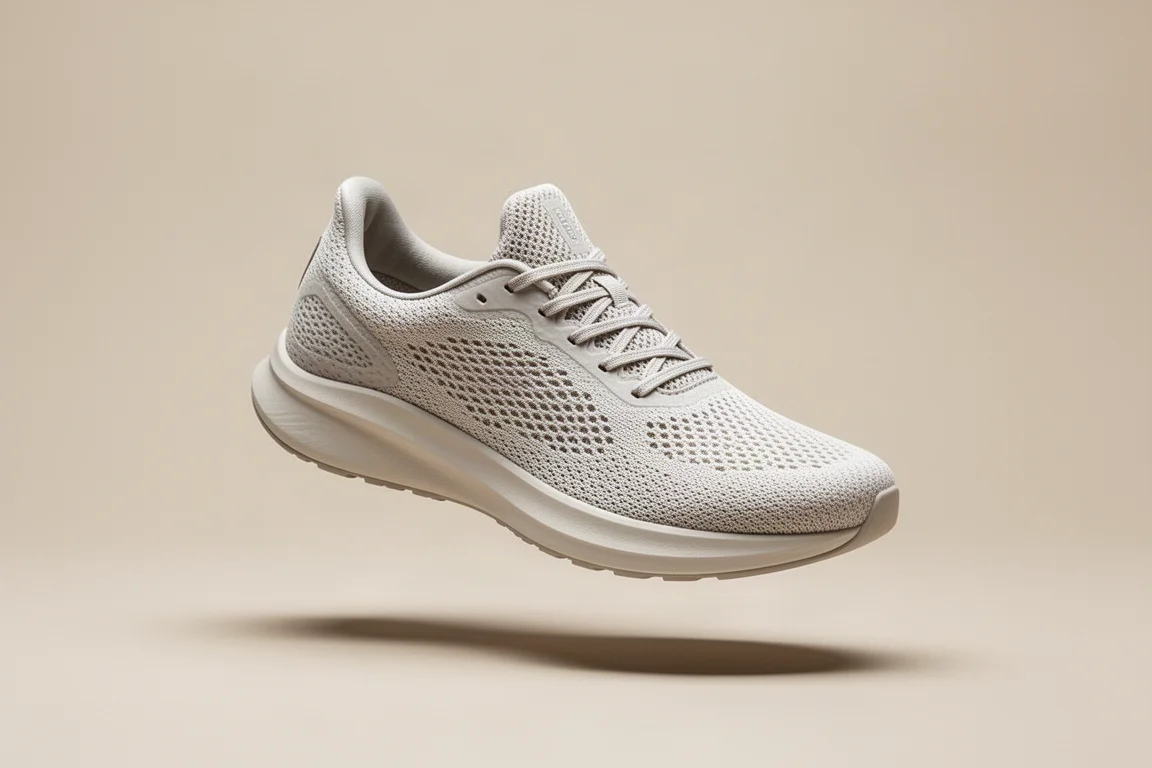
Durometer is the hardness scale of the midsole, and the wishlist leans toward the softer end. The New Balance Rebel v2 is known for having one of the softest midsoles around, genuinely buttery. The caveat is that it is almost too soft: at fast speeds you do not want to sink into the midsole too much.
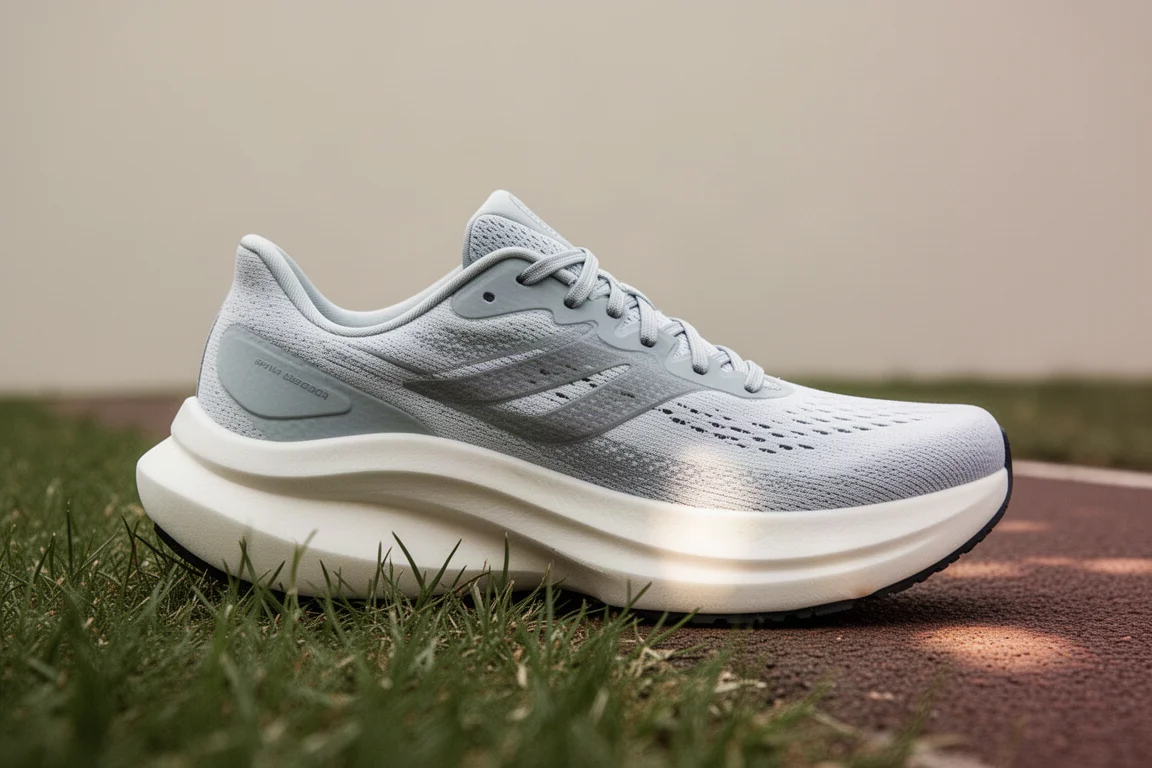
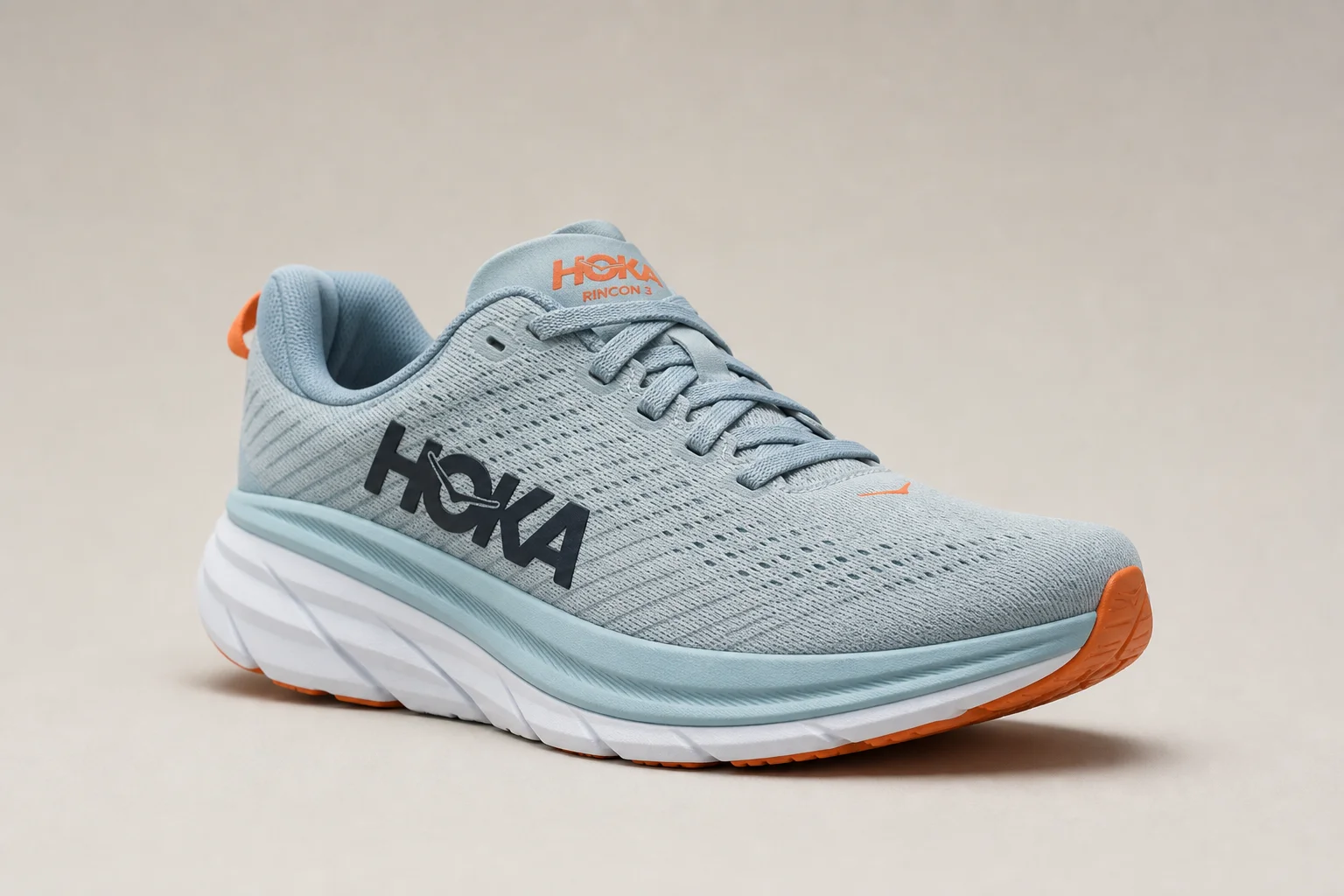
For better balance between softness and control, the Skechers Max Road 5 is a solid example, soft without being excessive. The Hoka Rincon 3 also sits in that sweet spot: very soft, but a little better controlled than the Rebel v2.
Footbed: Well Done, Not Overbuilt
The footbed, sockliner or insole deserves more attention than it usually gets. The ideal is a well-made footbed without being overbuilt. A strong, raised arch support can feel like wearing an orthotic in a running shoe, which is not what most runners with mild, normal overpronation need. The Novablast 2’s footbed is a step up in quality here, supportive without dominating the interior of the shoe.
No Boat on Your Feet
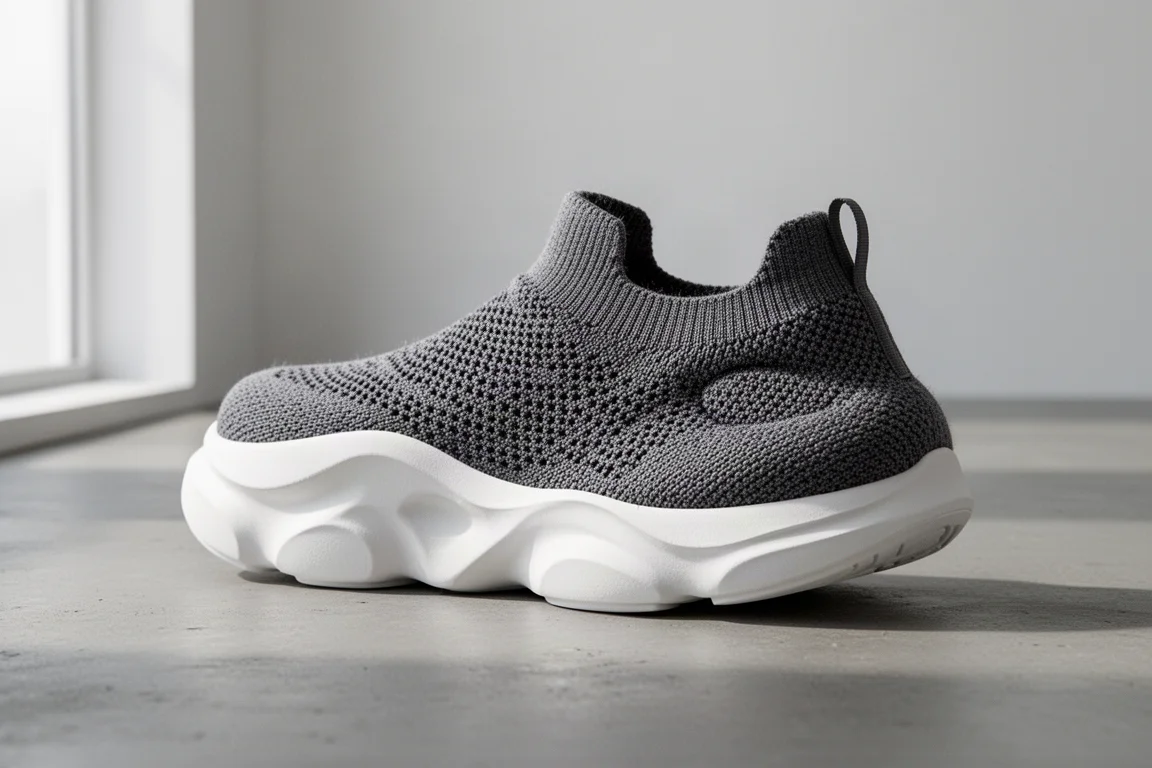
The final wishlist item: no boat on your feet. The Nike AlphaFly has earned that reputation among even elite marathoners, several of whom choose not to race in it because it feels too bulky. The New Balance More v3 is a shoe we love, but it carries a bit of that same boat feel, as does the Nike Invincible. The preference is clear: slim down the midsole and reduce the amount of foam protruding from the sides. Less shoe under and around the foot simply feels better through the leg swing phase of the gait cycle.
Buying Advice
Match the design element to your priority. If you want a lively, geometric ride, the Novablast 2 and Wave Rebellion are the strongest expressions of the groove-and-geometry approach. If fit quality matters most, the Max Road 5’s tongue is worth experiencing firsthand. If you chase maximum cushioning, the Rebel v2 and Rincon 3 cover soft and slightly-more-managed-soft respectively. And if you want a big, plush cruiser and accept some bulk in exchange, the More v3 delivers exactly that.
Conclusion
The perfect running shoe is a composite of small decisions: a decoupled groove, a minimal upper, a secure heel pocket, a tuned midsole softness, a modest footbed and a slimmer silhouette. No single model nails every element, but the current lineup shows which brands are getting each detail right, and that makes choosing your next pair a much simpler task.
Further reading
Related Reviews

Running Shoes
Best Road-to-Trail Running Shoes: Three Versatile Options for Mixed Terrain
A practical guide to three road-to-trail running shoes that handle both pavement and mild trails, with clear strengths and trade-offs for different runner types.

Running Shoes
Best Running Shoes for Achilles Tendonitis: Three Options Explained
Three running shoes with different heel drops and support features designed to help reduce Achilles tendon pain during walking and running.

Running Shoes
Best Running Shoes for Women: Five Top Choices Ranked
A ranked guide to five women's running shoes, from versatile daily trainers to high-performance racing options, with real strengths and trade-offs for each.