Backpacking Tents
The Search for the Perfect Backpacking Tent: 10 Standout Shelters Worth Considering
A long-term search for the ideal backpacking tent, with 10 shelters that stood out for weight, weather resistance, space, and value.
Introduction
The perfect backpacking tent is a moving target. Every camper wants something different from a shelter: low weight, a compact packed size, quick pitching, space to wait out bad weather, or a price that fits a tight budget. A tent that feels ideal on a summer overnight can feel like a compromise on a long, wet trip.
This guide looks back at a long search through many shelters, from budget first tents to premium solo designs and practical trekking pole options. The goal is not to declare one universal winner. Instead, it is to highlight the tents that stood out, the trade-offs they carried, and the questions worth asking before you buy.
What Matters in a Backpacking Tent
Weight and packed size are often the first numbers people check, but they are not the whole story. A tent that weighs very little can still be cramped, condensation-prone, or difficult to pitch in wind. A heavier shelter may feel more robust in severe weather, yet it can be a burden on long approaches.
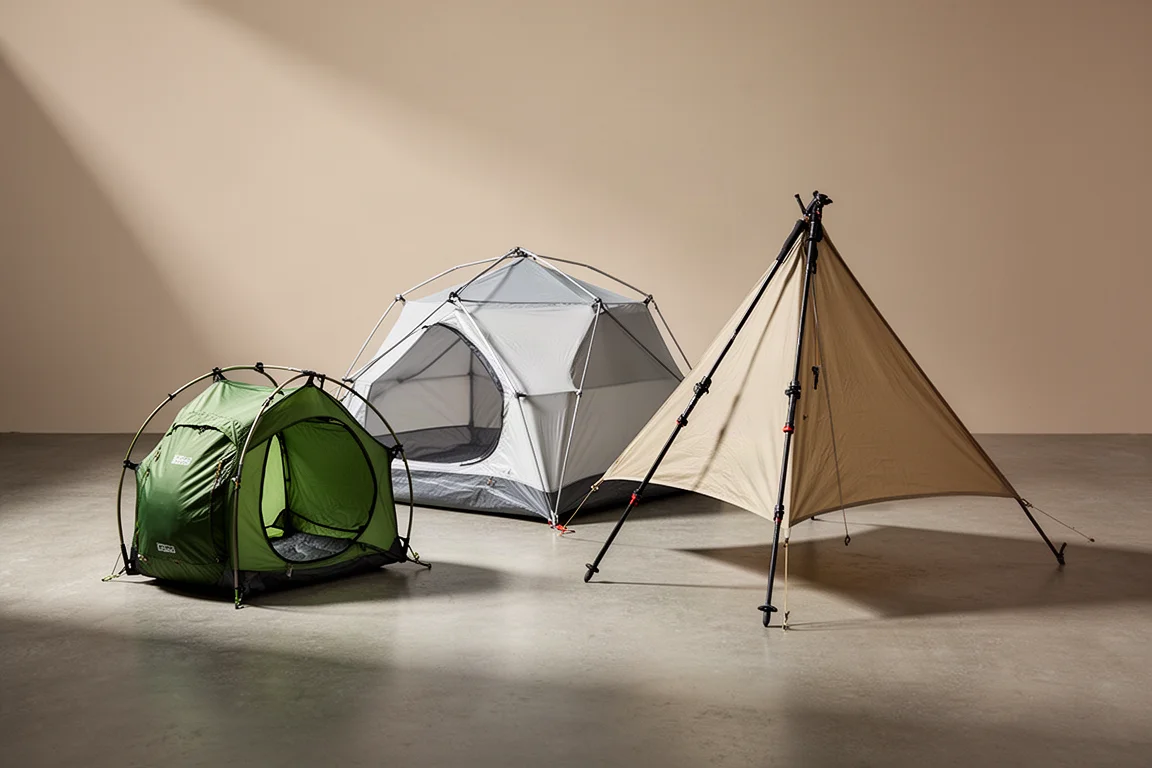
Pitching style matters too. Freestanding and semi-freestanding tents can be repositioned on uneven ground, while hoop tents and trekking pole shelters usually stay where they are first pitched. Interior space, vestibule size, condensation management, and the ability to handle wind and rain all shape how a tent feels after several nights.
Finally, price is relative. A budget tent can deliver good value, while premium materials and construction often add strength and durability. The right choice depends on the trips you actually take, not the specifications that look best on paper.
Vango NF-200: A Compact First Upgrade
The Vango NF-200 was a clear step forward from a bulky first tent. It packed down more compactly, weighed around 2 kg in a rucksack, and was really easy to pitch. That combination made it a reliable companion on many trips.
There was one recurring annoyance: the snap poles occasionally caused problems. Even so, the NF-200 proved that a simple, affordable shelter can open up plenty of adventures.
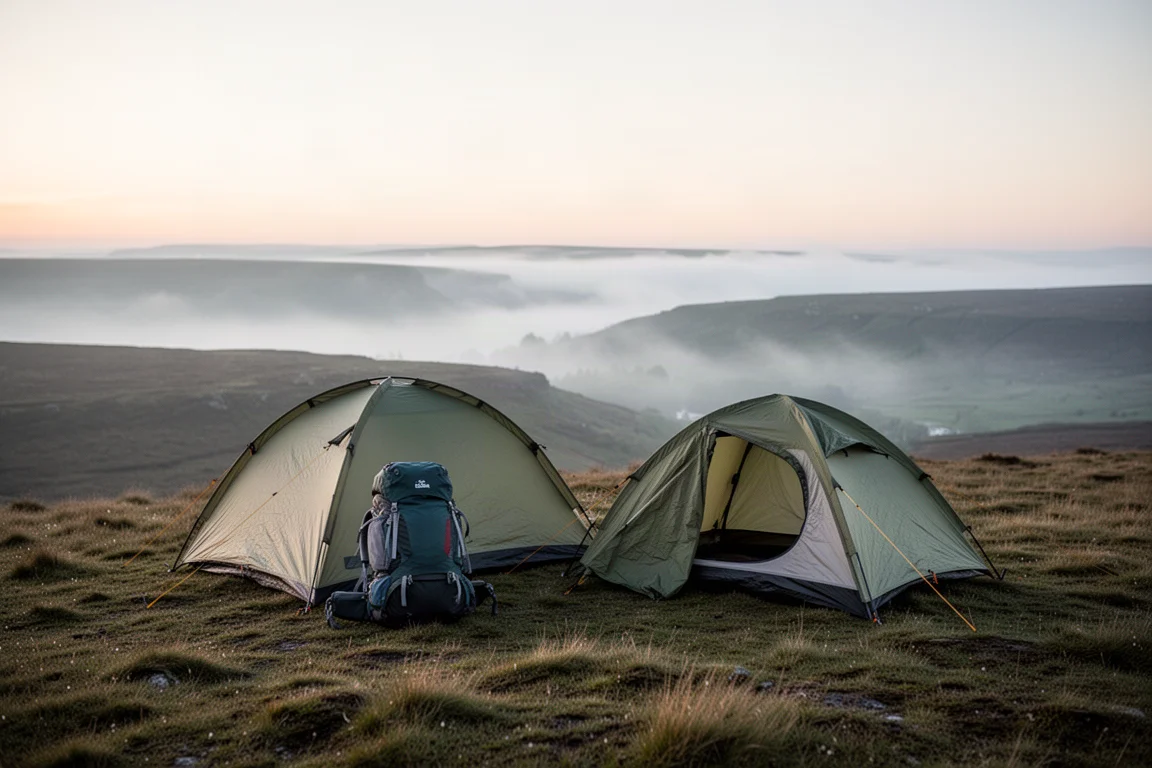
For backpackers who want a straightforward tent without a steep learning curve, the NF-200 remains a practical option. It is not the lightest or the most robust design, but it covers the basics well.
Hilleberg Akto: A Superb Solo Hoop Tent
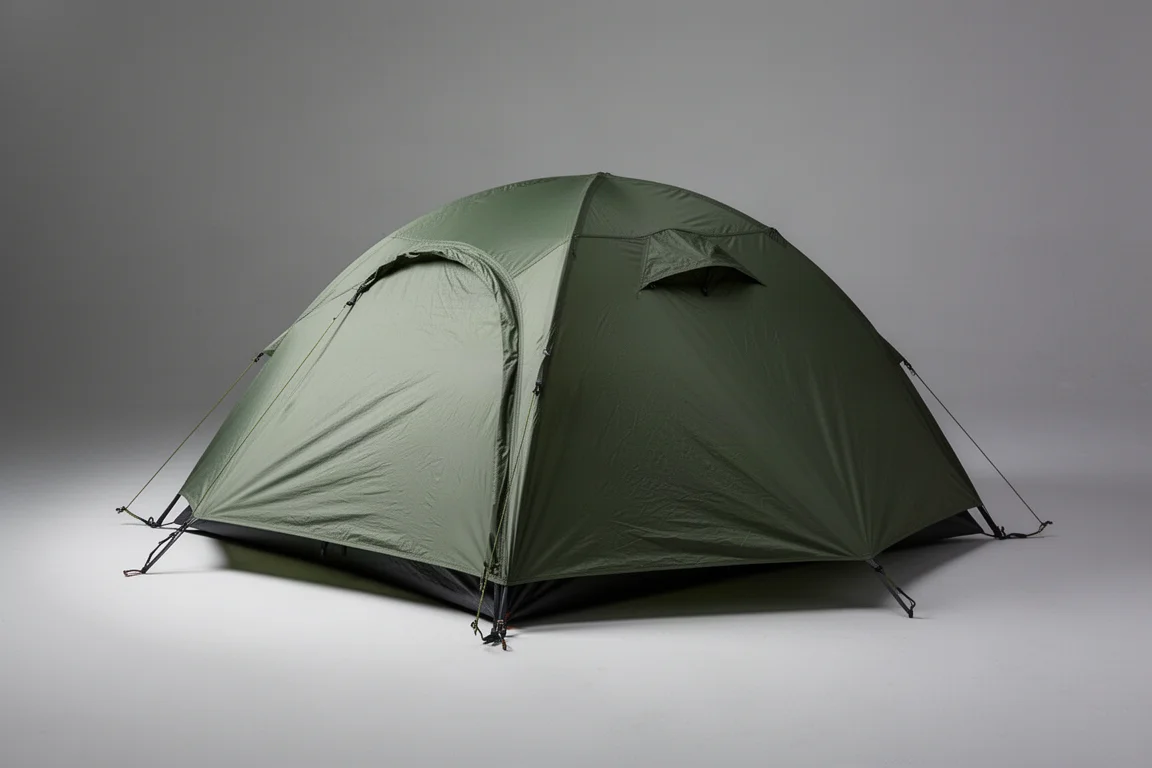
The Hilleberg Akto was a superb tent and a big upgrade from the Vango. Its hoop design and build quality made it a clear step up from more affordable shelters.
The main drawback was the pitching style. The Akto is not freestanding, so once it is pitched, it stays put. On uneven ground, that can be a limitation if you want to shift the tent a few feet after pitching. The experience eventually led to trying a freestanding alternative.
Hilleberg Soulo: The Pinnacle Solo Shelter
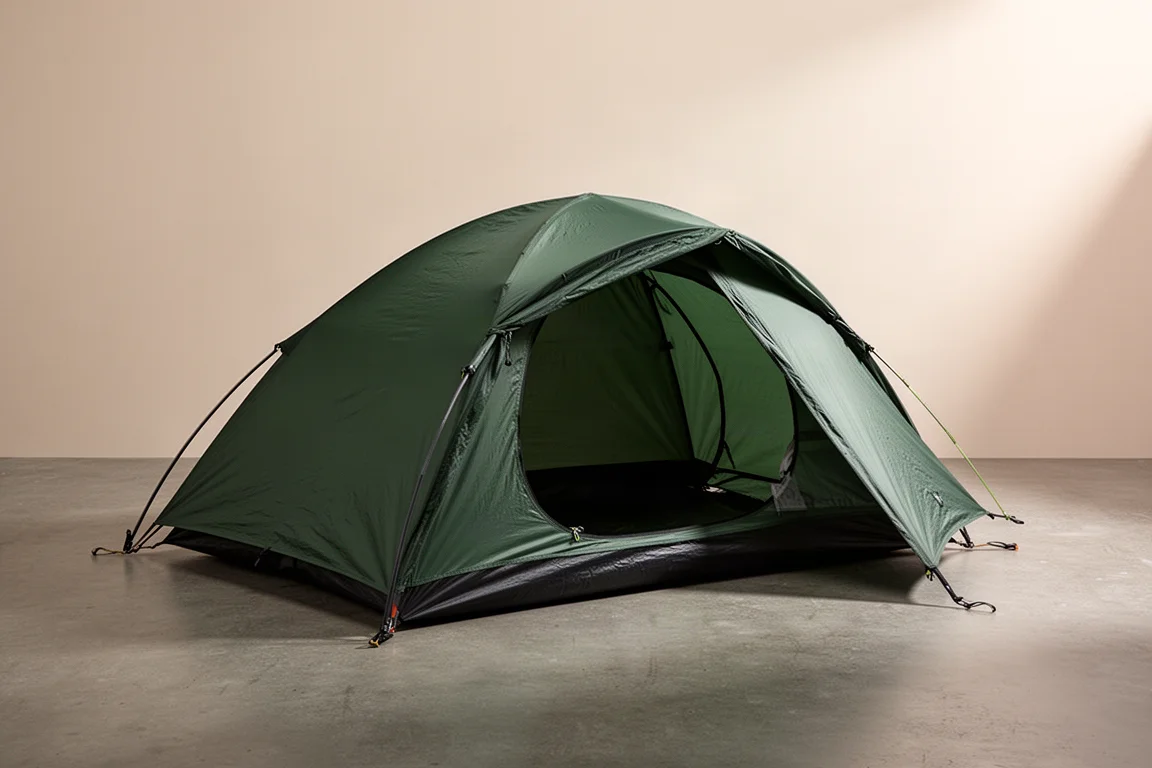
The Hilleberg Soulo was the tent that had always been wanted from day one. It represents the pinnacle of solo wild camping tents, with the confidence to pitch in almost any conditions the UK can throw at it. It was used in storms, torrential rain, and high winds, and it stood up to all of them.
That robustness comes with trade-offs. The Soulo weighs around 2.6 kg and is fairly bulky. It can also be a condensation magnet, which sometimes left gear wet inside. For solo campers who prioritize weather resistance above all else, those compromises may be acceptable.
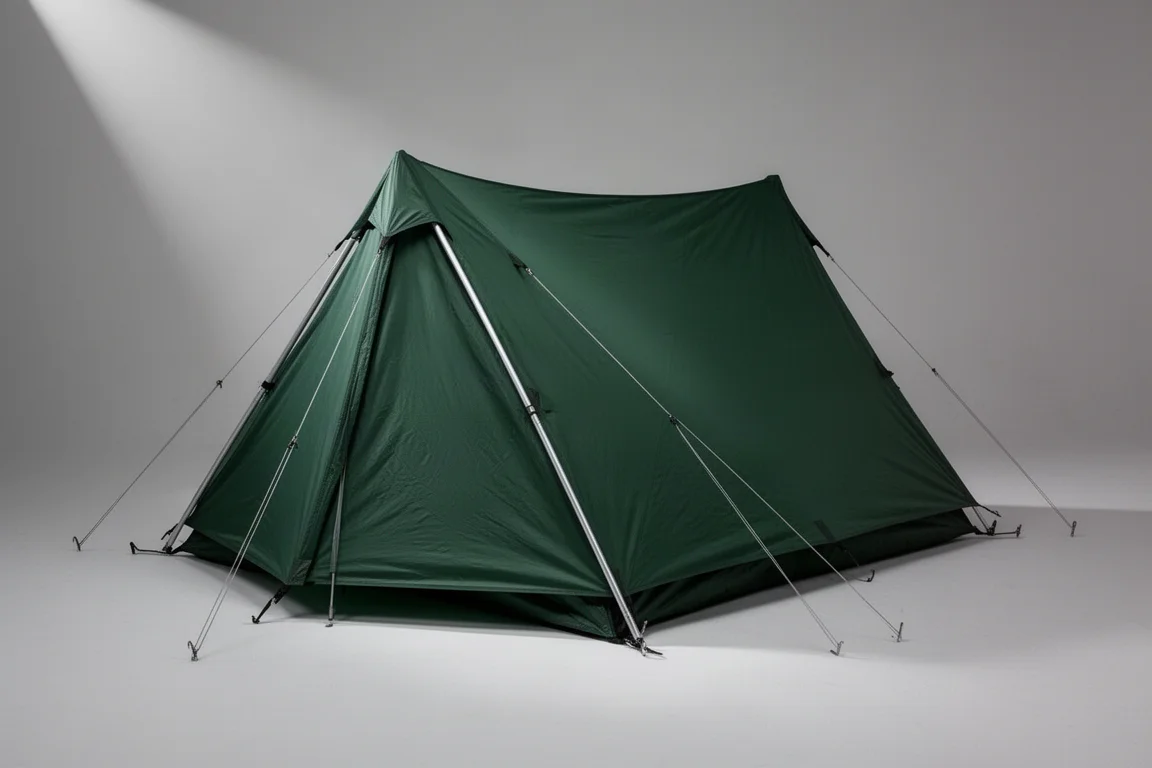
Wild Country Helm 2: Semi-Freestanding Roominess
The Wild Country Helm 2 offered a different balance. It is a semi-freestanding tent with considerably more room than the Hilleberg Akto. It felt really robust, and the semi-freestanding design made it possible to pick the tent up and move it a couple of feet on uneven ground.
It was not completely freestanding, however. A couple of pegs were still needed to get the corners out properly. Even so, it was a really good tent that combined space, stability, and practical pitching.
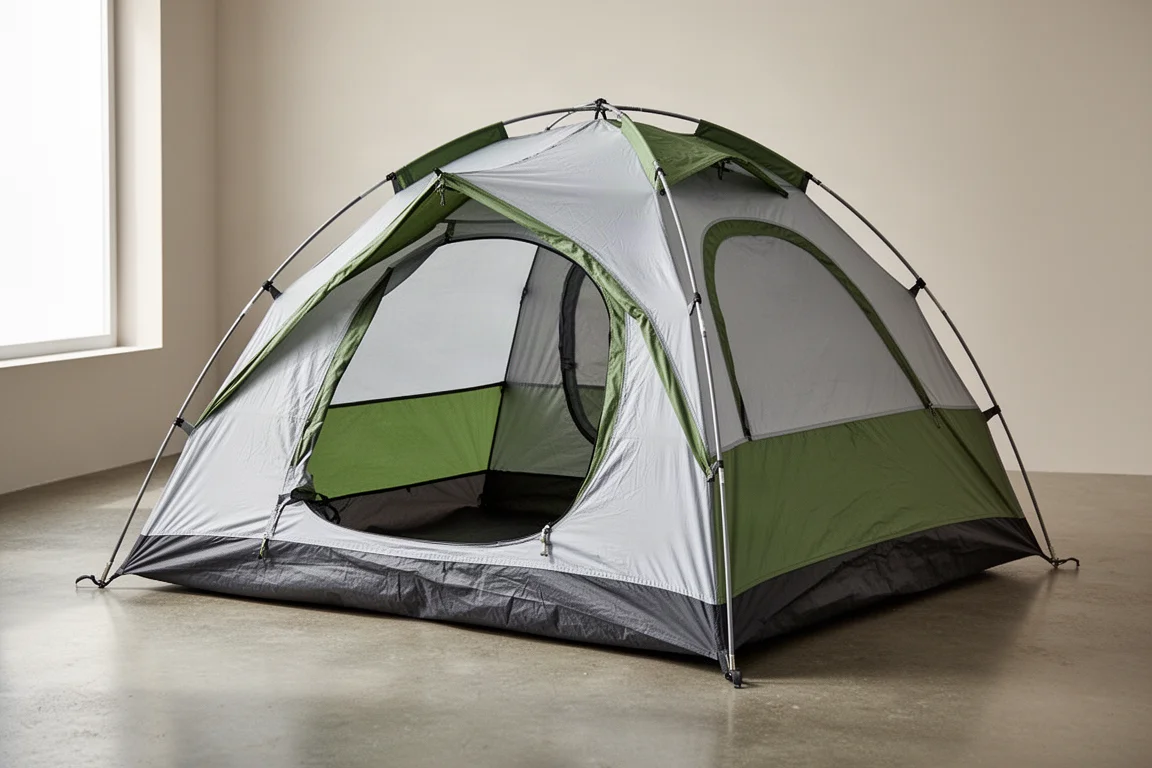
Naturehike Cloud Peak 2: Spacious Geodesic Value
The Naturehike Cloud Peak 2 is a budget-friendly take on a premium geodesic design. Its three-pole structure created acres of room inside, with two entrances and two vestibules. It is also a good-looking tent.
The compromise is robustness. It was not as sturdy as the Hilleberg Akto, and it was a little big for solo adventures. For campers who want space and a low price, however, it offers a lot of interior volume for the money.
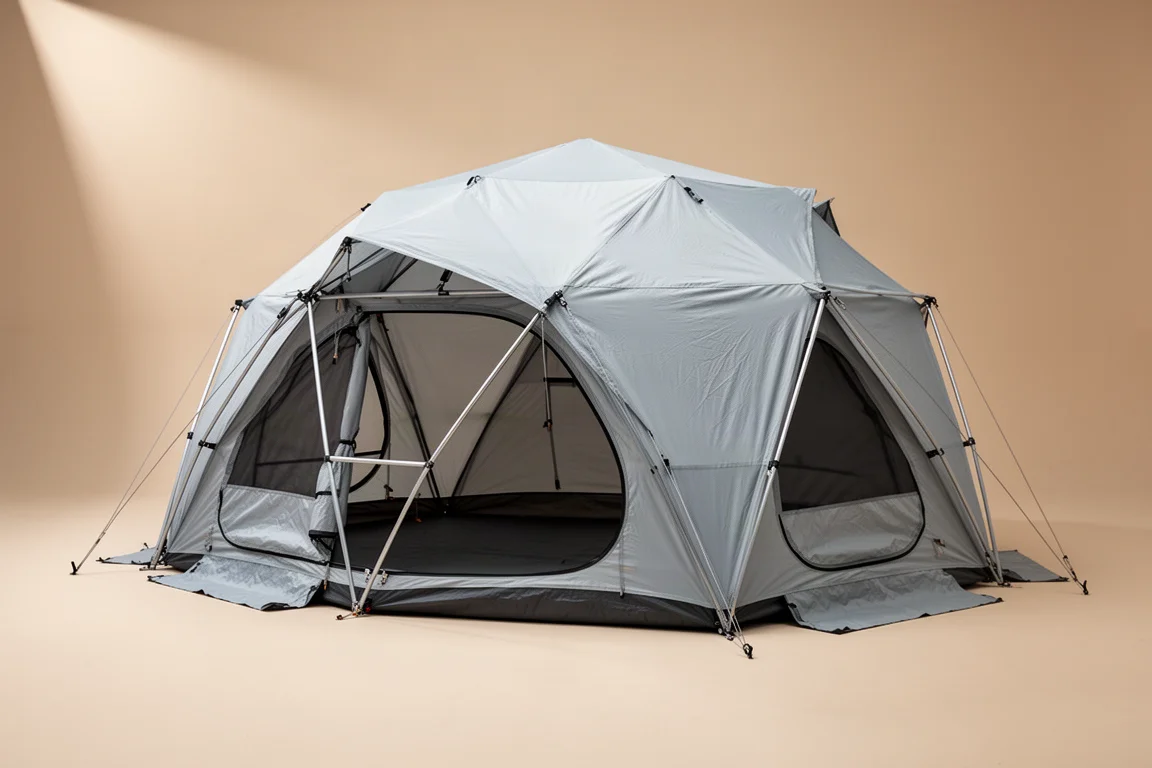
Terra Nova Photon 1: Ultralight Solo Performance
The Terra Nova Photon 1 was the perfect lightweight option for trips where every gram counts. It weighed around 700 to 750 g and packed down to the size of a watermelon. It was used no end of times, often alternating with the Hilleberg Soulo depending on the trip.
The trade-off is interior space. The Photon 1 is small and cramped, which becomes more noticeable on longer nights. For fast, weight-conscious trips, though, it was a superb choice.
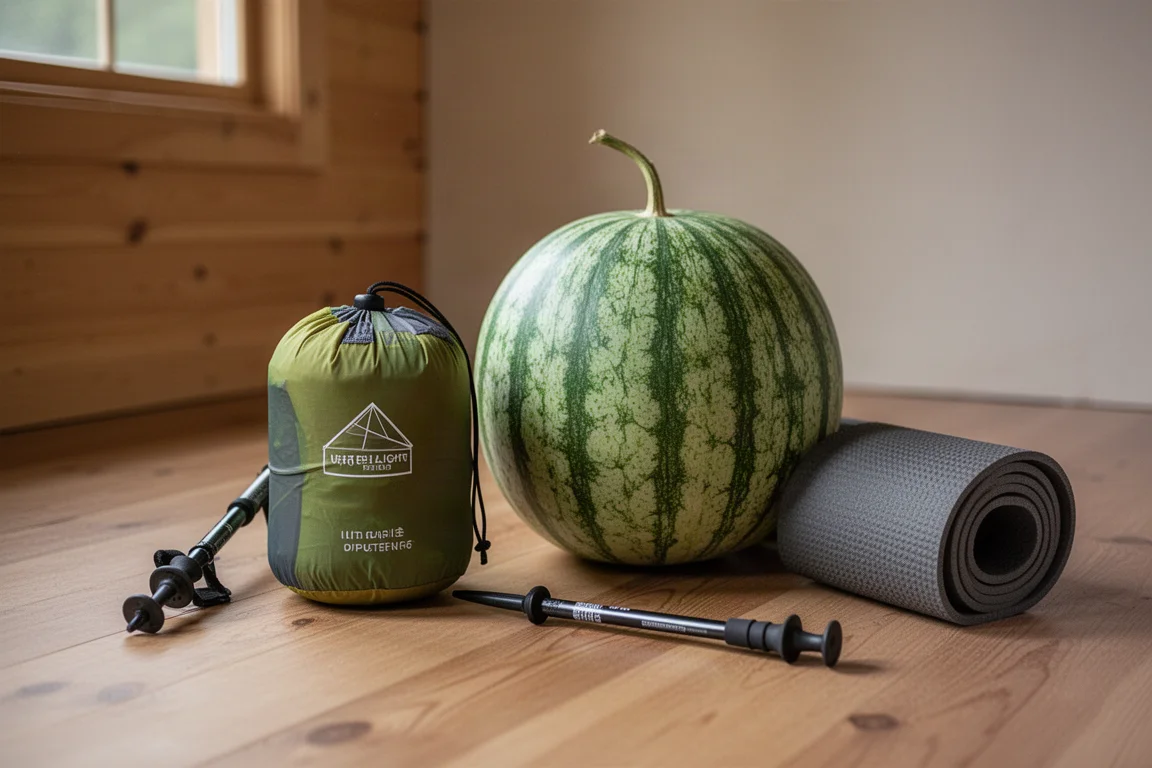
It remains a strong example of how much weight can be saved when a shelter is designed around minimalism rather than comfort.
Tarptent Scarp 1: A Roomy Condensation Fighter
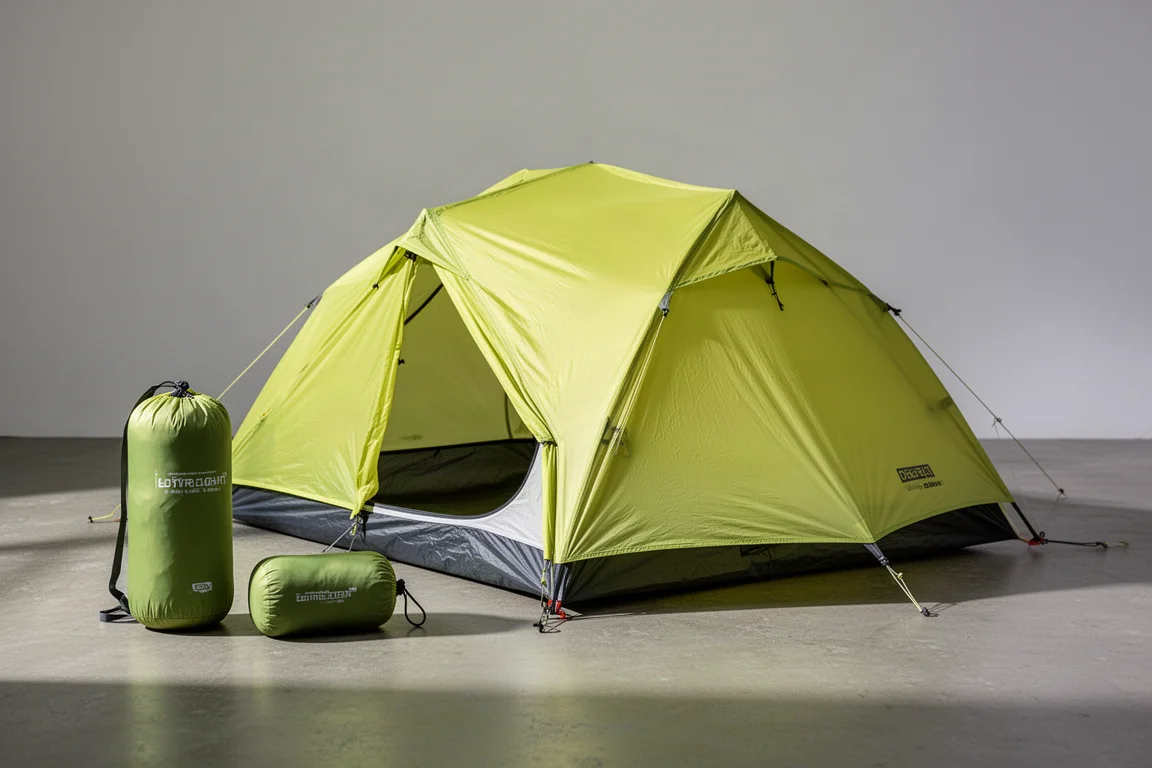
The Tarptent Scarp 1 looked brilliant on paper, but it was hard to buy because stock sold out quickly. Once acquired, it became a dream tent. The amount of room inside was phenomenal for a one-person shelter, and it was probably the best tent at coping with condensation.
With the additional cross poles, it became very robust in windy conditions. It quickly became the go-to tent. Over time, however, frustration grew around the fixed fiberglass poles at the corners. They could not be removed, which made the tent bulky and difficult to squash down for small packs. That packability issue eventually became a dealbreaker.
Terra Nova Southern Cross 1: Freestanding Lightweight
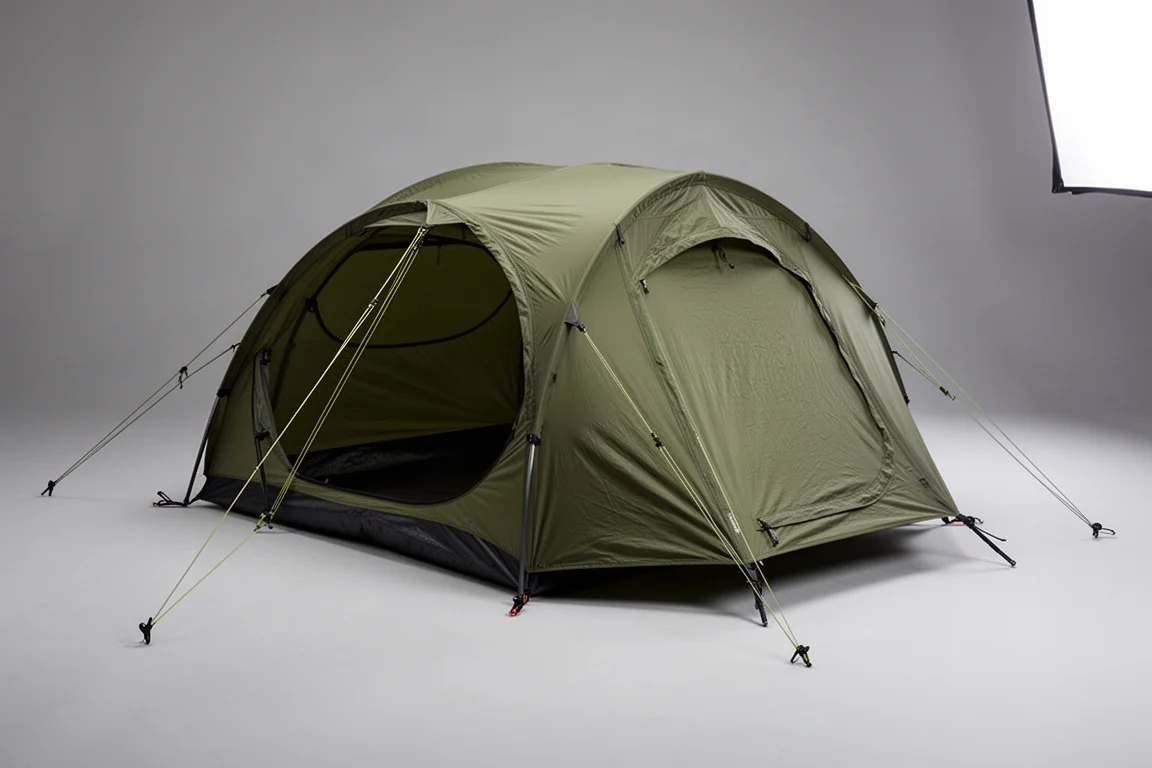
The Terra Nova Southern Cross 1 is an incredibly lightweight tent and probably second only to the Hilleberg Soulo when it comes to robustness. Its massive vestibule offers loads of room for gear and for cooking, and it is totally freestanding, so it can be picked up and moved wherever needed.
It is almost perfect, apart from the sleeping compartment. That area is a little small, which feels enclosed on long, dark nights. On summer camps with only six hours inside, it is not a problem, but during fourteen-hour nights, the space can feel tight.
Wild Country Helm 1: Year-Round Value
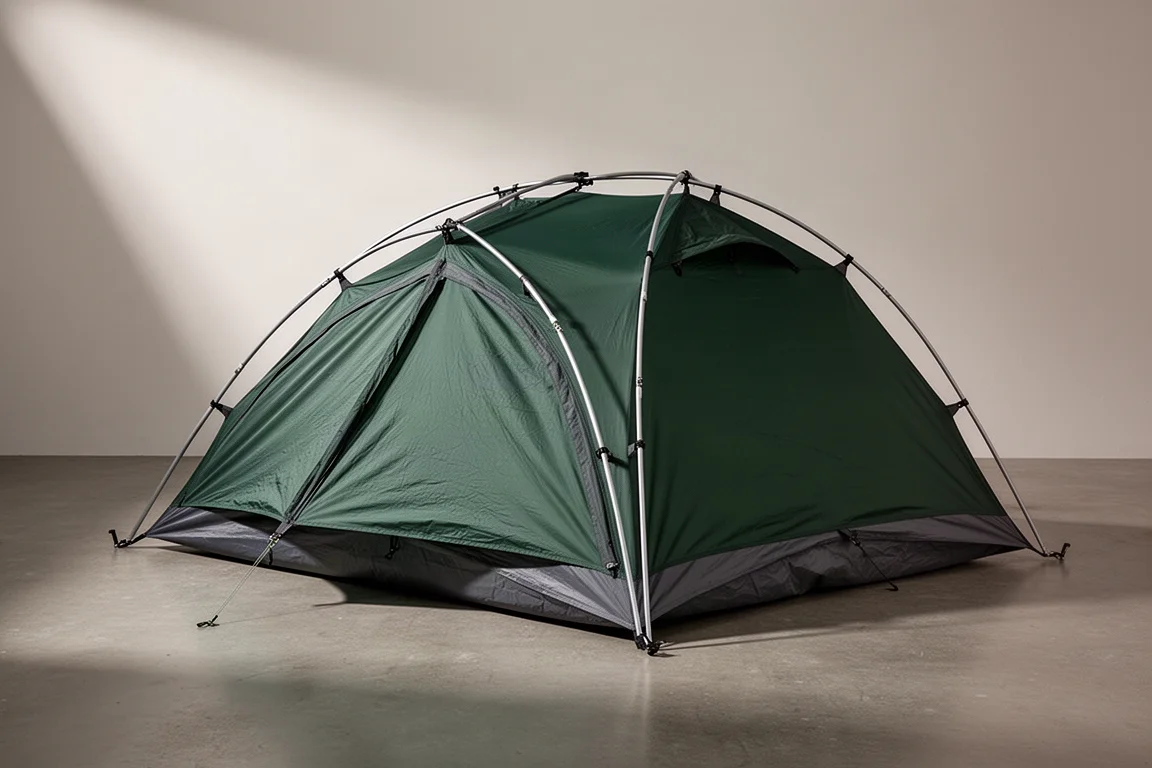
The Wild Country Helm 1 is a newer addition that ticks most boxes. For around £150, it combines price, quality, and robustness in a way that few tents manage. It can handle most conditions the UK can throw at it all year round, and it easily fits in a backpack.
For solo campers who want a dependable shelter without spending a premium amount, the Helm 1 is a compelling option.
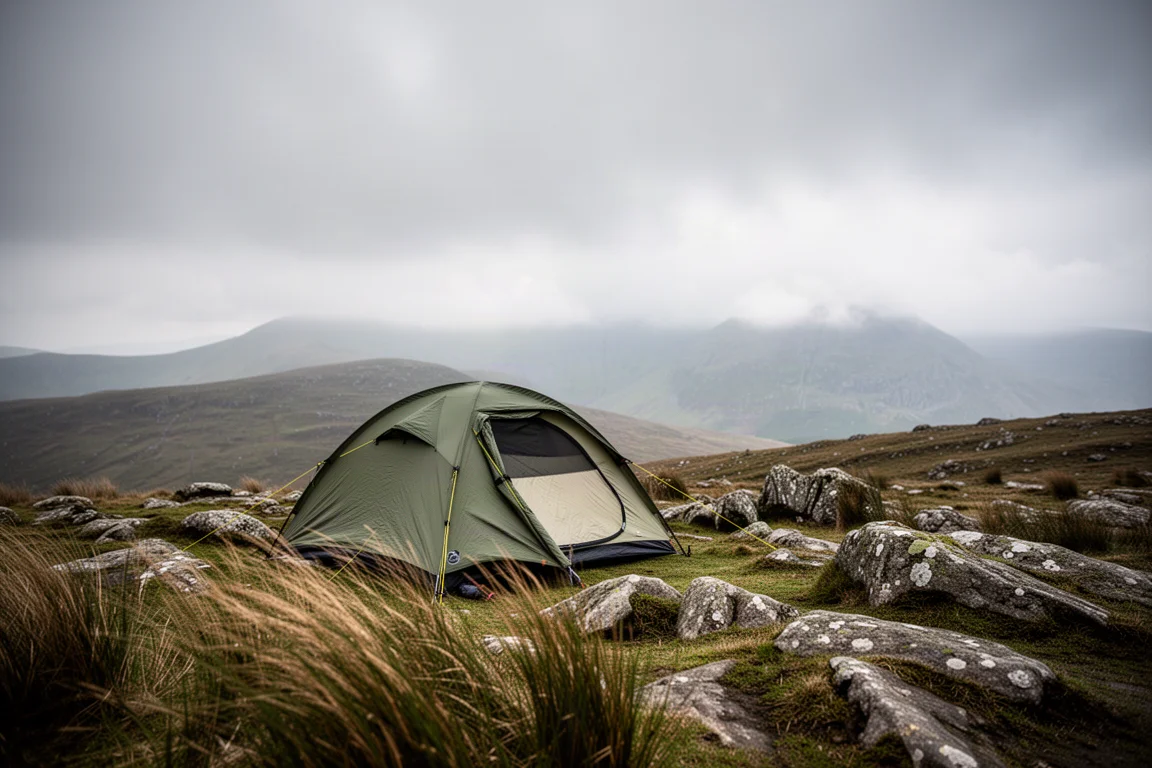
It is not the lightest tent in this guide, but its balance of cost, durability, and packability makes it easy to recommend for year-round use.
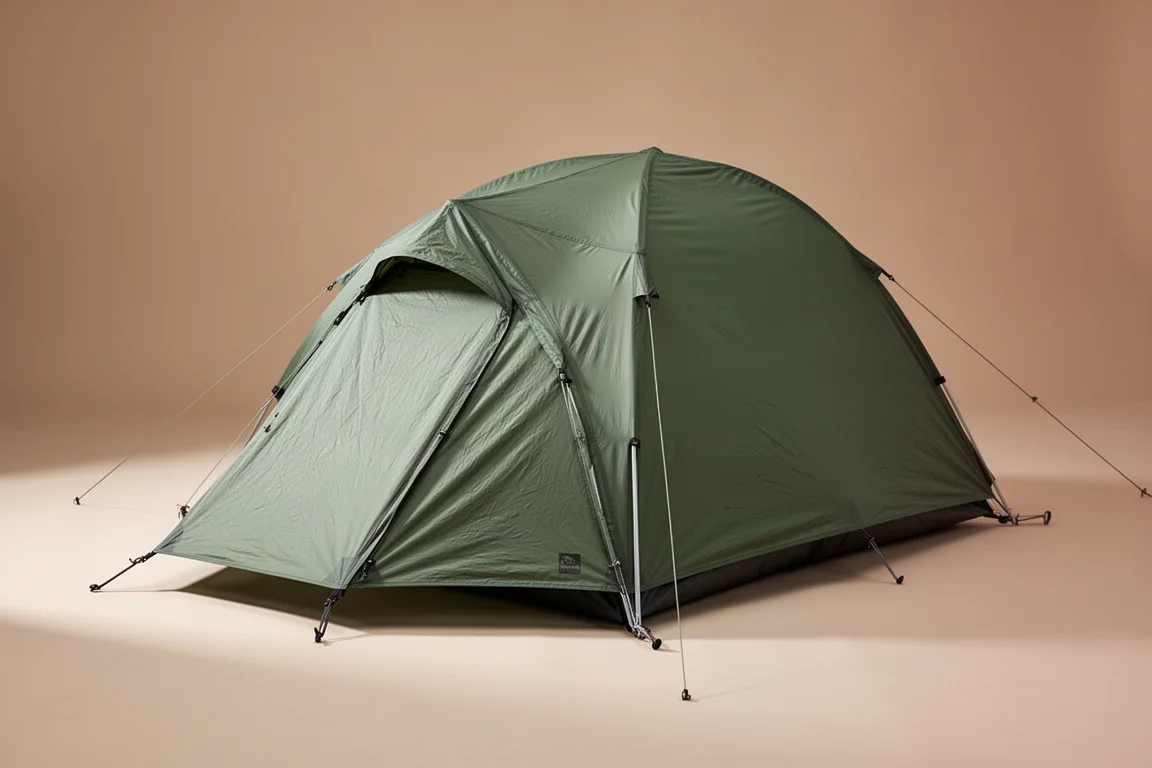
Durston X-Mid: Practical Trekking Pole Design
The Durston X-Mid is one of the newest tents in this search. It is a trekking pole tent, and so far it feels like a breath of fresh air when it comes to practical design. It still needs to be tested in tougher conditions, but the layout and approach are promising.
For backpackers who already use trekking poles, the X-Mid offers a thoughtful alternative to traditional pole-supported shelters.
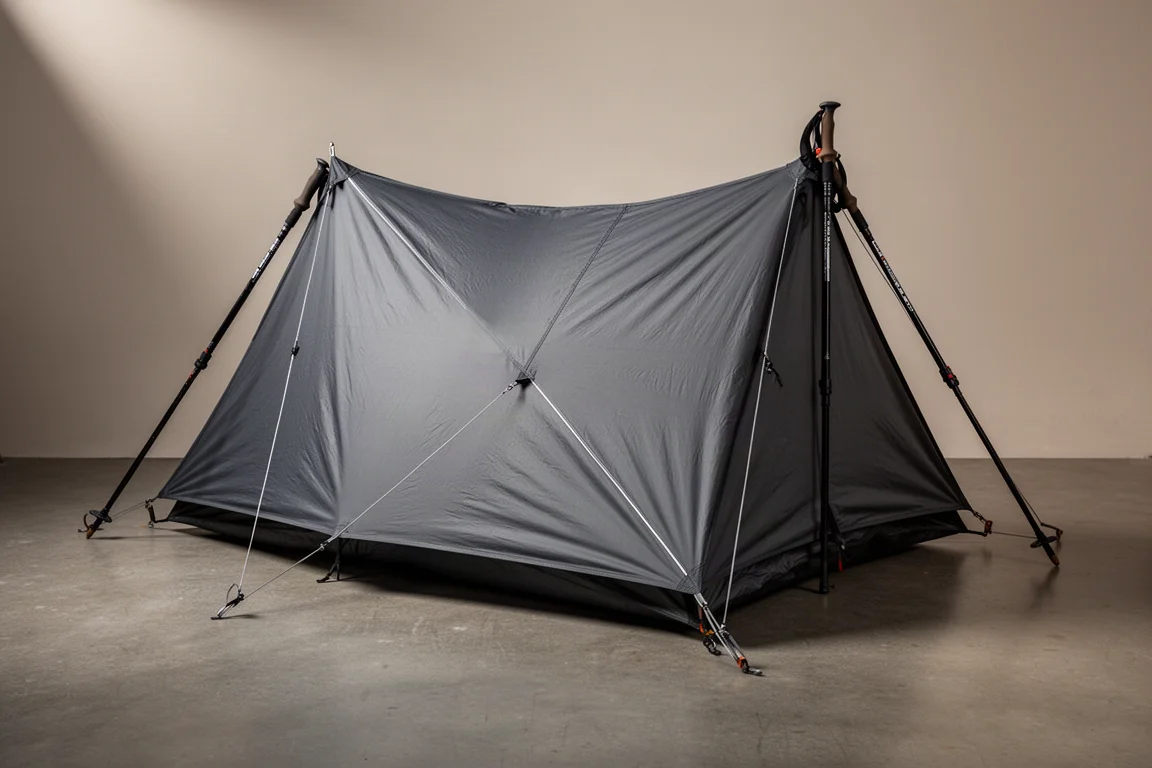
Overall Buying Advice
There is no single perfect tent. The right shelter depends on how you camp, where you camp, and how much weight you are willing to carry. A budget tent can perform well, but better materials and construction usually add strength and weather resistance. A premium tent can be tougher, but it may also be heavier, bulkier, or more expensive than the trips require.
Think about pitching style. Freestanding tents are easier to reposition, while trekking pole tents can save weight and pack smaller. Consider condensation, vestibule space, and interior comfort, especially if you camp on longer nights. If your current tent already works for your trips, there is no need to replace it just because something newer exists.
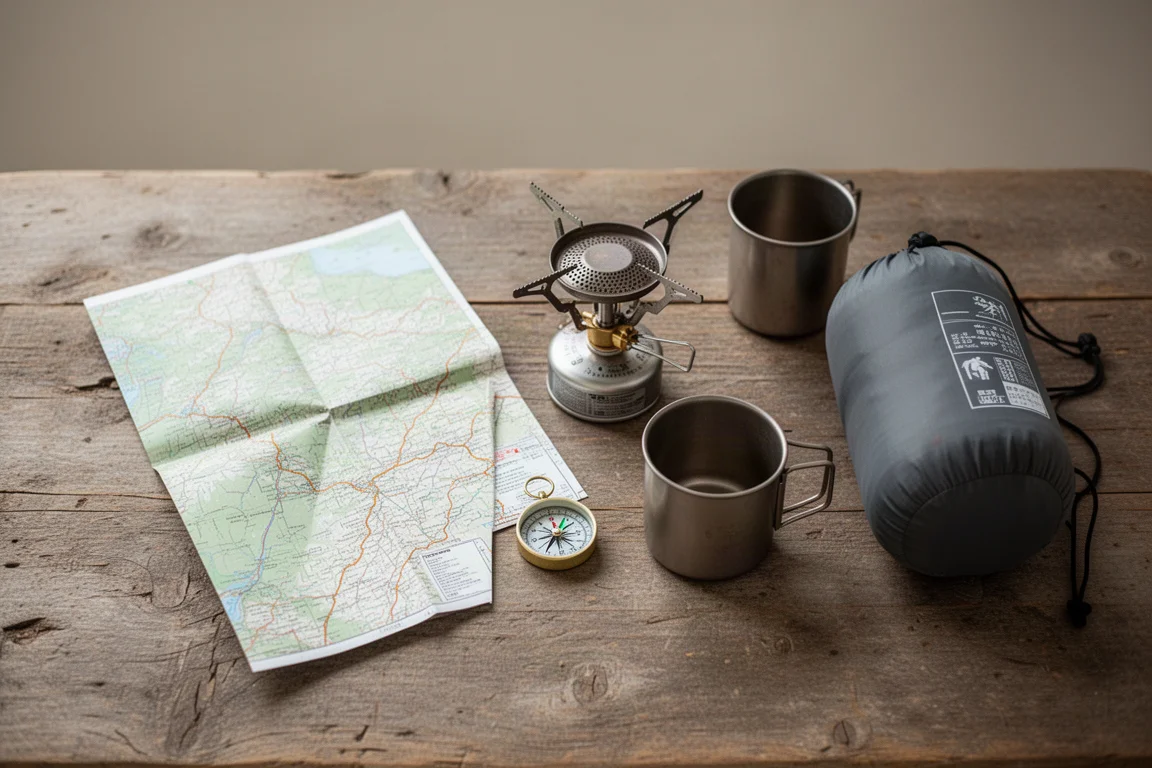
The memories that last are not about the latest gear. They come from waking up above the clouds, watching a perfect sunset, or reaching a summit after a long climb. A tent is a tool for those experiences, not the experience itself.
Conclusion
The perfect backpacking tent is a bit like a pot of gold at the end of a rainbow. It may never be found, but the search can still lead to great adventures. The tents in this guide each have strengths and compromises, and the best choice is the one that matches your own priorities.
If you already own a tent that keeps you dry and gets you out there, do not feel pressure to spend more. The feeling of camping in the latest and greatest shelter is no better than the feeling of camping in your first tent.
Further reading
Related Reviews
Backpacking Tents
3F UL Lanchan Pro 1 Review: A 1 lb 8 oz Single-Wall Trekking Pole Tent
A practical look at the 3F UL Lanchan Pro 1, a single-wall trekking pole shelter with a 1 lb 8 oz weight, 20D silnylon fabrics, and a roomy 90 x 31 x 49 inch interior.
Backpacking Tents
3F UL Taiji 2-Person Tent: A Convertible Backpacking Shelter Worth a Closer Look
A practical look at the 3F UL Taiji two-person tent, covering its materials, true two-person interior, fly-first pitching, and the seasonal inner swap that lets one shelter cover more of the year.
Backpacking Tents
3FUL Lanshan Twoerson Pro Review: A Light Trekking Pole Shelter That Struggled in Rain
A two-person trekking pole shelter with a 2026 redesign, pitched with sticks and put through a night of steady rain. Here is what worked, what did not, and what to check before buying.