Music
10 Perfect Albums Worth Owning: Timeless Records With No Skip Tracks
Ten albums that hold up from the first track to the last, plus two bonus picks and practical advice on which record to start with.
Introduction
Some records earn repeat plays because one track is undeniable. A much smaller group earns them because there is nothing to skip. The ten albums below belong to the second category: records that hold together from the first note to the last, with lyrics that stick without a lyric sheet and enough accessibility that a new listener can get hooked in a single sitting rather than a slow burn. Two bonus picks close the list, and both are worth the extra time.
How We Judged These Albums
Three criteria shaped this selection. First, no skip tracks: the album has to work as a whole, with no filler to click past. Second, memorable lyrics: the words should be catchy or impactful enough that they stay with you without looking them up. Third, mass appeal: if you were introducing someone to an artist they had never heard, would this be the record that represents them and pulls a new listener in quickly?
That third criterion matters more than it first appears. Several artists here have deeper, stranger records that longtime fans prefer, and where that is the case it is noted below. The picks on the main list are the ones that open the door widest while still standing up to years of listening.
Dire Straits: Brothers in Arms
Brothers in Arms arrived in the mid 1980s as a demonstration of what digital recording could do. The noise floor was extremely low, and the clarity and separation made an immediate case for the format over analog. It also happens to be an album that pulls you along from start to finish. “Money for Nothing” became iconic, helped by Sting’s backing vocals and a memorable music video, while Omar Hakim’s drumming and Mark Knopfler’s guitar work carry the musicianship. The closing run, including “Your Latest Trick” and “Why Worry”, settles into a mood that is easy to disappear into for the final fifteen or twenty minutes.
Genesis: A Trick of the Tail
A Trick of the Tail was a pivotal record for Genesis. It arrived just after Peter Gabriel left the band, and the group had to prove it could continue, with Phil Collins stepping up as lead vocalist. He delivered some of his strongest vocals and drumming to that point. The writing is dense and progressive, with “Dance on a Volcano”, “Entangled” and “Ripples” among the highlights, and Steve Hackett’s guitar work is central to the sound. Progressive rock has narrower mainstream appeal than rock or metal, but this is one of the most approachable records the genre has produced.
Depeche Mode: Violator
Violator is the Depeche Mode record that pushed the band further into the mainstream at the turn of the 1990s. It is high energy, built on strong bass lines and keyboards that helped bring synthesizer-driven music into pop. Every track functions like a radio hit, and the lyrics are memorable enough to recall from start to finish. For a listener new to the band, this is the natural entry point: enjoy it, and the rest of the catalog opens up.
Peter Gabriel: So
So is Peter Gabriel’s most popular solo album and his most accessible. Every track holds up, the lyrics are strong throughout, and Tony Levin’s bass playing is a standout. Several songs have had long second lives in films and on radio, with “In Your Eyes” turning up in movie after movie across decades. It is also a smart introduction to an artist whose other records reward a little more patience.
Paul Simon: Graceland
Graceland represents the high point of Paul Simon’s solo catalog. The songwriting has wide appeal, “You Can Call Me Al” and its video became a signature moment, and the record is stacked with notable players, including Tony Levin on bass and Steve Gadd on drums. What made it genuinely innovative at the time was the infusion of African rhythms and vocals into mainstream rock, something almost nobody else was doing in that space.
Billy Joel: The Stranger
The Stranger is a New York record through and through, and it is also the most consistent album in Billy Joel’s catalog. There is nothing to skip. The lyrics are memorable, from the whistling hook of the title track to “Scenes from an Italian Restaurant” and “Vienna”. Just as important, the record helped bring piano back into modern rock, with strong instrumentals and vocals throughout.
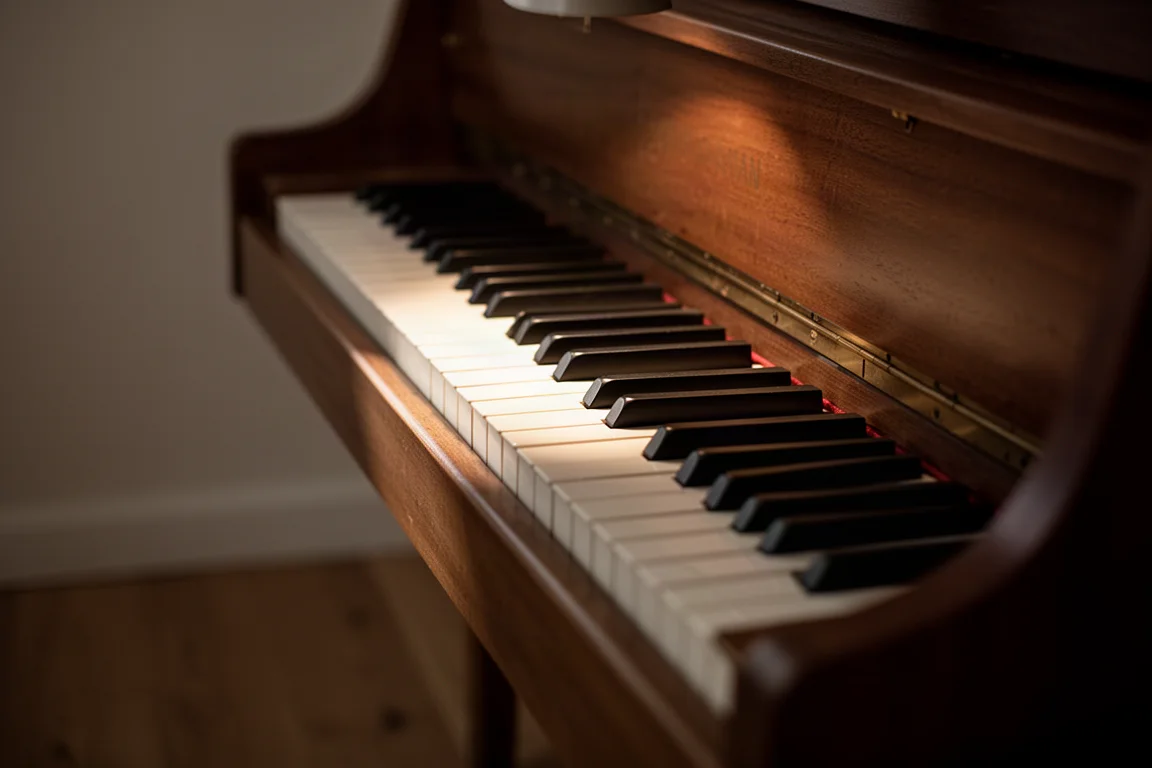
For anyone who knows Billy Joel only from his biggest singles, this is the album that shows why he is regarded as a piano player first. It also works in almost any setting, whether that is a quiet evening at home or a long drive with the volume up.
Steely Dan: Aja
Aja is the record that best shows how Donald Fagen and Walter Becker combined rock with jazz. The musicianship is extraordinary, drawing on players such as Larry Carlton, Lee Ritenour, Steve Gadd and Joe Sample. Fidelity is a big part of the appeal too: it holds up on vinyl and on CD, which is why it turns up so often in audio demonstrations and speaker demos. “Aja”, “Black Cow” and “Peg” are all essential, and nothing here invites a skip. Steely Dan is a musician’s band, and Aja is its pinnacle.
The Beatles: Sgt. Pepper’s Lonely Hearts Club Band
Sgt. Pepper’s Lonely Hearts Club Band captures a band reinventing itself inside a year or two, moving from broadly accessible pop into abstract psychedelia and helping set progressive rock in motion. It plays through without a skip, and it showcases Ringo Starr’s drumming, which is purposeful rather than flashy: every hit serves the arrangement. The catalog has also been carefully preserved, so the record sounds strong on analog, on digital and in spatial audio, where the Dolby Atmos mixes reward a proper surround setup.
Michael Jackson: Thriller
Thriller remains a landmark. The title track’s video, with Vincent Price’s narration, works like a short film, and the album’s combination of catchy pop songwriting and strong drumming made it a cultural event: a generation of kids wanted to moonwalk. The lyrics and hooks are memorable across the record. “The Girl Is Mine” with Paul McCartney is the one track that can feel a little slight, but that is a small caveat on what is arguably the best work of Michael Jackson’s career.
The album’s real strength is its pacing. It moves from the title track through “Beat It” and “Billie Jean” without losing momentum, which is exactly the quality that separates a great album from a great singles collection.
Pink Floyd: The Dark Side of the Moon
Yes, it has been played on the radio more than almost anything else, and yes, it is the album everyone names first. It still earns the top spot. Produced by Alan Parsons, The Dark Side of the Moon holds up on analog, on digital, on SACD and in spatial audio, and it works as a single continuous story rather than a set of songs. It runs a little over forty-five minutes, and when the mood is right, that is forty-five minutes in a completely different listening space.
Bonus Pick: Rush Moving Pictures
Moving Pictures is an easy recommendation even for listeners who would not call themselves Rush fans. Neil Peart’s drumming and writing are central to it, and “YYZ”, “Limelight” and “Red Barchetta” are all here. One caveat: the spatial audio version does not do the record many favors, so two-channel playback with upmixing is the better route.
Bonus Pick: Pat Metheny Still Life (Talking)
Still Life (Talking) sits outside the rock and pop focus of the rest of this list, and it does not matter. The record transcends genre: it is a cool, relaxed listen that suits a drive to the beach or an afternoon doing nothing in particular. Pat Metheny is one of the great jazz guitarists of his era, Paul Wertico’s drumming is a highlight, and the wordless vocals in the background add texture. There are no lyrics, yet the rhythms and themes are memorable enough that you always know where the record is going.
Buying Advice: Where to Start
If you are new to most of these artists, start with the most accessible records. So, Violator and Graceland each open a catalog without demanding prior context. If sound quality comes first, Brothers in Arms and Aja are the two to seek out, since both were made to show what a good system can do. If you want a full-album experience that rewards sitting still and listening from beginning to end, The Dark Side of the Moon is the obvious place to begin.
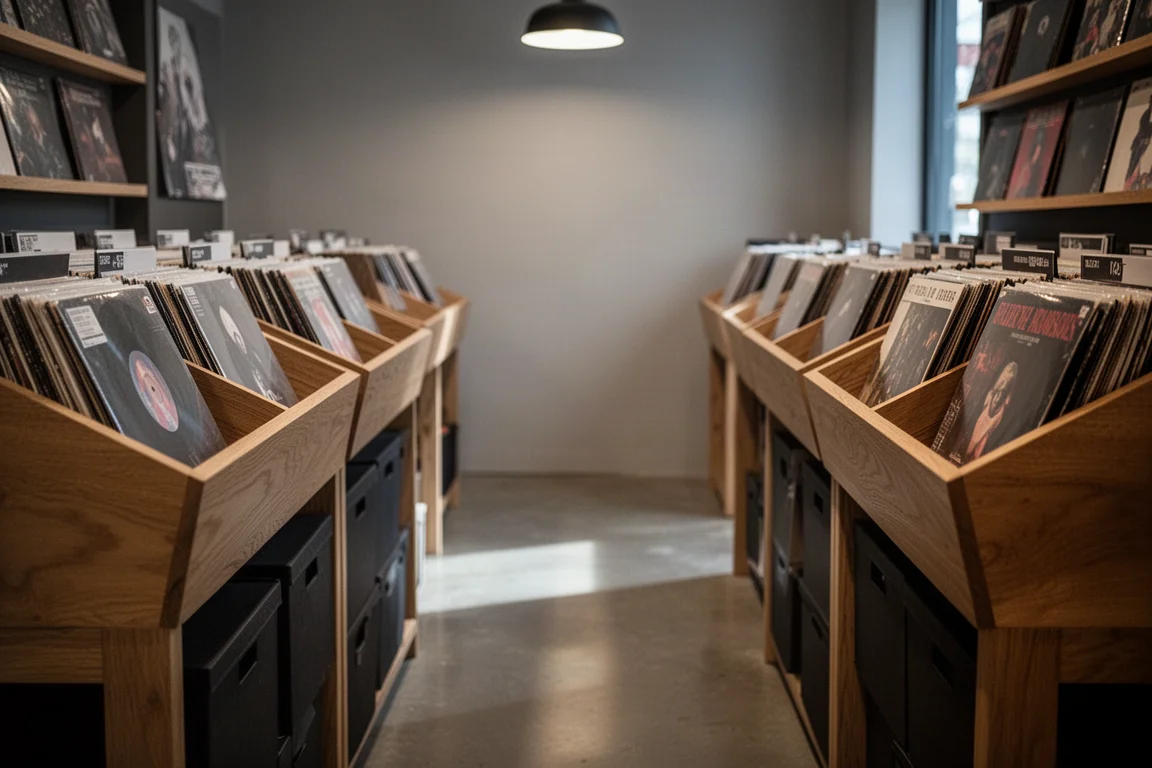
Format matters as much as the record itself. Most of these titles have been released across vinyl, CD and digital, and several are available in spatial audio, where a Dolby Atmos setup makes a real difference. Check which version of a given title you are buying rather than assuming every edition sounds the same.
Conclusion
A perfect album is not really a matter of consensus. It is a matter of whether the record holds you from the first track to the last. Each of the ten albums above does that in a different way: some through sheer musicianship, some through songwriting, and some through production that still sounds remarkable decades later. Start with whichever one matches the music you already love, then work outward. The two bonus picks are there for the same reason: they earn their place the moment you press play.
Further reading
Related Reviews
Music
Five Electronic Dub Releases That Reveal What Your Subwoofer Is Really Doing
Five electronic dub records, from contemporary dub techno to dense industrial ambience, that double as practical tests of what a subwoofer adds to a system.

Music
Kunaki Lathe Cut Record Review: The Cheapest Way to Put Music on Vinyl
A hands-on look at Kunaki, the most affordable lathe cut record service, covering packaging, sound quality, and whether a one-off vinyl pressing is worth it.

Music
Rush 50th Anniversary Vinyl Record Box Set: A Deep Dive Into the Presentation and Sound
A hands-on look at the Rush 50th Anniversary vinyl box set, covering the packaging, the seven discs, the booklet, and how it sounds on a turntable.