Running Shoes
Nike Pegasus Turbo Next Nature vs Hoka Mach 5: Which Daily Trainer Is Right for You?
Two popular non-plated daily trainers go head to head on fit, ride, and speed. One impressed us, the other left us wanting more.
Introduction
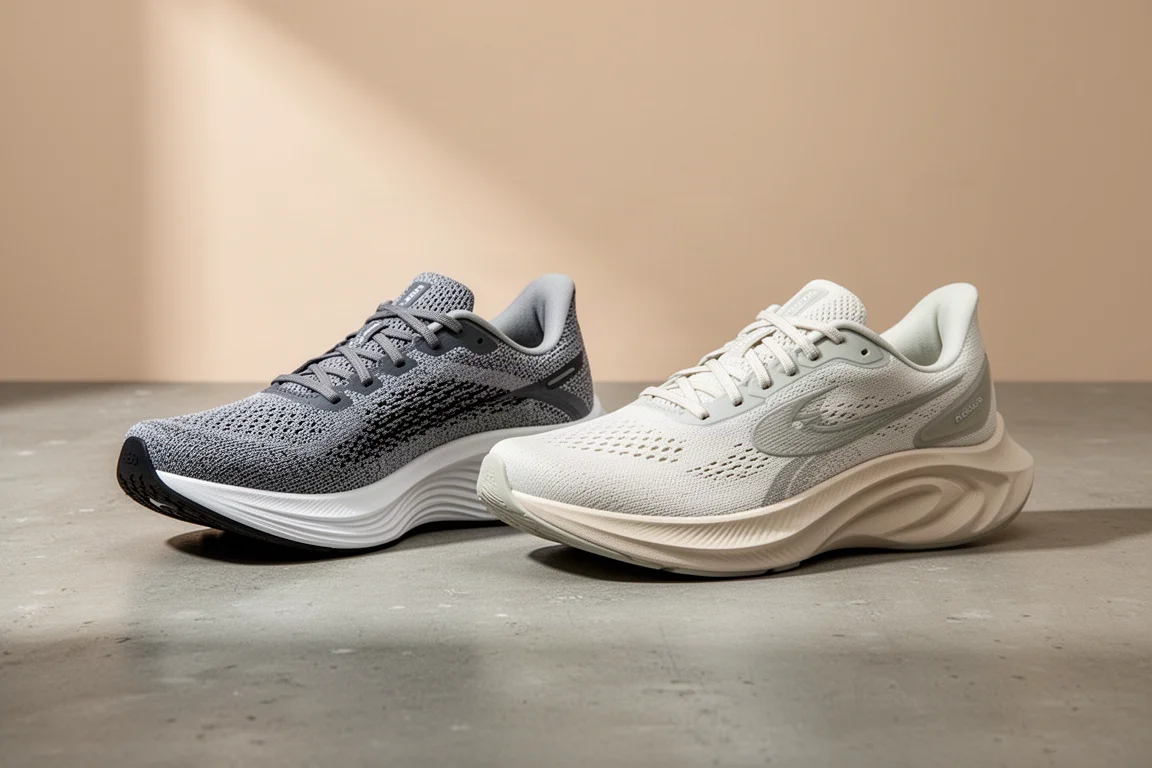
If you are shopping for a daily trainer that can handle everything from easy 10Ks to faster tempo sessions, two shoes likely sit near the top of your shortlist: the Nike Pegasus Turbo Next Nature and the Hoka Mach 5. Both are non-plated options aimed at runners who want one versatile shoe for most of their training. After putting real mileage into both, one of these shoes clearly stands out. Here is how they compare.
Nike Pegasus Turbo Next Nature
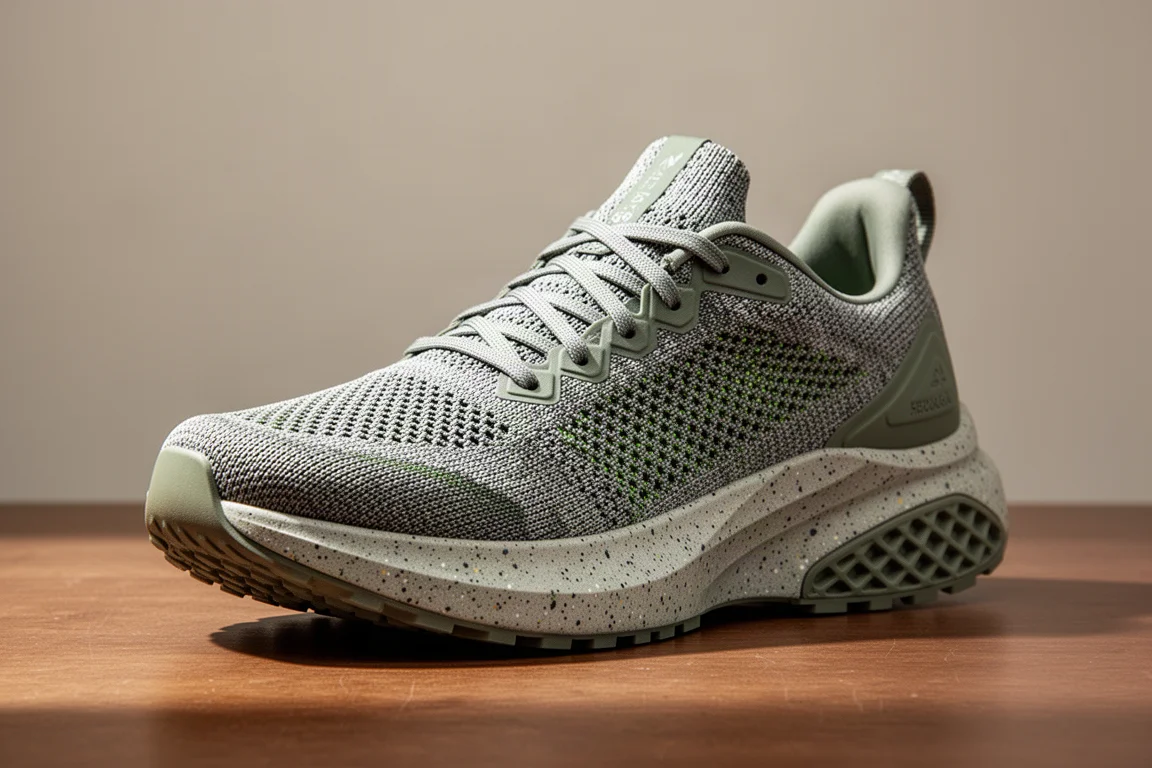
The Pegasus Turbo Next Nature costs 145 pounds or 150 dollars, weighs 253 grams (8.9 ounces) for men in a size 8, and has a 10 millimeter drop. It arrived three years after the hugely popular Pegasus Turbo 2, carrying plenty of expectations. It keeps the speed-focused rocker design and Nike ZoomX foam in the midsole, but this time that midsole is made from at least 50% recycled ZoomX. The upper is built with Flyknit yarns for a secure, breathable, lightweight fit, SR-02 Cushlon technology improves overall comfort, and a waffle-inspired outsole tread provides grip and protection.

In practice, the recycled ZoomX midsole feels very different from the ZoomX of the original Turbo line. The ride is noticeably firmer and, at first, feels duller. It is a competent daily trainer: it handles general miles fine, and after roughly 50 to 60k covering interval sessions, slower runs, and a park run, it never produced a major complaint. But it also does not excel anywhere. It is not particularly helpful for running faster, feeling sluggish at tempo and interval paces, and on longer runs it can feel a little too firm without delivering a sense of recovery benefit.
Fit is true to size, but the shoe has quite a lot of extra space at the top of the foot, and the upper feels slightly thick and not as fitted and breathable as some rivals. It is not a wide shoe either, so sizing down risks a narrow fit. Stick true to size and expect some volume.
Hoka Mach 5
The Hoka Mach 5 costs 130 pounds or 140 dollars, weighs just 212 grams (7.5 ounces) for men in a size 8, and has a 5 millimeter drop. As the successor to the hugely popular Mach 4, it brings an updated ProFly Plus midsole with a slightly softer ride for daily training, a leaner upper to keep weight down, a redesigned lay-flat tongue, and longer laces than those supplied with the Mach Supersonic.
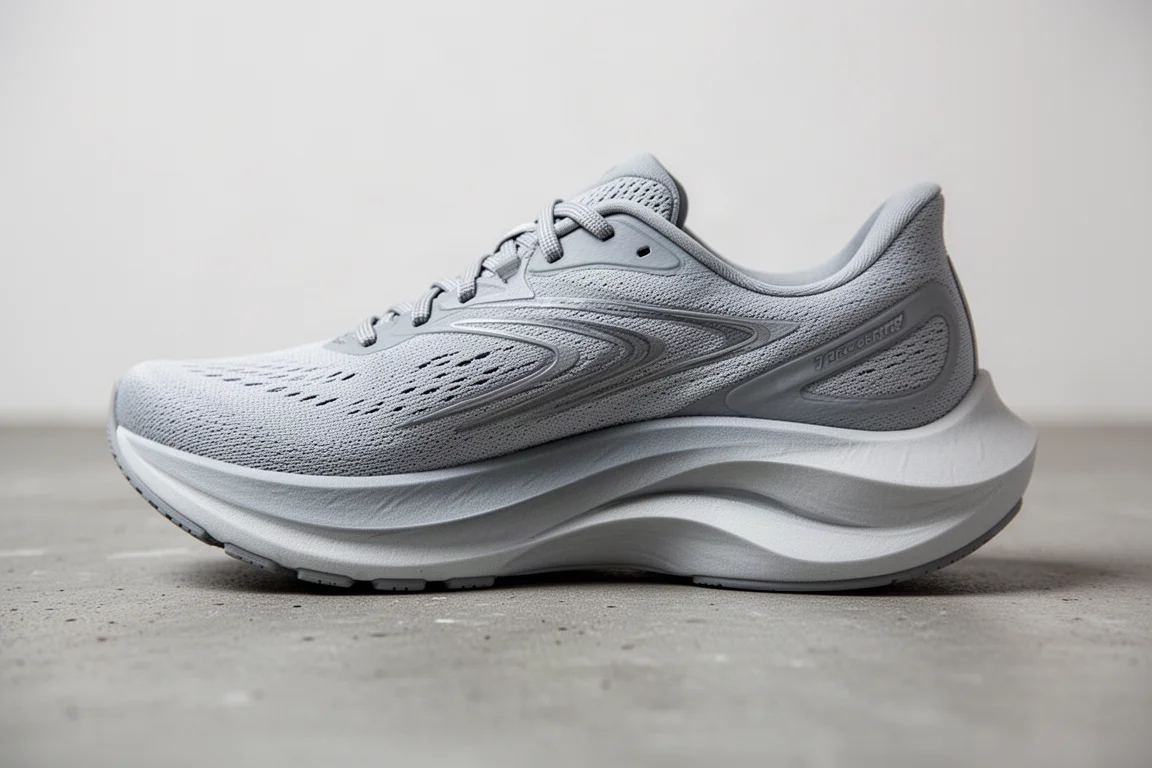
The Mach 5 uses a dual-density midsole that combines a softer layer with a firmer rubberized outer layer, striking an excellent balance of responsiveness and cushioning. There is no plate in it, just a well-tuned combination of two midsole foams, which makes it a great pick for runners who prefer to save plated shoes for race day. It leans toward faster running, making it fantastic for tempo work, intervals, and even race day, while remaining comfortable enough for slower and longer runs, though it does not excel quite as much at the slow end.
Fit is true to size with no need to size up or down. It feels comfortable and nicely locked down, well fitted, though Hokas can run narrow, so runners with wider feet should pay attention to that.
Which Shoe Should You Buy?
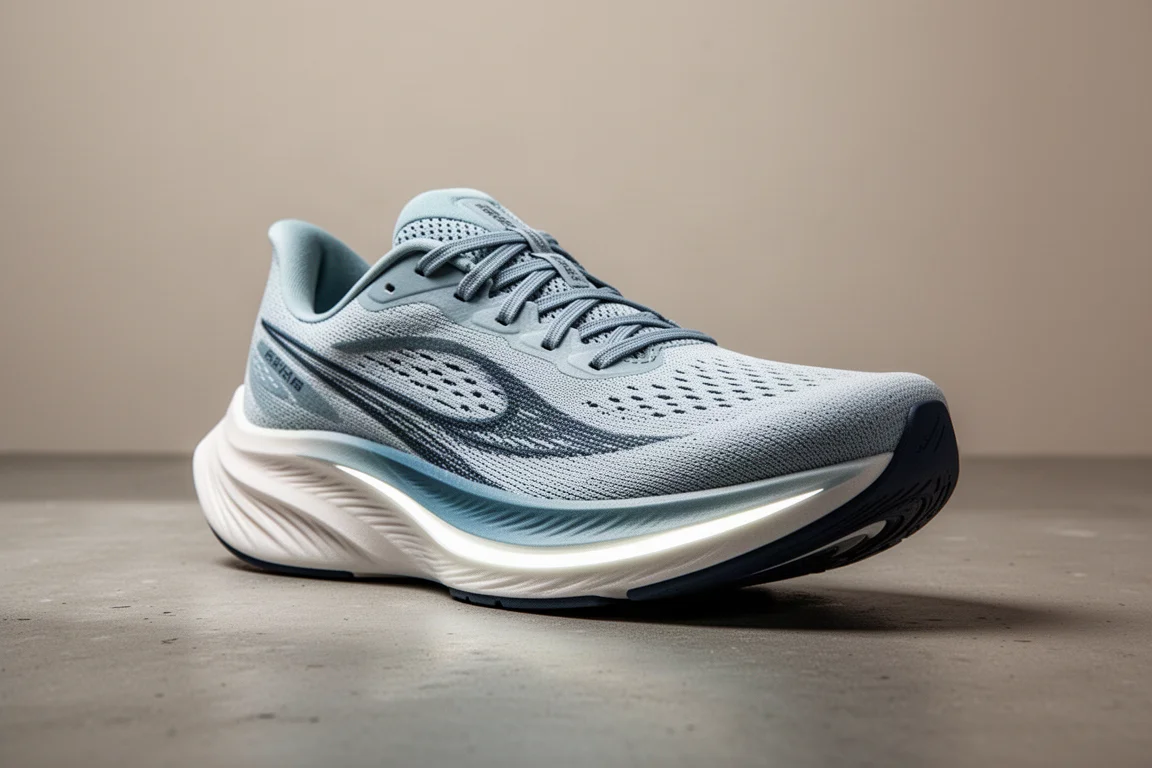
The verdict here is fairly clear. If you only do general daily miles, the Pegasus Turbo Next Nature will serve you fine, and many people like its design and recycled materials. But in a performance, comfort, and cushioning comparison against the best daily trainers available now, it falls far down the list. You would be fine with it, but not wowed.

The Hoka Mach 5, by contrast, is one of the top non-plated daily shoes available, light and nimble with efficient turnover, and a genuine partner for faster training sessions in a marathon build. It is probably going to impress you if you pick it up. One extra consideration: the changes from the Mach 4 are negligible, so if you want to save some cash, picking up the Mach 4 at a lower price is worth doing.
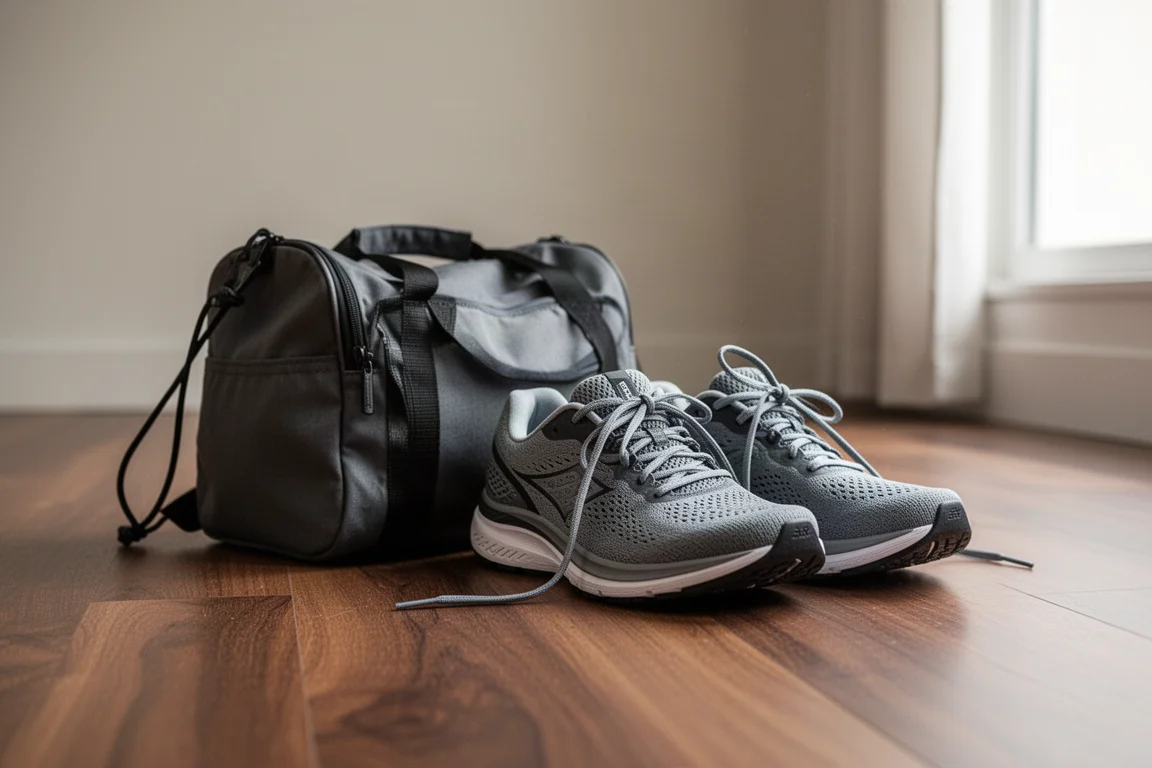
For runners training in a plated shoe who want a partner for faster sessions, the Mach 5 and the Saucony Endorphin Speed 3 are the two most recent options worth considering, with the choice coming down to whether you want a plate in the shoe or a more traditional, slightly more flexible feel.
Conclusion
Both shoes cover the daily trainer basics, but they deliver very different experiences. The Nike Pegasus Turbo Next Nature is a competent all-rounder with recycled materials and a firmer ride that never quite excites. The Hoka Mach 5 is lighter, livelier, and genuinely capable at both easy and fast paces, making it the stronger pick for most runners looking for one shoe to do it all.
Further reading
Related Reviews

Running Shoes
Best Road-to-Trail Running Shoes: Three Versatile Options for Mixed Terrain
A practical guide to three road-to-trail running shoes that handle both pavement and mild trails, with clear strengths and trade-offs for different runner types.

Running Shoes
Best Running Shoes for Achilles Tendonitis: Three Options Explained
Three running shoes with different heel drops and support features designed to help reduce Achilles tendon pain during walking and running.

Running Shoes
Best Running Shoes for Women: Five Top Choices Ranked
A ranked guide to five women's running shoes, from versatile daily trainers to high-performance racing options, with real strengths and trade-offs for each.