Running Shoes
Nike Pegasus 39 vs the Competition: Four Daily Trainer Rivals Compared
How the Pegasus 39 stacks up against the Pegasus 38, Reebok Floatride Energy 4, Adidas Adizero Adios 6 and Puma Velocity Nitro for weight, cushioning, fit and value.
Introduction
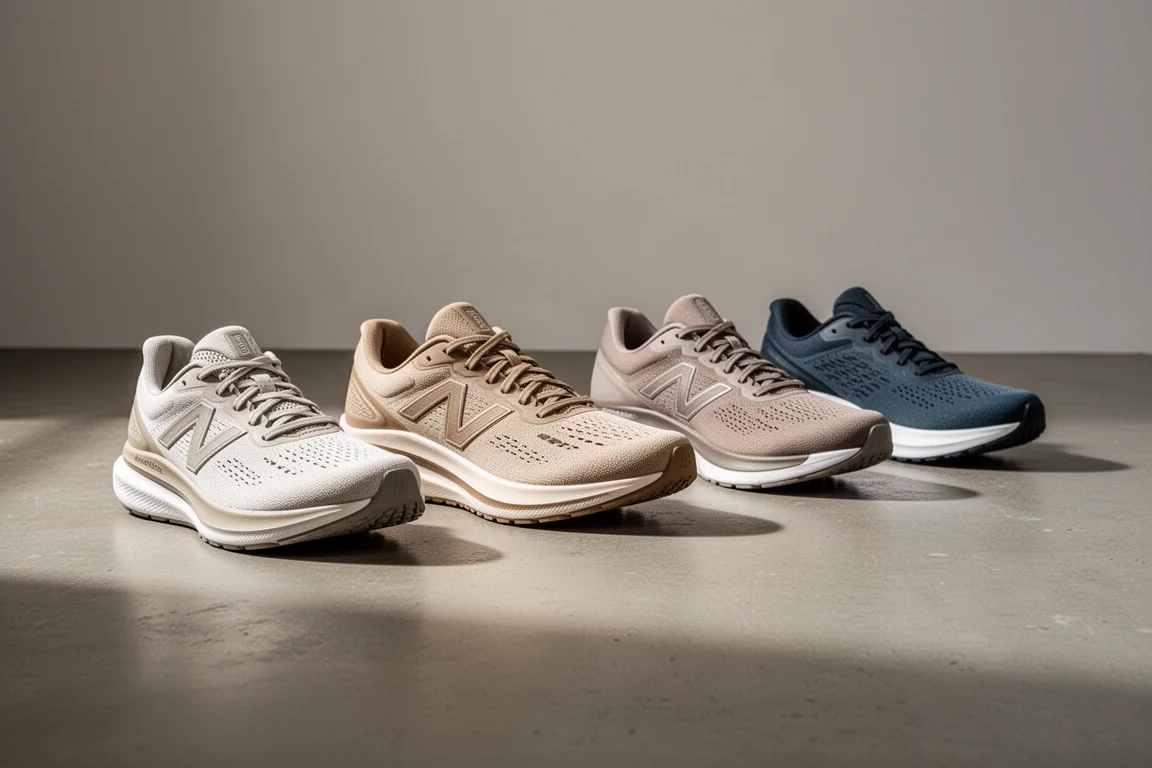
The Nike Pegasus 39 arrives into one of the most crowded categories in running: the do-it-all daily trainer. To see whether it earns its spot, this comparison lines it up against four strong contenders: the outgoing Pegasus 38, the Reebok Floatride Energy 4, the Adidas Adizero Adios 6, and the Puma Velocity Nitro. Each shoe brings a different strength, from budget value to lightweight race-ready speed, and the differences between them are more about fit, feel and price than any single headline spec.
Is the Pegasus 39 Worth the Upgrade Over the Pegasus 38?
Short answer: yes. The Pegasus 39 is lower in weight and slightly wider underfoot, and it feels softer to the touch than the 38. The React foam here behaves more like the blend found in the Pegasus Trail 3 rather than the Pegasus 38, which supports the idea that not all React implementations feel the same; the formula appears to have been adjusted between generations.
The weight difference likely comes from several factors. The new mesh upper is lighter and less thick than the 38’s, the tongue is slightly less padded, and the 39 measures at least three millimeters more midsole stack in the heel. Some of that midsole material may have been hollowed out to make room for the rear air unit.

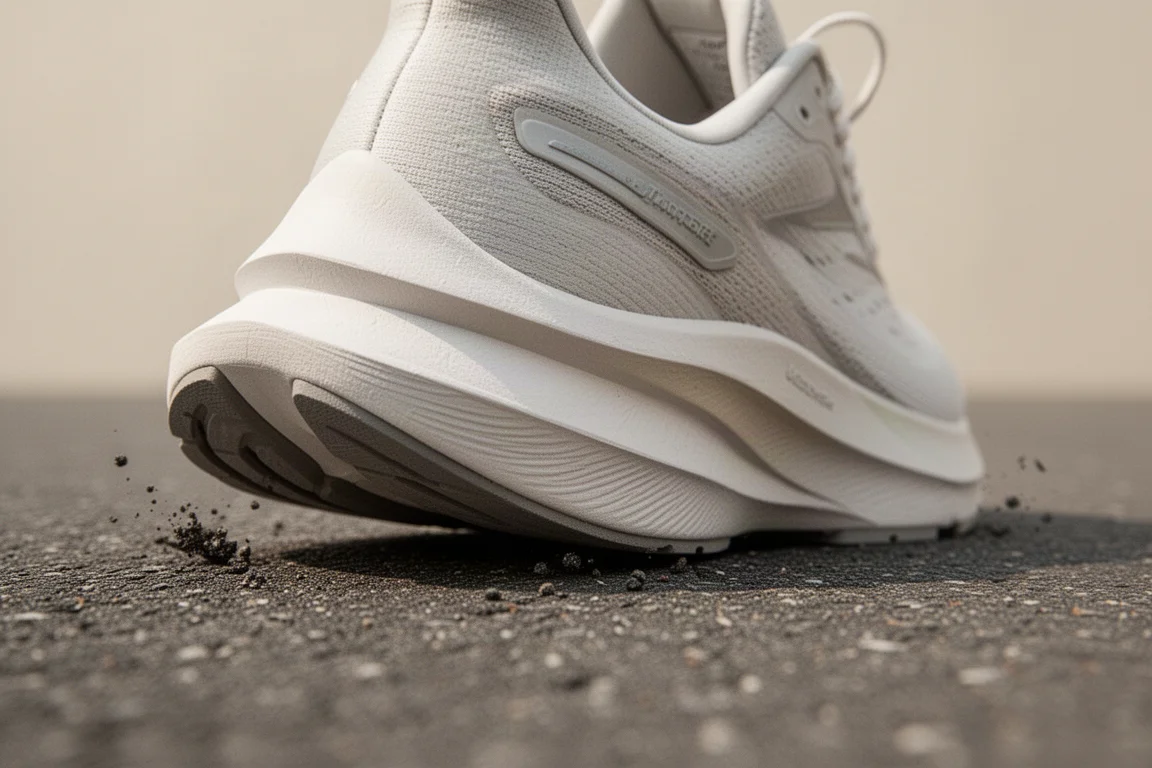
One big improvement is rear heel stability. The 38 had a fair amount of midsole foam carved out around the heel; the 39 leaves that foam in place, likely to help encapsulate the heel air unit, which brings the shoe back to the ethos of the Pegasus line. The forefoot air unit also appears smaller than in the 38. Overall, if you had to pick one, the upgraded Pegasus 39 is the better all-round shoe and worth the extra spend over the 38.
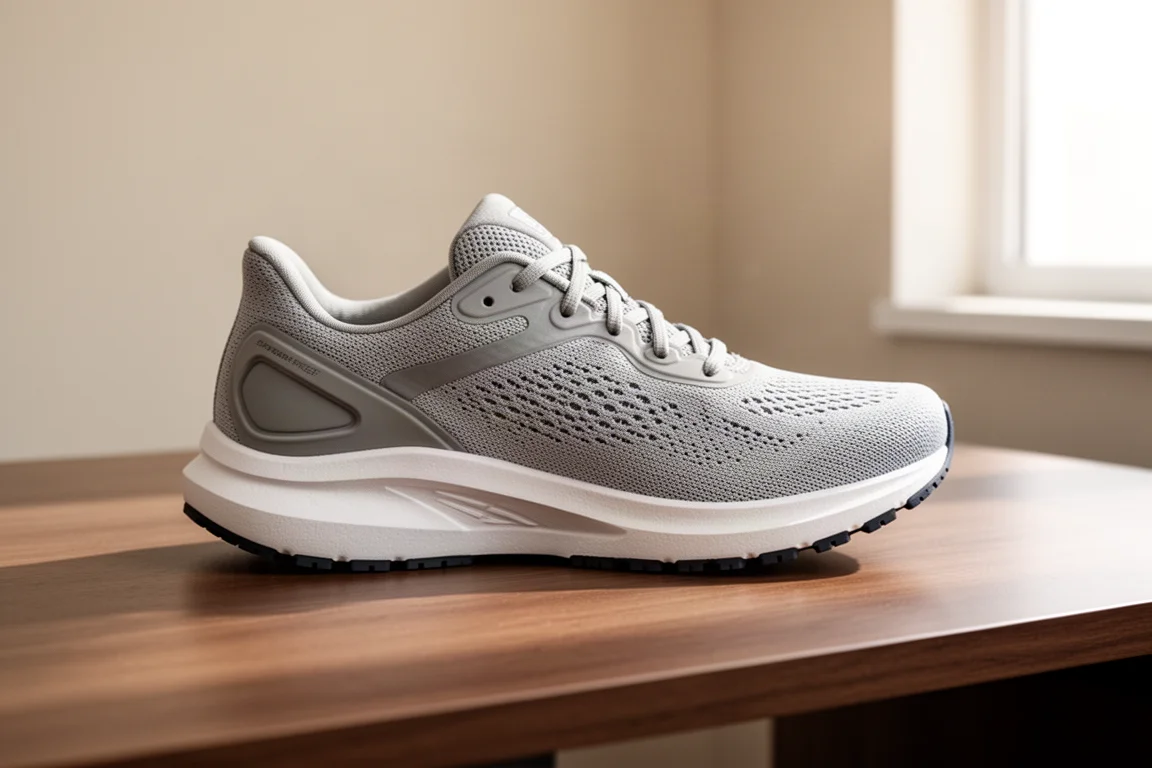
Reebok Floatride Energy 4: The Value Pick
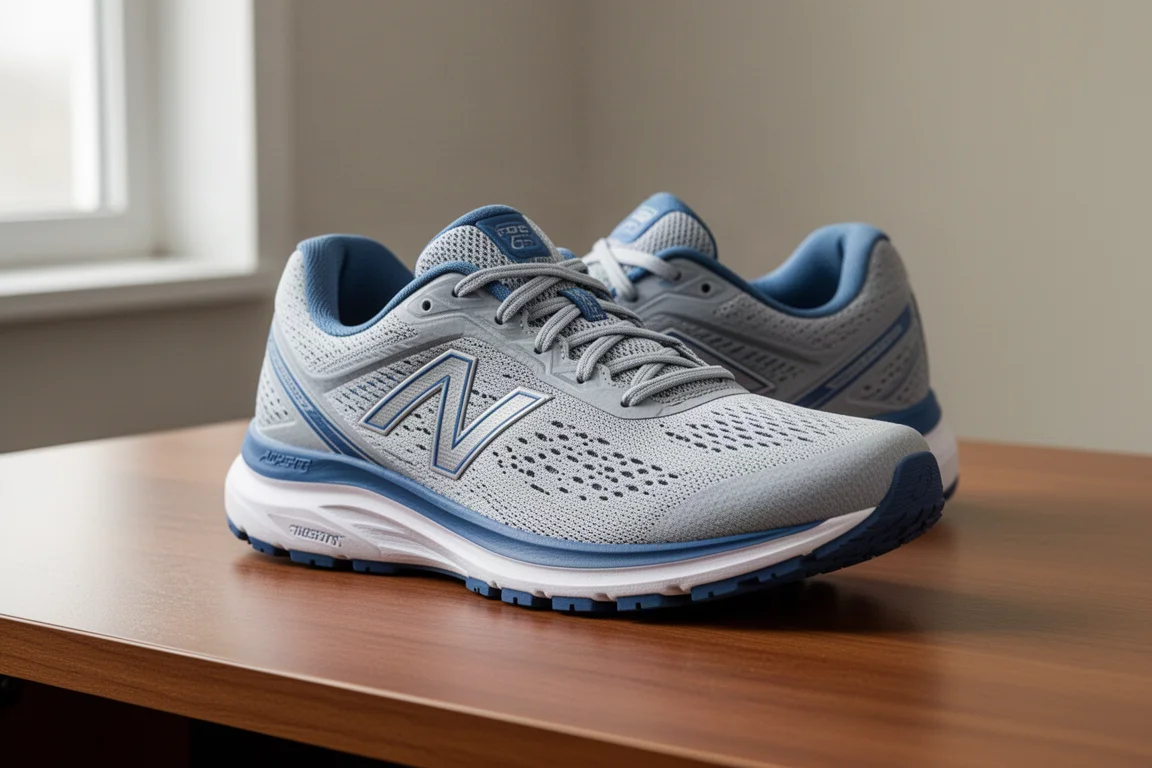
The weight battle between the Floatride Energy 4 and the Pegasus 39 is close, with a very slight advantage to the Reebok, though we are talking grams rather than anything decisive. The Energy 4 comes up slightly wider in the heel, offering a touch more surface area and stability underfoot.
On sizing, the Energy 4 runs a touch long but is close enough to true to size that half-sizing down is not recommended; doing so would leave the shoe too snug. The Pegasus 39 holds a marginal edge in midsole stack, a few millimeters at most, and these two models are probably as close as they have ever been.
Over time, the air units in the Pegasus 39 should make it the more resilient shoe, since you are not relying on foam alone for cushioning as things compress over the miles. Price is also very little in it between the two, and for longevity the Pegasus is the way to go.
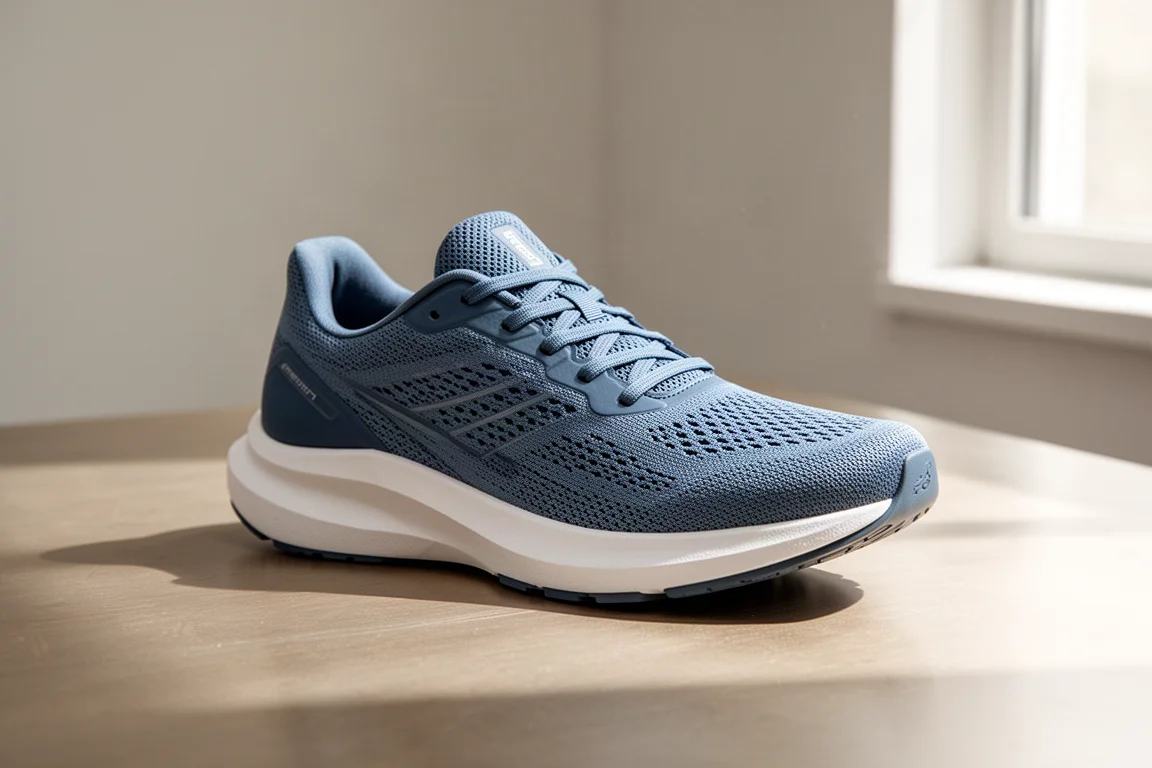
Where the Energy 4 wins is value and versatility. It has a more casual appearance and looks great in the Osceola colorway, happy on the roads and just as at home heading to the pub. Promotional pricing can bring it down to around £56, roughly half the price of the Pegasus 39, which makes it an absolute steal for the money.
Adidas Adizero Adios 6: The Light Racer
The Adios 6 holds a clear weight advantage over the Pegasus 39, clocking in around 285 grams in a UK size 11.5, a difference that is apparent both on foot and in hand. That lightness makes it a shoe you could genuinely race in, and it is popular for 5K and 10K events. Adidas’ newer Lightstrike Pro foam sits in the forefoot to midfoot, and with slightly less stack than the Nike, it feels more responsive when you pick up the pace.
The trade-off is fit. This is a much narrower shoe than the Pegasus 39 and it runs short: in a UK 11.5 it measures 29 centimeters, while the Nike in a UK 11 comes up at 29.3. Some runners may want to go up a full size for a more true-to-size fit, though the UK 11.5 works for some as worn. The heel surface area is a full centimeter narrower, and the nearly see-through mesh upper helps keep weight down on top of the foot.
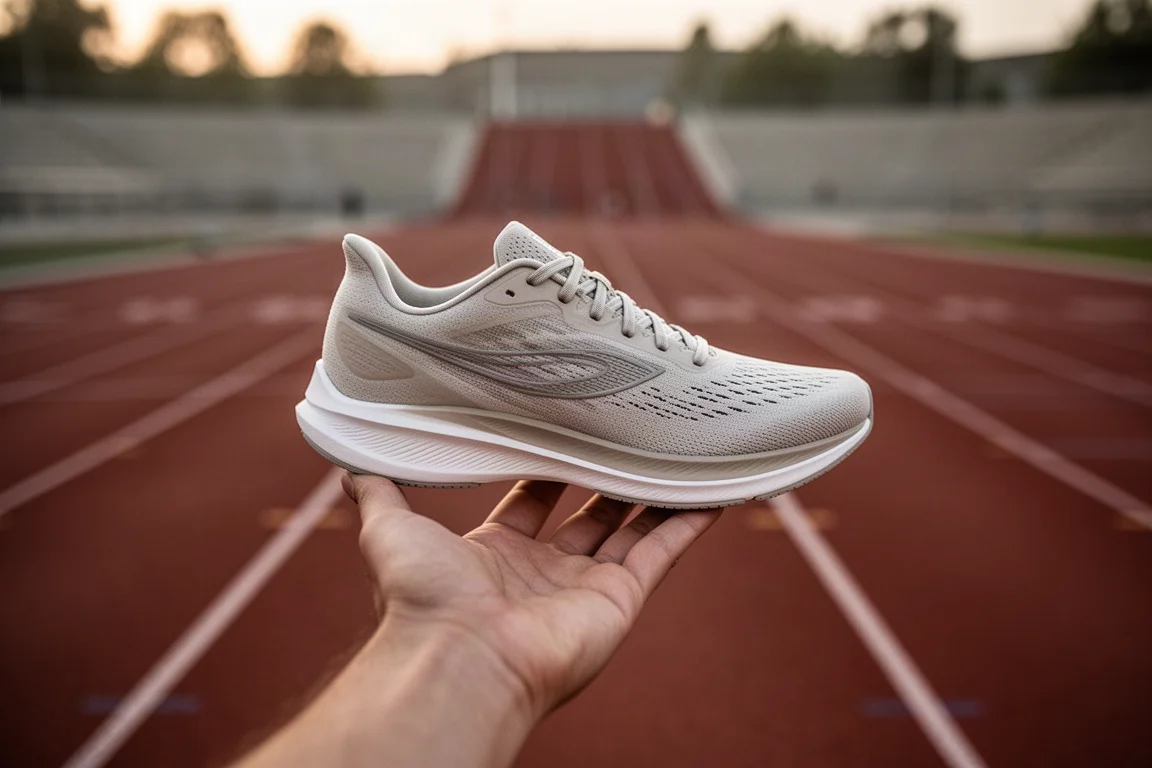
It remains a king of the do-it-all daily shoes, and it can often be found below retail, sometimes around £85, which makes it a real steal with a striking aesthetic. If only one shoe could be kept of this pair, the Adios 6 takes it over the Pegasus 39.
Puma Velocity Nitro: Comfortable but Less Precise
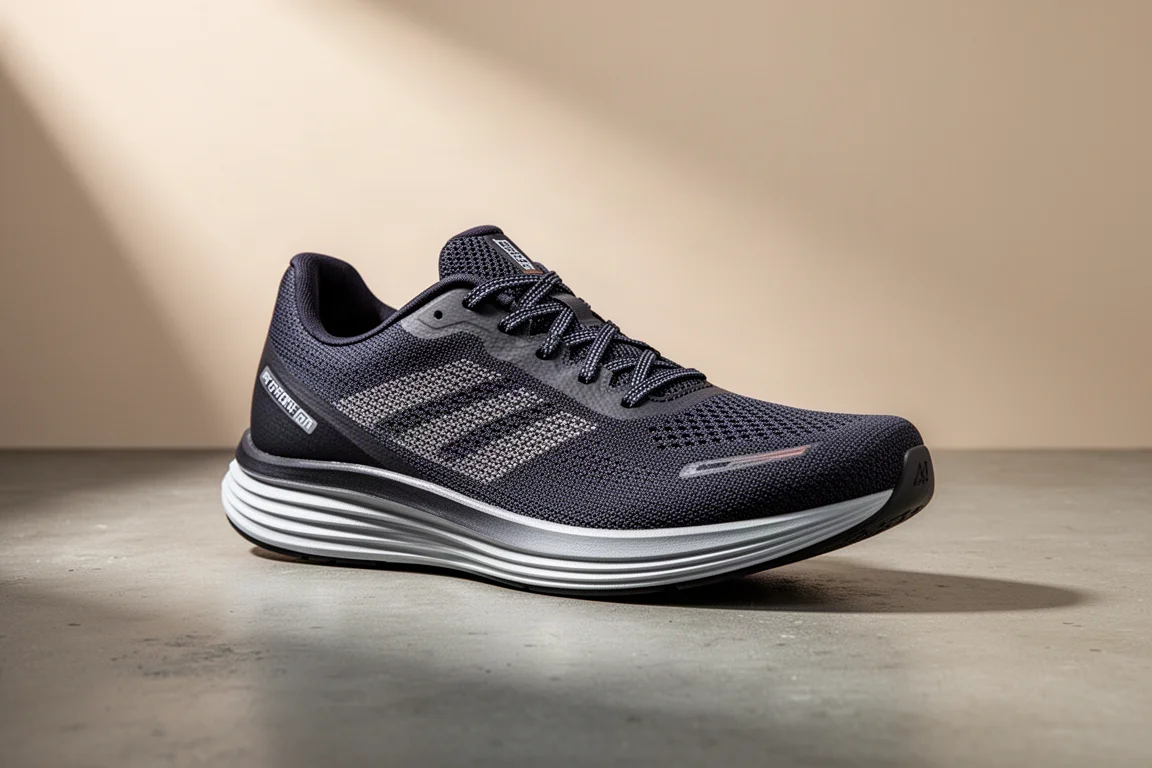
The Velocity Nitro runs long. In a UK size 11 it measures about 30 centimeters, roughly seven millimeters longer than the Pegasus 39 in the same size and a full centimeter longer than the Adios 6 in a half size smaller. Sizing down half a size is advisable, otherwise thicker socks may be needed.
The heel and forefoot stacks are very similar to the Pegasus 39, but the Puma does not match the lockdown over the top of the foot. The laces are a little too stretchy and needed some fiddling to get the fit right, whereas the Pegasus feels firmly locked in. The Pegasus also has a more sculpted profile and more propulsion from the forefoot air units.
On the plus side, the Velocity Nitro can now be found for well under £100, especially with the Velocity Nitro 2 available. Still, on performance and versatility, the Pegasus 39 is the pick if there is room for only one pair in the suitcase.
Overall Buying Advice
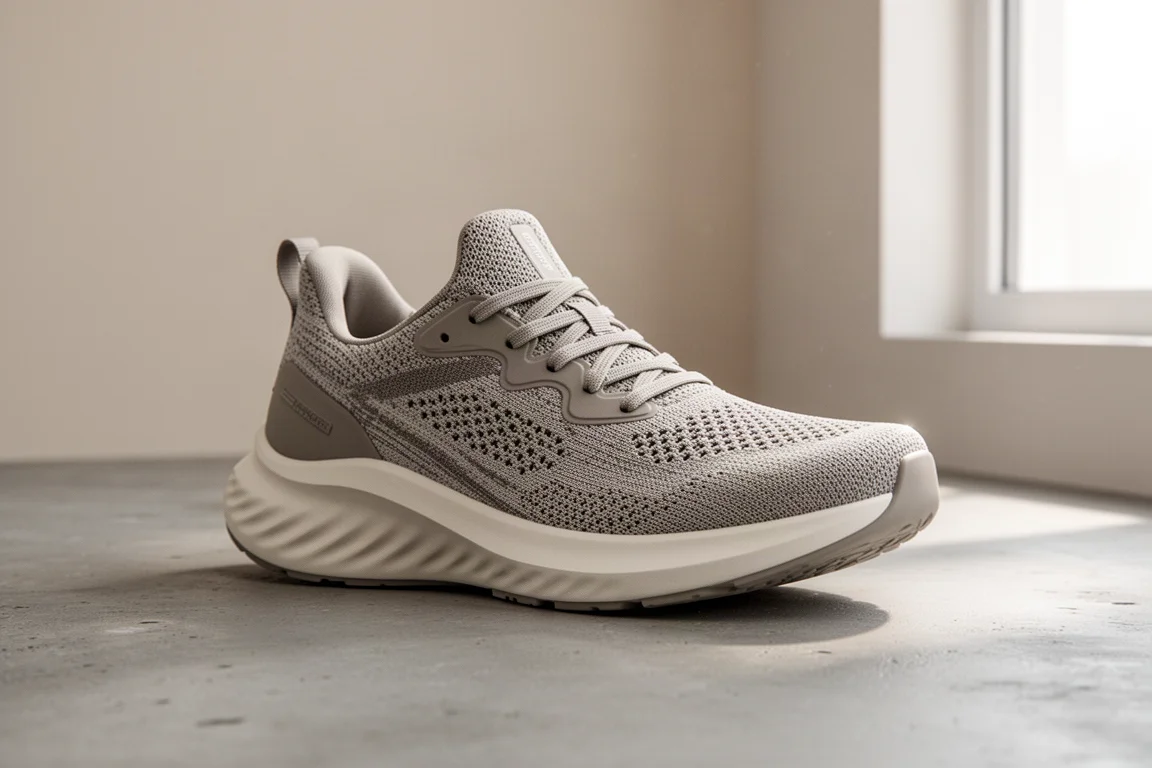
If you want the best all-round daily trainer of this group, the Pegasus 39 justifies the upgrade over the 38 with better heel stability, a softer feel and more stack. If value matters most, the Floatride Energy 4 at around £56 is hard to beat. For lighter legs on faster days, the Adizero Adios 6 is the pick, provided you account for its narrow, short fit. The Velocity Nitro suits runners who want a similar stack to the Pegasus at a lower price and can tolerate the looser lockdown and longer fit.
Conclusion
The Pegasus 39 comes out of this comparison as the most complete all-rounder, but every shoe here has a clear case: the 38 as the refined predecessor, the Energy 4 for budget versatility, the Adios 6 for lightweight speed, and the Velocity Nitro for affordable cushioned mileage. Match the shoe to your priorities on fit, feel and budget, and any of them can earn a place in the rotation.
Further reading
Related Reviews

Running Shoes
Best Road-to-Trail Running Shoes: Three Versatile Options for Mixed Terrain
A practical guide to three road-to-trail running shoes that handle both pavement and mild trails, with clear strengths and trade-offs for different runner types.

Running Shoes
Best Running Shoes for Achilles Tendonitis: Three Options Explained
Three running shoes with different heel drops and support features designed to help reduce Achilles tendon pain during walking and running.

Running Shoes
Best Running Shoes for Women: Five Top Choices Ranked
A ranked guide to five women's running shoes, from versatile daily trainers to high-performance racing options, with real strengths and trade-offs for each.