Backpacking Food
Peak Refuel Meals: Three New Flavors and the Packs Worth Carrying
A practical look at Peak Refuel dehydrated meals, including three new additions and the established favorites, with water needs, portion sizes, and buying advice.
Introduction
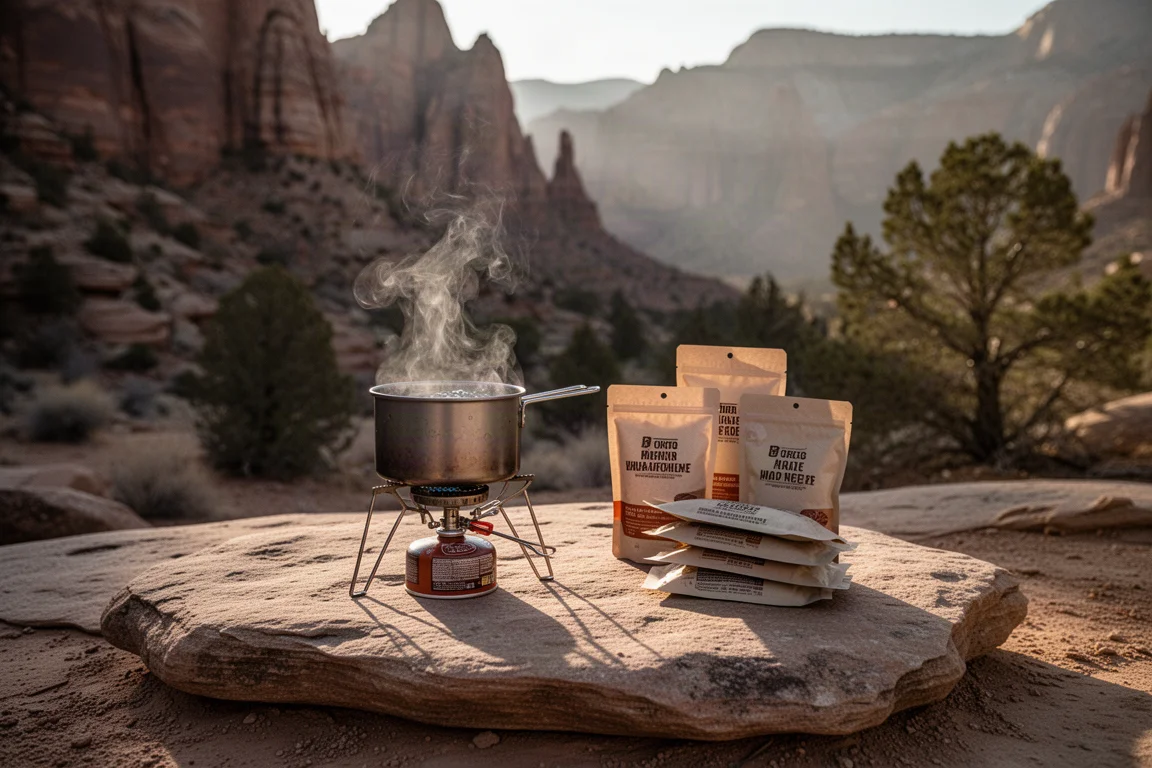
Dehydrated meals have a reputation problem: they get you fed, but they do not always leave you feeling good afterwards. Peak Refuel has built its following by addressing exactly that, with pouches that lean on calorie density and protein rather than filler, and that ask for less water than many backpacking meals. For anyone packing food for multi-day trips, those two details matter more than flavor marketing.
This guide covers the three newest additions to the lineup, the biscuits and sausage gravy, the chicken coconut curry, and the vegan dalbot, alongside the established meals that have earned a permanent place in a pack: chicken pesto, sweet pork, beef stroganoff, mountain berry granola, and chicken alfredo.
What Sets Peak Refuel Meals Apart
Three things come up again and again when these meals are compared with other pouch brands. The first is nutrition: high calories and high protein packed into each pouch, which tends to show up as feeling steady after eating rather than sluggish or uncomfortable. The second is water. Most of these meals rehydrate with roughly one cup of water or a little more, and some need as little as six ounces. The third is portion size, which cuts both ways and is worth understanding before you buy a case.
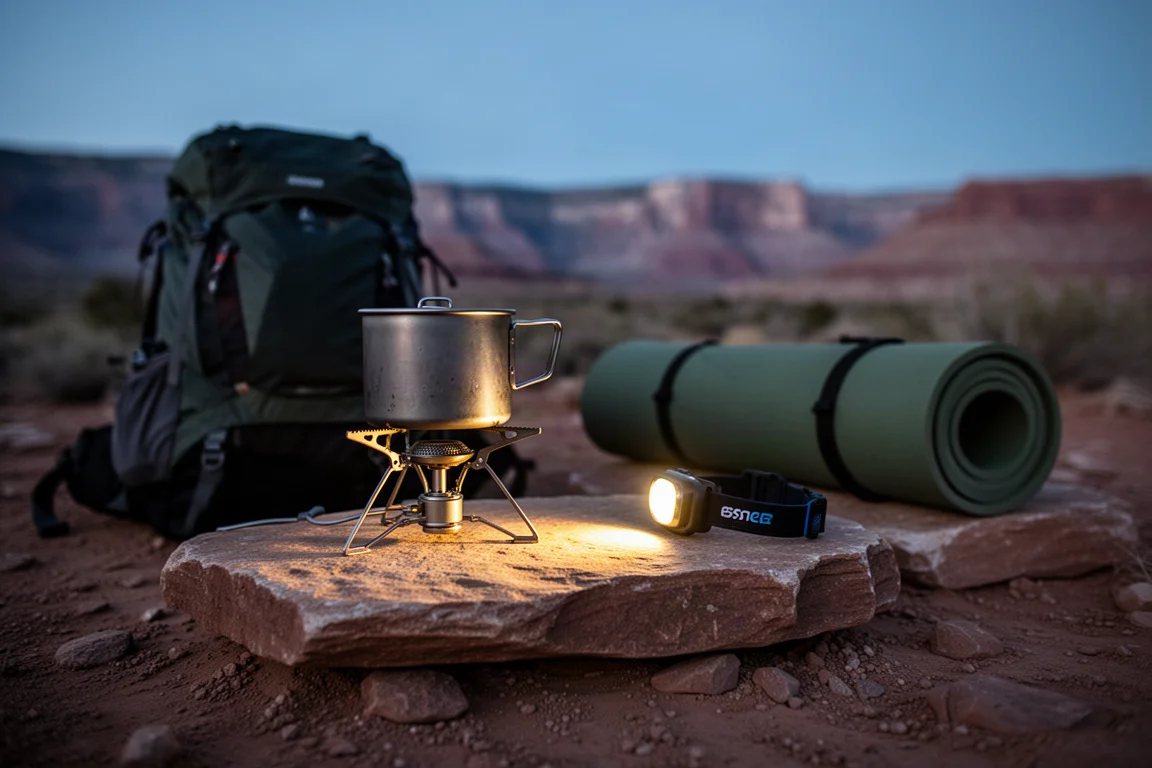
Water is the detail that matters most in dry country. When every ounce of clean water has to be carried or filtered, a meal that needs six ounces instead of sixteen is not a small convenience. It changes how far you can travel between sources and how much water you have left for drinking.
It is worth noting that the comparison brands are not bad meals. They are simply built differently. Some are lighter and fluffier in texture and call for around two cups of water per pouch, which makes a full two-serving pouch a lot to finish after a long day. If you have ever pushed through the last third of a pouch because you did not want to waste it, that difference in water volume and density is the reason.
Peak Refuel Biscuits and Sausage Gravy
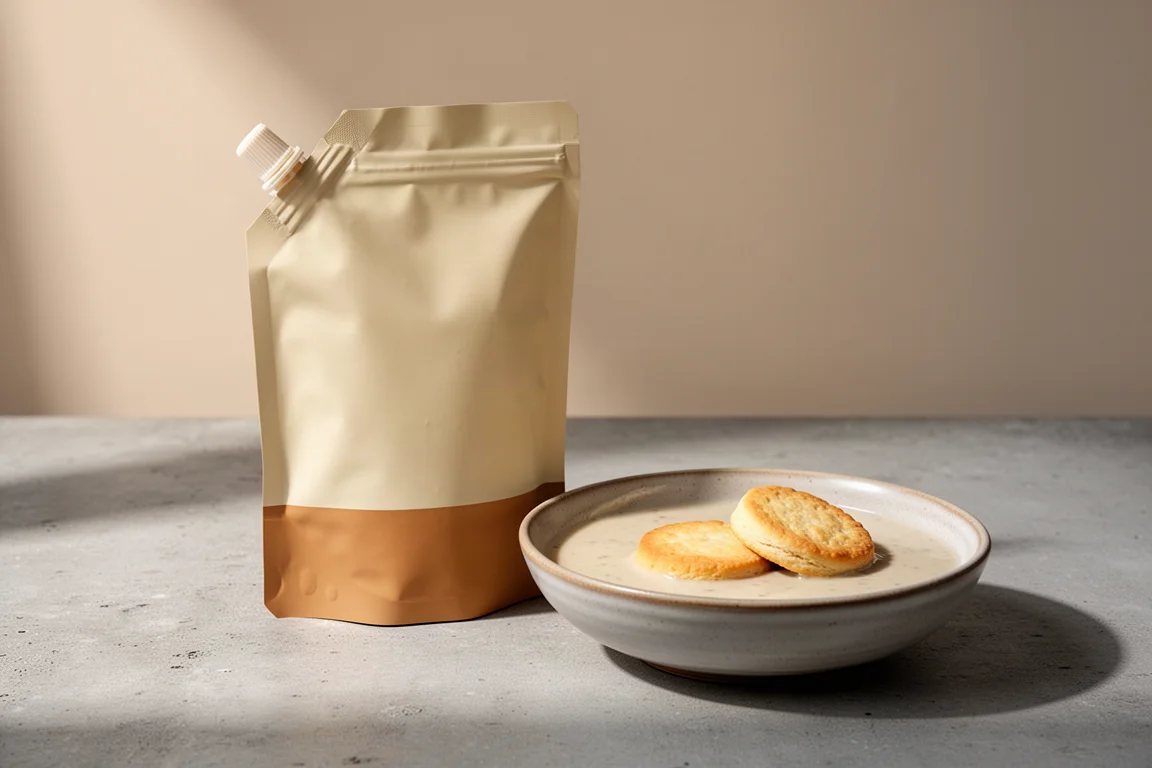
This is the headline addition, and it is a big one. The pouch carries 1,100 calories, which puts it among the largest meals in the range, and it holds two full-size biscuits in the gravy rather than a single reconstituted base. It rehydrates with about one and a third cups of water.
The trade-off is straightforward: this is a lot of food in one bag. For a serious appetite after a long day, that is exactly what you want. For smaller eaters, the practical move is to portion it before the trip, splitting the dry contents into two freezer bags so half can be saved for another meal.
Peak Refuel Chicken Coconut Curry
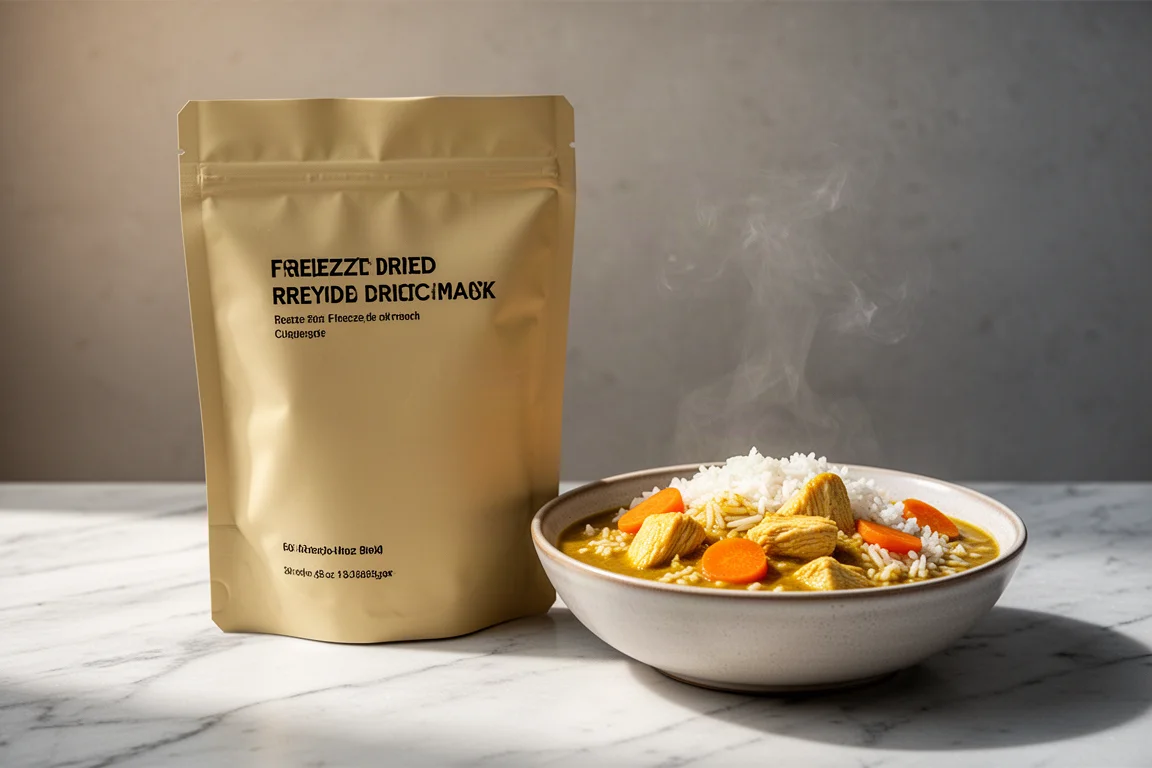
Curry is a flavor that tends to require a specific craving. It is not the meal most people reach for on every trip, but when the mood fits, this one delivers. It rehydrates cleanly, and giving it a full fifteen minutes to sit makes a noticeable difference to the texture.
Water need sits at around one and a third cups, in line with the biscuits and gravy and a little higher than the pesto and the stroganoff. The flavor is a welcome addition to a lineup that has historically leaned toward pasta and rice dishes.
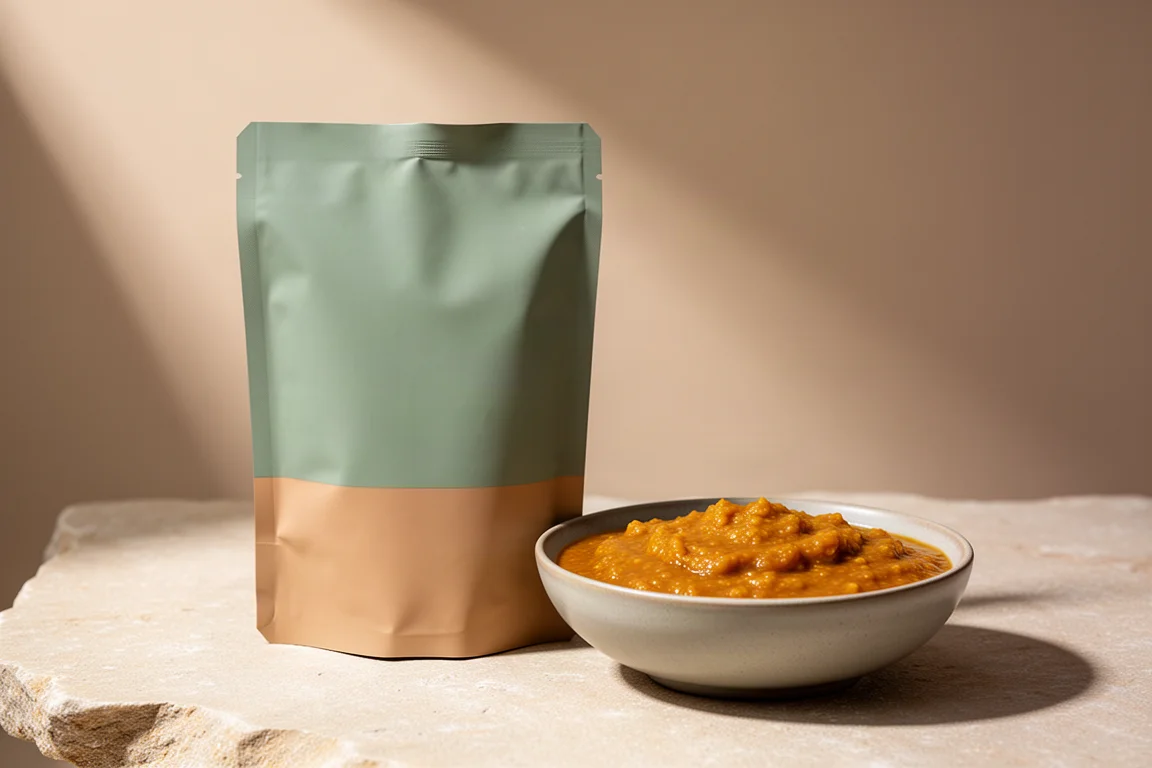
Peak Refuel Dalbot
The dalbot is the vegan option among the new releases, and it fills a real gap for plant-based backpackers who are tired of choosing between a decent meal and a suitable one. It arrives alongside the other two new meals, so there is now a genuinely varied set of choices for a multi-day menu.
If you are building a rotation, a vegan pouch that holds its own on calories and water use is worth slotting in alongside the meat-based favorites, even if you are not strictly plant-based yourself.
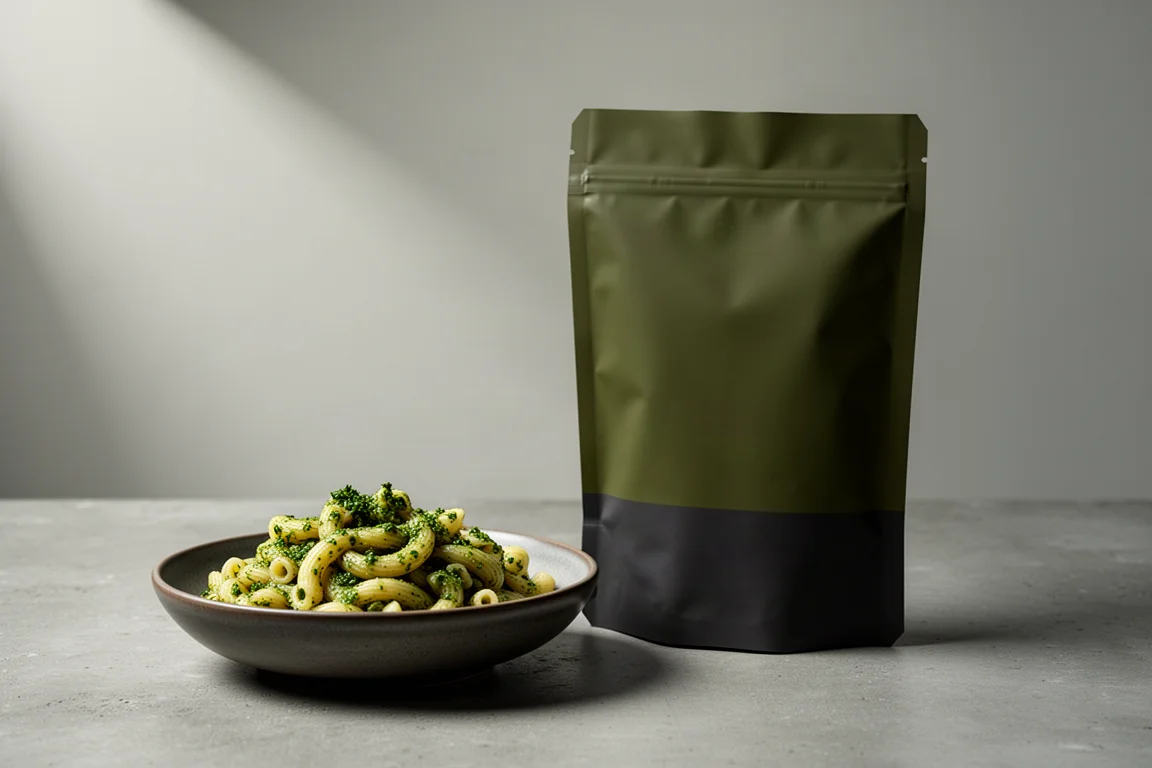
Peak Refuel Chicken Pesto
Chicken pesto is one of the meals that consistently gets named as a favorite, and the reason is partly practical: it rehydrates with only about six ounces of water, making it one of the most water-efficient options in the range. It is also portioned so that a whole pouch feels right rather than like a challenge.
That combination of low water demand and a comfortable serving size makes it a strong candidate for the first night out, when you want dinner to be simple and reliable.
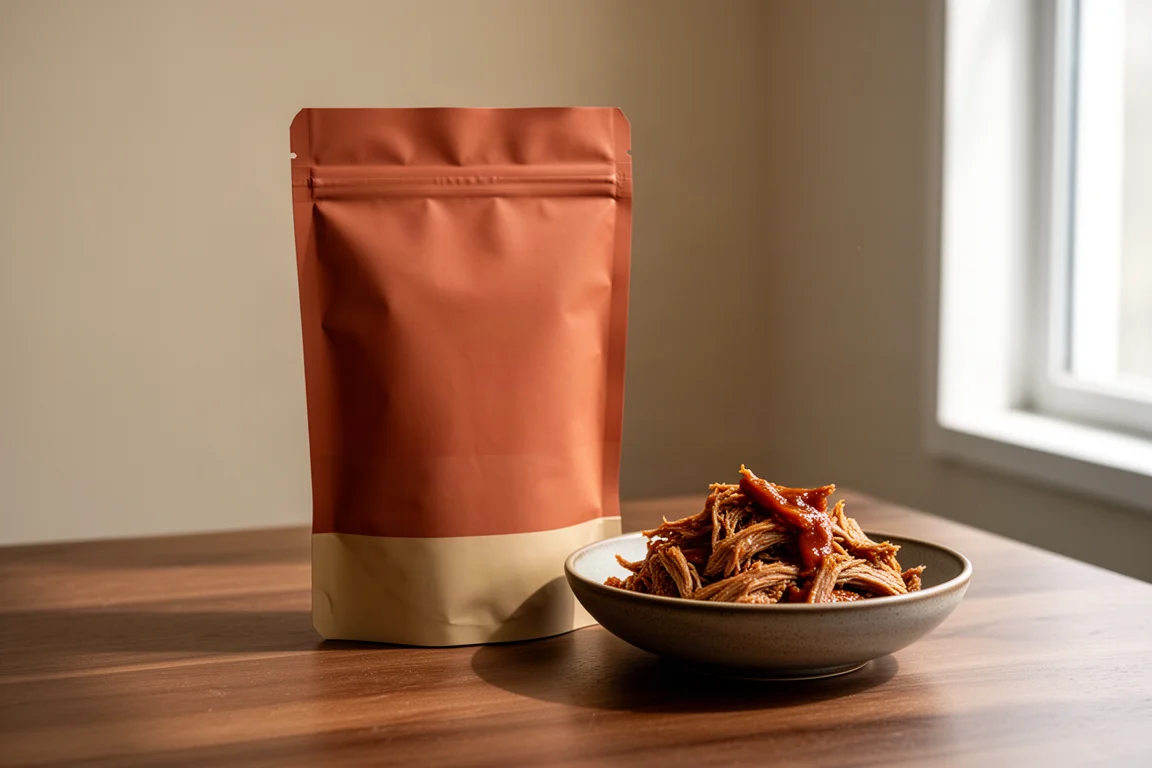
Peak Refuel Sweet Pork
Sweet pork has a following for a different reason: it works as an ingredient as much as a meal. Wrapped in a tortilla with fresh greens, it turns into something closer to real cooking than most trail dinners, and it is a good way to add variety without adding weight.
It follows the same pattern as the rest of the range, with a modest water requirement and enough density to satisfy after a long day on the trail.
Peak Refuel Beef Stroganoff
Beef stroganoff is the meal most likely to be called the favorite overall, and it earns that with a rich sauce and a texture that holds up well after rehydration. It needs only about six ounces of water, which puts it in the same efficient group as the pesto.
If you are choosing a single pouch to try the brand with, this is the one to start with. The water savings and the portion size are both easy to appreciate on a first trip.
Peak Refuel Mountain Berry Granola
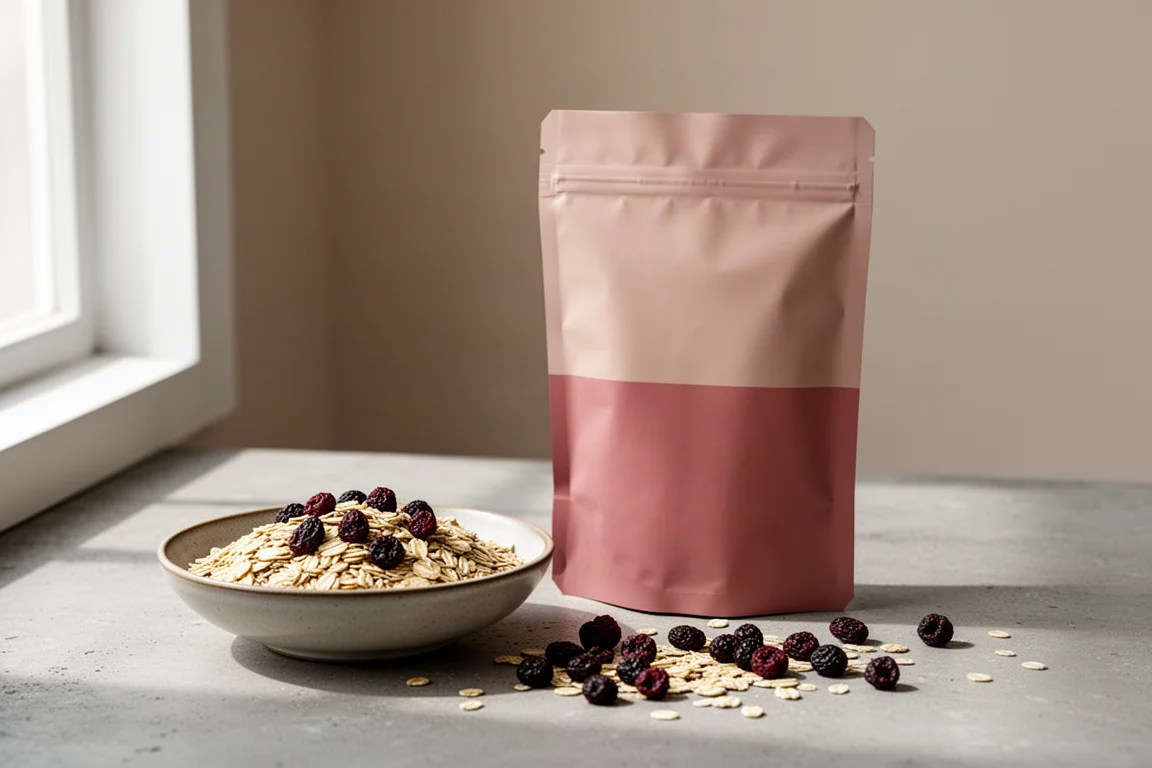
Breakfast is where the water math gets interesting. The mountain berry granola carries 570 calories and rehydrates with anywhere from four to eight ounces of water, depending on how loose you like it. That is a very small amount of water for a full breakfast, which matters on mornings when you want to break camp quickly.
The portion is well judged too, so it does not leave you stuffed before a day of walking.
Peak Refuel Chicken Alfredo
Chicken alfredo rounds out the lineup as a straightforward, familiar option that is portioned just right, in the same way as the granola and the pesto. It is the kind of meal that disappears without drama, which is often exactly what a trail dinner should be.
Choosing the Right Peak Refuel Meal for Your Trip
Two variables should drive your choice: how much water you can spare, and how much food you actually want to eat in one sitting.
On water, the range spans from roughly four ounces for the granola to about one and a third cups for the biscuits and gravy and the curry. In desert terrain or on trips with long carries between sources, favoring the lower-water meals leaves more for drinking.
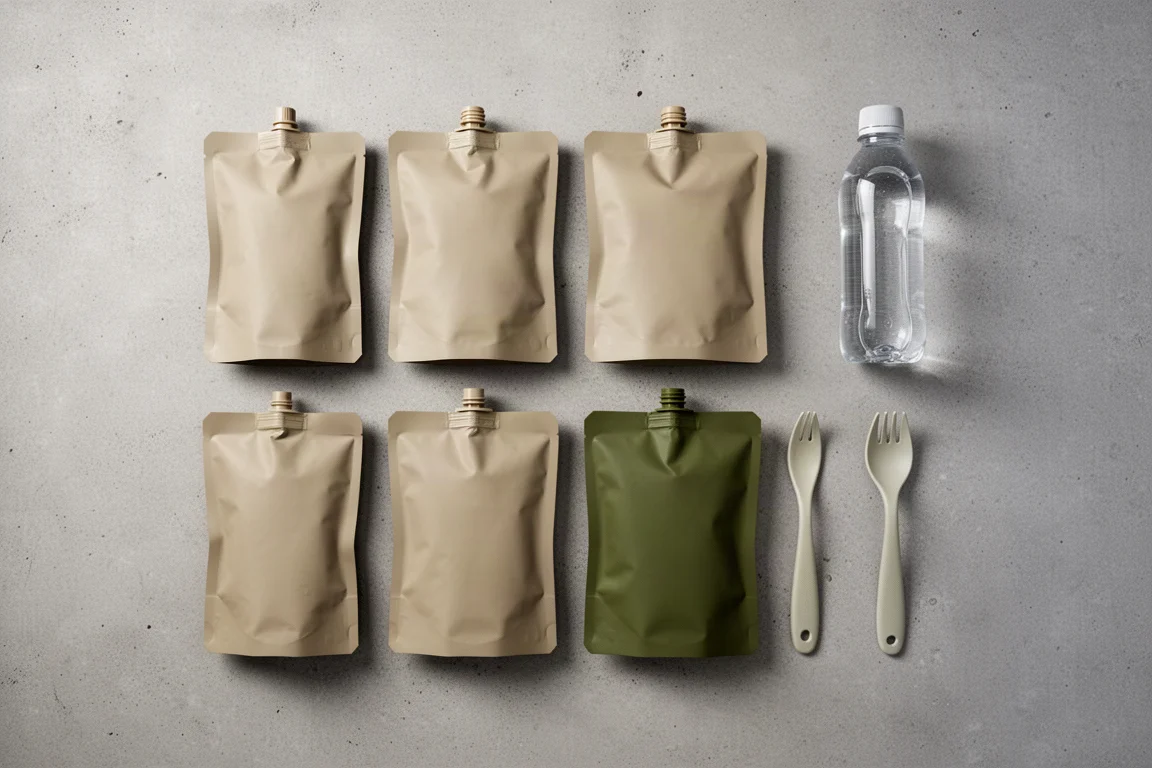
On portions, the granola, the chicken alfredo, and the chicken pesto are sized so a whole pouch feels comfortable. Larger pouches such as the biscuits and gravy are better treated as two servings, split into freezer bags before you leave home.
Cost is worth a mention as well. A pouch runs around twelve dollars, and comparable pouches from other brands have climbed to roughly ten dollars in stores, so the price gap is smaller than it once was. At a two-dollar difference, the nutritional profile and the water savings are the more useful things to weigh.
Conclusion
The three new meals broaden a lineup that was already strong. Biscuits and sausage gravy is the big-appetite option, chicken coconut curry is the one to pack when you want a change of pace, and the dalbot gives vegan backpackers a proper choice.
Among the established meals, beef stroganoff and chicken pesto remain the easiest recommendations for water efficiency and portion control, while the mountain berry granola is the breakfast that asks the least of your water supply. Match the pouch to the trip, split the oversized ones before you go, and the food stops being a compromise.
Further reading
Related Reviews
Backpacking Food
Best Backpacking Food for Thru-Hikes: 7 Options That Stay Appetizing
Seven trail-tested foods that hold their appeal over a long thru-hike, from calorie-dense breakfasts and easy snacks to cold-soak lunches and electrolyte drink mixes.
Backpacking Food
Weird Backpacking Food Worth Trying: 11 Trail Snacks and Meals That Earn Their Weight
Eleven unusual backpacking foods, from tinned spicy mussels and fermented crackers to chocolate-covered banana chips, judged on weight, calories, prep time and flavor.
Backpacking Food
Backpacker's Pantry Dehydrated Meals: 13 Backpacking Dinners Compared
Thirteen Backpacker's Pantry dehydrated meals compared on flavor, texture, portion size, and variety, with clear picks for different trip styles.