Backpacking Food
Best Backpacking Food for Thru-Hikes: 7 Options That Stay Appetizing
Seven trail-tested foods that hold their appeal over a long thru-hike, from calorie-dense breakfasts and easy snacks to cold-soak lunches and electrolyte drink mixes.
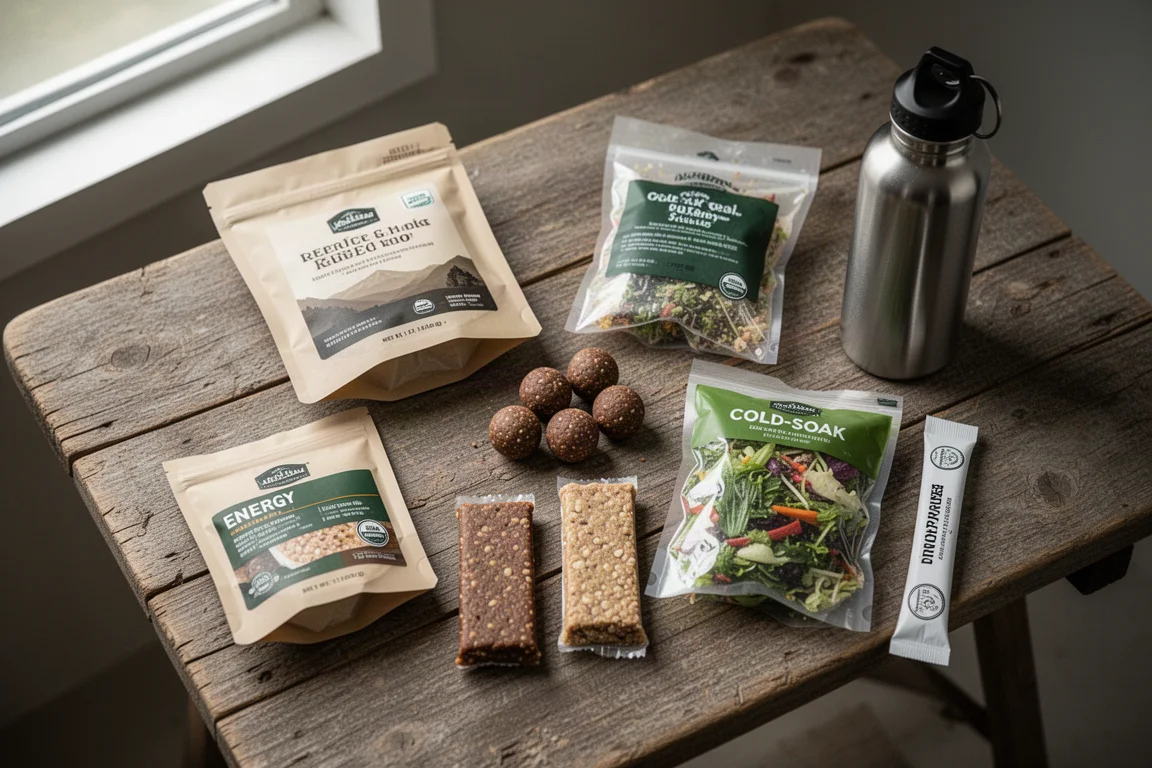
Introduction
Getting tired of the same trail food is one of the most predictable problems on a long-distance hike, and it usually shows up in the second half of a trip. A 36-day thru-hike covering roughly 1,100 kilometres is long enough that appetite, palate, and stomach tolerance all change along the way.
The seven items below stayed appealing across that distance, and each one solves a different part of the daily eating problem: breakfast, snacks, lunch, dinner, and hydration.
What to Look For in Thru-Hike Food
Calorie density is the first filter. On a long trip, every item earns its place by delivering calories for the weight it adds, and the most useful foods pack a lot of energy into a small package. The second filter is variety. Even a good meal becomes hard to face after three weeks, so rotating flavours and formats matters as much as the numbers on the label.
Ease of eating deserves its own category. Hiking hard can leave the stomach unsettled, and a food that goes down easily when nothing sounds good is worth more than a marginally better calorie count. Carbohydrates tend to be the priority for fuelling long days, and electrolytes become important on hot, sweaty sections.
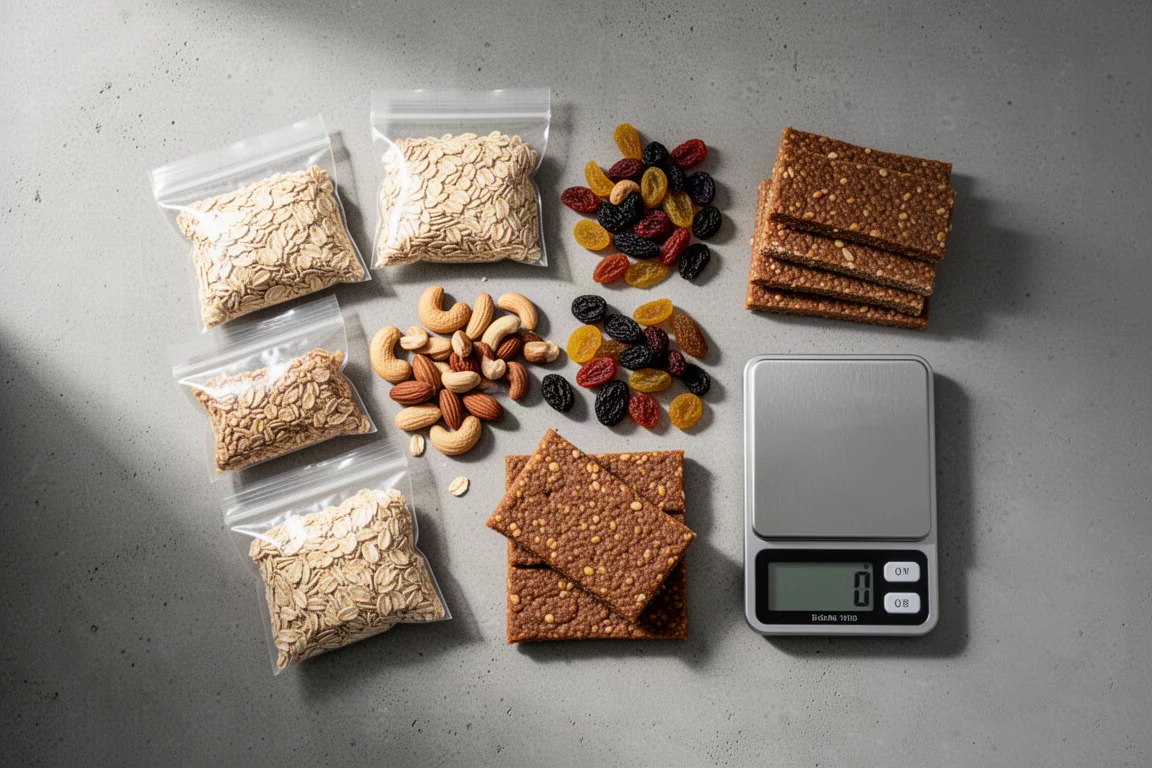
Finally, consider how each meal is prepared. Cold-soak options need only water and time, while cooked meals need a stove and fuel, which makes them a better fit for cold, wet days when a hot dinner is worth the extra effort.
Best Breakfast: Alpine Fuel Caramel Apple
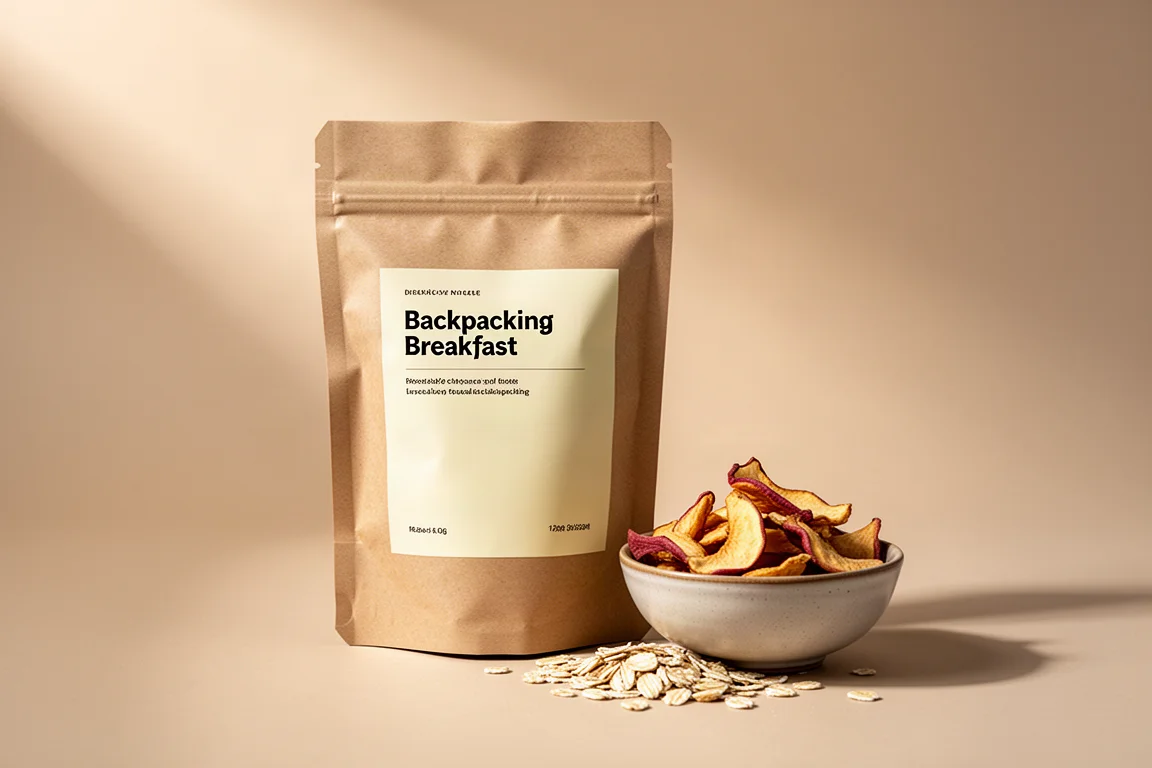
Breakfast is often the hardest meal to eat on trail, especially in the first hour after waking. These meals are built with fruit and powdered milk, which makes them easy to get down when a plain bowl of oats feels like a chore. The caramel apple version is the standout, and the fruit-forward flavours across the range keep breakfast from becoming monotonous.
Each meal provides around 700 calories, which is a strong start to a day. That density makes them a natural choice for the biggest climbing days and for the later stages of a trip, when homemade oatmeal stops being appealing. Keeping a few in reserve for exactly those moments is the way to get the most out of them.
Best Snack: Heather’s Choice Pack Runes
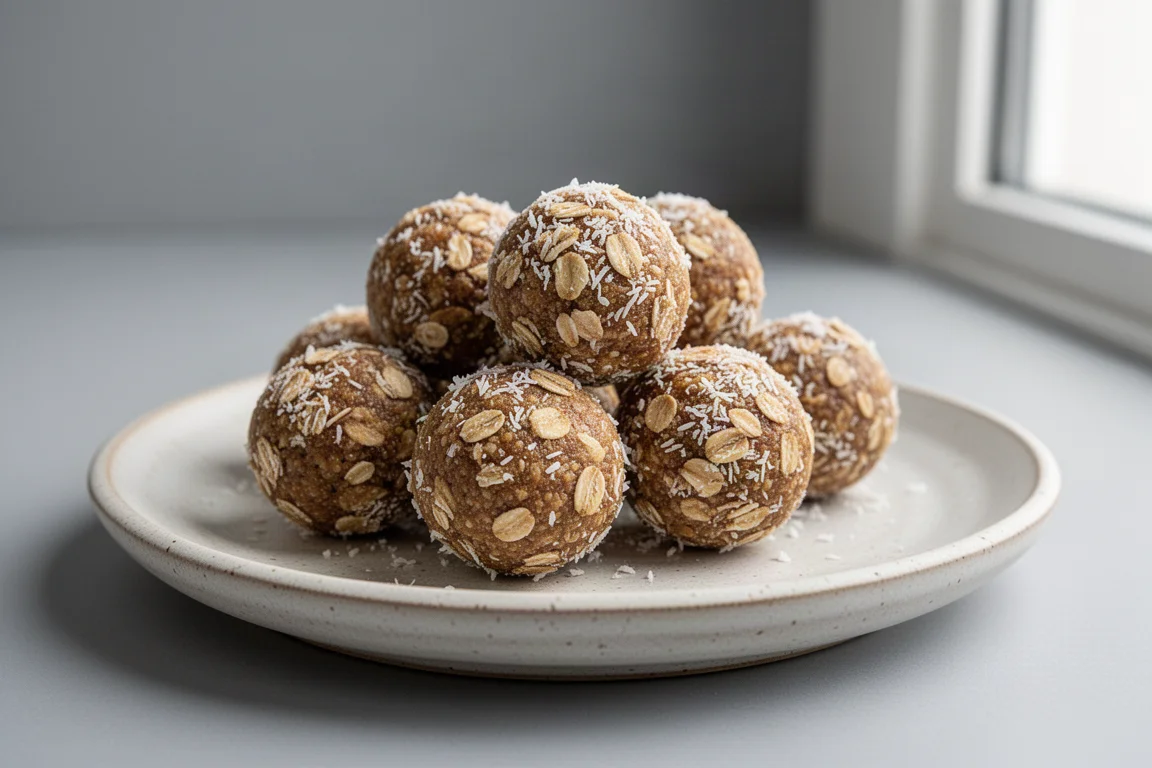
These small, round bites are essentially concentrated calories, and they come in enough flavours that a long trip does not have to repeat the same one. The sweet coconut version is the favourite, with a flavour profile close to a pina colada.
Two things make them especially useful. First, they are light for the calories they carry, which matters when every gram in a food bag is planned. Second, they go down easily when the stomach is unhappy, which happens on hard days. That combination makes them a reliable snack to keep within reach rather than buried at the bottom of a pack.
Best Carb-Focused Bar: Nak Bars
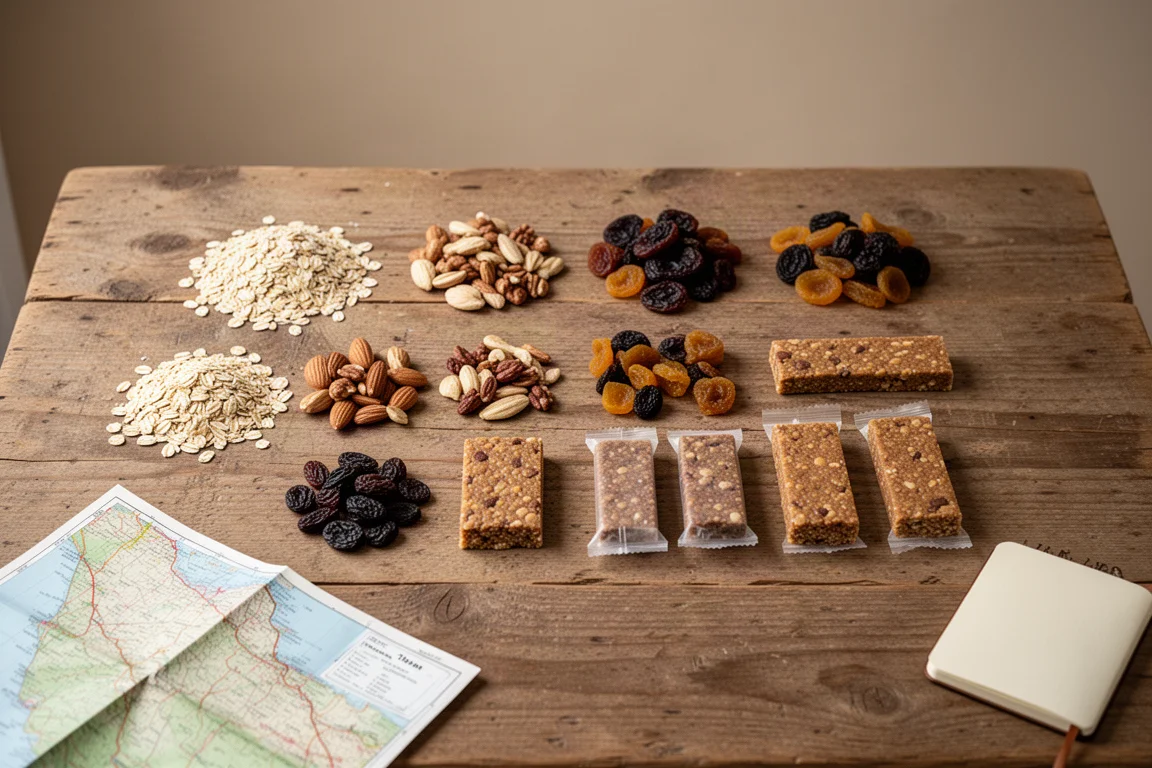
Nak Bars come from a Canadian company and are available in four flavours. Each bar delivers 200 calories with a 4:1 ratio of carbohydrates to protein, which is a deliberate match for the way long hiking days burn fuel. Bars that lean heavily on protein or fat can feel heavy on trail, so the carb-forward balance here is a practical advantage.
They also include electrolytes, which is unusual for a bar and genuinely useful on hot days when sweat losses are hard to replace through food alone. The texture holds up well, which matters because bars are the snack category most likely to become tiresome after a few weeks.
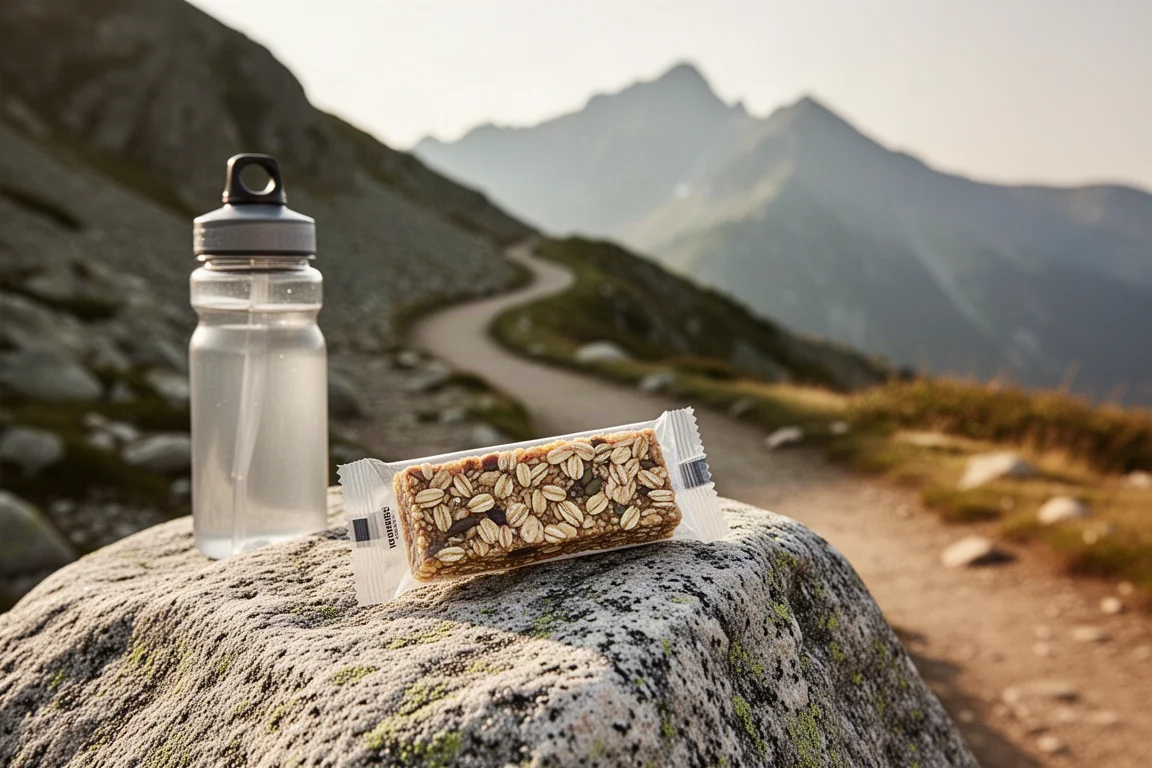
For hikers who have burned out on the usual fruit-and-nut bars, this is one of the better swaps to test before a long trip.
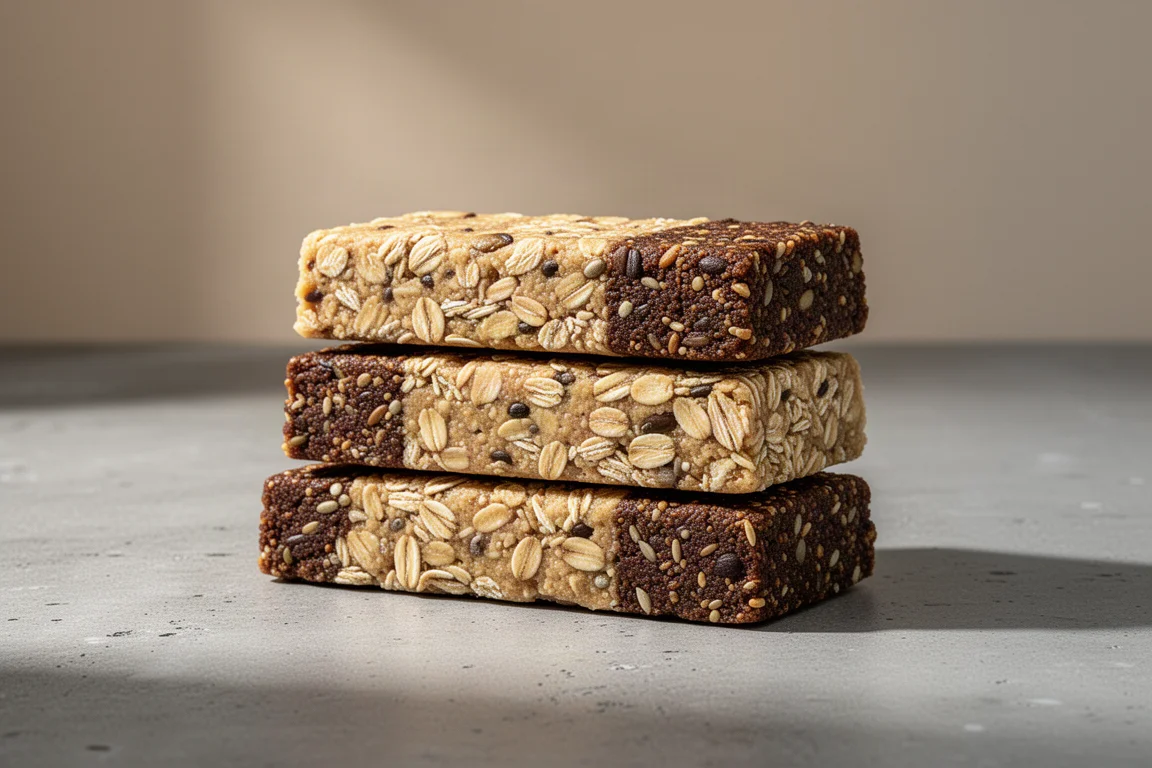
Best Lunch Bar: Green Belly Meal Bars
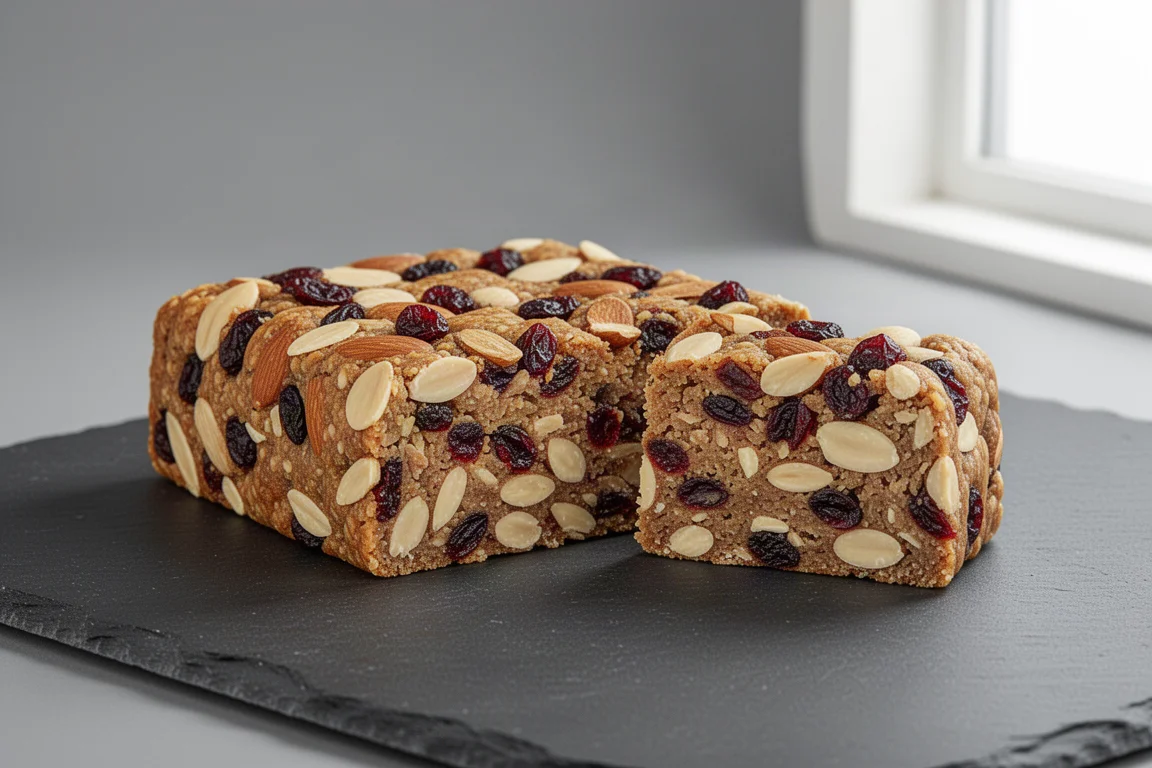
A 700-calorie bar that works as a full lunch is a rare thing, and these held up across roughly half the lunches on a long hike without becoming tiresome. Fruit is part of the recipe, which keeps the flavour fresh, and the texture stays pleasant rather than dense and dry.
The cranberry almond version is the best of the range, largely because it is packed with almonds that add flavour and crunch. Because each bar covers a full meal, lunch stops become fast, which is useful on days when the goal is to keep moving rather than to unpack a stove.
Best Cold-Soak Lunch: Food for the Soul Slaws and Salads
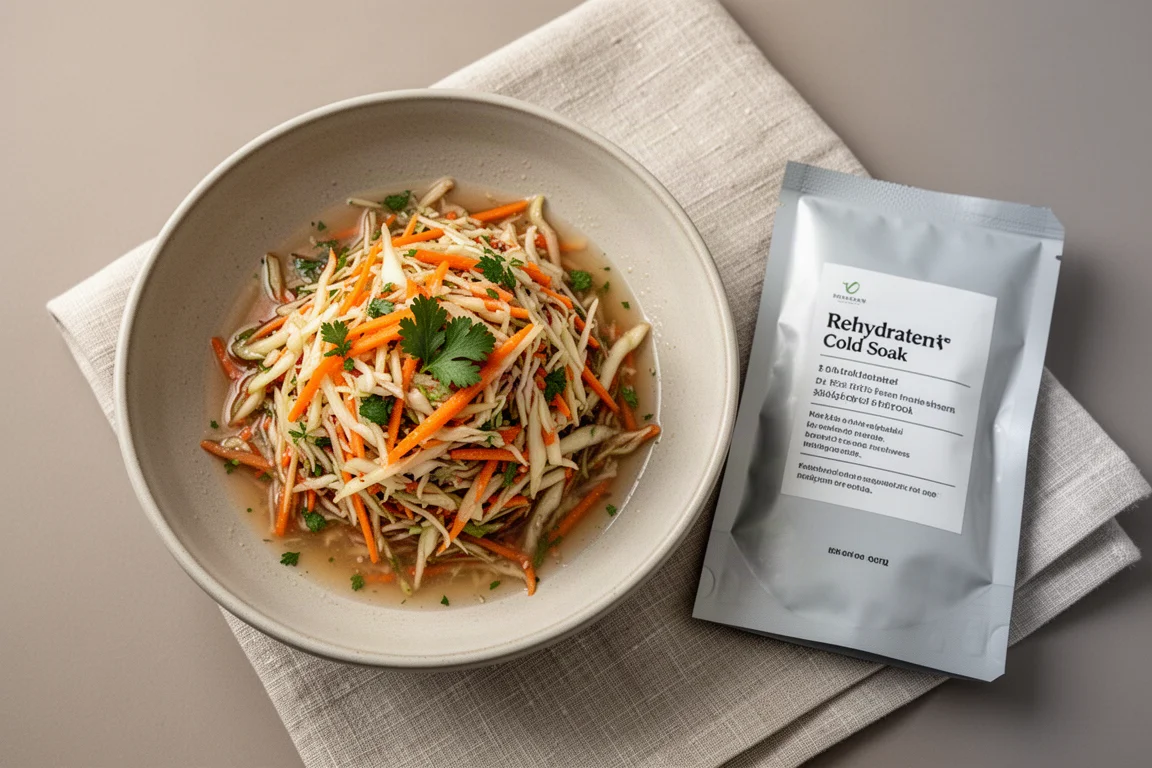
Vegetable-heavy meals are difficult to carry on a long hike, and these slaws and salads solve that problem. They are genuinely vegetable-forward, so lunch feels like real food rather than a nutritional compromise, and they still land around 570 calories per serving.
Preparation is simple: add water about 20 minutes before eating and let the meal cold soak. No stove, no fuel, no cleanup. That makes them a strong midday option on hot days when a cooked meal has no appeal.
Best Hot Meal: Bushka’s Kitchen Hearty Harvest
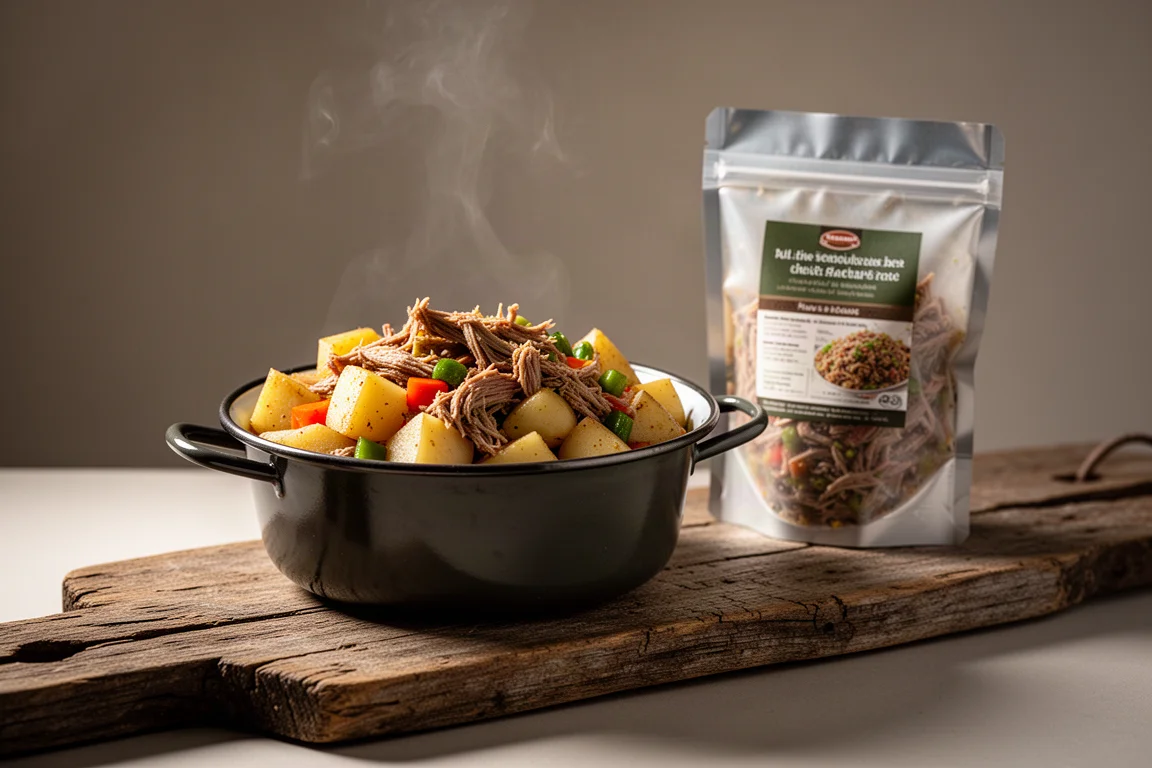
These meals were the best-tasting of the trip, and Hearty Harvest is the clear favourite. It combines potatoes, shredded wild boar, and vegetables into something that tastes like a proper dinner rather than trail food.
The trade-off is that they require cooking, so they suit days when there is time to set up a stove. Around 570 calories per serving is a lighter main meal for a hungry hiker, which makes them a better fit for lunch or for days when a larger dinner is already planned. In cold, snowy, or rainy conditions, a hot meal like this is worth the extra effort.
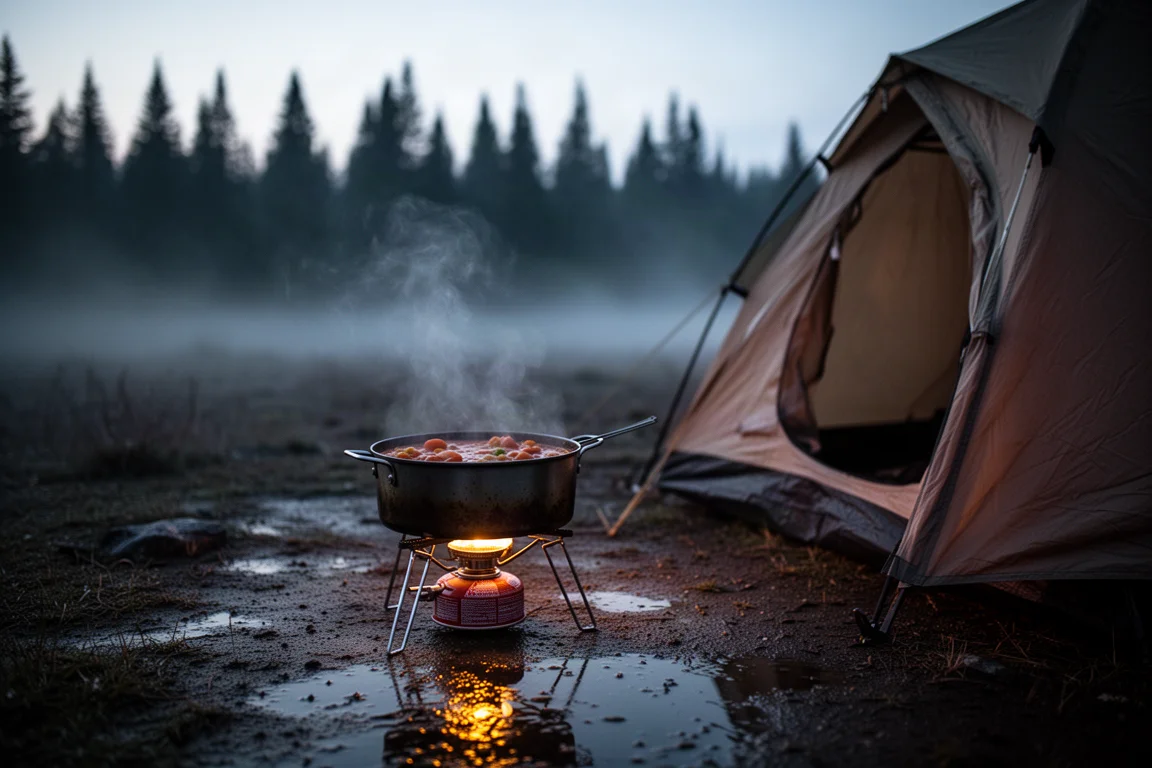
For hikers who want a portion large enough to serve as a full dinner, this is a meal to pair with an additional snack or side.
Best Electrolyte Drink: Tailwind Electrolyte Powder Packets
On hot, sweaty days, replacing electrolytes through food alone is difficult, and this is where single-serve drink packets earn their place. Each packet is torn open and poured straight into a water bottle, and each one adds 200 calories alongside the electrolytes.
Caffeinated and non-caffeinated versions are available, which makes it easy to use the caffeinated packet in the morning and switch to the plain version later in the day. They are not cheap, but on the hardest and hottest days they are close to essential, and the easy calories they provide are a bonus when appetite is low.

How to Build a Thru-Hike Food Plan
The most reliable approach is to treat a food bag as a set of tools rather than a menu. Keep a base of familiar, inexpensive staples, then add variety items that are saved for specific moments: the biggest climbing days, the coldest and wettest days, and the final stretch of a trip when enthusiasm for the original menu fades.
Balance no-cook options against cooked meals. Cold-soak lunches and bar-based lunches keep moving time high, while a cooked dinner gives cold, wet days a morale boost that is hard to measure but easy to feel. Rotate flavours within each category so no single item is eaten often enough to become boring.
Electrolytes belong in the plan as well, not as an afterthought. On hot days, a drink mix that adds both electrolytes and calories is an efficient way to stay on top of hydration and energy at the same time.
Conclusion
None of these seven items is complicated, and that is the point. A calorie-dense breakfast for hard mornings, easy snacks for unsettled stomachs, carb-forward bars for long days, a vegetable-forward cold-soak lunch, a hot dinner for bad weather, and an electrolyte drink for the heat cover the situations a long hike actually produces. Built around those roles, a food bag can stay appealing from the first day to the last.
Further reading
Related Reviews
Backpacking Food
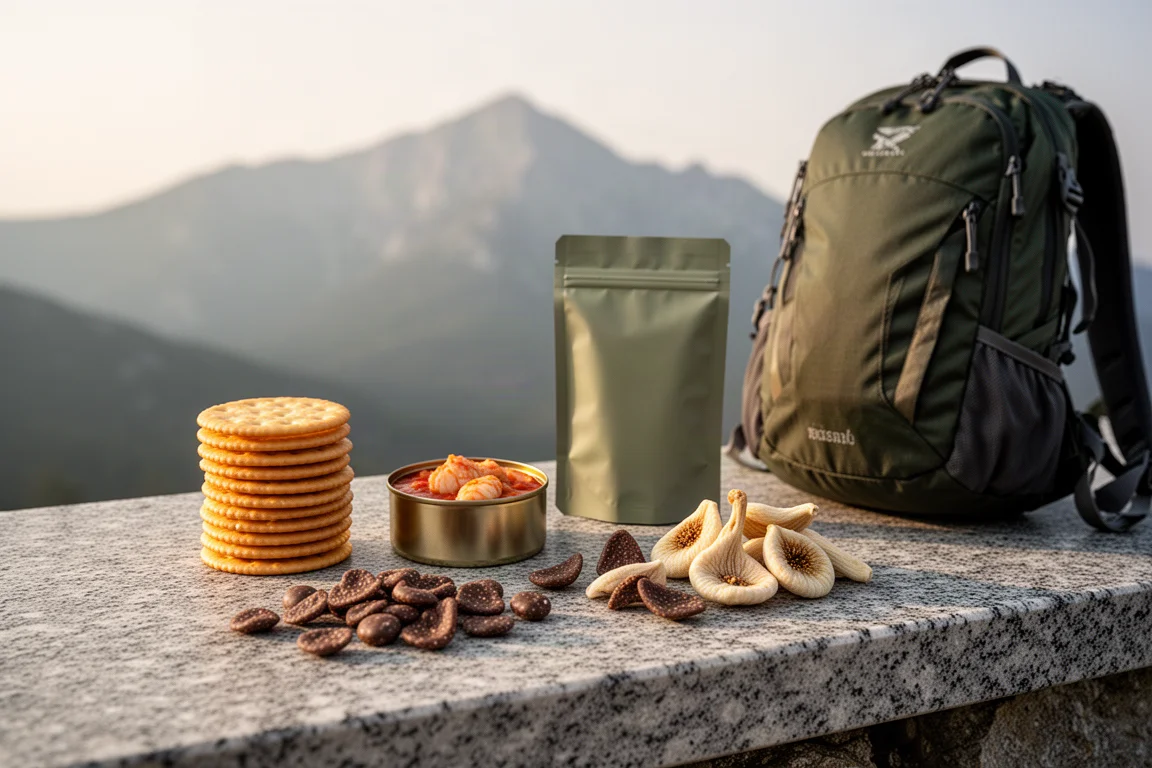
Weird Backpacking Food Worth Trying: 11 Trail Snacks and Meals That Earn Their Weight
Eleven unusual backpacking foods, from tinned spicy mussels and fermented crackers to chocolate-covered banana chips, judged on weight, calories, prep time and flavor.

Backpacking Gear
Building a 10 lb Base Weight: An Ultralight Backpacking Gear List
A practical walkthrough of the ultralight pieces behind a 10 lb base weight, from a 765 g pack and a roomy one-person tent to a full camp chair and a dependable water filter.

Road Bikes
10 New Road Bikes Worth Watching: Aero, Titanium, Steel and Endurance Standouts
A practical roundup of 10 new road bikes, from aero flagships chasing single-watt gains to titanium, steel and endurance platforms built for real roads.