Outdoor Gear
Patagonia Torrentshell vs Frogg Toggs Ultralight: What the Price Gap Actually Buys
A roughly $180 three-layer shell against a $20 two-layer emergency jacket. Here is where the money goes, and which one fits the way you actually hike.
Introduction
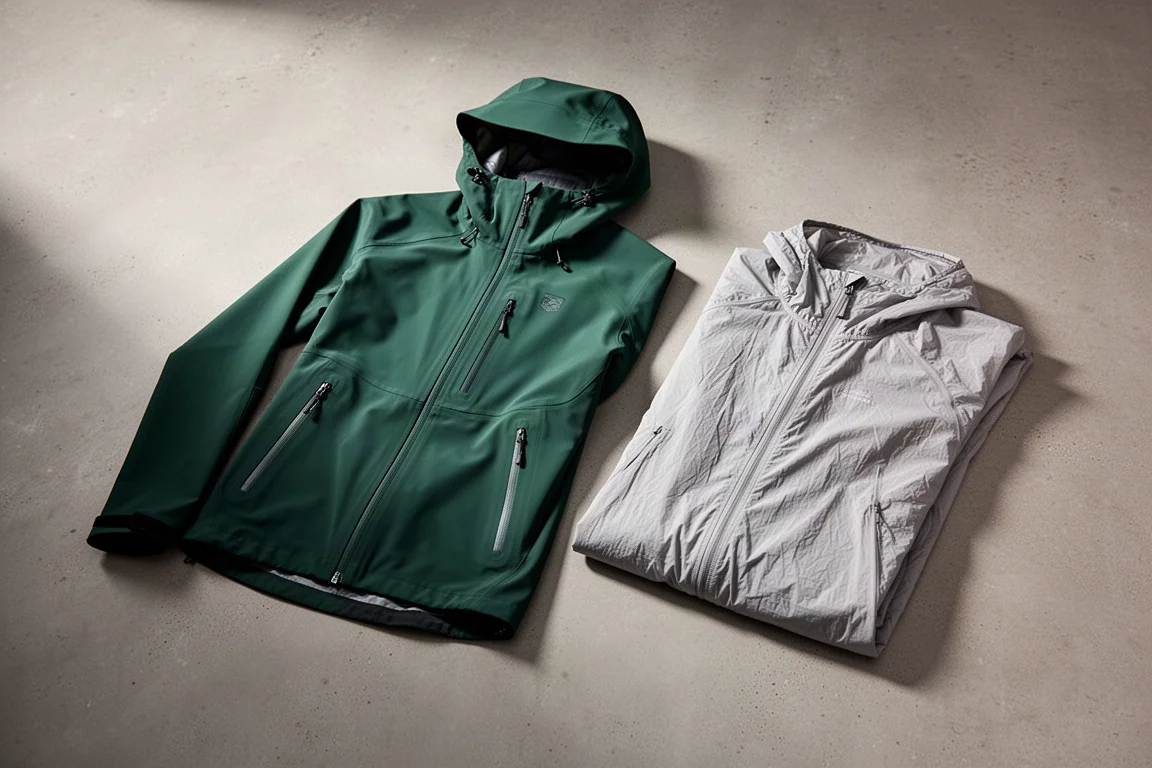
Two rain jackets, two very different price points. The Patagonia Torrentshell sits at roughly $180, while the Frogg Toggs Ultralight costs around $20. Both are highly regarded within their own categories, which is exactly why the comparison is interesting: can a jacket that costs a fraction of the price keep you just as dry?
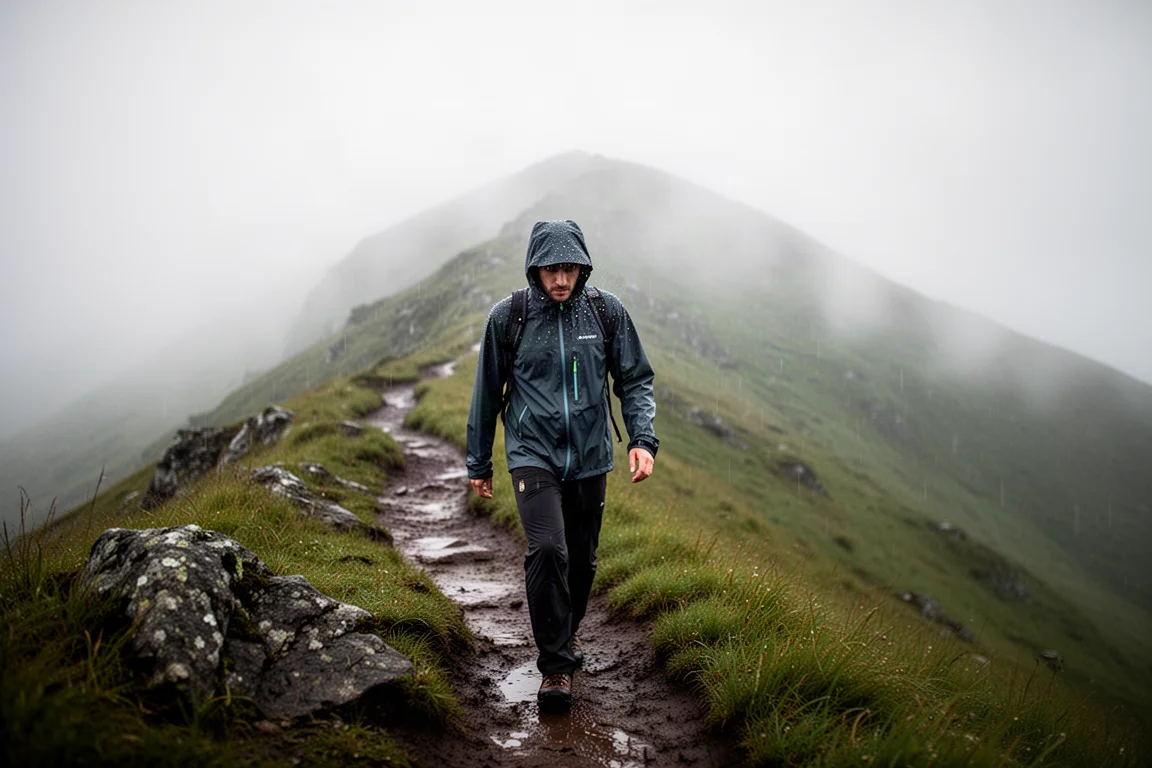
Both jackets were worn through the same stretch of genuinely miserable weather, starting in steady rain and finishing in falling snow. The differences showed up quickly, and they were not about whether the jackets shed water. They were about hoods, fit, fabric durability, and how long each jacket is realistically meant to last.
How These Two Rain Jackets Compare
The headline numbers frame everything else. The Torrentshell weighs 12.8 ounces and uses a three-layer waterproof construction. The Frogg Toggs weighs 5.5 ounces and uses a two-layer laminate. One has pockets, pit zips, adjustable cuffs, a drawcord hem and a shaped, brimmed hood. The other has a hood drawcord and a basic zipper.
The short version: the Patagonia is built to be worn through sustained bad weather for years, while the Frogg Toggs is built to be carried and forgotten until the sky opens.
Patagonia Torrentshell Rain Jacket: A Durable Shell for Sustained Rain
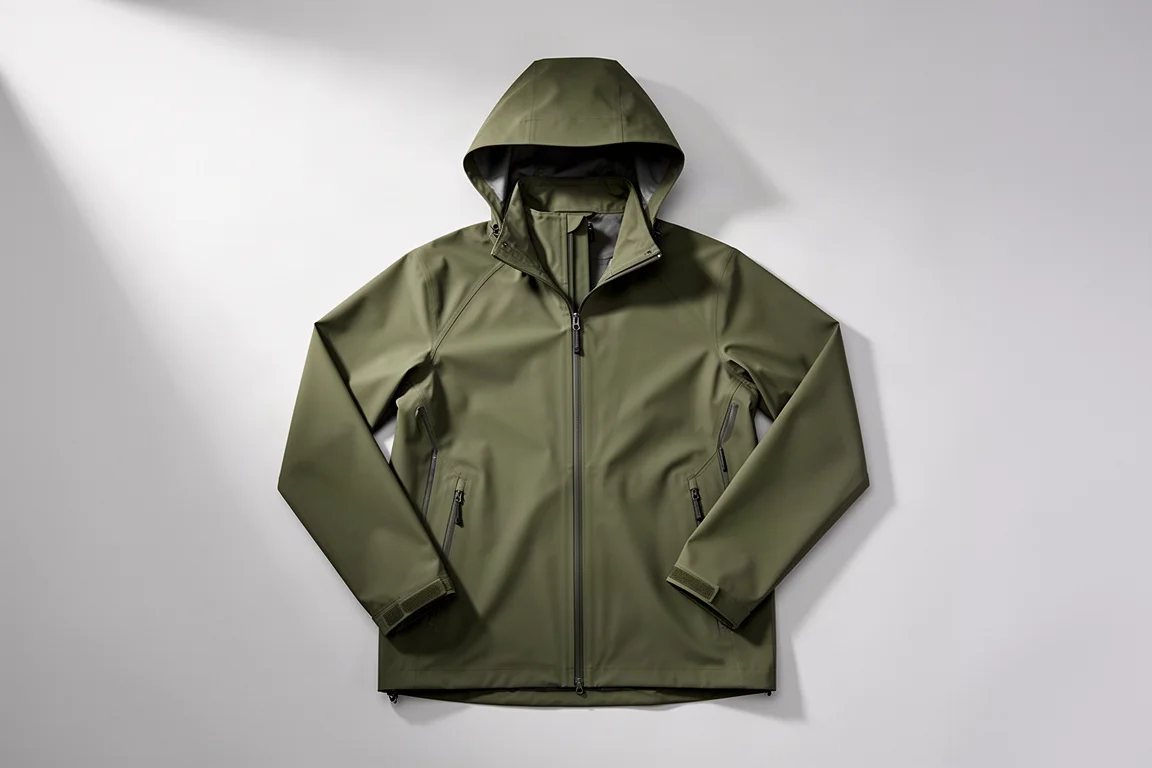
At around $180 and 12.8 ounces, the Torrentshell is positioned as a long-term layer rather than a stopgap. Its three-layer build bonds a porous membrane between an inner lining and a woven face fabric that is finished with a durable water repellent treatment. That woven outer face is the part that makes the jacket tough, because woven fabric resists abrasion far better than a thin film.
In mixed rain and snow it stayed dry and comfortable, and the details did the heavy lifting. The hood has a stiff brim that lets water fall away from the face instead of running down it. The cuffs are adjustable, the hem has a drawcord, there are two hand pockets, and pit zips let you dump heat when the pace picks up. The body and sleeves are also cut noticeably longer than the Frogg Toggs, which keeps water from running past the hem and into your gloves.
The trade-offs are weight and price. At 12.8 ounces it is more than twice as heavy as the ultralight option and costs many times more. What that spend buys is a jacket intended for downpours, season after season, rather than a single emergency.
Frogg Toggs Ultralight Rain Jacket: Minimal Weight, Minimal Features
At around $20 and 5.5 ounces, the Frogg Toggs Ultralight takes the opposite approach. It uses a two-layer laminate with a non-woven face material. Because that material has no pores, it is waterproof on its own. The catch is that it tears easily. On its first outing, a hole appeared almost immediately when the storm flap caught in the zipper teeth.
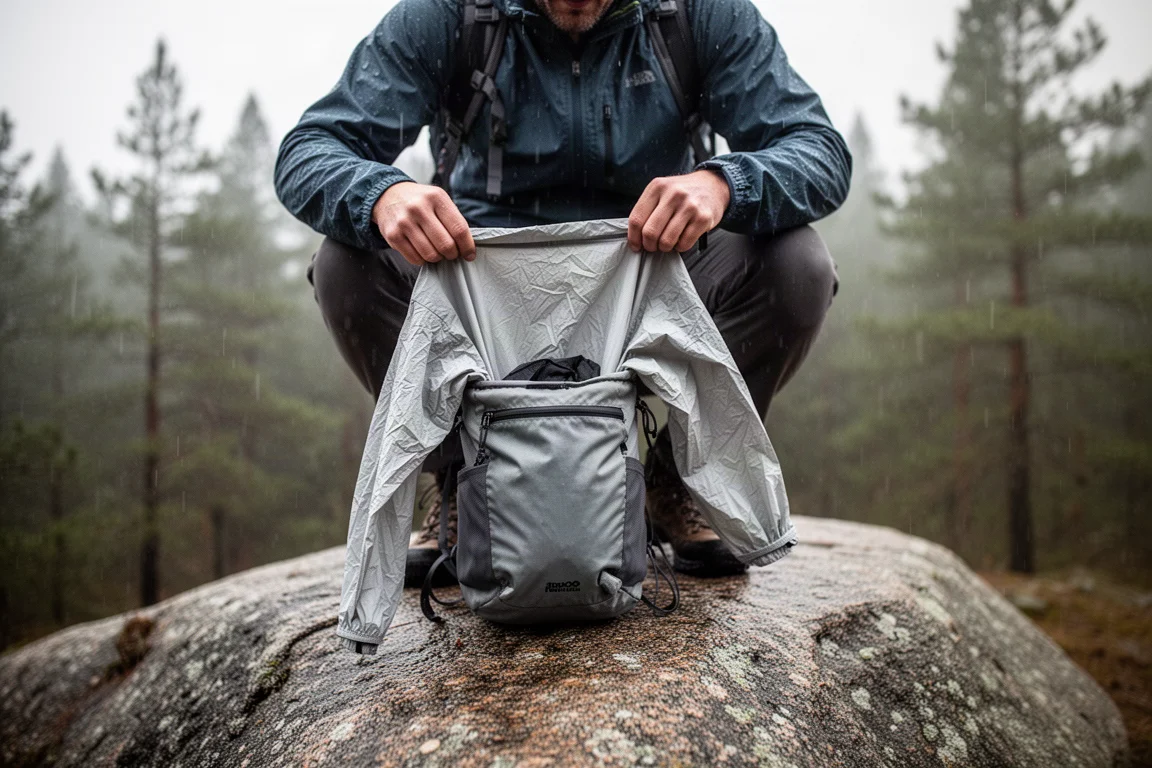
The feature list is deliberately short: a drawcord on the hood and a simple zipper, and that is all. There are no pockets, so there is nowhere to warm your hands, and the sleeves cannot be adjusted. The hood has no brim and does not cover a hat, so in proper rain water lands on your face and runs down into the collar. The jacket is also not breathable, which matters little in cold drizzle and a great deal on a hard climb.
Fit is unusual. It runs large, so sizing down seems sensible at first, but the body is short while the sleeves stay long and loose. Judged as an emergency layer that lives in a pack and comes out when the forecast turns, it makes a lot of sense.
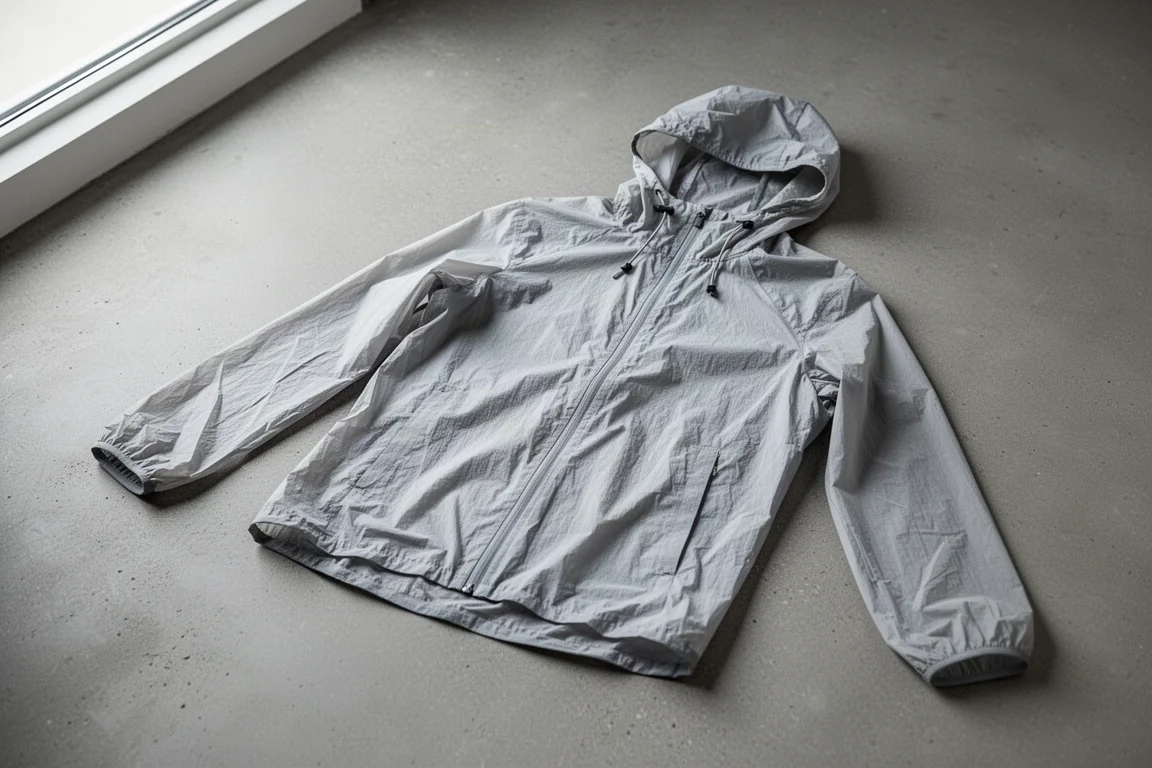
Fit, Hood, and Comfort in the Field
Fit was the clearest dividing line. The Torrentshell sat properly on the shoulders, with a longer body, longer sleeves, and cuffs that could be cinched down over gloves. The hood stayed comfortable and kept the face dry, so there was little reason to think about the jacket at all, which is the highest compliment a rain layer can receive.
The Frogg Toggs felt like a form-fitting poncho with sleeves, and it was baggy in the arms while running short in the torso. Without adjustable cuffs or pockets, hands ended up balled into fists inside gloves, and the sleeves were not quite long enough to tuck them away. In light snow and drizzle this was tolerable. In a real downpour, the exposed head and face would have been the weak point long before the fabric was.
Waterproofing and Breathability: Where the Money Goes
The price gap is mostly about how each jacket keeps you dry. A three-layer construction pairs an inner lining, a laminated membrane, and a woven outer face. The membrane is porous: the pores are too small for raindrops to pass through but large enough for water vapor to escape, so sweat can move outward while rain stays out. The woven face is treated with a durable water repellent finish, which helps water bead and roll off instead of soaking the outer fabric.
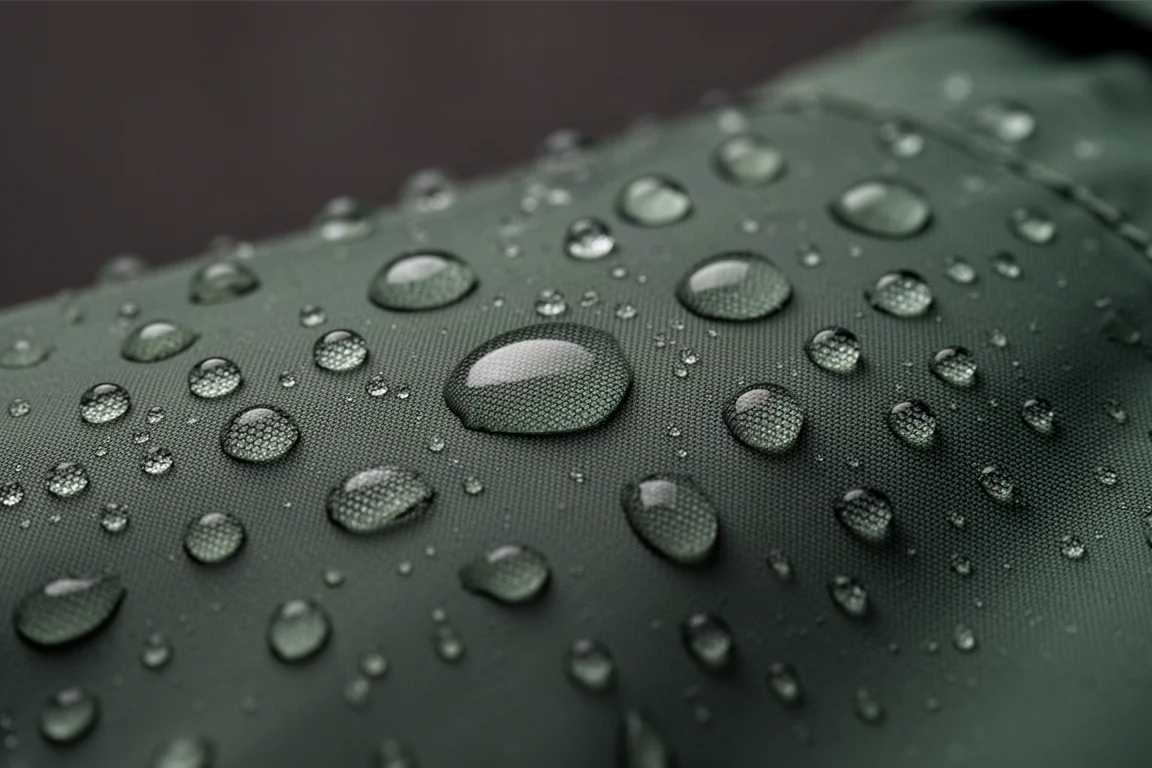
A two-layer laminate with a non-woven face works differently. The material itself has no pores, so it blocks water completely, but it offers no meaningful breathability and very little resistance to abrasion. That is why the two jackets behave so differently over time, and why the money is not really going toward pockets. It is going toward a membrane and a face fabric that hold up to repeated use.
Durability and Long-Term Value
Durability is the strongest argument for the higher price. One jacket is designed to be a long-lasting, downpour-ready layer that stays in rotation for many years. The other is designed to be inexpensive, light, and replaceable, and it showed the first signs of wear within minutes of being worn.
That said, $180 is not the only sensible answer. There are plenty of capable rain jackets in the $100 to $150 range that should outlast the Frogg Toggs without matching the Torrentshell’s price. If you want a shell that will hold up for years but the top-tier price is hard to justify, that middle band is where to look.
Buying Advice: Matching the Jacket to the Trip
The Frogg Toggs Ultralight is the right call when the job is insurance rather than protection. It suits an emergency layer in a daypack, a just-in-case jacket for an iffy forecast, and anyone counting grams, including ultralight backpackers who accept the durability trade-off. It is also popular with fishers and hunters who want inexpensive rain protection they can pull on when the weather turns. At $20 and 5.5 ounces, it is easy to justify.
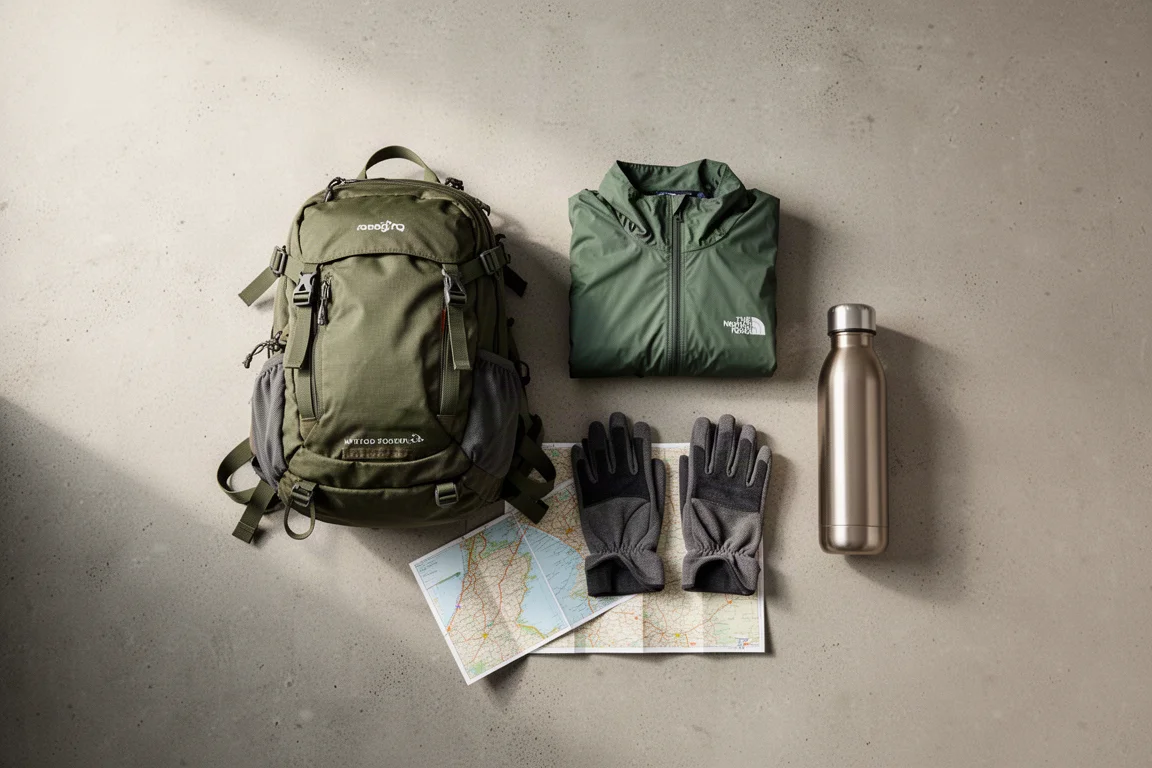
The Patagonia Torrentshell is the better choice if you hike regularly in wet weather and want a jacket you do not have to think about. Pockets, pit zips, an adjustable hood and cuffs, a longer cut, and a brim that keeps rain off your face all add up over a long, cold day, and the construction is meant to last. If your trips reliably involve sustained rain rather than the occasional shower, the higher price is buying comfort and years of service rather than a label.
Conclusion
These two jackets are not really competitors. One is a durable, three-layer shell for people who spend real time in bad weather. The other is a $20, 5.5-ounce emergency layer that earns its place by being light enough to carry without a second thought. Buy the Frogg Toggs to keep in your pack, and buy the Torrentshell, or a solid $100 to $150 alternative, if rain is a routine part of your plans rather than a surprise.
Further reading
Related Reviews
Outdoor Gear
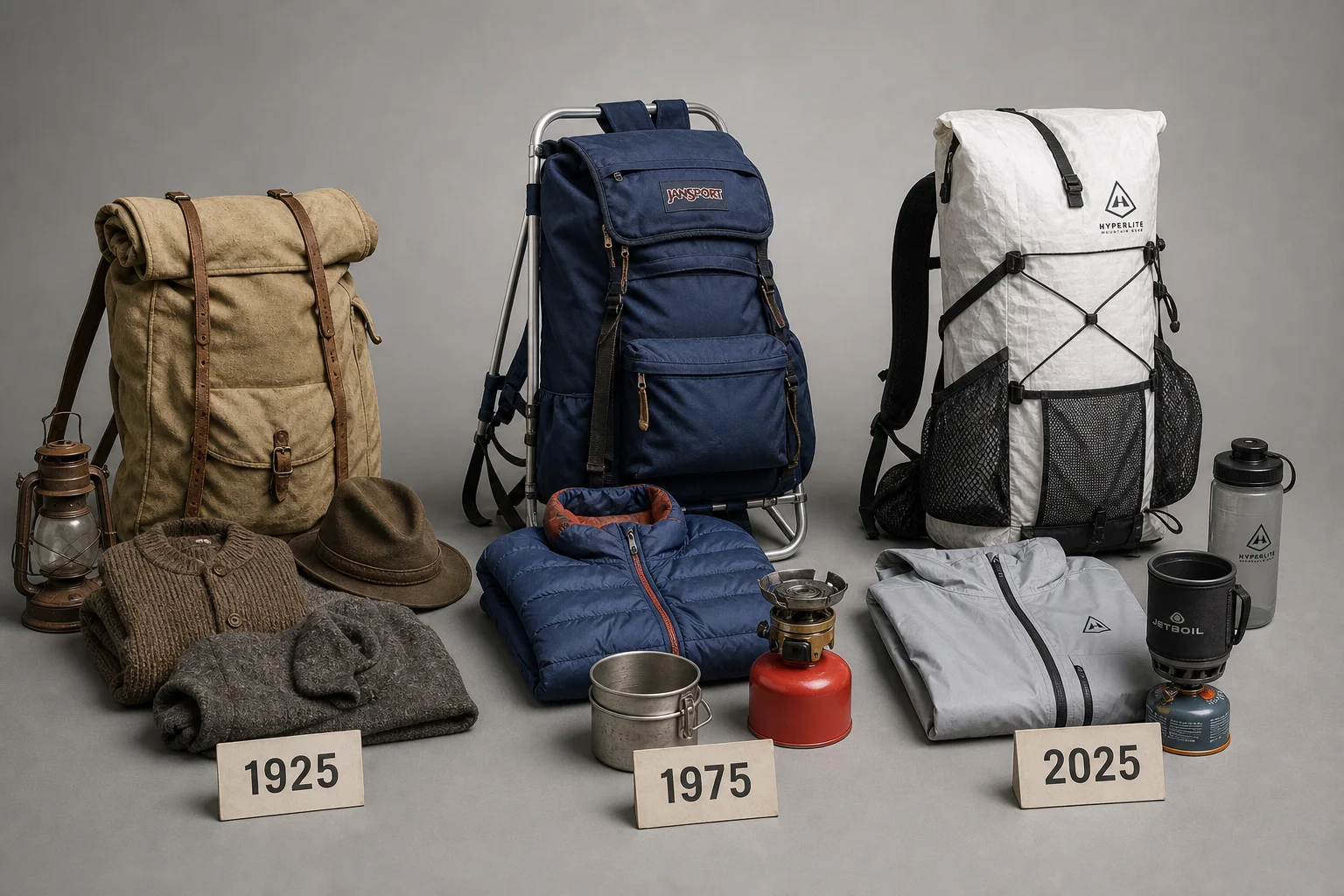
Backpacking Gear Evolution: 100 Years of Technology Compared
We tested backpacking gear from 1925, 1975, and 2025 across a three-day hike in Yosemite. Here's how technology has transformed comfort, weight, and the outdoor experience.
Outdoor Gear
Best Affordable Hiking Watches: Five Rugged Options for Outdoor Adventures
Five durable hiking watches that balance ruggedness, functionality, and value for outdoor enthusiasts who need reliable GPS tracking and weather resistance.
Outdoor Gear
Best Backpack Coolers 2026: Five Practical Options for Outdoor Adventures
Five backpack coolers with distinct cooling capabilities, storage features, and design trade-offs to help you choose the right one for your outdoor needs.