Outdoor Gear
Patagonia Torrentshell vs Frogg Toggs Ultra-Lite: What a $180 Rain Jacket Actually Buys You
A practical comparison of a three-layer rain shell and a $20 packable jacket, covering construction, fit, hood design, and the conditions each one handles best.
Introduction
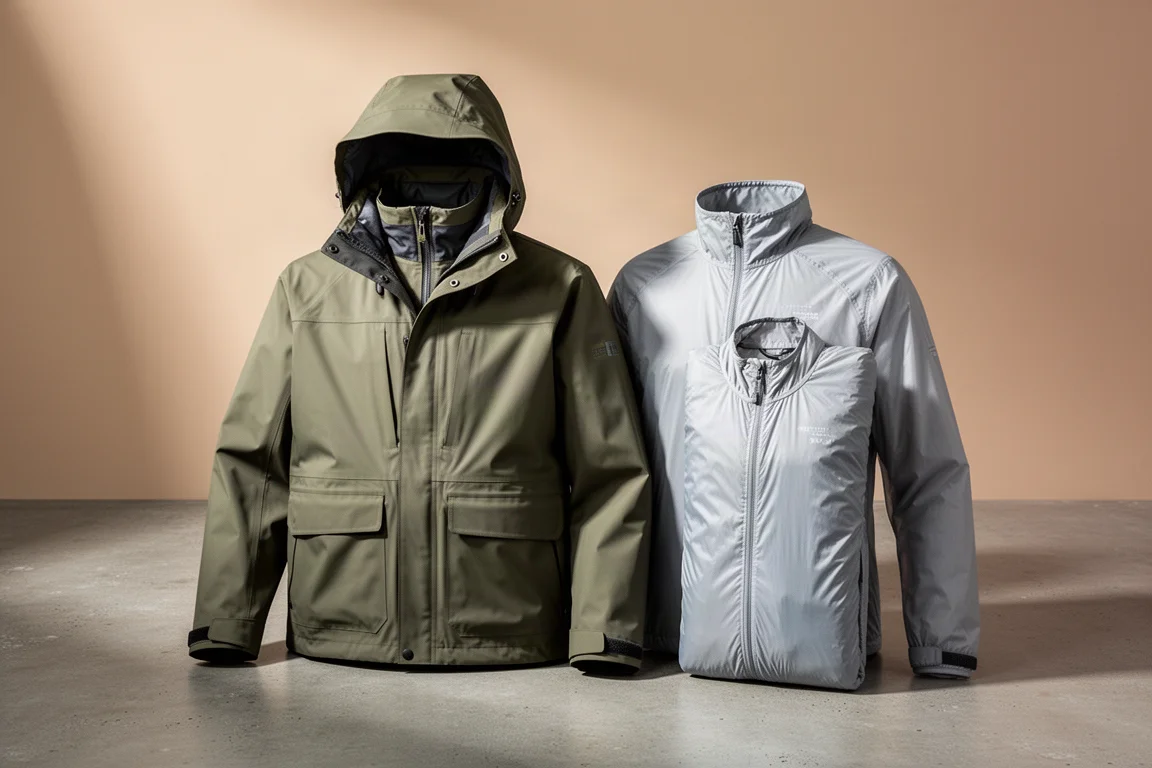
A rain jacket is one of the few pieces of outdoor gear where the price range is genuinely enormous. Two of the most widely discussed options sit at opposite ends of it: a three-layer shell that sells for around $180, and an ultralight packable jacket that costs roughly $20. Both promise to keep the rain off you, and both have loyal followings for very different reasons.
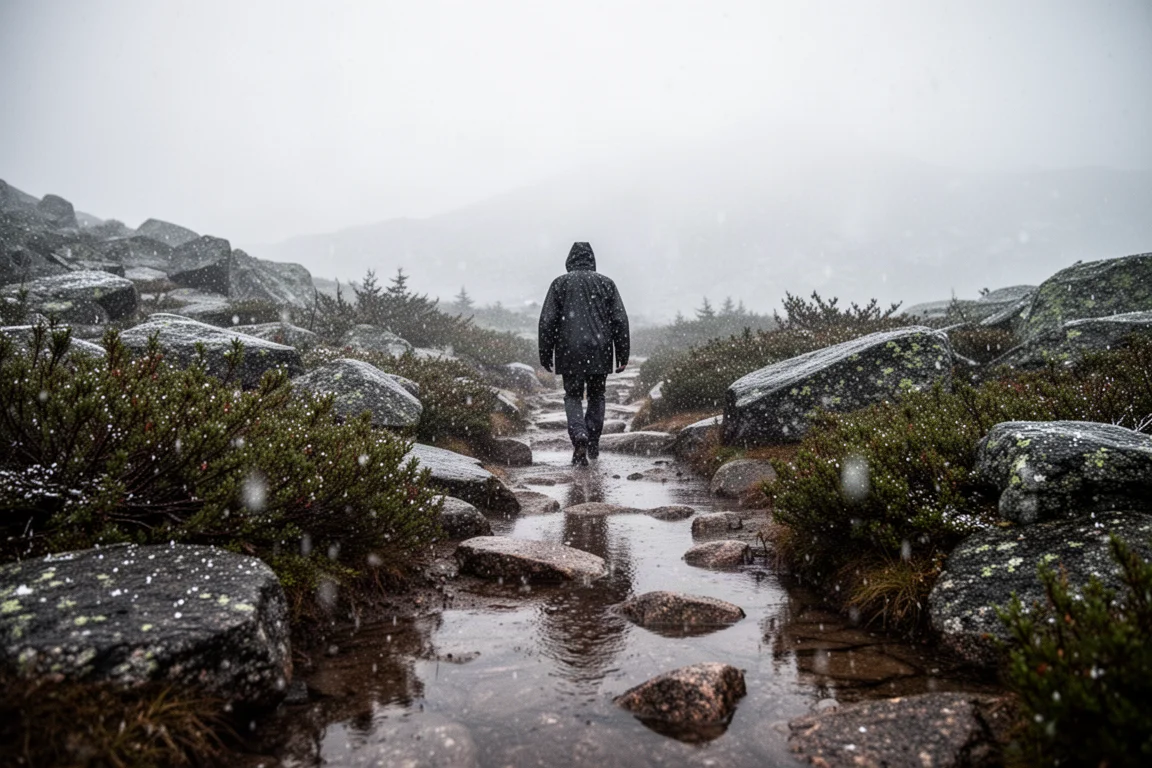
The useful question is not which jacket is better in the abstract. It is what the extra money actually buys, and whether the inexpensive option covers the trips you personally take. To find out, both jackets were worn on a cold hike that began in heavy rain and shifted into snow, with a mile logged in each.
What follows is a straightforward look at construction, features, fit, and the weather each jacket handles well, so you can judge which side of the price gap matches your own habits.
What Separates These Two Rain Jackets
The gap starts with how each jacket is built. The higher-priced shell uses a three-layer waterproof construction. A lining sits against your skin, a membrane is laminated to it, and a woven face fabric sits on the outside. The membrane is porous, with pores too small to let raindrops through but large enough to let water vapor escape. The woven outer fabric is treated with a durable water repellency finish, and woven material is what gives the jacket its long-term durability.
The lower-priced jacket uses a two-layer laminate. Its outer face is a non-woven material, which is waterproof in itself because it has no pores at all. The trade-off is strength: non-woven fabric tears easily.
Weight and price follow the same split. The three-layer shell weighs 12.8 ounces and costs around $180. The two-layer jacket weighs 5.5 ounces and costs around $20.
Patagonia Torrentshell Rain Jacket
The Torrentshell is the heavier, more structured option, and it feels that way as soon as you put it on. The fabric has a substantial hand to it, and the feature set covers the details that matter over a long day outside: adjustable cuffs, two hand pockets, pit zips for venting when you are working hard, a draw cord hem, and an adjustable hood.
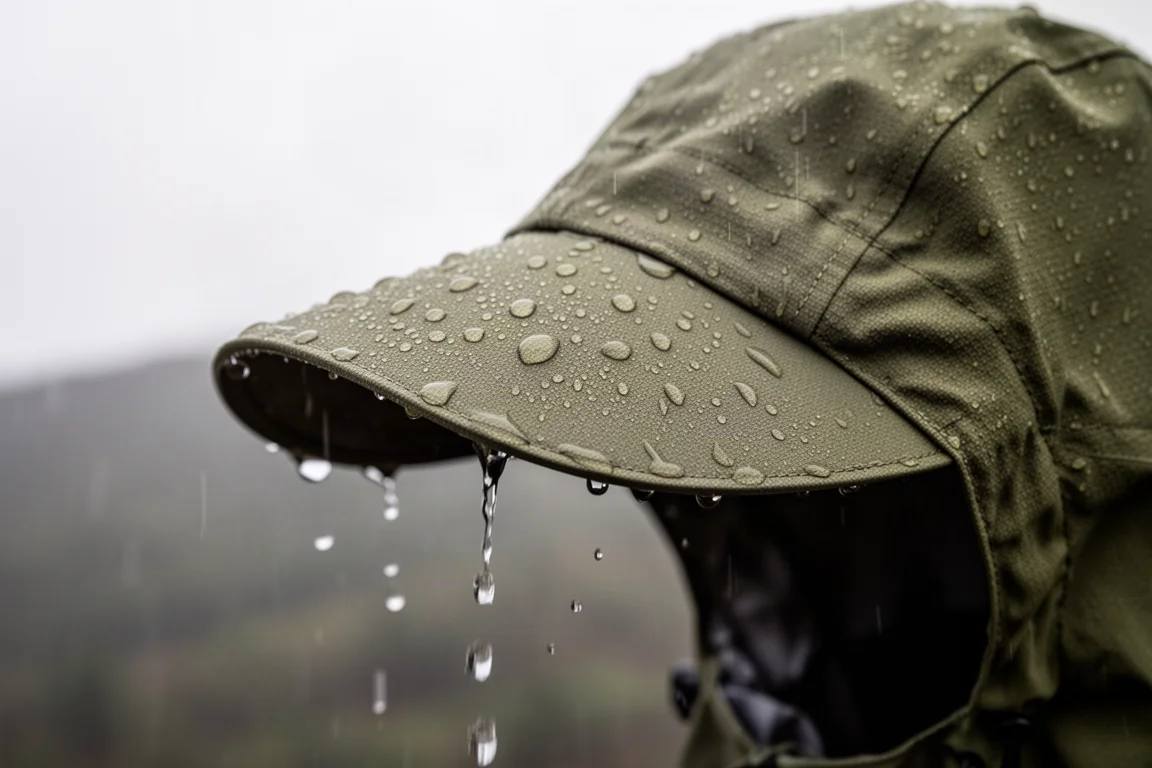
The hood deserves particular attention. It has a stiff brim that projects over the face, so rain runs off the front of the hood instead of landing on your skin. On a cold hike that moved from rain into snow, that single detail kept the face dry while the weather worsened.
Fit is the other clear strength. The body is longer and the sleeves are longer, which keeps coverage where you want it when you are moving. Adjustable cuffs close the gap at the wrists, and the pockets double as a place to warm your hands when temperatures drop. The jacket stayed dry through sustained precipitation and remained comfortable, though a hard climb will still leave you warm inside it.
Frogg Toggs Ultra-Lite Rain Jacket
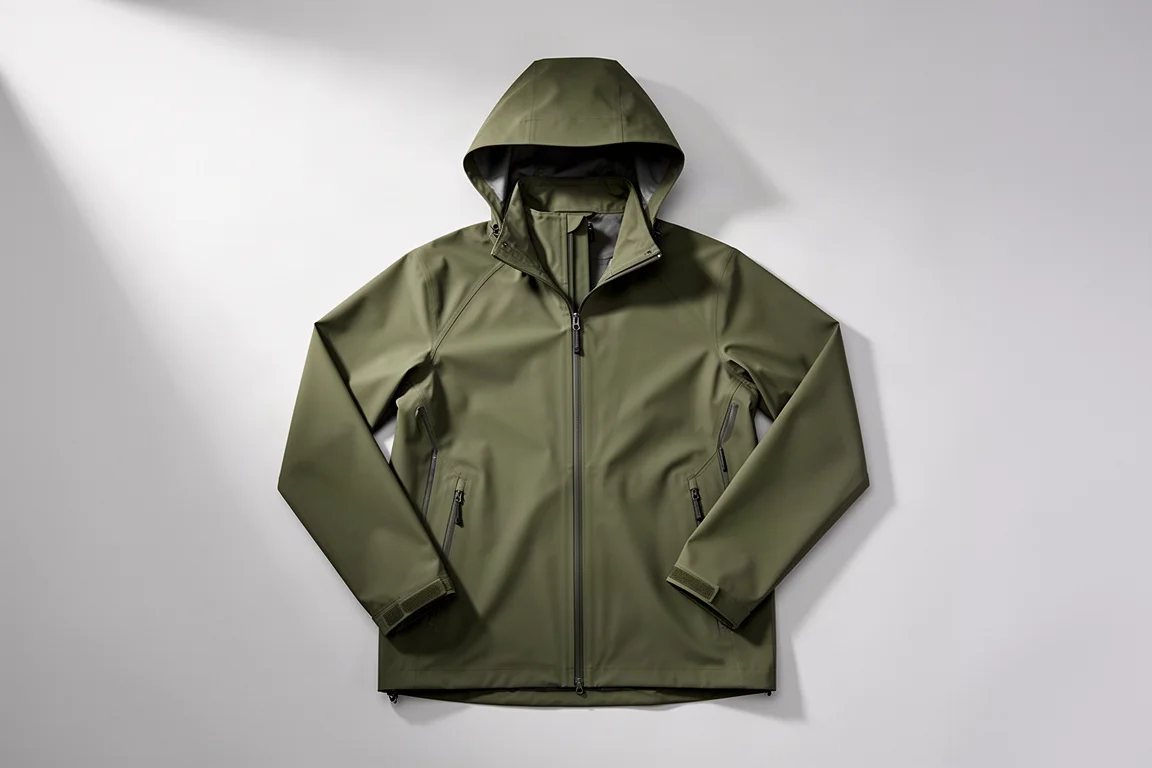
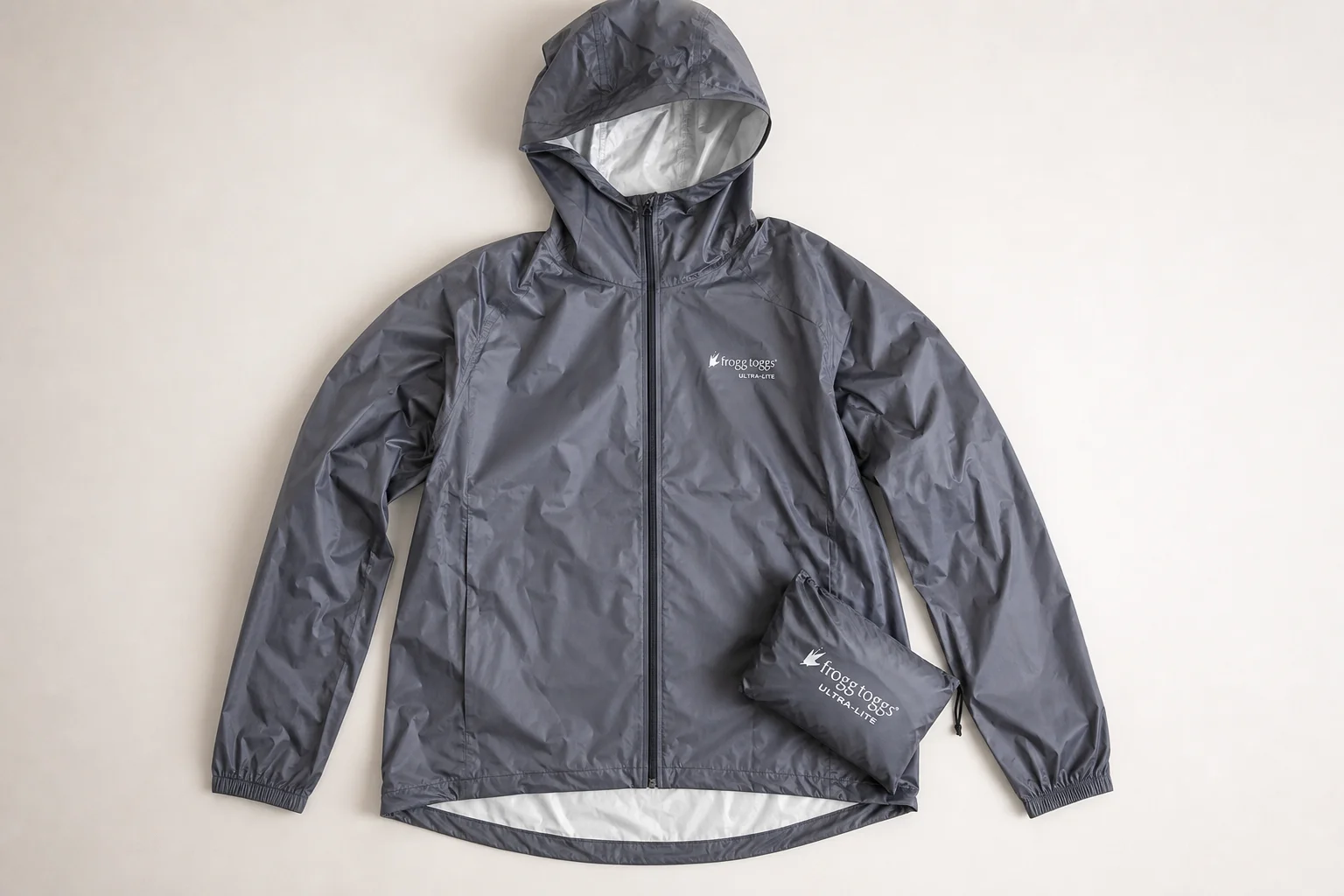
The Ultra-Lite is a different kind of product. It weighs just 5.5 ounces, packs down small, and costs around $20, which makes it easy to justify as a just-in-case layer. It uses a two-layer laminate and keeps rain out through a non-woven outer material that has no pores to leak through.
Features are minimal: a draw cord for the hood and a simple zipper. There are no pockets, no adjustable cuffs, and no brim on the hood. Durability is the main concern. The non-woven fabric tears easily, and a hole appeared quickly after the storm flap caught in the zipper teeth, on the jacket’s very first outing.
Fit is uneven as well. The jacket runs large through the arms and sleeves, yet feels short in the body, so sizing down does not solve both problems at once. Because the sleeves are not adjustable and run short, it is hard to tuck your hands in or keep them covered. The hood does not cover a hat, which means heavy rain ends up on your face and can run down into the jacket. Breathability is limited, which is a drawback in warm weather but does help hold warmth when the temperature drops.
Fit, Pockets, and Hood in Real Conditions
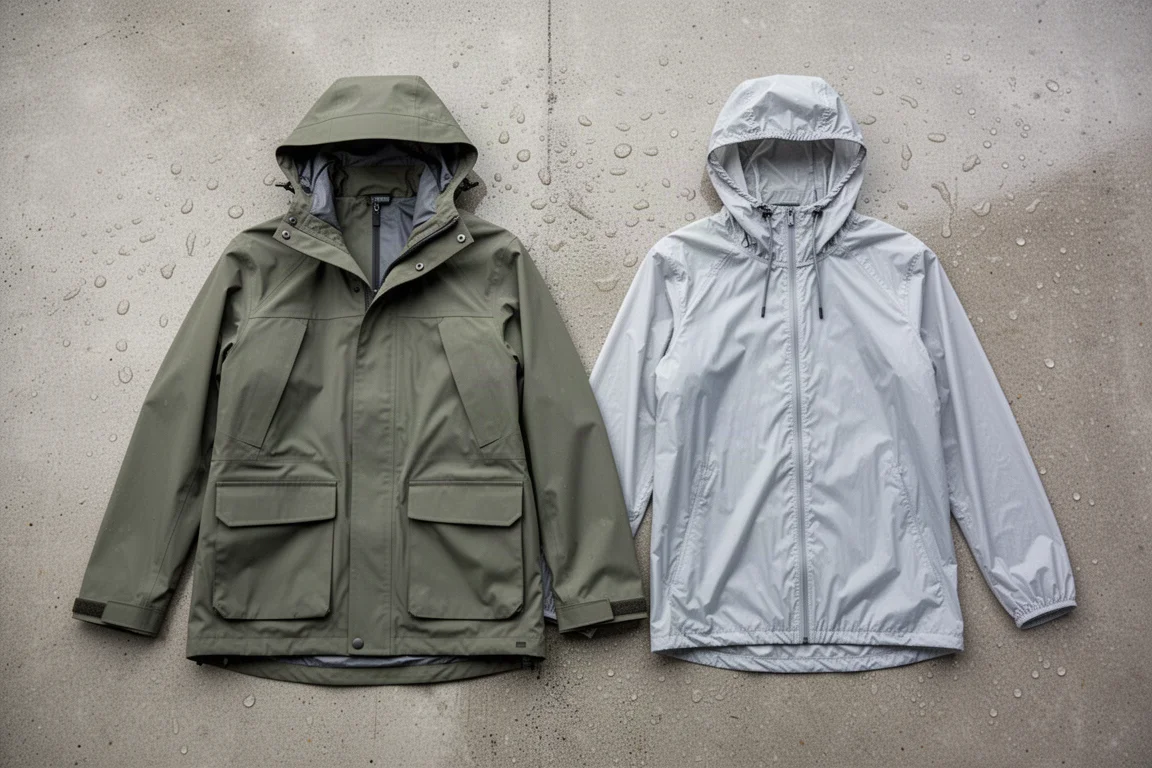
Side by side, the small details explain most of the comfort difference. The three-layer shell is longer in the body and longer in the sleeve, so it covers more of you when you bend, reach, or sit. Adjustable cuffs let you seal the wrist opening, and the two hand pockets give cold hands somewhere to go. The two-layer jacket offers none of that, so hands stay in fists inside gloves and the sleeves have a tendency to ride up.
Hood design matters just as much. A stiff brim directs rain away from the face and keeps your head covered, while a plain hood with only a draw cord leaves your face exposed in a real downpour. In drizzly or snowy conditions the difference is minor. In sustained heavy rain, it decides whether you stay dry from the neck up.
The pockets deserve a final note, since they are easy to dismiss until you are standing still in cold weather. Hand pockets are not a luxury feature in that moment. They are the difference between waiting out a squall comfortably and waiting it out with numb fingers.
Who Each Jacket Suits Best
The three-layer shell makes sense for anyone who hikes or works outside regularly in wet weather and wants one layer that will hold up season after season. It is built to handle sustained downpours and to last, which is why it costs what it does.
The ultralight jacket makes sense as an emergency layer. If there is only an iffy chance of rain and you do not want to carry a heavier shell, a 5.5 ounce jacket that costs around $20 is a reasonable thing to leave in a pack. It is also a popular choice among fishers, hunters, and ultralight backpackers who want throw-on rain protection without adding meaningful weight, and who accept the durability trade-off that comes with it.
Buying Advice for Every Budget
The price gap here is not really about pockets or zippers. It comes down to how each jacket is made waterproof and how long it will keep doing that job. One is a durable, downpour-ready layer intended to last many years. The other is an inexpensive emergency layer meant to be tossed in a bag and forgotten until it is needed.
That said, you do not have to spend $200 for a rain jacket that works well, lasts, and avoids a short trip to the landfill. There are plenty of capable jackets in the $100 to $150 range that should outlast an ultralight emergency shell without matching the price of a premium three-layer jacket.
The practical approach is to match the jacket to the trip. Regular wet-weather hiking justifies the investment. Occasional, uncertain rain justifies the light and inexpensive option.
Conclusion
Both jackets do the job they were designed for, and the price difference reflects that honestly. A three-layer shell earns its cost through durable construction, a protective hood, usable pockets, and a fit that keeps you covered in sustained bad weather. An ultralight jacket earns its place by weighing almost nothing and costing very little, which makes it an easy layer to carry when rain is only a possibility rather than a certainty.
Further reading
Related Reviews
Outdoor Gear
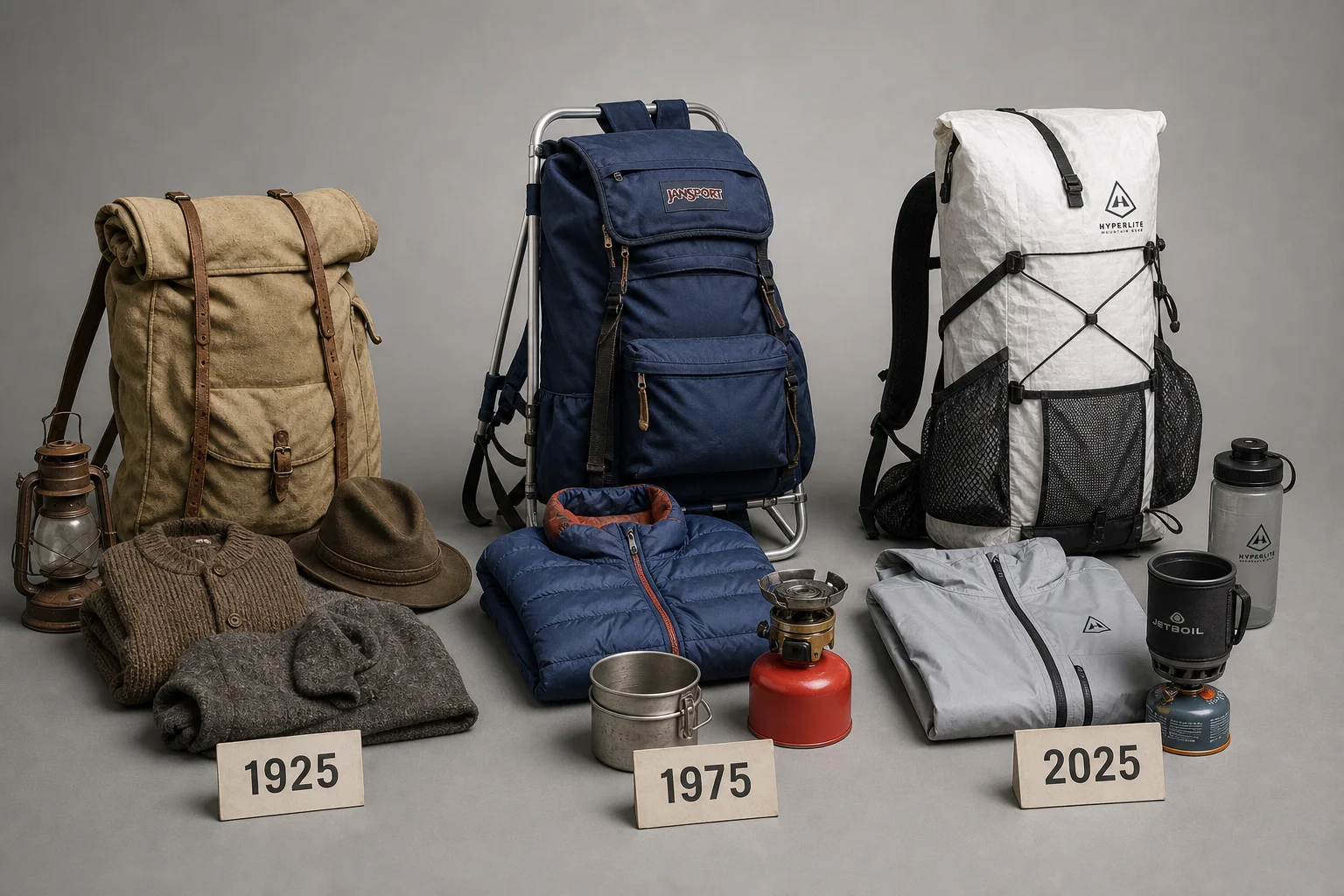
Backpacking Gear Evolution: 100 Years of Technology Compared
We tested backpacking gear from 1925, 1975, and 2025 across a three-day hike in Yosemite. Here's how technology has transformed comfort, weight, and the outdoor experience.
Outdoor Gear
Best Affordable Hiking Watches: Five Rugged Options for Outdoor Adventures
Five durable hiking watches that balance ruggedness, functionality, and value for outdoor enthusiasts who need reliable GPS tracking and weather resistance.
Outdoor Gear
Best Backpack Coolers 2026: Five Practical Options for Outdoor Adventures
Five backpack coolers with distinct cooling capabilities, storage features, and design trade-offs to help you choose the right one for your outdoor needs.