Outdoor Gear
Patagonia Storm 10 Rain Jacket Review: A 200g Shell Built for Sustained Rain
A lightweight three-layer waterproof shell with a 20,000mm rating that packs into its own pocket, plus the trade-offs to weigh before buying.
Introduction
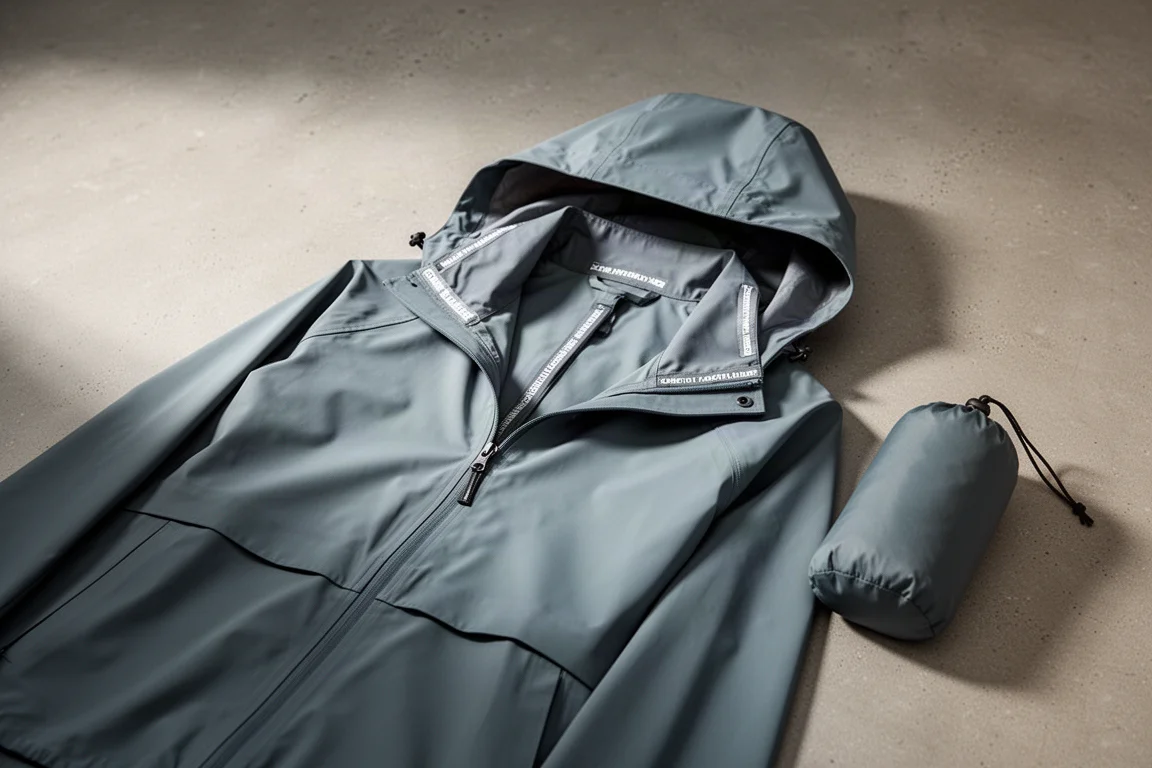
The Patagonia Storm 10 is a three-layer waterproof shell that weighs a little over 200 grams and packs down into its own front zip pocket. That combination is the entire argument for it: proper rain protection in a package small enough to disappear into a running vest or the bottom of a pack.
It also has a serious amount of field time behind it. This jacket was worn for 275 peaks across Ireland in a little over 50 days, a stretch that included the wettest July on record, with some areas receiving close to four times their normal rainfall.

What follows is a practical look at how the Storm 10 handles sustained weather, where it makes deliberate compromises, and who should consider buying it.
Who this product is for
The Storm 10 suits runners, fast hikers, and multi-day walkers who count grams and pack volume. If your priority is a shell that stays useful in the bottom of a bag until the sky opens, this is the category it belongs to.
It is less suited to people who want one jacket for everything. Winter hillwalkers, anyone who runs hot on steep climbs, and people who expect underarm ventilation will find it stripped back on purpose.
Main strengths
The Storm 10 is built around one idea: keep the protection, remove the bulk.
Extremely light and genuinely packable
At a little over 200 grams, the jacket is light enough to carry without thinking about it. The three-layer fabric feels remarkably thin in the hand, and the whole jacket compresses into the front zip pocket to form a small, self-contained bundle.
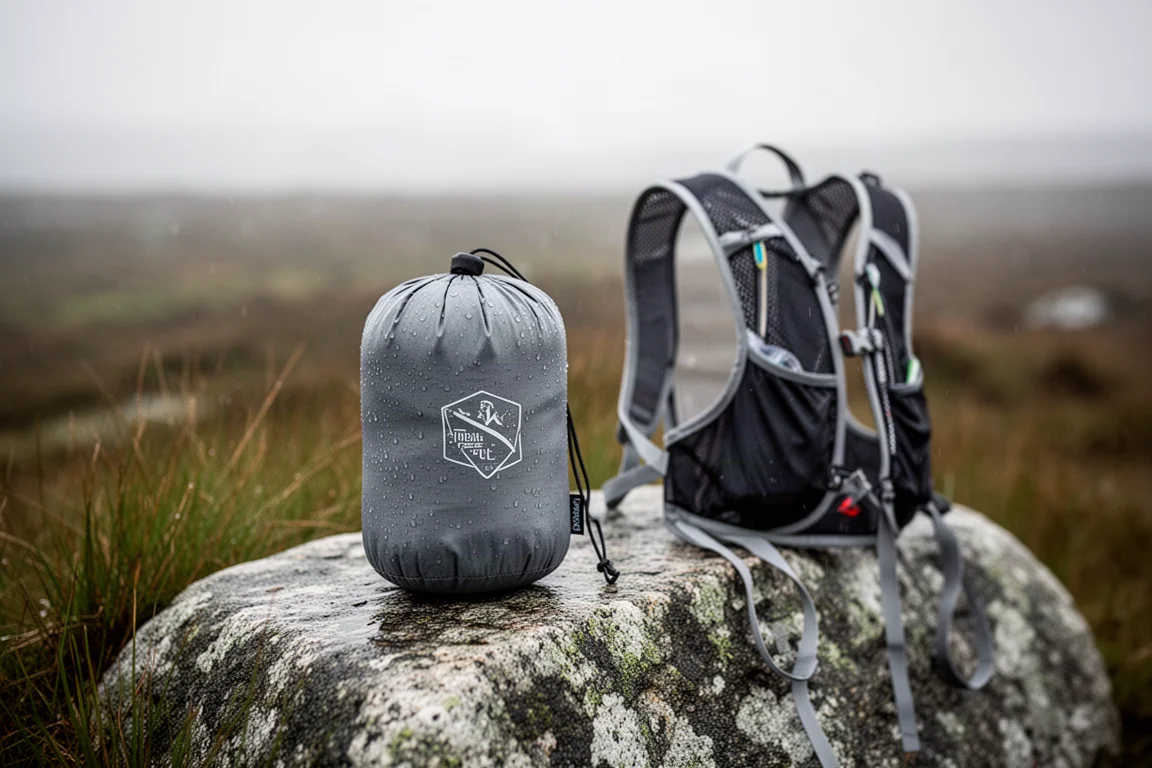
That packability is what makes it a genuine everyday carry option rather than a jacket reserved for planned wet days.
A structured hood and taped seams
The hood holds its shape rather than collapsing flat, which keeps it useful in wind-driven rain and easier to pull over a hat. Taped seams on the inside close off the stitching, a detail worth checking on any waterproof jacket because it stops water working through the needle holes.
The jacket also has two side pockets set unusually high internally, so they stay usable when a hip belt or harness is in the way. The body has no lining, which keeps the weight down further.
Things to consider before buying
Two points are worth understanding before you commit to a shell this light.
Breathability and wet-out in sustained rain
Breathability is subjective and depends on how hard you are working. A waterproof membrane relies on your own body heat to push sweat vapour outward, so any shell will feel warmer when you are moving fast. In practice, the Storm 10 breathes about as well as a waterproof jacket of this type can.
The more important caveat is wet-out. After being soaked for long enough, moisture can start to get through, and this did happen during the record-breaking rain of that summer. In sideways rain, with an arm raised or a hood being adjusted, water finds a way in. On less extreme days the jacket performed very well, and the core stayed dry even after long wet sessions.
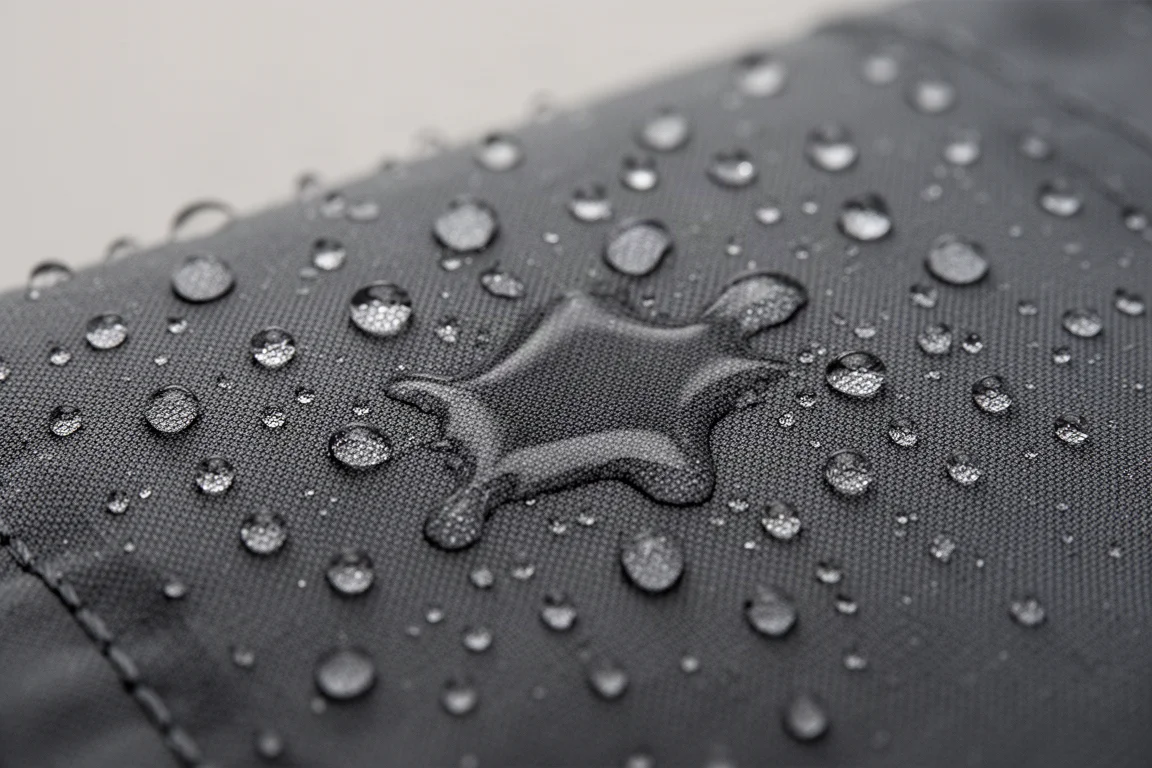
None of that is unusual for a shell this light, but it is worth setting expectations honestly.
Fit details and the missing pit zips
The jacket has no pit zips. Adding underarm ventilation would have meant more weight, more bulk, and a larger packed size, so the omission is a deliberate trade-off. If you run hot on steep climbs, that is the main reason to look elsewhere.
The hood also cannot be cinched tight against the face, so there is no way to fully seal the opening in the worst conditions.
Buying advice
Buy the Storm 10 if weight and pack size are your deciding factors and you want reliable protection in a jacket you will actually carry. It handles long wet days well and folds down into something you can forget about in a pack.
Skip it if you want one jacket for winter conditions, if you rely on pit zips, or if you expect to stay completely dry through hours of sideways rain. A heavier shell is the better tool for that job.
On durability, this one came through a hard summer in good condition. The only damage was a small cut on the sleeve from scrambling, which is repairable, and the fabric was otherwise still perfect.
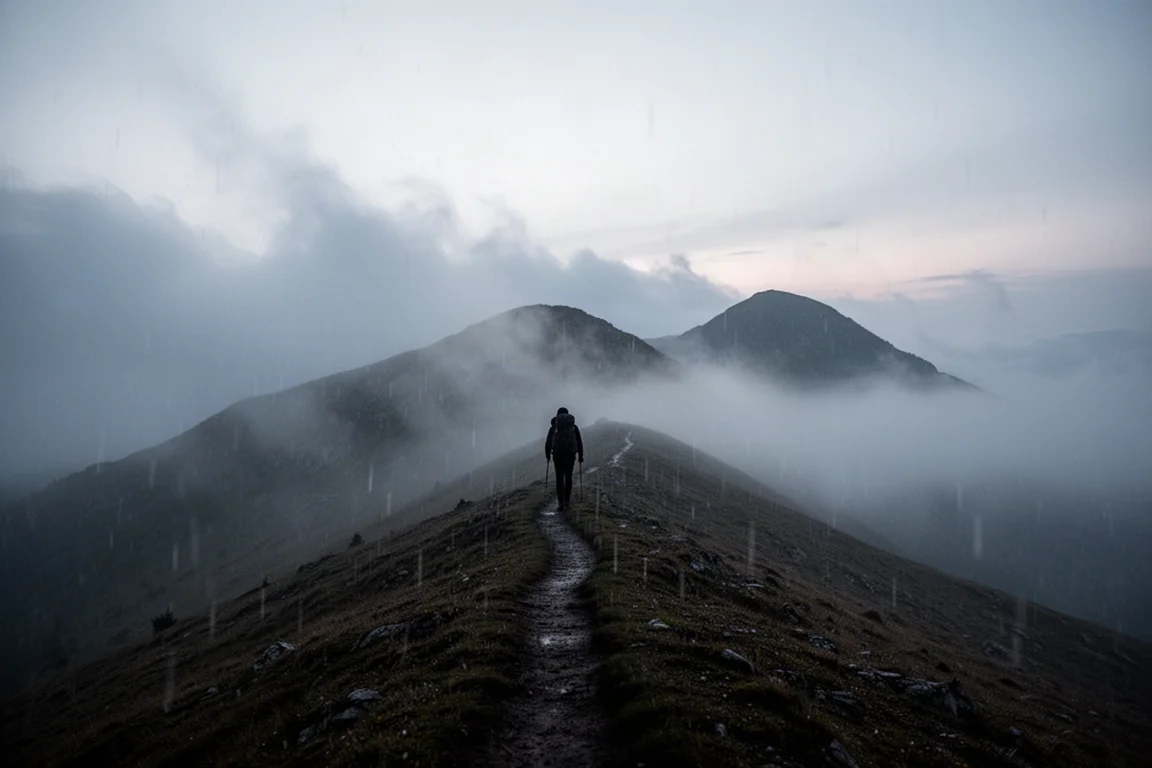
For anyone whose trips involve variable weather and limited pack space, that record is reassuring.
Conclusion
The Patagonia Storm 10 is a specialist rather than an all-rounder. It trades pit zips, a cinchable hood, and a little outright storm-proofing for a weight and packed size that most waterproof jackets cannot match.
For runners, fast hikers, and anyone who wants a genuinely packable shell, that trade makes sense. It earned its place through a punishing summer of rain and came out ready for more.
Product link
View more details for Patagonia Storm 10 Rain Jacket
This product is mentioned in the review. Check the specifications, options, and compatibility before buying.
View more details for Patagonia Storm 10 Rain JacketFurther reading
Related Reviews
Outdoor Gear
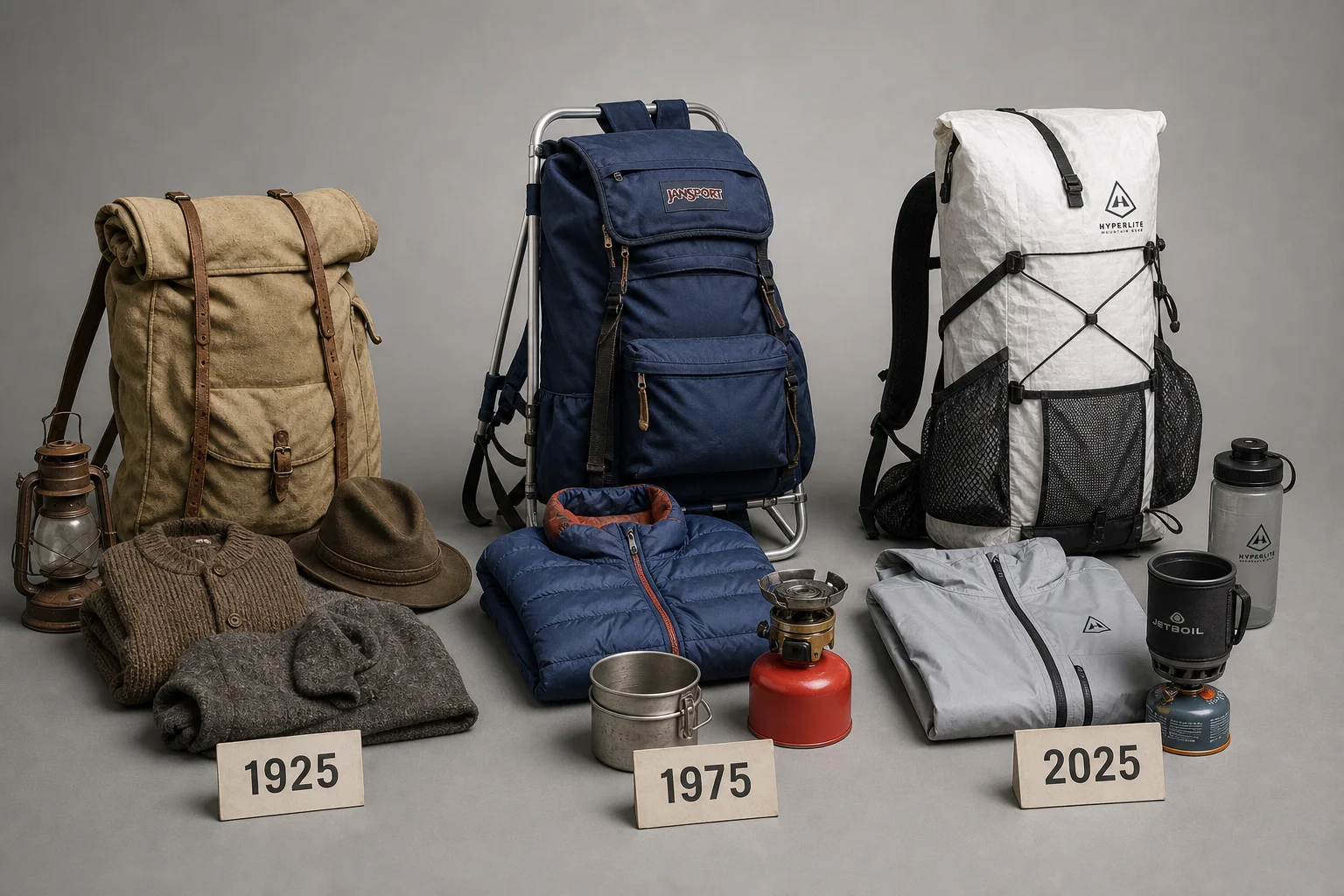
Backpacking Gear Evolution: 100 Years of Technology Compared
We tested backpacking gear from 1925, 1975, and 2025 across a three-day hike in Yosemite. Here's how technology has transformed comfort, weight, and the outdoor experience.
Outdoor Gear
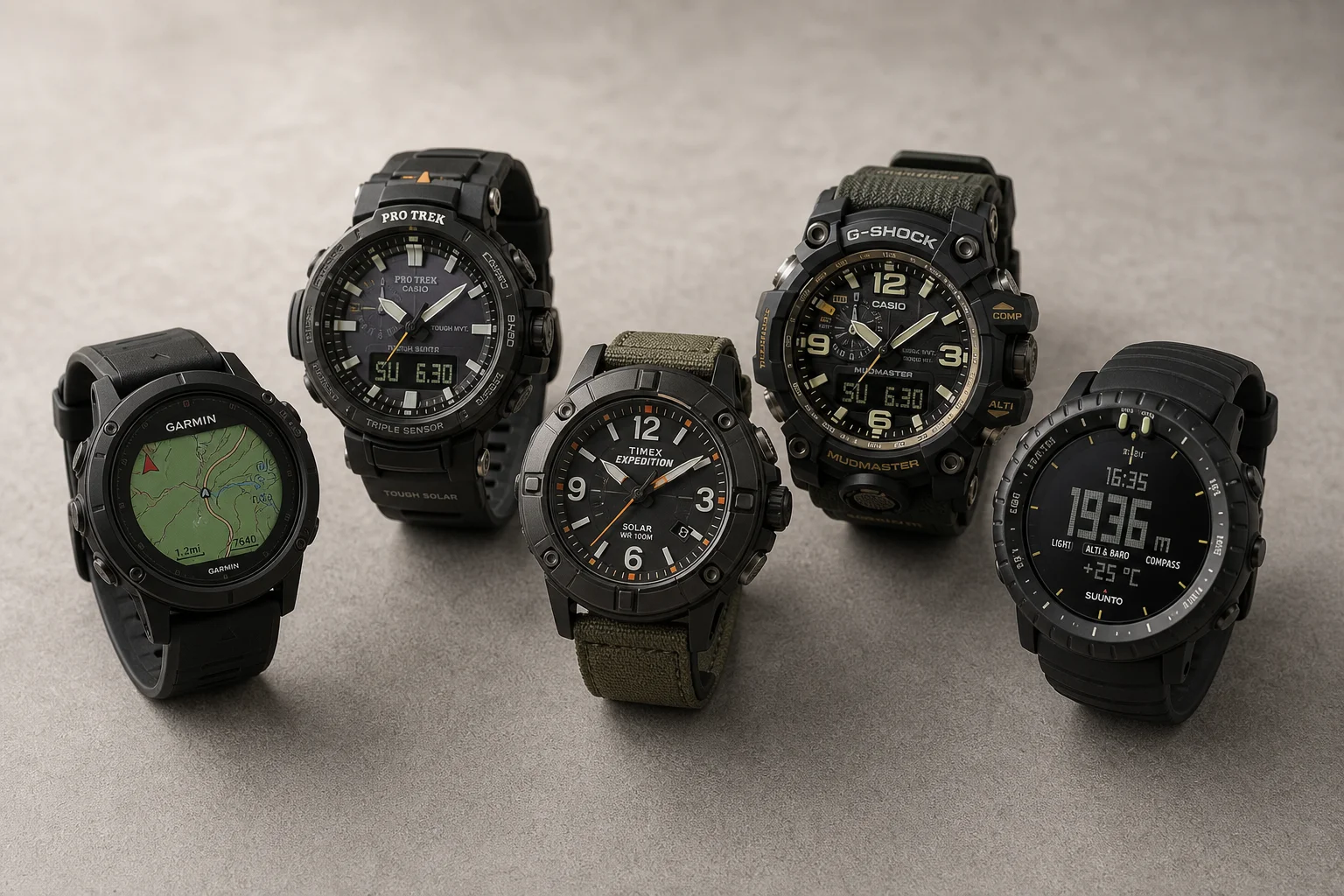
Best Affordable Hiking Watches: Five Rugged Options for Outdoor Adventures
Five durable hiking watches that balance ruggedness, functionality, and value for outdoor enthusiasts who need reliable GPS tracking and weather resistance.
Outdoor Gear
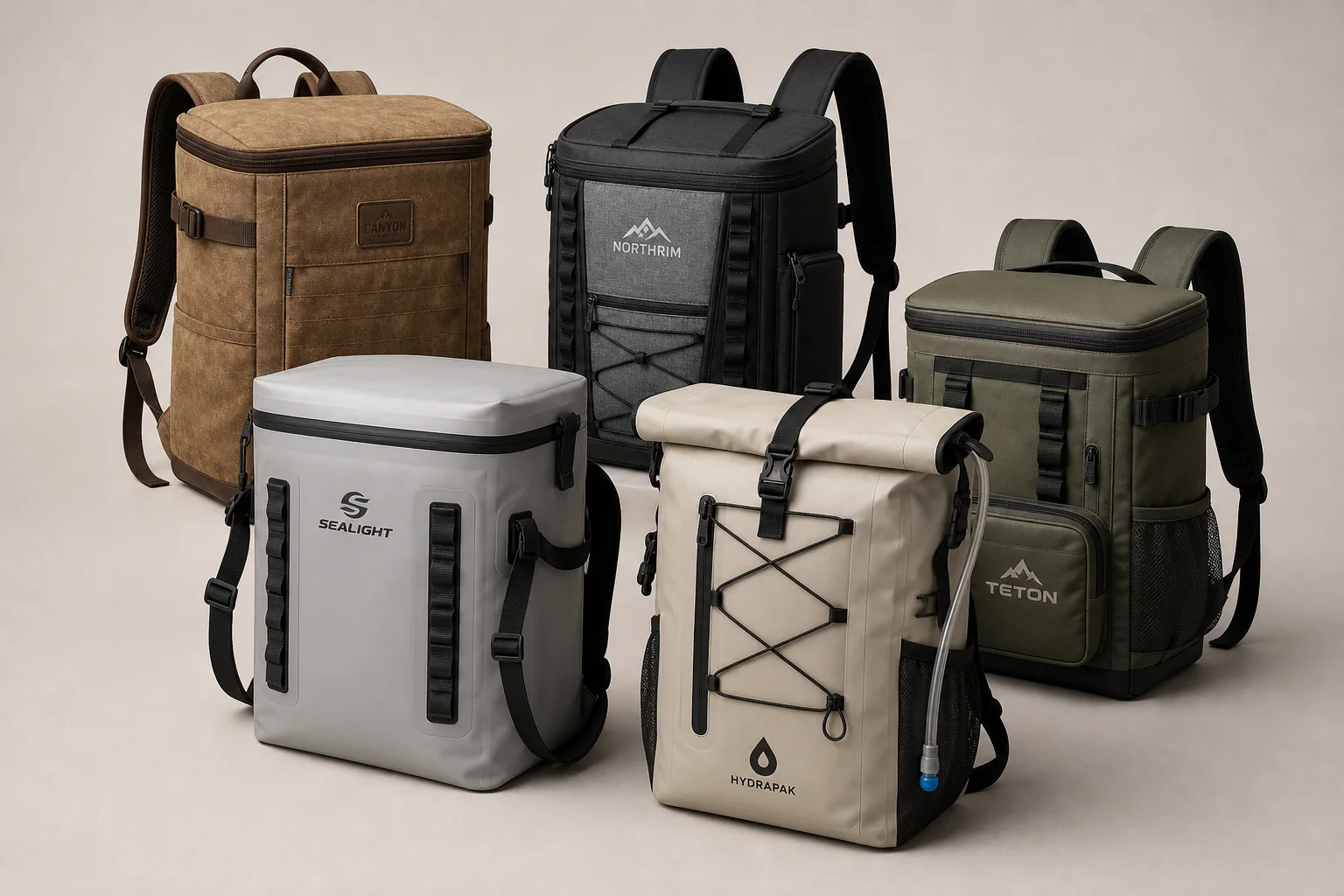
Best Backpack Coolers 2026: Five Practical Options for Outdoor Adventures
Five backpack coolers with distinct cooling capabilities, storage features, and design trade-offs to help you choose the right one for your outdoor needs.