Outdoor Gear
Patagonia Micro D Fleece Review: A Six-Year Layering Staple
A thin recycled polyester fleece that has stayed in constant rotation for over six years. Here is how it holds up, where it falls short, and who should buy it.
Introduction
The Patagonia Micro D Fleece is a simple idea executed carefully: a thin recycled polyester fleece jacket with a center zip, a chest pocket, and two hand pockets. It has been part of the lineup for roughly 20 years, and the design has barely changed in that time. That kind of continuity usually means one of two things. Either the brand stopped paying attention, or the original design was right. The evidence here points firmly to the second.
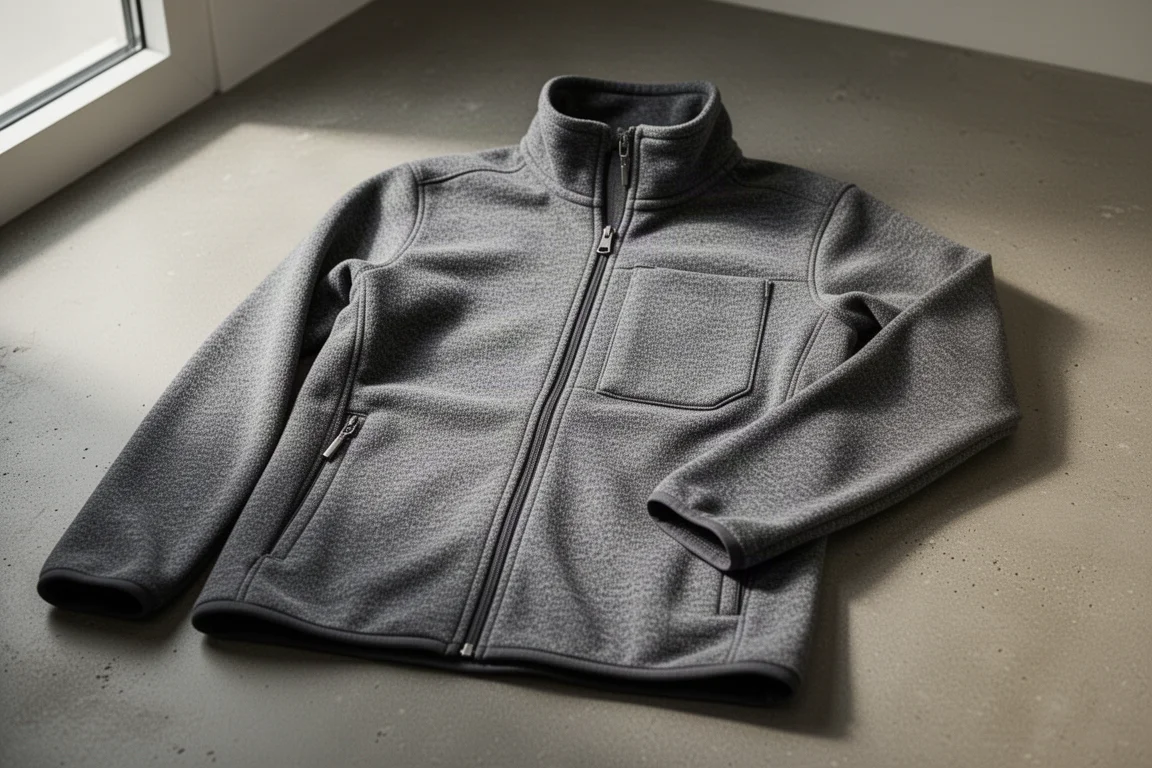
The jacket version reviewed here uses a center zip, a chest pocket, and two hand pockets, with a mesh liner inside and a hang strap at the collar. There are no wrist fasteners, no hem cinch, and no pit zips, which keeps the design deliberately minimal. It is offered in men’s and women’s versions, in sizes from XS through 3XL, and in a range of colors including light blue, dark blue, gray, black, and light green. Other silhouettes exist as well, including a pullover, a hoodie, and a crew neck, and those versions add further color options.
The construction uses recycled polyester fleece and YKK zippers. A size medium weighs 12 ounces on a kitchen scale, and the list price is $99.
Who This Fleece Is For
The Micro D works best as part of a layering system rather than as a standalone jacket. It suits hikers, backpackers, and travelers who need a warm layer that packs small, moves well, and can be added or removed quickly as effort and conditions change. It also works well as everyday insulation around town, where the clean fit and simple look carry over easily.
Anyone hoping for one warm layer that covers a wide temperature band on its own should look elsewhere. This fleece is thin by design, and its thinness is exactly what makes it useful in a stack. The people who get the most from it already think in layers.

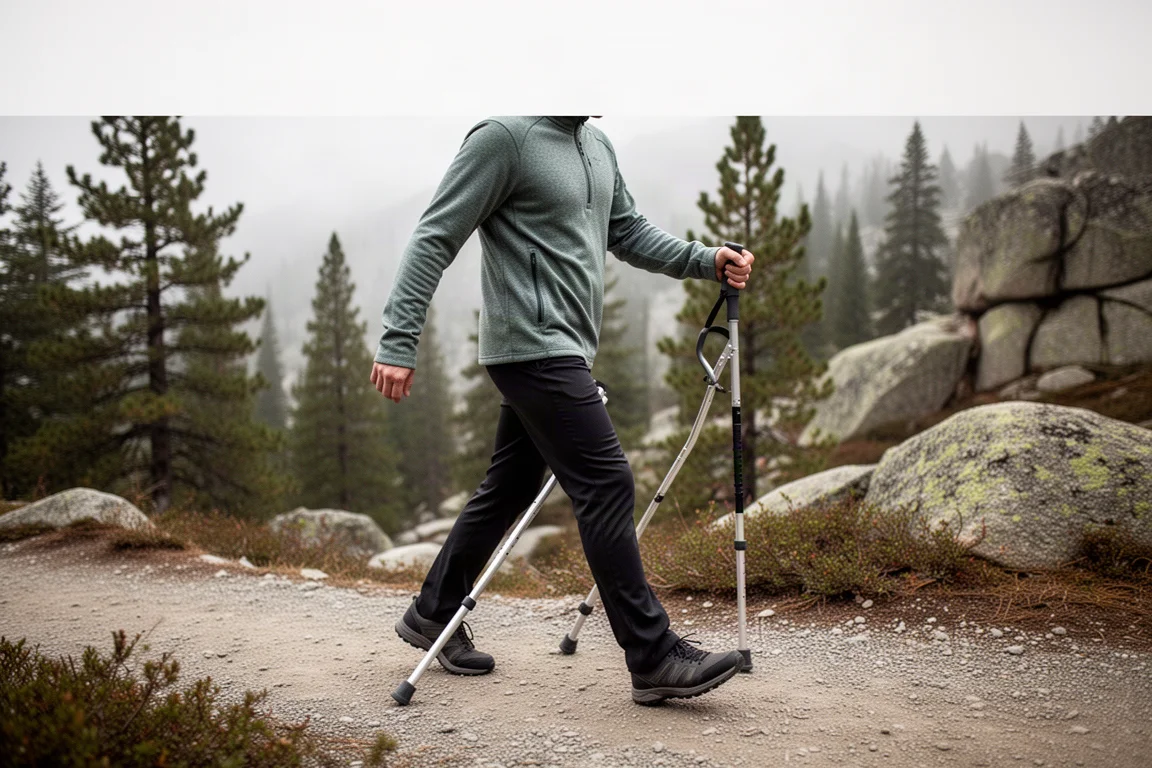
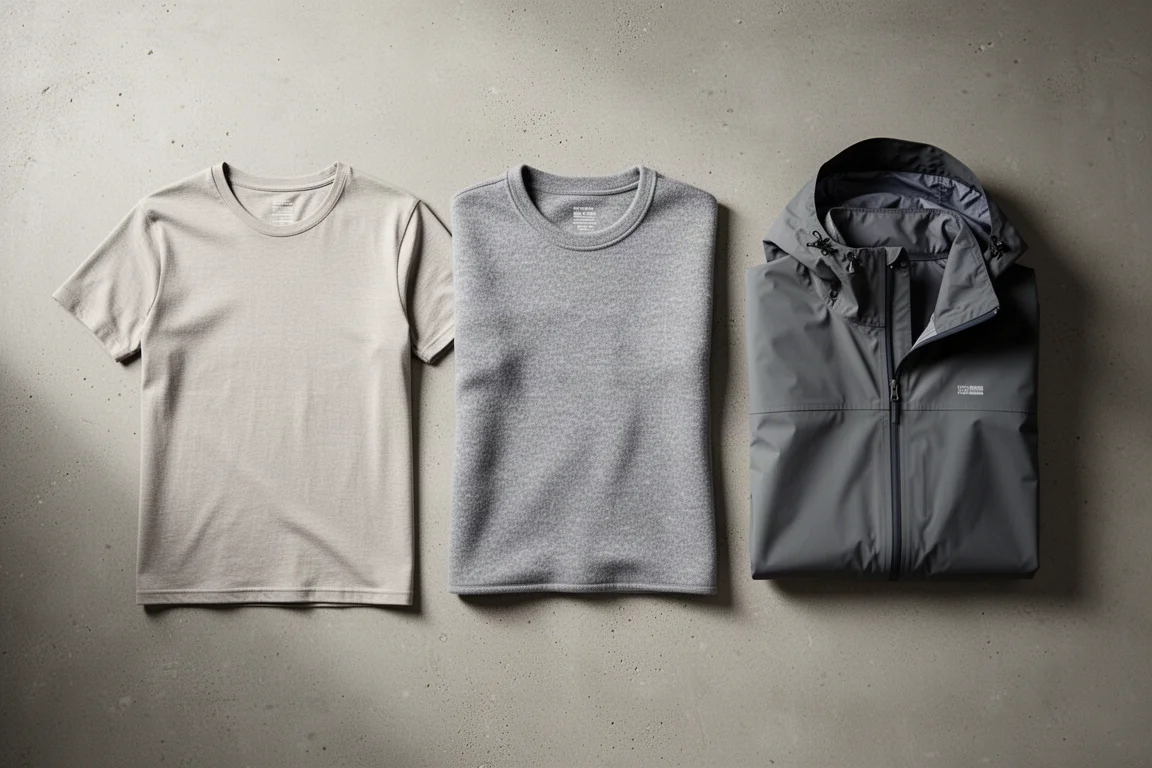
Where it stands out is flexibility. Worn over a t-shirt alone, it kept its owner comfortable down to roughly 55 degrees Fahrenheit, with the caveat that personal tolerance varies considerably and a colder-running wearer might find the comfortable limit closer to 60 degrees. That is a genuine range for a fleece this light, and it means the jacket earns its place in a pack without much of a weight penalty.
Main Strengths
The strengths here are not exotic. They are fundamentals done well, and they show up most clearly in comfort, construction, durability, and how the piece behaves inside a layering system.
Comfort, Fit, and Mobility
This is a supremely comfortable fleece. It never pulls, tugs, or binds in odd places, and it has stayed that way through years of use. There is a small amount of stretch in the fabric, which is enough to reach for a phone, adjust a pack strap, or scramble over rock without the jacket fighting back. The fit is flattering: not too loose, not too tight, and true to size. Flat seams mean nothing digs into the skin, even under a backpack.
Construction and Materials
Every seam is clean, and there were no loose threads when new. The zippers glide smoothly and do not catch. The chest pocket is genuinely large, big enough for the biggest phones currently on the market, and the two hand pockets are roomy and lined with soft fleece, which makes them effective hand warmers rather than decorative openings.
The recycled polyester build brings one more practical benefit: it dries quickly. Sweat and light dampness disappear fast, and the jacket is washer and dryer safe, which matters for a piece that picks up salt, dirt, and trail grime. That combination of easy care and fast drying is a large part of why it gets used so often.
Durability Over Six Years
This is where the fleece has exceeded expectations. After more than six years of near-exclusive use as the go-to insulation layer, including one or two outdoor trips most weeks, the jacket is still going strong. It shows honest signs of heavy use, including a small burn mark that did not go through the fabric, but there are no holes and no structural failure. Some long-term owners report theirs still in service after 20 years, and given how this one has aged, that is easy to believe.
Layering and Warmth
The fleece is thin, and that is the point. It slides under another fleece, a shell, or a rain jacket without bunching, and it comes off easily when a climb starts generating heat. The collar can lie flat or stand up to block wind and keep the neck warm, and it pairs cleanly with a neck gaiter when conditions turn nasty.
The fabric itself is soft, though not the softest available. It has a slightly rugged, lightly rigid hand, and that is a large part of why it has survived so long. Very plush fleeces tend to tear and pill under hard use. This one has not.
Things to Consider Before Buying
One real issue is worth flagging. After roughly three weeks of initial wear, the elbows began to show lighter, discolored patches, and the fabric there looked thinner than the rest of the jacket. It appeared as though a hole was inevitable, particularly with habits like resting an arm on a center console while driving. That never happened. The wear stayed cosmetic and never developed into a failure, but the elbows are clearly the first place this fleece shows its age.
The hand pockets are not zippered. They are large and warm, but anything valuable stowed there can work its way out. Zippered hand pockets would be the single most useful improvement to the design.
The fabric is not plush. Buyers who want a velvet-soft fleece will find this one more utilitarian than luxurious, and lighter colorways tend to show marks and discoloration sooner than darker ones.
Buying Advice
At $99, this is not a cheap fleece, and there are poorly made options at the same price. The value case rests on longevity. A jacket that stays in rotation for years, or possibly decades, at $99 compares well against a cheaper fleece replaced every other season.
Choose it if you want a thin, packable, quick-drying insulation layer that fits under other layers, moves well, and holds up to regular use. Choose something else if you need zippered pockets, a plush hand feel, or a single layer warm enough for deep winter on its own.

Sizing runs true for most people, so ordering the usual size is the sensible starting point. Buy with layering in mind rather than sizing up for bulk, since the whole value of this piece is how little space it takes in a pack and how easily it disappears under a shell.
Conclusion
After six years, the Patagonia Micro D Fleece has more than justified its price. It is simple, light, warm for its weight, adaptable, and durable in a way that is rare at this price point. The design has barely changed in two decades because it did not need to. The elbow wear and the lack of zippered hand pockets are worth accepting with open eyes, and neither has stopped this fleece from being the layer that gets reached for first.
Product link
View more details for Patagonia Micro D Fleece
This product is mentioned in the review. Check the specifications, options, and compatibility before buying.
View more details for Patagonia Micro D FleeceFurther reading
Related Reviews
Outdoor Gear
Backpacking Gear Evolution: 100 Years of Technology Compared
We tested backpacking gear from 1925, 1975, and 2025 across a three-day hike in Yosemite. Here's how technology has transformed comfort, weight, and the outdoor experience.
Outdoor Gear
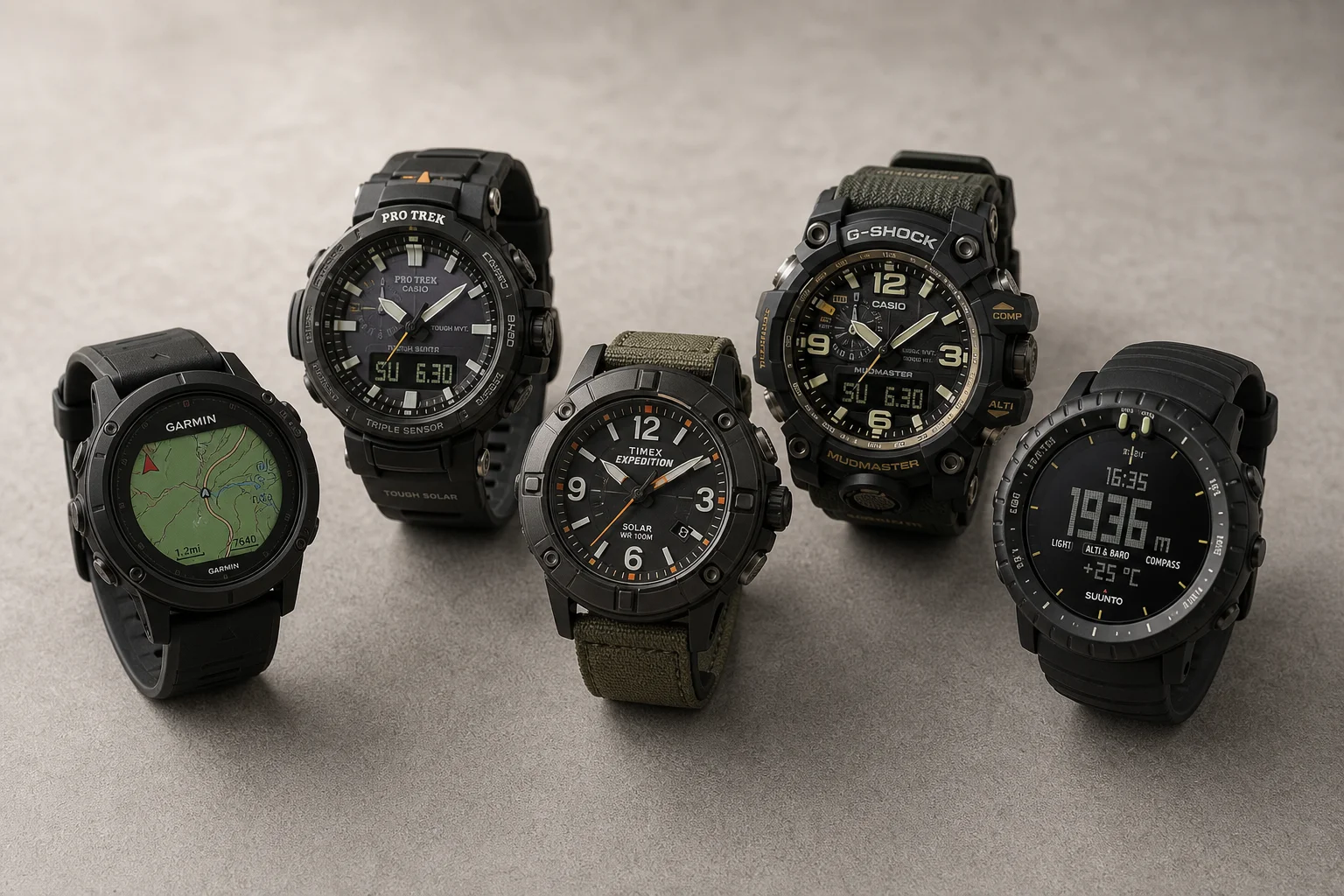
Best Affordable Hiking Watches: Five Rugged Options for Outdoor Adventures
Five durable hiking watches that balance ruggedness, functionality, and value for outdoor enthusiasts who need reliable GPS tracking and weather resistance.
Outdoor Gear
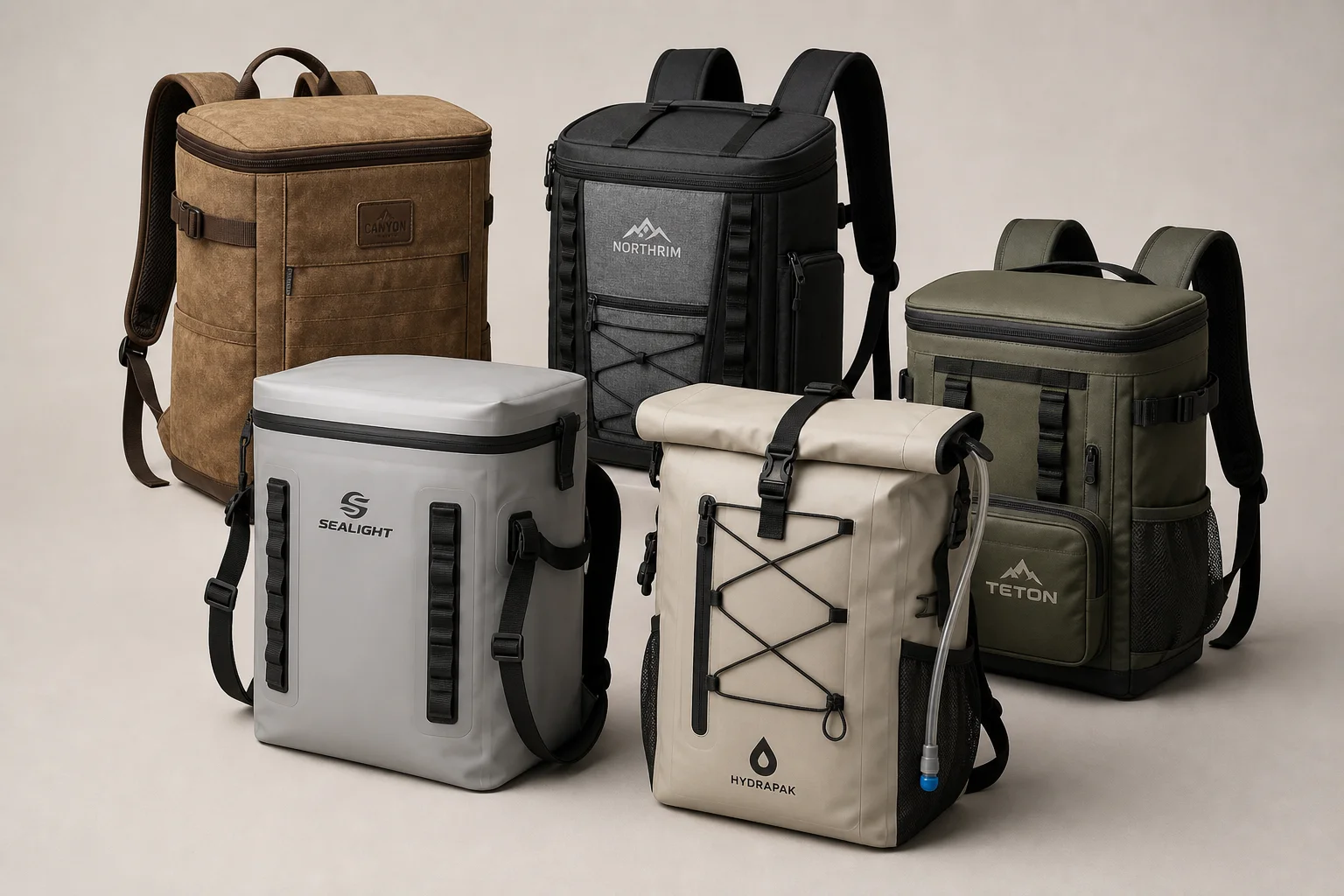
Best Backpack Coolers 2026: Five Practical Options for Outdoor Adventures
Five backpack coolers with distinct cooling capabilities, storage features, and design trade-offs to help you choose the right one for your outdoor needs.