Outdoor Jackets
Patagonia DAS Light vs Micro Puff: Choosing the Right Synthetic Belay Jacket
How the Patagonia DAS Light adds warmth, wind resistance and durability over the Micro Puff, and how to decide which synthetic jacket suits your climbing.
Introduction
Synthetic belay jackets have become a familiar part of a climber’s kit, and Patagonia has done a lot to shape that trend. The DAS Park held a strong reputation for years as a genuinely warm layer built for harsh conditions, but it was bulky, and bulk is not what most climbers want now. The modern preference is lighter, smaller and faster, with smaller packs to match.
That is the space the DAS Light was designed to fill. To understand why it works, it helps to look at the jacket that came before it in Patagonia’s synthetic line, the Micro Puff.
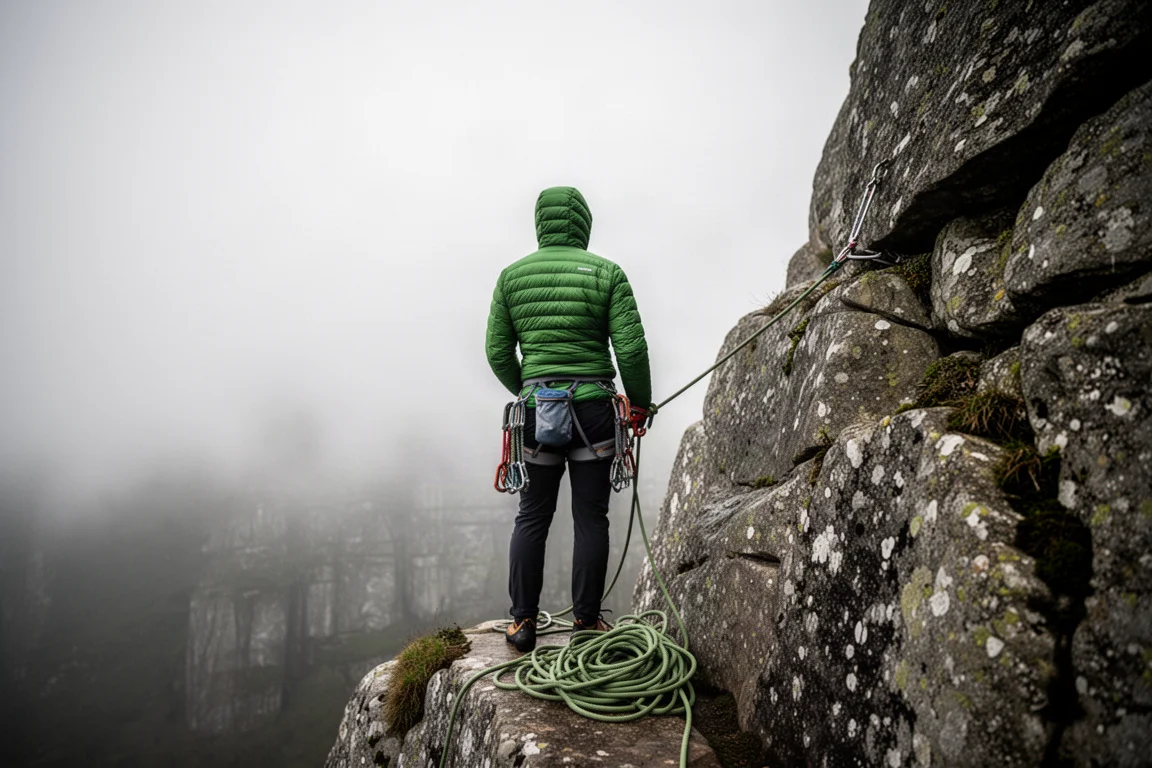
This comparison covers what each jacket does well, where each one gives something up, and how to decide which of the two belongs in your pack.
How Synthetic Insulation Compares to Down
Down and synthetic insulation make different trade-offs. Down compresses smaller, lofts more, and generally delivers more warmth for the same weight. Synthetic insulation copes far better with moisture and dampness, which matters a great deal in wet, changeable conditions where a soaked down jacket stops doing its job.
Fill power describes how well down lofts and fills a space. A higher number means more loft from less material, which keeps weight down. Synthetic insulation has traditionally sat around the equivalent of 550 to 600 fill down, which is why synthetics often lost the warmth-to-weight argument.
The Micro Puff changed that. It was the first synthetic jacket to offer a warmth-to-weight ratio comparable to an 800 fill down jacket, which gave climbers warmth they could rely on in the wet without the usual weight penalty.
Patagonia DAS Light: Burlier Warmth for Cold Belays
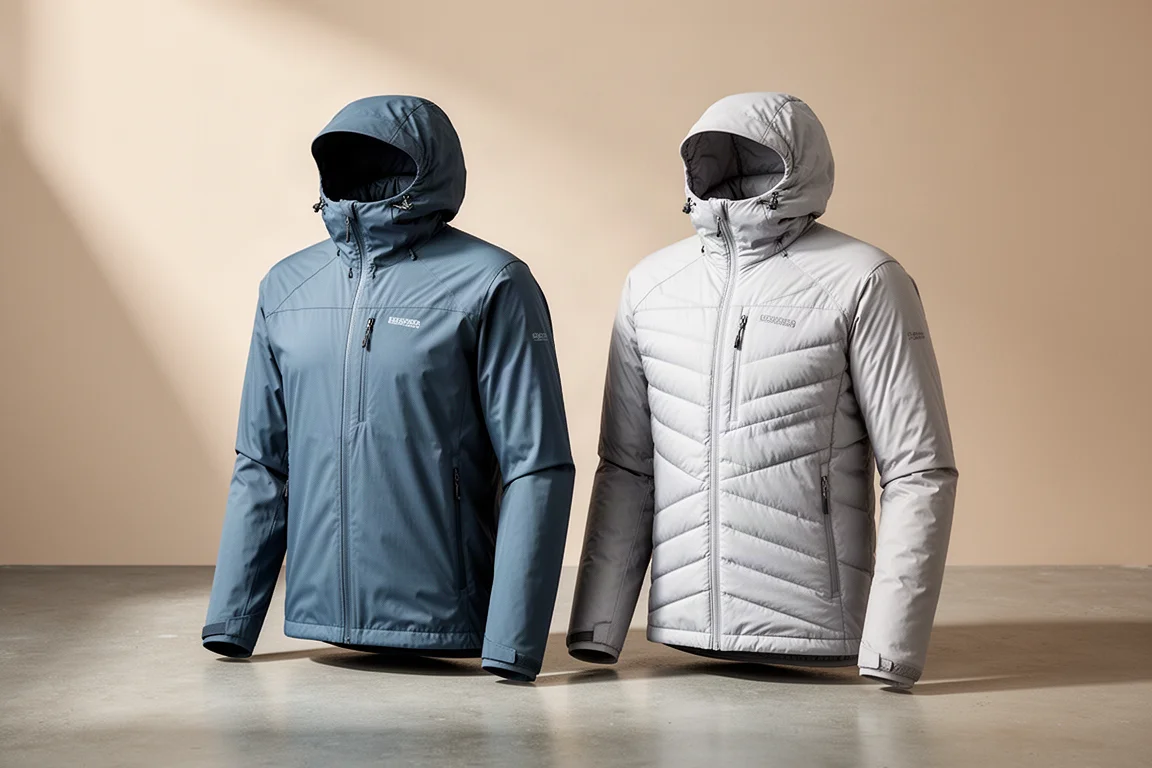
The DAS Light keeps the PlumaFill insulation of the Micro Puff and the stitched construction that stops the synthetic fibres from migrating, then adds an outer face fabric over the top. That outer layer traps more hot air inside the jacket and blocks wind from cutting through, so the jacket feels noticeably cosier.
It also makes the jacket more durable. The DAS Light is the one you can take into Scottish winter conditions without worrying about the shell ripping the moment axes come out or while belaying against a granite wall. The trade-off is modest: the added face fabric makes it roughly 20 percent warmer than the Micro Puff and roughly 20 percent heavier.
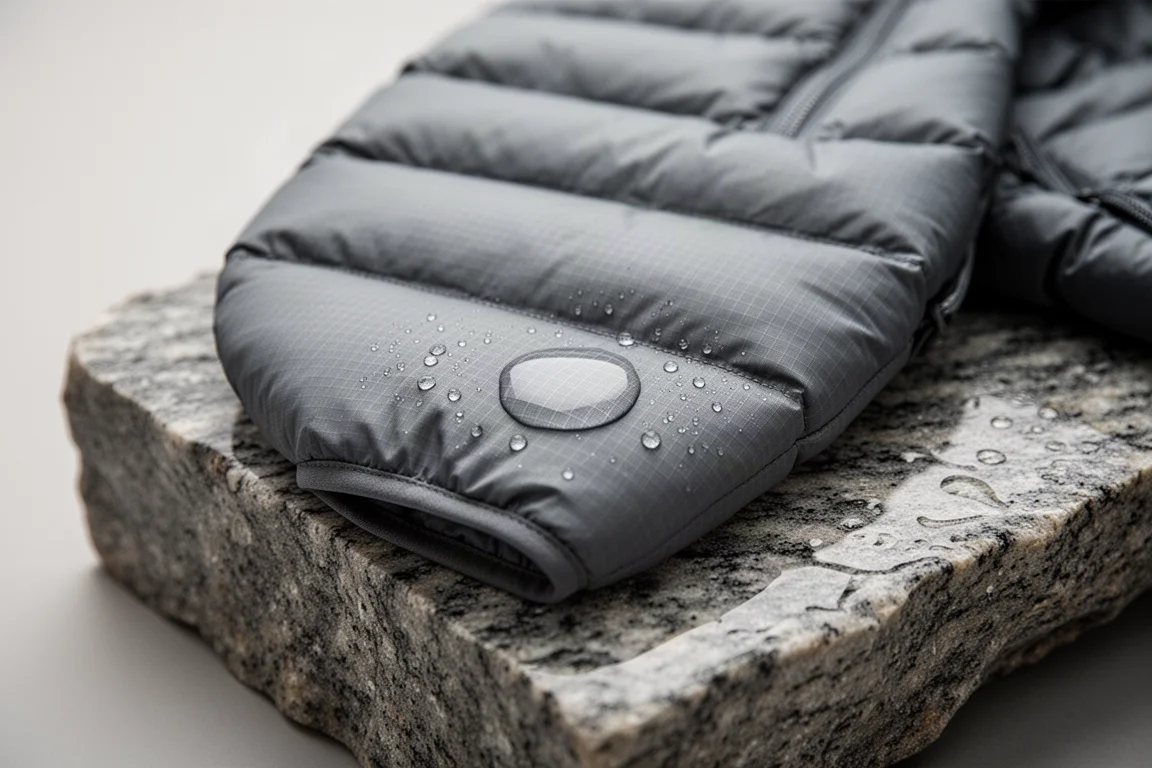
Weight sits at around 320 grams, which is very light for a jacket of this warmth. Anything else at a similar weight is unlikely to be as warm, and that combination of low weight and reliable warmth is what makes the DAS Light so usable across different kinds of climbing.
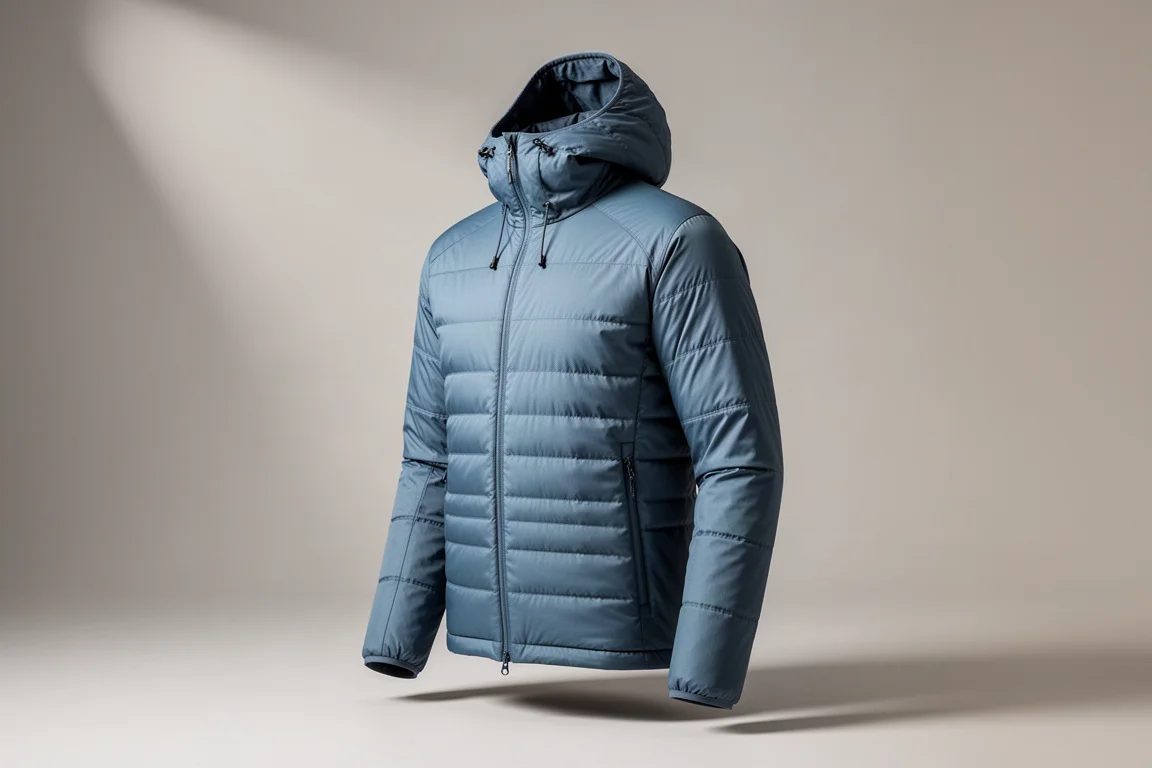
Patagonia Micro Puff: Lightweight Packability
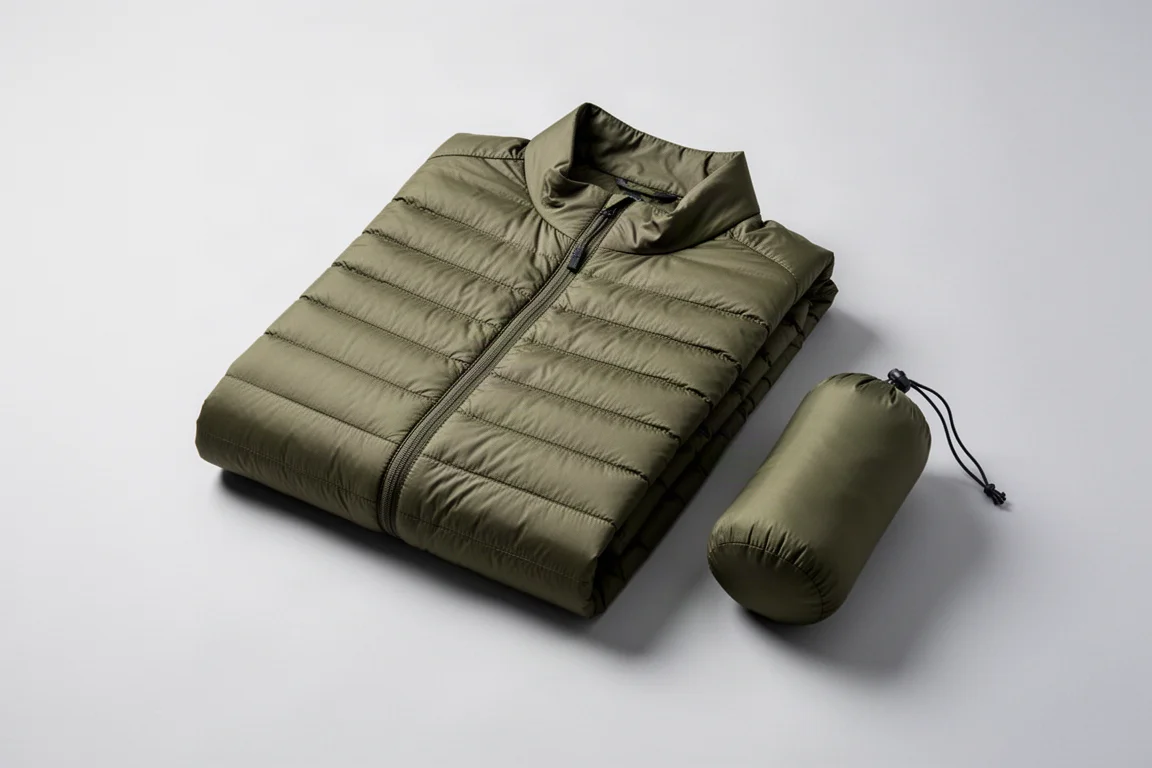
The Micro Puff remains the lighter and more packable of the two. Its face fabric is extremely light, which is what allows it to compress so small, but it is also fragile. The stitched construction that holds the PlumaFill in place also lets a certain amount of wind through, so it does not trap hot air quite as effectively as the DAS Light.
That does not make it a bad jacket. It is remarkably warm for its weight and it packs down small enough to disappear into a bag, which is why it has been popular for bike packing and for walking. Where it struggles is abrasion and wind: it is not the jacket to choose for Scottish winter climbing or for gritstone bouldering, where the shell is exposed to rough rock.
Fit, Hood and Zipper Details
The DAS Light is cut slightly oversized. That is deliberate, because it is built to be worn over a waterproof shell during winter climbing, so the extra room is functional rather than a sizing error.
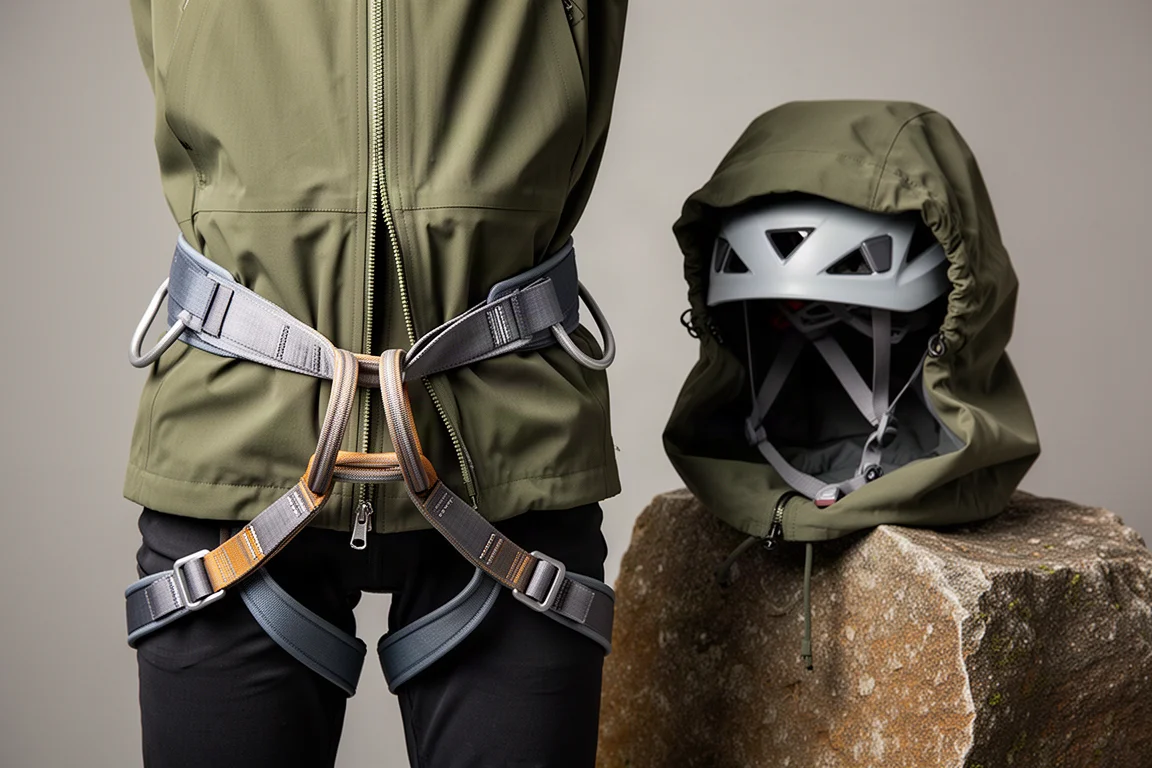
Patagonia also added a two-way zipper, which matters more than it sounds. On a belay you can open the jacket from the bottom while keeping your back and waist covered, so you can reach a belay plate without exposing your lower back to the cold. The hood is large enough to fit over a helmet easily and cinches down snugly when you are standing still.
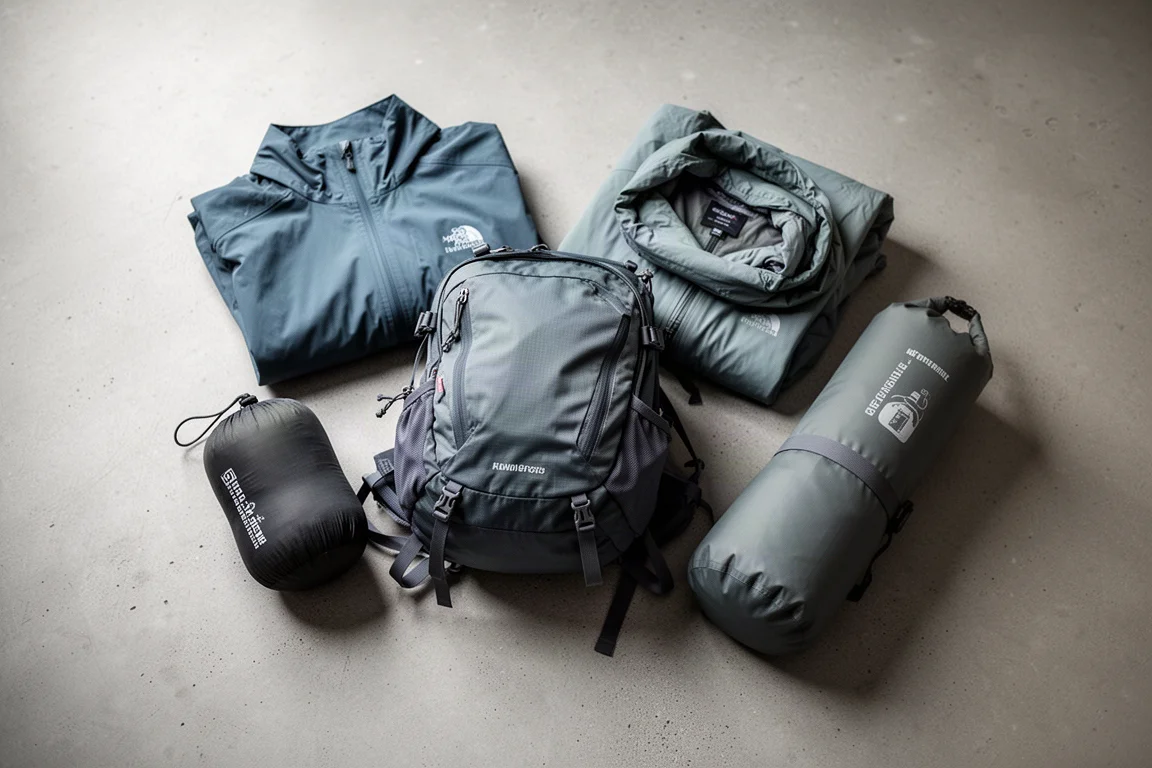
The DAS Light can be packed into its own pocket, though a waterproof dry bag is often the better choice. Stuffing a jacket into a pocket risks snagging the zip and tearing the fabric, and a dry bag also keeps the jacket dry if the weather turns wet or snowy on the approach.
Matching the Jacket to Your Activity
The choice between the two comes down to how you will use the jacket. If you want the smallest possible packed size and you mostly carry the jacket while walking or bike packing, the Micro Puff makes sense. It is light, it packs away easily, and it stays warm if it gets damp.
If you spend time standing around in the wind on belays, or you climb in cold, wet conditions where the shell takes a beating, the DAS Light is the stronger option. The wind resistance and extra durability matter most when you are stationary and exposed, which is exactly the situation a belay jacket is designed for.
Which One Should You Choose?
Both jackets use recycled PlumaFill synthetic insulation, and both keep working when damp, so the decision is really about the balance between warmth and weight. The DAS Light is roughly 20 percent warmer and roughly 20 percent heavier than the Micro Puff, and that single trade-off explains most of the difference between them.
If you want the lightest layer that still packs down small, the Micro Puff is the more efficient choice. If you want a jacket that will hold up to rough rock, block wind, and keep you warm while you stand still in bad weather, the DAS Light is worth the extra grams.
Either way, both are proven designs from a brand with a long history in synthetic insulation, and both are easy to justify if they match the climbing you actually do.
Conclusion
The DAS Light takes what made the Micro Puff notable and adds weather resistance and durability, at the cost of a little weight. The Micro Puff stays the lighter, more packable option for activities where abrasion and wind are not the main concern. Choose based on the conditions you climb in, and either jacket will serve you well.
Further reading
Related Reviews
Outdoor Jackets
Arc'teryx Alpha Jacket Review: A Lightweight Gore-Tex Shell Built for Climbing
A detailed look at the Arc'teryx Alpha Jacket, a lightweight Gore-Tex mountaineering shell with rugged shoulders, a Hadron body, and a deliberately simple feature set.
Outdoor Jackets
Arc'teryx Atom LT Review: A Versatile Synthetic Midlayer for Cold Weather
A detailed look at the Arc'teryx Atom LT, a lightweight synthetic midlayer built for active cold-weather use, with its strengths, trade-offs, and who it suits best.
Outdoor Jackets
Haglöfs L.I.M Mimic Barrier Hood Review: Light, Breathable, Built to Move
A close look at the Haglöfs L.I.M Mimic Barrier Hood, a 282 g windproof and breathable synthetic layer that works alone in mild weather and as part of a winter system.