Running Shoes
Past-Generation Running Shoes Still Worth Buying: Six Oldies But Goodies
Six previous-generation running shoes that still deliver, from the Nike Vaporfly Next% 2 to the Hoka Tecton X, many now available at knockdown prices.
Introduction
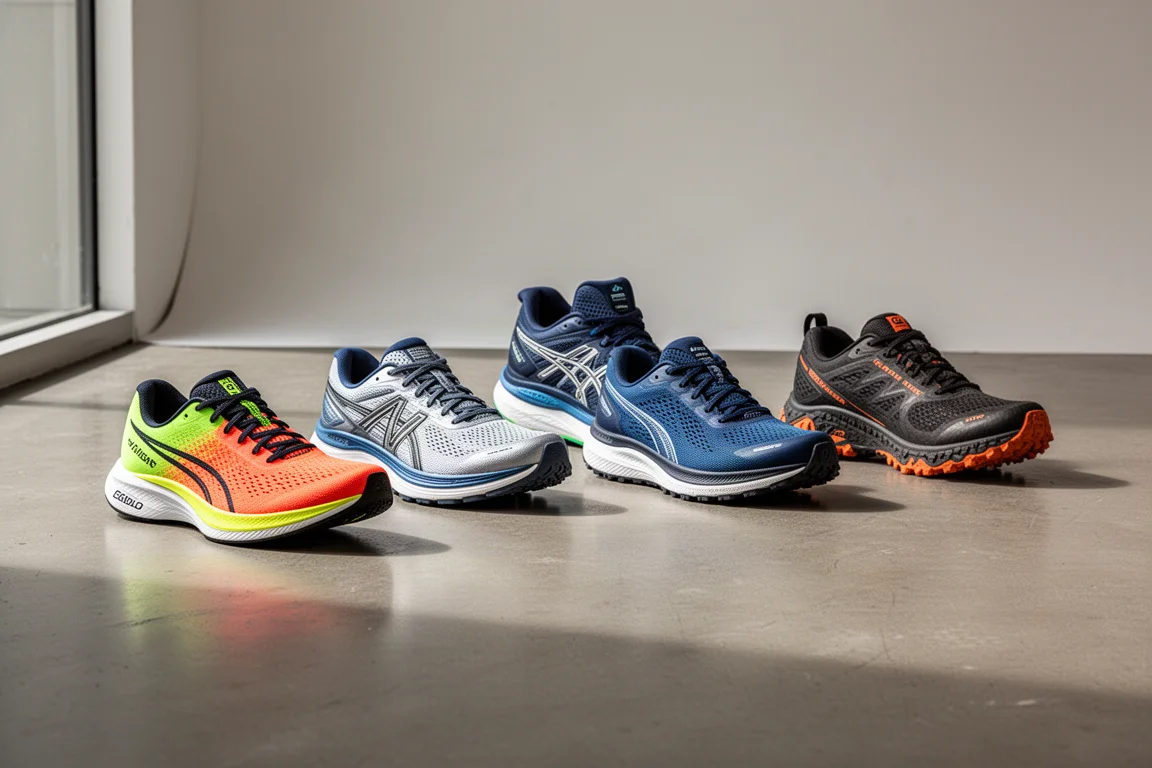
Every year the big brands release upgraded versions of their running shoes, promising better foams, tweaked geometries and plenty of new marketing. The trouble is, new does not always mean better. Sometimes the previous generation rode differently, fit differently, or simply felt better on the foot.
These six past-generation shoes still hold their own. None of them is necessarily the outright better shoe compared with its successor, but each one rides in a way its replacement does not quite replicate, and each is still worth recommending, often at a significantly reduced price.
Nike Vaporfly Next% 2: Still the Racer’s Choice
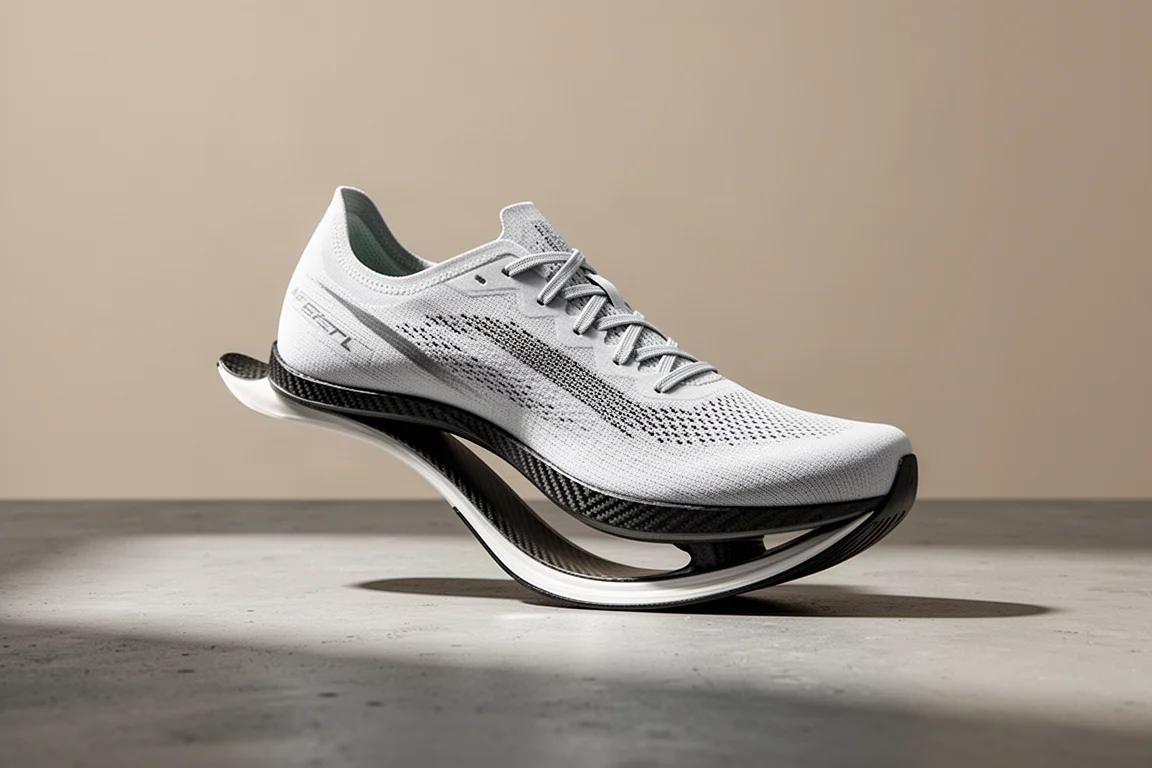
The Vaporfly Next% 2 remains a firm favourite for chasing fast times over pretty much every distance. Where the newer Vaporfly 3 adds more ZoomX foam underfoot with a softer, more accommodating and protective tune, the Next% 2 keeps a more stripped-back, direct and stiff racing character with noticeably more ground feel. You have to be moving in your best form to get the most out of it, but that is part of the appeal: it keeps you honest.
The Next% 2 has a more aggressive toe-off, and for race day feel, especially over a half marathon, marathon or even a 10K, many runners still prefer it. The 3 is more stable and more forgiving when form falls apart late in a marathon, but it dulls some of the directness that made this shoe stand out from other carbon racers. Buying the older version also saves you money.
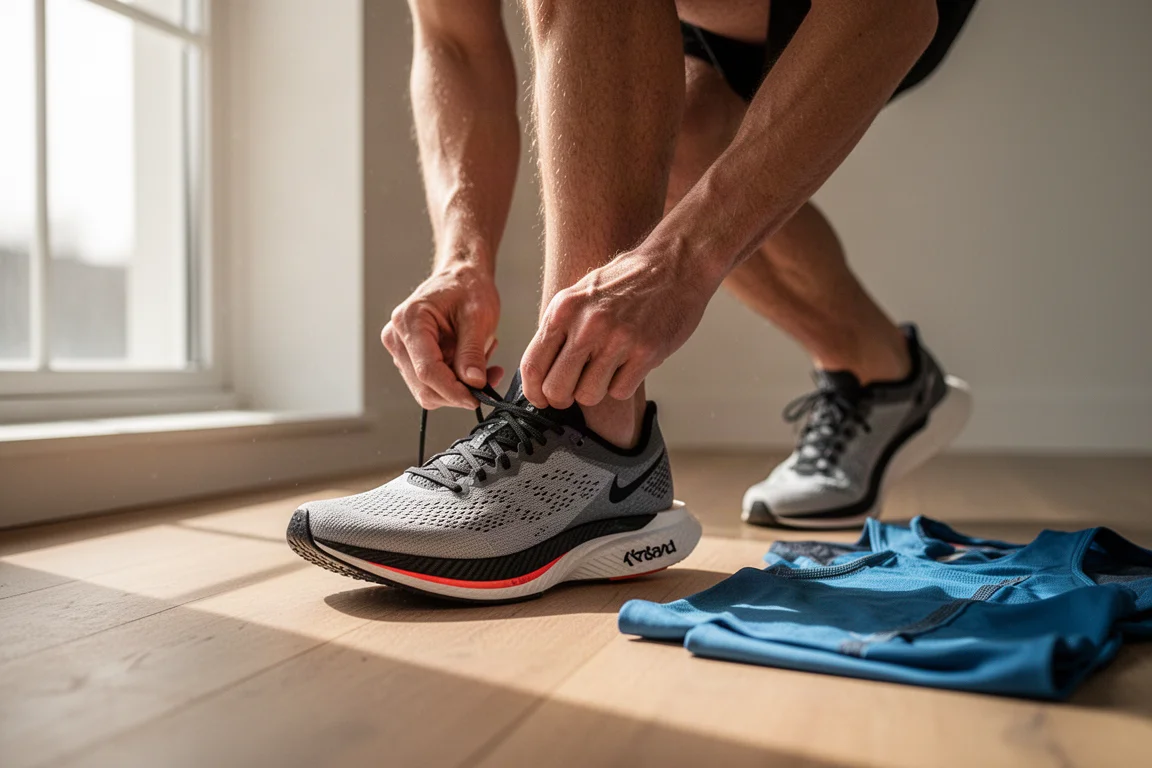
If you want to feel like you are flying on race day, the Next% 2 is the pick.
Asics Magic Speed 2: The Underrated All-Rounder
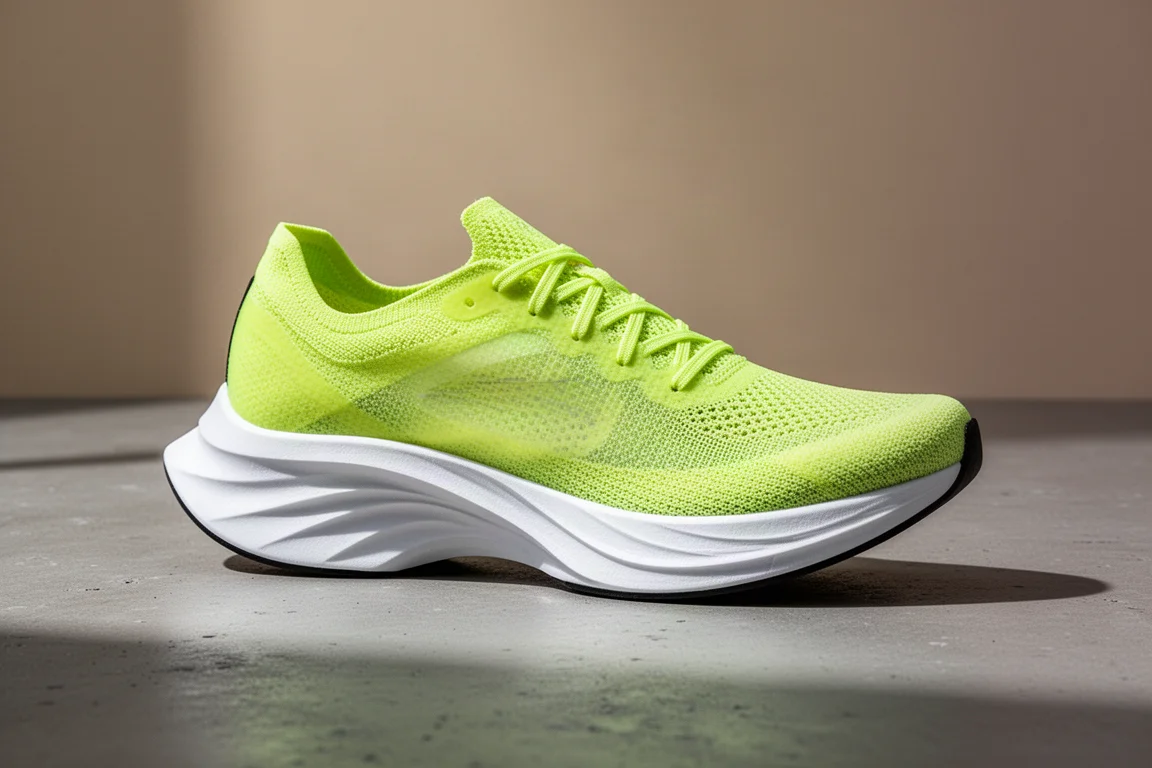
The Magic Speed 2 flew under the radar for a lot of runners, but it earned a place in rotations as a genuinely versatile daily trainer. It pairs a TPU plate with Asics FF Blast foam on top and FlyteFoam underneath, delivering a comfortable ride with plenty of speed thanks to the plate and a well-tuned rocker. It is not the bounciest midsole in the category, but it handles a wide variety of paces.
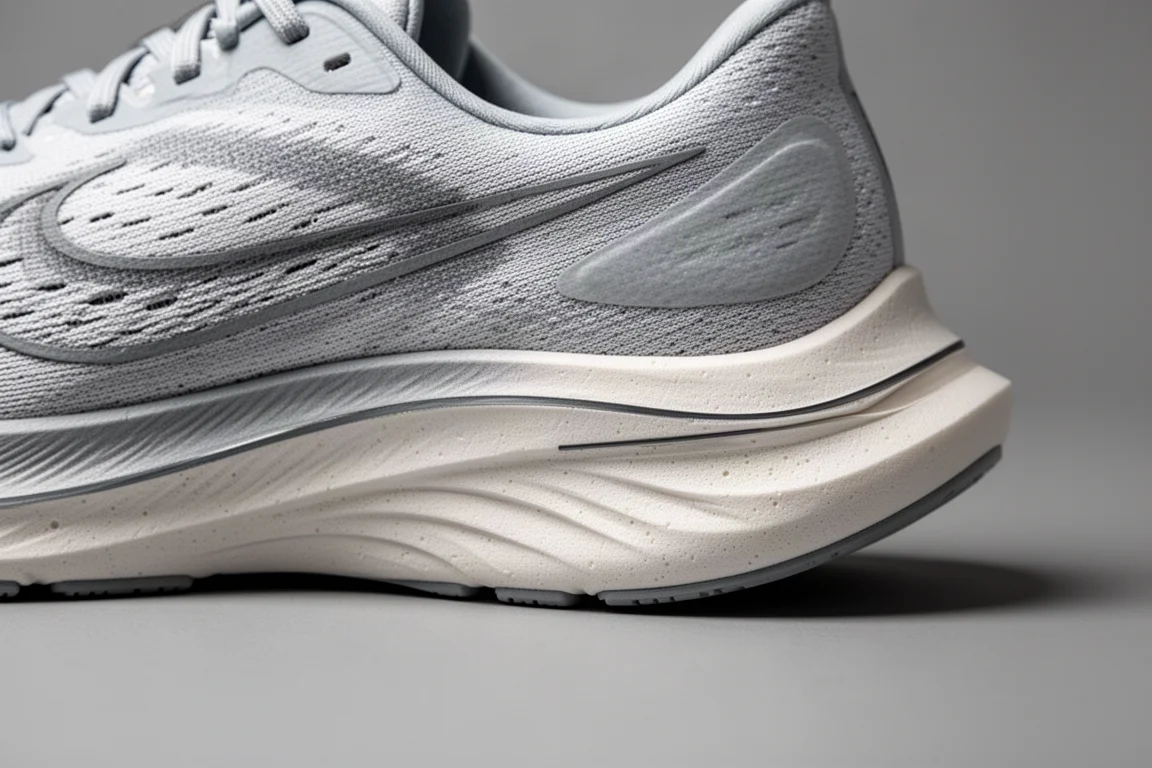
The fit is a standout too: slightly narrower with a nice lockdown that stays comfortable over easy miles. Compared with the Magic Speed 3, which is lighter, more aggressive and race-focused with a full carbon plate, the Magic Speed 2 is the more relaxed, more capable generalist. If you already own dedicated carbon shoes for fast days, the 2 makes more sense as a plated everyday trainer. It is still widely available, often in sales down toward the £100 mark, which makes it a very good all-round deal.
Nike Invincible: Plush Comfort Without the Premium
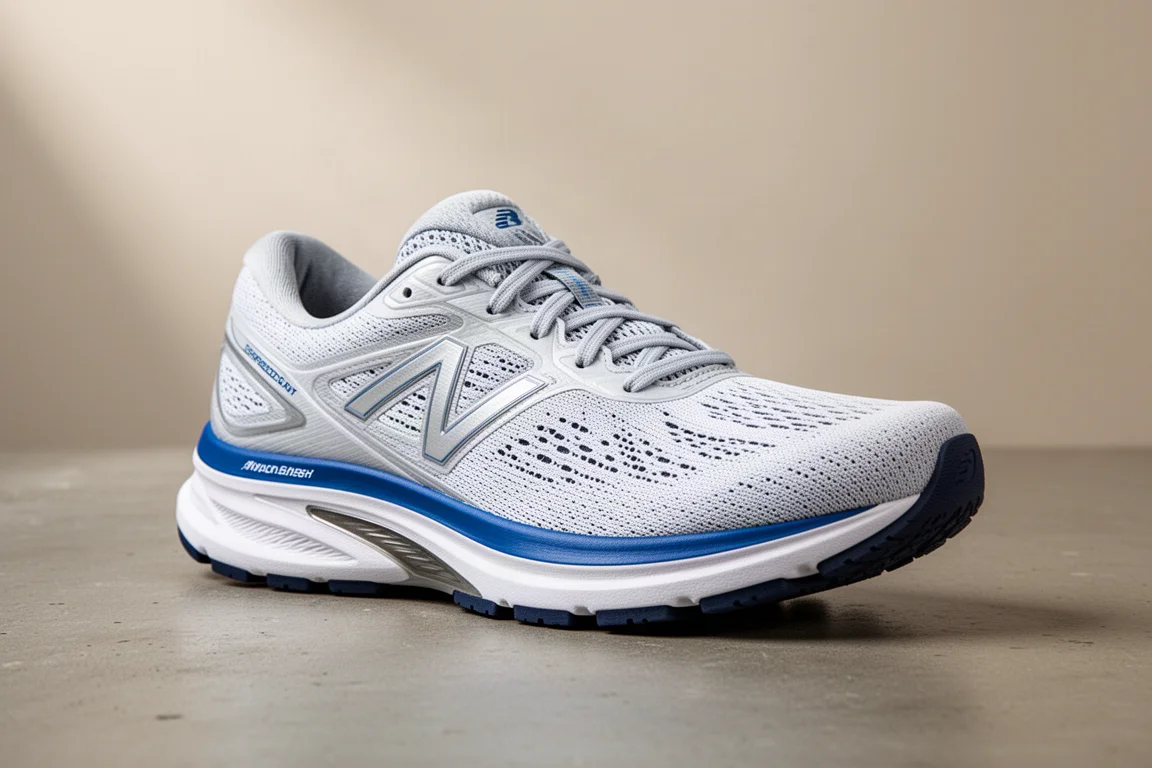
For a really plush, really cushioned everyday running shoe that does not cost a fortune, the original Invincible and the Invincible 2 remain the pick. The two feel pretty much identical to the original, while the third version brings a different, sleeker upper and a subtly changed ride that not everyone loves.
The original generation delivers maximum soft cushioning for easy miles and everyday running, and plenty of runners keep multiple older pairs in rotation precisely because the feel is that dependable. Slipping them on feels like going back to an old friend.
Under Armour Velocity Wind 2.0: Light, Firm and Precise
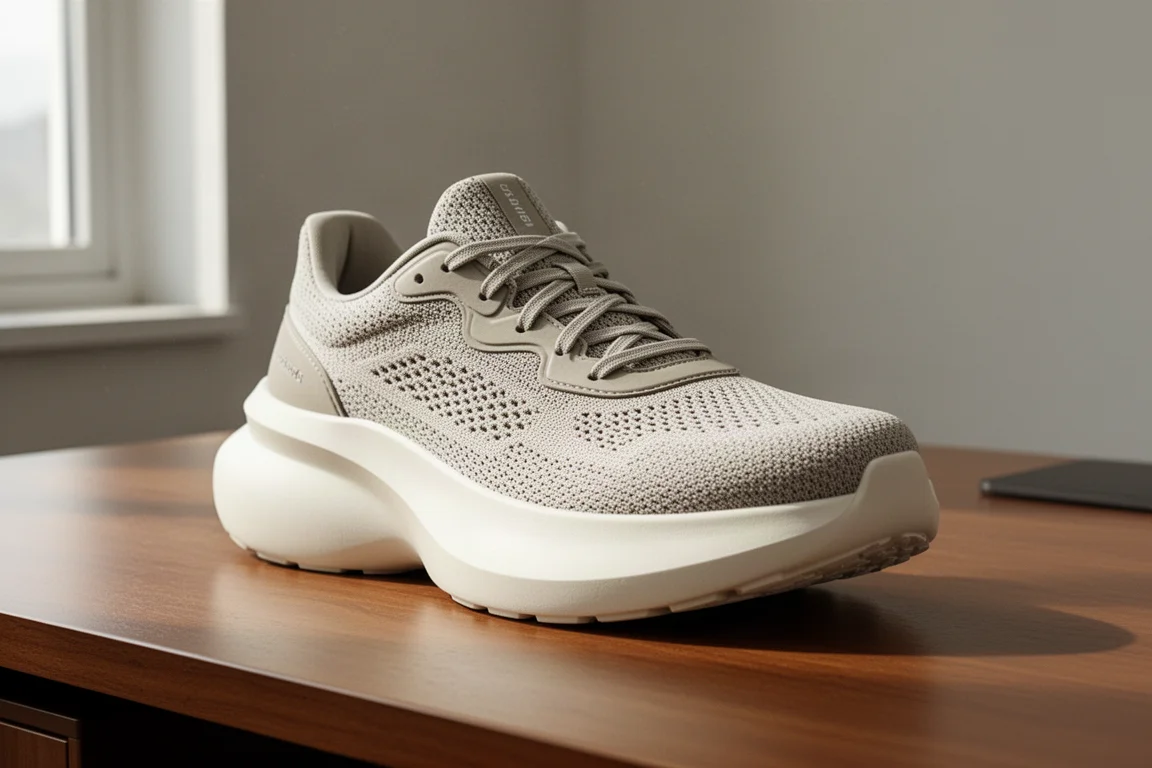
The Velocity Wind 2.0 may never have become a headline daily trainer, but it has a devoted following among runners who prefer firmer, lower-stack, more direct shoes. At 241 grams (8.5 ounces) it was genuinely light and racy, and it was one of Under Armour’s early shoes to use the Flow cushioning system: a single-piece midsole and outsole combining cushioning, durability and traction without separate outsole rubber.
That direct ground feel and lightness encouraged fast foot turnover and made for a really natural run. It suited intervals and shorter faster runs, yet coped with some longer miles too. In a world of soft, springy super foams, it harked back to a more traditional ride, the kind of shoe you could run a marathon PB in.
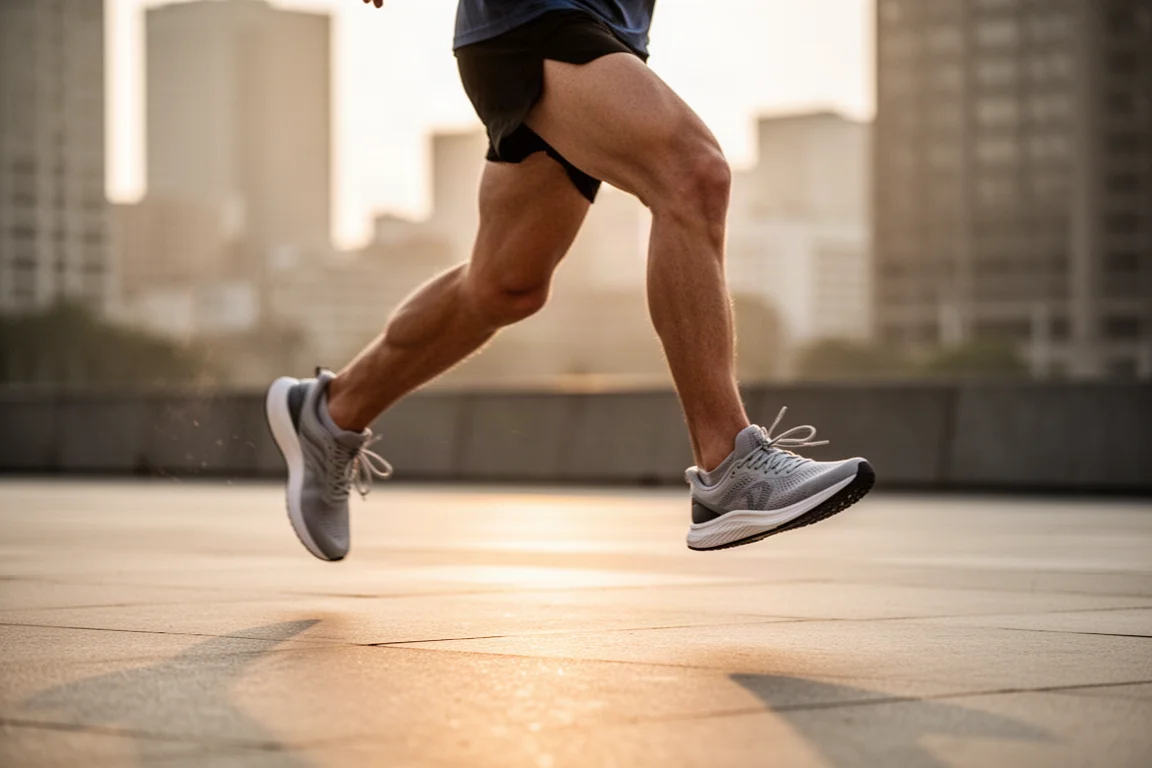
The Velocity Wind 3 added more Flow foam, two extra millimetres in the forefoot and four in the heel, plus a slightly softer, differently shaped ride that brought weight and heft and lost some of the original’s dynamism. The firmer, snappier V2 remains the one for faster sessions.
Hoka Rocket X: A Bargain Speed Shoe
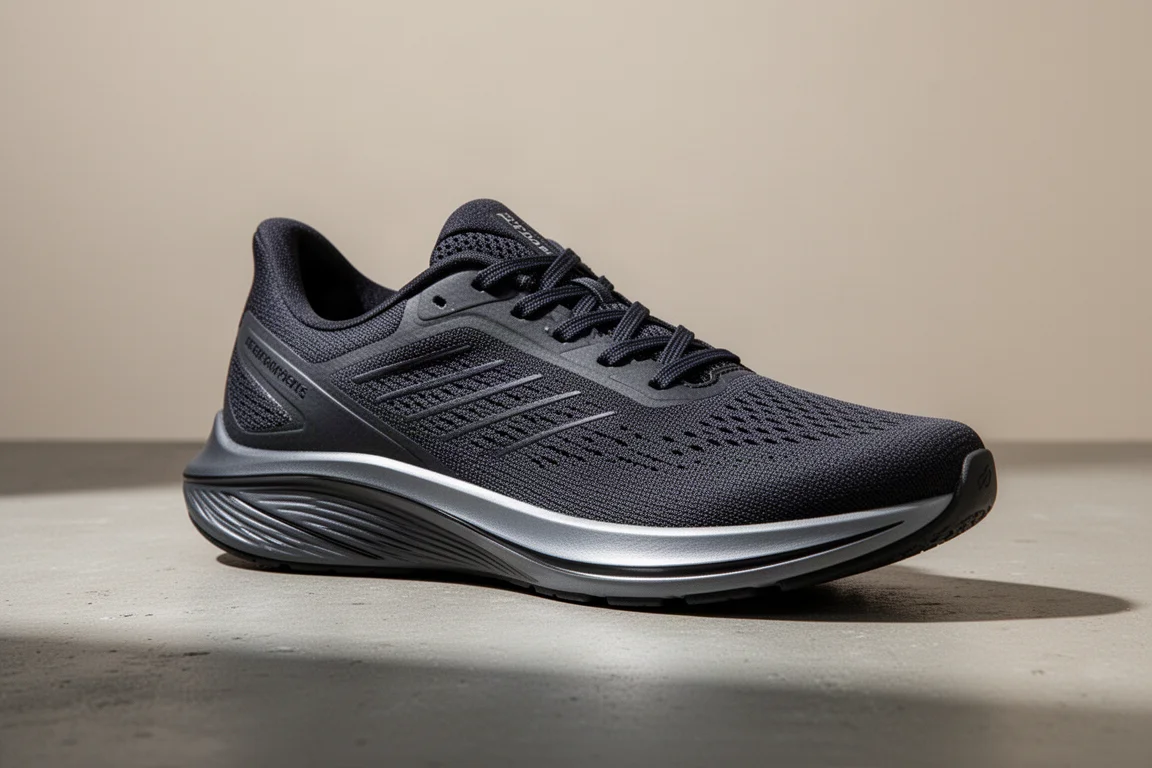
The original Hoka Rocket X is still a great shoe, and although you may not find it directly on Hoka’s own site, plenty of retailers, particularly in the UK, still stock it, often sitting below £100 and sometimes around £70. For what it delivers, that is a very good price.
It is a little narrow, so the fit needs to work for you, but in return you get a shoe with a great rocker and real pop in the midsole. It suits shorter, sharper sessions and speed work best, and you can race in it if the fit agrees with your foot. It is a totally different shoe from the Rocket X 2, which brings a new upper, midsole and more outsole rubber for longer-distance comfort, but for that fast feeling at short distances, the original remains excellent value.
Hoka Tecton X: The Trail Shoe That Refuses to Quit
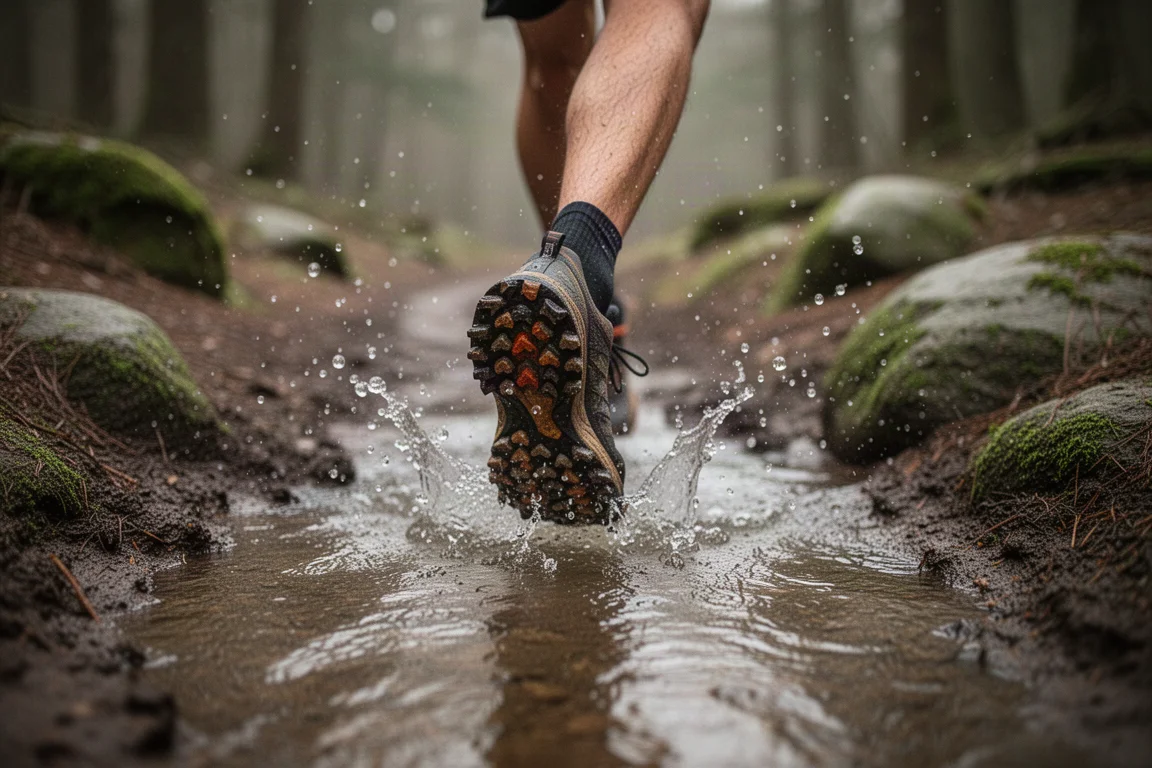
The original Tecton X has proven remarkably durable, with runners still logging regular miles in 18-month-old pairs through mud, river crossings and cross-country races. The key point: most of the changes Hoka made for the second edition were in the upper, which is a little stiffer and better at repelling water. Underfoot, the two versions feel very similar.
That makes the original an easy recommendation, particularly at the price. It has been seen at £104.99, down from £175 at full price, while the newer edition launched £10 higher at £185, a saving of around £80. Availability is decent though limited to certain sizes.
If you want a carbon-plated trail shoe and would rather not pay full whack for the newest upper, the original Tecton X is the smarter buy.
Buying Advice
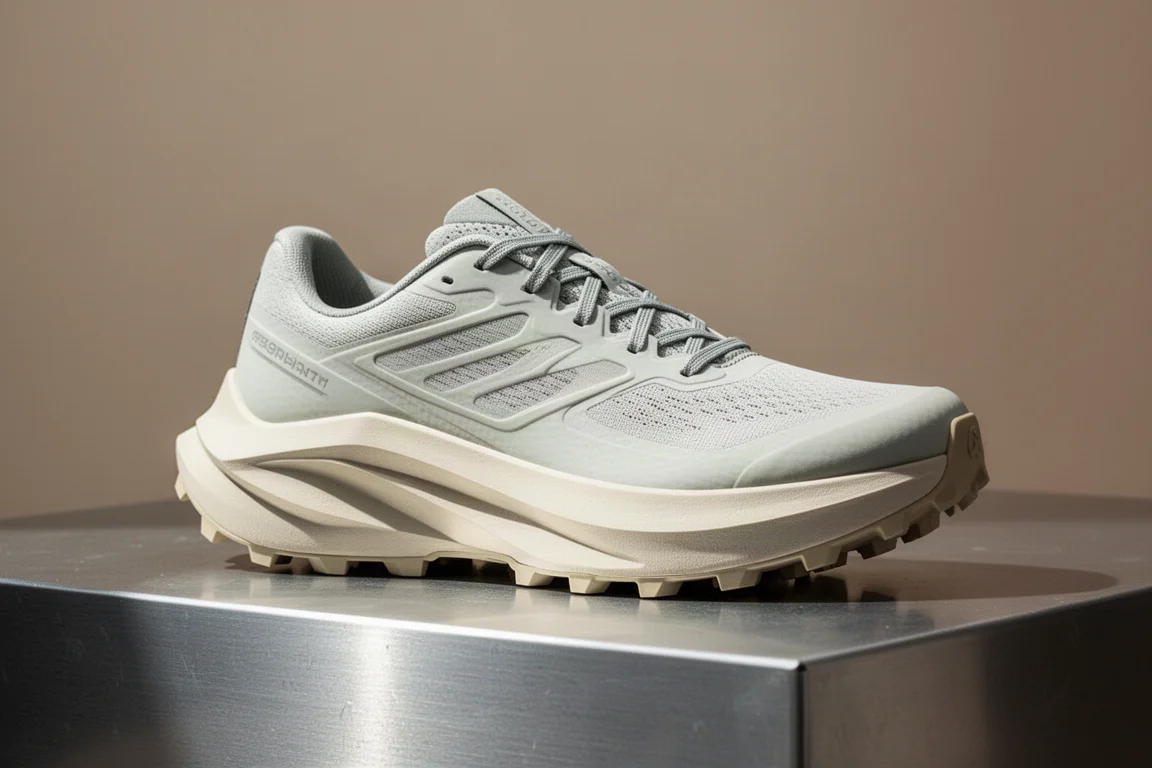
If you are chasing race day speed, the Vaporfly Next% 2 is the strongest pick here. For a versatile plated daily trainer, look at the Magic Speed 2. Maximum cushioning on a budget points to the original Invincible. Fans of firm, light and traditional rides should hunt down the Velocity Wind 2.0, while the Rocket X covers short speed sessions at a bargain price. Trail runners get the best value from the original Tecton X, whose only real compromise is a slightly less water-resistant upper.
Conclusion
Older-generation running shoes often lose very little where it matters: under the foot. These six still earn their place in a rotation, and with discounts widely available, they can be some of the best value running purchases you make this year.
Further reading
Related Reviews

Running Shoes
Best Road-to-Trail Running Shoes: Three Versatile Options for Mixed Terrain
A practical guide to three road-to-trail running shoes that handle both pavement and mild trails, with clear strengths and trade-offs for different runner types.

Running Shoes
Best Running Shoes for Achilles Tendonitis: Three Options Explained
Three running shoes with different heel drops and support features designed to help reduce Achilles tendon pain during walking and running.

Running Shoes
Best Running Shoes for Women: Five Top Choices Ranked
A ranked guide to five women's running shoes, from versatile daily trainers to high-performance racing options, with real strengths and trade-offs for each.