Kitchen Accessories
Parker Asahi Cutting Boards Review: Consumer vs Professional Compared
Seven boards, two lines, two colors. A hands-on look at Parker Asahi's synthetic rubber cutting boards and which three are worth keeping.
Introduction
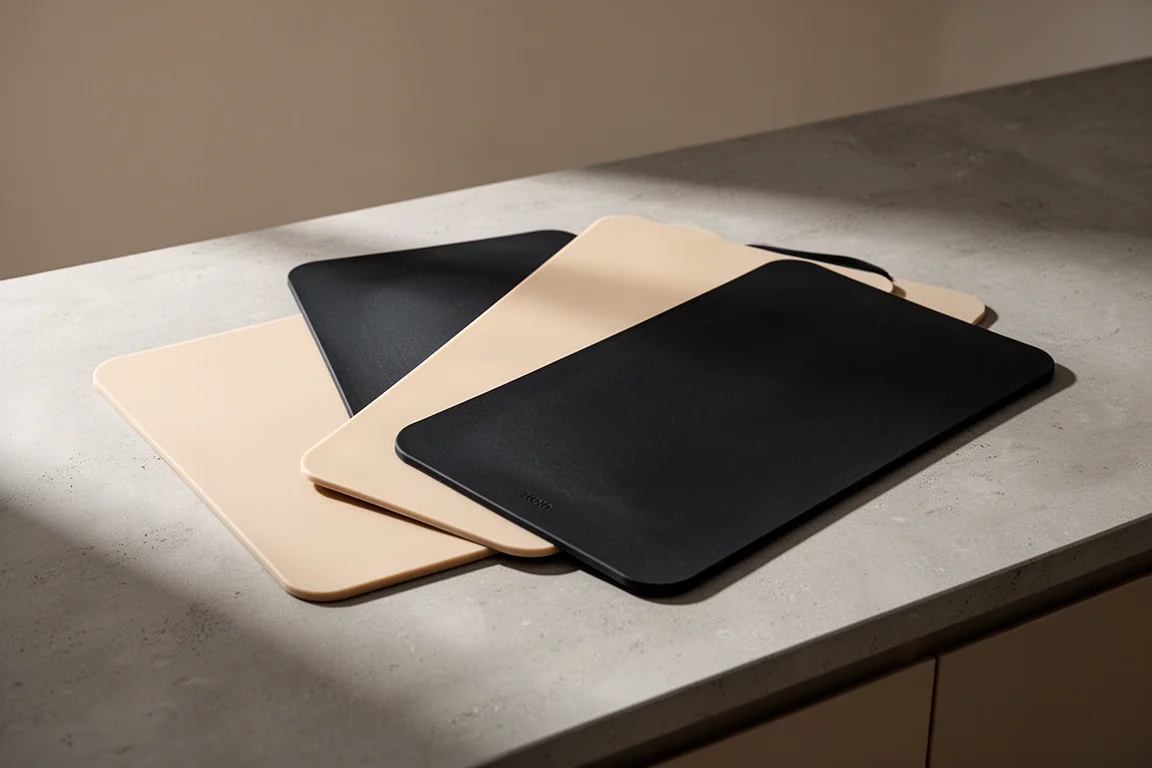
Parker Asahi synthetic rubber cutting boards have quietly built a serious reputation in Japan, and this collection review covers seven boards across two lines: Consumer and Professional. Both are made in Fukaya City, Saitama Prefecture, and both are built from synthetic rubber all the way through the depth of the board.
That construction detail matters. Unlike layered hybrid boards that use a wood core sandwiched between polymer plastic surfaces, Parker Asahi boards are one homogeneous material from top to bottom. The Professional line adds wood powder mixed into the rubber to better mimic the cutting feel of a wooden board, and it also comes in more thickness options and a range of colors for color-coded prep work.
Why Choose a Synthetic Rubber Board?
Synthetic rubber boards fill a very specific gap. Wood boards look and feel great but need regular conditioning, and most people hesitate to cut hot food, very juicy ingredients, or raw protein on them. That usually pushes those tasks onto plastic boards, which stain and degrade over time.
Parker Asahi boards slot neatly into that role. They are light, easy to carry to the sink, gentle on knife edges, and forgiving when dealing with messy proteins or staining produce. They will not replace a beloved end grain board for feel, but they have a clear place in a working kitchen.
Consumer Line: Light, Dense and Surprisingly Good
The Consumer line includes a rounded-corner serving board with a hanging hole, measuring 300 x 200 x 8 mm, intended for cheese or serving. In practice the hole takes up cutting real estate and the board feels small for a proper charcuterie spread, but it is remarkably soft on knife edges and works well for delicate tasks.
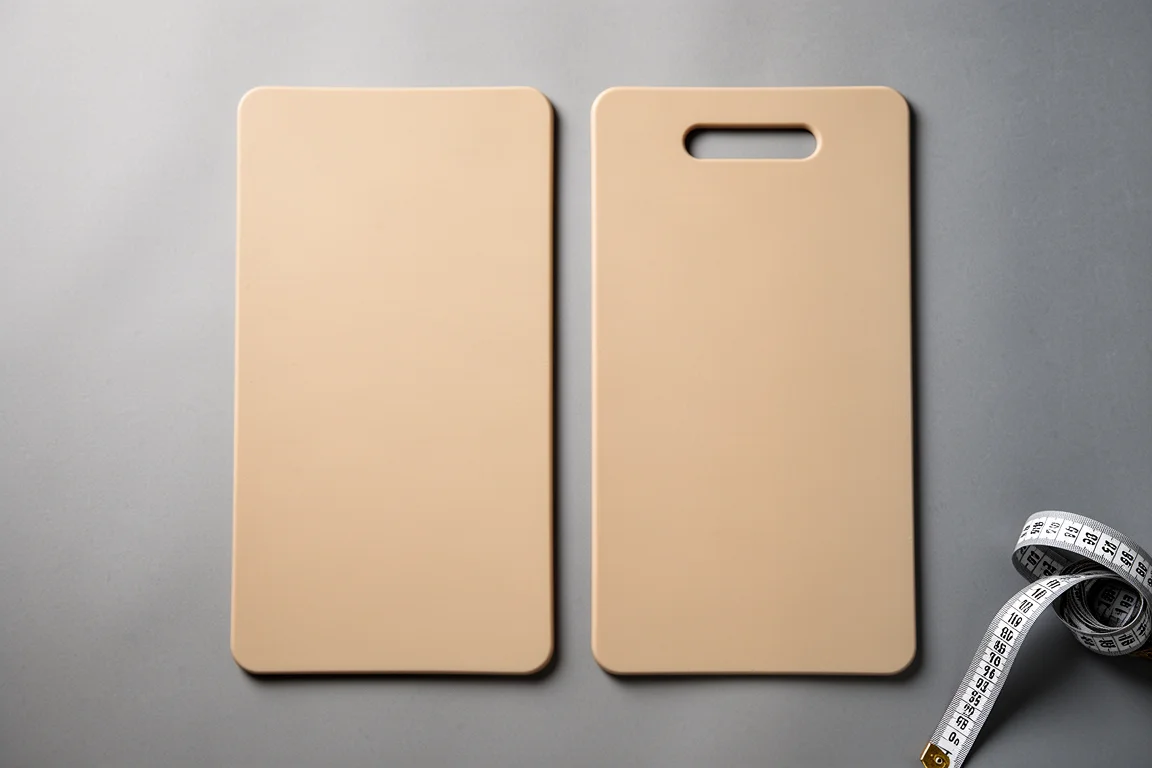
The rest of the Consumer line is three boards at a uniform 13 mm thickness: a medium at 380 x 210 mm, a large at 400 x 230 mm, and an LL at 420 mm long. First impressions were genuinely positive. They feel far denser than expected, with great feedback and a satisfying feel under the knife. The sound is a touch high-pitched and rubbery compared to the Professional line, but it is easy to live with.
Do You Really Need All Three Sizes?
Here is the honest criticism: the size differences are almost negligible. Between the medium and the large, the difference is just 20 mm. No home kitchen needs that level of precision, and trimming the range would simplify the choice for buyers without losing anything practical.
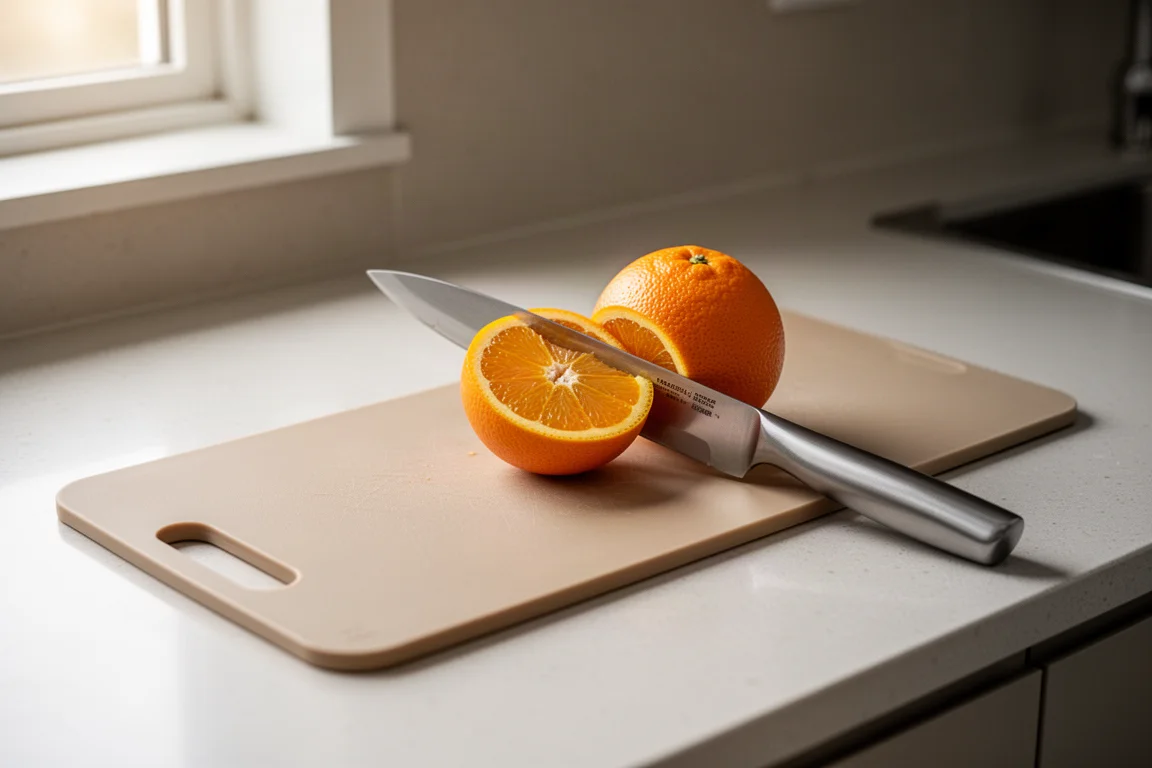
The medium, at 380 x 210 x 13 mm, emerges as the most versatile of the three. Its light weight and packability make it an ideal camping board, and it is large enough for fruit work, supreming oranges, and general small prep while remaining easy to clean.
The Black Professional Board
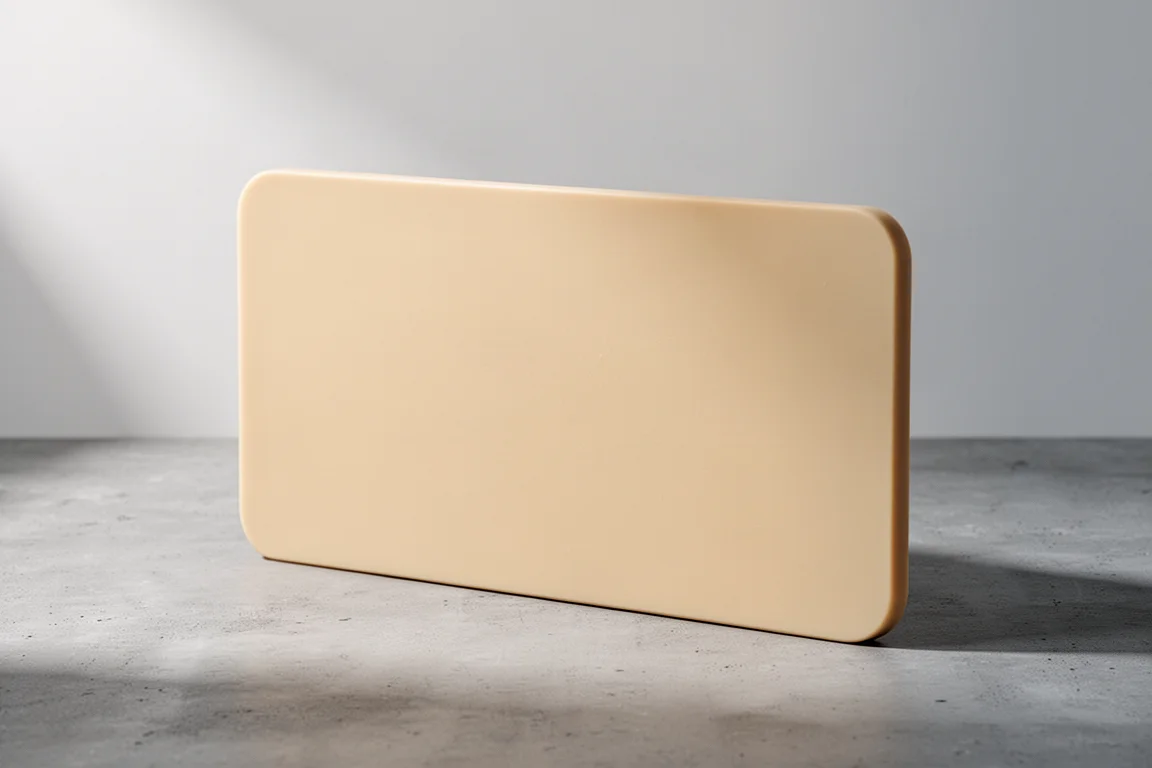
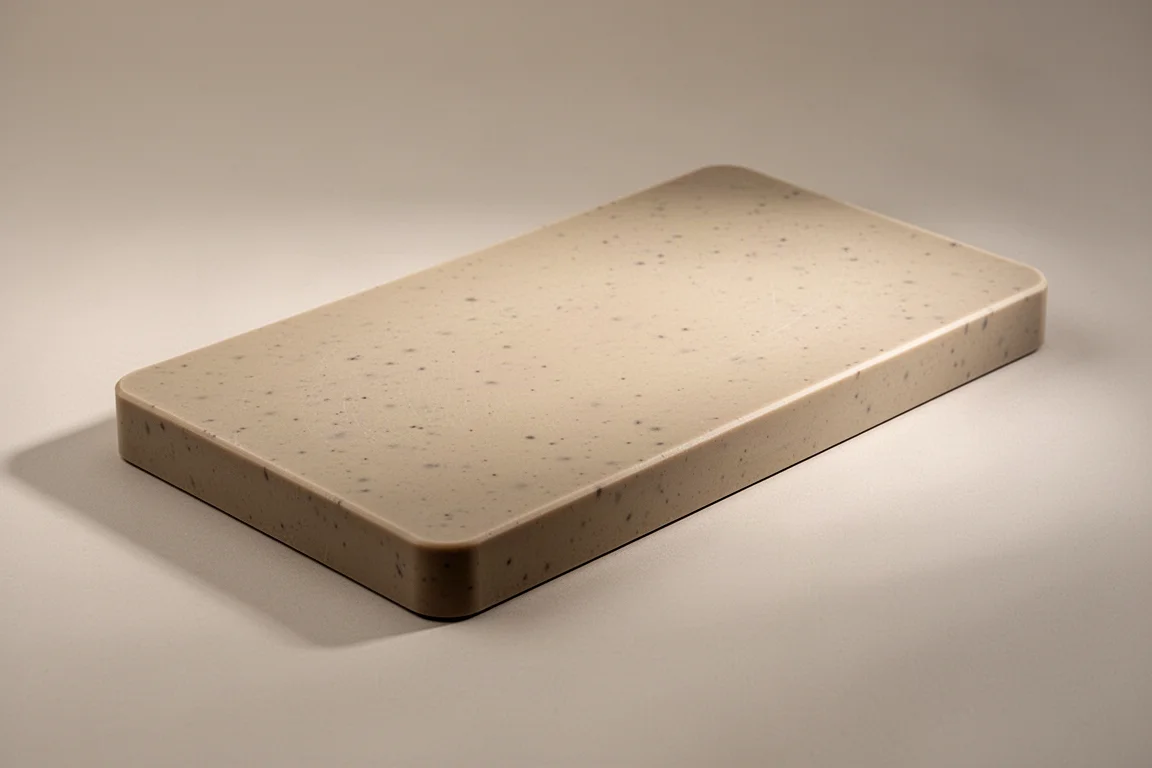
The Professional series uses the same synthetic rubber base with wood powder mixed in, which darkens the material slightly and adds visible specks. The stated goal is a cutting feel closer to wood, with a lower, more muffled cutting sound than the Consumer line. Professional boards also come in a wider range of thicknesses.
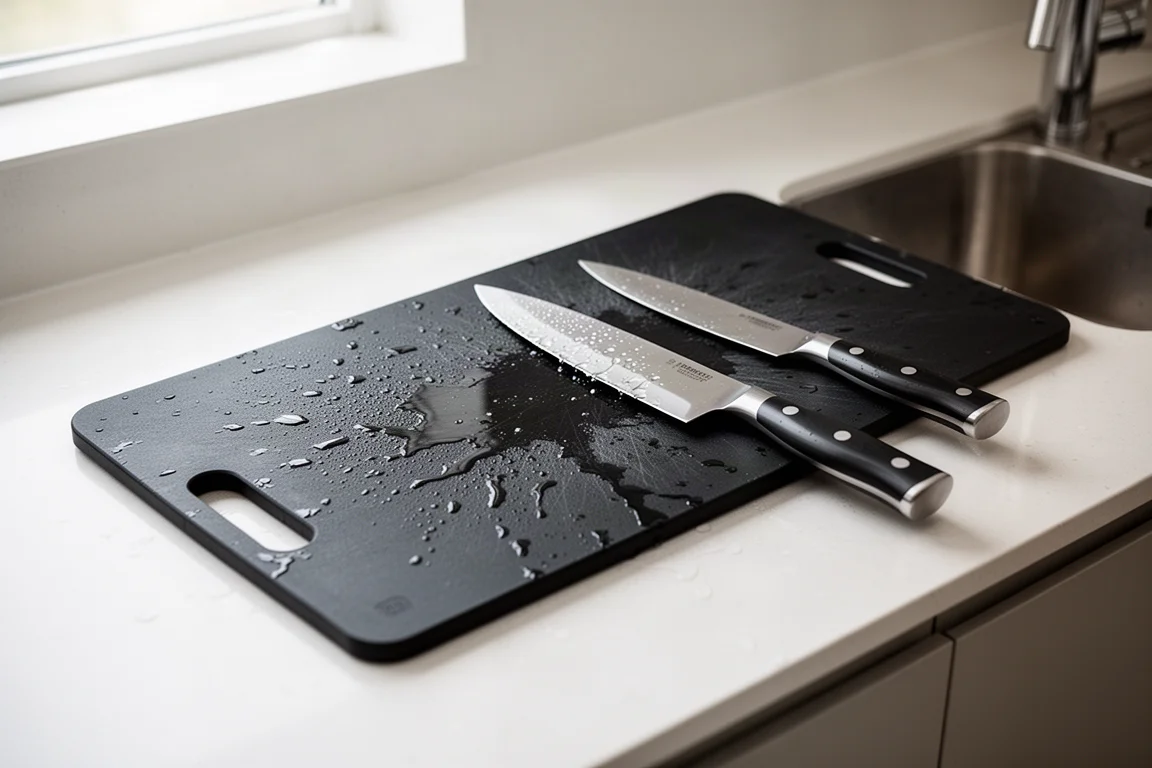
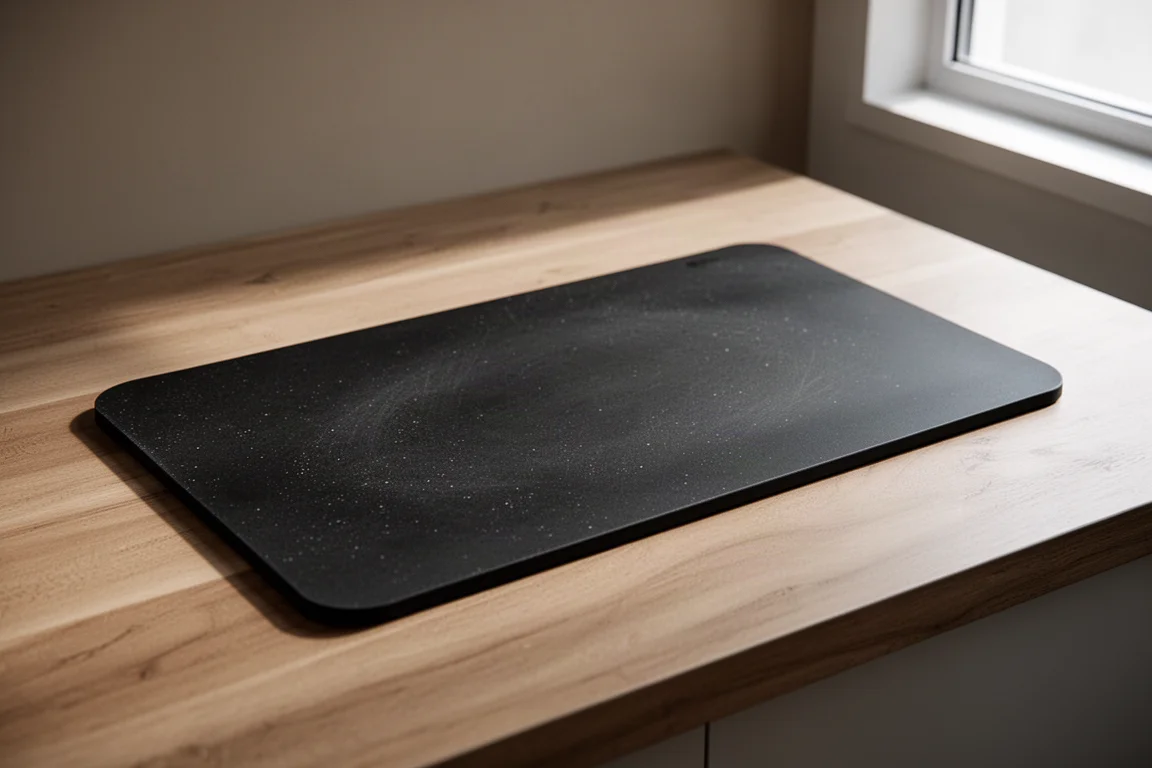
The black Professional board measures 450 x 250 x 13 mm and is a newer addition to the range. Beyond the obvious aesthetic appeal, the dark surface is far less prone to showing stains, which makes it a natural pick for fish butchery, cooked meats, and pizza. The cutting feel is noticeably nicer than the Consumer boards, and the color hides the mess that would ruin a light board.
The 20 mm Professional Board Is the One
The remaining two Professional boards share the same 500 x 250 mm footprint and differ only in thickness, at 15 mm and 20 mm. This is where the collection peaks. The 20 mm board has real heft, absorbs shock well, and delivers cutting feedback that comes closest to not missing a wooden board at all.
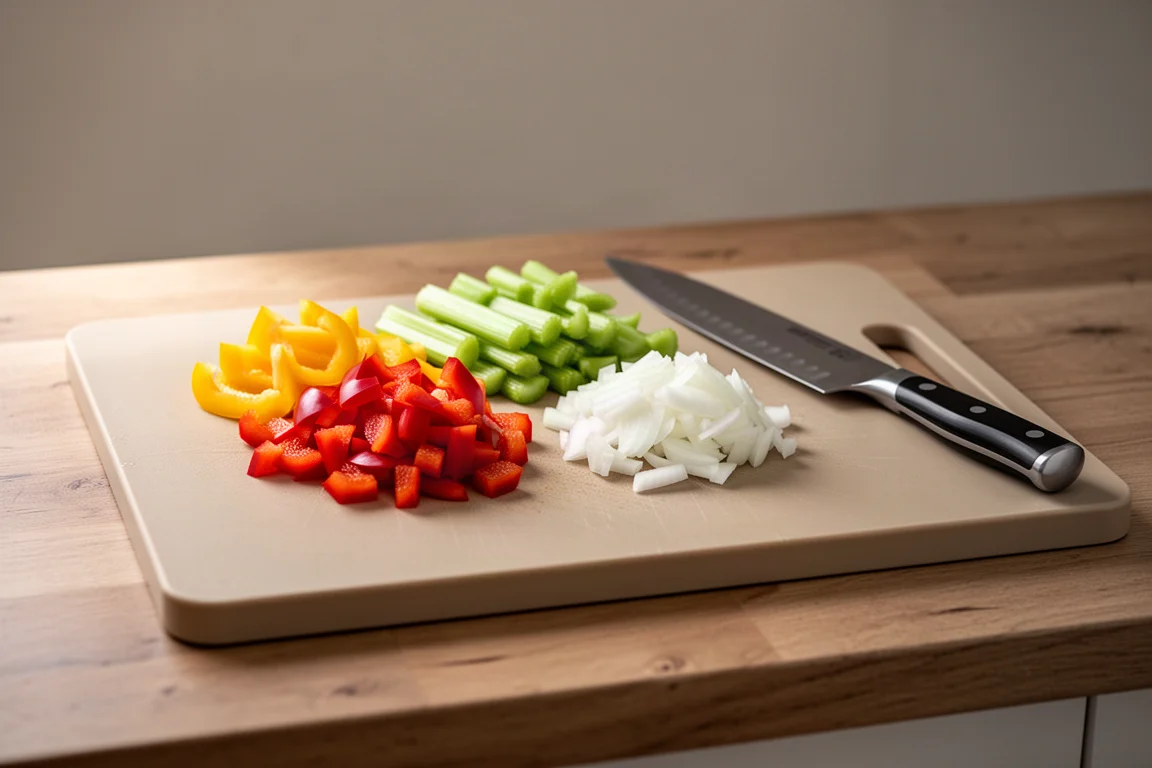
Testing it with a delicate single-bevel-style knife was revealing. It did not feel plasticky as expected. It did not quite feel like wood or rubber either, but soft and forgiving, and it handled aggressive cuts confidently. Bell peppers, celery, and onion all felt right on it, and it is light enough to carry to the sink for easy cleaning. It is an easy pick as a chicken butchery board.
The Black Professional Board for Messy Jobs
Things to Consider Before Buying
No board is perfect, and a few practical issues are worth knowing about:
- No feet. The boards slide on the counter unless a tea towel is underneath. Even small rubber feet included in the box would solve this for home users.
- They stain. An orange left a visible imprint within two minutes on a medium board, and even immediate soap-and-water cleaning did not remove it. The dark black Professional board is the practical answer if staining bothers you.
- Drying needs care. Standard kitchen towels catch and leave fibers behind on the surface. A proper microfiber cloth works better, or simply let the boards air dry in a dish rack, which their light weight makes easy.
Final Verdict
Out of the seven boards, three stand out as keepers. The medium Consumer board earns its place as a camping and small prep board thanks to its low weight and easy cleaning. The black Professional board handles fish, cooked meats, and pizza with a good cutting feel and excellent stain resistance. And the 20 mm Professional board is the closest this range gets to a wooden board feel, making it the best all-round choice for daily vegetable prep.
If you are choosing a single board, go Professional and go thick. If you want a light, packable second board, the medium Consumer model is hard to beat.
Conclusion
Parker Asahi’s synthetic rubber cutting boards deliver a genuinely pleasant cutting experience that plastic boards do not match. The Consumer line is a great entry point, while the Professional line with wood powder is where the cutting feel and sound quality truly improve. Accept the staining and the lack of feet, pick the size and thickness that match your prep style, and these boards fill a real gap between wood and plastic.
Further reading
Related Reviews
Kitchen Accessories
SunnyPoint NeverRust Kitchen Sink Suction Sponge Holder: The Sponge Holder That Stayed Put
In side-by-side testing of six sponge holders, one suction model stood out for fast drying and a grip that actually lasts.
Kitchen Accessories
Best Cutting Boards for Knife Lovers: My Favorite Picks and What to Skip
From budget plastic boards to end grain wood, here is what makes a cutting board kind to your knife edges, and which board earns favorite status.
Kitchen Accessories
Best Kitchen Accessories Beyond the Knife Block: A Curated Kitchen Tour
From a travel konro grill to end grain cutting boards and sharpening stones, these kitchen accessories are hand-picked by people who cook for a living.