Backpacking Tents
Paria Bryce 1 Person Tent Review: A Freestanding Sub-3-Pound Tent at a Budget Price
A fully freestanding one-person backpacking tent under three pounds that includes a footprint, with real interior room and a fast-fly pitch that keeps the inside dry.
Introduction
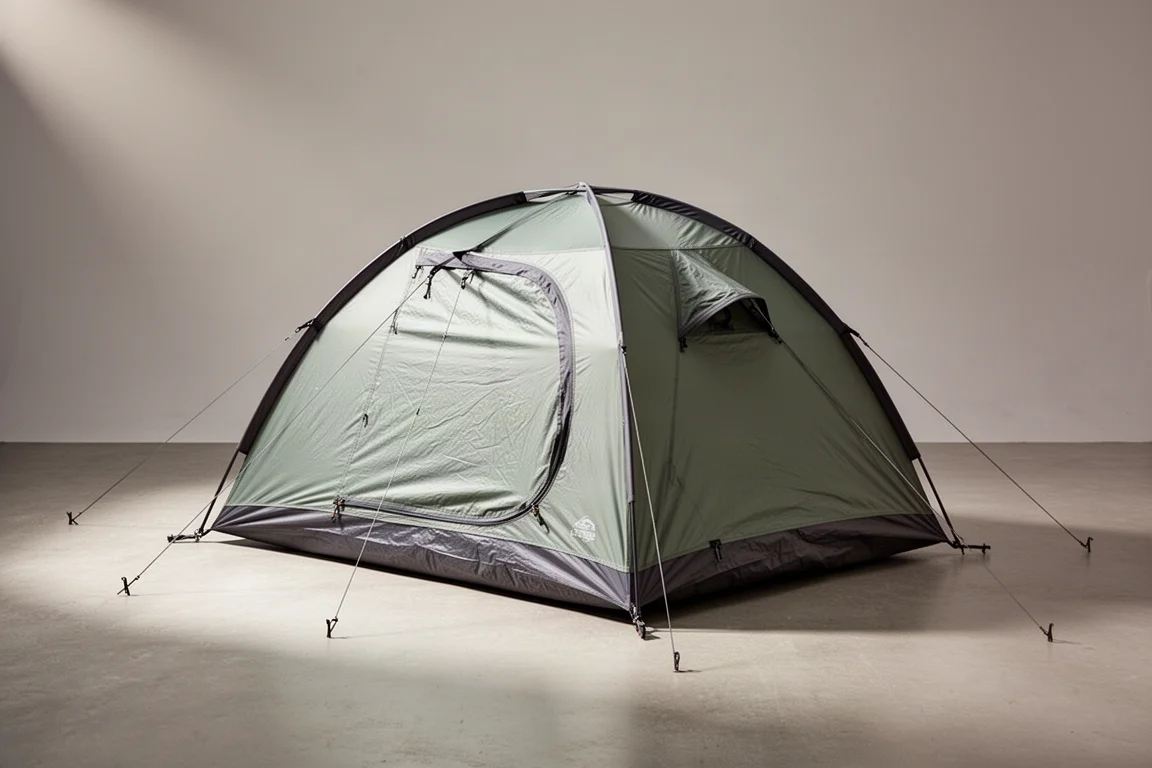
A fully freestanding one-person backpacking tent that weighs under three pounds and includes its own footprint is a rare combination, and the Paria Outdoor Products Bryce 1 Person Tent delivers exactly that for around $145. That price sits at the entry point of the market, yet the feature list reads like something several tiers above it.
The headline numbers are easy to state. Under three pounds, fully freestanding, and a fast-fly pitch that lets you set the shelter up in the rain without soaking the interior. For solo backpackers who have been putting off a tent purchase because the good options look expensive, this is the tent that changes the math.
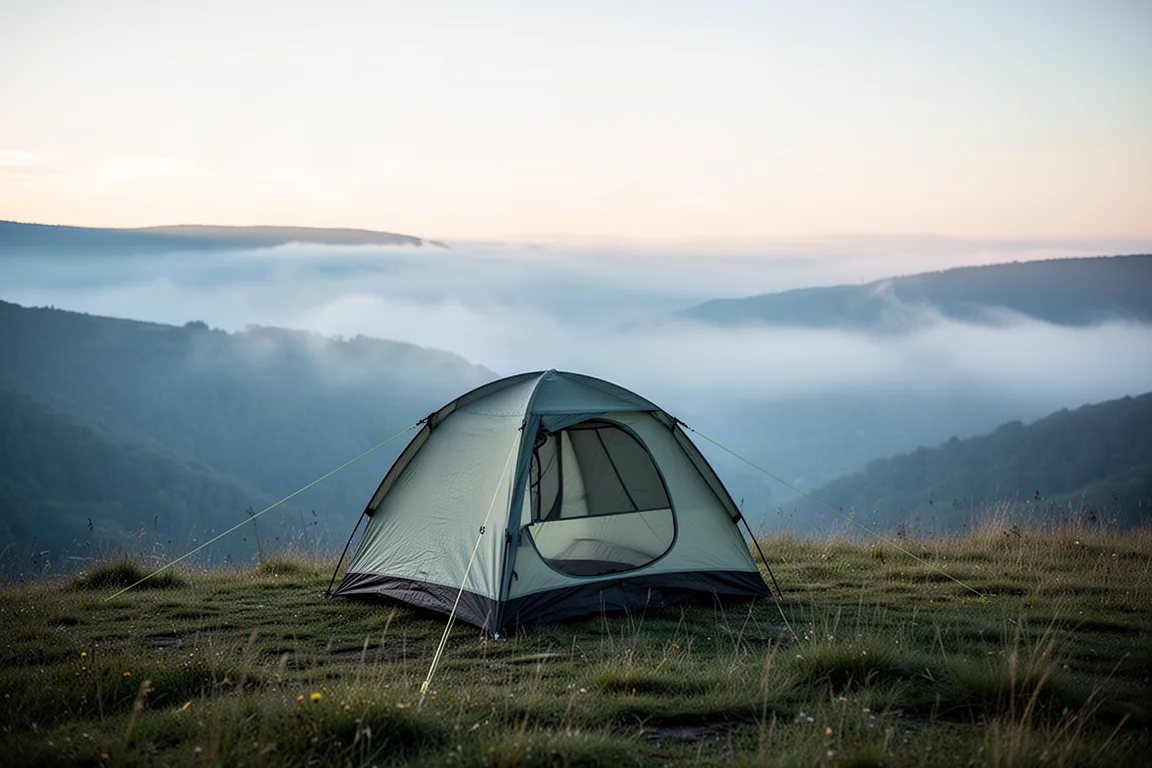
What makes the value argument convincing is not one standout specification but the number of small details that usually get cut at this price. A footprint in the box, a seam-free floor, real ventilation options, and enough interior space to fit a wide sleeping pad with room left over.
Who This Tent Is For
The Bryce 1 is aimed squarely at people who are getting into backpacking and do not want to spend a large amount of money on their first shelter. It also suits experienced campers who want to add a lighter, simpler tent to their setup without treating it as a major purchase.
It is a strong fit for solo trips where comfort inside the tent matters more than shaving the last few ounces. The interior is generous enough that a backpacker who dislikes cramped one-person shelters will feel at home, and the freestanding frame means pitching on hard or rocky ground is not a struggle.
It is less suited to anyone who wants a side-entry door, a large vestibule for cooking and storing multiple packs, or the lightest possible pole set. Those priorities point toward tents that cost considerably more.
Main Strengths
The strengths here stack up in a way that is unusual for the price bracket, and most of them relate to how the tent behaves in real conditions rather than how it looks on a specification sheet.
Weather-Ready Setup and a Fully Freestanding Frame
The Bryce 1 supports a fast-fly pitch. Grommets on the corners of the included footprint let you stake the poles first and then lay the fly over the top, so the inner tent can be clipped in afterwards and never gets wet during a downpour. That is a genuinely useful capability and one that many tents at this price simply do not offer.
The footprint itself is included rather than sold separately, which is worth noting because ground cloths are often an additional purchase that can rival a meaningful share of the tent’s cost. Because the frame is fully freestanding, the whole shelter can be lifted and repositioned once assembled, and it holds its shape without being staked.
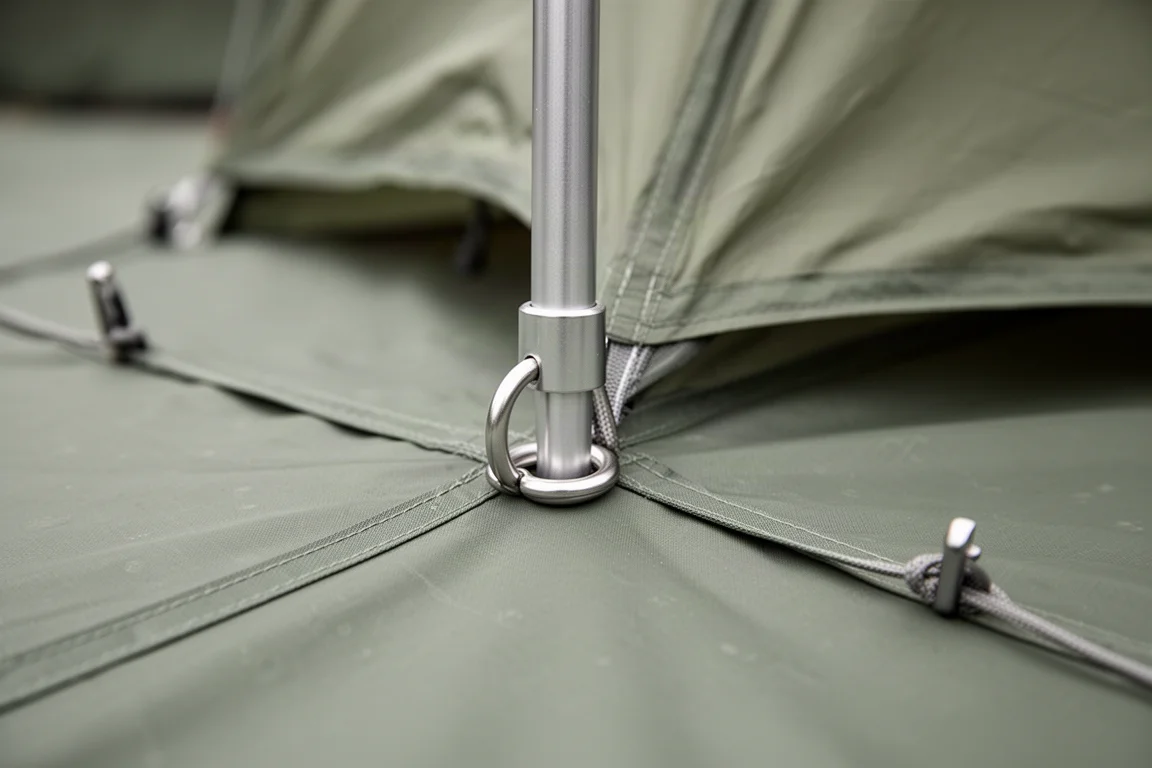
Pole construction is not the premium aluminium used on high-end tents, but it has held up across multiple backpacking trips and several nights of use without issue. Guy-out points are plentiful, including along the back of the tent, and the structure resists wind well. The fabric will flex under a strong gust, but the poles are not going to fold in on you.
Interior Space, Storage, and Ventilation
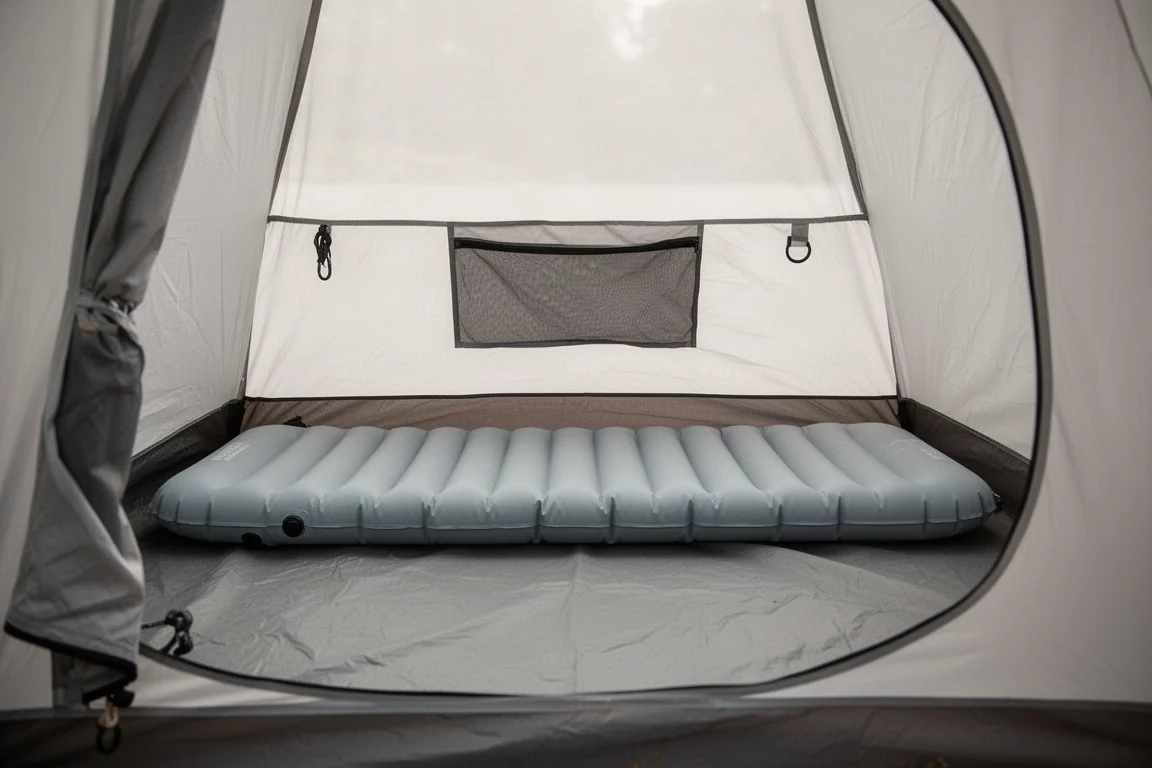
Inside, the usable space is the standout. A 25-inch wide sleeping pad fits with a noticeable amount of room to spare on either side, enough that a backpack can be brought in and stored alongside it. Lying down, the headroom and overall sense of space are excellent for a one-person tent, and the shelter does not feel claustrophobic.
Two interior hooks give you somewhere to hang a headlamp, and there are pockets on both sides of the tent. The floor is a single continuous sheet of nylon with no centre seam, which is a detail even some expensive tents miss.
Ventilation has clearly been thought through. The door uses a double zip, so it can be opened at the bottom or at the top for airflow, and the rear of the tent has a built-in vent that props open with velcro. The tent ships with roughly twelve stakes, covering the footprint corners, the tent corners, the head end, and the ventilation guy-outs on both sides.
Things to Consider Before Buying
The honest list of trade-offs is short, and most of them come down to design choices rather than defects. Knowing them in advance is the best way to decide whether this tent matches how you camp.
Where the Bryce 1 Makes Small Compromises
The door sits at the head end, so there is one front entry and no side door. The vestibule is modest. A backpack fits, but gear placed there can partially block your way in and out, though the opening is wide enough that you can set a pack to one side and still slip past it.
Sitting upright, the walls angle inward and the headroom narrows toward the sides. It is workable rather than spacious when seated, while the space available when lying down is genuinely good.
Two smaller notes. The stakes are functional but not the strongest part of the package, so replacing them is a reasonable upgrade for anyone camping on hard ground. The rainfly corners are also not colour-coded, which slightly slows the first pitch, although the front door makes the orientation of the tent obvious.
Pole joints are worth a mention as well. One small junction piece could theoretically pop apart, but it stays put under deliberate pulling and has not caused a problem in use.
Buying Advice
If your priority is getting a reliable, freestanding, sub-three-pound shelter for as little money as possible, the Bryce 1 is very hard to argue with. The combination of an included footprint, a fast-fly pitch, a seam-free floor, and interior space that comfortably swallows a wide pad is not something you normally find at this price.
The tent rewards a specific kind of buyer: someone who wants one shelter that works for solo weekend trips and longer outings, does not want to baby their gear, and would rather put the savings toward a sleeping pad or pack. If you already own premium poles and a large vestibule on another tent, this is a sensible second shelter rather than a replacement.
Matching the Bryce 1 to Your Backpacking Plans
Think about how you actually camp before committing. If you pitch in rain, appreciate the ability to keep the interior dry, and value sitting room and storage inside the tent, this design lines up well. If you need side entry, a big covered porch for cooking, or the absolute minimum packed weight, look at tents that cost more.
For first-time backpackers, the practical advice is simple: pair this tent with a pad and bag that suit your climate, replace the stakes if you expect rocky ground, and spend a night in the backyard to learn the fast-fly sequence before your first trip. The setup becomes quick once you have done it twice.
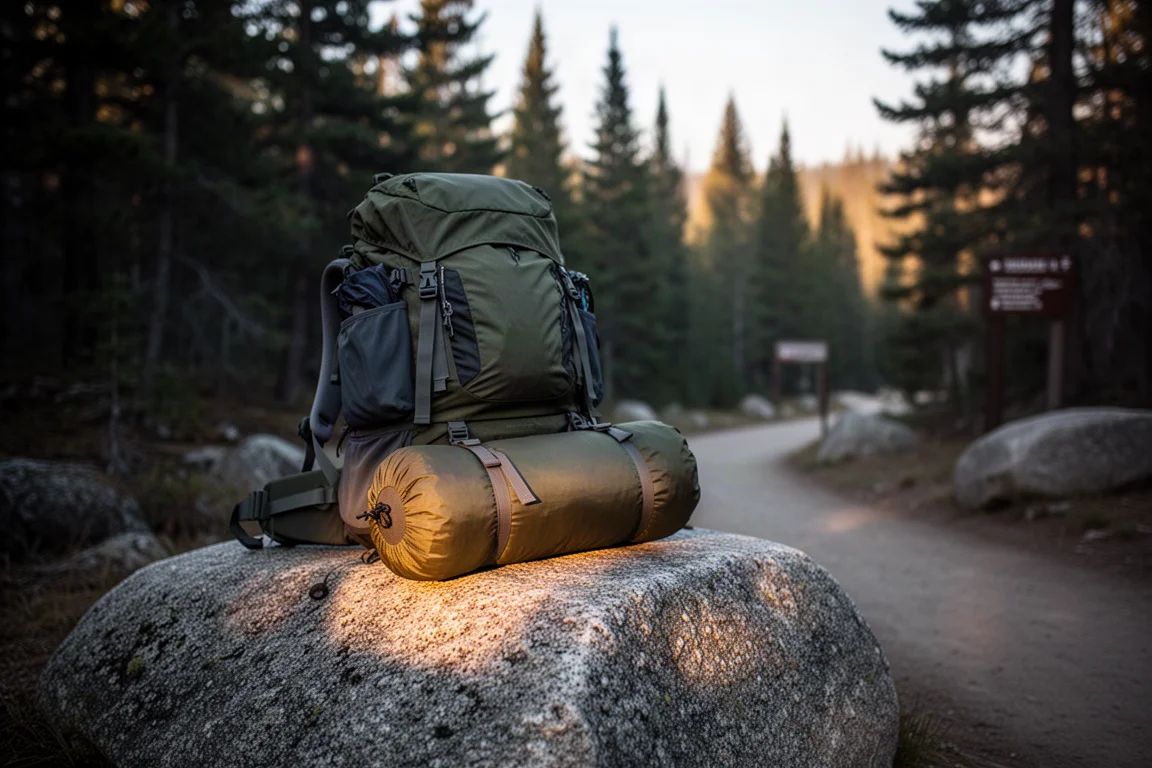
Conclusion
The Paria Outdoor Products Bryce 1 Person Tent earns its reputation on fundamentals rather than marketing. It is fully freestanding, weighs under three pounds, includes its own footprint, and can be pitched fly-first so the interior stays dry in bad weather, all at a price that sits well below most of its competition.
The compromises are real but minor: a single front door, a modest vestibule, tighter seated headroom, and stakes that could be better. None of them undermine the tent’s core job. For anyone entering backpacking or upgrading on a budget, this is one of the most convincing value propositions in the category.
Product link
View more details for Paria Outdoor Products Bryce 1 Person Tent
This product is mentioned in the review. Check the specifications, options, and compatibility before buying.
View more details for Paria Outdoor Products Bryce 1 Person TentFurther reading
Related Reviews
Backpacking Tents
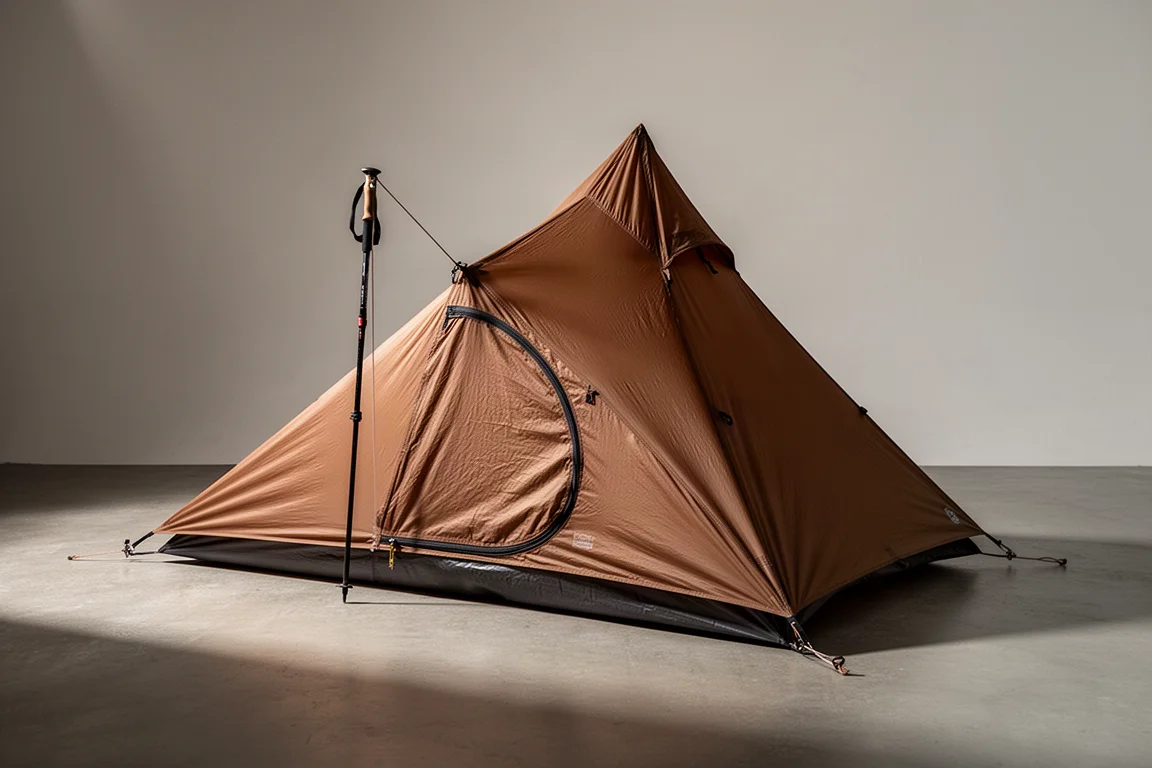
3F UL Lanchan Pro 1 Review: A 1 lb 8 oz Single-Wall Trekking Pole Tent
A practical look at the 3F UL Lanchan Pro 1, a single-wall trekking pole shelter with a 1 lb 8 oz weight, 20D silnylon fabrics, and a roomy 90 x 31 x 49 inch interior.
Backpacking Tents
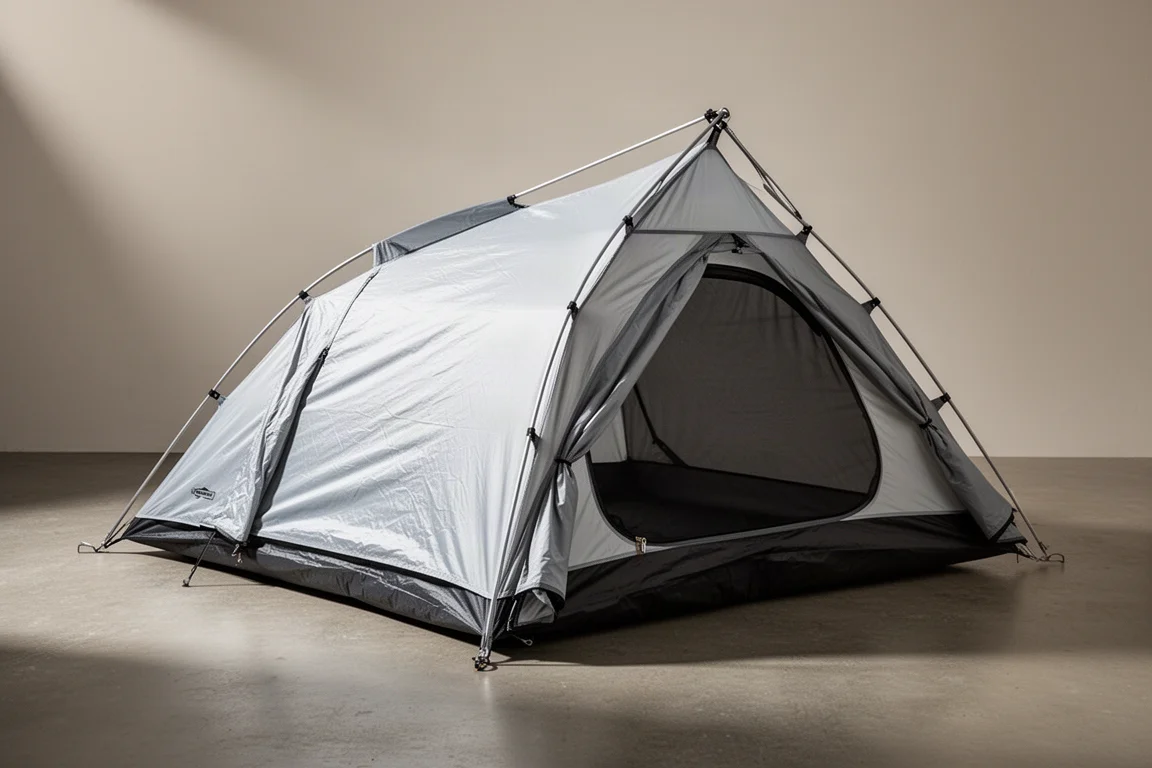
3F UL Taiji 2-Person Tent: A Convertible Backpacking Shelter Worth a Closer Look
A practical look at the 3F UL Taiji two-person tent, covering its materials, true two-person interior, fly-first pitching, and the seasonal inner swap that lets one shelter cover more of the year.
Backpacking Tents
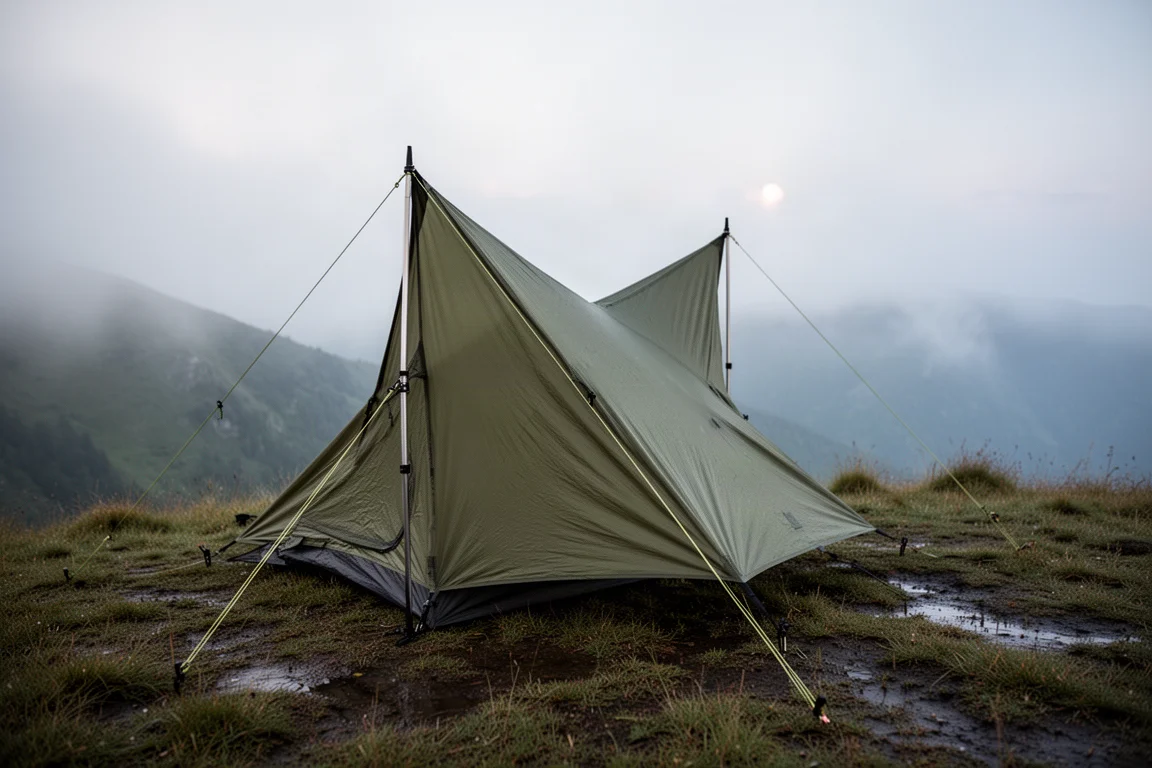
3FUL Lanshan Twoerson Pro Review: A Light Trekking Pole Shelter That Struggled in Rain
A two-person trekking pole shelter with a 2026 redesign, pitched with sticks and put through a night of steady rain. Here is what worked, what did not, and what to check before buying.