Food & Pantry
Pantry Upgrades Worth Paying More For: 8 Everyday Ingredients Compared
We compare budget and premium versions of soy sauce, smoked paprika, ricotta and kimchi to find out where spending more actually changes the dish.
Introduction
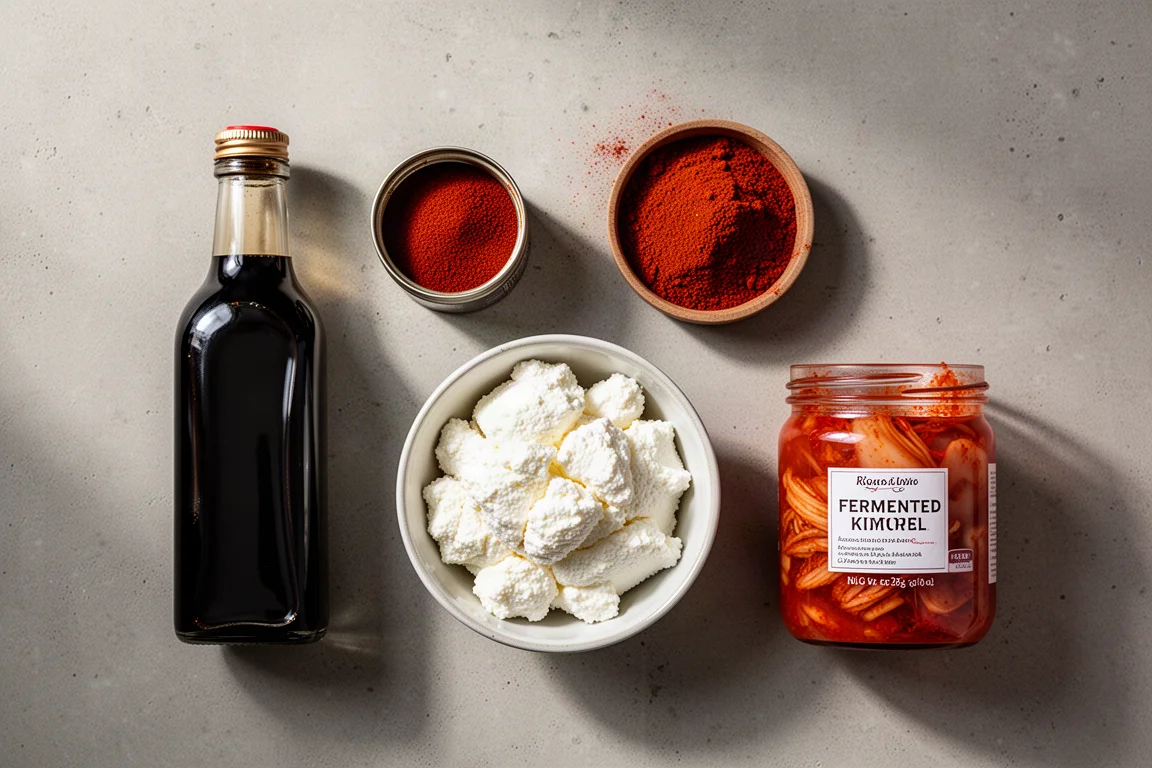
Premium versions of everyday pantry ingredients are tempting, but the price gaps can be enormous. Is the extra cost buying real flavour, or just better packaging? To find out, we put four classic ingredient pairings head to head: soy sauce, smoked paprika, ricotta and kimchi. In each case, two dishes were prepared identically except for a single swapped ingredient, then tasted blind. The results were surprisingly clear-cut, and they reveal a useful rule for deciding when to splurge and when to save.
How the Comparison Worked
Each round featured two versions of the same dish, cooked with identical weights, measurements, cooking times and temperatures. Only one ingredient changed between the two versions. Tasters had to identify which one contained the premium option, then the actual products and their prices were revealed.
The premium pick was correctly identified in all four rounds, which suggests these ingredients really do taste different, even when they are buried inside a finished dish.
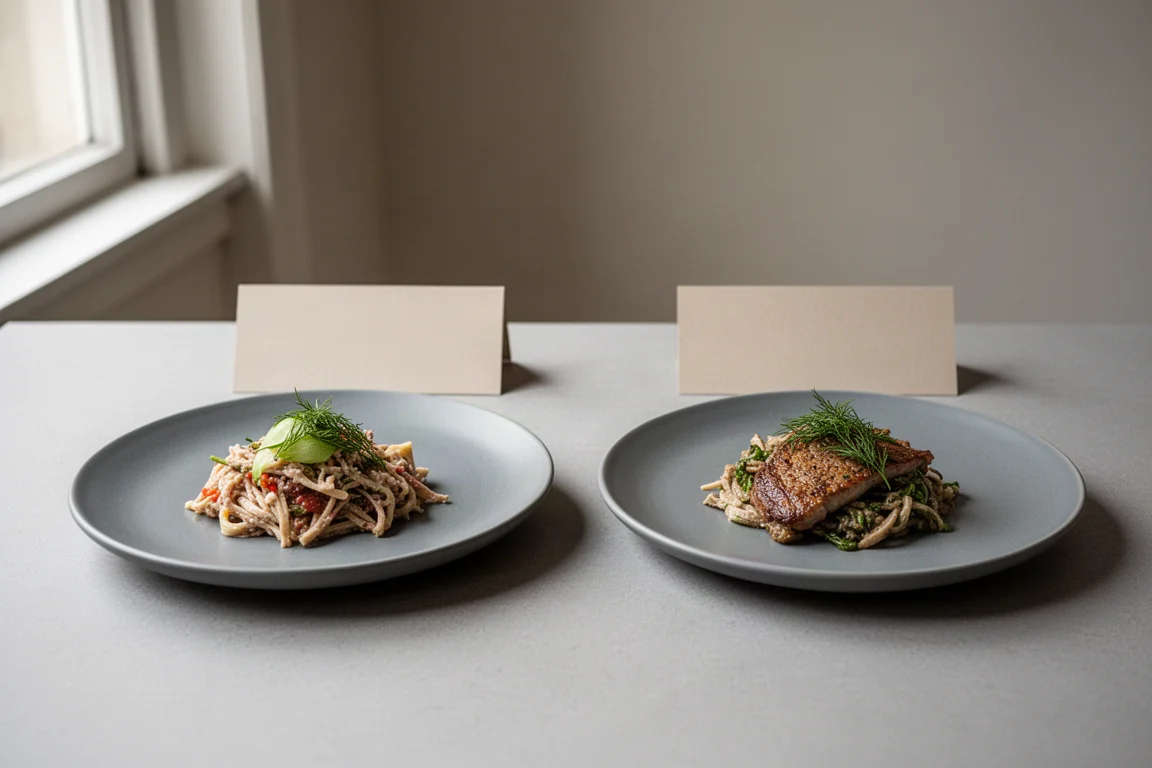
The more useful lesson, though, came afterwards: the best value option depends less on quality and more on how you plan to use each ingredient.
Round 1: Soy Sauce
The dish was a salmon tartare starter with soy jelly, cucumber, dill and wasabi. The premium pick, correctly spotted by both tasters, was Sanchi organic tamari, a darker, punchier soy that stood out even inside a jelly.
Tamari is worth understanding as a category: where standard soy sauce is made from fermented soybean paste combined with roasted grain, tamari is made from soybean alone. That grain-free process is also why tamari is often the gluten-free option while standard soy sauce usually is not.
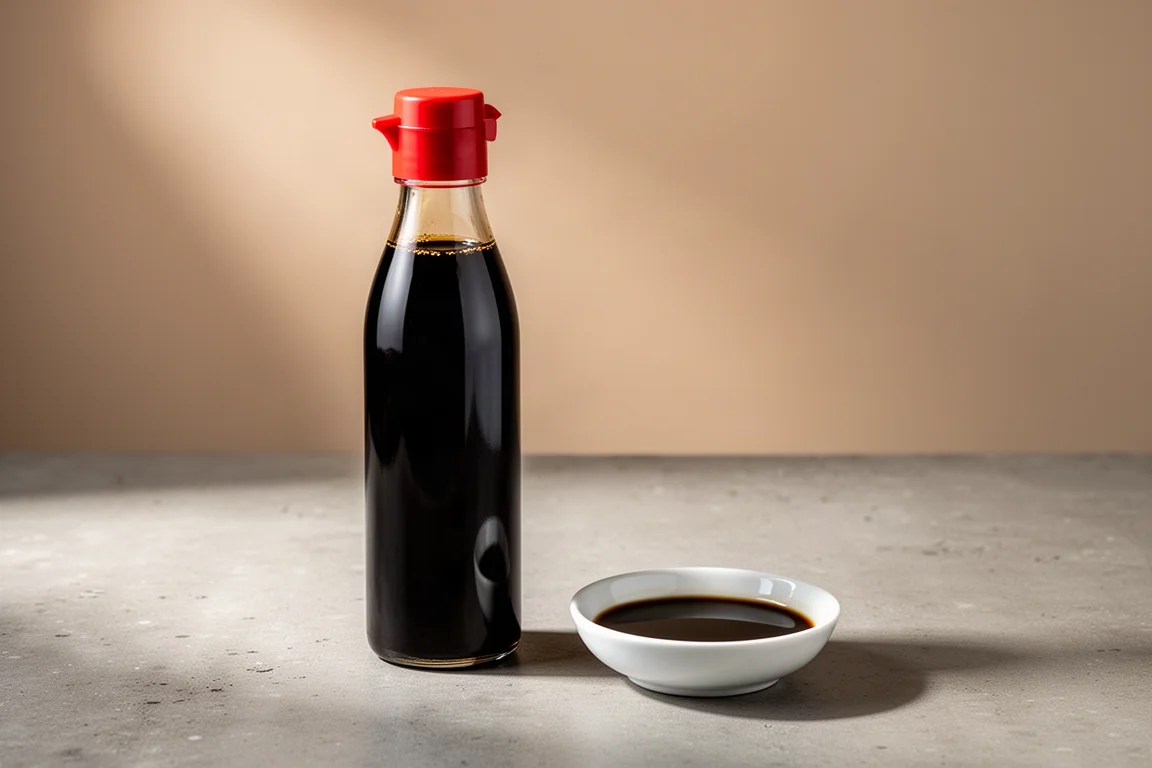
The budget option, Aldi light soy sauce, still impressed. Tasters found it more balanced and less harsh, letting the other flavours in the dish come through rather than dominating.
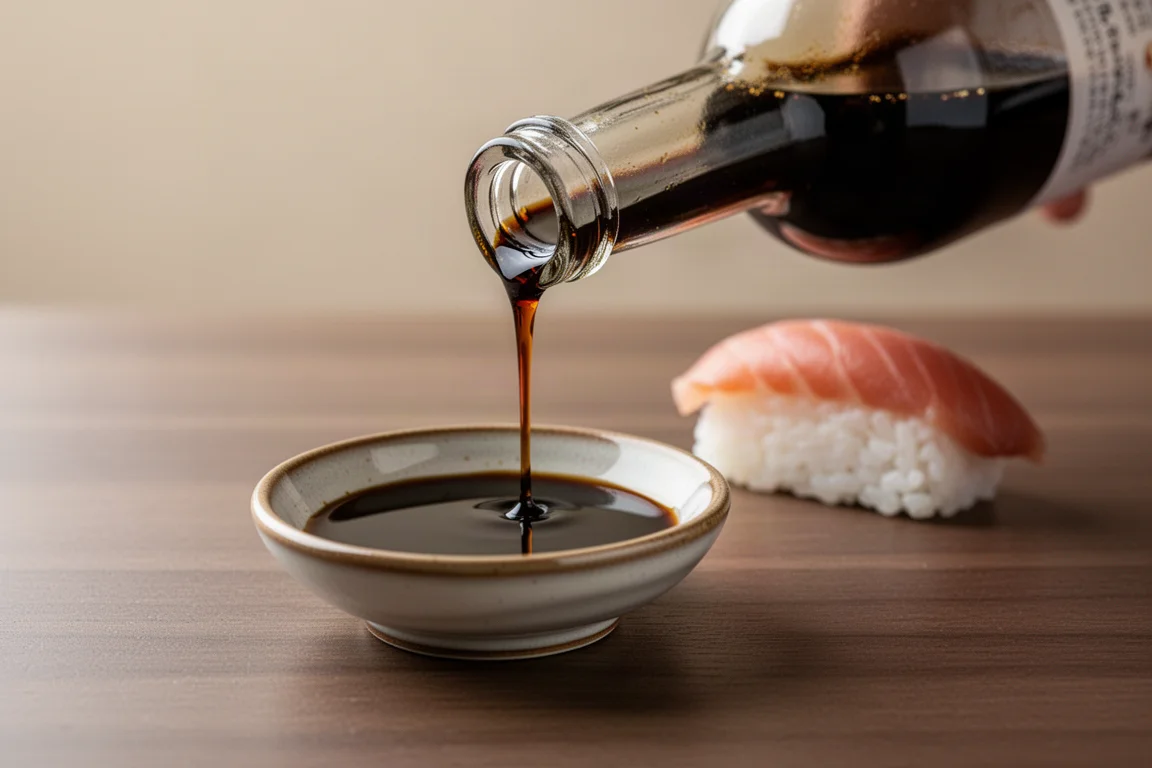
The price gap is the real story here: the Aldi sauce works out at £3.70 per litre, while the Sanchi tamari costs £30 per litre, eight times as much. The practical takeaway is straightforward. Use a cheaper soy for cooking, marinades, broths and stir fries where it blends into many other flavours, and save a premium tamari for dipping sushi or finishing a dish where it is the star.

Round 2: Smoked Paprika
Round two was a Hungarian goulash with one key change: the paprika. Both tasters correctly picked the premium, reasoning that a sweet paprika belongs in goulash, and the dish made with Menol spiced Hungarian smoked sweet paprika carried a noticeable extra sweetness and depth.
The difference comes down to production. The premium Hungarian paprika is made using only the flesh of the capsicum, while cheaper versions typically include stalks, stems, seeds and pith. Using just the flesh also gives the spice that vivid super-red colour. It even ships in an aroma-protecting cotton bag with metal strips to preserve freshness.
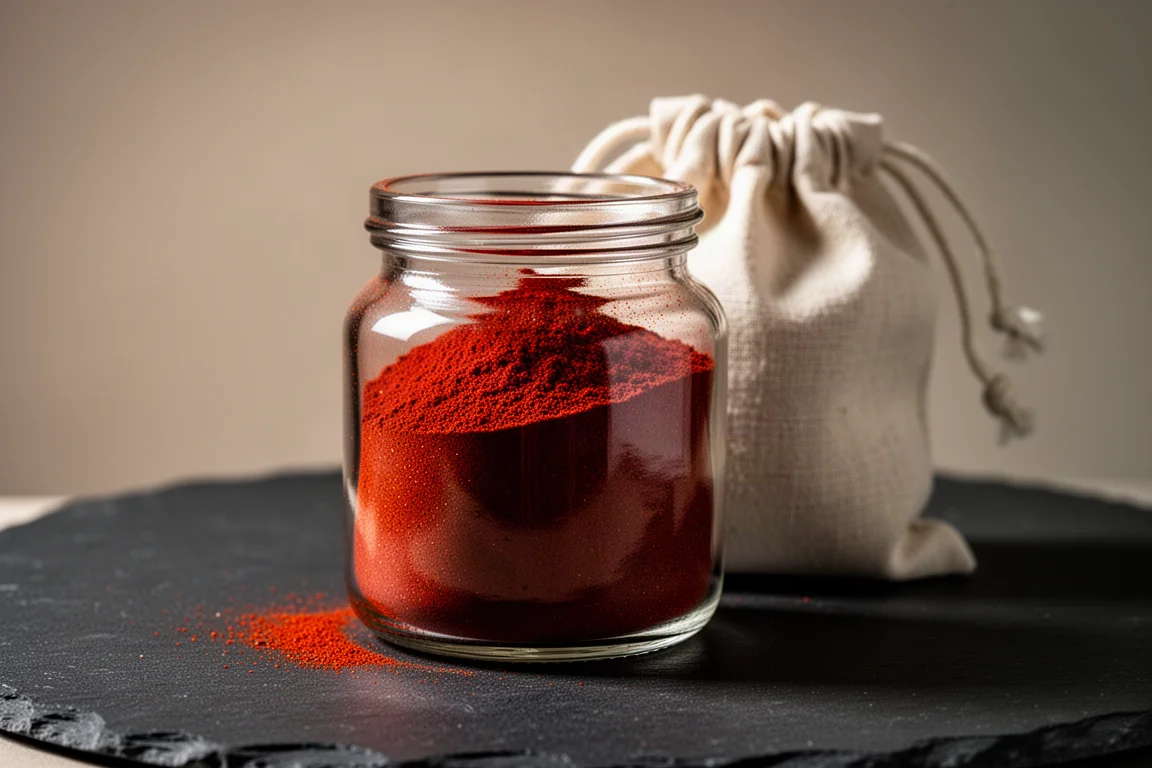
Hungarian paprika has a strong pedigree. Capsicum originated in central Mexico and reached Europe in the 16th century, but it found a second home in Hungary, which is why we use the Hungarian word rather than the Spanish pimento. Hungarian paprika is now argued to be some of the best in the world.
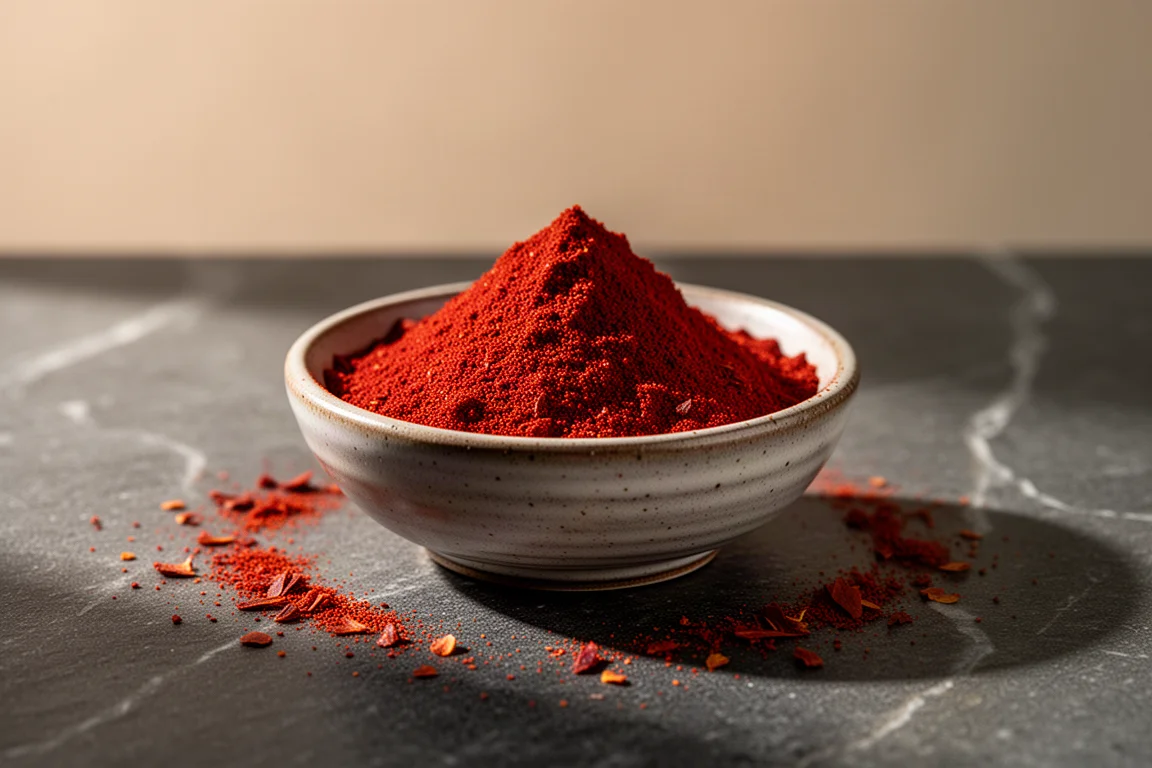
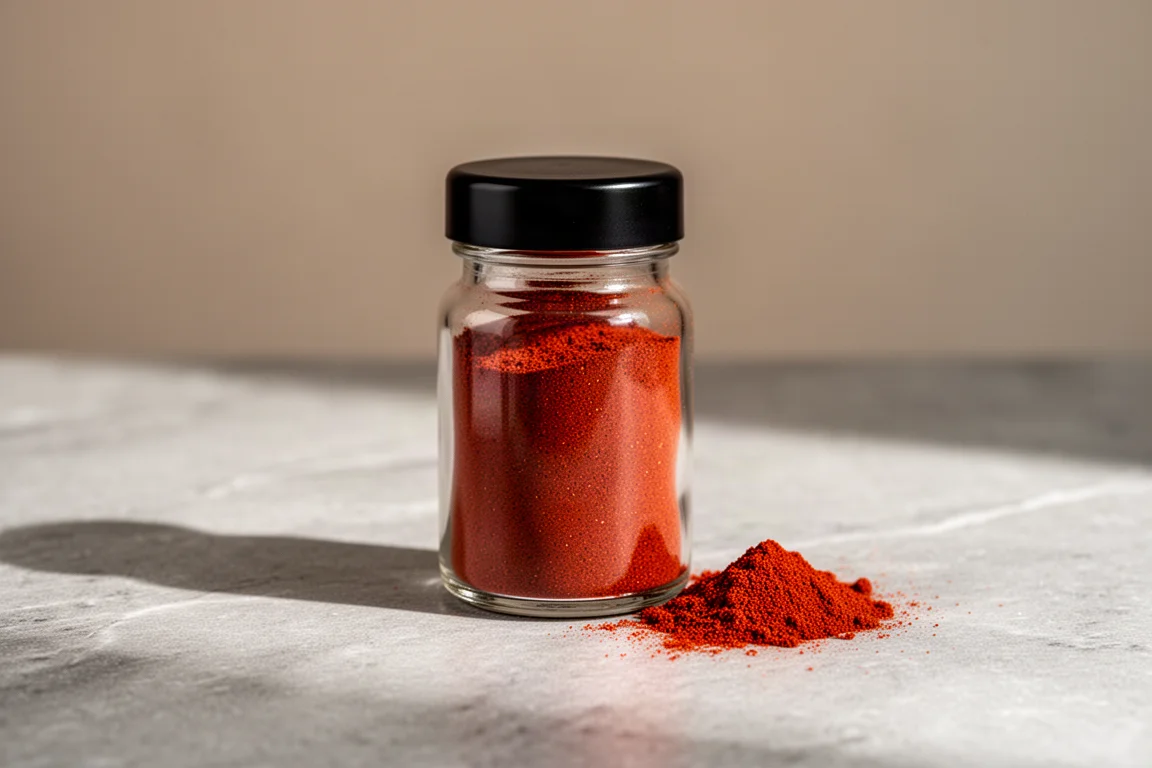
The budget alternative, Sainsbury’s smoked paprika, is a perfectly serviceable everyday option at £17 per kilo against £69.99 per kilo for the Menol, roughly four times the price. Two things are worth remembering with any spice: freshness matters enormously, as spices lose their punch after months in the cupboard, and even a premium spice goes a long way per dish.
Round 3: Ricotta
The third dish was a layered tart with watercress, beetroot, pastry and a ricotta filling. Visually, the difference was obvious before the reveal: the budget Ocado Italian ricotta split into distinct elements, while the premium Gioiella rich ricotta hearts looked smooth and homogenous. On taste alone, the premium version tasted of milk, with a texture the tasters compared to the filling of a filled pasta.
Ricotta translates roughly as “cooked again”, and it is typically made from the whey left over from mozzarella production, acidified and then heated so it denatures into cheese. Gioiella skips that byproduct step entirely and goes straight to quality milk, sourced from native brown cows grazing in a semi-wild environment across the valley in Puglia.
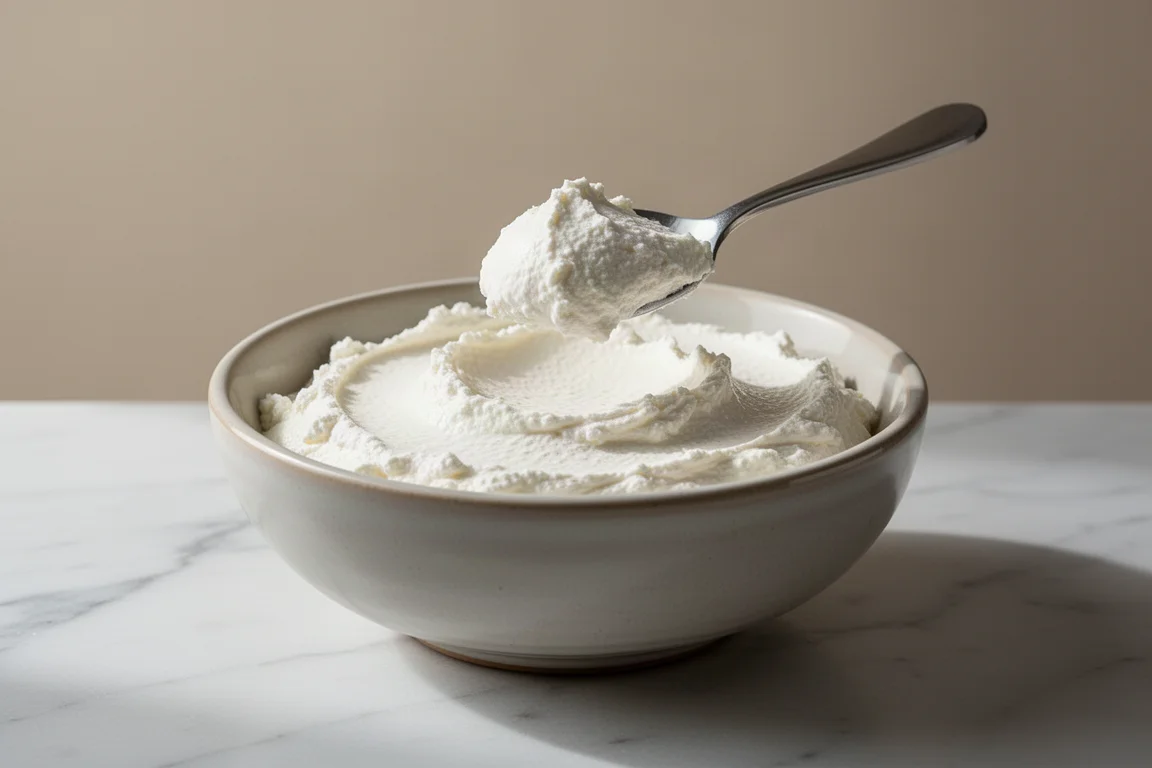
The pricing gap here is the largest in the whole comparison: £5 per kilo for the Ocado ricotta versus £30 per kilo for the Gioiella, six times the price.
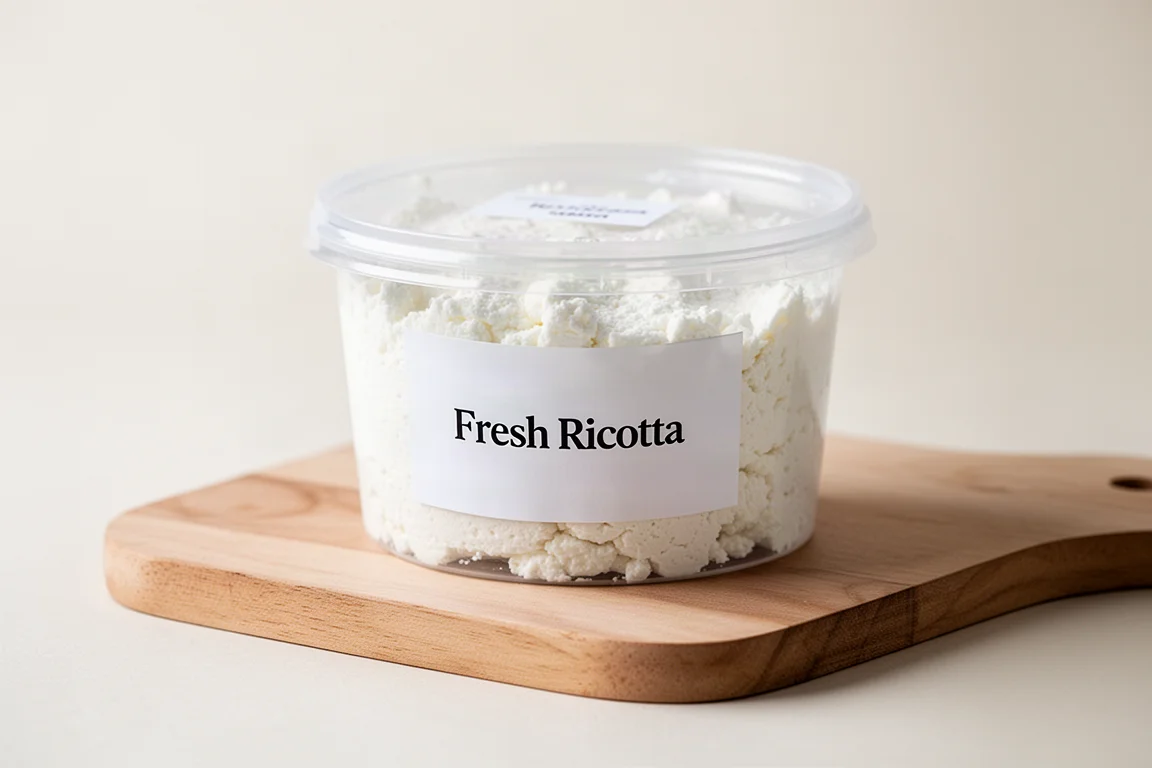
The advice from the tasting was refreshingly honest. If the ricotta is going to be buried in a tiramisu, whipped into a sauce, or hidden in a sandwich, the budget option is a perfectly good product and there is no reason to spend more. If you want ricotta to be the hero of the dish, served as ricotta, the premium earns its price. One more practical note: fresh ricotta has a relatively short shelf life, so fresher is best unless you are buying a dried, aged variety.
Round 4: Kimchi
The final dish was a loaded, cheese-stuffed, bacon-wrapped hot dog topped with kimchi and mayonnaise in a soft pretzel bun, and it produced the most interesting result of the day. Both tasters correctly identified the premium as Cultured Collective classic kimchi: spicier, noticeably more fragrant, with an aroma that filled the nose. The cheaper Jongga Korean kimchi was more sour by comparison.
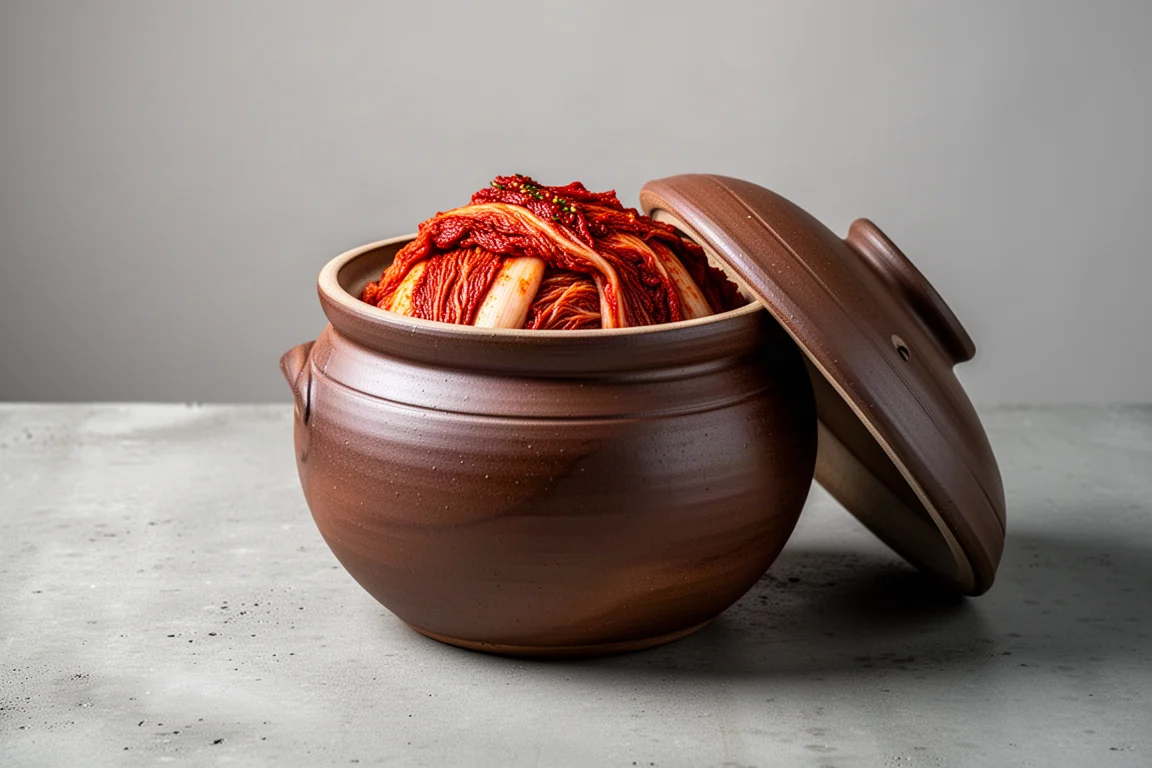
There is a twist, though. The Jongga, bought from an Asian supermarket, is the authentic article: an almost whole cabbage rubbed and seasoned, naturally fermented and unpasteurized, made in Korea. The Cultured Collective version is also naturally fermented and unpasteurized, built on cabbage, mooli radish, spring onion, carrot, onion, anchovy, chili, garlic, salt, ginger and a little sugar, but it is made by a London-based company producing it in Switzerland. It is a modern take rather than a traditional one.
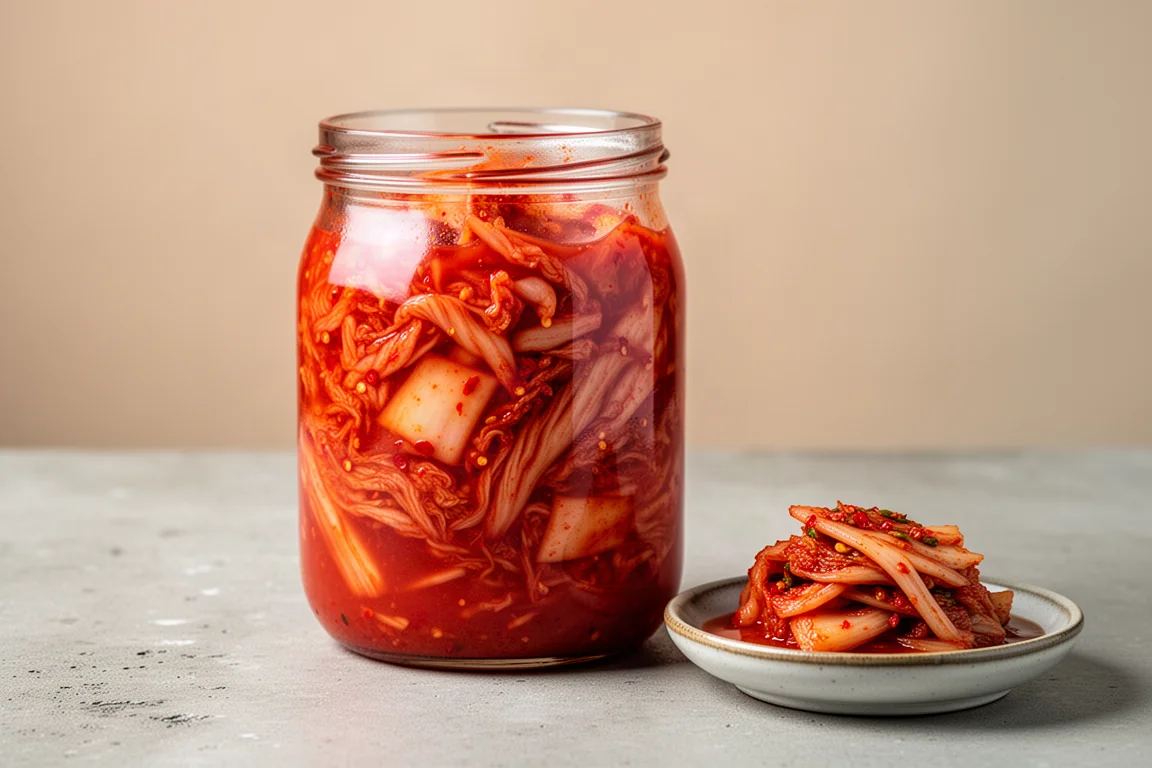
That raised an honest debate at the table: is a premium price justified for a spin on a traditional product, or does branding alone drive the cost? The counterpoint is fair too. The branded version made kimchi more accessible for people who use it sparingly, almost as a seasoning, and the producer clearly knows how to handle quality ferments.
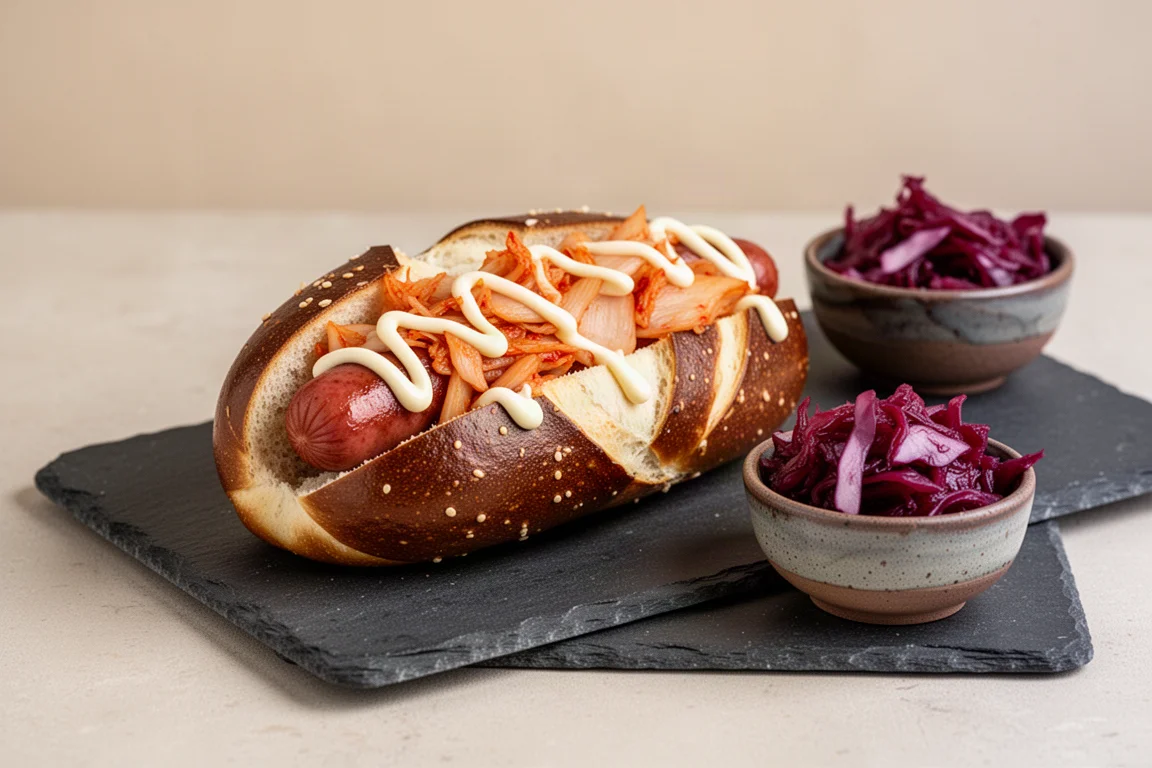
On price, the Jongga comes in at £7 per kilo while the Cultured Collective is £21.80 per kilo, three times the price. If you want authentic Korean kimchi, the cheaper option is genuinely excellent. If you want a fragrant, spicy, brand-consistent ferment, the premium delivers on taste.
Overall Buying Advice
A clear pattern emerged across all four rounds, and it is one worth applying to your own shopping:
- Splurge when the ingredient is the star. Premium tamari for dipping sushi, premium ricotta served as ricotta, and premium paprika where its character defines the dish all earned their keep.
- Save when the ingredient disappears into a dish. Budget soy in stir fries and broths, budget ricotta buried in a tiramisu, and budget paprika in long-cooked stews all performed perfectly well.
- Freshness matters as much as pedigree. With spices especially, a fresh budget paprika can beat an old premium one.
- Premium does not always mean authentic. In the kimchi round, the cheaper product was the traditional one, and the premium was a modern interpretation. Know which one you actually want.
The price gaps ranged from three to eight times, so blindly buying premium across the board would multiply your pantry bill for little gain. Choosing deliberately is where the value is.
Conclusion
Premium ingredients do make a real, blindfold-detectable difference, but the difference only matters when the ingredient has room to speak. Match your spending to the role the ingredient plays in your cooking: spend on the hero, save on the supporting cast, and always check freshness before anything else. Which of these four would you upgrade first?
Further reading
Related Reviews
Food & Pantry
Best Canned Tuna: Four Brands Worth Keeping in Your Pantry
From water-packed to olive oil-packed jars, these four canned tuna brands show what separates moist, flavorful tuna from dry, disappointing cans.
Food & Pantry
Best Prepared Horseradish: Two Jar Winners Worth a Spot on Your Shelf
A taste test of prepared horseradish styles found two standouts: Inglehoffer Cream Style and Woeber's Pure Horseradish.

Backpacking Gear
Building a 10 lb Base Weight: An Ultralight Backpacking Gear List
A practical walkthrough of the ultralight pieces behind a 10 lb base weight, from a 765 g pack and a roomy one-person tent to a full camp chair and a dependable water filter.