Art Supplies
PanPastel 80-Color Set: Is the Big Set Worth It, and Which Pencils Pair Best?
A hands-on look at the full 80-color PanPastel set, plus how Caran d'Ache Luminance and Faber-Castell Polychromos pencils perform on top of the pastel layer.
Introduction
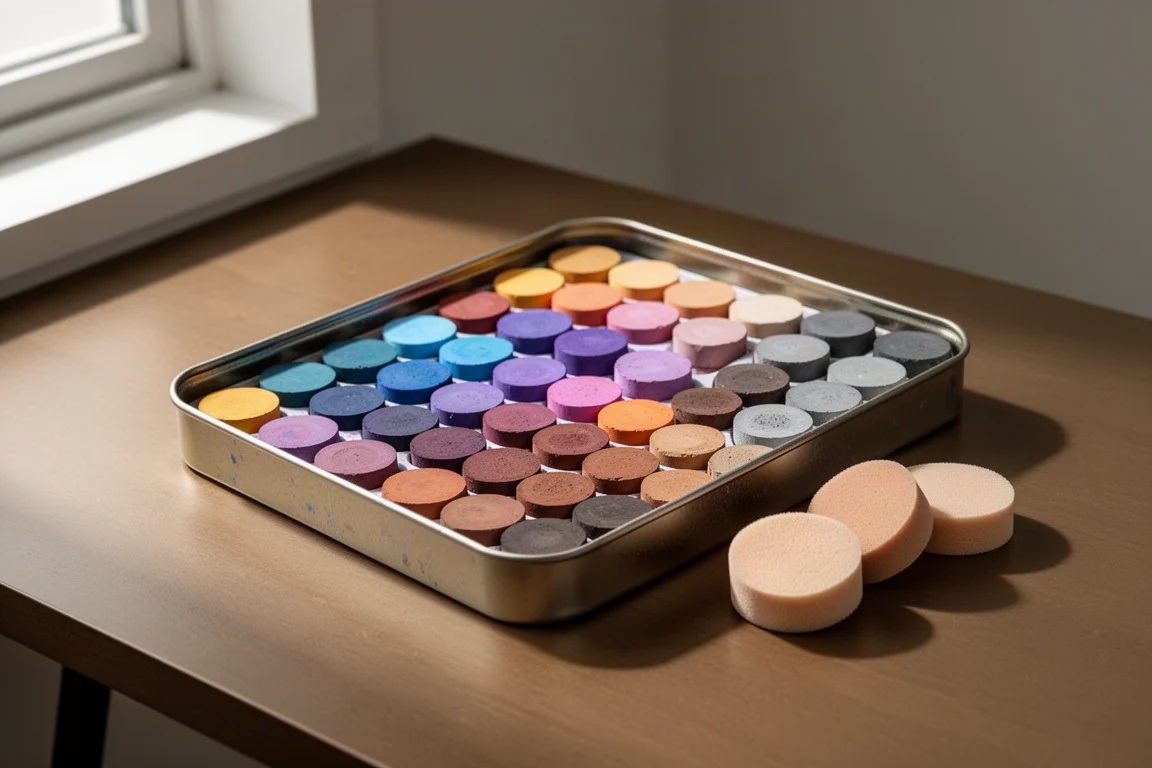
Opening the full 80-color PanPastel set is genuinely exciting. The pans arrive with loads of sponge applicators, a clear labeling system naming every color, and a spectrum that runs from vibrant shades to muted earthy tones, grays, and a convincing range of skin tones. But this is an expensive supply, and first impressions can be misleading. Getting good results from PanPastel depends heavily on the right paper, a lighter touch than you might expect, and a sensible plan for the pencils that follow.
This guide covers what the big set offers, where the pitfalls are, and how two popular pencil lines behave on top of a pastel base layer.
What You Get in the PanPastel 80-Color Set
The 80-pan set covers warm tones, blues and purples, ready brown tones, grays, and a useful spread of skin tones. Each pan carries a label with its color name underneath, which makes referring back to swatches straightforward.
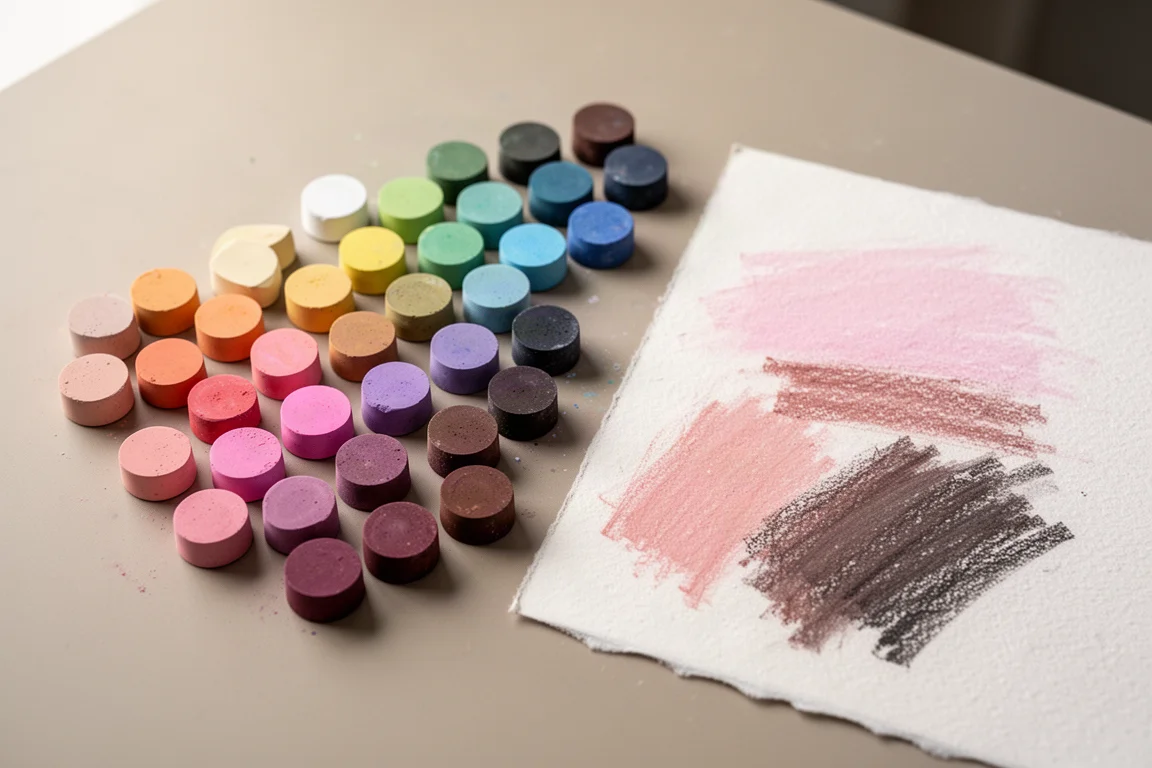
The naming system is one of the nicest details here. Colors run from tint (a very light version) to the base color, then shade (a darker version), and extra dark (the darkest version of that hue). Once you swatch the full set, picking the right value becomes much easier, and a swatch sheet is genuinely useful to keep on hand for every drawing.
Working With PanPastel: Strengths and First Stumbles
The appeal is speed. Laying down a soft sky or an entire base layer for a portrait takes minutes rather than hours, and the pastel blends effortlessly into gradients. Mixed on smooth scrap paper, colors combine easily, which also keeps product from being wasted.
There are two lessons worth learning early. First, paper matters enormously. Too-smooth paper makes dark colors appear weak and light no matter how much you layer; a matte pastel paper with real tooth lets darks actually read dark and lets pencil grip on top. Second, keep the base layer thin. If you bury the tooth of the paper, colored pencil will not stick and detail work stalls. Also worth knowing: the sponge applicators tear easily if pulled on carelessly, and since they are not cheap to replace, gentle handling pays off.
Detail Work: Luminance vs Polychromos Over Pastel
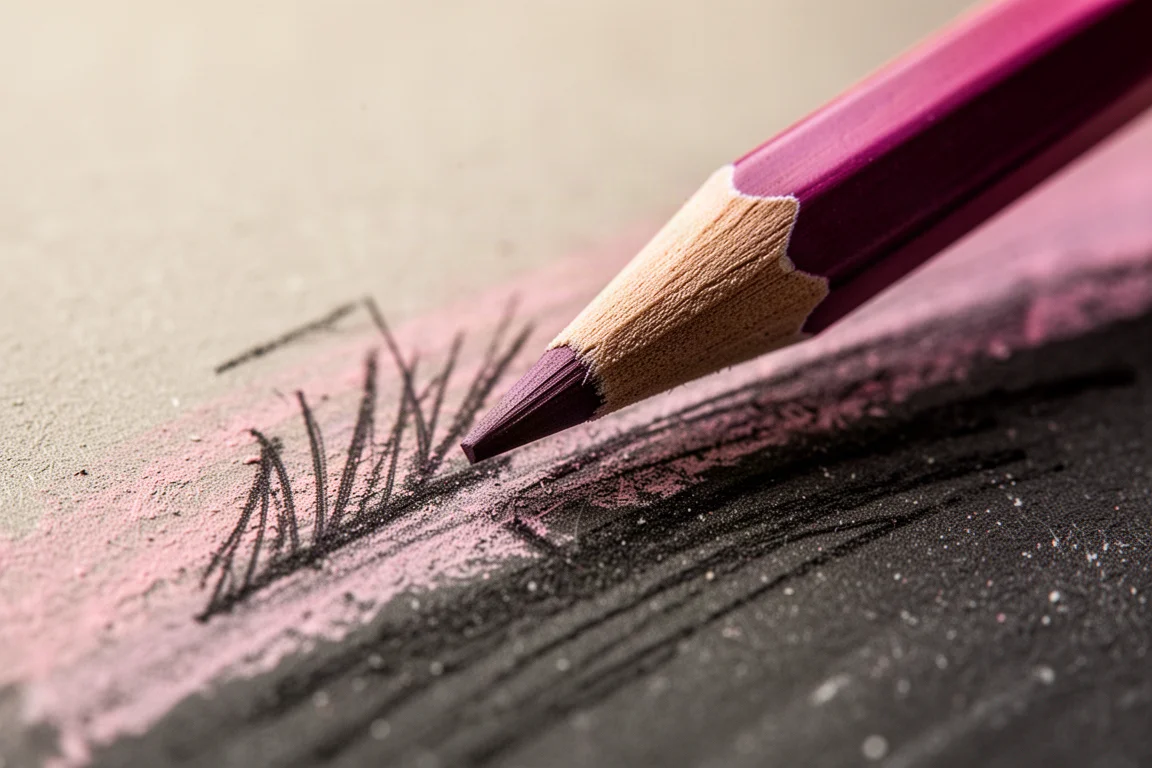
Both pencil lines layer successfully over a properly thin pastel base, so the choice comes down to what you need for each area.
Caran d’Ache Luminance pencils are notably opaque, which makes them the obvious pick when you need a color to sit strongly on top of pastel, especially white on dark paper. However, on a gritty pastel paper they can leave a grainy look when shading, which works against smooth realism in areas like skin. Faber-Castell Polychromos are more translucent overall but produce crisper, cleaner lines for sharp detail such as eyebrow hairs and eyelashes, with the trade-off of a slightly more reflective finish. Many artists will want both: Polychromos for fine lines, Luminance where opacity is king.
Tools and Applicators: What Earns Its Place
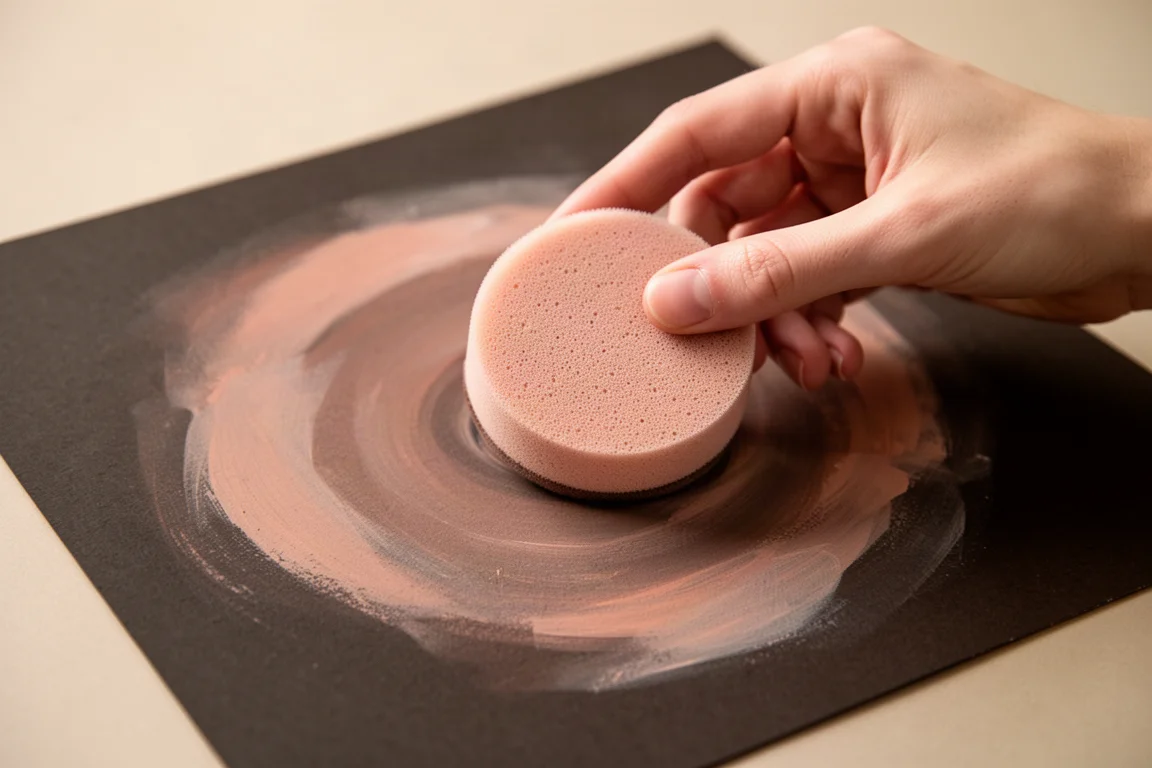
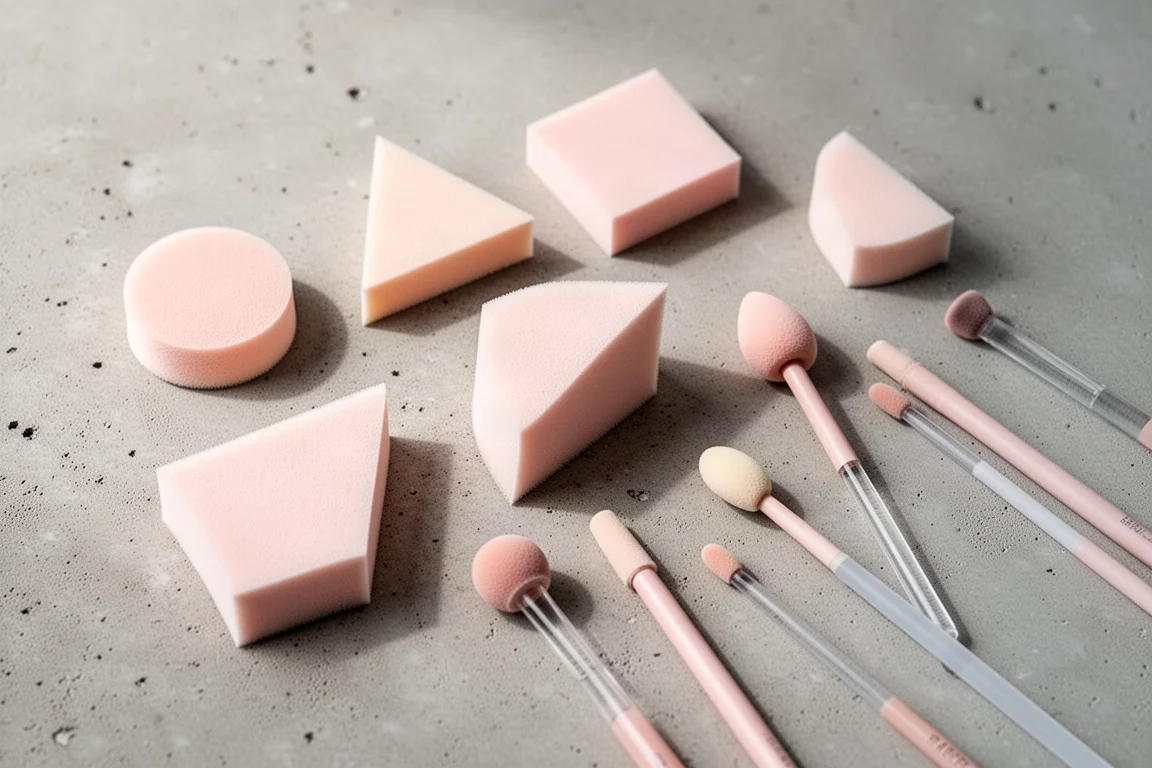
The set includes a wide range of tools, and some earn a permanent spot. The palette-knife-style tools behave like painting knives, laying down pastel in painterly strokes and making drawings look closer to paintings. Among the soft sponge tools, the all-around round one is the most versatile if you are only buying a single tool, while the small eyeshadow-style applicators handle fine areas, and the version on a longer stick adds control and is simply more comfortable to hold.
The larger sponges have distinct jobs: the wedge, with its sharp edges, is good for lines and blocked shapes, while the rounder sponge suits smooth applications like skin. The big sponges cover large drawings very fast. If budget is a concern, remember PanPastel is also sold as a small set of five: the primary colors plus black and white, enough to mix any color you need.
Buying Advice
PanPastel lasts a long time because the pans are pure product, and using it for base layers can actually reduce how much expensive pencil you burn through. But the full 80-color set is not the place to start. A smaller, cheaper set tells you whether the medium fits your workflow, and even the five-pan starter set can carry you surprisingly far with a little mixing.
If you do start with the big set, budget for matte pastel paper and expect the real detail work to come from pencils layered on top.
Conclusion
The PanPastel 80-color set is a quality supply that dramatically speeds up base layers and rewards the right technique, while Luminance and Polychromos each earn their place on top of it for opacity and crisp detail respectively. Start small, learn the medium, and the big set will make far more sense when you do upgrade.
Product link
View more details for PanPastel 80-Color Set
This product is mentioned in the review. Check the specifications, options, and compatibility before buying.
View more details for PanPastel 80-Color SetFurther reading
Related Reviews
Art Supplies
Art Pop Watercolor Pencils 48-Color Set: A Thoughtfully Designed Student-Grade Option
The Art Pop 48-color watercolor pencil set blends well, dissolves smoothly, and includes artist-friendly details like barrel-printed color names, all at an affordable price.
Art Supplies
Artics Acrylic Markers 3mm Review: Versatile Paint Markers With a Few Caveats
A 48-color set of water-based acrylic paint markers that blend while wet, dry permanent, and keep the price low, though safety transparency remains a question.
Art Supplies
Best Art Supplies Worth Your Money: Pencils, Pens, Paints, and Paper That Earned Their Spot
After years of daily use and testing, these are the pencils, pens, watercolors, gouache, brushes, sketchbooks, and erasers that stand above the rest.