Tools & Workshop
Panavise 301: A Classic American-Made Hobby Vise Worth a Fresh Look
A long-running aluminum hobby vise with a smooth locking head, interchangeable bases, and a price that is hard to argue with.
Introduction
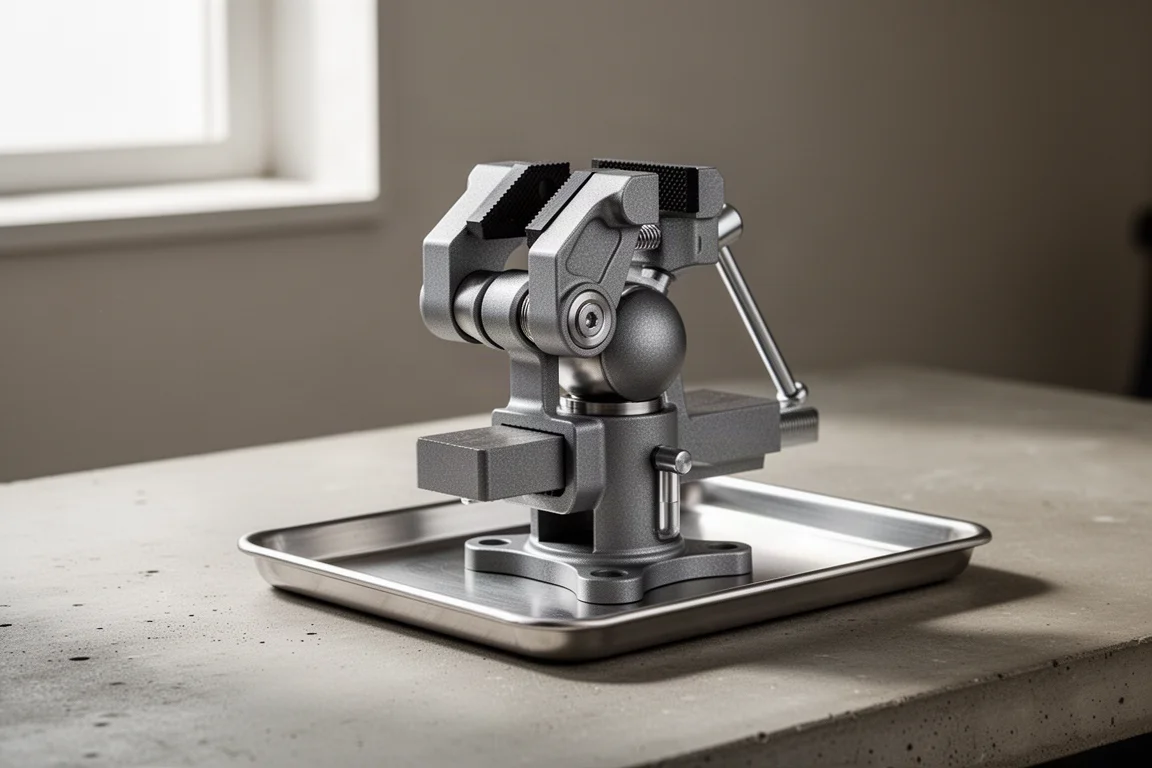
Some tools earn their reputation by simply staying in production for decades. The Panavise 301 is one of them: an American-made hobby vise built from aluminum, popular with electronics work and small-item repair, and still inexpensive relative to what it delivers. The example covered here is an older unit originally produced in California, back when the company operated under the Colbert Industries label, before moving to Reno, Nevada. The design has held up remarkably well, and the current version keeps the same core ideas.
Who This Vise Is For
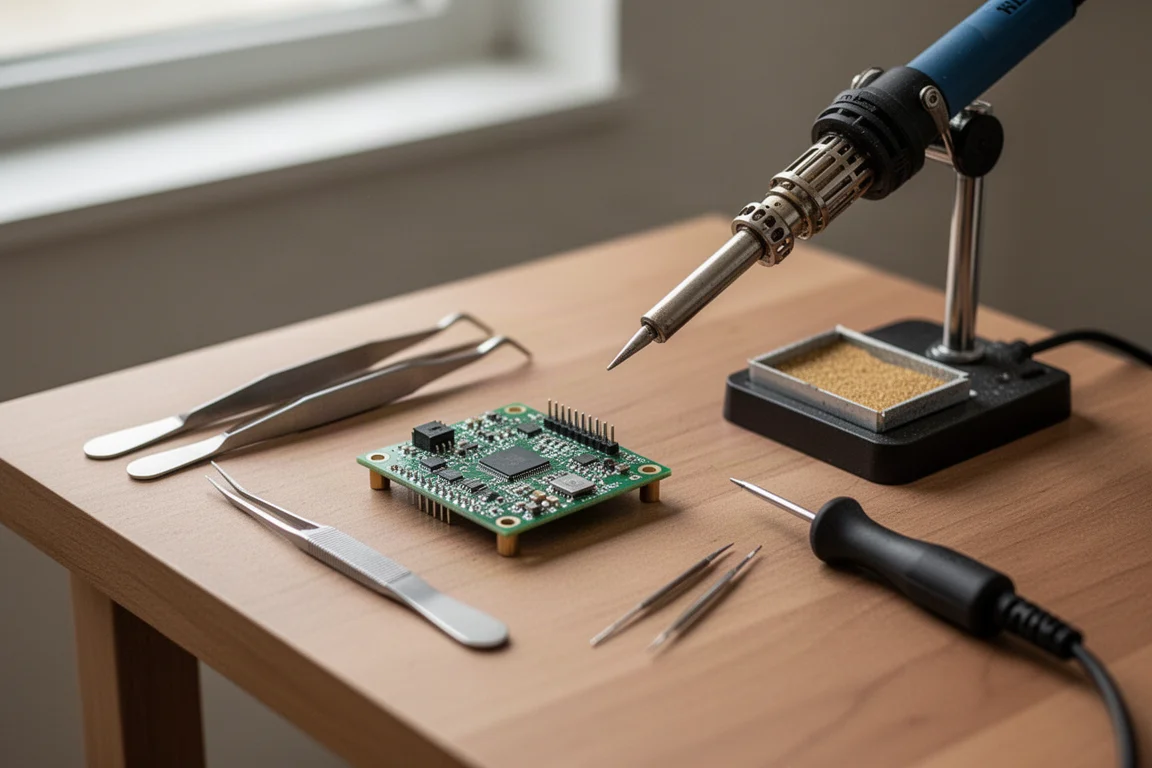
This is a vise for people who work with small things. Electronics, circuit boards, small adjustments, delicate parts that need to be held steady at an awkward angle. It is a hobby vise rather than a heavy-duty bench vise, so it is not the tool for large workpieces or serious metalwork. If you do any kind of small-item work, though, it is an easy recommendation.
Main Strengths
The defining feature is the head. It uses what the company calls a split-ball design, essentially two clamping discs that look like a ball with a pressure plate inside. Tightening a set screw squeezes the assembly together and locks the head firmly into position. The original patent for this mechanism dates back to 1956, and the mechanism still feels excellent today.
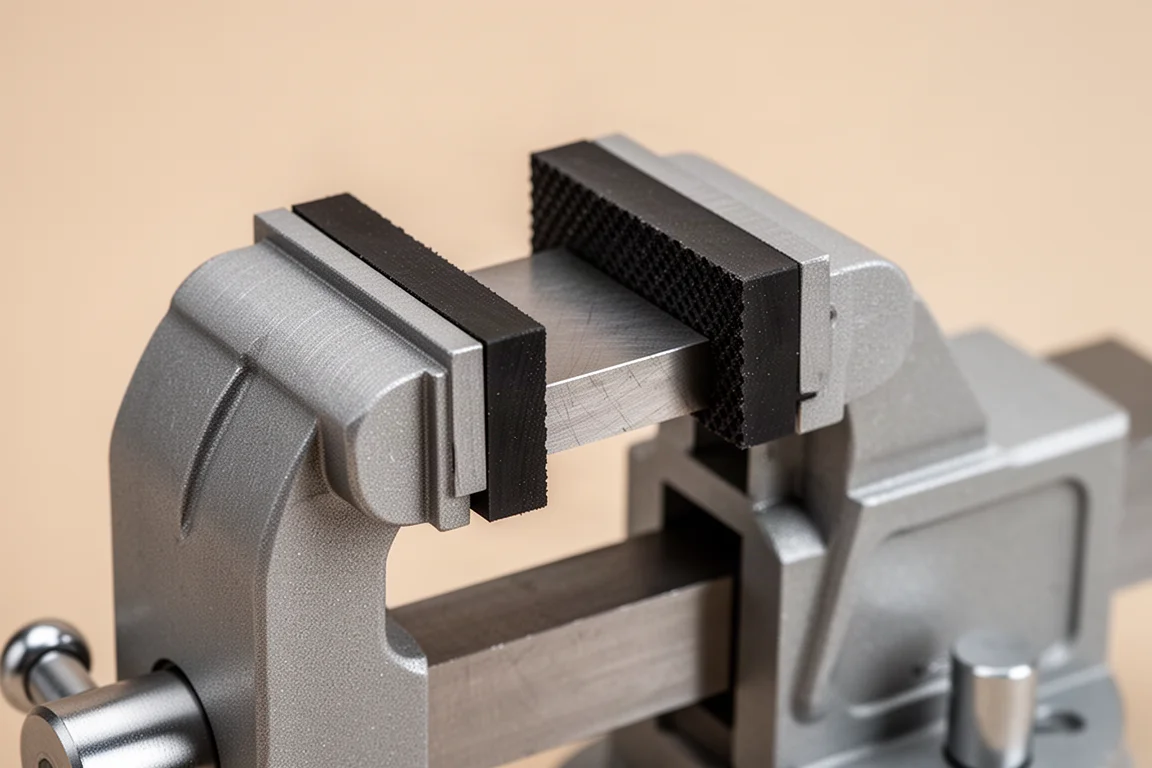
In use it is silky smooth to reposition, and once locked down it is rock solid. The jaws on current versions are nylon, a useful update for holding delicate parts without marring them. The overall build quality, in aluminum and made in America, is genuinely impressive for the price. Compared with other small vises, this one tends to be the favorite.
Things to Consider Before Buying
The 301 by itself ships with anchor points on the bottom rather than a mounting plate, so you either screw it down to a board or buy one of the separate bases. That is worth factoring into your decision, especially since some of the optional bases, like the tray base, cost about half what the vise itself does.
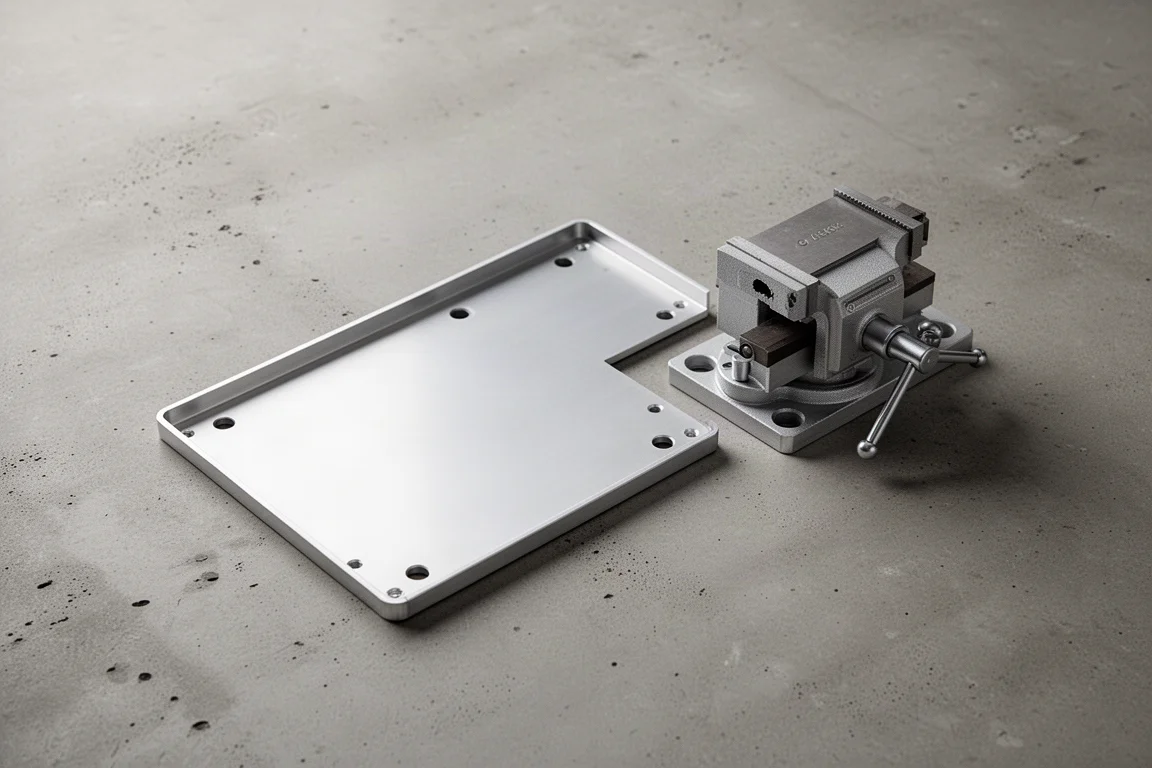
The tray base is aluminum, also made in Reno, Nevada, and adds a small work surface plus mounting points so you can screw other things into it. Other base options include magnetic and suction bases. Picking up a base breathes new life into the vise and frees you from having to bolt it down to a piece of wood every time you want to use it.
Buying Advice
If you do any small-item work, this is a tool that earns its place on the bench. The vise alone sells for roughly $52 on Amazon, which is a very reasonable price for something made in America with this level of quality. The tray base was about $27 at the time of the source’s purchase, and bases are available at the point of purchase when buying the vise.
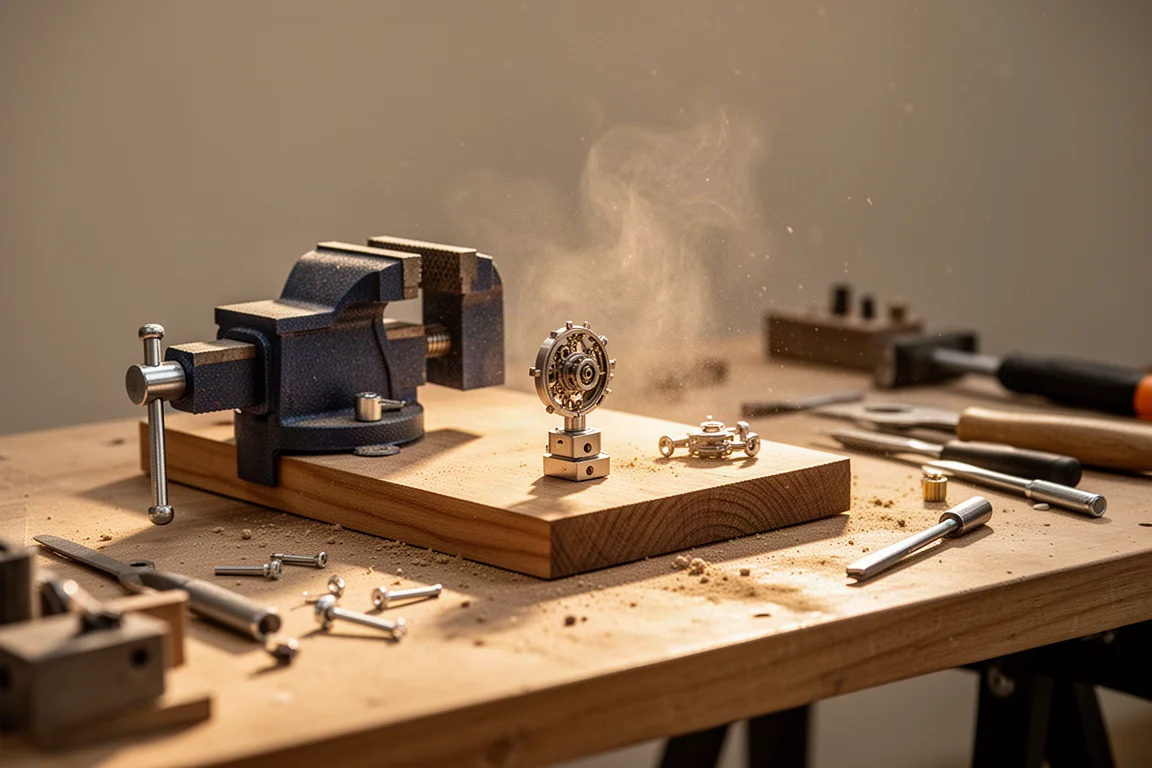
Panavise also makes a wide range of other mounts: phone holders for vehicles, display mounts, hands-free adapters, and various ways to position and lock workpieces, particularly for the electronics industry. If the 301 fits your needs, it is worth exploring the rest of their mounting lineup.
Conclusion
The Panavise 301 is a rare combination: decades-old design, American manufacturing, smooth and strong performance, and an accessible price. Add a base that suits your bench and it becomes a flexible, long-lasting holder for electronics and small-item work. For anyone who regularly fiddles with small parts, it is easy to see why so many people prefer it over other small vises.
Product link
View more details for Panavise 301
This product is mentioned in the review. Check the specifications, options, and compatibility before buying.
View more details for Panavise 301Further reading
Related Reviews
Tools & Workshop
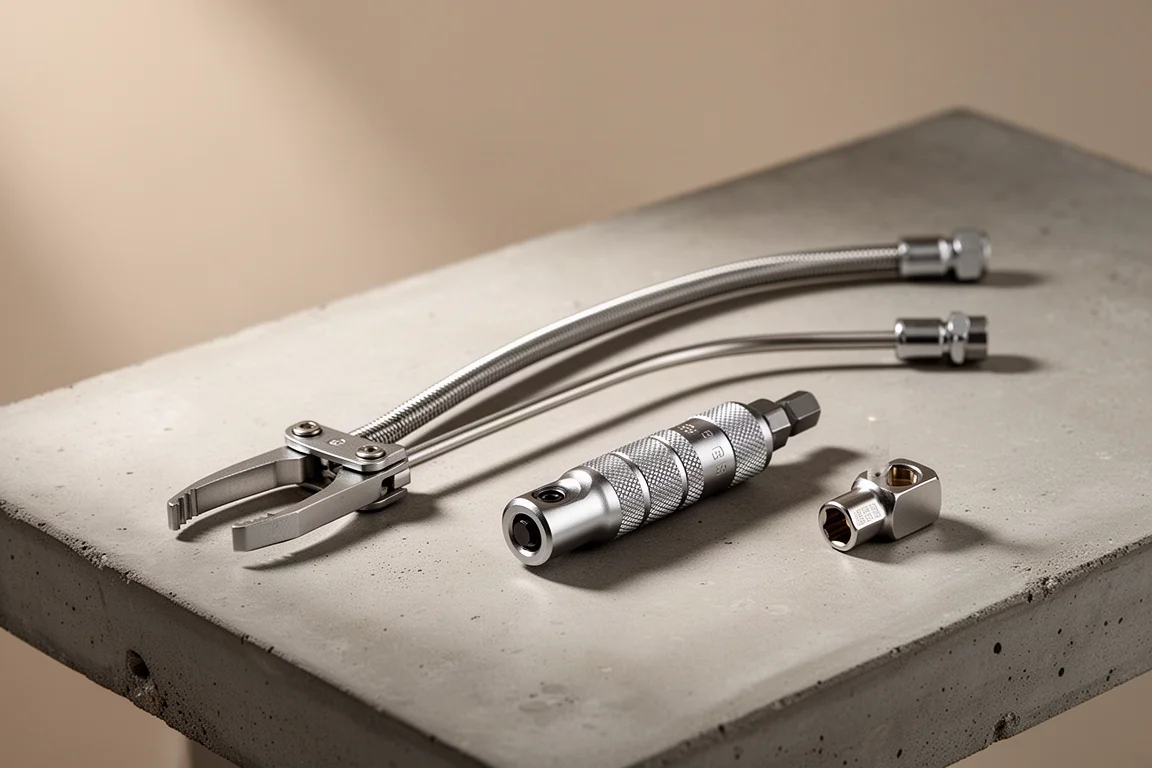
Three Tools That Saved a Tight Dishwasher Installation
A long-reach hose clamp tool, a locking ratcheting bit driver, and a flip socket that earned their spot during a cramped appliance install.
Tools & Workshop
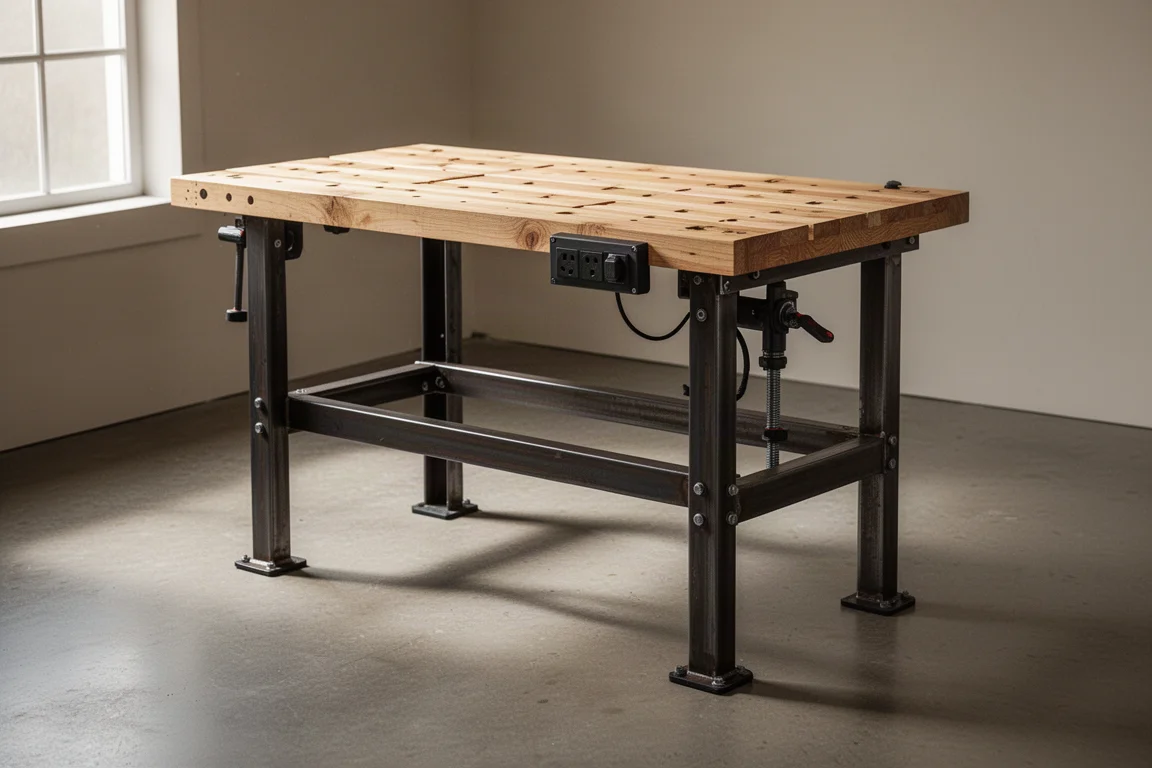
Banggood WB0102 Pro Workbench Review: A Stable, Height-Adjustable Bench for Small Workshops
A heavy, well-priced workbench with a pine top, built-in power strip, height adjustment, and a straightforward assembly that takes under 30 minutes.
Tools & Workshop
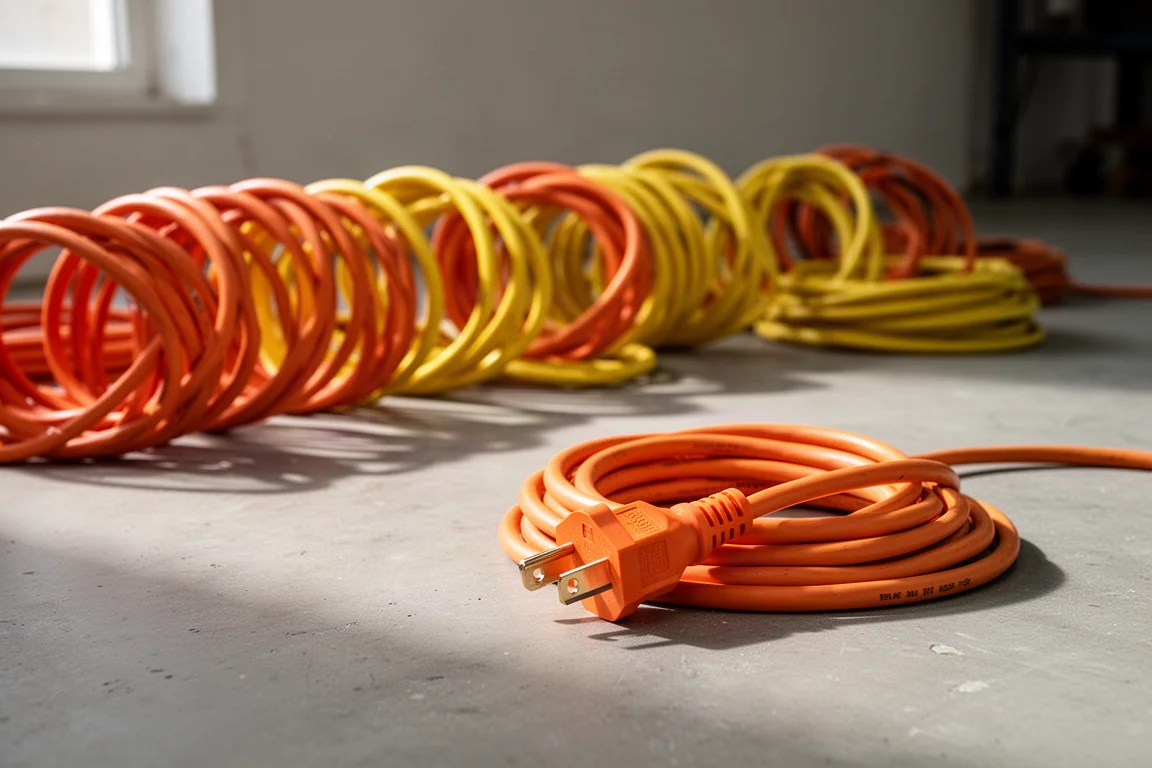
Best 50 ft Extension Cords: 15 Cords Put Through Real-World Testing
Fifteen 50 ft extension cords compared on blade strength, abrasion resistance, voltage drop, plug retention, and cold weather flexibility.