Cameras
Panasonic Lumix S5 Review: A Full-Frame Camera Built for the Trail
A field-tested look at the Panasonic Lumix S5 for hiking and travel work, covering stabilisation, 4K video quality, USB-C charging, and the trade-offs worth weighing before buying.
Introduction
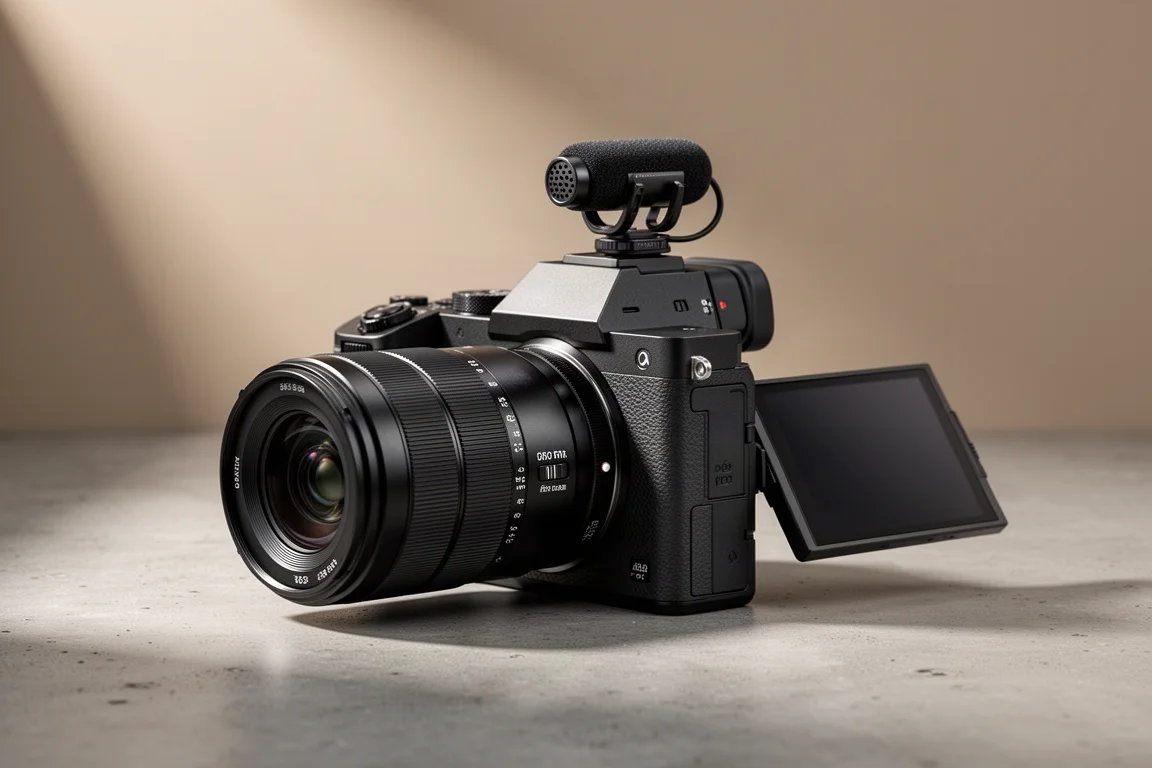
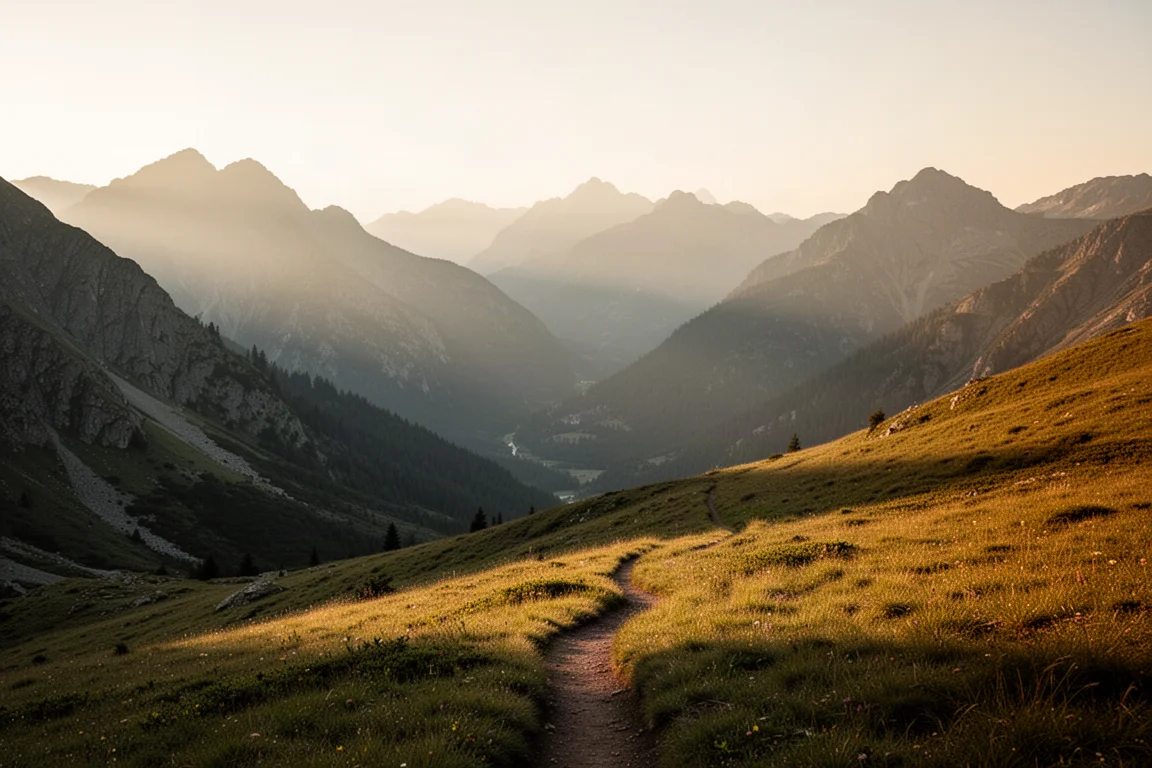
The Panasonic Lumix S5 is a full-frame mirrorless camera built for people who want strong video and stills capability in a body light enough to carry all day. That promise only matters if it survives real conditions, so the camera was put through a demanding field test: a pre-dawn start in Flagstaff, Arizona, an 11-mile out-and-back hike to the summit of Humphrey’s Peak, and more than 3,000 feet of elevation gain covered in roughly six hours. It had already been out on the Maroon Bells Four Pass Loop in Colorado, where charging habits and stabilisation were tested in a colder, higher setting.
The short version is that the S5 delivers genuinely portable full-frame performance in bright, windy, rugged conditions, as long as you plan around a small number of honest limitations.
Who this product is for
This camera suits hybrid shooters who split their time between motion and stills and want a single body that handles both without a heavy support kit. It is a natural fit for hikers, backpackers, and travel filmmakers who need full-frame image quality but refuse to carry a full-frame-sized burden up a mountain.
It also makes sense for anyone who values a light working setup. With the 20-60mm zoom attached, the lens and body combination was small and light enough to ride on the outside of a pack, strapped across the front of the body, or sit on a tripod in hand for an entire ascent. The 20mm end covers wide landscape framing, while 60mm is enough for tighter detail shots, wildlife moments, and the small inserts that give a hiking film its texture.
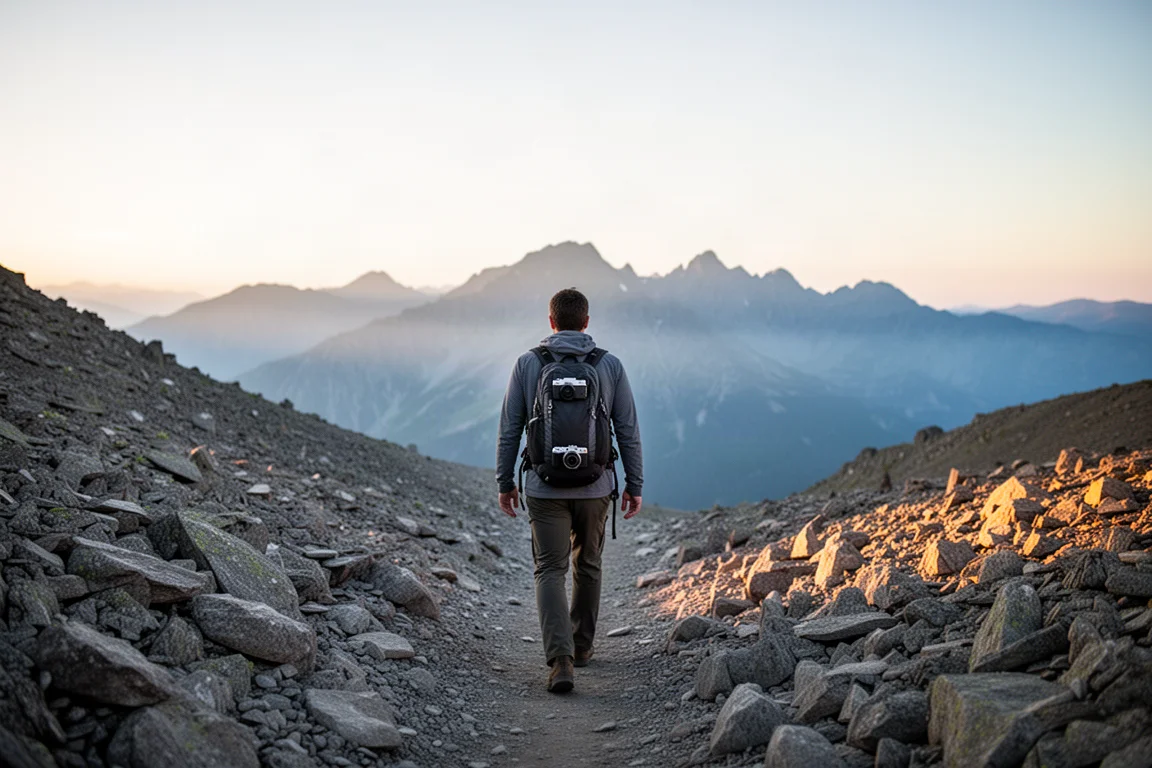
Riders of long trails will also appreciate how quickly the camera comes out of a bag and back in again. Nothing about the S5 slows down the walking, which is the real test for any camera that spends a day on a mountain rather than on a tripod in a studio.
Main strengths
The headline strength is the size-to-sensor ratio. A full-frame body that can be carried on the outside of a pack for six hours without becoming a burden changes how often you actually stop and shoot.
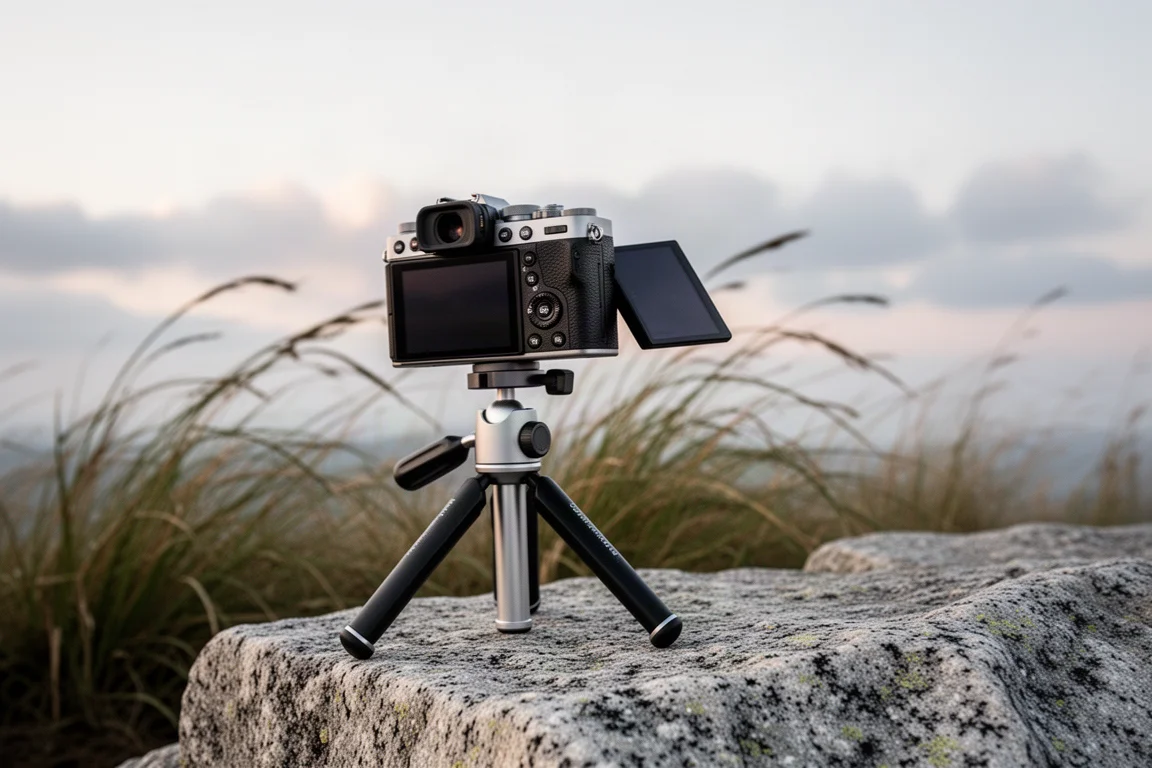
The flip-out screen is a quiet but constant advantage. Being able to angle the display forward makes it easy to check framing, focus, and exposure while recording, whether the camera is on a tripod at eye level or held low against the ground.
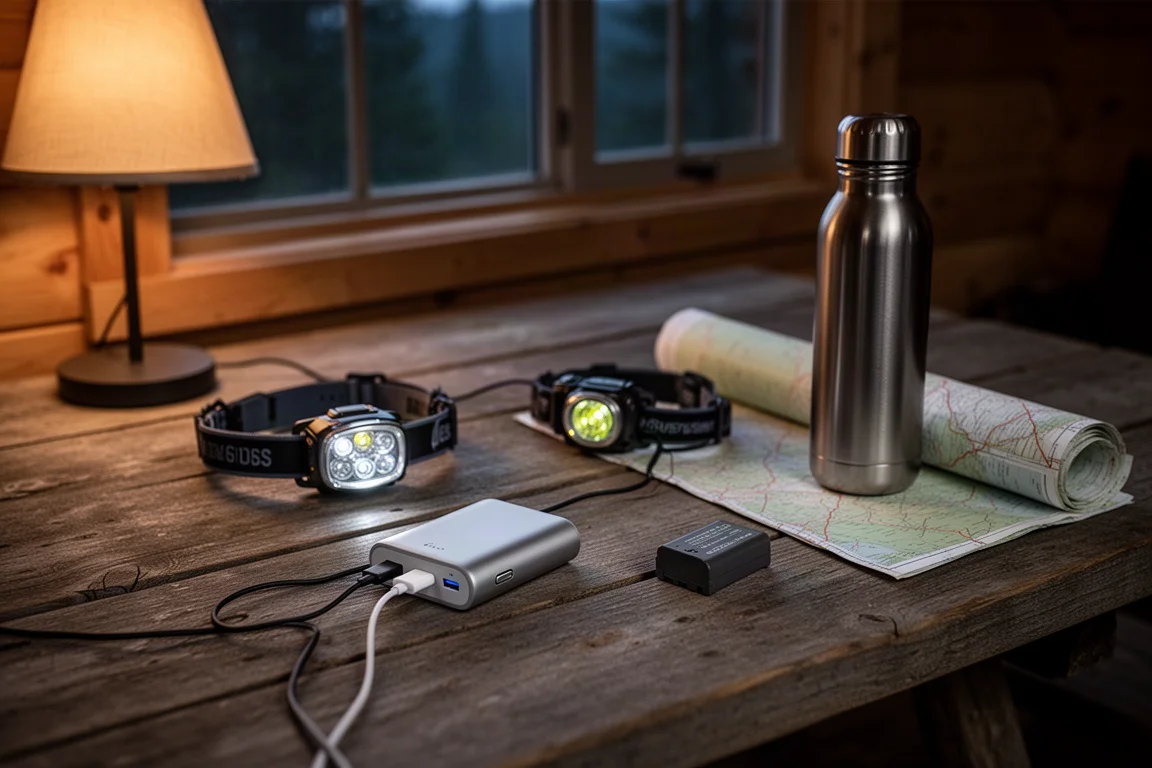
USB-C charging turned out to be one of the most useful details in practice. Carrying a single battery on the Colorado trip was not a problem: the camera charged overnight from a portable brick over USB-C, and the same brick delivered multiple top-ups. That is the kind of flexibility that removes a charger and spare cells from the packing list.
The body is dust and splash resistant, which matters when conditions change fast above the treeline. Dual image stabilisation keeps handheld footage steady, and it also helps tame the constant wind shake found on exposed summits, even when the camera is sitting on a tripod.
A shotgun microphone mounted on top powered on and off with the camera, so there was no separate step to remember before rolling.
Video quality and colour
Recording was done in 4K 422 10-bit at 30 frames per second, a combination that leaves useful room for colour work without demanding enormous storage. In bright sunlight the ISO stayed at the native 100 setting, which keeps the image clean and predictable.
The entire project was captured in the Cine 2 picture profile with only minor colour correction applied. That is a good sign for anyone who wants a usable starting point straight out of the camera rather than a heavy grading session at the end of a trip.
Things to consider before buying
The most practical consideration is power. Running with one battery works, but only if you build charging into your routine. An overnight USB-C top-up from a power bank is simple and effective, and it is worth treating that habit as part of the kit rather than an afterthought.
Wind is the other thing to plan for. On high, exposed ground the camera shakes on a tripod, and while the stabilisation helps noticeably, it does not remove the need to think about shelter and timing when you want a clean locked-off shot.
Lens reach is a deliberate trade-off. The 20-60mm range covers wide landscape views through to short telephoto detail, which handles most trail filming, but it will not replace a dedicated long lens for distant subjects. Buyers who need serious reach should treat the zoom as one part of a wider kit.
Finally, bright conditions pushed ISO to the native 100 setting almost constantly. That is a strength rather than a flaw, but it does mean low-light work is a separate question that deserves its own testing rather than an assumption.
Buying advice
Buy the S5 if portability is the deciding factor. Its case rests on being a full-frame camera that you will actually carry, and that argument holds up after six hours of climbing. Pair it with the 20-60mm zoom and you have a compact, versatile setup that covers landscape wides and detail inserts without a second lens in the bag.
Add a USB-C power bank to the kit before the first trip. It is a small addition that turns a single-battery limitation into a non-issue, and it lets the camera charge overnight the same way a phone does.
If your work depends on long telephoto reach or heavy low-light shooting, weigh those needs carefully, because the strengths here are compactness, stabilisation, and clean bright-light footage. For hikers and travel shooters whose priority is a light pack and reliable 4K capture, the S5 is a well-matched choice.
Conclusion
The Panasonic Lumix S5 earns its place on a long trail. It stays small enough to carry without complaint, records clean 4K footage in harsh sunlight, stabilises well enough to be useful in wind, and charges over USB-C from the same brick that tops up a phone. The trade-offs are real but manageable: plan your power, respect the wind, and accept the reach of the zoom you choose. Do that, and it is a camera that keeps up with the hike rather than dictating it.
Product link
View more details for Panasonic Lumix S5
This product is mentioned in the review. Check the specifications, options, and compatibility before buying.
View more details for Panasonic Lumix S5Further reading
Related Reviews
Cameras
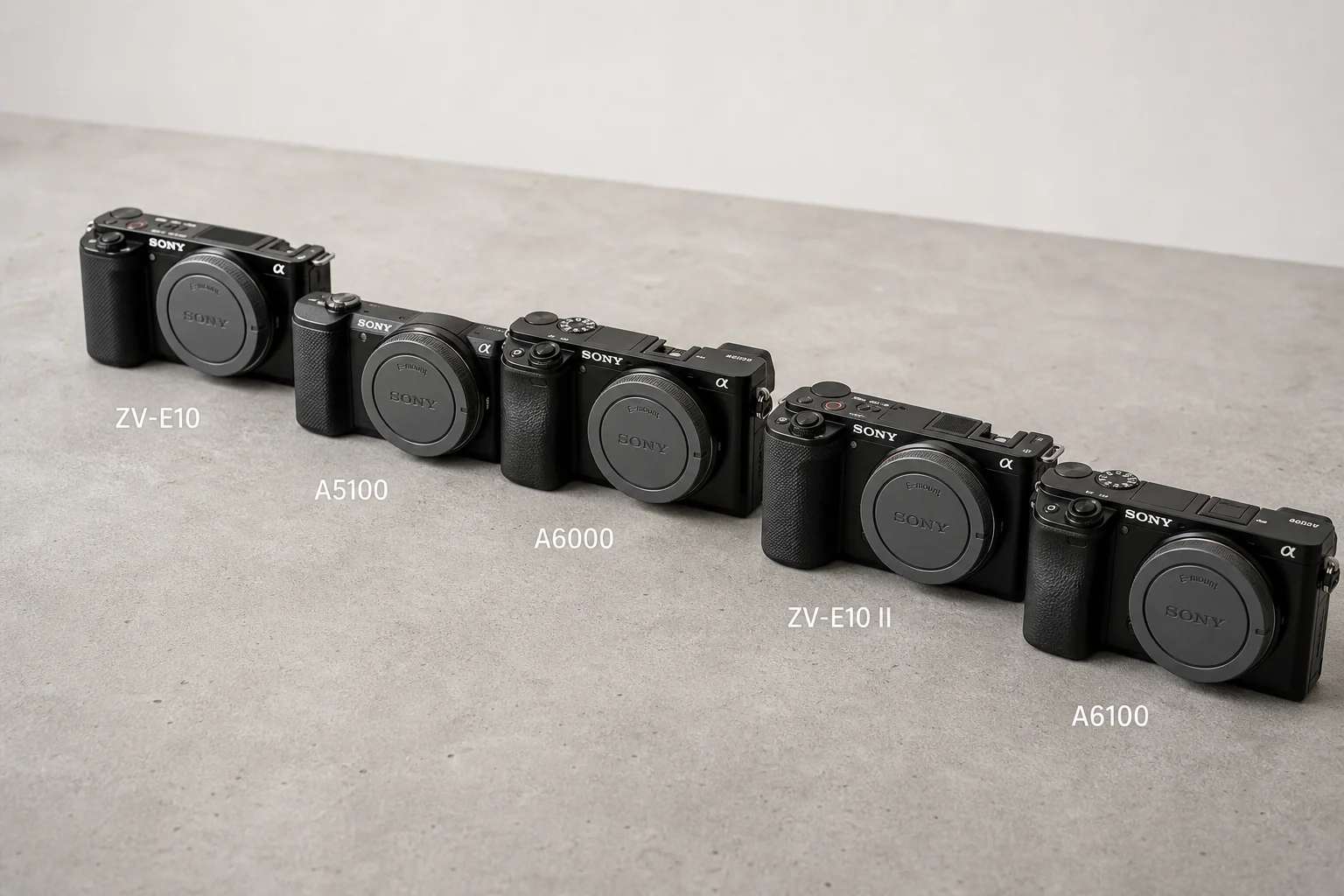
Best Budget APS-C Cameras: Five Sony Options for Photography and Video
Five compact Sony APS-C cameras ranging from $250 used to $1,000 new, each suited to different creative needs and budgets.
Cameras
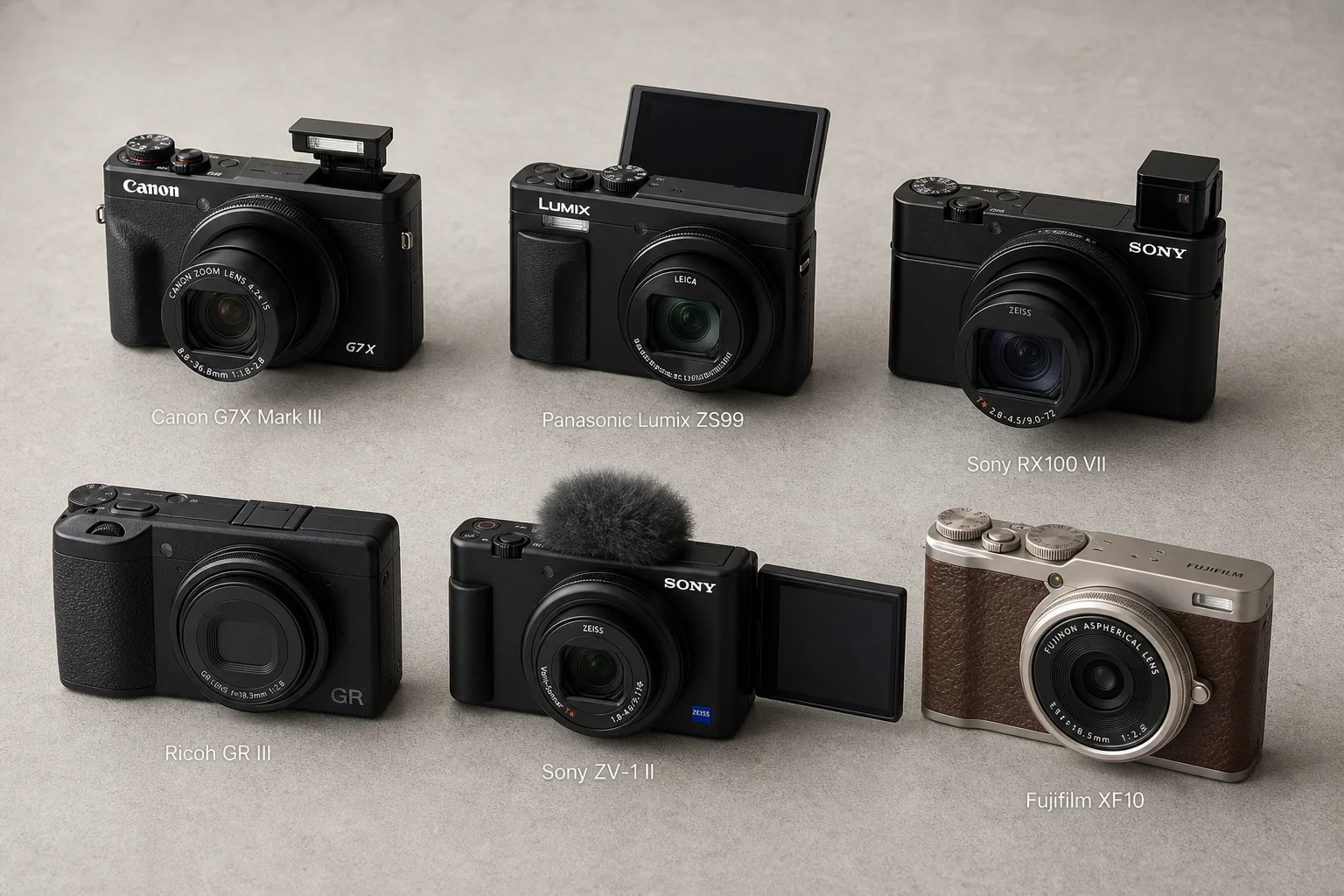
Best Compact Cameras 2026: Six Models Tested Side by Side
A practical comparison of six popular compact cameras, from the Canon G7X Mark III to the Fujifilm XF10, tested in real-world conditions to help you choose the right one.
Cameras
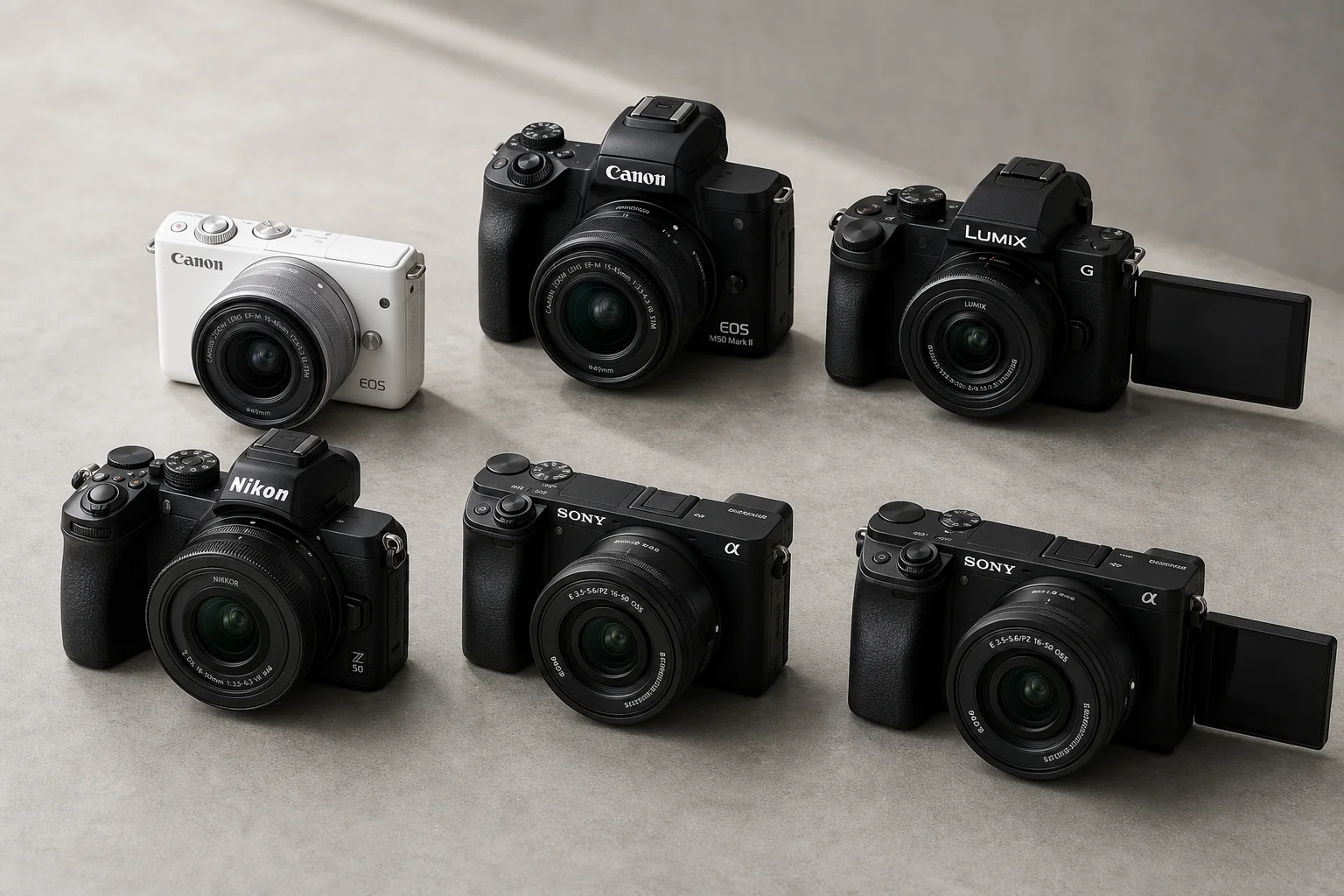
Best Mirrorless Cameras Under $1000: Six Practical Options for Different Needs
A detailed comparison of six mirrorless cameras under $1000, ranked by value, performance, and suitability for vlogging, stills, and beginner use.