Camping Gear
PackBack Designs Kit Bags Review: Three Ultralight DCF Organizer Bags
A practical look at three PackBack Designs kit bags made from DCF fabric, covering sizes, weights, real-world uses, and what to check before buying.
Introduction
Anyone who spends enough time outdoors eventually runs into the same problem: a pack full of loose gear that has to be dug through every time something small is needed. Kit bags solve that. The idea is simple. Group related items into dedicated bags, so a cooking setup lives in one place, food and coffee in another, and anything that draws power in a third. From there the system expands naturally into a power kit, a miscellaneous kit, and whatever else the trip demands.
PackBack Designs builds exactly that kind of organizer. The company is based in Scottsdale, Arizona, makes its bags in the United States, and describes its products as designed on the trail. This article covers three of them: the Large Food Bag, the 3-Inch Deep Pack Pouch, and the Small Food Bag. All three use the same high-end composite fabric, all three are ultralight, and all three have held up through close to a year of regular use without a puncture, a hole, or a failing zipper.
Pricing sits in the middle of the market for composite-fabric storage bags, which is notable given the materials involved. Whether these specific bags make sense depends on what you need to organize, and the three sizes cover quite different jobs.
What Makes These Kit Bags Different
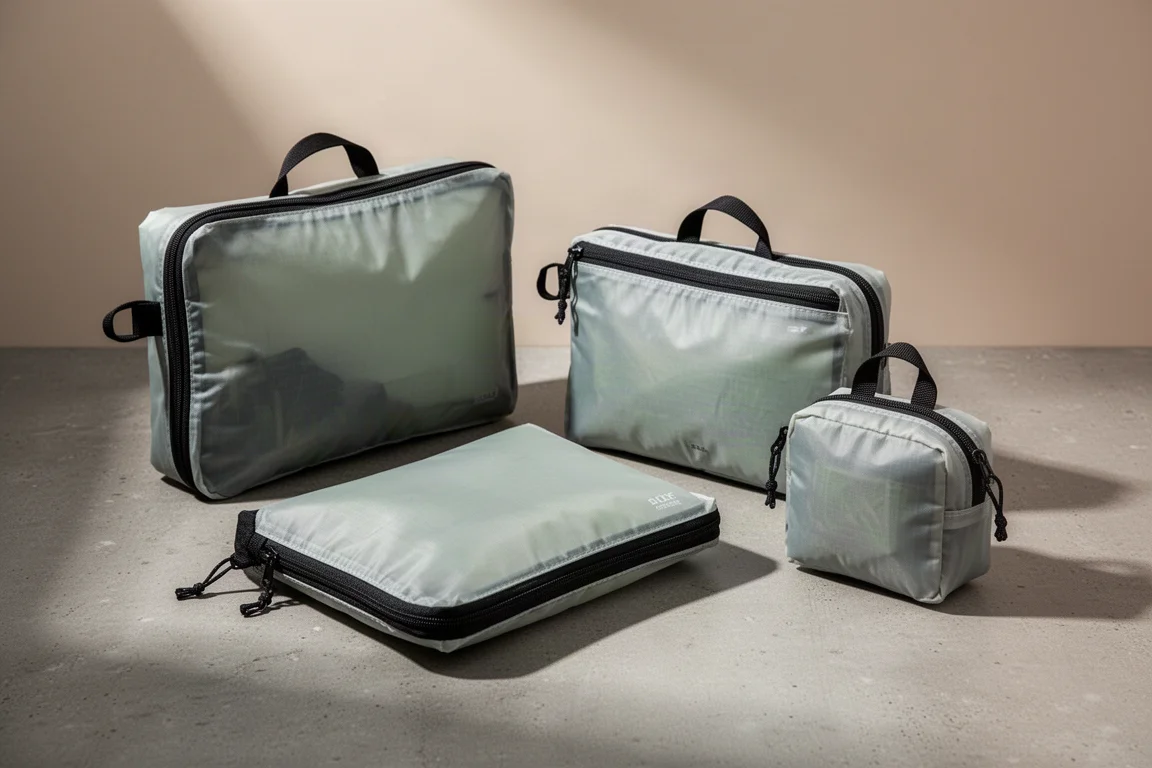
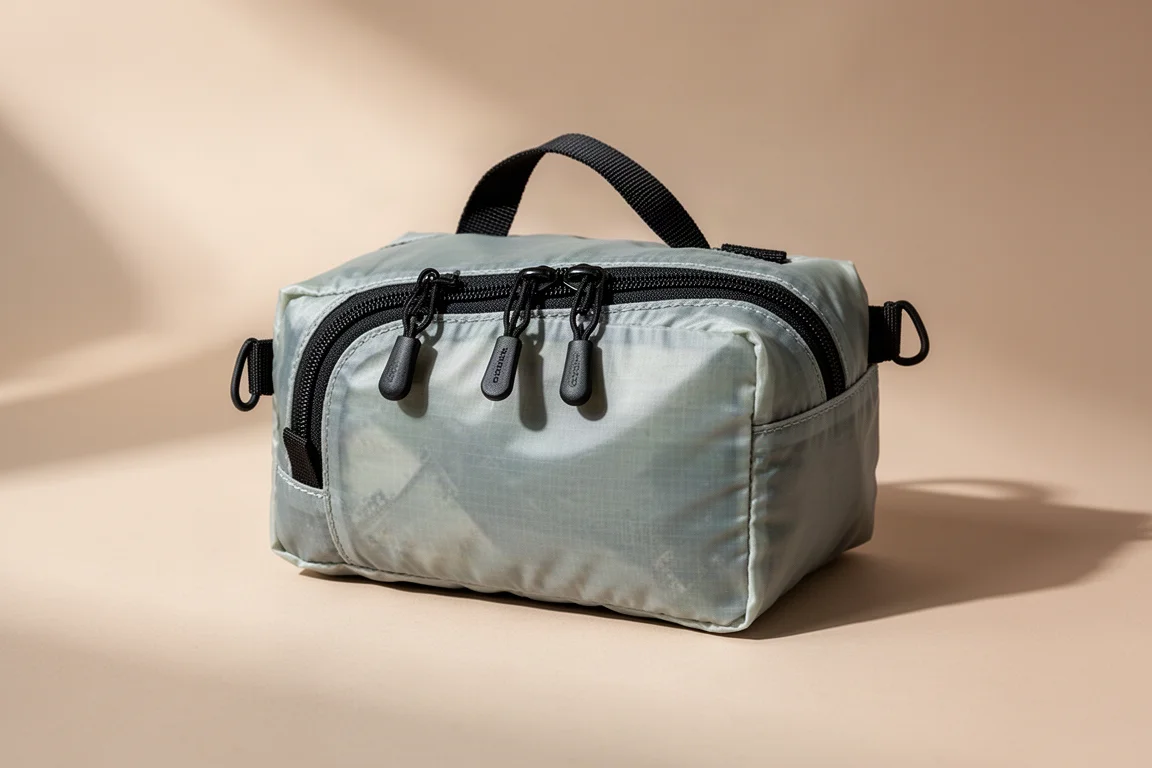
All three bags share the same construction language. Each has a water-resistant two-way zipper with pulls on both sliders, loop tabs at the ends for hanging or clipping a carabiner, and a fabric grab handle. Those details sound minor until you handle bags that lack them. A two-way zipper lets you open a packed bag from either end, and pulls make it usable with cold or gloved hands.
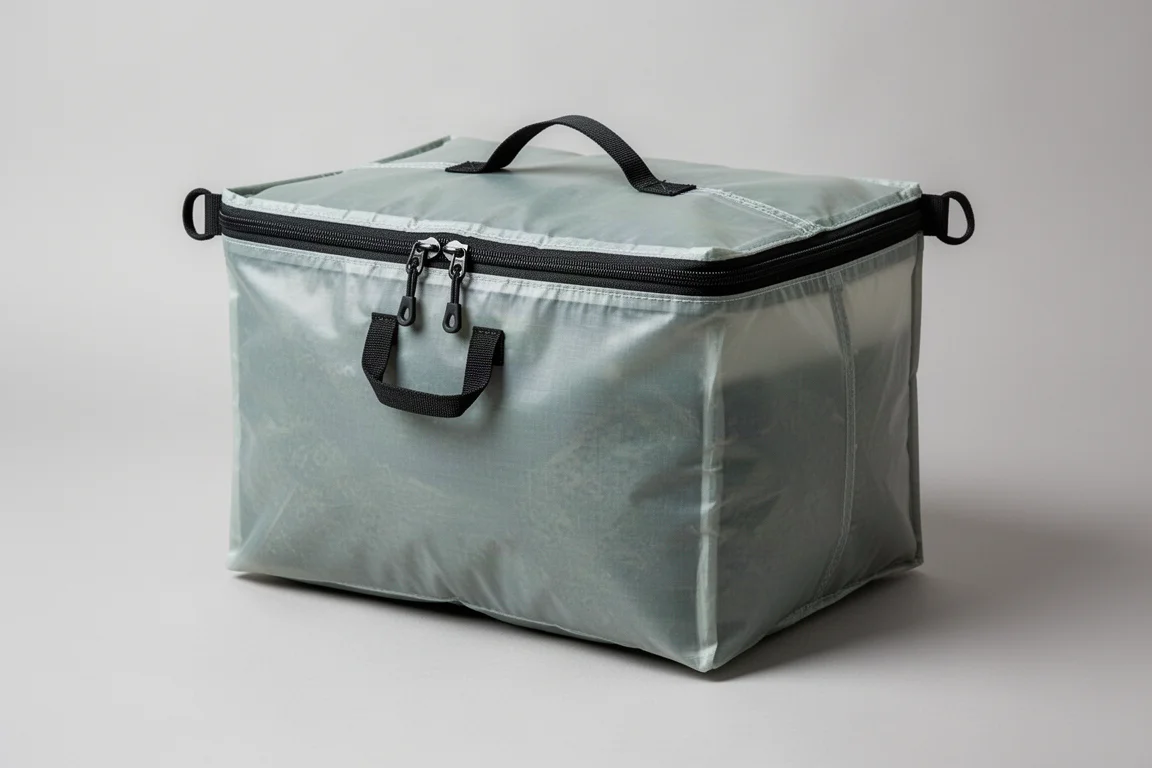
The fabric is semi-transparent. Held up to light, you can see the general shape of what is inside, which cuts down on unnecessary opening. Each bag also has a roughly cube-like form with a flat bottom, flat top, and flat sides, so they stack and tile inside a pack instead of rolling into dead space.
Customization is part of the system as well. The bags come in different types of DCF fabric with different weights and strengths, and in blue, white, and green.
PackBack Designs Large Food Bag
The Large Food Bag measures 11.5 by 7.5 inches and roughly 6 inches deep, and it weighs only 36 grams. The water-resistant two-way zipper runs across the top with pulls on both sliders, there are loop tabs at both ends, and a grab handle sits at the front. The shape is close to a cube, though the soft fabric means it settles rather than holding a rigid box.
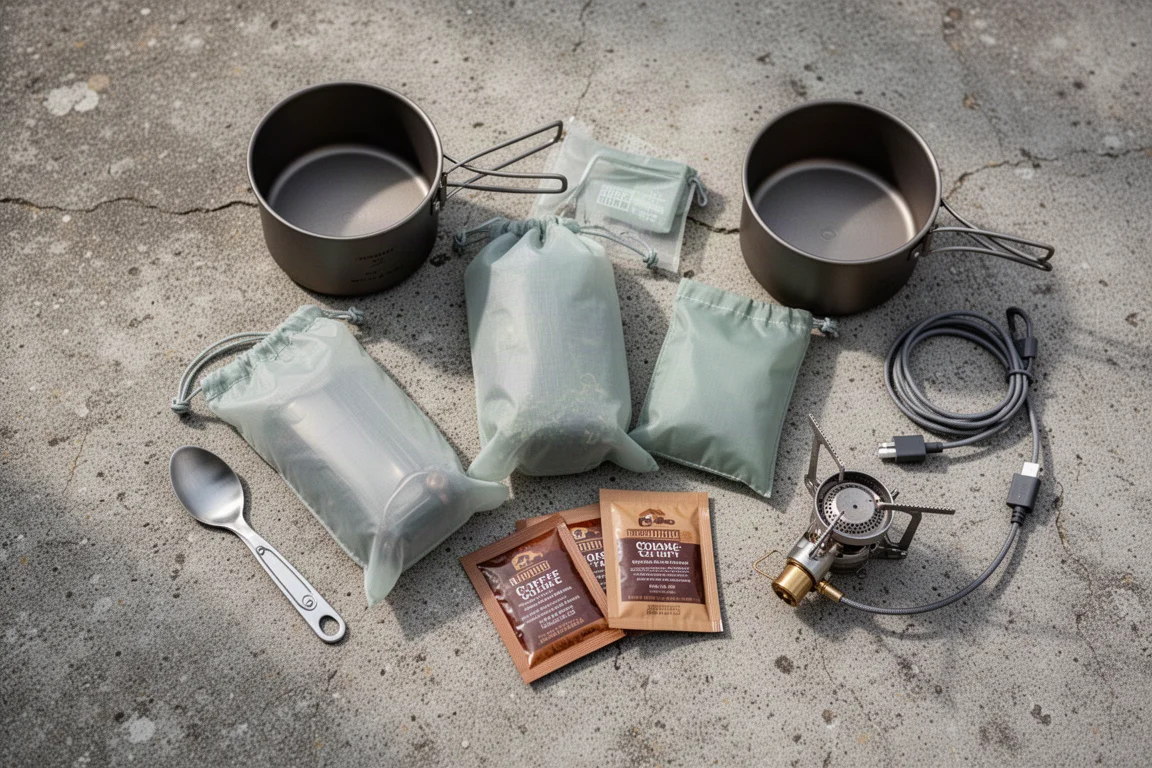
Interior space is generous. A typical load covers a cook kit and a fire kit together: a canteen cup, pots, a fire kit, spoons, tin foil, a lighter, paper towels, and a stove. Because the contents get swapped trip by trip, the same bag can carry a wood stove one weekend and a canister or butane stove the next.
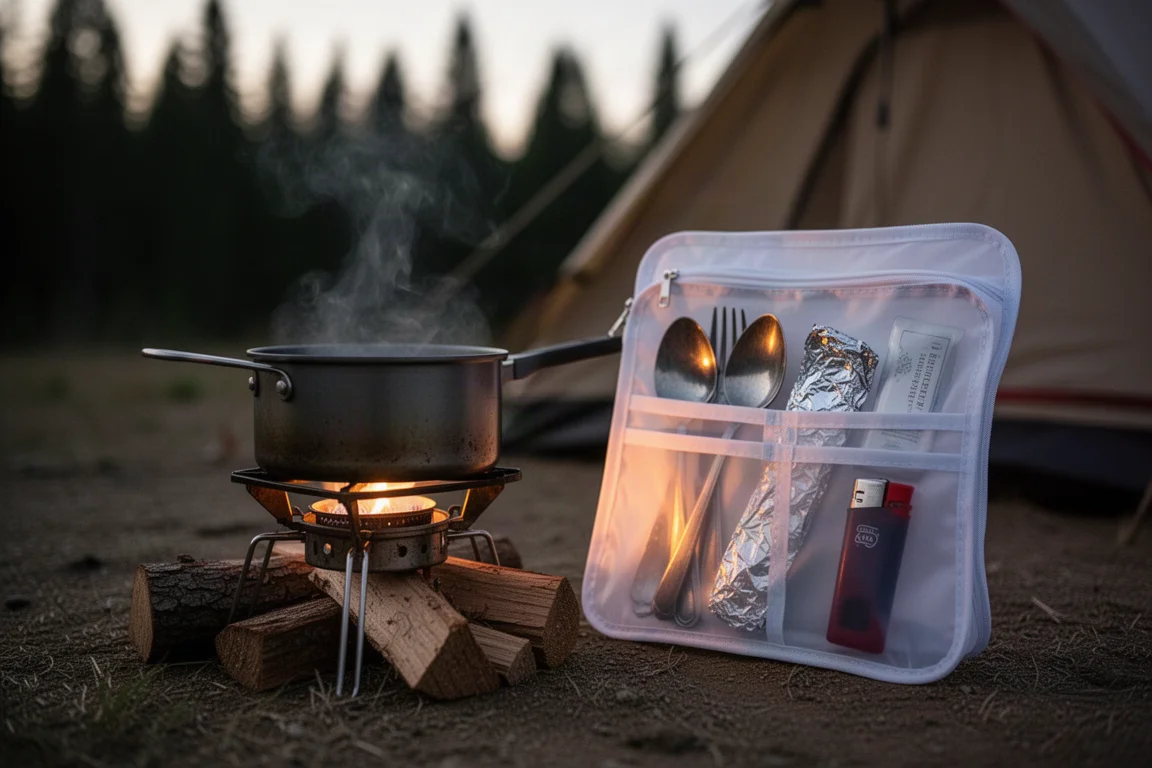
That flexibility is the whole point. A bag this size is less about a fixed checklist and more about a container you refill to match the adventure.
PackBack Designs 3-Inch Deep Pack Pouch
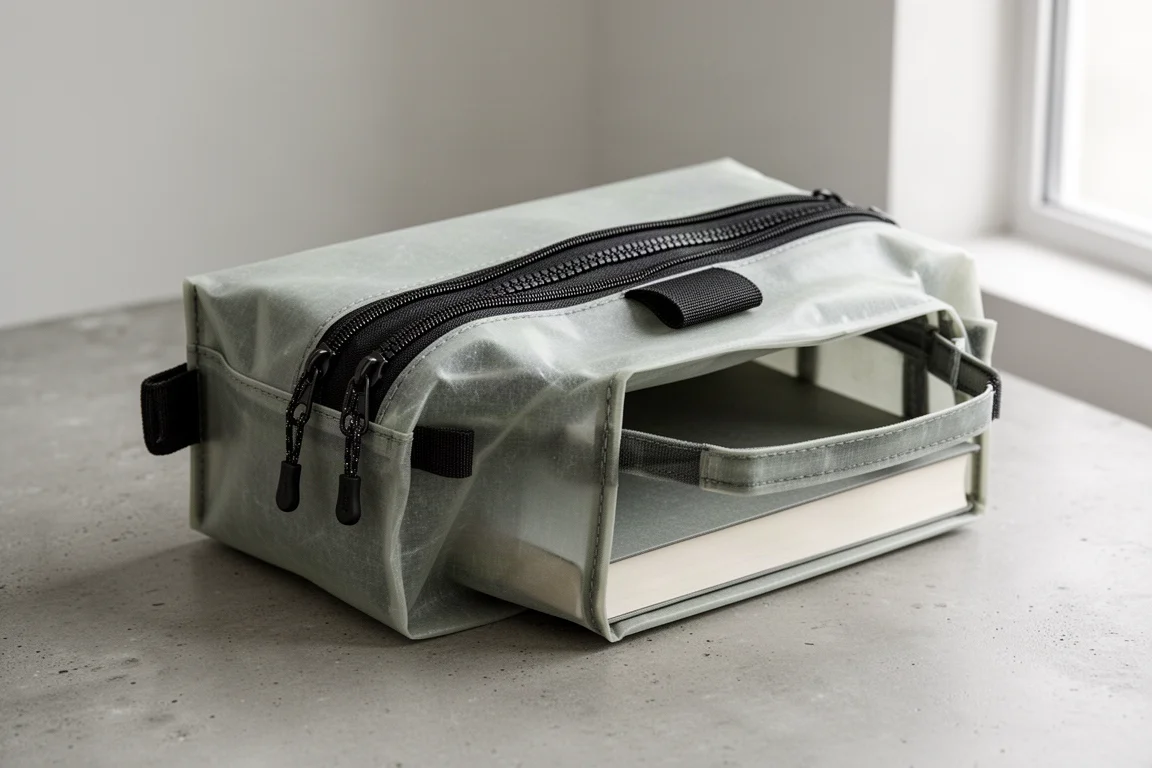
The 3-Inch Deep Pack Pouch measures 12 by 8 inches and about 3 inches deep, and it weighs 38 grams. It carries the same water-resistant two-way zippers with pulls, loop tabs on the side, and a grab handle. The difference is how it opens. Rather than lifting a lid, the pouch opens like a book, so the entire contents are visible at once.
That layout suits a food kit. A realistic load includes a trash bag, instant coffee, small Ziploc bags, mints, peaches, and energy bars, with enough room left for multiple days of meals and snacks in the field.
PackBack Designs Small Food Bag
The Small Food Bag follows the same design as the large version at a smaller scale. It measures 7 by 6 inches and roughly 3.5 inches deep, and it weighs just 16 grams. The water-resistant two-way zipper with pulls, the loop tabs at both ends, and the top grab handle are all present.
Its usual job here is a power kit: a fan, a headlamp, battery banks, an LED light strip, and a charging cable. Because it weighs so little, it adds almost nothing to a pack, which makes it easy to justify carrying even on short trips.
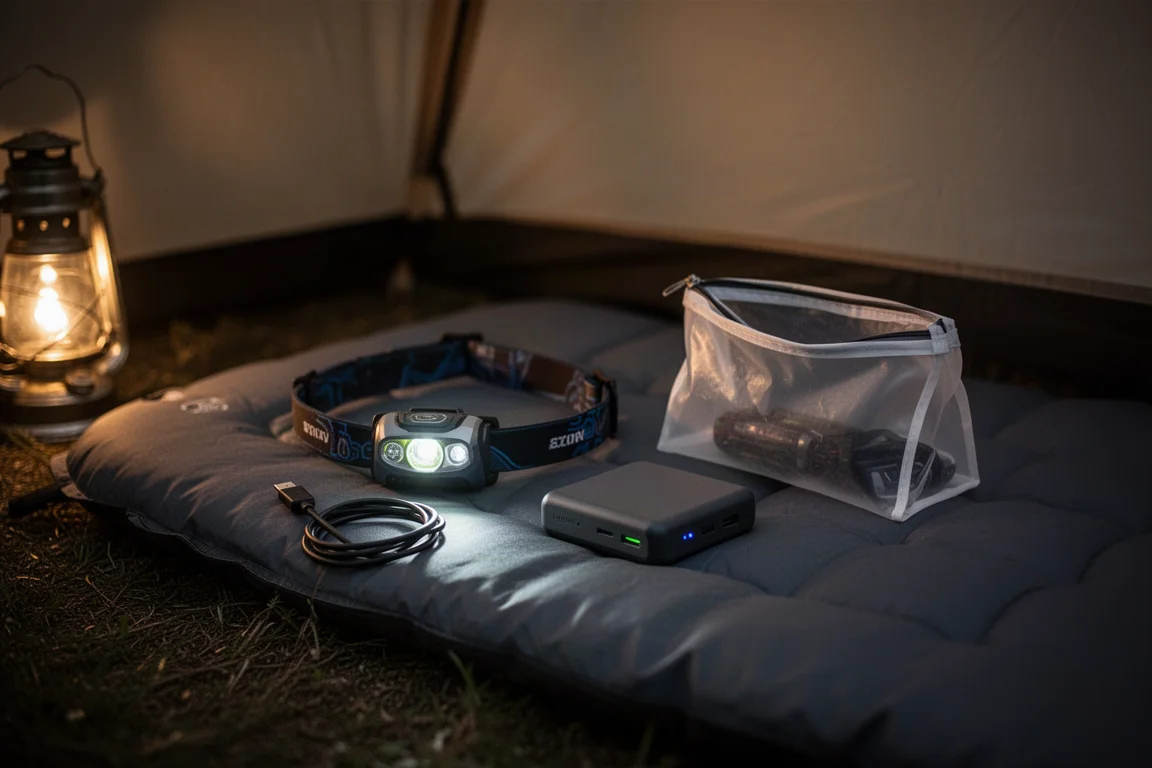
Customizing it per trip works the same way as the larger bags. Bring only the components that make sense for the outing and leave the rest behind.
Materials and Durability
All three bags are built from DCF fabric, short for Dynamo composite fabric, which was previously known as Cuben fiber. It is one of the more advanced materials available for ultralight gear and is used across the category in tents, tarps, and backpacks. Its headline property is strength: roughly 15 times stronger than steel by weight.
In practice that translates into durability. After close to a year of regular use, these bags show no picks, no holes, and no other damage, and they still look essentially new. The material holds up considerably better than typical ripstop nylon or ripstop polyester, and the difference is visible over time.
It is worth being precise about water resistance. These are highly water-resistant bags, not dry bags. Under a tarp with some moisture around, the water-resistant zippers do their job fine. Submerging them is a different matter, and that is not what they are designed for.
Buying Advice
Matching the bag to the job matters more than buying all three at once. The Large Food Bag is the right pick if you want one container for a full cook and fire kit, including pots and a stove. The 3-Inch Deep Pack Pouch works best for food, snacks, and coffee, especially if you like seeing everything at a glance when it opens like a book. The Small Food Bag is the natural home for power banks, cables, a headlamp, and other compact accessories.
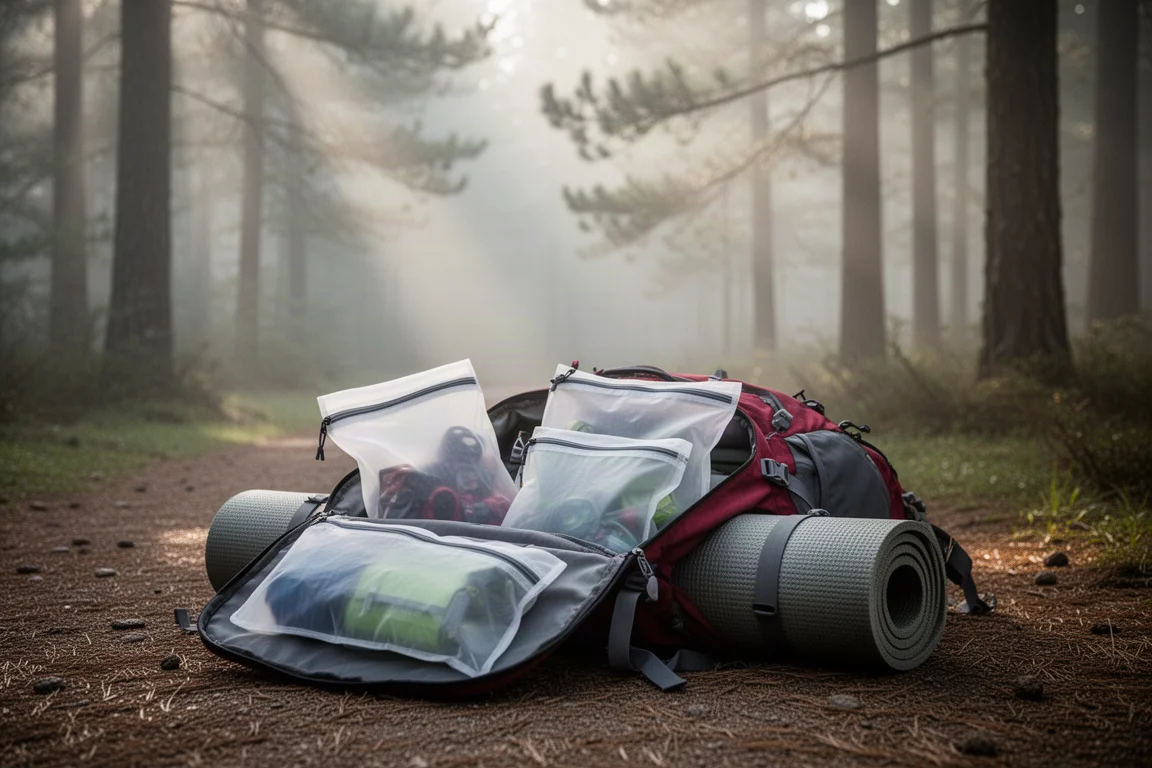
Think about how you pack as well. If you stack gear in layers inside a pack, the cube-like shapes tile neatly and waste very little space. If you prefer a single flat layer, the book-opening pouch sits lower and flatter. The option to choose fabric weight and color is a genuine advantage too, since it lets you match the bags to how much abrasion resistance you actually need.
On price, the Large Food Bag is $43, the 3-Inch Deep Pack Pouch is $38, and the Small Food Bag is $32. For the materials and the zipper hardware involved, that sits fairly in the middle of the market, and comparable composite-fabric bags often cost considerably more. Two limits are worth remembering: none of these are dry bags, and the soft fabric will not hold a rigid cube shape on its own.
Conclusion
The appeal of these three bags comes down to a simple ratio: low weight, high-quality materials, and enough versatility to reorganize them for every trip. Sizes range from 16 grams to 38 grams, the water-resistant two-way zippers and zipper pulls are the kind of detail many competitors skip, and the semi-transparent DCF fabric lets you identify contents without opening anything. Close to a year of regular use has left them looking new.
If you already organize gear into kits, or you want to start, these three sizes cover the most common jobs: cooking, food, and power. Choose the size that matches what you carry, customize the contents per trip, and the system largely maintains itself.
Further reading
Related Reviews
Camping Gear
3FUL Ultralight Ground Sheet Review: A Two-Person Footprint Worth Packing
A 6.7 oz two-person ground sheet in ripstop silnylon, priced around $30. Here is what it protects, what it does not do, and who should pack it.
Camping Gear
Backcountry Light Dual-Function Tarp and Floor Review: A Footprint First
A dual-purpose tent floor and tarp that keeps falling rain off you, but cannot block wind. Here is where it works and where it does not.
Camping Gear
Best 2-Person Camping Mattresses for Couples: 10 Options Compared
A practical comparison of ten two-person camping mattresses, covering self-inflating pads, air pads and air mattresses for couples.