Knives
Ozark Trail vs Benchmade Bugout vs Hogue Deka: A $10 Knife Pushed to Its Limits
We stress-tested a $10 Walmart folding knife against a Benchmade Bugout and a Hogue Deka to find out how much knife you actually get for your money.
Introduction
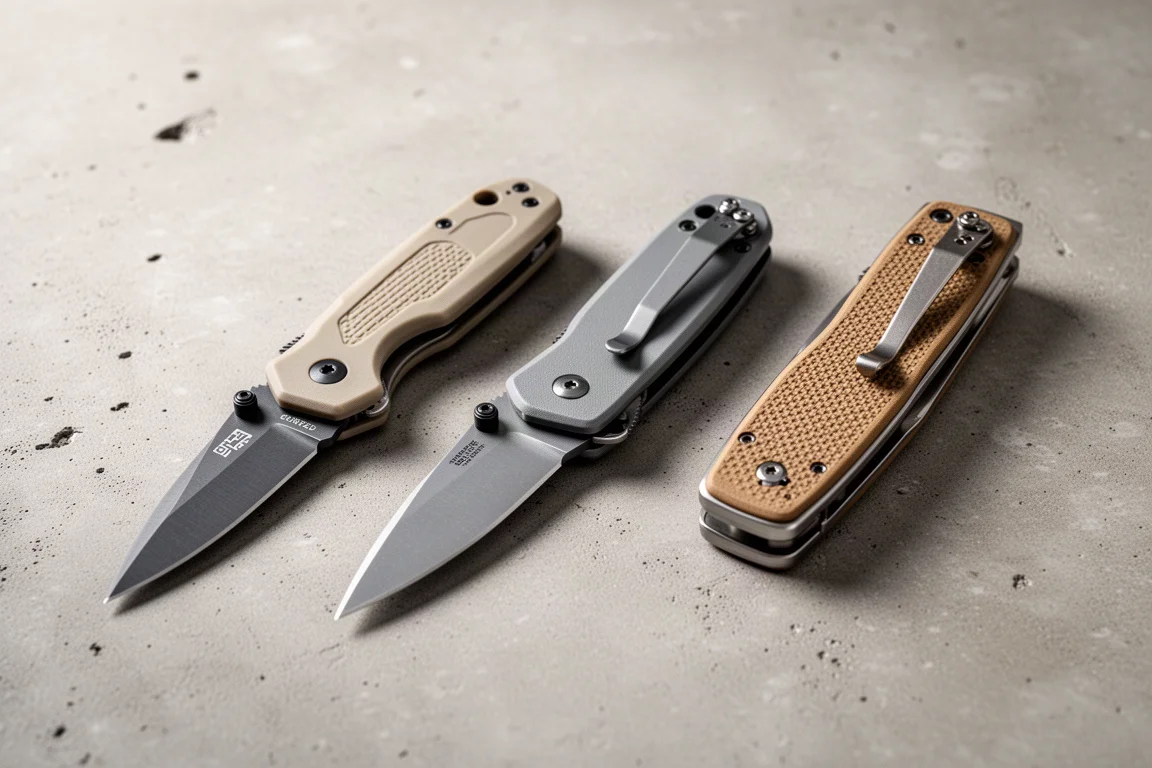
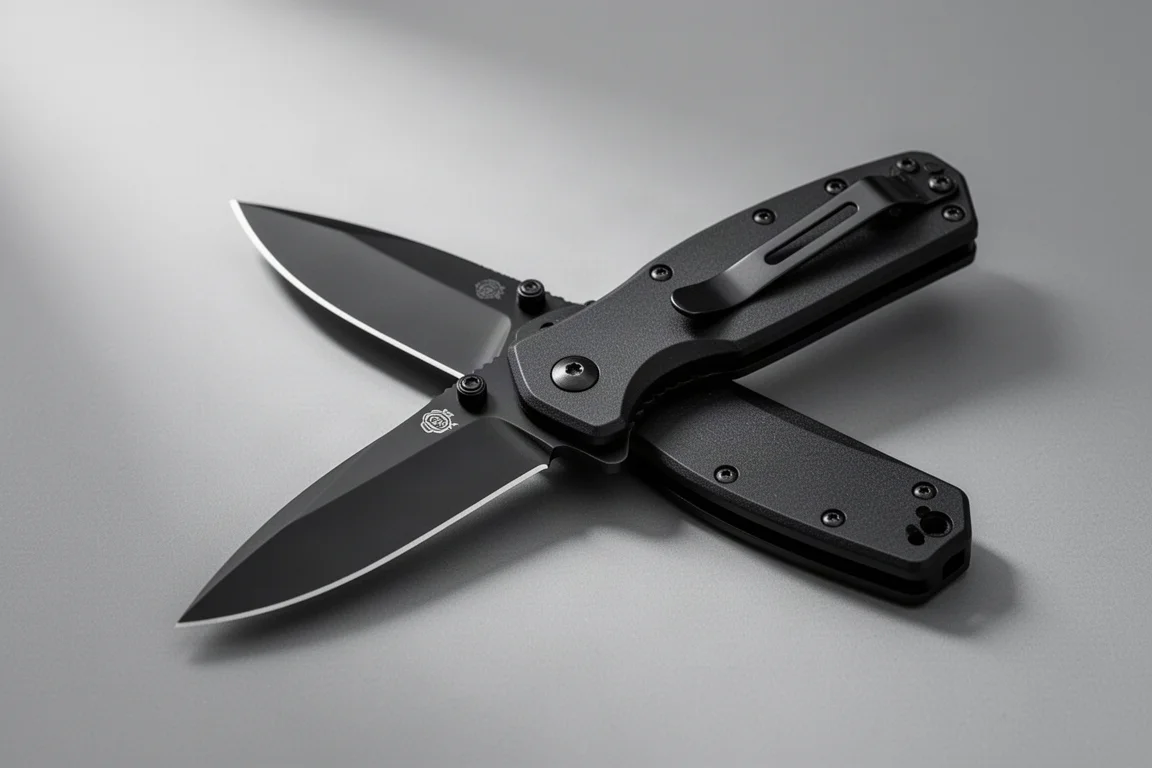
Can a $10 folding knife really stand in for a premium one? That question keeps coming back in knife communities, especially since the Ozark Trail folding knife copies the shape of one of the most popular ultralight folders around: the Benchmade Bugout. To find out, we put the $10 Ozark Trail head to head with a fresh Benchmade Bugout, then added the Hogue Deka as a third option for buyers who like the same lightweight crossbar-lock form factor but want a different path.
The tests were simple and deliberately unscientific: out-of-box sharpness, everyday cutting, edge touch-ups, heavier tasks, drops, run-overs, and finally bend tests until something gave up.
Out-of-Box Sharpness and Edge Retention
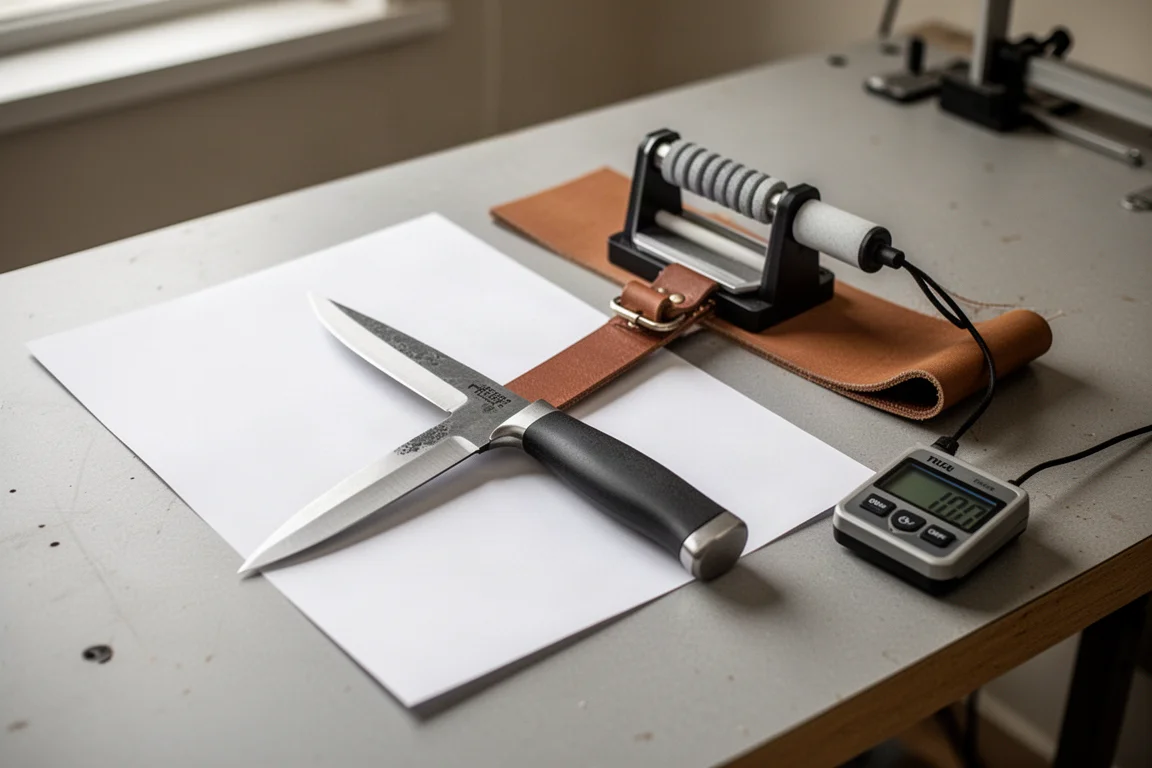
Right out of the box, both knives shave hair. The Bugout tested slightly sharper, but the margin was small enough that both cut paper comfortably. The more meaningful difference is steel: the Ozark Trail uses D2 while the Bugout uses S30V, a generally nicer steel that should hold an edge better over time. Heat treatment matters enormously with D2, though, and poorly heat-treated D2 can turn brittle and chippy, so the real question was where this budget blade falls on that spectrum.
Everyday Cutting: Boxes, Rope and Hose
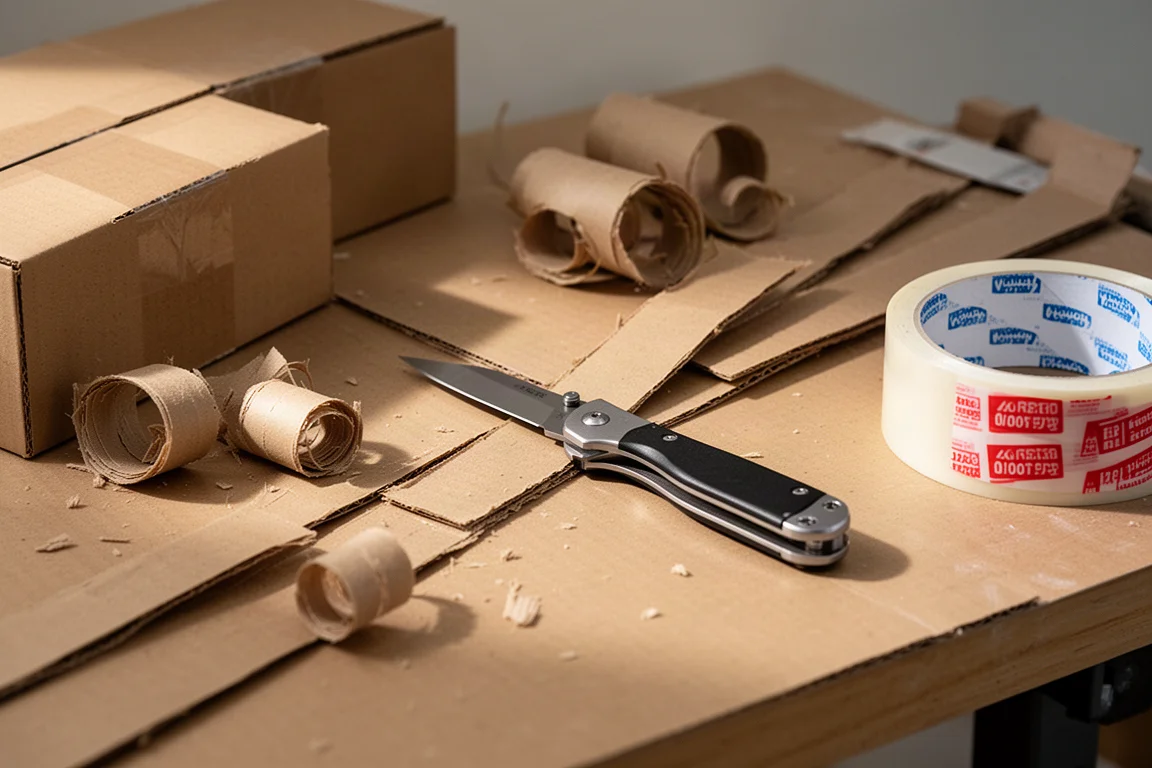
Fifty cuts through cardboard gave the first real signal. The Ozark Trail dulled noticeably and required switching blade positions partway through, while the Bugout finished the same task and then cut smoother afterward. Cutting garden hose for ten slices also pushed the Bugout ahead; it simply bit through more easily. On rope, zip ties, and cutting braided steel wire, both knives struggled equally with the wire, and neither rolled badly enough to fail the task outright.
After a quick touch-up with a guided field sharpener, the Bugout actually came back sharper than factory. The Ozark Trail recovered to a respectable working edge as well, so both are maintainable; the Bugout just responds faster.
How They Compare in the Hand
The two knives look remarkably alike, but the details tell a different story. Blade stock is nearly identical, but the Ozark Trail’s handle is noticeably thicker, uses full liners top to bottom, and weighs about an ounce more than the Bugout’s 1.8 ounces. That weight difference comes largely from those liners, which also make the Ozark Trail feel more robust on paper.
Drop Tests and Run-Overs
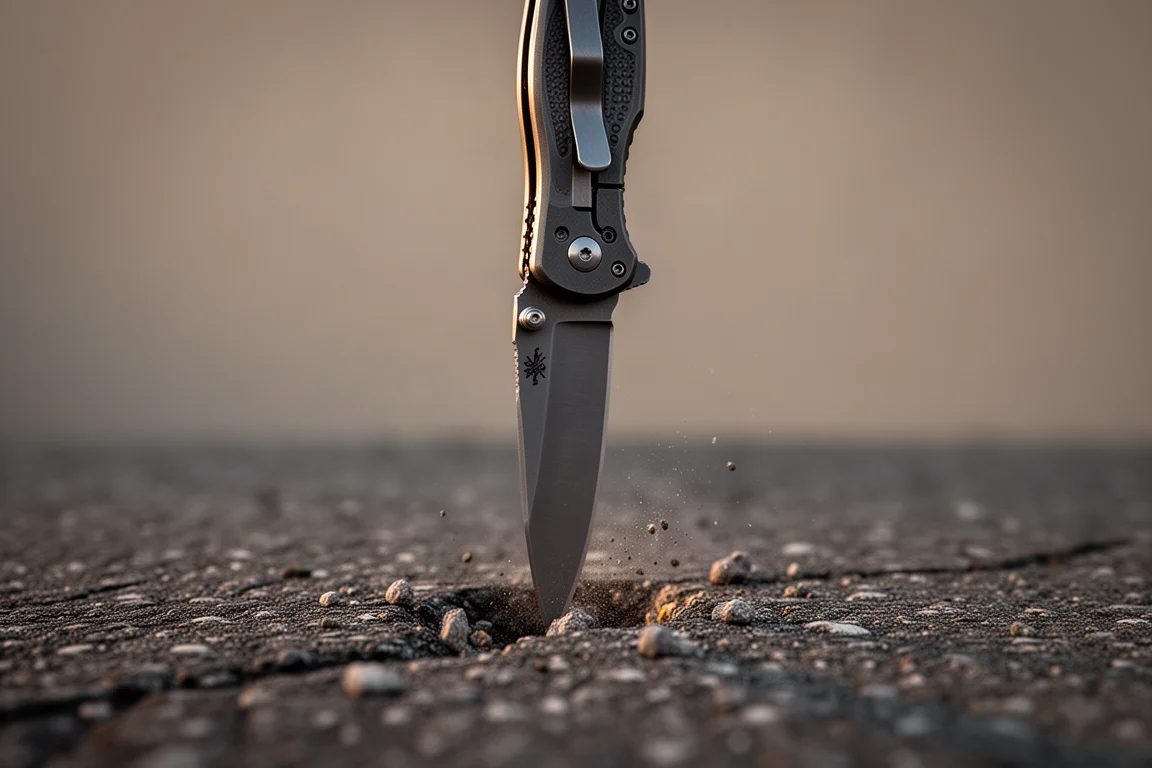
Drops from pocket and shoulder height, open and closed, mostly produced scratches and scuffs on both knives. Tip-down drops onto asphalt blunted both tips to roughly the same degree, and repeated tosses left the Bugout’s clip marred and its blade off-center with visible play. The Ozark Trail developed blade wobble too. Running a car over both knives flattened clips and shook hardware loose on both, but neither shattered its handle scales, which is genuinely reassuring for a $10 knife.
Where the Ozark Trail First Bends
The staple-pry test drew the first clear line. The Ozark Trail’s tip bent visibly under load while the Bugout’s did not. Both showed a small edge roll in the same spot, but bending under a task the Bugout shrugged off is a heat-treat warning sign that matches what other testers have reported about this budget blade.
The Break Point
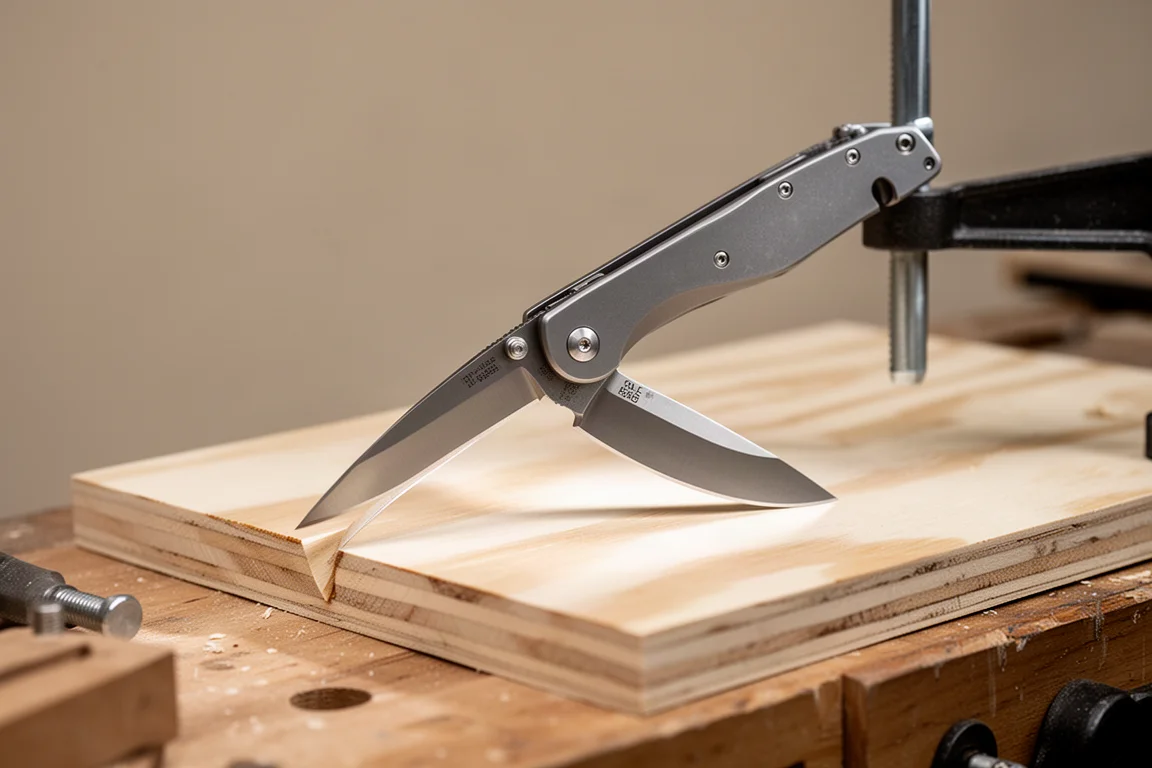
In the tip-bend test, stabbed into plywood and cranked to 90 degrees, the Ozark Trail’s blade snapped off almost immediately. The Bugout flexed instead and refused to break. In the hand-snap test, both eventually failed: the Ozark Trail cracked its scale and bent its liner, while the Bugout snapped its liners when force was cranked up hard. That is a full break by hand on the Bugout, which surprised us, but it survived a full round of everything the Ozark Trail could not.
Is the Bugout Worth 18 Times the Price?
That is the honest question, and the answer depends on how you buy knives. The Bugout costs roughly 18 Ozark Trails, yet it survived tasks the budget blade bent on and failed at. For anyone who wants one knife that stays in the pocket for years, the Bugout’s better steel, better heat treatment, lighter carry weight, and superior edge recovery make it worth the premium.
A Third Option: Hogue Deka
If the lightweight crossbar-lock shape appeals but the price feels steep, the Hogue Deka is a strong middle path. It pairs slim, lightweight handling with titanium scales and MagnaCut steel, and it was purchased for $90 new. The action was flawless throughout, and for many buyers it threads the needle between a $10 beater and a $180 premium folder.
Conclusion
The Ozark Trail is a shockingly complete knife for $10, with D2 steel, bearings, a crossbar lock, and a deep-carry clip. But the tests exposed real limits: a bent tip, a snap-prone blade, and faster edge dulling. The Benchmade Bugout earned its reputation through better steel, heat treatment, and durability, though no knife survives being snapped by hand. The Hogue Deka sits between the two as an excellent value alternative. Pick based on how long you want a knife to last and how much failure you are willing to tolerate.
Further reading
Related Reviews

Knives
Benchmade Mini Narrows Review: A Pocket Knife That Disappears in Your Pocket
The Benchmade Mini Narrows is a remarkably thin and light pocket knife with impressive engineering, but a high price and dull factory edge make it a tough recommendation for most buyers.
Knives
Best Knives Under $1,000: Premium Folders Worth the Investment
A look at premium folding knives around the $1,000 mark, from upgraded classics to purpose-built masterpieces, and what actually justifies the price.
Knives
Best Outdoor and EDC Knives: 8 Blades Worth Carrying
A practical lineup of eight fixed-blade and folding knives for hiking, backpacking, and everyday carry, with honest notes on what each one does best.