Backpacking Tents
Ozark Trail One-Person Backpacking Tent Review: A Budget Solo Shelter at $80
An $80 three-season solo tent with a tall 39 in peak, a 4.1 lb packed weight, and an aggressive bathtub floor that shapes how it feels inside.
Introduction
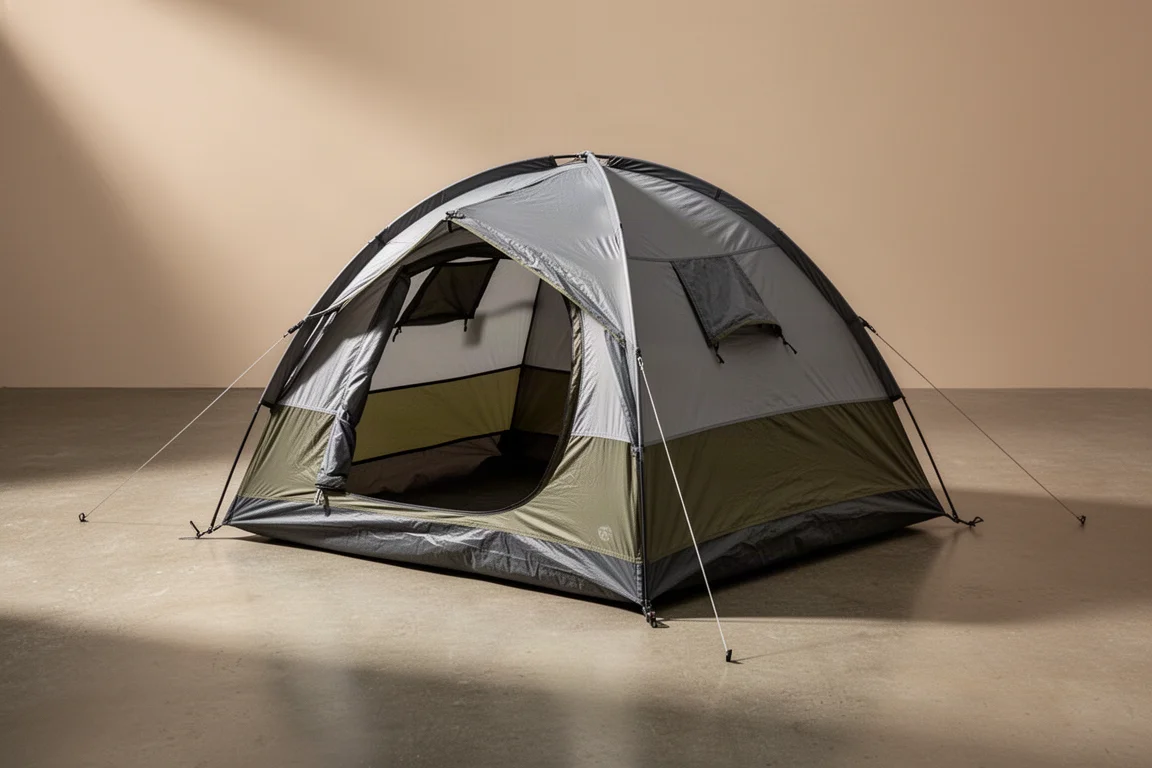
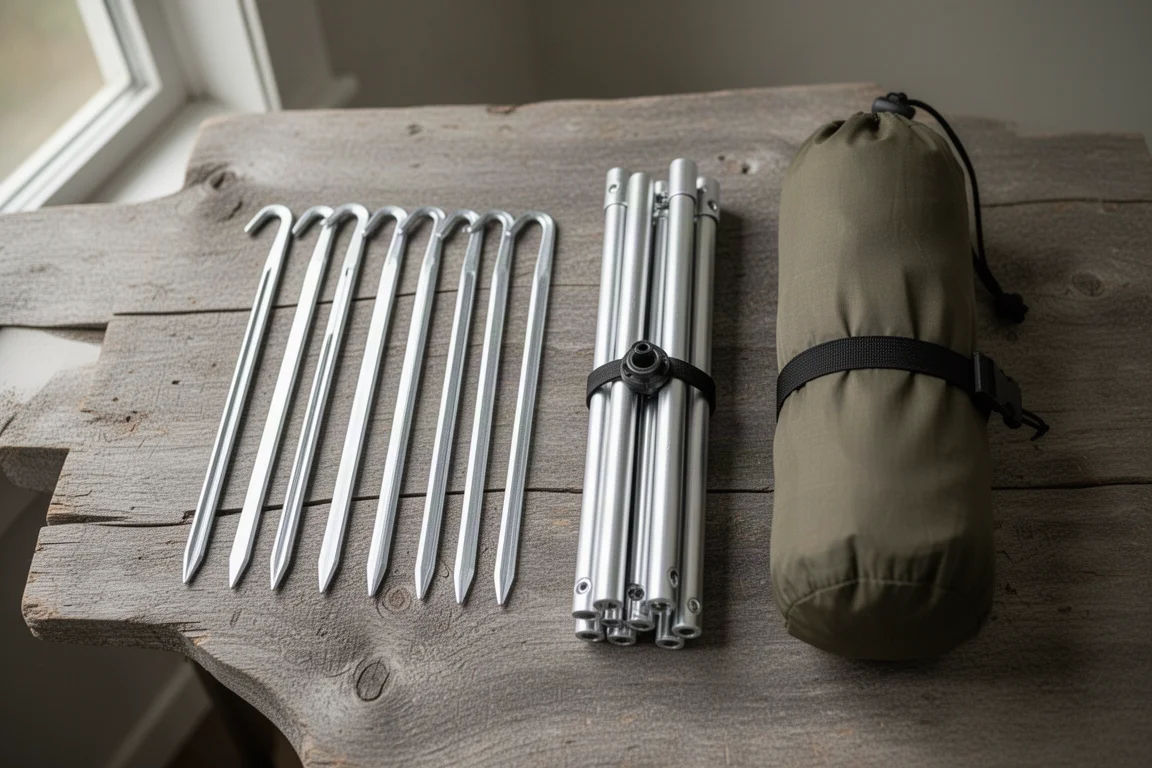
The Ozark Trail one-person backpacking tent is an $80, three-season solo shelter built around a single arched spider pole, one door, and a fly that can be run fully closed, partly open, or fully open. It arrives with ten stakes, three pre-attached guy lines, and a stuff sack that uses a roll top and two compression straps.
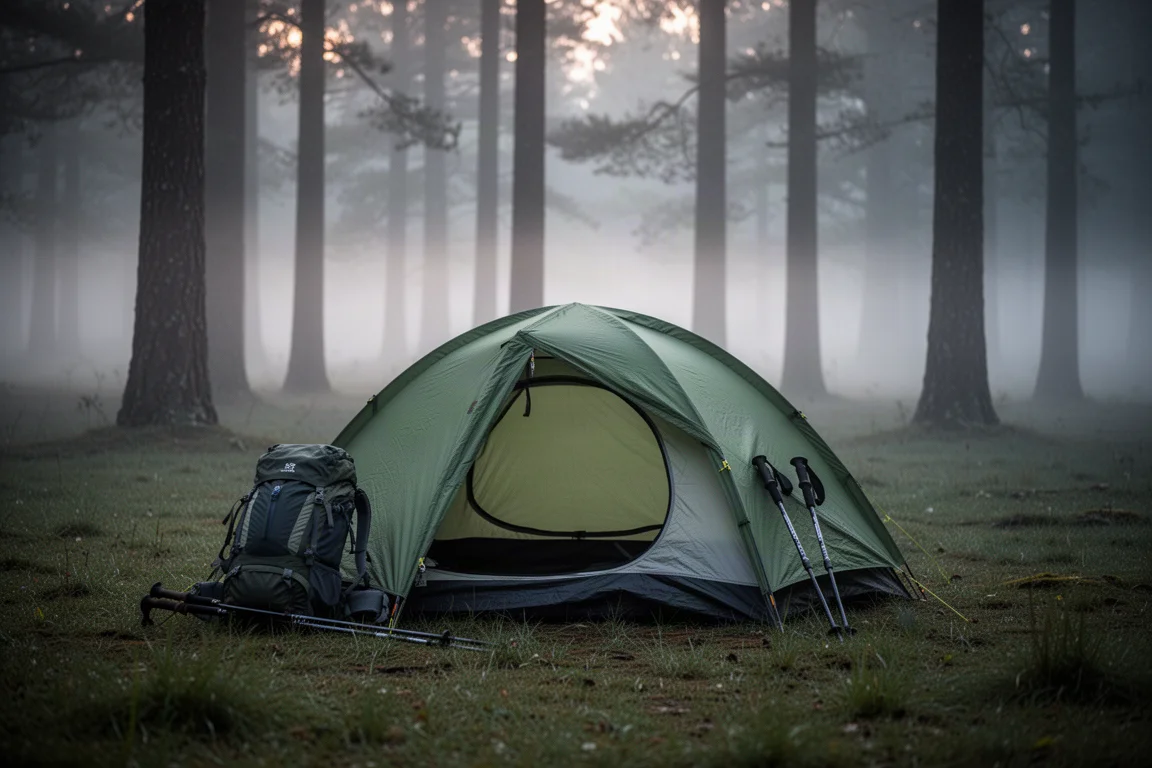
At 4.1 lb and a stored size of 20.5 in by 4.5 in, it sits at the entry level of the solo tent market. The more useful question is not whether it is inexpensive, but whether the design decisions behind it hold up once you are actually sleeping inside it.
Who This Tent Is For
Realistic interior dimensions decide this one. The peak height is 39 in, which is tall enough that getting in and out is genuinely easy, but usable length tops out at roughly 72 in, or about 6 ft. Anyone taller than that will find the shelter too small.
The floor narrows sharply toward the foot: 30 in across the middle, tapering to 25 in, with a short foot box. This suits a solo camper of average height who wants a low-cost, reasonably light shelter for warm-weather trips, rather than a taller backpacker or anyone who wants room to spread gear out inside.
Design and Setup
Setup is straightforward. There is one spider pole, a semi-freestanding inner, and a fly that buckles onto the inner. Nothing in the sequence is confusing, and the tent goes up in around five minutes.
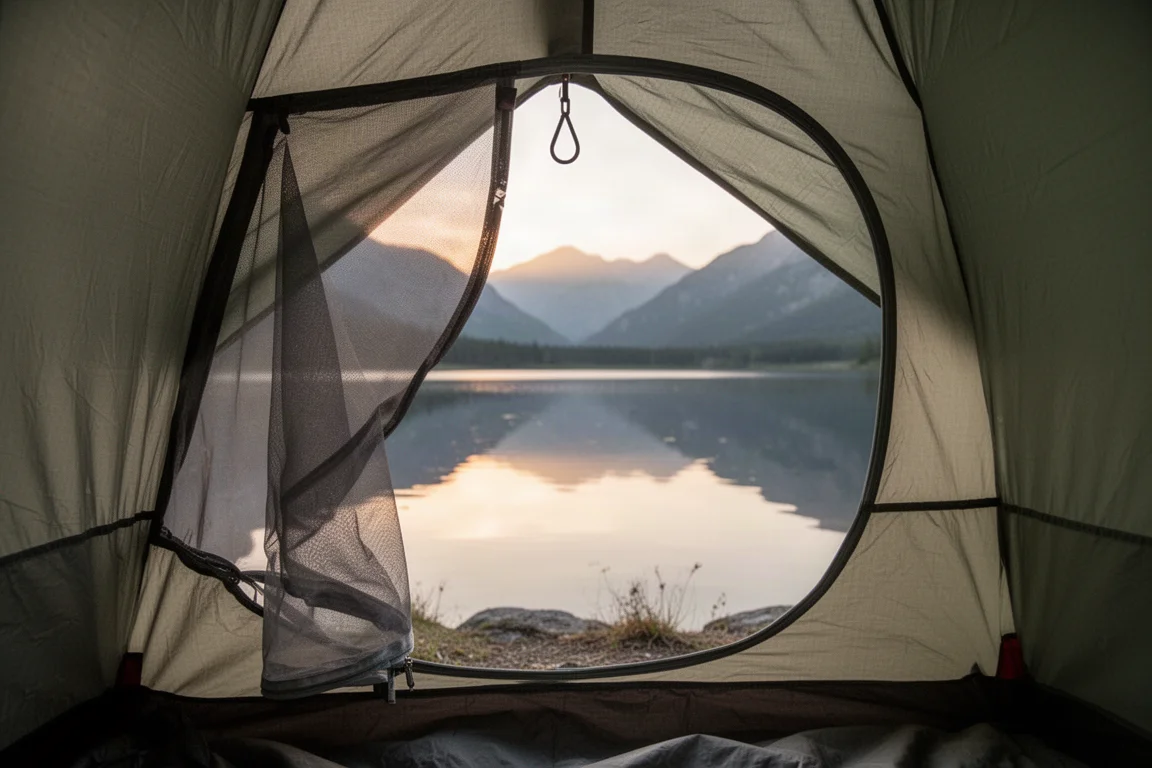
The inner includes a mesh pocket and a single plastic ring for hanging a small item. The fly adds two vents, one on each side, plus a storm flap over the door zipper, and the door panel can be rolled fully back. Three guy lines come pre-attached, so the tent is complete out of the bag.
Dimensions and Interior Space
Peak height is 39 in, width at the middle is 30 in, and width at the foot is 25 in. Stored, it measures 20.5 in by 4.5 in, and it weighs 4.1 lb. Those figures describe a tent that feels roomy at the head end and tight at the foot.
The bathtub floor is the defining feature of the interior. It rises at least a foot at the sides and more at the back and the foot, which keeps splash and ground water away from the sleeping area but also blocks the low-level airflow that makes a warm-weather tent comfortable.
Main Strengths
The strongest points are the easy setup and the headroom. A 39 in peak height is generous for a solo shelter at this price, and the single door is simple to operate with the storm flap closed.
The floor’s stated 2000 mm hydrostatic head rating and the fly’s stated 1200 mm rating are reasonable on paper for a three-season tent, and a 190T PU-coated polyester fly paired with a 210T polyester floor is a conventional material choice at this price. Ten included stakes and pre-attached guy lines also mean you do not need to buy anything extra to pitch it.
Things to Consider Before Buying
Pitch quality is the main weak spot. The foot box has an unusual cut, so the fabric there stays slightly loose, and because none of the fly’s stakeout points are adjustable, a genuinely taut fly is difficult to achieve unless the ground is perfectly level.
Airflow and condensation are the other considerations. With the fly sealed for rain, it sits close to the inner and close to the ground, which holds in both heat and moisture. In warm, wet conditions that combination can leave the interior muggy.
Stitch work is merely average, with a number of loose threads visible on the inner. That is not an immediate failure point, but it is worth monitoring over time.
Rain performance has not yet been established in field conditions, so the stated hydrostatic head ratings should be treated as a starting point rather than a proven result.
Buying Advice
At $80, this tent sits against shelters that cost around $20 more and offer lower weight and a better-resolved design. That gap is the real decision point.
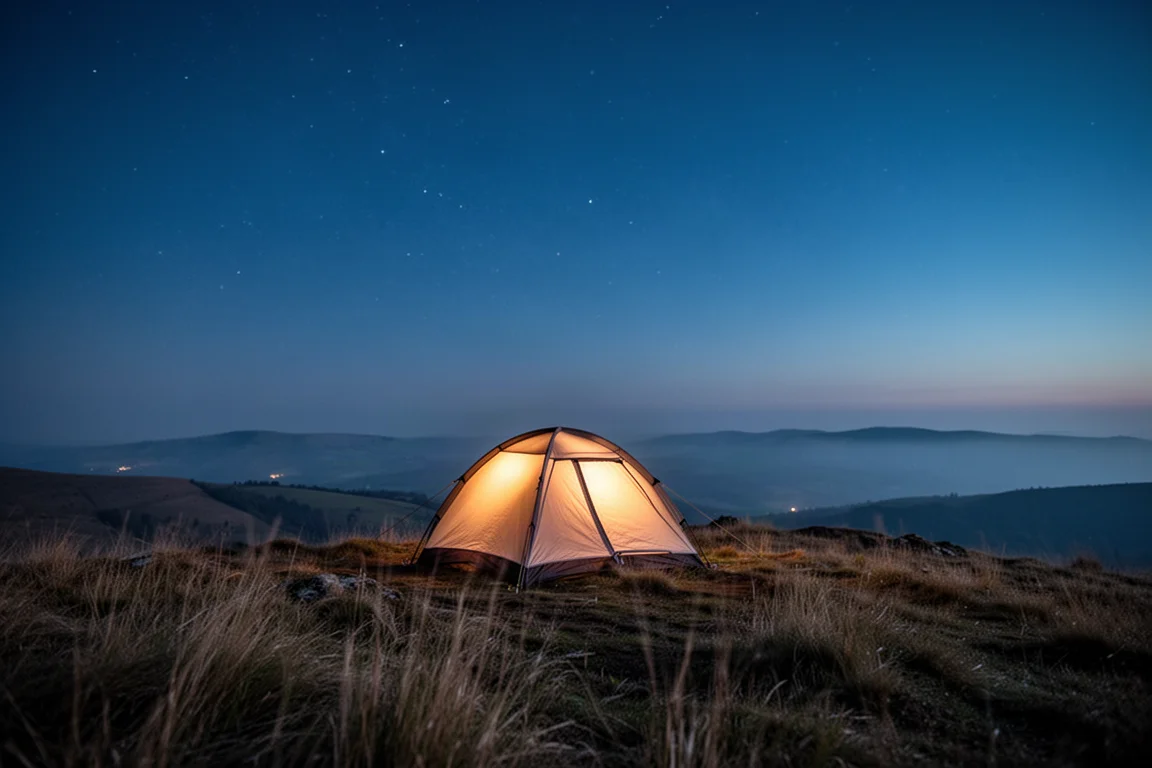
If your priority is the lowest possible outlay and you camp mostly in mild, dry weather, the quick setup, tall peak, and complete hardware set make it a workable first solo tent. If you expect rain, humidity, or longer carries, the extra $20 buys meaningful improvements in weight and design, and that is likely the better long-term spend.
Conclusion
The Ozark Trail one-person backpacking tent gets the basics right: fast pitching, a tall peak, and a full set of stakes and guy lines for $80. Its limits show up in the details, with a sharply tapered foot box, a bathtub floor that chokes low-level airflow, and a fly that resists a taut pitch. It makes sense for a solo camper who wants a simple, inexpensive shelter for fair weather, and less sense for anyone who needs comfort in sustained heat and rain.
Product link
View more details for Ozark Trail One-Person Backpacking Tent
This product is mentioned in the review. Check the specifications, options, and compatibility before buying.
View more details for Ozark Trail One-Person Backpacking TentFurther reading
Related Reviews
Backpacking Tents
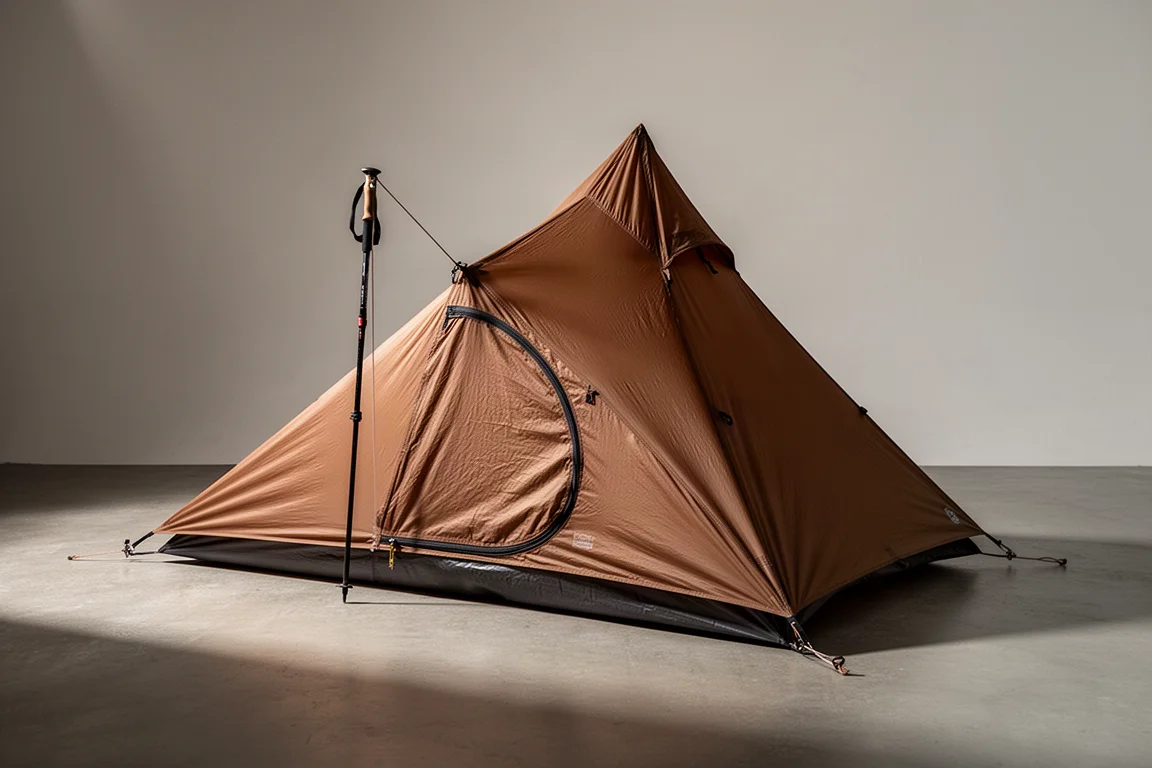
3F UL Lanchan Pro 1 Review: A 1 lb 8 oz Single-Wall Trekking Pole Tent
A practical look at the 3F UL Lanchan Pro 1, a single-wall trekking pole shelter with a 1 lb 8 oz weight, 20D silnylon fabrics, and a roomy 90 x 31 x 49 inch interior.
Backpacking Tents
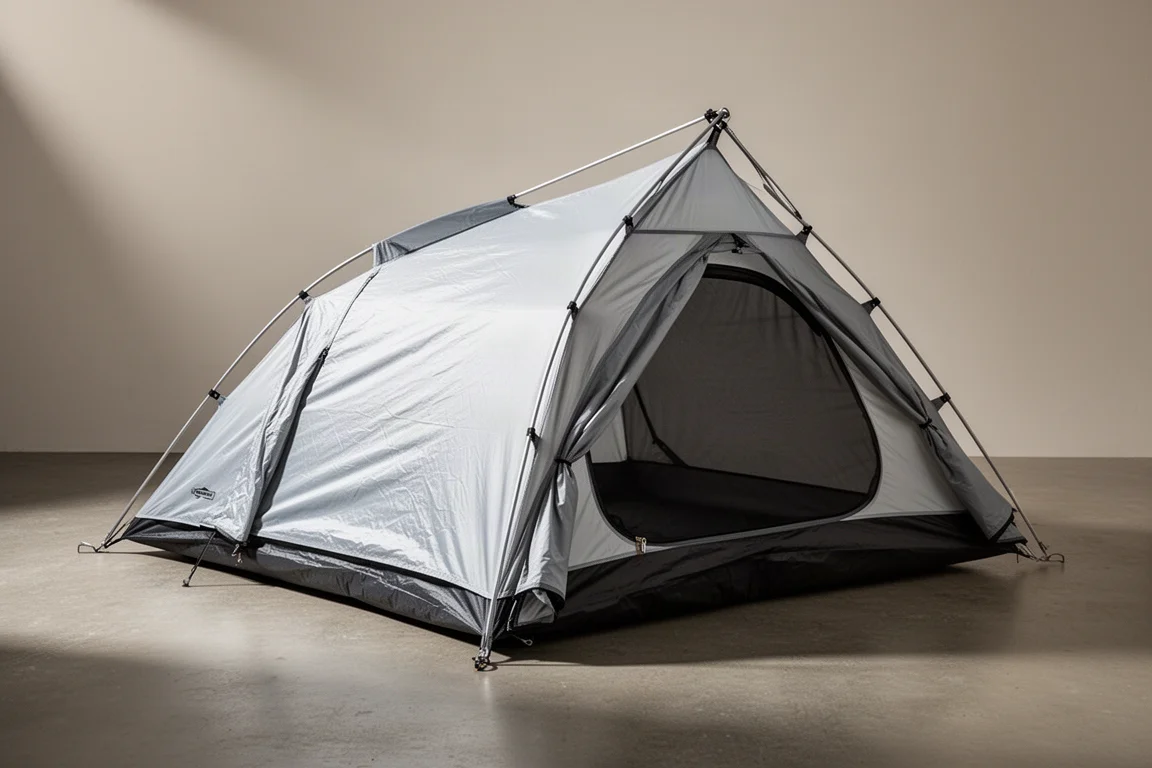
3F UL Taiji 2-Person Tent: A Convertible Backpacking Shelter Worth a Closer Look
A practical look at the 3F UL Taiji two-person tent, covering its materials, true two-person interior, fly-first pitching, and the seasonal inner swap that lets one shelter cover more of the year.
Backpacking Tents
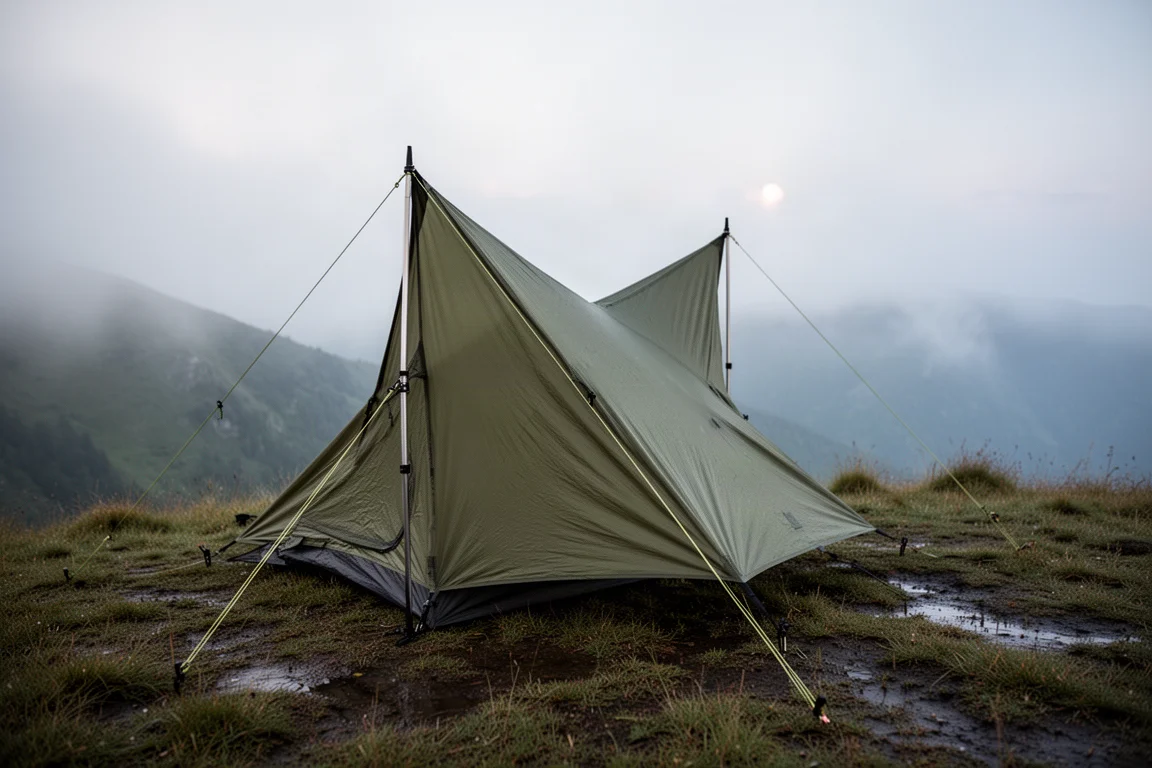
3FUL Lanshan Twoerson Pro Review: A Light Trekking Pole Shelter That Struggled in Rain
A two-person trekking pole shelter with a 2026 redesign, pitched with sticks and put through a night of steady rain. Here is what worked, what did not, and what to check before buying.