Camping Gear
Ozark Trail Camping Gear Review: Five Budget Pieces Tested Overnight
Five Ozark Trail camping products tested on a dry overnight trip, with honest notes on value, weather limits, and build quality.
Introduction
Ozark Trail has a reputation for making camping gear that costs very little, and a full kit can sometimes be assembled for roughly what a single premium sleeping bag costs. That raises an obvious question: what do you actually get for the money?
This roundup covers five Ozark Trail pieces used across a dry overnight camp in a forest clearing at around 3,500 feet of elevation. Conditions were mild and clear, with a dry cold front arriving overnight. The Ozark Trail items in the setup came in at about $250 in total, and the goal here is to describe what each piece does well, where it falls short, and which trips it suits.
What This Ozark Trail Kit Covers
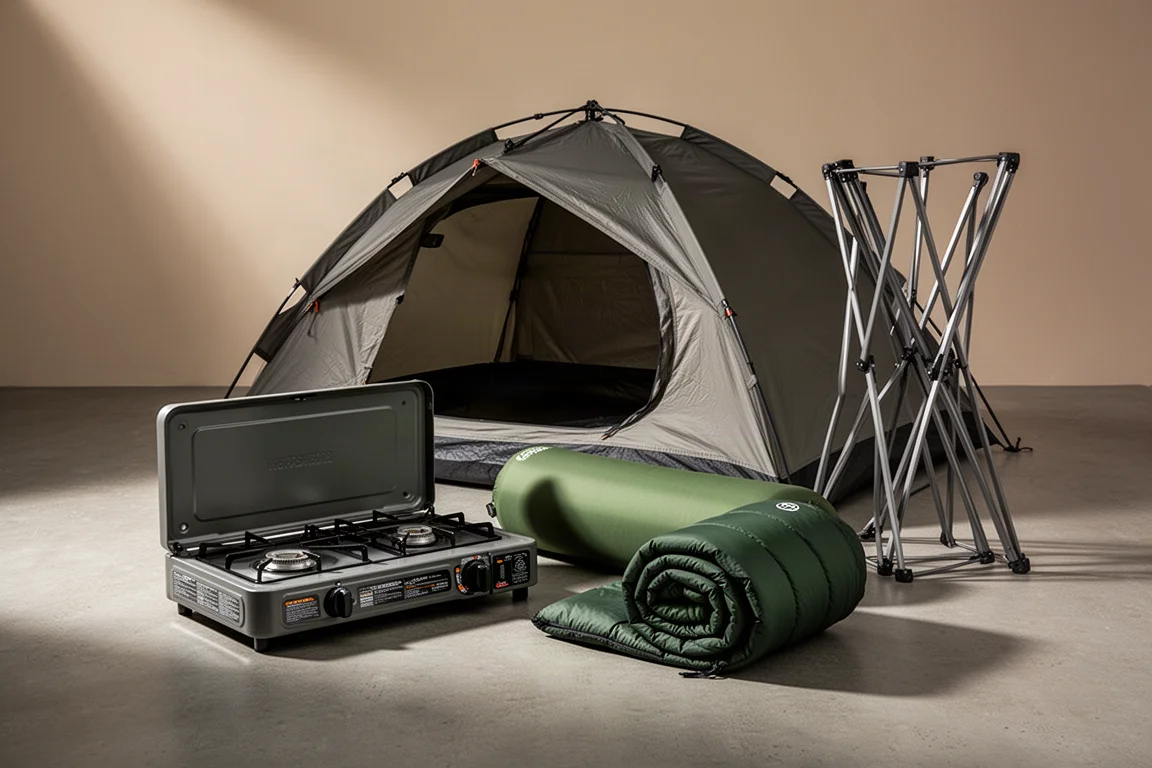
The five items are an A-frame tent, a large propane stove, a self-inflating air mattress, a sleeping bag, and a pop-up canopy. Together they form a basic car camping setup: shelter, cooking, a sleep surface, warmth, and shade.
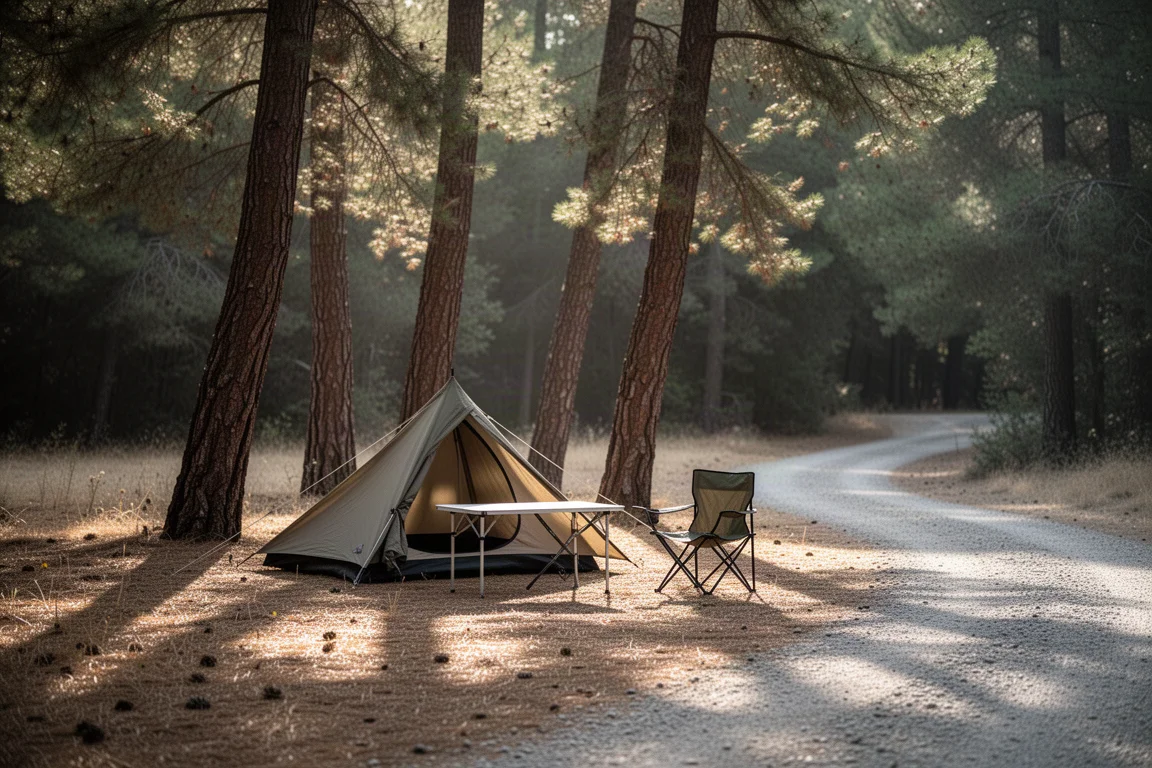
The honest summary is that the quality across the range is good enough to get by. None of it is built for hard weather, but for a dry weekend with a decent forecast, it can cover the essentials. The canopy went up first for sun protection, the tent and mattress followed, and the stove handled lunch and dinner.
One consistent theme runs through all five products: price shows up in the details. Pole identification, pot support alignment, inflation performance, and fabric durability are the places where corners get cut. Knowing that in advance makes the trade-offs easier to accept.
Ozark Trail A-Frame Tent
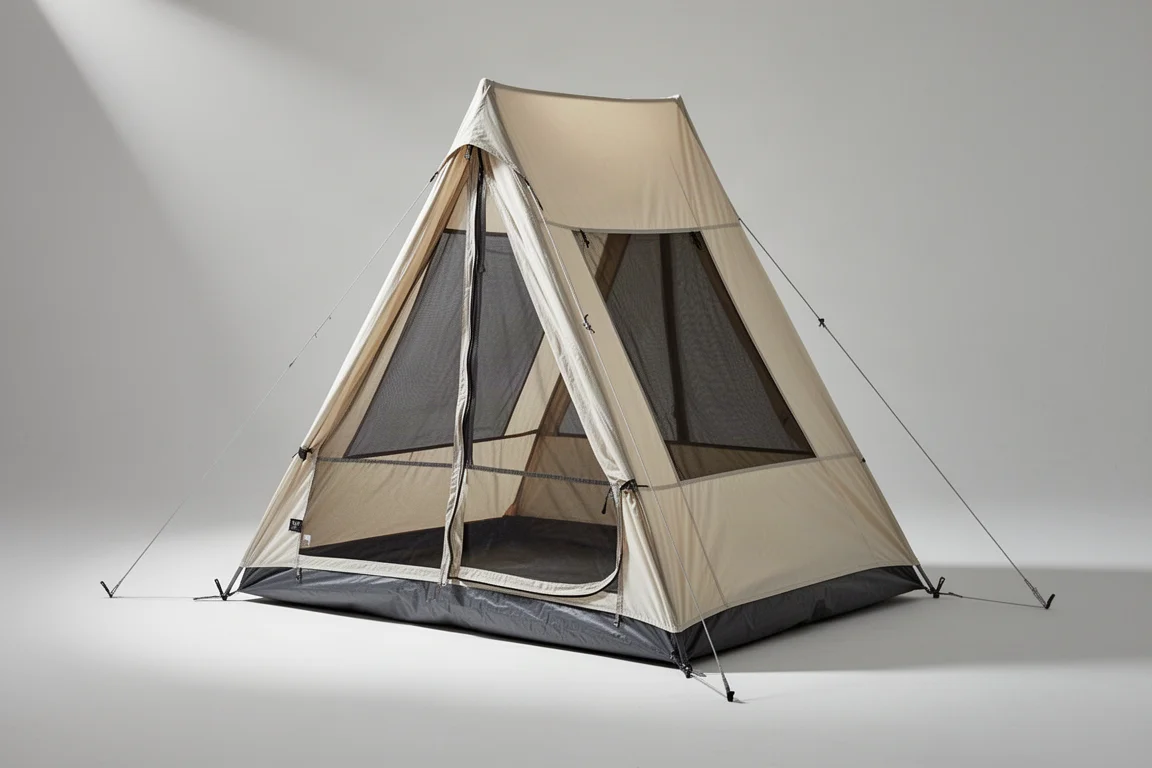
The A-frame tent is the standout value of the group at roughly $50 to $60. It is large for the price and carries a generous amount of mesh, which keeps airflow high and keeps insects out. In mild, dry weather it did everything a shelter needs to do.
Setup is the weak point. The tent ships with five poles, and one of them is about a millimeter smaller than the others, with no color coding or marking to tell them apart. The difference is essentially invisible when you are holding them, and if the smaller pole goes into the wrong sleeve, the tent will not go up. Once that is sorted, pitching is straightforward.
Mesh this open also means the tent runs cool. Closing a single side panel made a noticeable difference to the interior temperature on a cold, windy night. This is fair-weather shelter: it is not the tent to rely on in a storm.
Ozark Trail Propane Stove
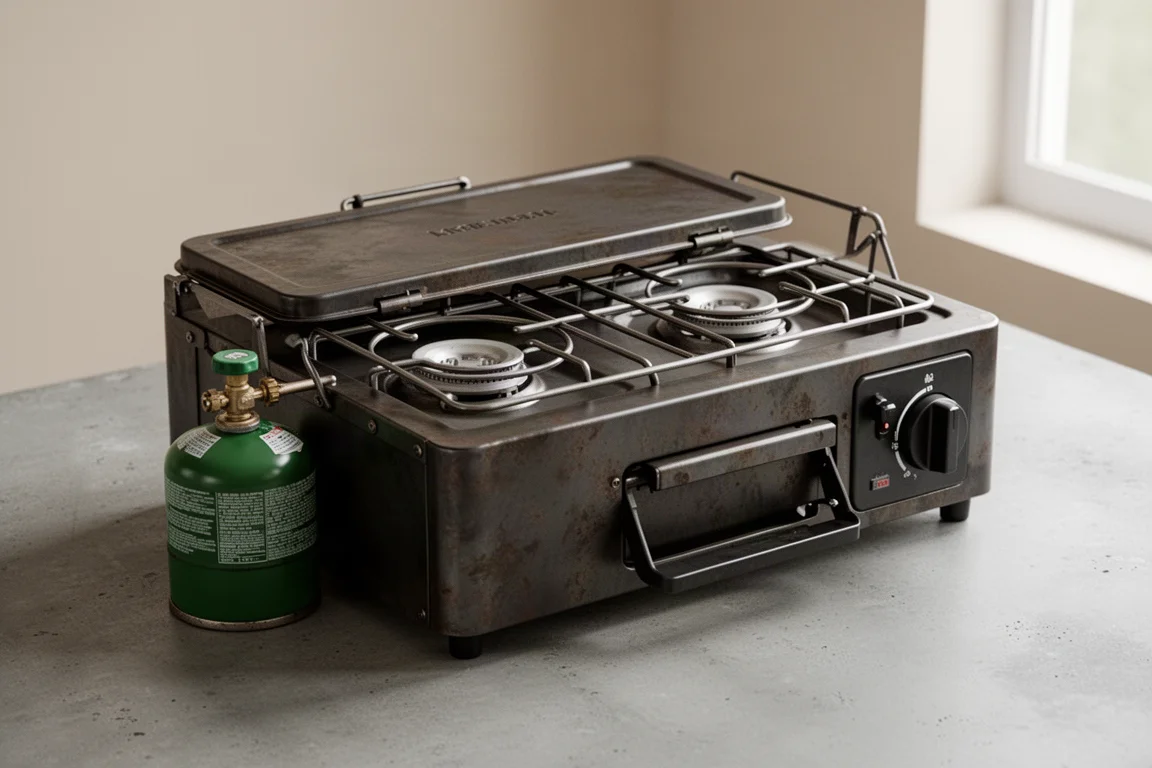
This propane stove is enormous. The packaging describes it as a backpacking stove, which it plainly is not. Nobody is carrying it on their back. It is a car camping appliance, and a bulky one at that.
The box claims 10,000 BTU. Real output felt closer to half that, and a small kettle of water took its time. It got the job done for a dehydrated meal, and the heat was useful rather than impressive.
Build quality is the bigger issue. The stove arrived bent out of the box, so cookware tends to slide toward one side, and the pot supports do not line up with each other, which lets a pot or kettle rock back and forth. It works, but it needs a careful hand.

If you cook simple meals and accept slower heating, it is usable. If you want stable cookware and predictable output, look elsewhere.
Ozark Trail Self-Inflating Air Mattress
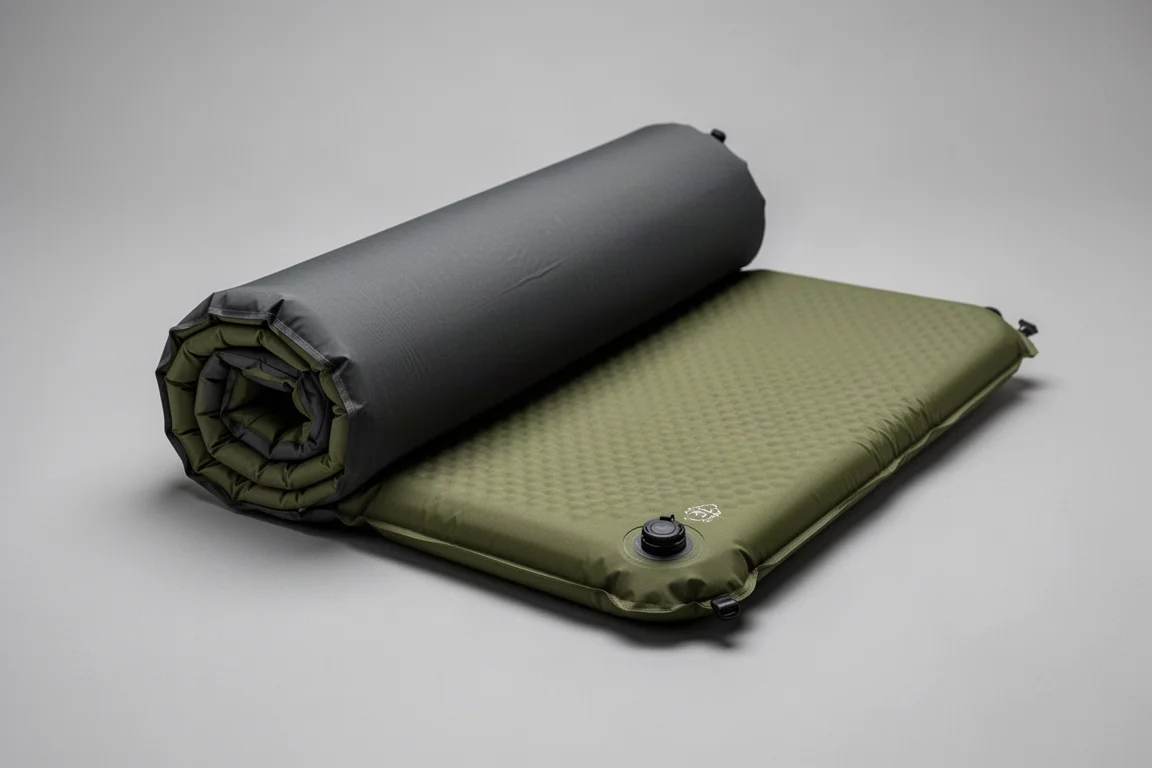
The self-inflating air mattress is the piece that disappointed most. Self-inflating pads rely on foam inside the pad to draw air in once the valve opens, and a pad that has been rolled up tightly for a long stretch will not do that on its own. This one needed manual inflation.
Even once inflated, it offered very little cushioning. Sleeping on it felt close to sleeping on the ground, with just a thin layer of padding between the sleeper and the floor, and it left a sore back by morning.
It is the lightest and most packable item in the group, which is its main argument. Treat it as a minimal barrier rather than a comfortable bed.
Ozark Trail Sleeping Bag
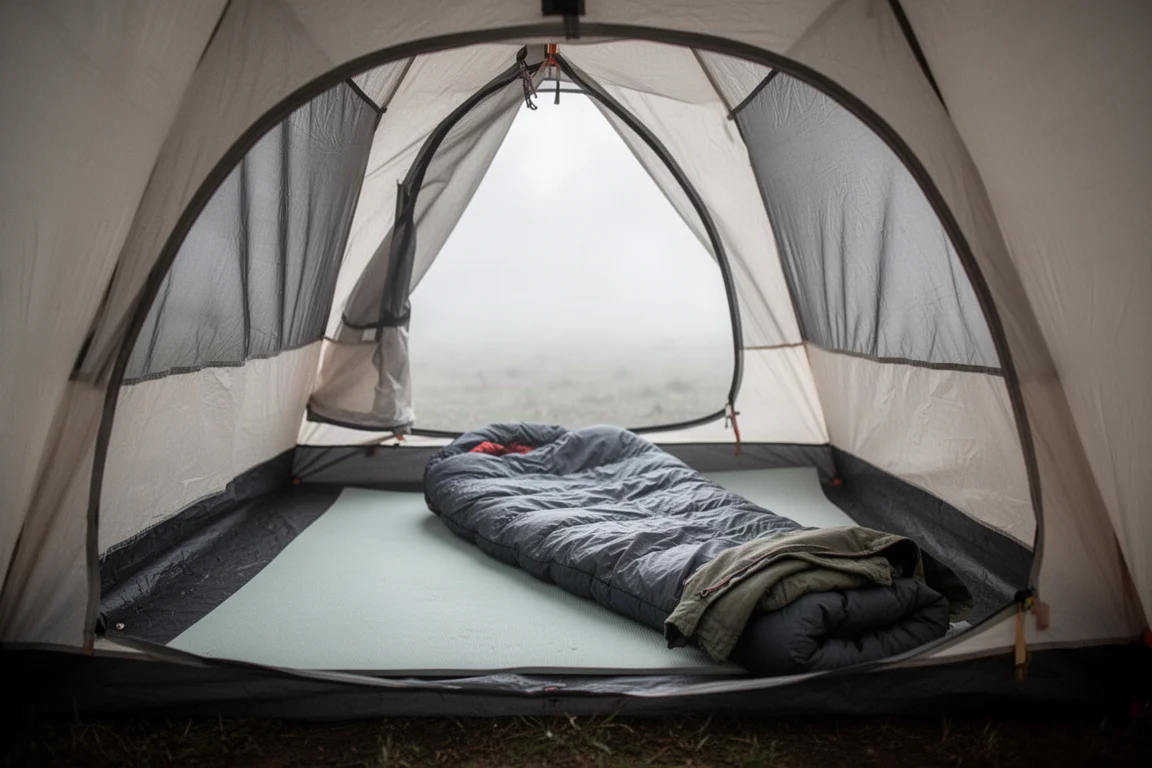
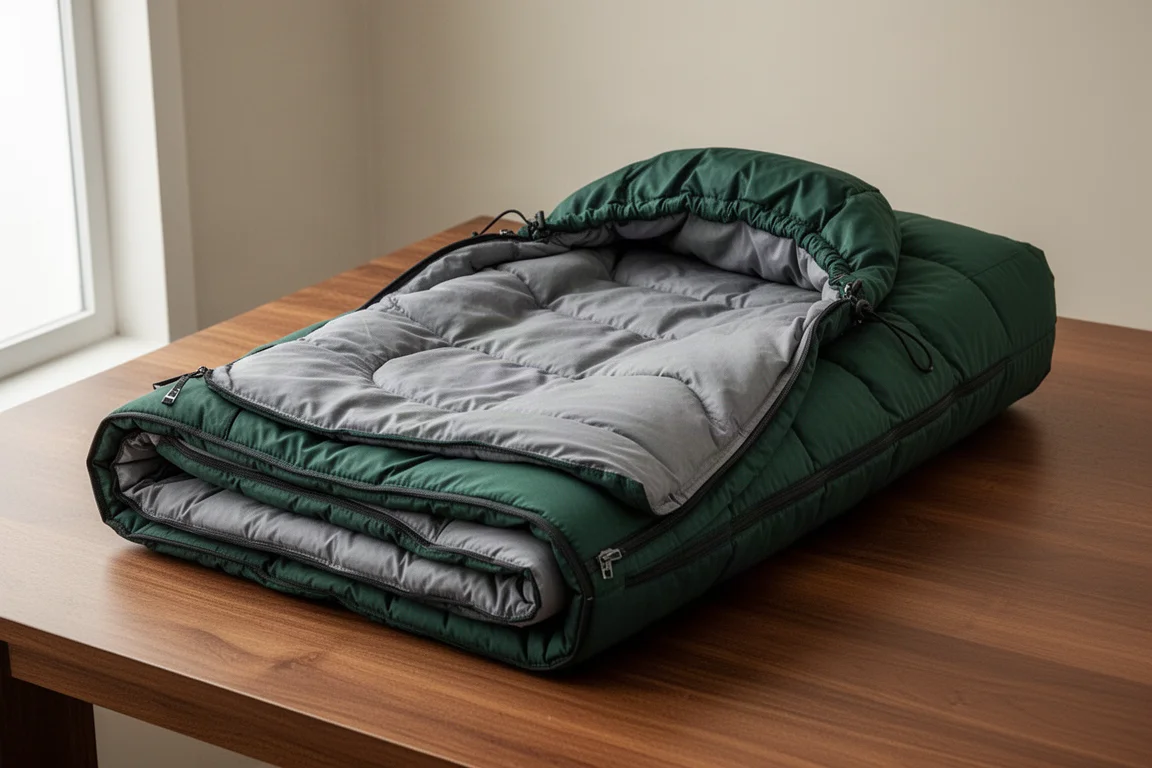
The sleeping bag was the pleasant surprise. It is comfortable, the fabric feels reasonable for the price, and it did its job on a mild night.
The temperature rating is where expectations should be tempered. The bag is rated to 35 degrees Fahrenheit, and that figure looks optimistic. Overnight temperatures were not extreme, and it still became cold enough to warrant turning on a heater. Anyone planning to camp near freezing should plan on extra layers.
For summer and mild shoulder-season trips, though, it is a sensible buy.
Pairing it with a better sleeping pad would likely make more difference to overall warmth than replacing the bag itself.
Ozark Trail Canopy
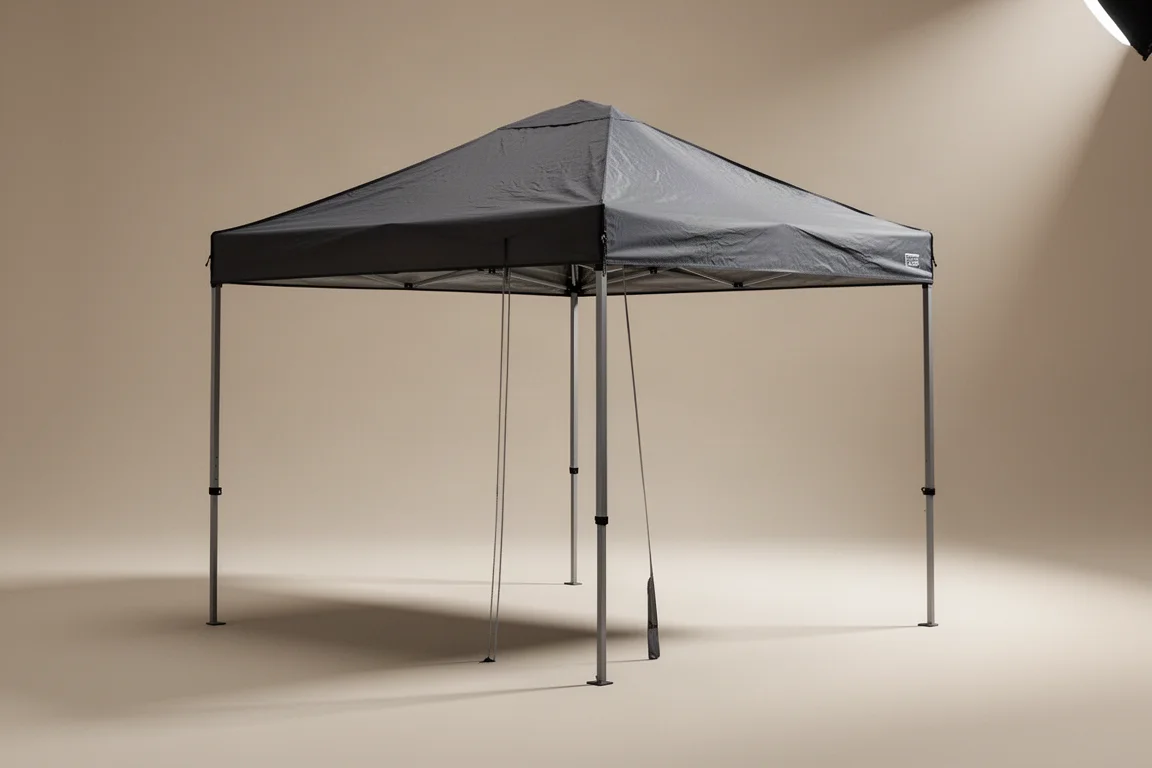
The pop-up canopy cost about $60 and delivered the single most valuable service of the trip: full shade through the hottest part of the day. Setup was quick, and it held its position through a breezy night once it was staked down with 16 inch forged steel stakes.
Durability is the concern. After a single day of use, the top material began to come apart along a seam. There were also no matching shade walls available for this model in store, so side coverage had to be improvised with a tarp.
For sun protection on short trips, it does the job. Expect to replace it sooner than a more expensive canopy.
Overall Buying Advice
The right way to think about this gear is as fair-weather equipment. If the forecast is dry and mild, and the trip is a simple car camping weekend, these five pieces will get you through comfortably for a fraction of what premium brands charge. If rain, wind, or freezing temperatures are on the table, the money is better spent on a stronger shelter and a warmer sleep system.
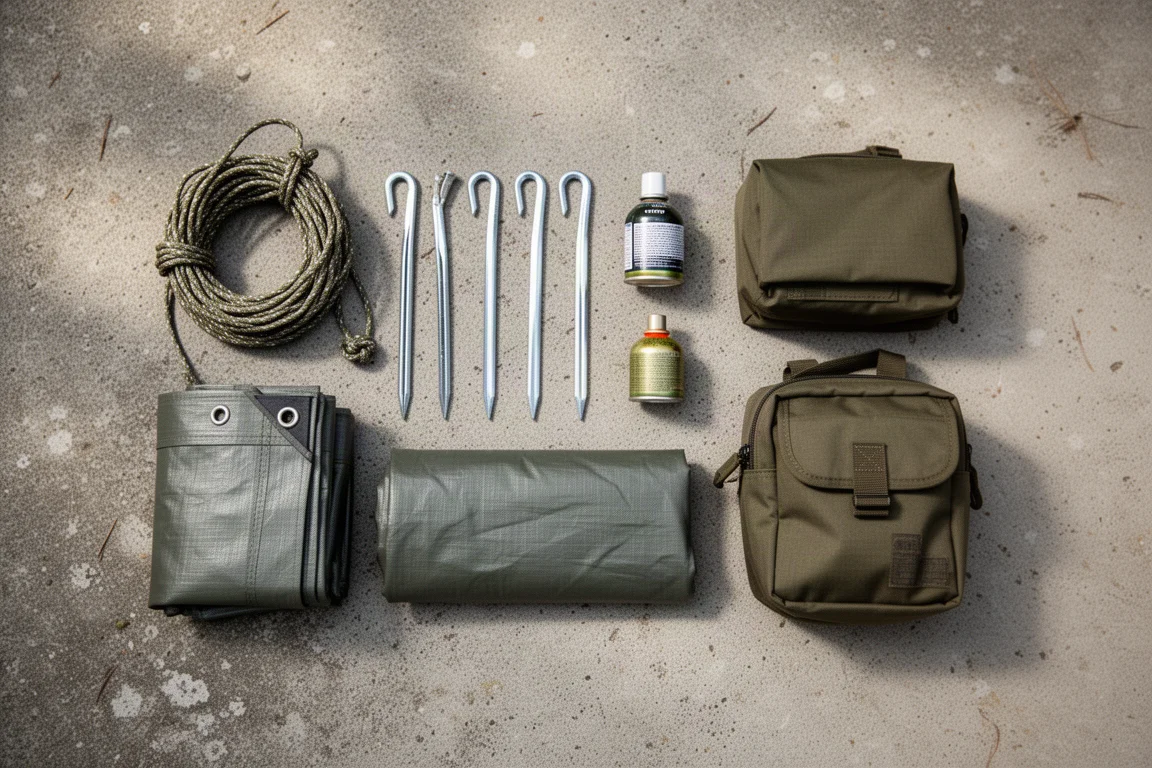
A few practical habits make inexpensive gear work harder. Stake everything down properly, since lightweight frames and thin fabrics are the first things to fail in wind. Check seams and pole sets before every trip. If you run a heater inside a tent, you need ventilation, a carbon monoxide monitor, and enough space to keep the heat source away from bedding and clothing. In dry conditions, keep fires contained in an elevated pit rather than on the ground.
Conclusion
Ozark Trail gear is not trying to be premium equipment, and judged against that standard it does what it promises. The tent and sleeping bag are the best value of the five, the canopy is genuinely useful for shade, and the air mattress and propane stove are the ones to approach with lower expectations. Buy for dry, mild trips and you will get your money’s worth.
Further reading
Related Reviews
Camping Gear
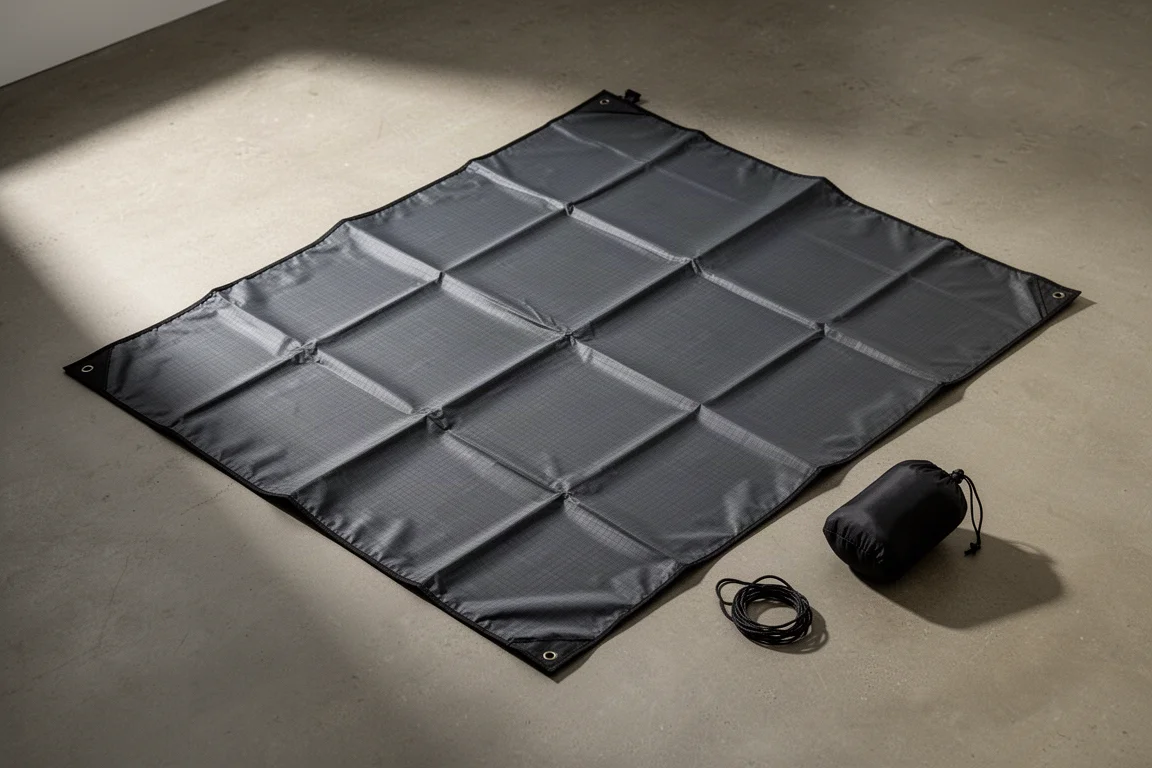
3FUL Ultralight Ground Sheet Review: A Two-Person Footprint Worth Packing
A 6.7 oz two-person ground sheet in ripstop silnylon, priced around $30. Here is what it protects, what it does not do, and who should pack it.
Camping Gear
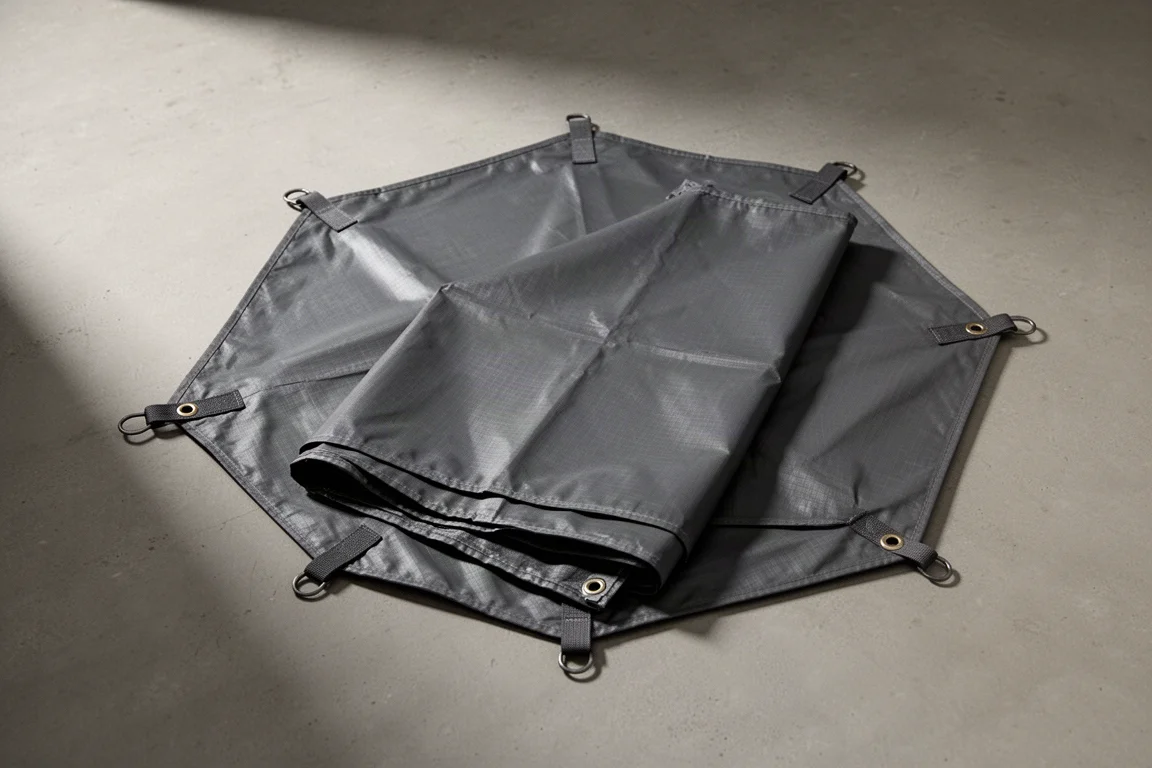
Backcountry Light Dual-Function Tarp and Floor Review: A Footprint First
A dual-purpose tent floor and tarp that keeps falling rain off you, but cannot block wind. Here is where it works and where it does not.
Camping Gear
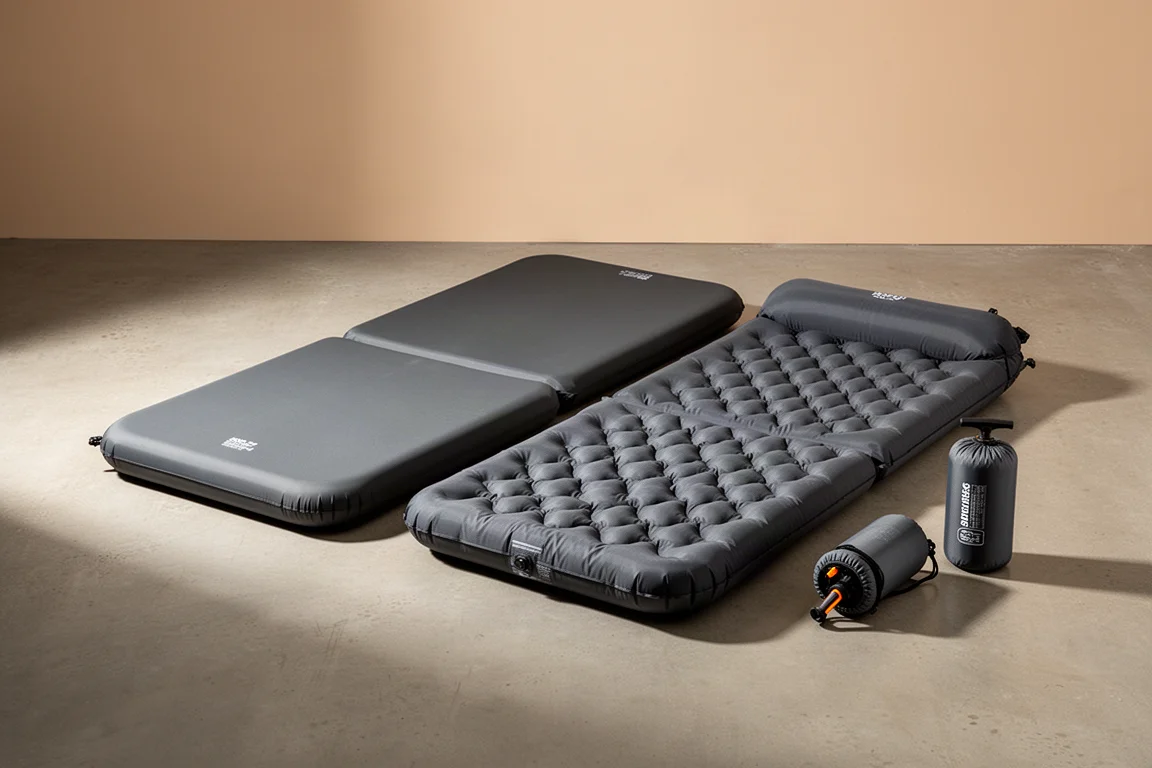
Best 2-Person Camping Mattresses for Couples: 10 Options Compared
A practical comparison of ten two-person camping mattresses, covering self-inflating pads, air pads and air mattresses for couples.