Outdoor Apparel
Outdoor Vitals Ventus Hoodie Review: A Seven-Ounce Active Mid Layer
A year of use with the Outdoor Vitals Ventus Hoodie, an active mid layer built for backpacking: seven ounces, insulation through the sleeves, perforated underarms, and a close-fitting hood.
Introduction
A layering system does much of the heavy lifting on a backpacking trip, and the mid layer is often the piece that decides whether the whole setup works. It has to move moisture away from your skin, help regulate temperature as your output rises and falls, and make the rest of your layers more effective rather than fighting against them.
The Outdoor Vitals Ventus Hoodie is built for exactly that job. It is an active mid layer designed for backpacking, hiking and other high-exertion outdoor activity in cold conditions, and it has spent a full year in shoulder-season trips and high alpine terrain. The result is a layer that has become one of the most useful pieces of outerwear in the kit.
It is worth being clear about what the Ventus is not. If you expect a jacket to keep you warm while sitting around camp in freezing temperatures, this is the wrong application. The insulation is deliberately minimal, and the layer is meant to be worn while you are moving.
Who This Product Is For
The Ventus is an active layer, and the intended use is movement: hiking uphill, backpacking with a loaded pack, or any cold-weather activity where you are producing heat and sweating. Because the insulation is thin and the fabric is light, it does not carry enough bulk to keep you comfortable while standing still in freezing conditions. It belongs inside a system, not on its own as a camp jacket.

Fit matters more here than with a casual jacket. The Ventus is cut to sit close to the body so it can work next to skin over a light t-shirt or a thin base layer. At five foot nine and 170 pounds, a size medium gives a close, athletic fit: not restrictive through the shoulders, and slightly snug around the hem. Anyone between sizes should work carefully through the brand’s sizing guide, because a mid layer that fits loosely will not move moisture or regulate temperature as effectively.
The close cut is a feature rather than a compromise. A layer like this is designed to be worn almost against the skin, so the closer it sits, the better it performs when you are breathing hard on a climb.
Main Strengths
After a year of regular use, the strengths are easy to summarise: keep the layer light, keep it breathable, and keep it out of the way. The Ventus does all three.
Warmth Without Weight
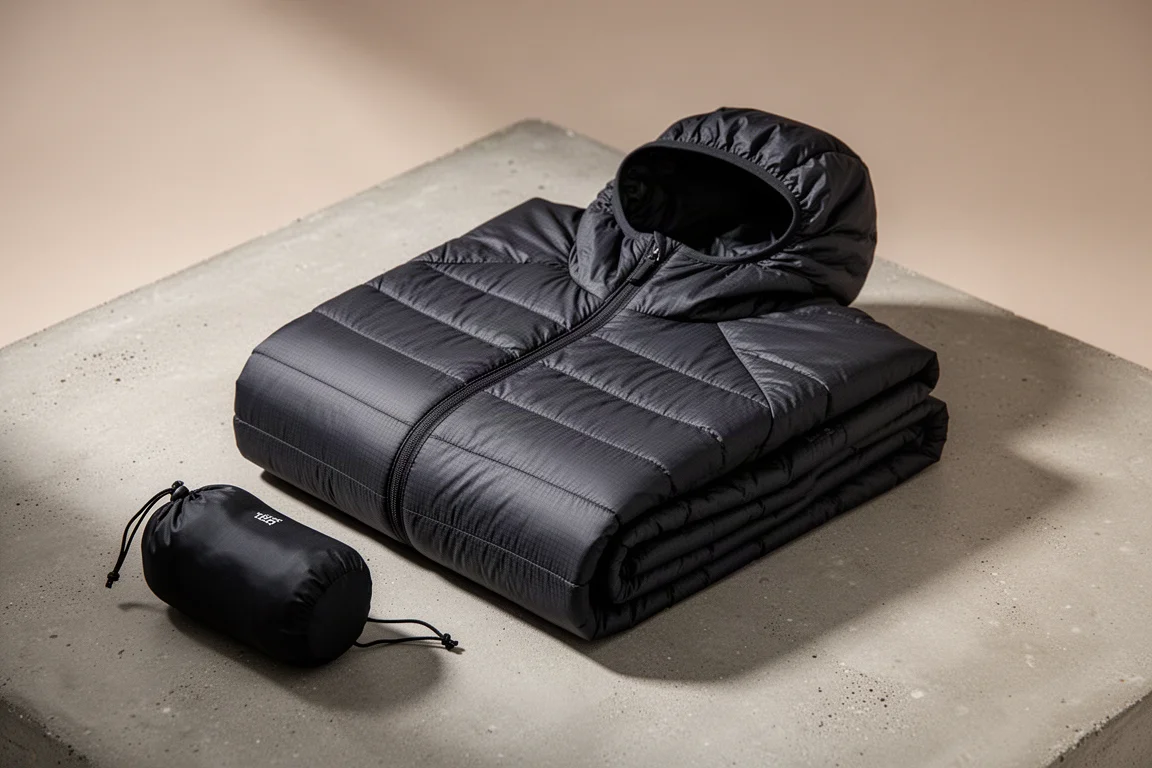
The Ventus uses a synthetic insulation called 3D Effects, chosen for a high warmth-to-weight ratio. A size medium weighs only about seven ounces, yet it is warm enough to wear while moving in freezing temperatures. That combination is the main reason it earns space in a pack.
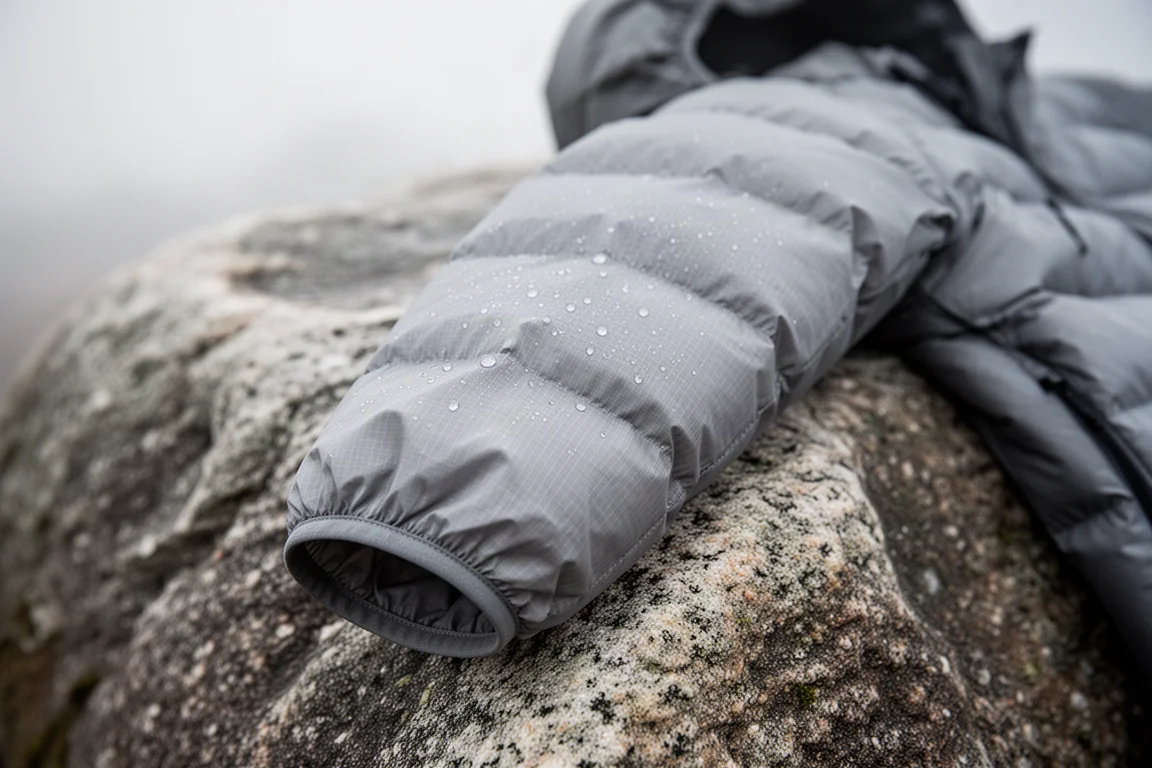
Unlike the Arc’teryx Atom SL, which leaves the sleeves uninsulated, the Ventus carries insulation through the arms as well as the body, so it delivers more overall warmth across the full garment. The shell and lining are both 20 denier nylon, which keeps weight and packed size down, while the outer face has a DWR treatment to shed light moisture.
Compressed, the hoodie takes up very little room, which matters on longer trips where every litre of pack space is contested. The practical outcome is a layer that is small enough to carry as insurance and warm enough to wear as your primary moving layer when temperatures drop.
Breathability and Moisture Management
The underarm panels are perforated. With your arms down, the layer behaves like a closed system and you feel no air moving through it. Raise your arms and cool air passes through the perforations, which is enough to dump heat during a sustained climb without needing pit zips. It is a simple solution, and it works.
That airflow pairs with the way the fabric handles moisture. The Ventus is designed to wick sweat away from your body while still regulating temperature, which is what separates a genuine active mid layer from a light puffy.
A Hood That Works With You
The hood is form-fitted rather than oversized. When you turn your head, the hood turns with it instead of sliding around your face, and it comes down far enough to cover your ears. There are no stiffeners inside it, so it packs flat and stays comfortable.
That coverage is more useful than it sounds. On cold mornings, or in wind, the hood replaces a separate beanie, and it is comfortable enough to wear overnight in temperatures that drop into the 40s, which saves carrying extra headwear.
Trail Details That Matter
Small details hold up well in use. The cuffs are elastic, the hem uses a shock cord, and the body drops slightly to cover the lower back without hanging low. When you bend over to do camp chores, the hem stays in place instead of riding up above your waistline and letting cold air in.
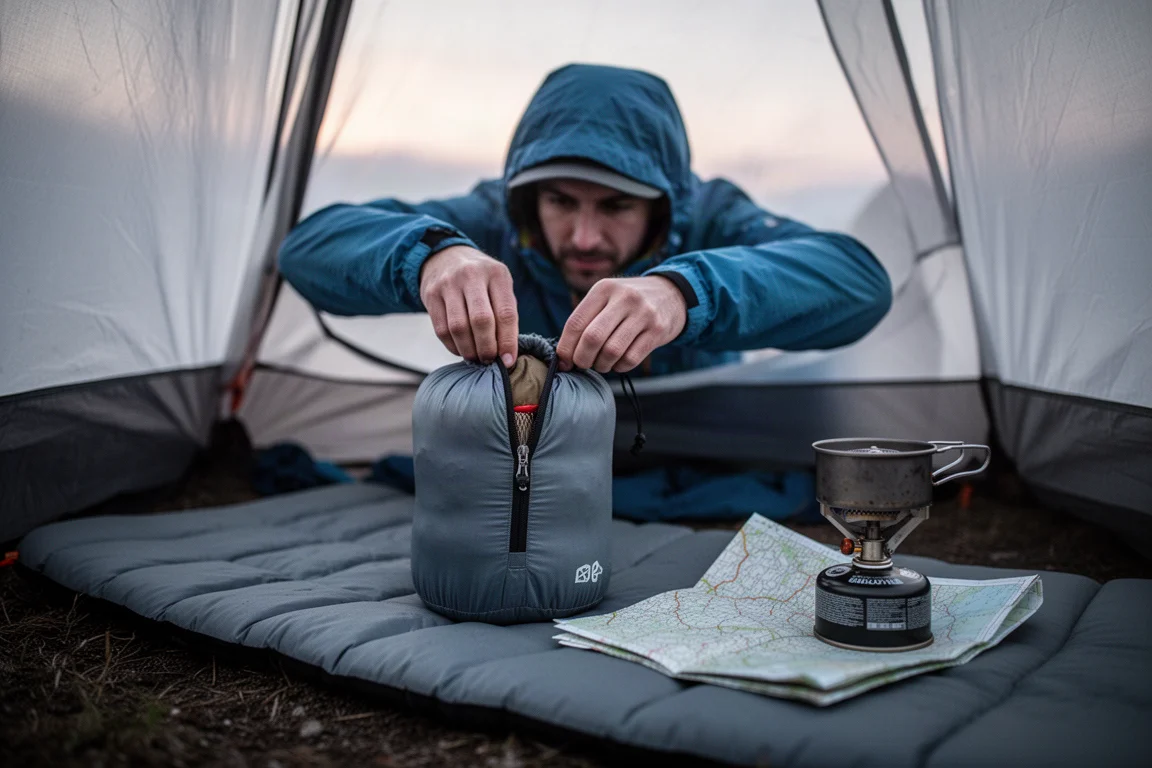
The chest stash pocket is the only pocket, and it doubles as a stuff sack: the whole hoodie folds into itself for storage. As a true mid layer that makes sense, because this is not a piece you wear around town or load up with a phone and keys.
Things to Consider Before Buying
The front zipper is the most noticeable compromise. It is short, which makes pulling the hoodie on and off more effort than it should be. A zipper roughly two inches longer would make a real difference in daily use, and the comparison here is telling: the Atom SL Anorak uses a much longer zipper that makes a pullover genuinely easy to get in and out of.
There are also no hand pockets. Aside from the chest stash pocket that lets the jacket pack into itself, the Ventus is pocket-free. That is a deliberate choice for an active layer, since you are not carrying anything in it while running or climbing, but it is worth knowing before you order if you expect somewhere to warm your hands.
The DWR finish on the outer face will wear off over time with use and washing. Refreshing it periodically with a third-party treatment such as a Nikwax product keeps light rain and spray beading on the surface rather than soaking in.
Finally, keep expectations around warmth realistic. This is a minimal insulation piece. It is excellent while you are moving and generating heat, and it is not designed to be your stationary warmth at camp.
Buying Advice
At $180, the Ventus undercuts the closest alternatives by a meaningful margin. The Arc’teryx Atom SL line, which includes this anorak shape and a full-zip version, is priced above $200, and the two are very similar in weight and in the performance they deliver. The Atom SL brings a much longer front zipper and a zippered front pocket, but it leaves the sleeves uninsulated, and its oversized hood is the least appealing part of that design. For a light active layer with warmth across the arms and a hood that stays put, the Ventus is the stronger value.

Sizing is the one thing to get right before ordering. The Ventus is meant to fit close, so if you are between sizes, work from the sizing guide rather than sizing up for extra room. A loose mid layer cannot wick or regulate the way a close-fitting one does.
In a practical kit, the Ventus sits between a base layer and a wind shell or light puffy. If your setup already covers camp warmth and rain protection, this is the piece that handles the moving hours, and it is the one you will reach for most often on cold starts and long climbs.
Conclusion
The Outdoor Vitals Ventus Hoodie has earned its place in a backpacking layering system. Seven ounces, insulation through the sleeves, perforated underarms that dump heat on demand, and a hood that fits properly add up to a layer that is genuinely effective while you are moving. The short zipper and the absence of hand pockets are real trade-offs, but they are the kind of compromises that come with a layer this light.
At $180 it represents strong value next to comparable lightweight active layers. If your trips involve cold mornings, sustained climbs and fast-changing temperatures, the Ventus is a sensible addition to the kit.
Product link
View more details for Outdoor Vitals Ventus Hoodie
This product is mentioned in the review. Check the specifications, options, and compatibility before buying.
View more details for Outdoor Vitals Ventus HoodieFurther reading
Related Reviews
Outdoor Apparel
Arc'teryx Atom LT Review: A Lightweight Synthetic Mid-Layer Built for Movement
A close look at the Arc'teryx Atom LT, a breathable synthetic mid-layer with Coreloft insulation, fleece side panels, and a helmet-compatible hood.
Outdoor Apparel
Fjällräven Vidda Pro Ventilated Trousers Review: Tough Trekking Pants With Two Long Vents
A detailed look at the Fjällräven Vidda Pro Ventilated trousers, covering the G-1000 fabric, side ventilation zips, pocket layout, sizing, and the trade-offs to weigh before buying.
Outdoor Apparel
Helicon Tex Windrunner Review: An 8-Ounce Nylon Wind Shirt at $70
A close look at the Helicon Tex Windrunner, an ultra-light nylon anorak with strong ventilation, a $70 retail price, and a sizing chart that runs large.