Backpacking Tents
Outdoor Vitals Fortius 2-Person Tent First Look: Light, Roomy, and Worth a Careful Look
A close look at the Outdoor Vitals Fortius, a $340 two-person trekking pole tent weighing about 2 lb 2.5 oz, with generous interior space and real questions about silnylon sag.
Introduction
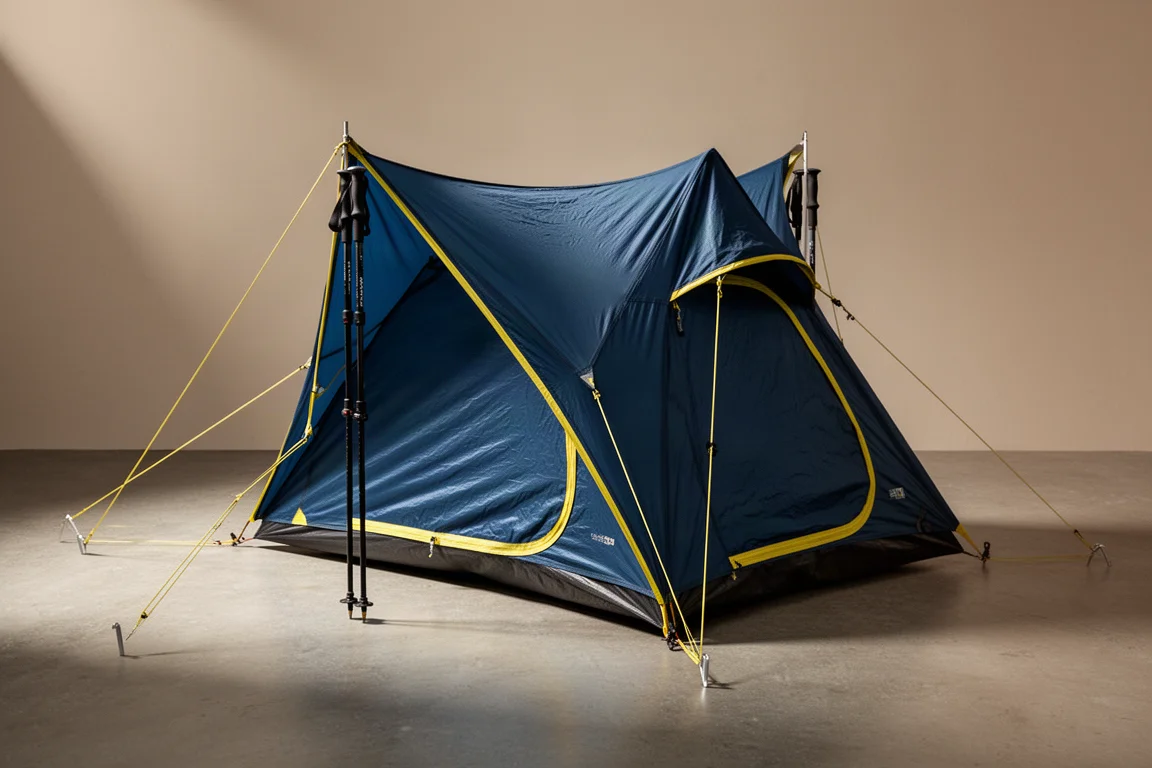
The Outdoor Vitals Fortius is a two-person, single-wall backpacking tent that pitches with trekking poles and weighs in at roughly 2 lb 2.5 oz. It sells for $340, which places it in an interesting bracket: well above the entry-level shelters that dominate casual camping, and well below the ultralight benchmark tents it so closely resembles in layout.
This first look walks through the component list, the fabric and hardware choices, the measured dimensions, and the practical details that decide whether a shelter like this earns a place in a pack. Some important questions remain open, including how the fabric behaves in sustained rain and how much condensation builds overnight, so treat this as a considered overview rather than a final verdict.
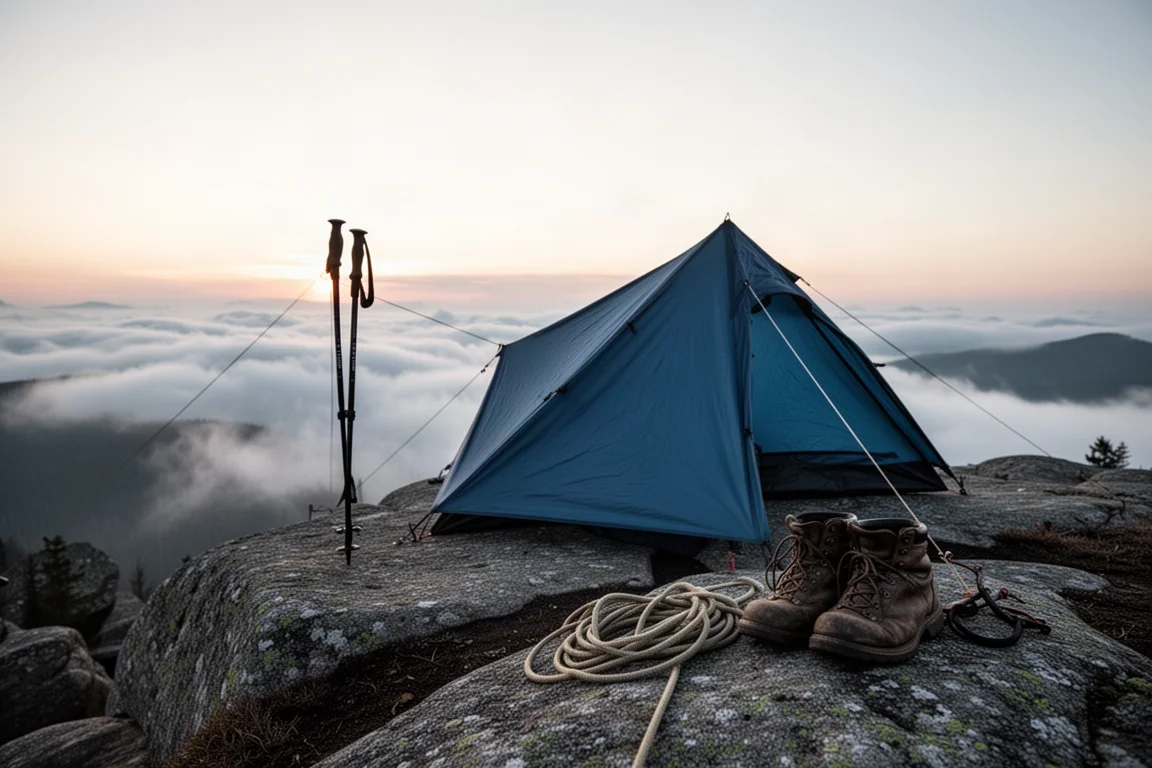
What follows is organised around the things that actually shape the ownership experience: who the tent suits, what it does well, and the trade-offs that come with a silnylon, non-freestanding design at this price.
Who This Tent Is For
The Fortius is built for backpackers who already carry trekking poles. It is a non-freestanding shelter, which means the poles are structural and the tent has to be staked out to stand. Take the stakes away and it collapses, so it is not a shelter for pitching on rock slabs, inside a trail shelter, or anywhere the ground will not hold a peg.
It is also a strong option for two people who value interior volume. The floor measures 50 inches wide and 88 inches long with a 45-inch peak height, and the interior comfortably accommodates two occupants over six feet tall. They can sit up, change clothes, and move around without the tight, shoulder-to-shoulder feeling that many two-person ultralight tents impose.
Where it suits less well is with campers who want a freestanding tent, a fast pitch without guylines, or a fabric that shrugs off rain without attention. Those preferences point toward different designs.
Design, Materials and Setup
The Fortius is a single-wall tent, meaning the fly and the body are one connected piece rather than separate layers. The shell is a 15-denier silnylon ripstop with a PU coating and a 1,500 mm hydrostatic head rating. Inside, the walls and doors use a 10-denier no-see-um nylon mesh.
Two doors provide access from either side, and each is covered by a storm flap held in place with velcro. The zippers are two-way YKK units, with one pull at the base and another at the top so the door can be opened from either end. A toggle at the base of each door links the panels together, keeping them closed in wind. Two tie-off loops per side let you roll the doors back and secure them open.
The floor is a bathtub design with a vent at each end, and the seams are taped. The vestibule is substantial enough to swallow a full backpack with room to spare.
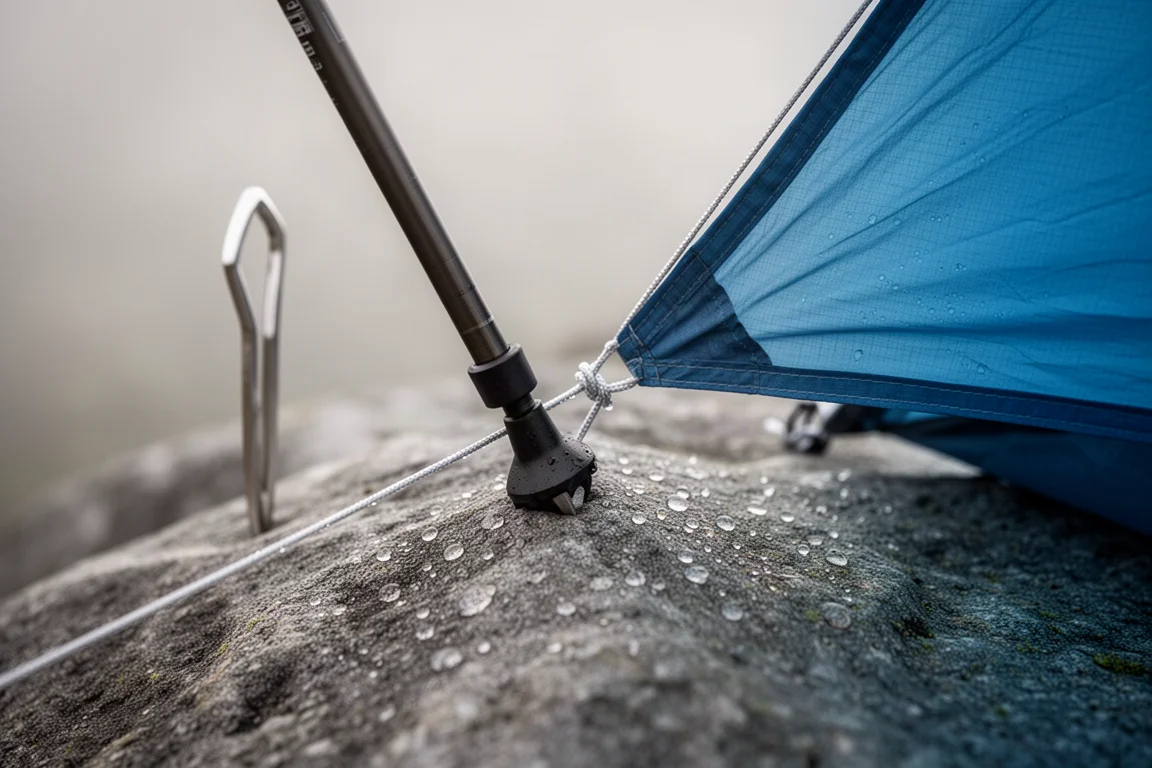
Setup is straightforward. Anyone who has pitched a trekking pole tent will recognise the sequence immediately, and anyone who has not will still manage without difficulty. The tent ships with a storage bag that has a draw cord at the top and a hand pull at the base, eight tent stakes, and two guylines. Packed, the tent measures about 5.5 by 7 inches.
The shelter is available in one-person and two-person versions, in blue or a lighter colourway called arctic.
Main Strengths
The first strength is weight. At roughly 2 lb 2.5 oz for a two-person shelter, the Fortius keeps pack weight low. The caveat is that trekking poles are part of the system, so the practical carry weight is the tent plus the poles you bring.
The second is space. A 45-inch peak and an 88-inch floor length make this a genuinely livable two-person tent rather than a squeeze, and the oversized vestibule adds useful covered storage for packs and boots.
The third is the hardware. The two-way YKK zippers run smoothly and can be opened one-handed, the storm flaps and toggles are sensibly placed, and the materials list reads like a premium build: silnylon shell, nylon mesh, taped seams, bathtub floor.
It also looks sharp. The blue shell with yellow accents has a clean, purposeful profile that stands out without being loud.
Things to Consider Before Buying
The main consideration is the fabric. Silnylon has a well-known tendency to stretch and sag when it gets wet, and the effect becomes more pronounced below 20 denier. At 15 denier, this tent sits firmly in that territory. In rain, the shelter will likely need to be guyed out fully to keep the walls taut and away from occupants.
That leads to the second consideration: stakes. The tent ships with eight, but after the main pitch is complete only two remain, and the apparent intent is to share a single stake between both guylines. That is workable but not ideal. Two extra stakes would let each line be anchored independently and make the tent far easier to pitch on uneven ground. Budget for them.
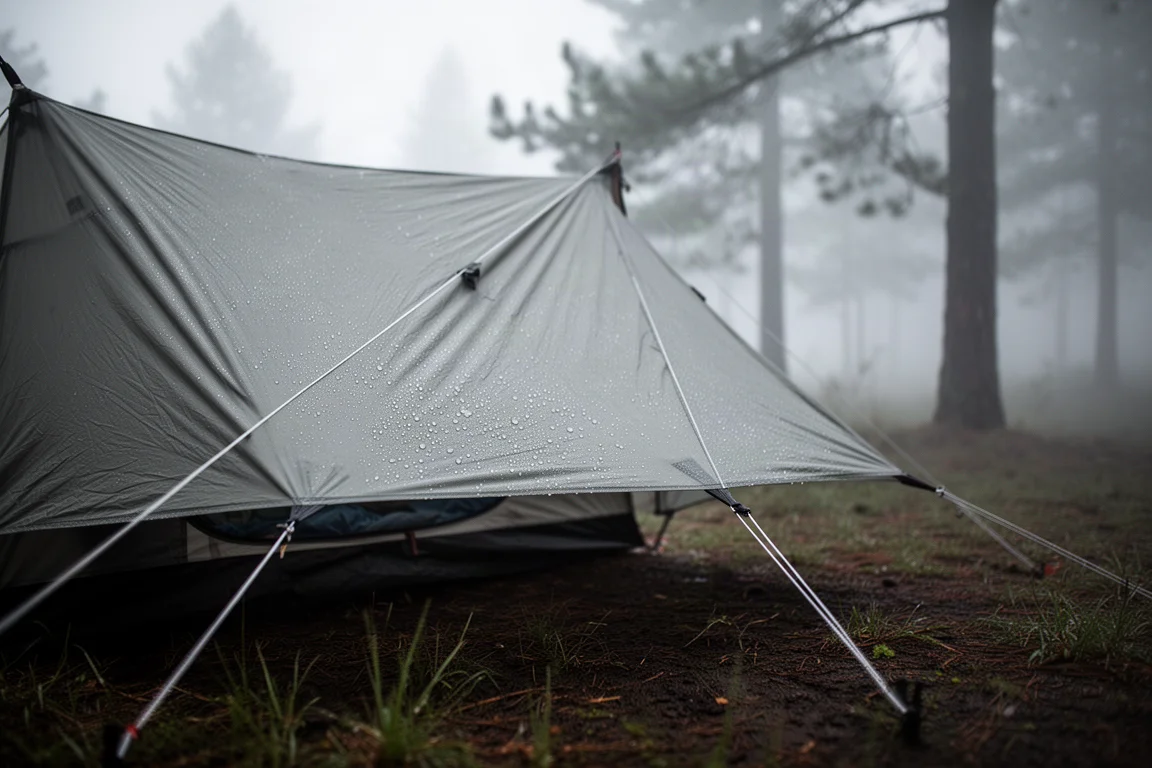
Third, this is a single-wall tent, so condensation is a real factor rather than a hypothetical one. Silnylon also tends to perform less impressively on condensation than some alternatives, which makes the ability to pull the walls outward even more important. Expect to manage ventilation deliberately on cold, still nights.
Fourth, quality control is worth a mention. The overall build looks good rather than flawless, and loose threads are visible on a tent at this price point. On a budget shelter that would be easy to overlook; here it is a small mark against the value proposition.
Finally, the non-freestanding design limits where the tent can be used, and full guying adds time to every pitch. If you camp in places where stakes will not hold, this is not the shelter for you.
Price and Value
At $340, the Fortius sits well below the ultralight tents it echoes in layout and construction. A comparable benchmark shelter using lighter, higher-end materials sells for around twice as much and weighs close to a pound, so the Fortius reads as a more accessible interpretation of that formula: a little heavier, considerably less expensive, and built around the same general approach to fabric and hardware.
Judged on materials alone, the price is defensible. Silnylon, YKK zippers, and nylon mesh are all higher-end choices, and they are what you would expect to find at this price. The questions that will decide long-term value are behavioural rather than structural: how much the 15-denier fabric stretches in sustained rain, how much the walls sag overnight, and how much condensation accumulates in humid conditions.
Buying Advice
If you already carry trekking poles and want a light, roomy two-person shelter without spending benchmark-tent money, the Fortius belongs on your shortlist. Add two stakes to your order, plan on guying the shelter out properly whenever rain is likely, and treat ventilation as part of the pitch routine rather than an afterthought.
If you prefer a freestanding tent, camp frequently on hard or sandy ground where stakes struggle to hold, or know from experience that silnylon sag will frustrate you, look at other designs. The Fortius rewards a camper who is willing to work with its fabric rather than against it.
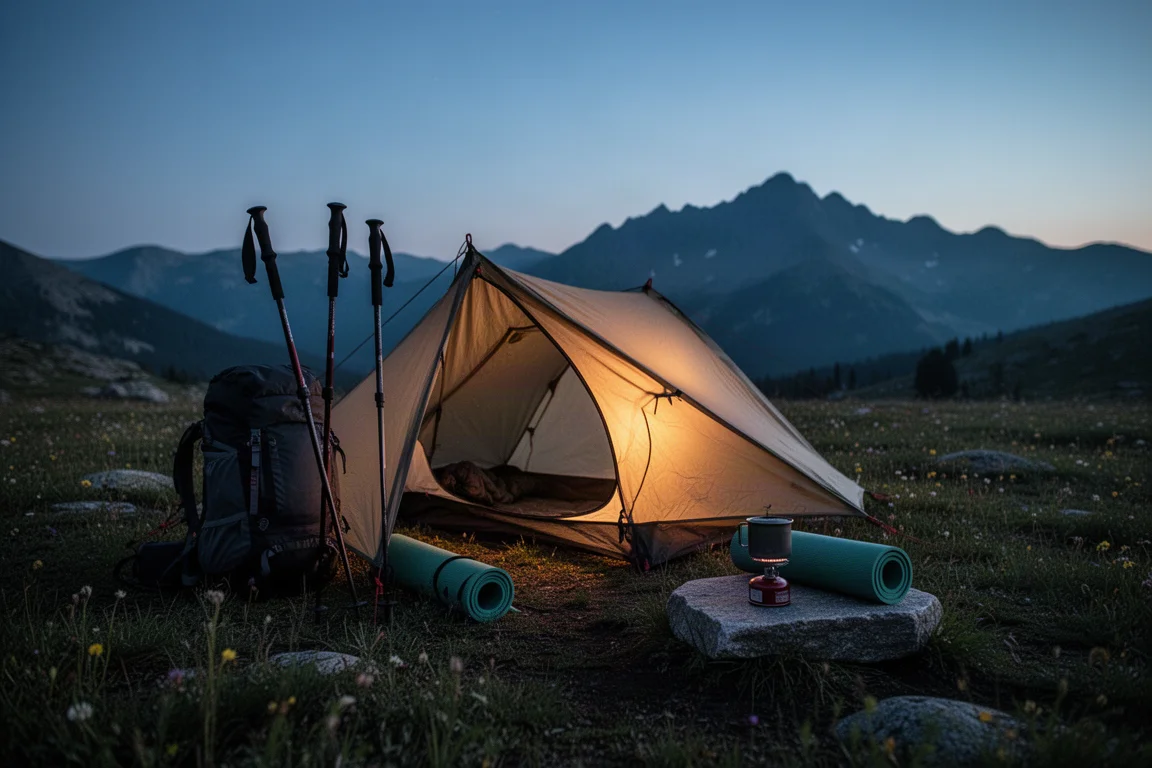
One more point in its favour: the same design is offered in a one-person version, and much of what applies here, including the low weight, the simple pitch, and the fabric considerations, carries over to that model as well.
Conclusion
The Outdoor Vitals Fortius is a well-conceived ultralight shelter with a genuinely appealing combination of low weight, generous interior space, and premium hardware at a price that undercuts the tents it resembles. Its limitations are equally clear: a 15-denier silnylon shell that will demand attention in wet weather, a stake count that falls short of a full pitch, and the condensation realities of single-wall construction.
For backpackers who carry trekking poles and understand what a non-freestanding, silnylon tent asks of them, it is a compelling option at $340. For everyone else, the trade-offs are worth weighing carefully before committing.
Product link
View more details for Outdoor Vitals Fortius 2-Person Tent
This product is mentioned in the review. Check the specifications, options, and compatibility before buying.
View more details for Outdoor Vitals Fortius 2-Person TentFurther reading
Related Reviews
Backpacking Tents
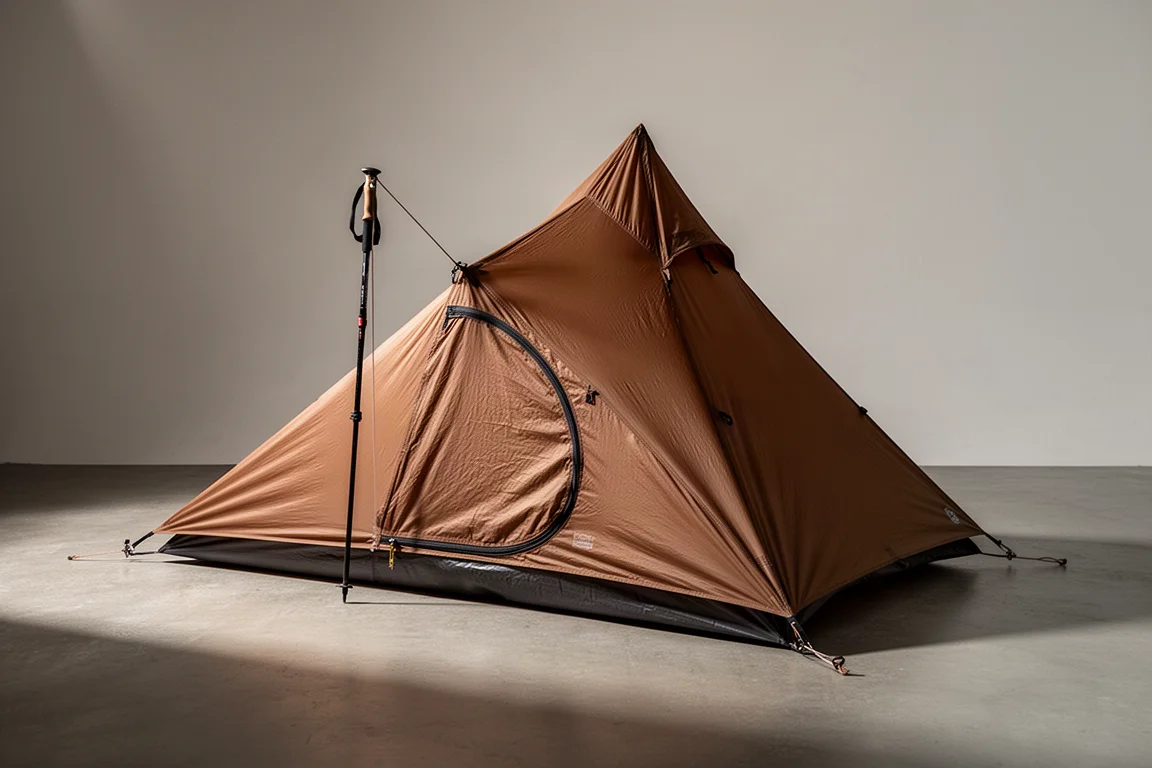
3F UL Lanchan Pro 1 Review: A 1 lb 8 oz Single-Wall Trekking Pole Tent
A practical look at the 3F UL Lanchan Pro 1, a single-wall trekking pole shelter with a 1 lb 8 oz weight, 20D silnylon fabrics, and a roomy 90 x 31 x 49 inch interior.
Backpacking Tents
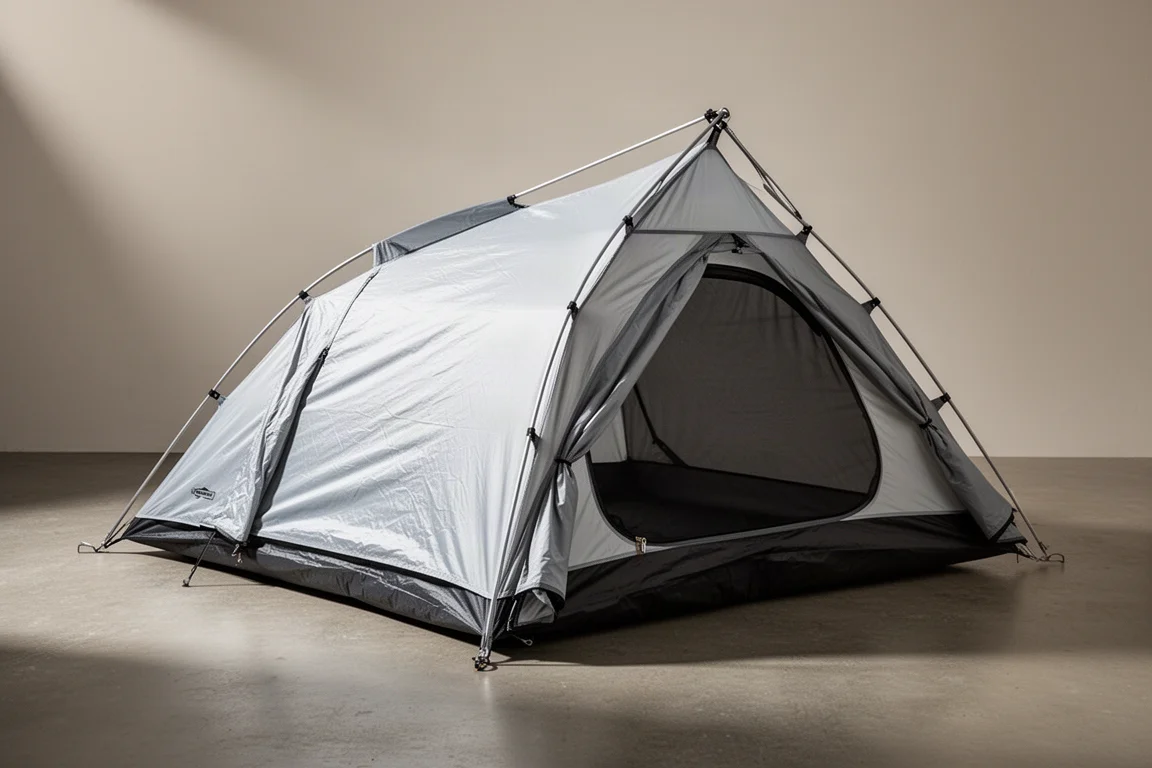
3F UL Taiji 2-Person Tent: A Convertible Backpacking Shelter Worth a Closer Look
A practical look at the 3F UL Taiji two-person tent, covering its materials, true two-person interior, fly-first pitching, and the seasonal inner swap that lets one shelter cover more of the year.
Backpacking Tents
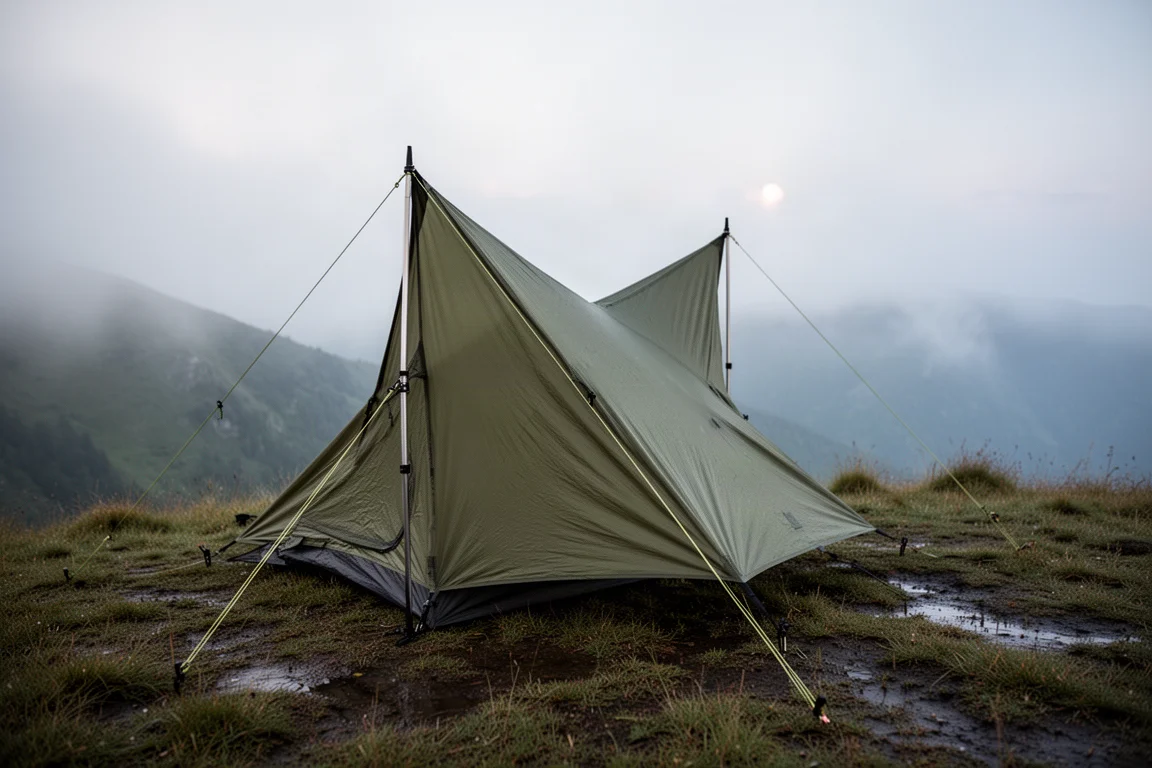
3FUL Lanshan Twoerson Pro Review: A Light Trekking Pole Shelter That Struggled in Rain
A two-person trekking pole shelter with a 2026 redesign, pitched with sticks and put through a night of steady rain. Here is what worked, what did not, and what to check before buying.