Outdoor Gear
Outdoor Research MGS Shell Gloves: A Gore-Tex Shell That Makes Sense at Surplus Pricing
A waterproof, windproof Gore-Tex shell glove built for layering over a liner, with a steep $270 retail tag and a surplus market that changes the maths.
Introduction
Cold rain is one of the more awkward conditions to dress for. A waterproof jacket and trousers keep the torso and legs dry, but hands tend to end up soaked and cold, and that is exactly the gap the Outdoor Research MGS Shell Gloves are built to fill. They are a waterproof, windproof Gore-Tex shell designed to sit over a liner glove rather than replace one.
The complication is the retail price. These gloves list at $270, which is a great deal of money for a pair of unlined shells. The more interesting part is that they were developed for the US military and carry a label reading Outdoor Research Gov, which means surplus pairs regularly surface on the secondhand market at a fraction of that figure. That gap between retail and surplus pricing is what makes this glove worth a closer look.
Who These Gloves Are For
The MGS Shell Gloves belong to the Outdoor Research modular glove system, a collection of protective pieces designed around dexterity, tactility, and reduced weight. Each component in the system uses the company’s 3D fit technology, which is intended to allow freedom of movement and full hand function.
As the name suggests, these are shells. They are meant to be worn as an outer layer over a liner, ranging from a thin combat glove to a thicker insulating liner. That makes them a natural fit for hikers, backpackers, and anyone who spends time outdoors in wet, cold weather and wants a dry outer barrier that can be paired with whatever warmth level the day demands.

The military origin is worth noting because it explains the design priorities: function over fashion, with an emphasis on weight and hand movement rather than insulation. Anyone who wants warmth straight out of the packaging will need to add a liner, while anyone who already owns thin gloves gains a dry outer layer that extends their usable range considerably.
Design and Materials
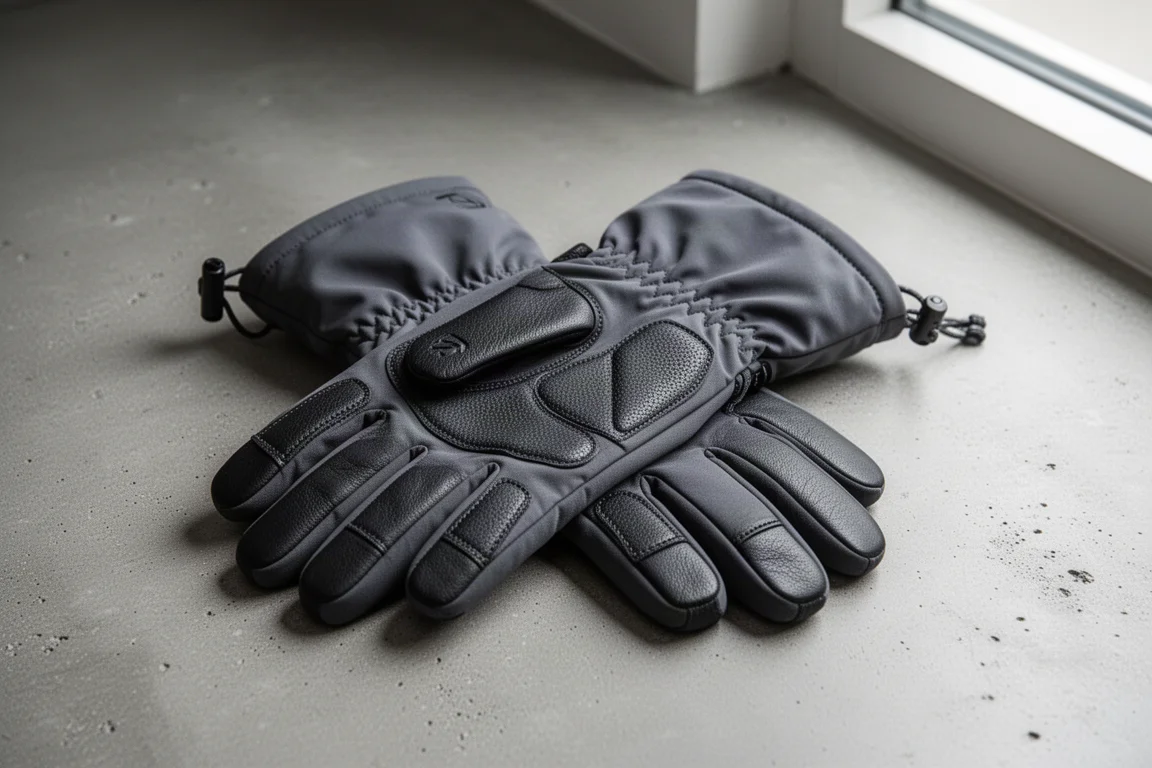
The build is a 2.5-layer Gore-Tex construction. Leather runs along the thumb and forefinger, while the palm and fingers use a synthetic material with a notably tacky, grippy surface. A drawcord at the cuff lets the wearer cinch the glove down, each glove has a lanyard for tightening around the wrist, and a small connector clip keeps the pair together inside a pack.
Inside, there is nothing at all. There is no liner, no insulation, and no lining fabric, which is precisely what makes these a shell. The seams are taped throughout. Weight comes in at roughly five ounces per pair, which is light for a fully waterproof glove, and the range covers small, medium, large, extra large, and extra extra large.
Main Strengths
Waterproofing and windproofing are the headline claims, and Gore-Tex also brings breathability, which matters for anyone who has worn a cheaper waterproof glove and found their hands clammy within an hour. Fast drying is part of the same package.
Two other strengths stand out in practice. The first is the grip. The synthetic palm and finger material is genuinely sticky, and the leather panels over the thumb and forefinger add durability where a glove tends to wear first. The second is touchscreen compatibility: the gloves work with a phone without being taken off, and that has been confirmed across more than one handset.

Dexterity is the third point in their favour. Because there is no insulation to bulk out the fingers, hand movement stays close to bare-handed, which is the central argument for a shell-and-liner system in the first place.
Water Resistance and Field Notes
Early testing has been encouraging. A five-minute submersion produced no leaking, and a longer soak in a creek also came back dry. With taped seams and a Gore-Tex membrane, that is the behaviour you would expect, but it is still worth confirming on a real pair rather than trusting the label alone.
Longer-term testing in sustained rain is still to come, particularly in combination with the thin liners these gloves are designed to pair with. Based on the construction and the initial results, the shell should hold up well, but a full season of wet-weather use will say more than a first round of tests can.
Things to Consider Before Buying
The first consideration is the liner. These gloves are built to be worn over something, and without a liner they feel noticeably baggy on a bare hand. That is less a fault than a design consequence, but it does mean the purchase is really a two-part system.
The second is price. At $270 retail, the value proposition is difficult to defend. The materials are good and the construction is sound, but that figure is a hard number to justify for an unlined shell. It only makes sense when a pair is found well below it.
The third is availability. Sizing on the surplus market is limited and shifts constantly, and at times most of what remains is in small. The saving grace is that the shell is designed to be roomy, so a smaller size can still work over a liner, but it is worth checking what is actually in stock before committing.
A fourth point is fit expectations. Someone who normally wears a medium can comfortably use a small shell over a thin liner, and a thicker liner also fits inside the same shell thanks to the extra room built in.
Layering and Everyday Use
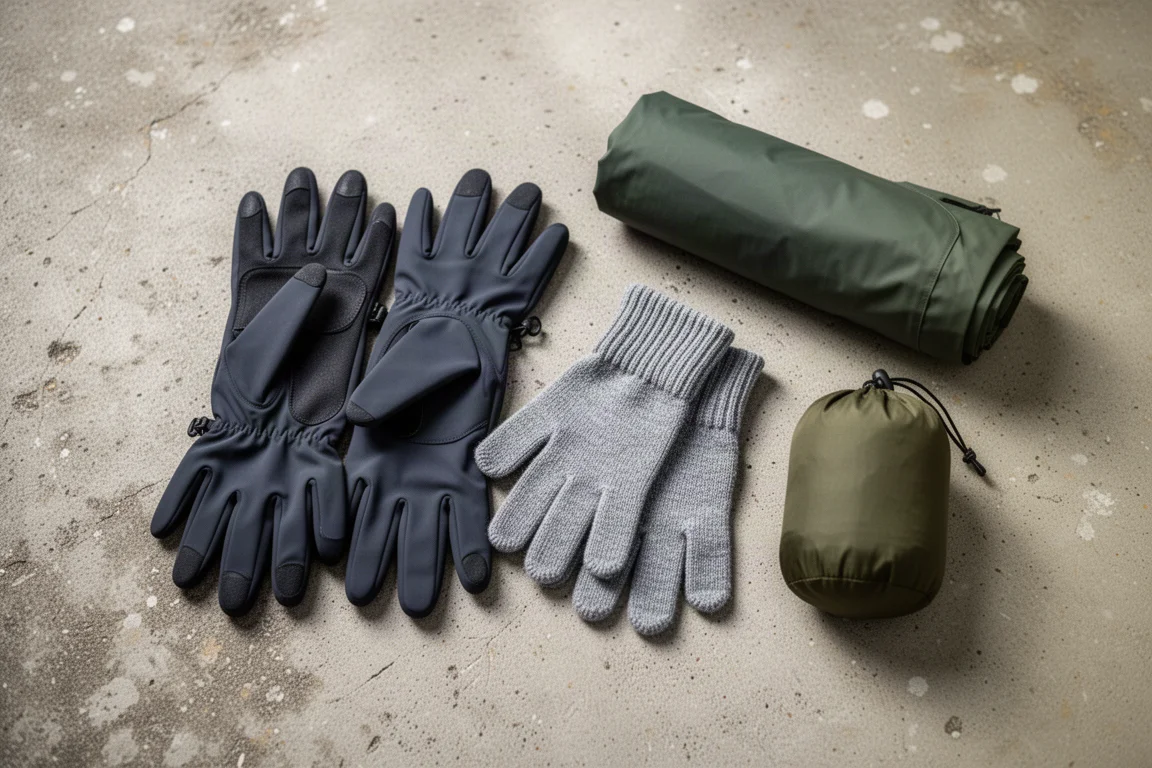
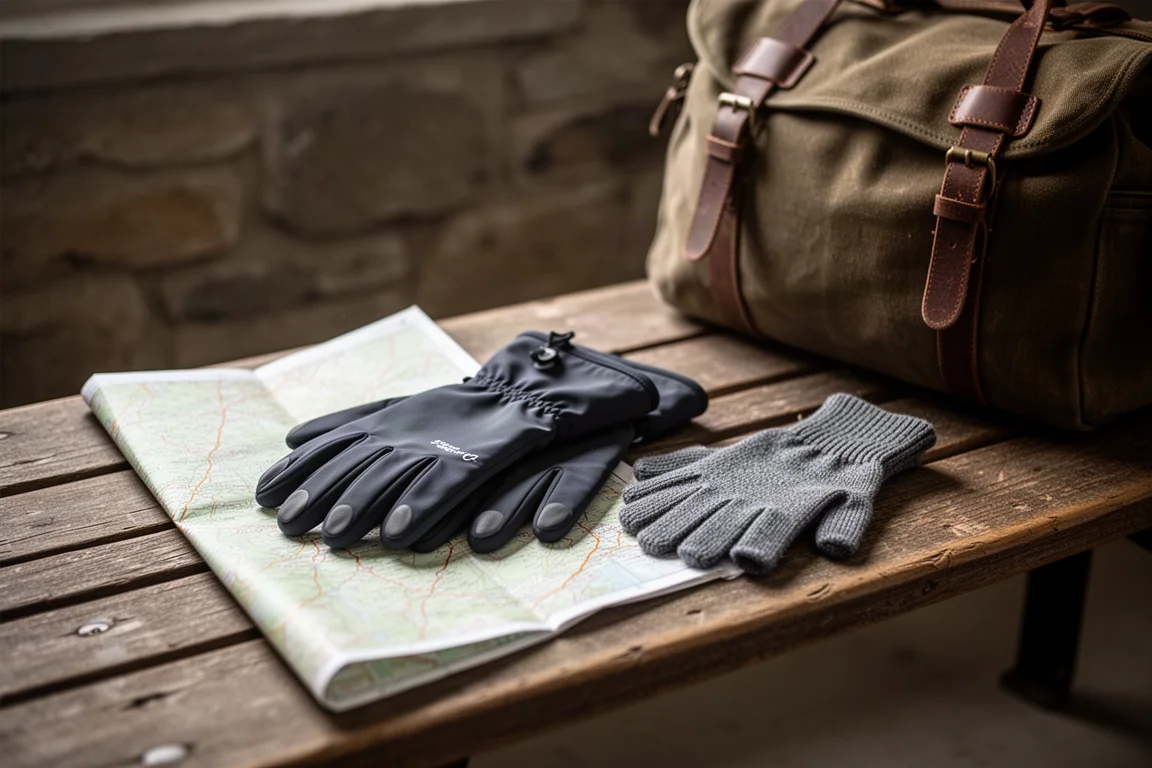
The system is flexible. A very thin liner or a knit glove slides inside without fighting the shell, and the result is a warm, dry, low-bulk combination for wet weather and for cooler snowy months. Thicker liners fit too, which extends the same shell into colder conditions without buying a second pair of gloves.
For anyone who runs warm or moves fast, the thin-liner approach makes the most sense. It keeps the hands protected from rain and wind while avoiding the overheating that comes with heavily insulated gloves. The touchscreen function and the grip carry over to everyday use as well, from adjusting a pack strap to checking a phone on a wet trail.
Buying Advice
The practical route to these gloves is the surplus market. Pairs have appeared on secondhand listings at around $30 to $70, brand new, and sellers rotate their stock over time. Camouflage variants have been seen at considerably higher prices, in the region of $360, so the standard version is the better value if colour is not a priority.
If a specific size is not available, it is worth widening the search. Outdoor Research makes a broad range of Gore-Tex gloves, including military models, and searching for outdoor research gore-tex gloves or us military gore-tex gloves turns up plenty of alternatives in the same family.
At $270 these gloves are hard to recommend. At surplus pricing they are a genuinely good buy: waterproof, windproof, breathable, light, and grippy, with a layering system that covers a wide range of conditions and a build quality that feels like it will last.
Conclusion
The Outdoor Research MGS Shell Gloves are a well-made piece of kit with a clear purpose. They keep hands dry and shielded from wind, they weigh very little, and they work as the outer layer of a system that adapts to different temperatures and activity levels. The retail price is the obstacle, and the surplus market is the answer. For anyone who hikes, climbs, or works outdoors in cold rain, a pair found at a sensible price is easy to justify.
Product link
View more details for Outdoor Research MGS Shell Gloves
This product is mentioned in the review. Check the specifications, options, and compatibility before buying.
View more details for Outdoor Research MGS Shell GlovesFurther reading
Related Reviews
Outdoor Gear
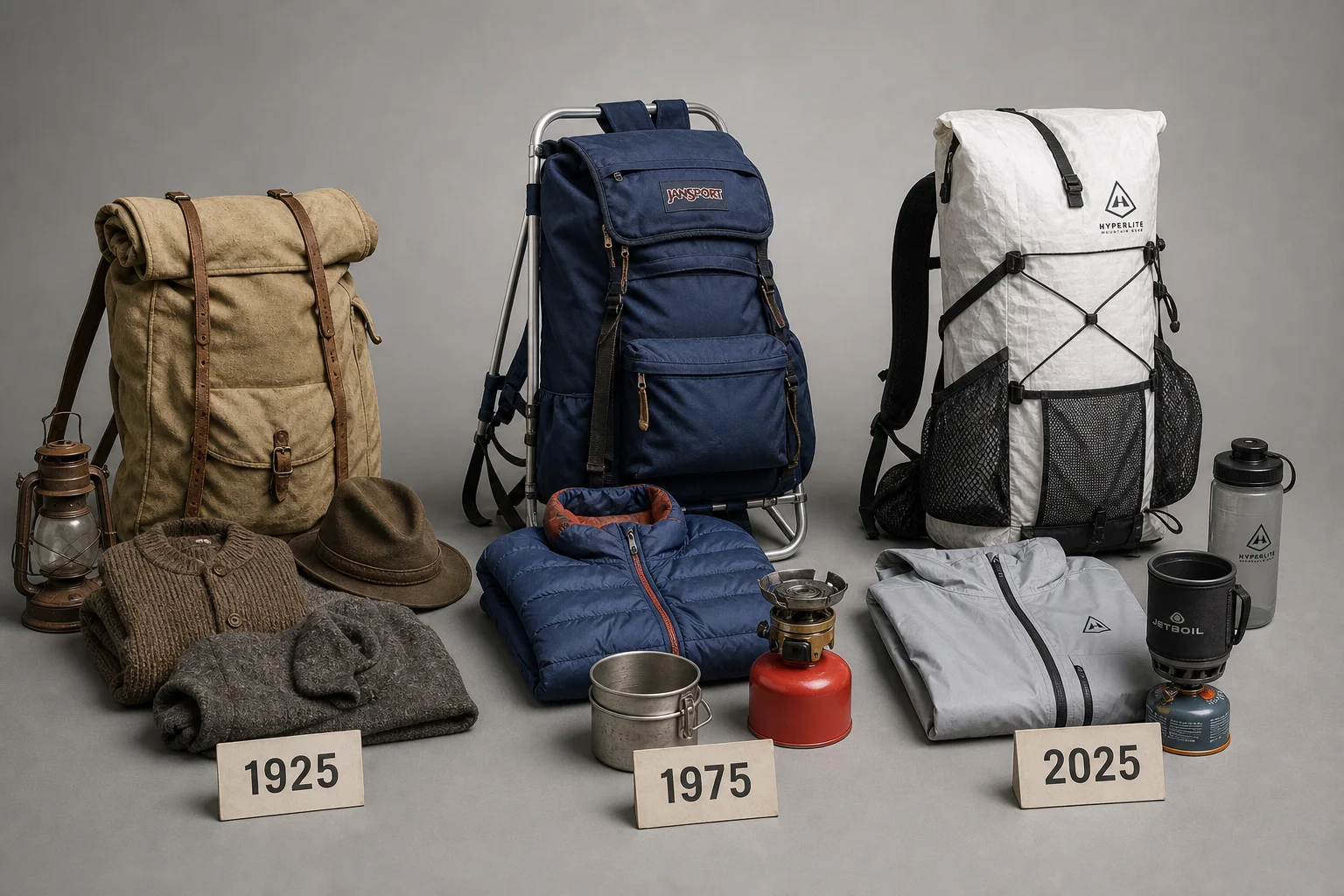
Backpacking Gear Evolution: 100 Years of Technology Compared
We tested backpacking gear from 1925, 1975, and 2025 across a three-day hike in Yosemite. Here's how technology has transformed comfort, weight, and the outdoor experience.
Outdoor Gear
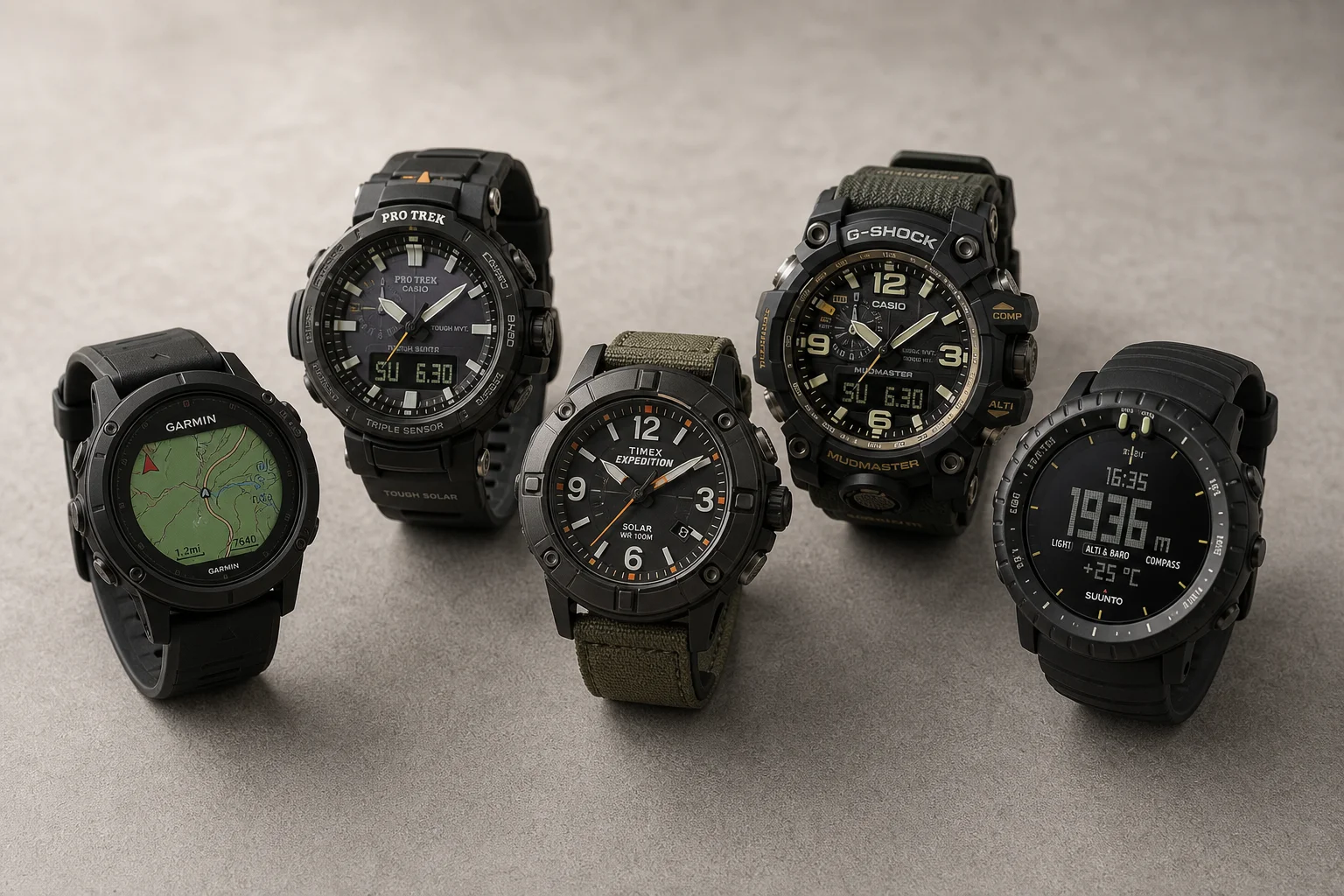
Best Affordable Hiking Watches: Five Rugged Options for Outdoor Adventures
Five durable hiking watches that balance ruggedness, functionality, and value for outdoor enthusiasts who need reliable GPS tracking and weather resistance.
Outdoor Gear
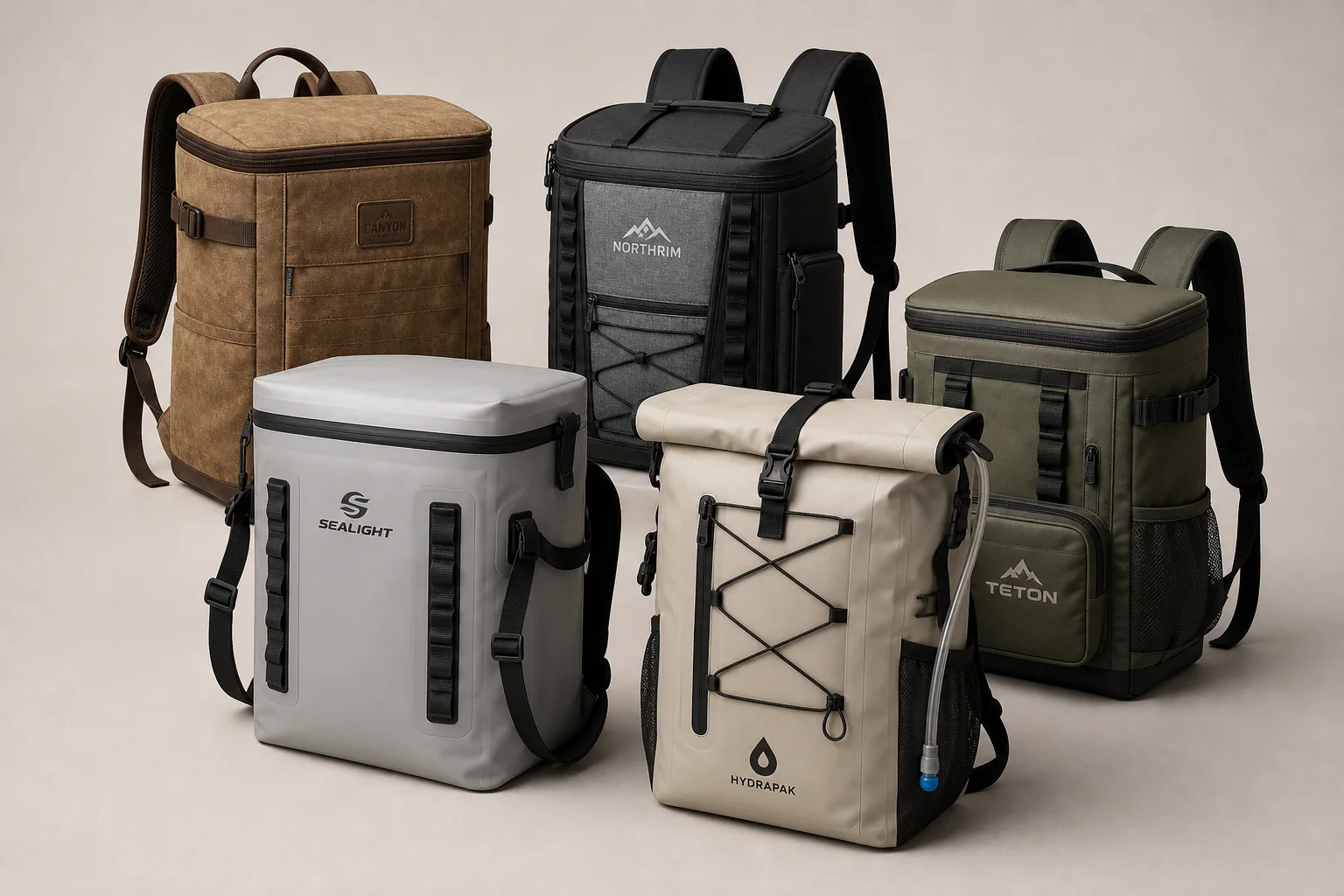
Best Backpack Coolers 2026: Five Practical Options for Outdoor Adventures
Five backpack coolers with distinct cooling capabilities, storage features, and design trade-offs to help you choose the right one for your outdoor needs.