Outdoor Gear
Outdoor Research MGS Shell Gloves Review: Gore-Tex Protection Without the Full Retail Price
A lightweight Gore-Tex shell glove built for layering over a liner, with a high retail figure and a far friendlier secondary-market reality.
Introduction
Cold rain is one of the harder conditions to dress for. A waterproof jacket and trousers keep the core dry, but hands end up soaked and chilled, and when the temperature sits a few degrees above freezing, a wet glove stops being an inconvenience and becomes a real problem. That gap is exactly what a shell glove is meant to fill.
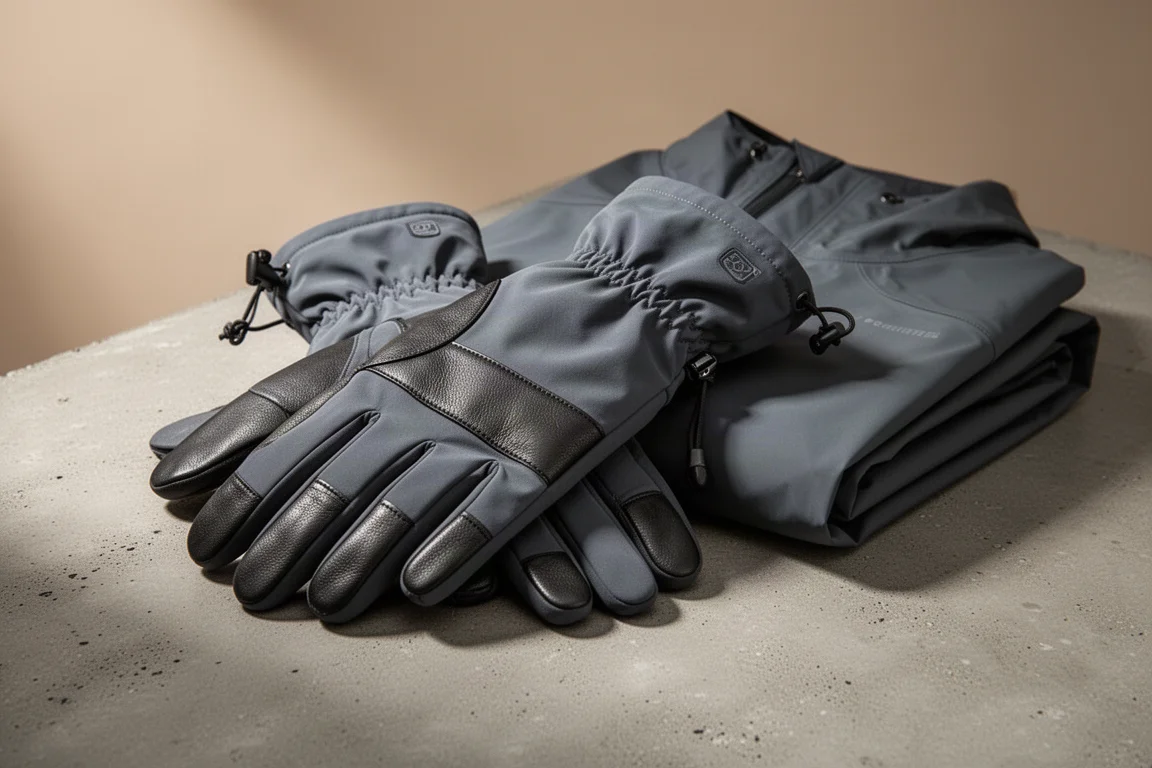
The Outdoor Research MGS Shell Gloves are a Gore-Tex outer shell with no liner inside. They belong to the Modular Glove System, a family of protective handwear built around layering, and they were developed for military use. Retail pricing puts them at around $270, though new pairs regularly surface on the secondary market for considerably less.

This review covers what the gloves actually are, who they suit, and what is worth weighing before you buy a pair.
Who This Product Is For
These are shell gloves, so they are aimed at people who already own, or are willing to buy, a liner glove. Worn over a thin liner, they form a waterproof and windproof outer layer for wet hikes, cold rain, and snowy conditions in the cooler months. Worn over a thicker liner, they add warmth without giving up weather protection.
They also suit anyone who wants a lightweight waterproof glove rather than a bulky insulated one. At roughly five ounces, they are light for what they do and pack down easily into a jacket pocket or the top of a backpack.
They are less ideal as a standalone glove for someone who wants to pull on a single pair and be done. The shell is deliberately roomy to accommodate a liner, so bare-hand use feels baggy.
Main Strengths
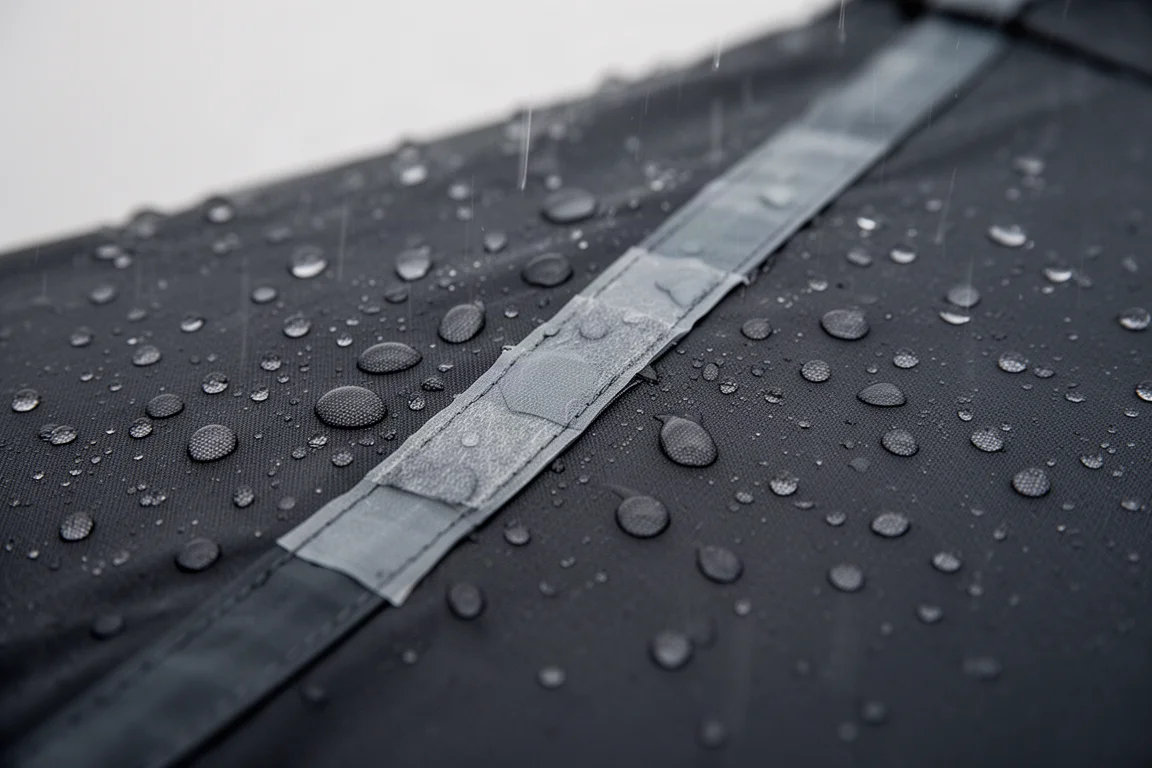
The headline is the material. The gloves use a 2.5-layer Gore-Tex construction, which is waterproof and windproof, and breathability should be strong as a result. All of the seams are taped. The outer is reinforced with leather across the thumb and forefinger, while the palm and fingers use a synthetic material with a very tacky, high-grip surface.
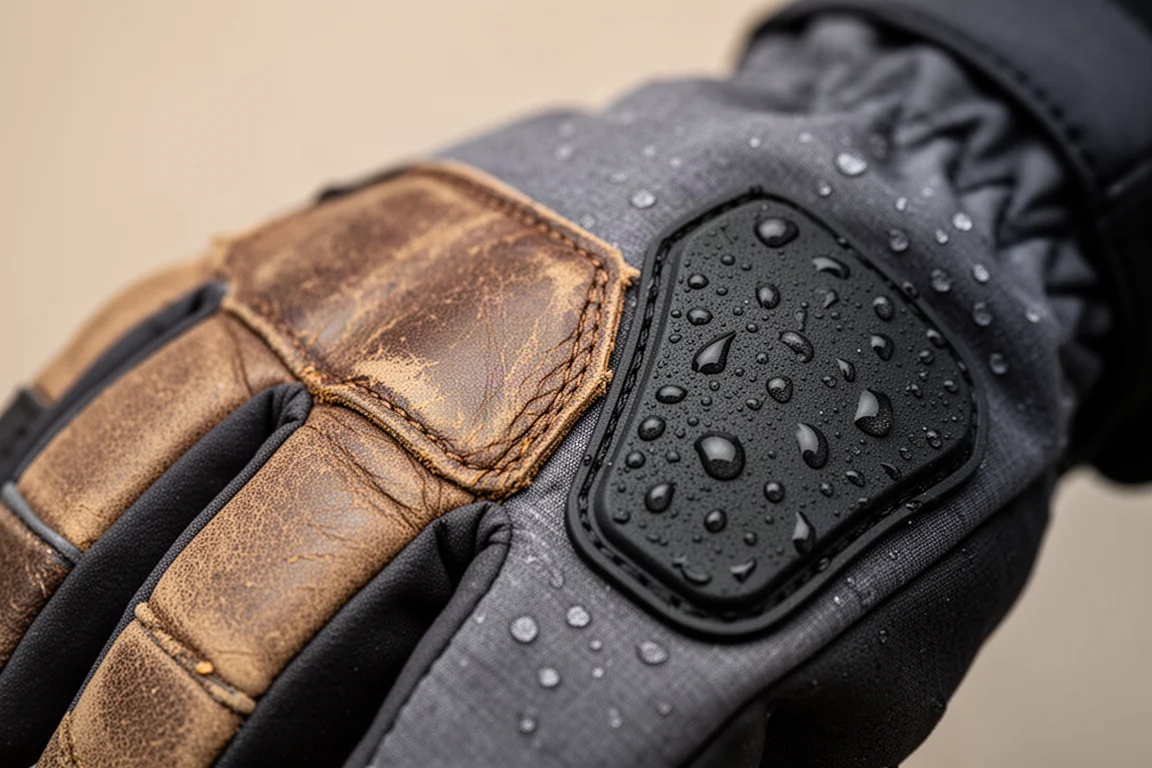
The practical details are well thought out too. A drawcord at the cuff cinches the glove down, each glove has a wrist lanyard that can be pulled tight, and a small connector keeps the pair joined so they do not separate inside a pack. The gloves also work with touchscreens, so a phone can be used without taking them off.
Fit, Sizing, and Layering
Sizing runs from small through double extra large. Because the shell is designed to sit over another glove, sizing down is a reasonable approach: a wearer who normally takes a medium can often use a small shell and still have room for a liner inside. There is enough space for a thicker liner when conditions call for it.
That layering flexibility is the whole point of the system. The same shell can pair with a thin knit liner for active hiking or a heavier liner for colder, slower days. The fit also means the glove does not fight the hand when gripping a trekking pole or adjusting a pack strap.
Worth noting is that comfort improves noticeably with a liner in place. Used bare-handed, the shell is loose and the extra volume is obvious.
Waterproofing and Field Notes
Taped seams and the Gore-Tex membrane do the heavy lifting here. Light testing so far has been encouraging: a five-minute submersion produced no leakage at all, and a stream test also came back dry inside. Sustained rain testing is the obvious next step, particularly in combination with the liners the gloves are designed to be worn over.
Grip is a standout in use. The synthetic palm material is sticky enough to hold a pole or a bottle securely, and it makes the gloves feel more capable than their modest weight suggests. Wind protection is a given with this construction, which matters on exposed ridges and open ground.
Things to Consider Before Buying
The first consideration is price. At the full retail figure of around $270, the value is hard to justify for most recreational users, even with Gore-Tex and leather reinforcement. The gloves are a much easier recommendation at the secondary-market prices they frequently sell for, which have ranged from roughly $30 to $70 for new pairs. Camouflage versions have been listed even higher, in the region of $360.
The second is availability. Military-derived stock tends to arrive in limited size runs, and small is often the size left in quantity. Anyone who needs a specific size may need to look at other Gore-Tex gloves from the same maker, or search more broadly for military-issue Gore-Tex gloves, rather than waiting for one exact listing to reappear.
Third, comfort depends on layering. With a liner, the gloves feel natural and precise. Without one, they are noticeably loose. Buyers who want a bare-hand glove should look at a lined or insulated option instead.
Buying Advice
The MGS Shell Gloves make the most sense as a layering piece bought at the right price. Treat the retail figure as an anchor rather than a target, and look for new surplus stock on the secondary market, where these gloves have sold for a fraction of that number.
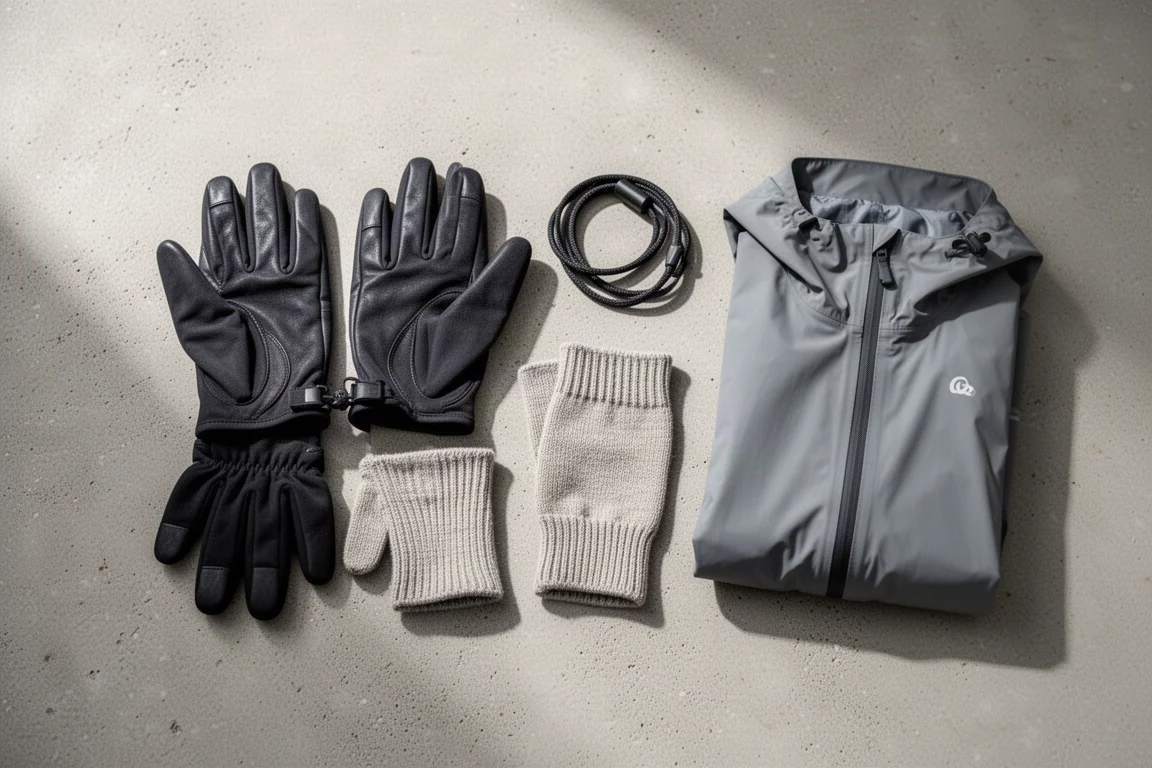
Check the size against the liner you plan to wear, not against your bare hand, and confirm that the listing is for a new pair. If the size you want is not available, a wider search for Gore-Tex shell gloves usually turns up something comparable, since this category has plenty of military-derived options. Sellers carrying multiple sizes come and go, so checking back periodically is worthwhile.
Conclusion
For wet, cold conditions, a waterproof shell over a liner is a smart system, and these gloves execute it well: taped Gore-Tex, leather-reinforced fingers, a genuinely grippy palm, touchscreen support, and about five ounces of weight. The catch is the full retail price and the uneven size availability. Bought at the right price and in a size that leaves room for a liner, they are a well-made piece of kit that earns its place in a wet-weather layering setup.
Product link
View more details for Outdoor Research MGS Shell Gloves
This product is mentioned in the review. Check the specifications, options, and compatibility before buying.
View more details for Outdoor Research MGS Shell GlovesFurther reading
Related Reviews
Outdoor Gear
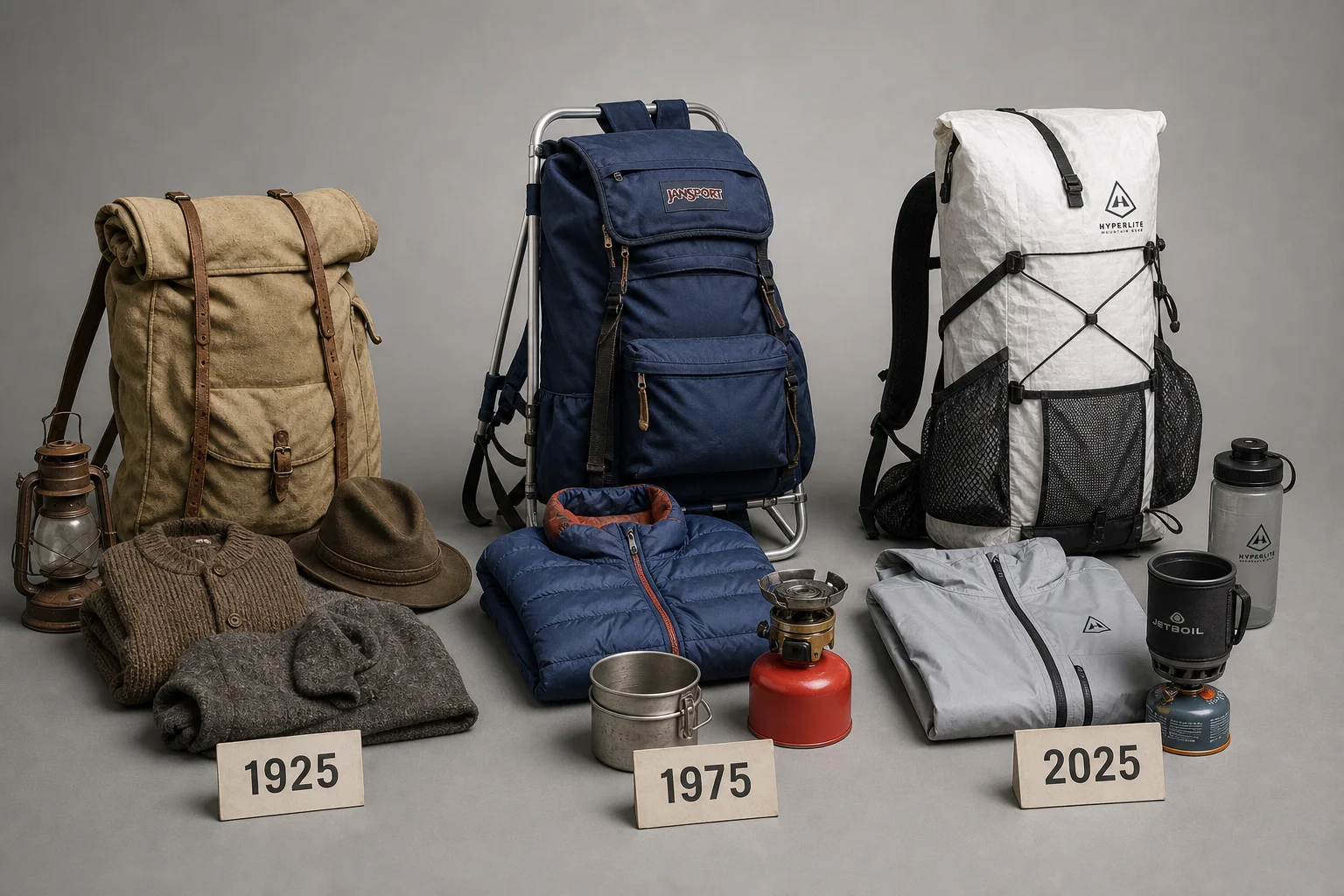
Backpacking Gear Evolution: 100 Years of Technology Compared
We tested backpacking gear from 1925, 1975, and 2025 across a three-day hike in Yosemite. Here's how technology has transformed comfort, weight, and the outdoor experience.
Outdoor Gear
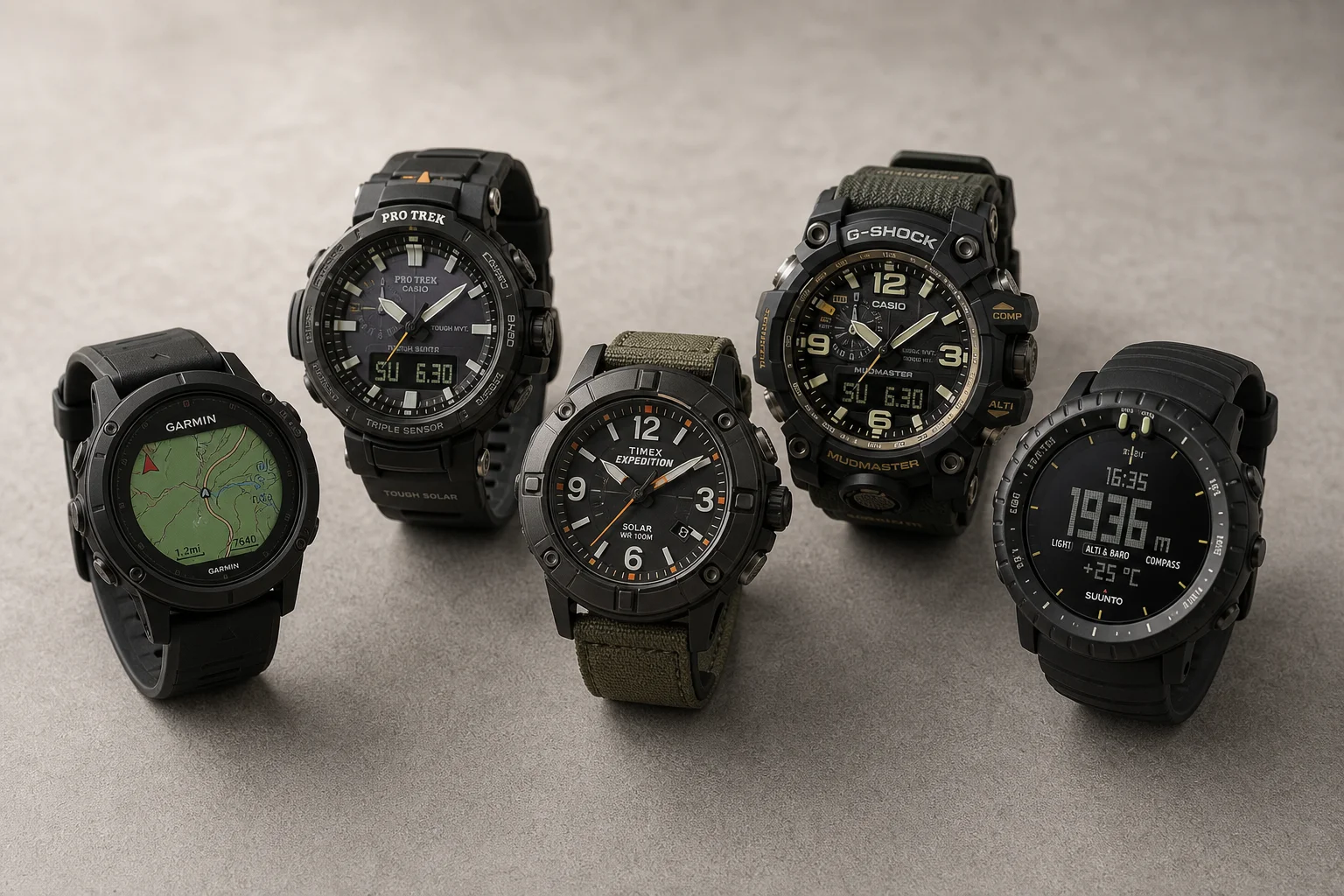
Best Affordable Hiking Watches: Five Rugged Options for Outdoor Adventures
Five durable hiking watches that balance ruggedness, functionality, and value for outdoor enthusiasts who need reliable GPS tracking and weather resistance.
Outdoor Gear
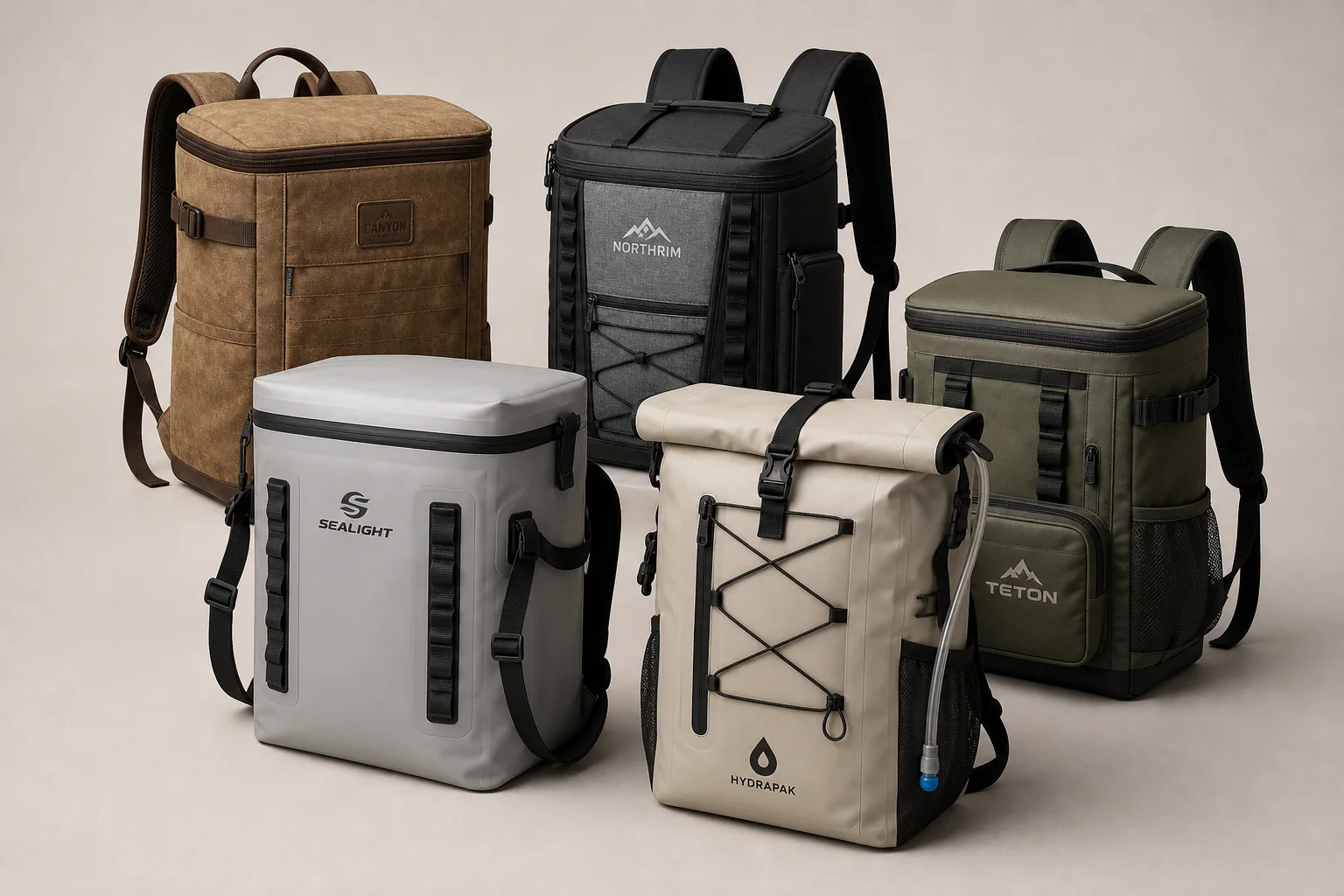
Best Backpack Coolers 2026: Five Practical Options for Outdoor Adventures
Five backpack coolers with distinct cooling capabilities, storage features, and design trade-offs to help you choose the right one for your outdoor needs.