Outdoor Gear
Outdoor Gear Roundup: Olight Lights, Columbia Jackets and Down Sleeping Bags
Three compact lights, two waterproof jackets and two down sleeping bags compared on warmth, weather protection and packed size.
Introduction
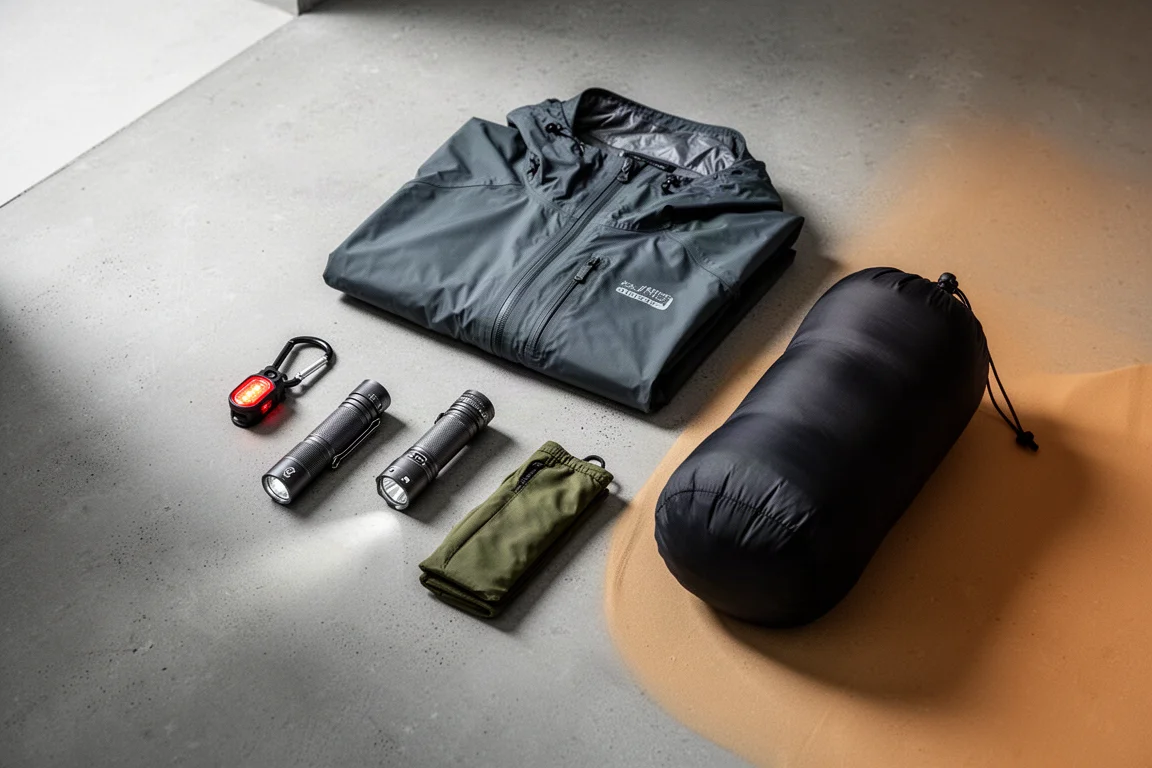
Some outdoor gear earns its place by being clever, and some earns it by solving a simple problem reliably. The seven items in this roundup sit somewhere between those two camps. There are three compact lights built for everyday carry and low-light visibility, two waterproof jackets with very different ideas about what a shell should look like, and two 650 fill down sleeping bags that share the same insulation spec but not the same temperature ratings.
Each entry below covers what the product is, how it performed in real conditions, and who it suits best. Prices and availability vary by retailer, so the buying advice focuses on use case rather than numbers.
How to Read This Roundup
Four things matter most across gear like this: whether the product does its stated job in bad weather or low light, how the materials and construction hold up in use, how small it packs when space is tight, and whether the design creates any daily annoyances. A jacket that keeps rain out but traps condensation is a problem. A sleeping bag with a good rating that will not compress is a problem on a long carry. The notes below weigh those trade-offs rather than ranking the products against one another.
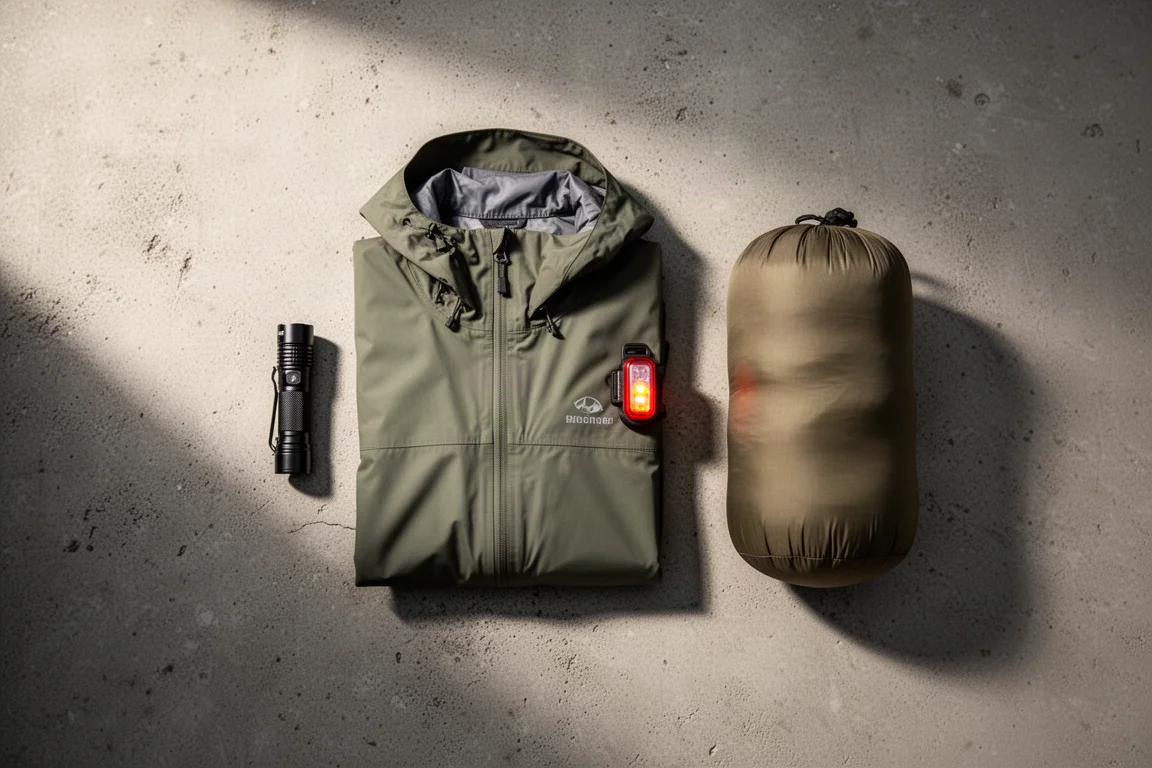
Where a manufacturer claim is repeated here, it is because it matched what the gear actually did in the conditions it was used in, from a full day of heavy rain to a sub-zero morning walk.
Olight Lighting: Three Compact Options
Olight covers a lot of ground, and the three lights here are aimed at three different jobs: a dual-purpose everyday carry light, a familiar pocket torch, and a small visibility light for dark lanes and paths.
Olight Arkfeld
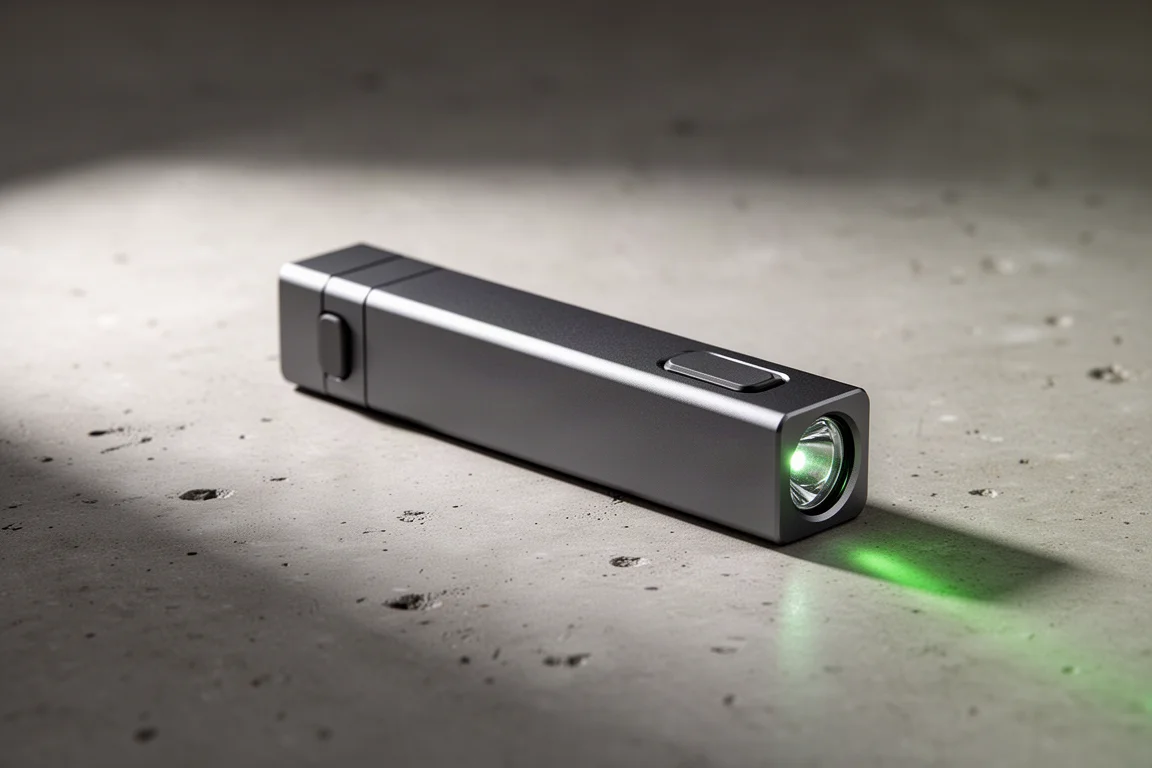
The Arkfeld is the most unusual of the three. It is a slim, lightweight dual light source torch that combines a white flashlight with a green laser. The flashlight side offers five brightness levels, a maximum output of 1,000 lumens on turbo, and a 300 lumen standard mode with a 101 m throw. Two color temperatures and a memory function mean the light returns to your last setting with a single click, which is a small detail that makes a daily carry light much easier to live with.
Charging is handled magnetically through the tail cap: attach the cable and the light clips into place. The green laser is a secondary function rather than a replacement for the torch, and it is best thought of as a presentation tool or a way to keep a pet entertained.
Olight Baton 3
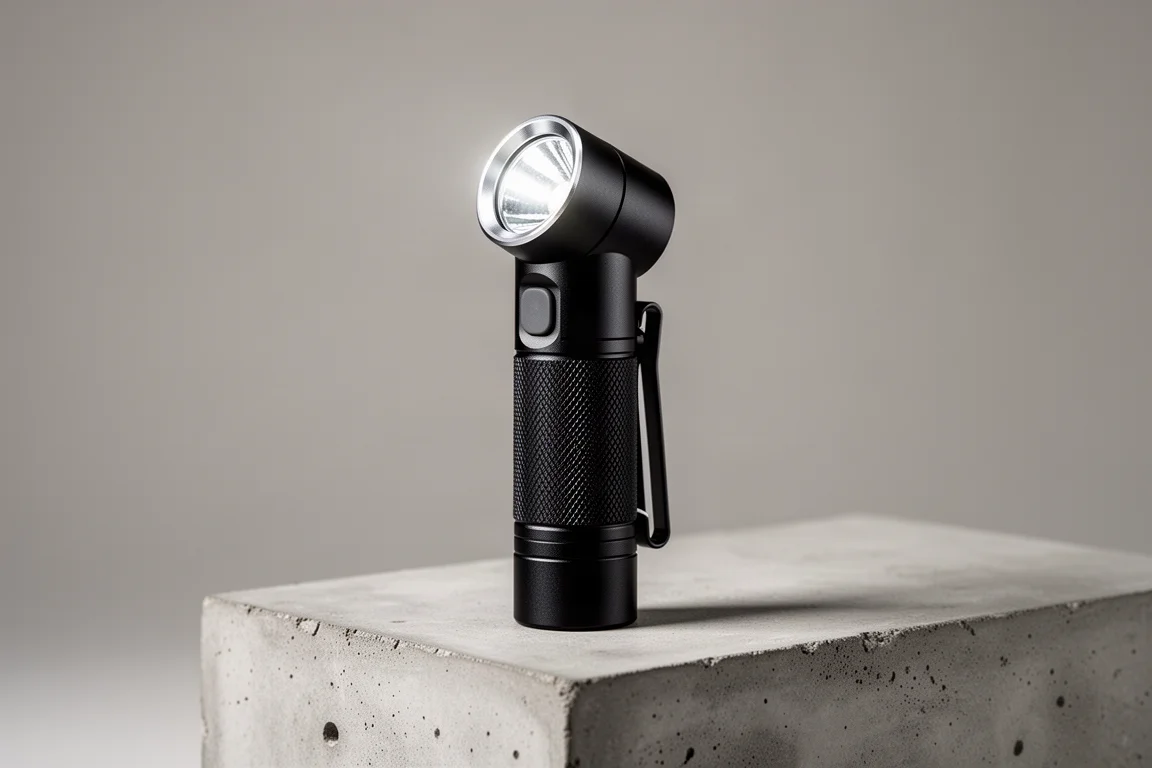
The Baton 3 is a compact everyday carry light with a proximity sensor and a long list of output settings, and it is the most familiar design of the three. Turbo mode is the headline: it lights up everything in front of you, and it is genuinely impressive for a light this small. For everyday use, the lower settings cover most tasks, and the sensor helps prevent the light from running hot against a nearby surface.
If you already carry a small torch daily, the Baton 3 is the least complicated of the three to recommend. It does not try to do anything unusual, and it does the basics very well.
Olight Gober Safety Light
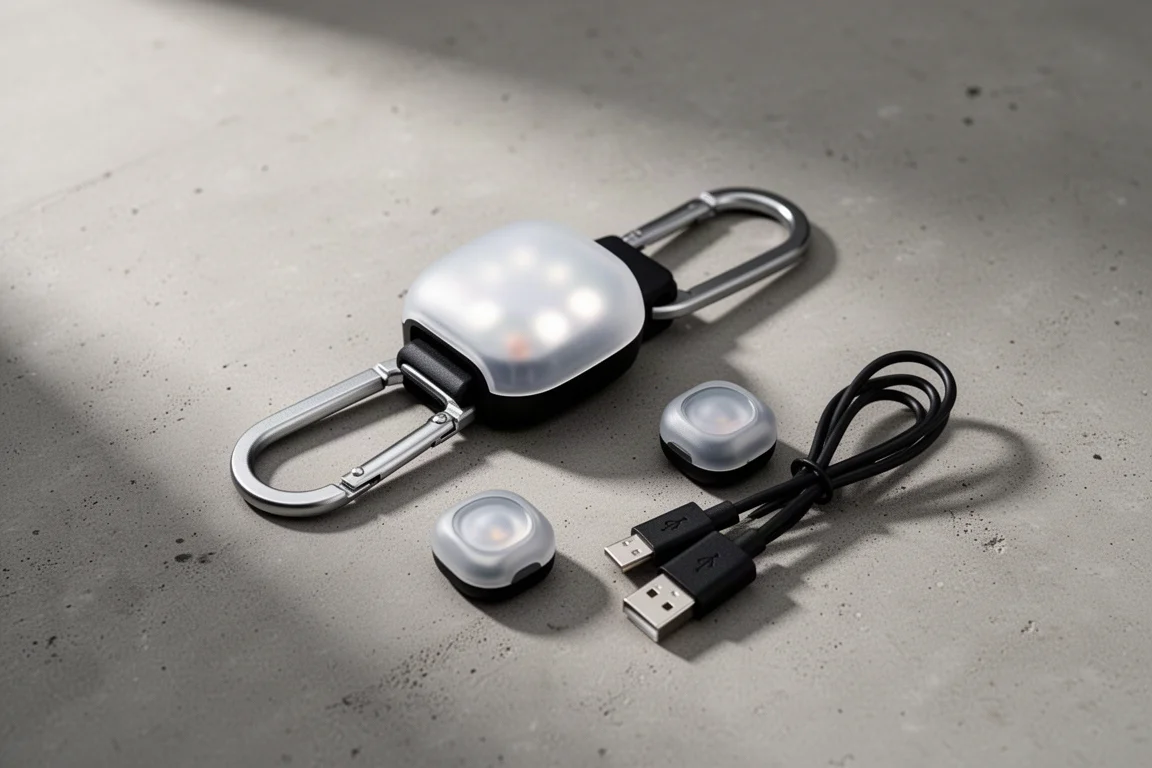
The Gober kit takes a different approach entirely. It is a safety light combo built for outdoor activities, with three LEDs and four color settings, including a mode that flashes in three colors. A built-in rechargeable lithium-ion battery provides up to 28 hours of maximum runtime, and the kit carries a two-year warranty.
The light itself is small and light, and it comes on a key ring with a carabiner so it can be clipped to a backpack, a belt or a waistband using the second clip in the kit. The pods detach, and each one has its own USB port for charging through the supplied cable. Olight also positions it for clipping onto a dog collar or harness, which is a practical use for anyone walking on unlit roads.
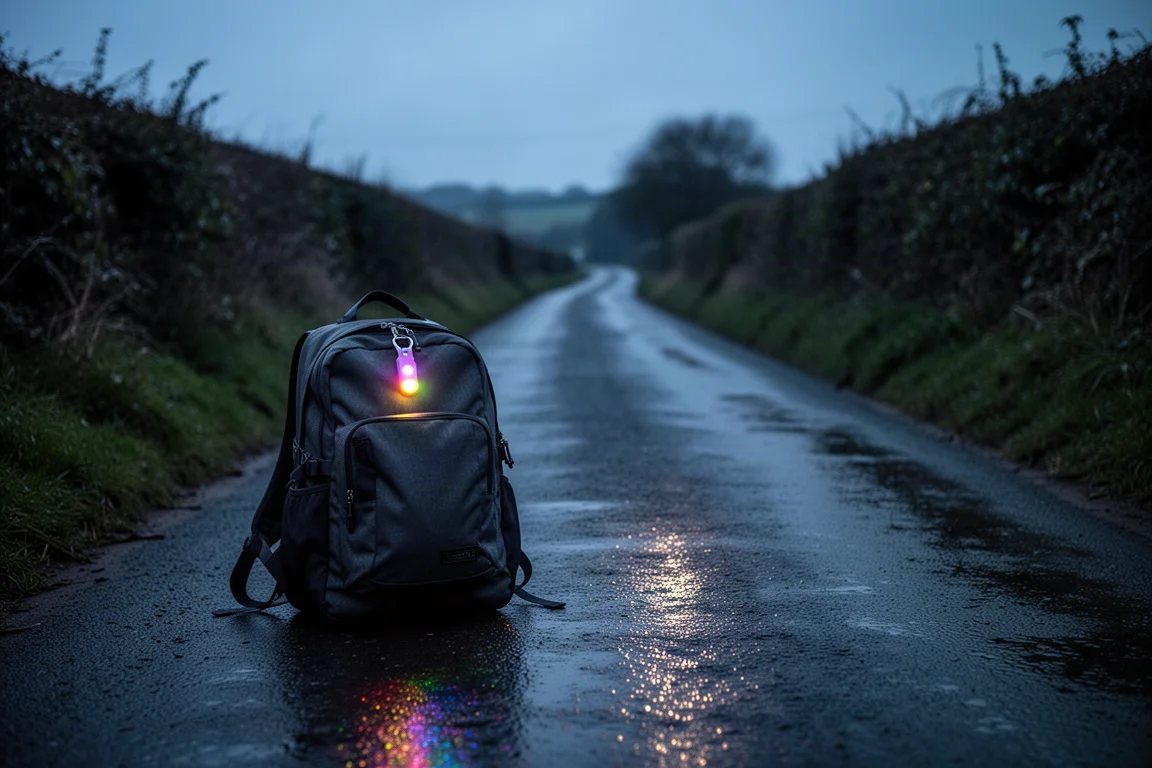
As a visibility tool it makes a lot of sense: the point is to be seen, not to flood a path with light. For country lanes, early starts and winter dog walks, that is exactly the right job description.
Columbia Jackets: Two Very Different Layers
The two Columbia jackets here are both waterproof, and beyond that they have almost nothing in common. One is a very thin shell built for packability and breathability. The other is a bulky insulated jacket built for standing around in the cold.
Columbia OutDry Titanium Jacket
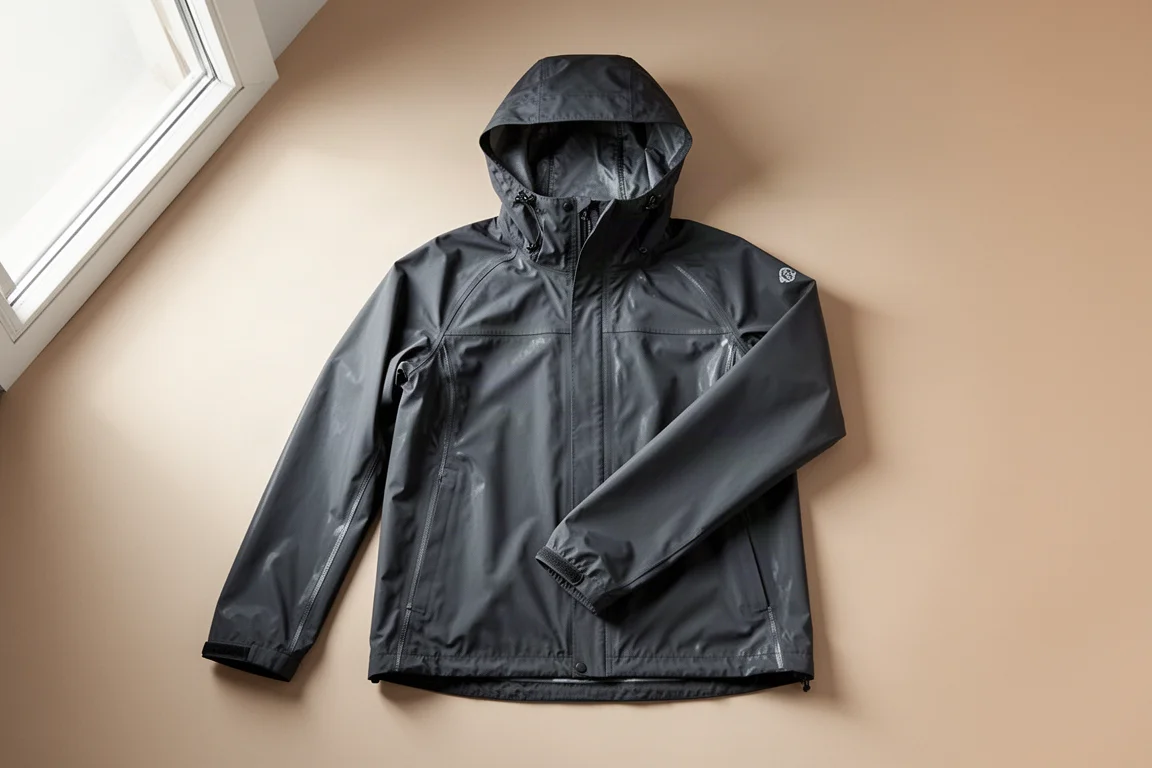
The OutDry Titanium is a waterproof shell that weighs very little and packs down thin. Its party trick is construction: the waterproof membrane is bonded to the outside of the fabric rather than hidden behind a face layer, which means the seams are visible on the exterior and moisture is pushed out rather than trapped inside.
In practice, that translated into a full day of heavy rain with no leaks and, more notably, no internal condensation. Anyone who has spent a wet day inside a shell that turns clammy will understand why that matters. The fit is comfortable, the hood adjusts with a drawstring and pulls tight, and there is a generous drop over the front of the jacket.
The trade-offs are aesthetic. The outer face has a glossy, almost plastic-like sheen, and the zip runs on the opposite side to most jackets. Neither affects performance, but both are worth knowing before you buy.
Columbia Oak Harbor Jacket
The Oak Harbor is the opposite kind of jacket. It is thick, warm and built for cold days when you are not moving fast. It is waterproof and breathable, and it was tested on a morning that started at minus four degrees, where it was comfortably warm.
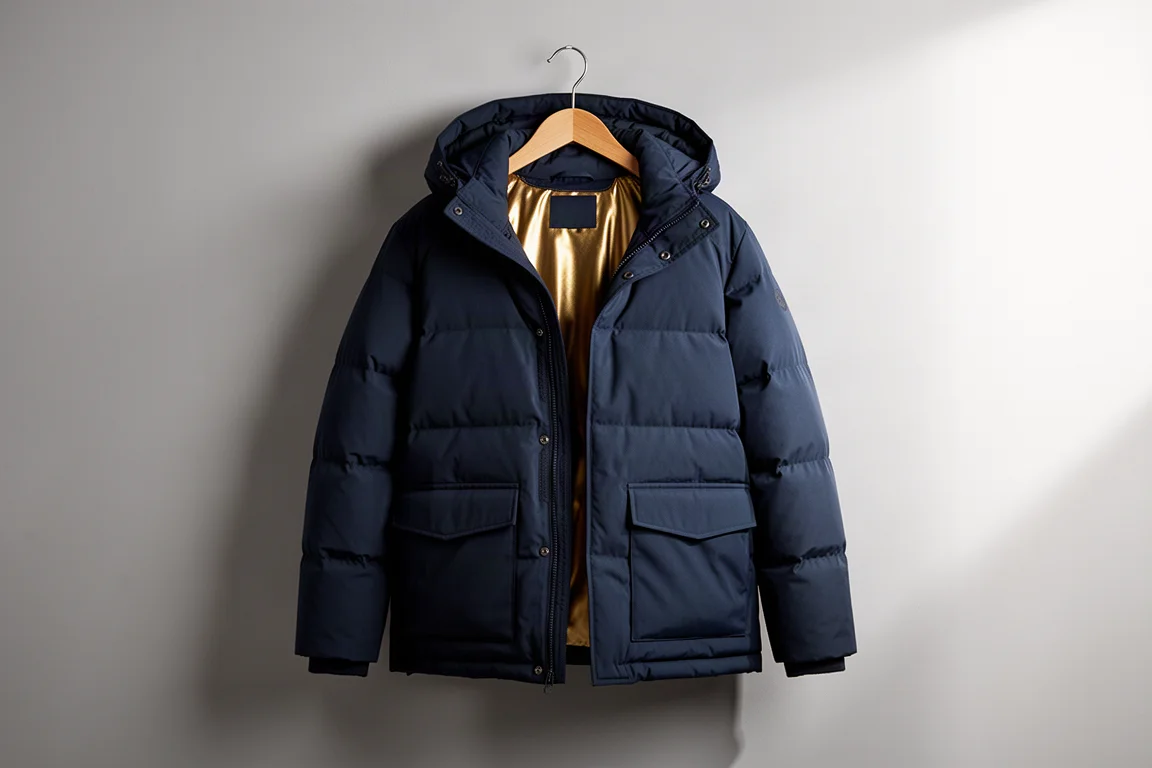
The feature Columbia highlights most is Omni-Heat Infinity, a gold reflective lining on the inside of the jacket that reflects and holds body heat. It is not subtle: the lining is visible whenever the jacket is open, and it does appear to make a difference. The hand pockets are lined with a soft, warm material, and there is a second pocket for a phone or keys.
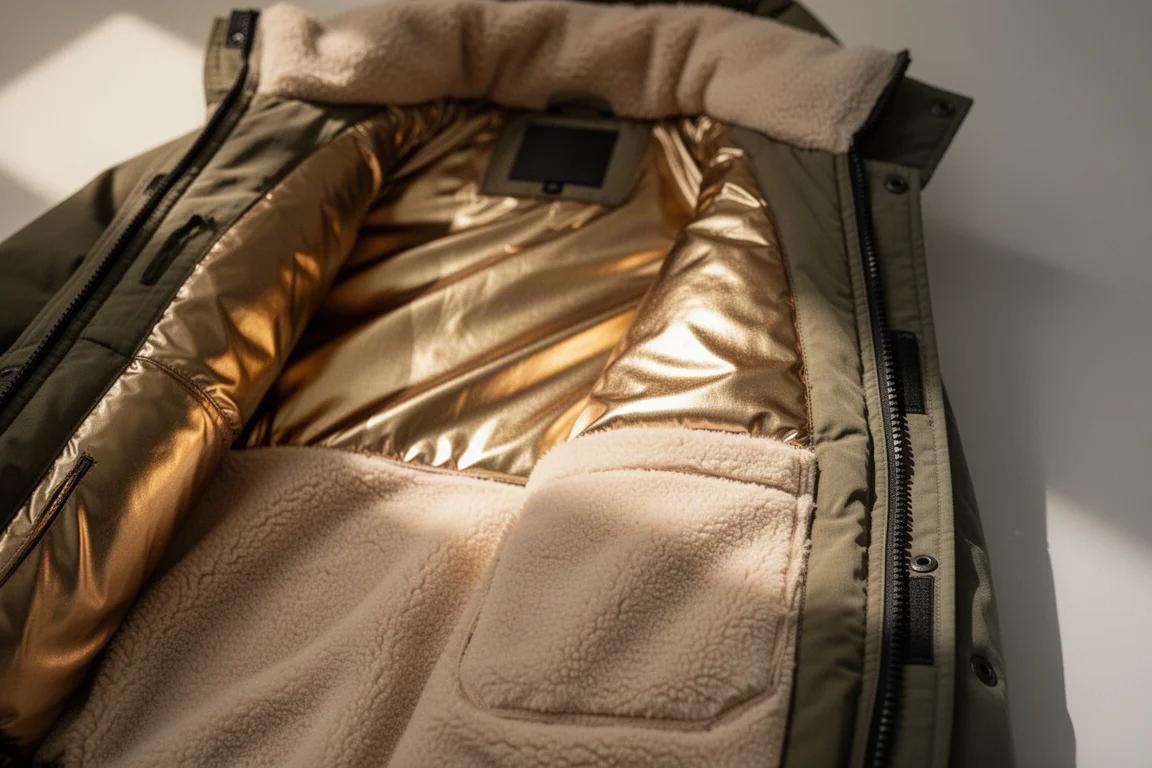
The main consideration is bulk. This is a big, thick jacket that will not compress down the way a down jacket does, so it is not the one to take if you are counting every liter of pack space. Sizing also runs generous, and going down a size will suit many buyers better than their usual fit.
Down Sleeping Bags: Naturehike and Rab
Both sleeping bags here use 650 fill down, and on paper the specs look close. The differences show up in the temperature ratings and, more practically, in how small each bag packs down.
Naturehike Snowbird -3 Duck Down
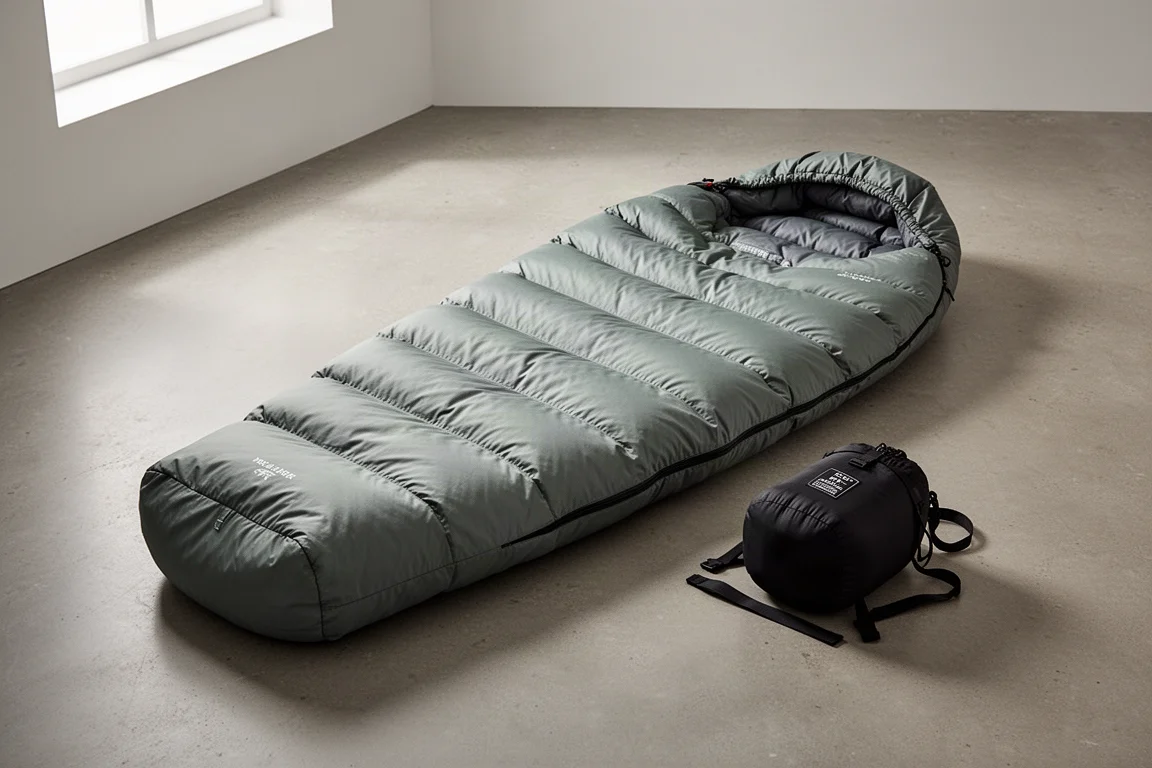
The Snowbird -3 is a duck down bag with a comfort rating of -3°C, a transition rating of -10°C and a risk limit of -22°C. It is soft inside, and the loft is slightly more compact than a comparable premium bag, which helps when it comes to packed size.
A neat detail is the shoulder tuck: the bag folds over your shoulders and seals across the top, which cuts down on warm air escaping overnight. The compression sack is the real selling point. It has straps that let you cinch the bag down further after the initial stuff, so it ends up smaller than bags that rely on a simple drawstring closure.
Rab Alpine 600
The Alpine 600 is the bag the Snowbird invites comparison with. It also uses 650 fill down, with an extreme rating of -26°C and a comfort level of -5°C, so it edges ahead on paper. It has been a dependable bag across a long stretch of use.
The difference is in the stuff sack. The Rab uses a drawstring closure, which compresses the bag to a point and then stops. The Naturehike bag can be squeezed further. If warmth is the priority, the Rab has the edge; if packed size is the priority, the value option wins.
Buying Advice for Each Piece
The right choice depends entirely on when and where you will use the gear. For everyday carry, the Arkfeld suits anyone who wants a slim light with a second function built in, while the Baton 3 is the simpler, more familiar option for a pocket torch. The Gober kit is a different category altogether: it is a visibility accessory for dark lanes, backpacks and dog harnesses, and at its price it is an easy add-on for winter walking.
For jackets, decide whether you need to stay dry or stay warm. The OutDry Titanium is the one to pack when weight and breathability matter and you can live with a glossy finish. The Oak Harbor is the one to wear when you are standing still in the cold, and it is worth sizing down.
For sleeping bags, the two 650 fill options split along the same lines. The Naturehike Snowbird -3 packs smaller and costs less, and its shoulder seal is a genuinely useful touch. The Rab Alpine 600 carries slightly better temperature ratings and has proven itself over time. If you sleep cold, the Rab is the safer pick; if you carry your bag in a pack and count the space, the Snowbird makes more sense.
Conclusion
None of these products is trying to reinvent its category, and that is part of their appeal. The Arkfeld adds a green laser to a slim everyday torch, the Baton 3 keeps a proven pocket light formula intact, and the Gober turns visibility into a small, inexpensive accessory you can clip almost anywhere. The OutDry Titanium stays dry and breathable at the cost of looks, the Oak Harbor trades packability for warmth, and the two down bags offer a clear choice between packed size and temperature rating. Match each one to the conditions you actually walk through, camp in or sleep in, and the decision becomes straightforward.
Further reading
Related Reviews
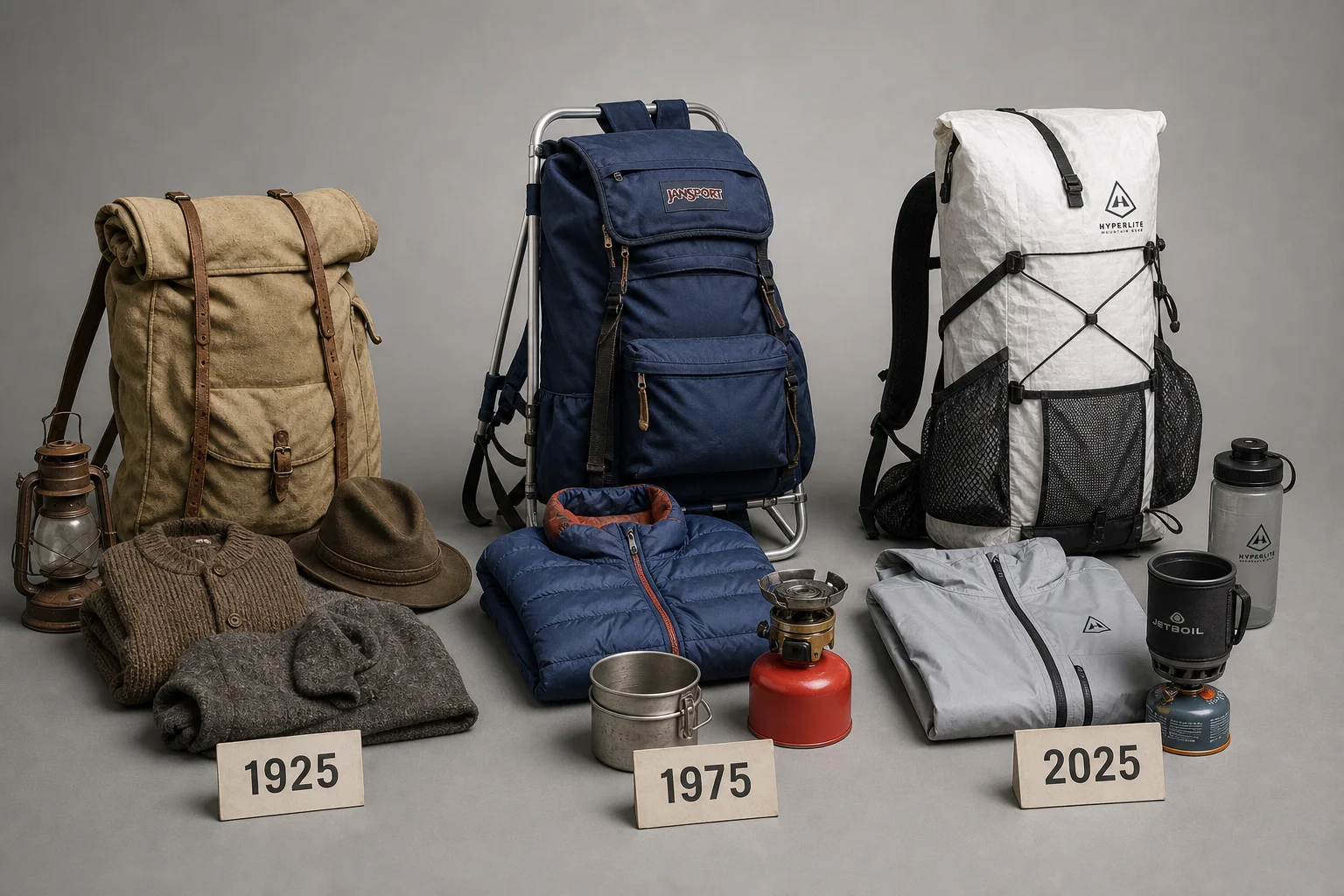
Outdoor Gear
Backpacking Gear Evolution: 100 Years of Technology Compared
We tested backpacking gear from 1925, 1975, and 2025 across a three-day hike in Yosemite. Here's how technology has transformed comfort, weight, and the outdoor experience.
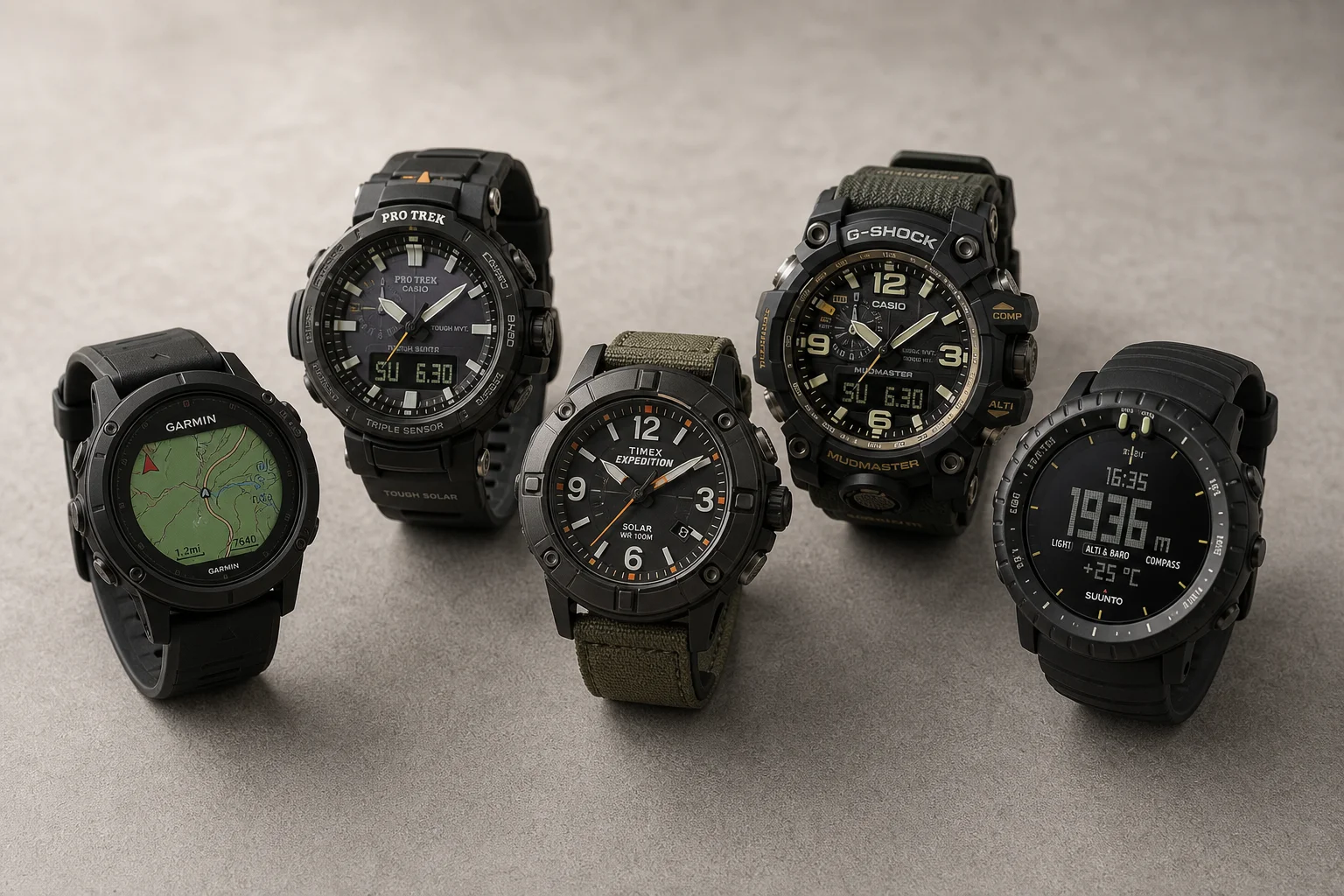
Outdoor Gear
Best Affordable Hiking Watches: Five Rugged Options for Outdoor Adventures
Five durable hiking watches that balance ruggedness, functionality, and value for outdoor enthusiasts who need reliable GPS tracking and weather resistance.
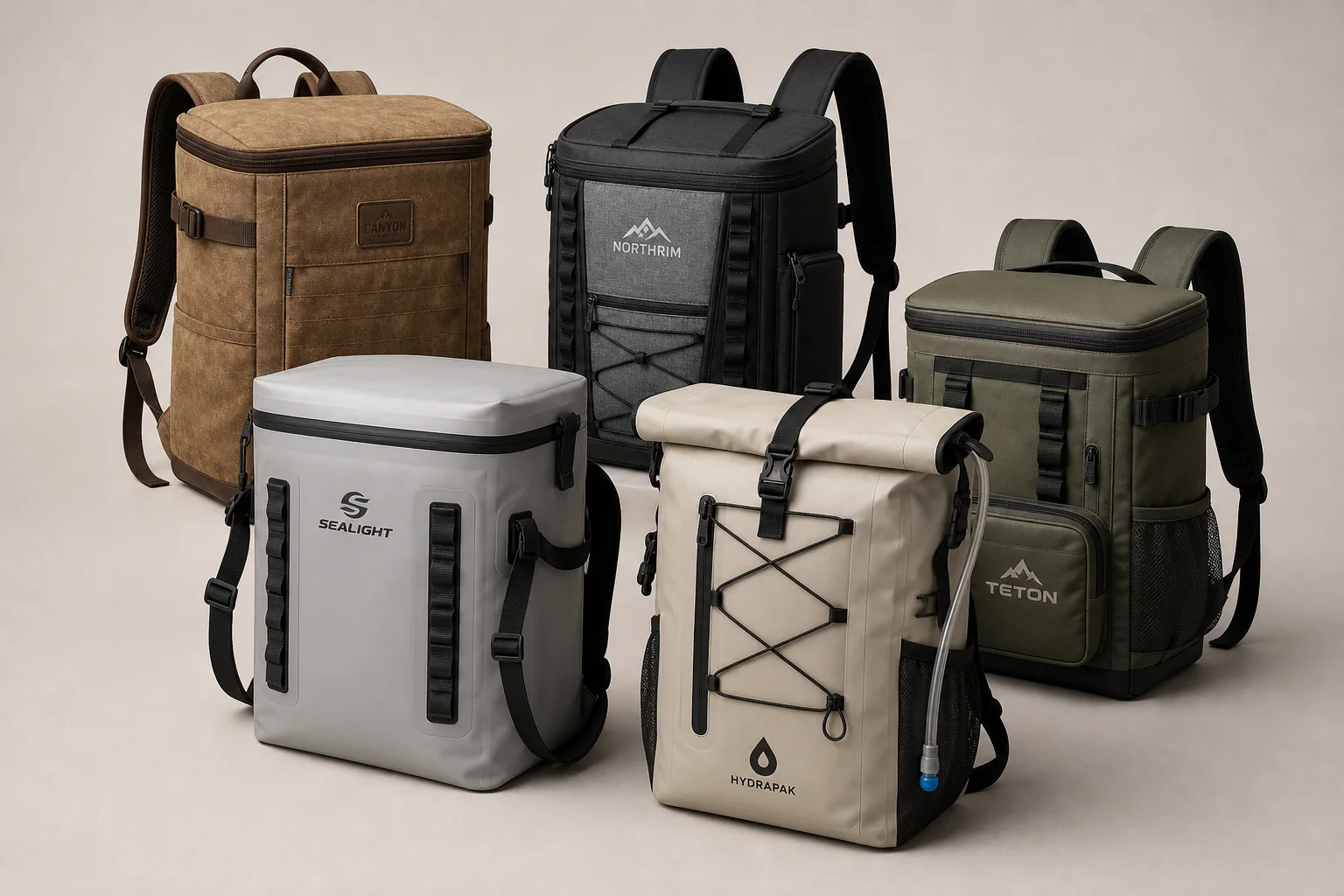
Outdoor Gear
Best Backpack Coolers 2026: Five Practical Options for Outdoor Adventures
Five backpack coolers with distinct cooling capabilities, storage features, and design trade-offs to help you choose the right one for your outdoor needs.