Outdoor Gear
Five Outdoor Gear Favorites for Backpacking, Biking and Trail Days
Five outdoor gear picks covering shelter, transport, insulation, footwear and footage, with the strengths and trade-offs of each.
Introduction
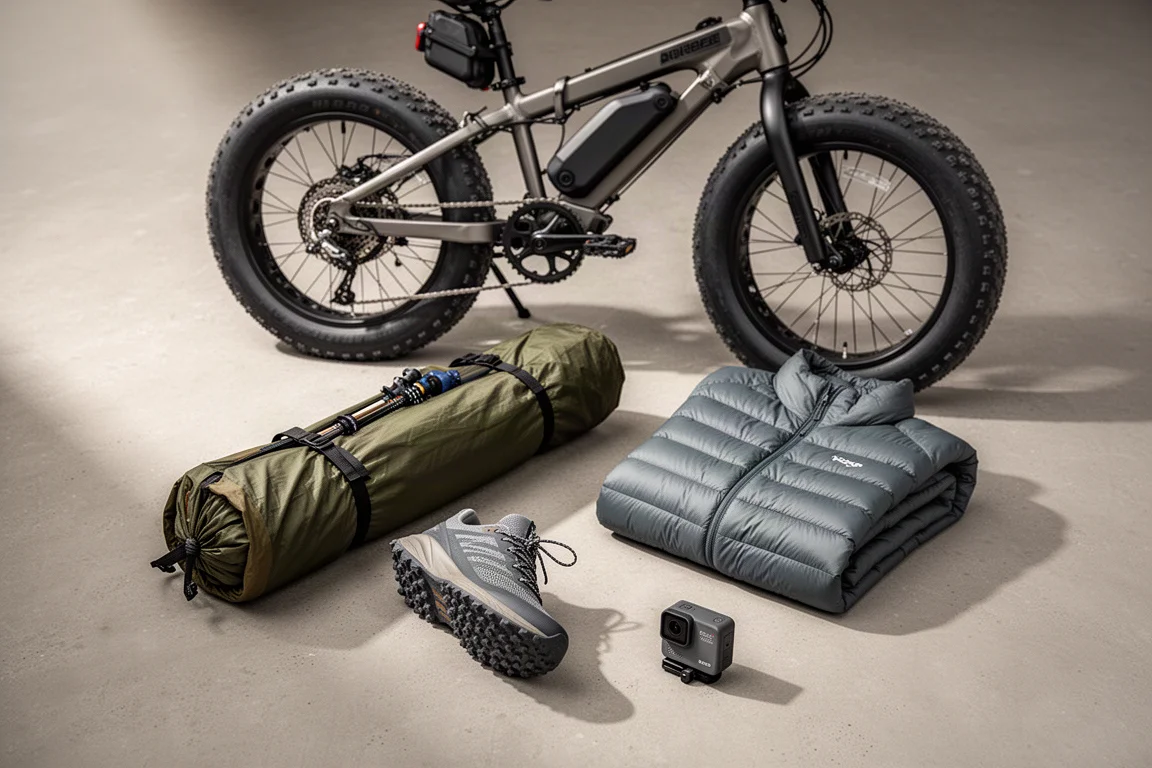
Gear that earns a permanent place in a pack usually does so for unglamorous reasons: it solves a real problem, it survives repeated use, and it does not cost more than the problem is worth. The five items below fit that description. They cover shelter, transport, insulation, footwear and footage, so they suit very different trips and very different budgets.
Each pick gets its own section below, with what it does well, the trade-offs worth knowing about, and the kind of buyer it makes sense for.
What These Picks Have in Common
Four themes run through this list. Value comes first: every item delivers more than its category usually offers at the same price. Weight and packability come second, which matters most for the shelter, the jacket and the camera. Durability comes third, because gear that fails on a trip is worse than gear you left at home. Versatility comes last, since the most useful items tend to work across several kinds of trips rather than one narrow use case.
That combination is a reasonable filter for any outdoor purchase. If something is affordable, light enough to carry, tough enough to last a few seasons and flexible enough to serve more than one activity, it is usually a better use of money than a specialist piece you will use twice a year.
3F UL Gear Lanshan Pro Tent: Ultralight Shelter Without the Ultralight Price
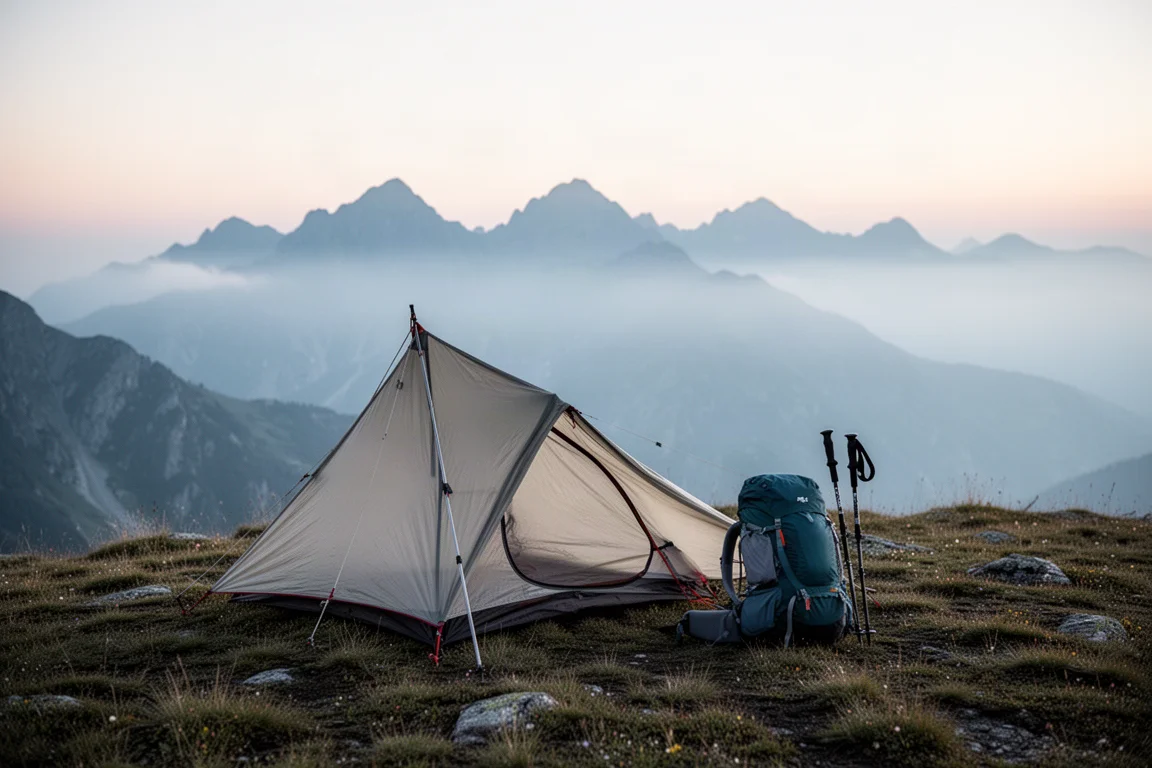
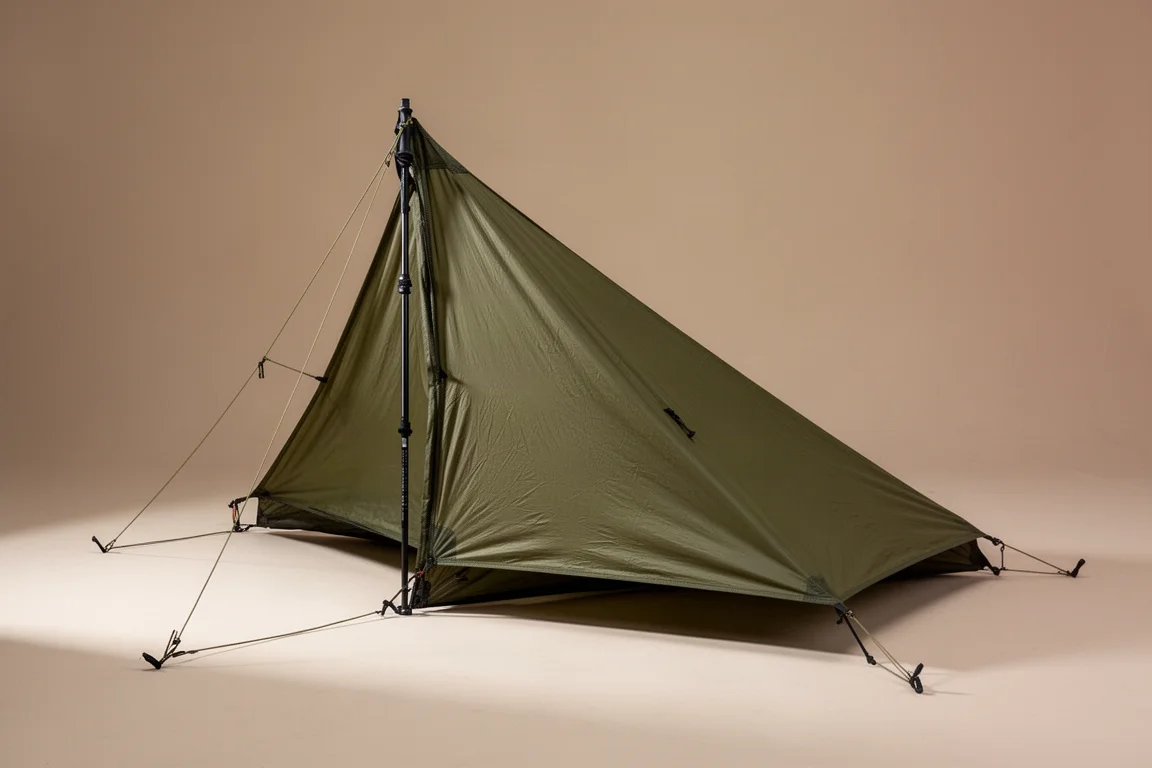
The Lanshan Pro is a single-wall trekking pole tent from 3F UL Gear, sold in one-person and two-person versions. Single-wall trekking pole designs are one of the lightest ways to get a fully enclosed shelter, and this one keeps the weight low without the price that normally comes with it.
Performance is where it stands out. A tent at this price invites the assumption that something has been cut, but the Lanshan Pro holds its own against far more expensive shelters, including Dyneema models and cottage-brand tents built from silnylon. The one-person version covers solo backpacking, while the two-person version handles trips with a partner.
Rad Power Bikes RadMini: A Folding E-Bike That Replaces Short Car Trips
The RadMini is a folding electric fat bike, and the folding frame is what makes it more than a novelty. Folded down, it fits into spaces a full-size bike will not, which enables a genuinely useful pattern: ride to the far end of a trail, leave the bike, hike back to the car, then ride the bike back to the trailhead.
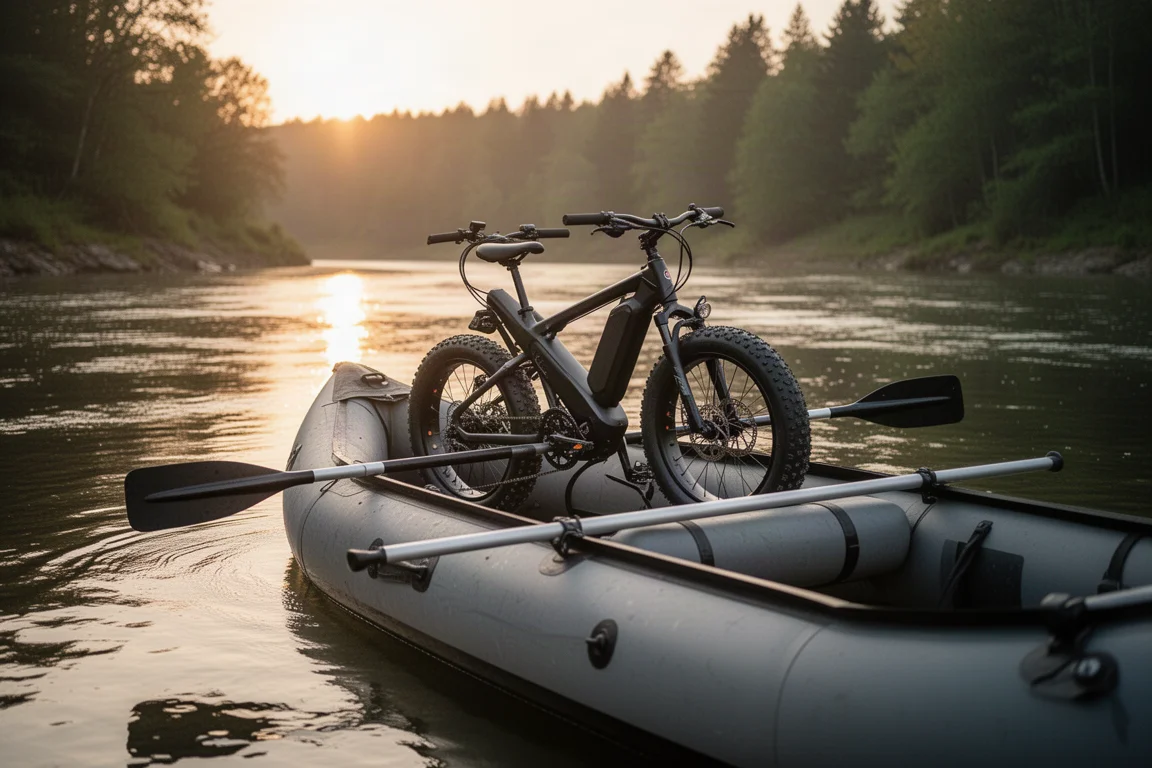
That self-shuttle approach is difficult to replicate any other way when travelling solo. The same folding trick works on water. Strap an inflatable canoe to your back, ride to the top of a river, fold the bike, and stow it in the boat for the paddle downstream.
Day to day, the RadMini also absorbs errands that would otherwise be short car journeys, from groceries to the gym. Riders who use it several times a week often find their driving drops sharply, and that is where the real value of an e-bike shows up.
Decathlon Trek 100 Down Jacket: The Best Value on This List
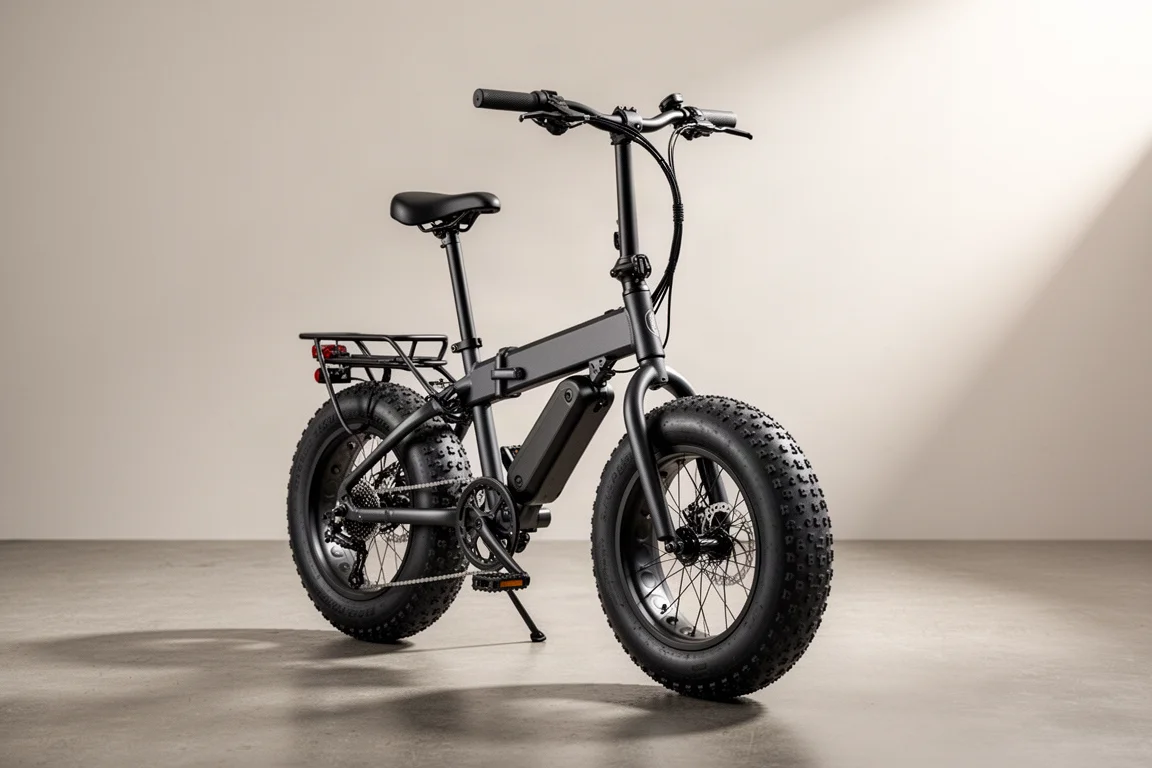
The Trek 100 is an ultralight down jacket from Decathlon, and at around $80 USD it is the clearest value proposition here. It performs like jackets that cost two to three times as much, which is unusual in a category where cheaper options normally cut corners on fill, shell fabric or both.
Two details matter as much as the price. The down is certified to the Responsible Down Standard, and the jacket is backed by Decathlon’s lifetime warranty against defects along with a one-year no-questions-asked policy. For three-season use, that mix of low weight, warmth and backing is hard to argue with. Decathlon also builds a winter-focused Trek 900 down jacket for colder conditions.
Topo Athletic Mountain Racer: Built for Technical Trails
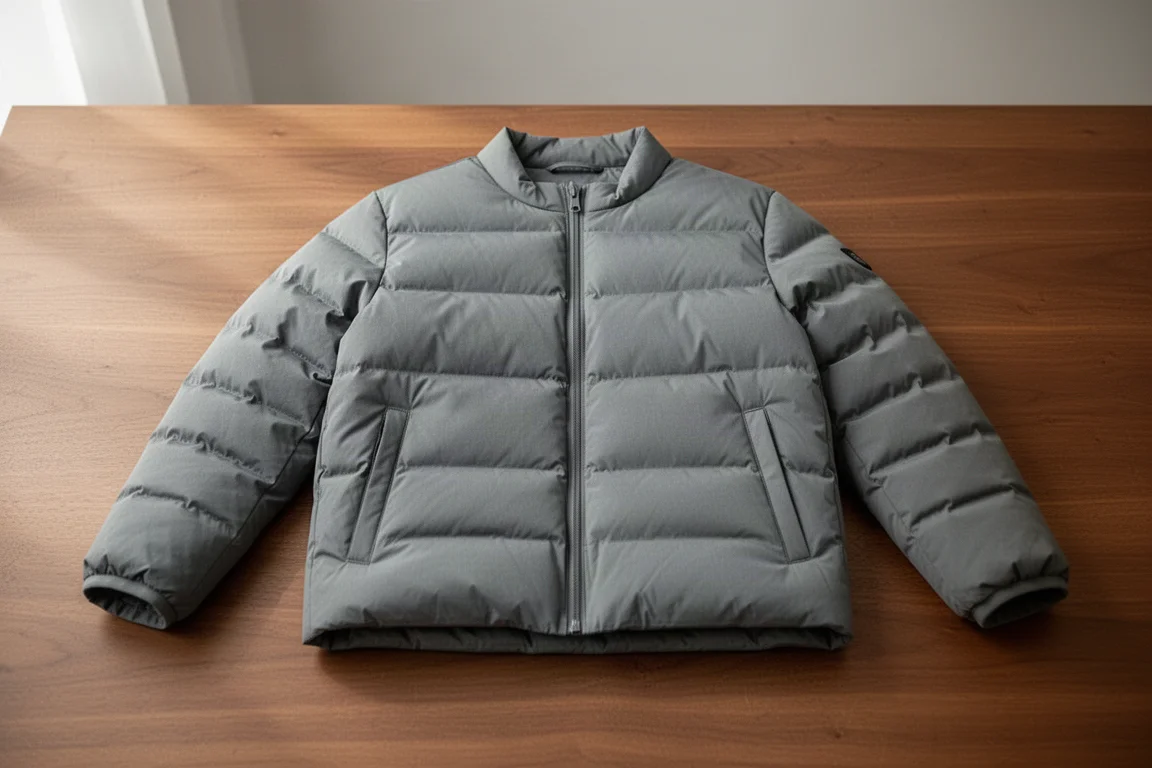
The Mountain Racer is a non-waterproof trail running shoe with a 5 mm drop and a wide toe box. The wide forefoot is a deliberate choice for long days on foot, giving toes room to spread on descents, while the 5 mm drop keeps the shoe closer to a natural stance than a heavily cushioned trainer.
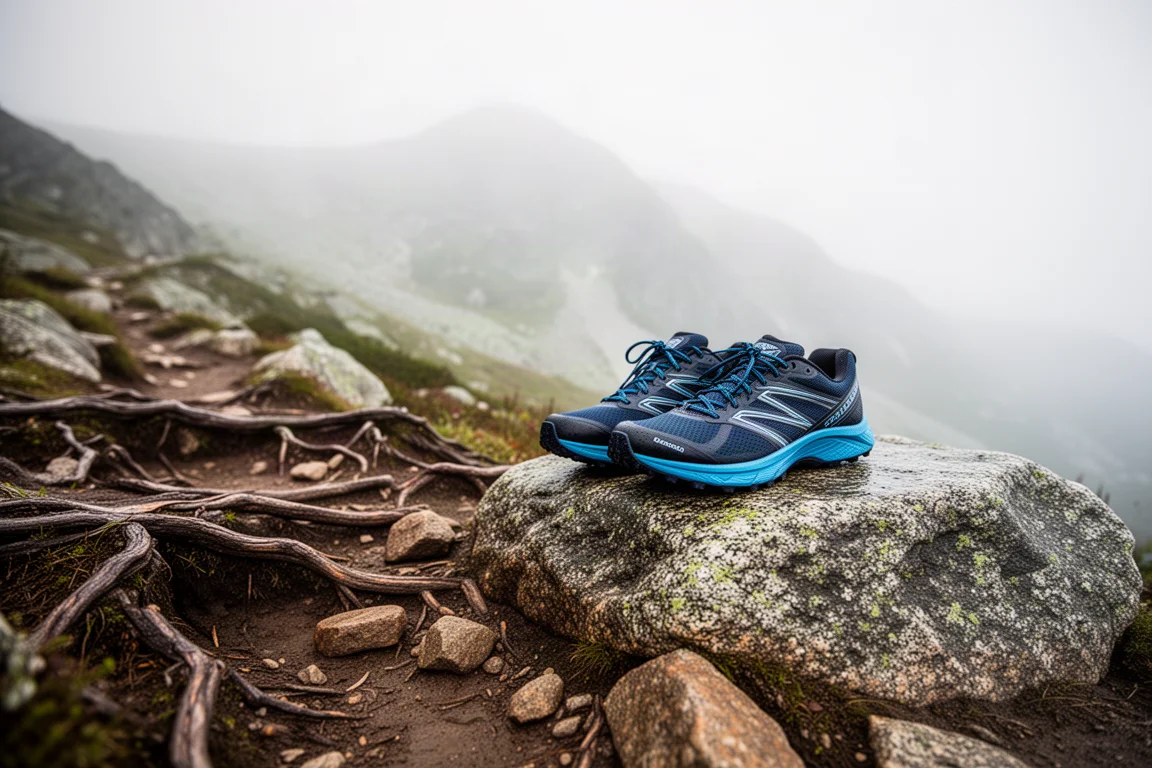
The outsole is Vibram MegaGrip, and it is the standout component: it holds well on rock, roots and loose ground, and it wears slowly. The Mountain Racer also rides a little firmer underfoot than softer trail shoes, which is exactly what makes it more stable and more predictable on technical, scrambly terrain. After a few hundred kilometres of use it has shown no meaningful signs of wear, which is the kind of build that suits a long-distance thru-hike.
GoPro Hero8: Small, Tough, and Easy to Mount
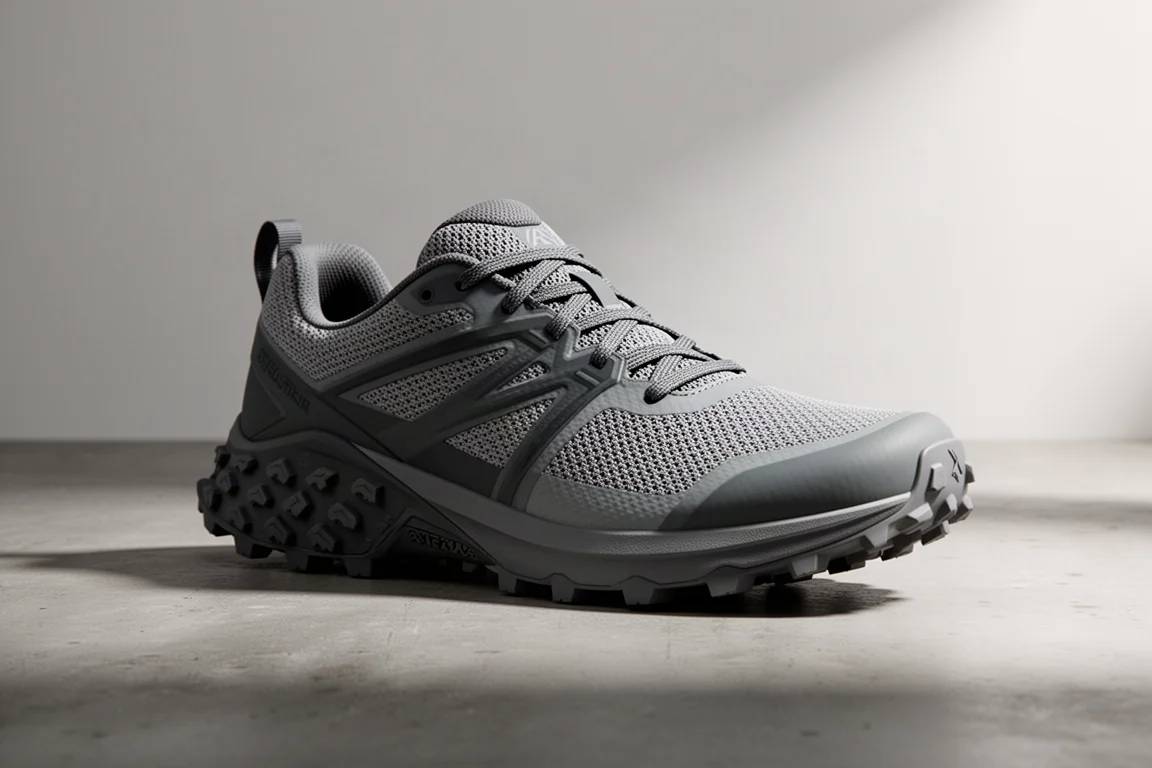
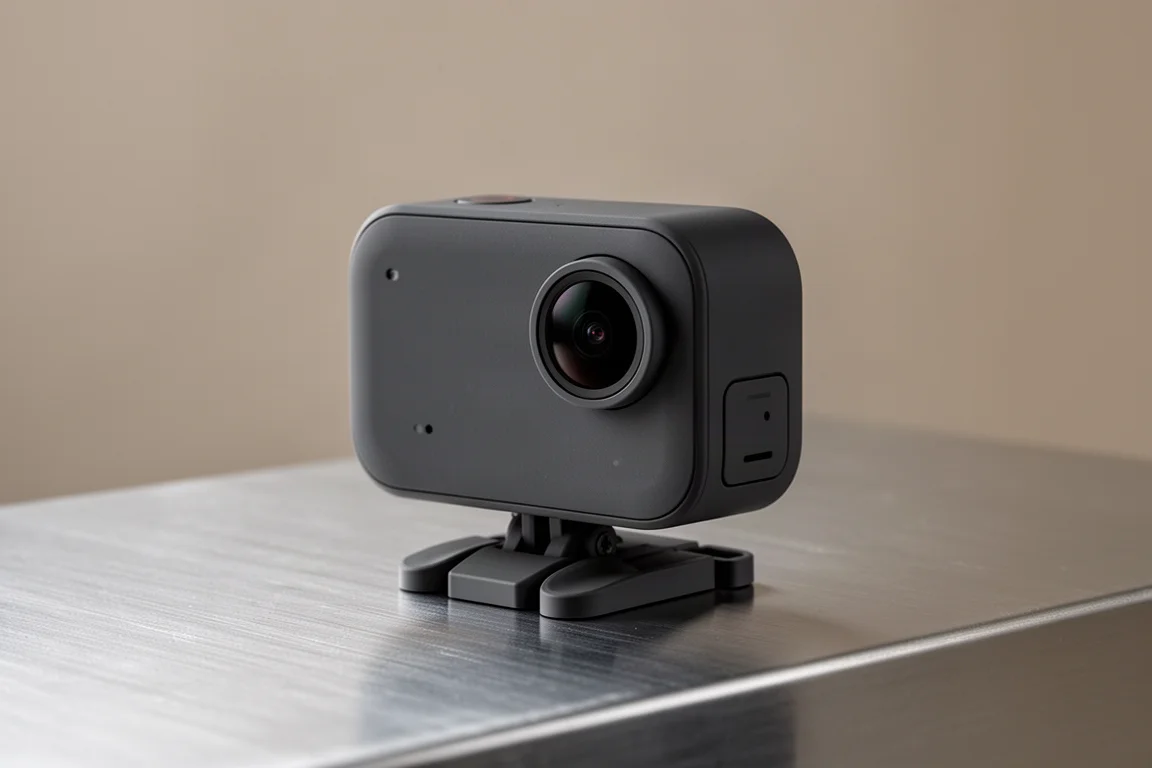
The Hero8 is a compact, waterproof action camera that needs no housing. The built-in folding mounting fingers let it attach straight to a mount, which sounds minor until you have used a camera that needs a case and an adapter for every position change.
Footage quality is a step up from earlier generations, and the audio holds up well outdoors. Wind noise is the usual complaint with any action camera, and stick-on wind screens placed over the speaker openings are a cheap fix that makes a noticeable difference. Compared with a phone, the Hero8 shoots better video, survives being dropped and thrown around, and costs a fraction of what a flagship phone does.
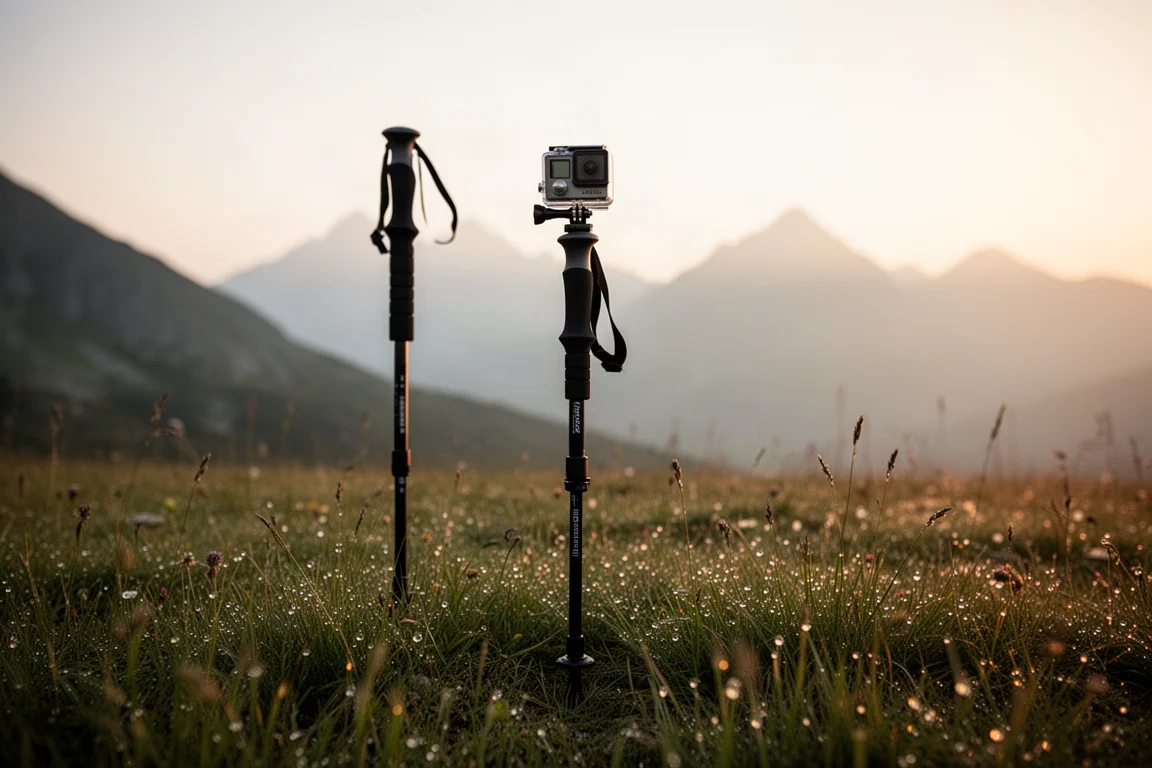
Mounting options are the other half of the appeal. A trekking pole with a tripod mount on top can double as a selfie stick or, planted in the ground, as a tripod, so you can leave the tripod at home.
How to Choose Which Piece to Buy First
Start with the problem you actually have rather than the gear you find most interesting. If pack weight is what limits you on longer trips, the tent is the highest-leverage change, since shelter is one of the heaviest items you carry. If short car journeys dominate your week and you want to reach trailheads without a second vehicle, an e-bike solves a logistics problem that lighter gear cannot.
Insulation is usually the cheapest meaningful upgrade. A down jacket at this price is an easy entry into three-season layering, and it carries the lowest risk of buyer’s remorse on this list. Footwear deserves more care, because trail shoes are highly personal: the wide toe box and firmer ride of the Mountain Racer suit some runners and hikers far better than others, so fit and terrain matter more than specs. The camera is the optional purchase, and it makes the most sense for anyone who wants durable, pocketable footage without putting a phone at risk.
Conclusion
Five different problems, five different answers. The Decathlon Trek 100 stands out as the best pure value, and it is the easiest pick here to recommend to almost anyone who spends time outdoors in three-season conditions. The Lanshan Pro covers shelter, the RadMini covers transport, the Mountain Racer covers technical trail days, and the Hero8 covers footage. Buy for the problem you have, and each of these will earn its place in your kit.
Further reading
Related Reviews
Outdoor Gear
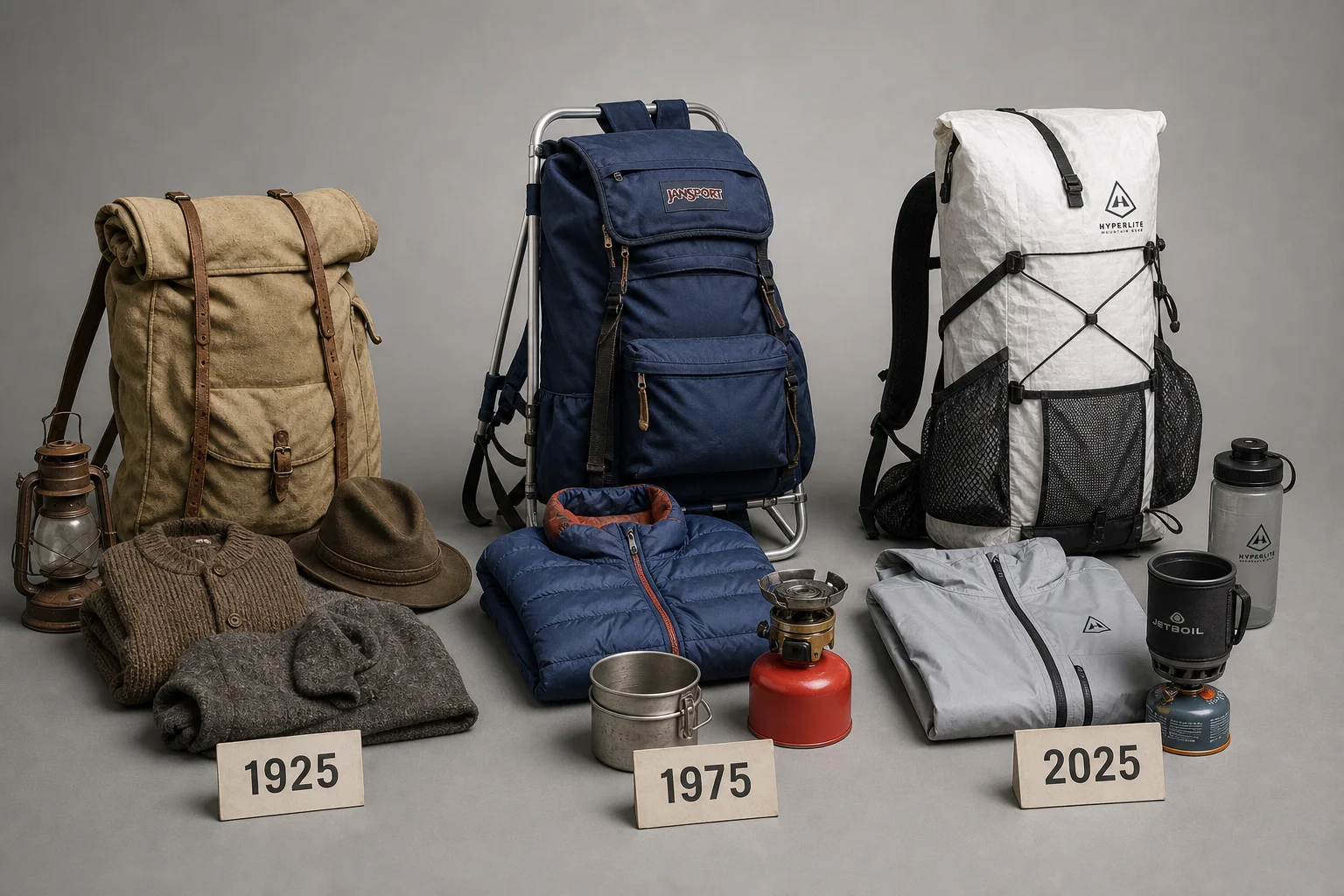
Backpacking Gear Evolution: 100 Years of Technology Compared
We tested backpacking gear from 1925, 1975, and 2025 across a three-day hike in Yosemite. Here's how technology has transformed comfort, weight, and the outdoor experience.
Outdoor Gear
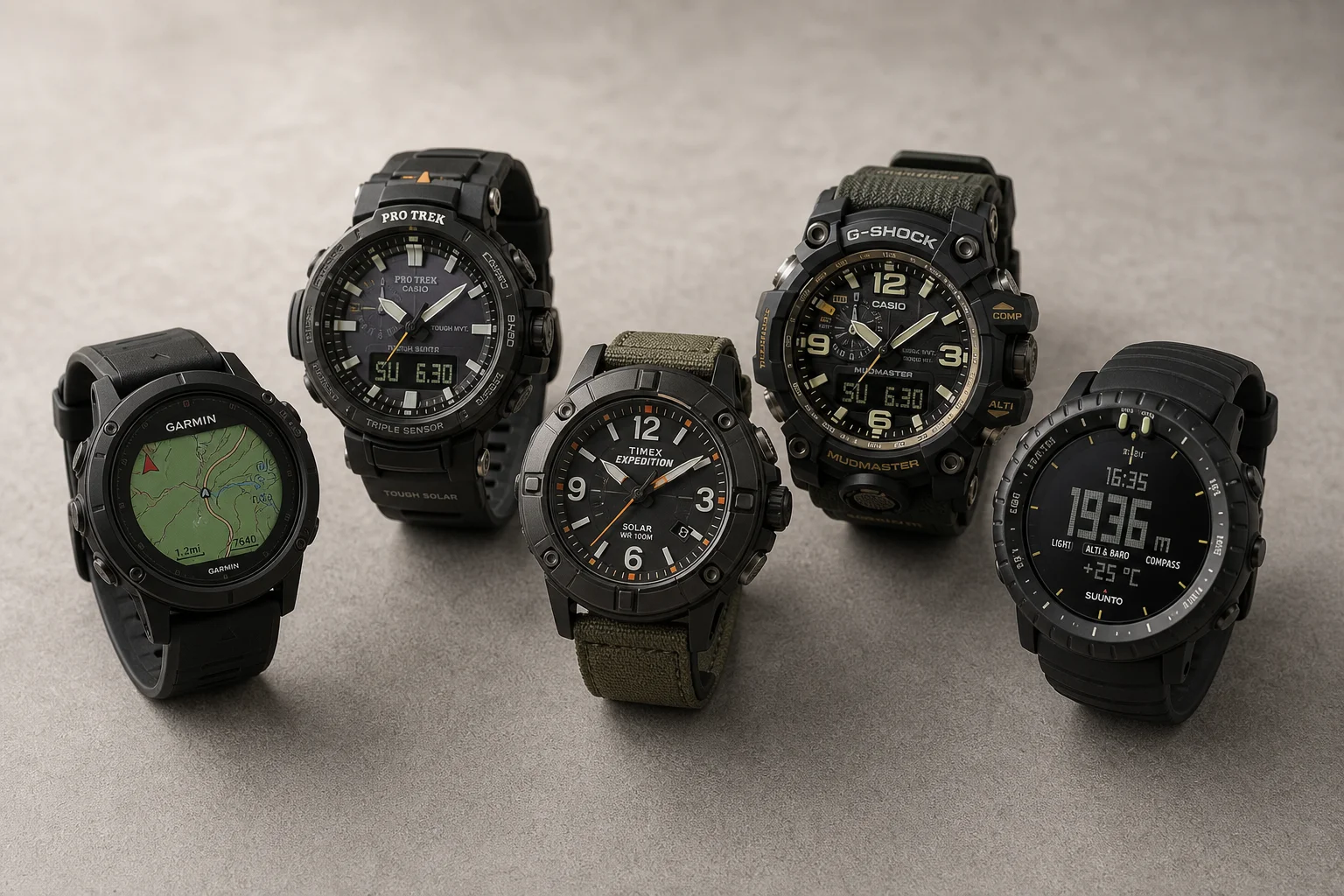
Best Affordable Hiking Watches: Five Rugged Options for Outdoor Adventures
Five durable hiking watches that balance ruggedness, functionality, and value for outdoor enthusiasts who need reliable GPS tracking and weather resistance.
Outdoor Gear
Best Backpack Coolers 2026: Five Practical Options for Outdoor Adventures
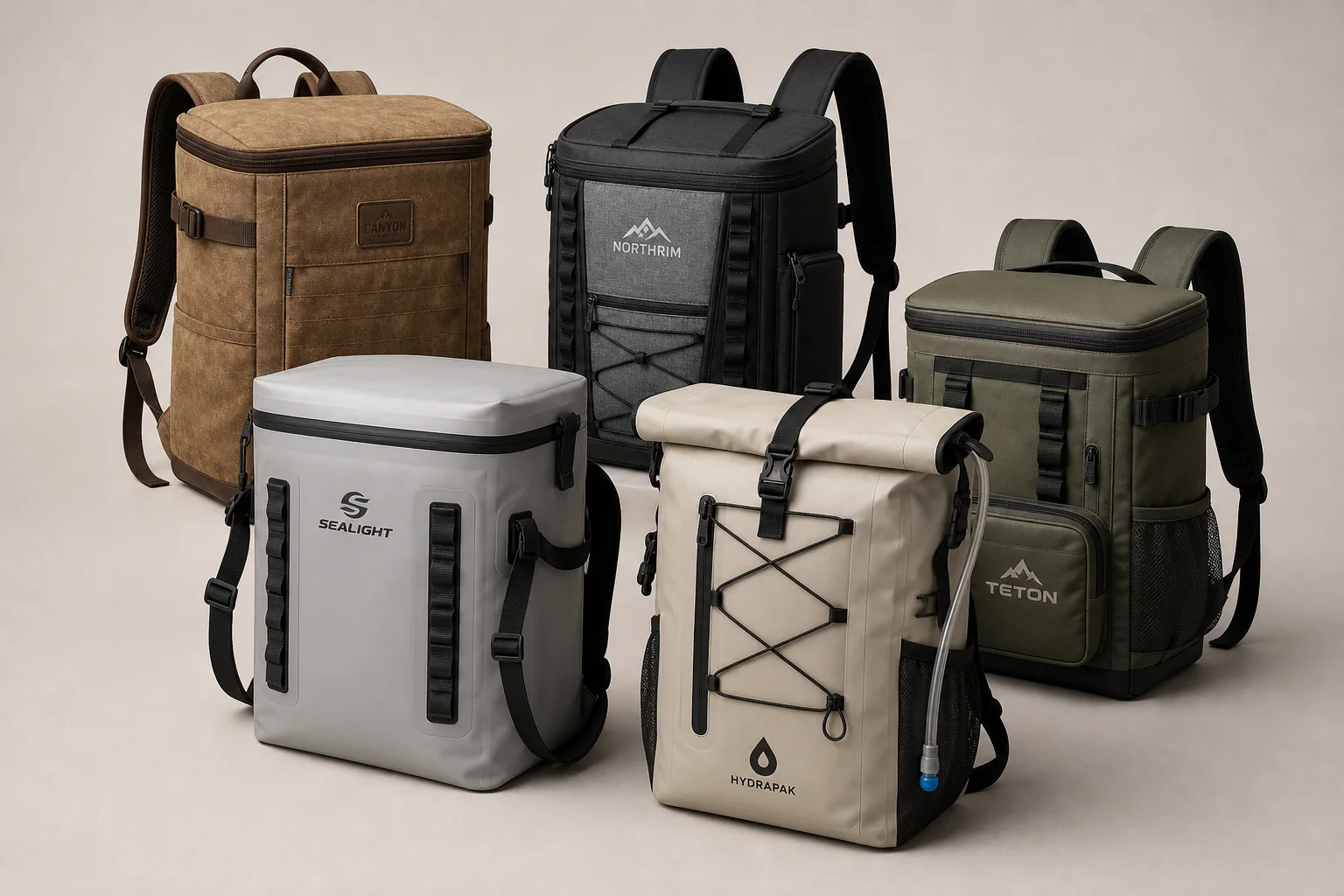
Five backpack coolers with distinct cooling capabilities, storage features, and design trade-offs to help you choose the right one for your outdoor needs.