Cookware
Our Place Always Pan Pro Review: A Promising Coating in a Familiar Wrapper
The Always Pan Pro introduces a titanium oxide NOCO coating that performs well, but design flaws, uneven finishing, and a $200 price hold it back.
Introduction
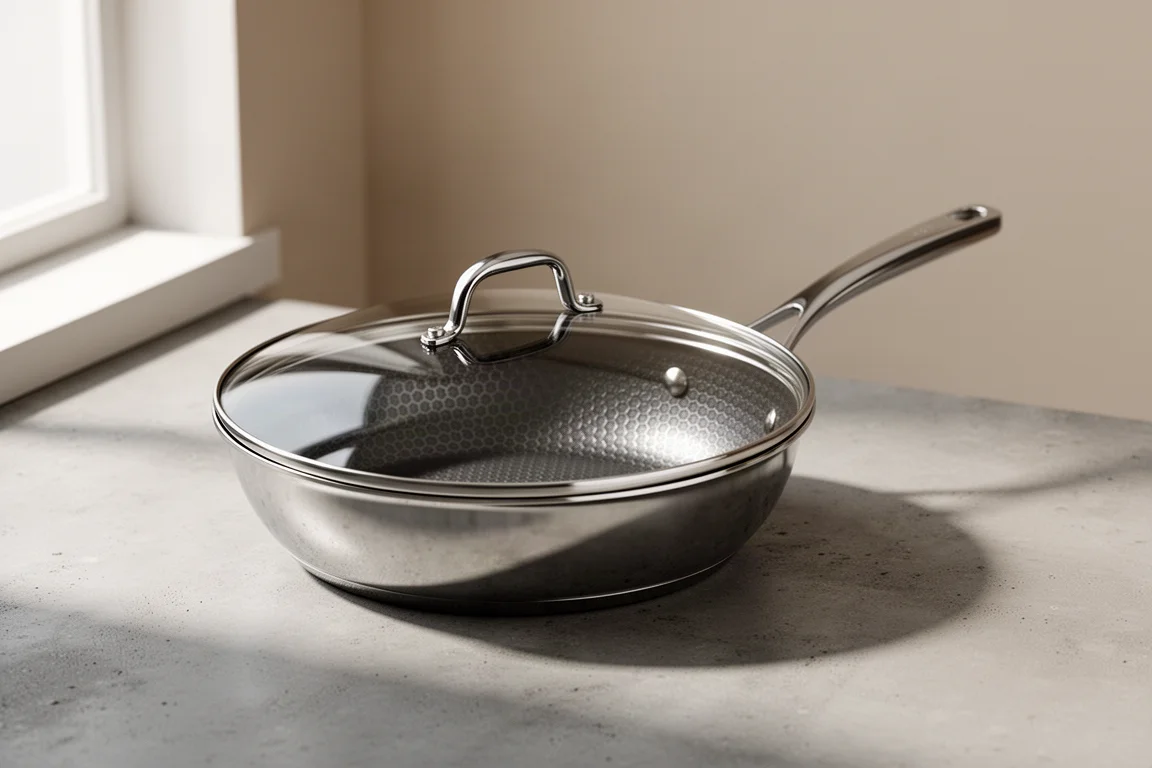
The Always Pan Pro is Our Place’s new flagship pan, and its headline feature is the NOCO coating, a titanium oxide based nonstick surface the company positions as a new breed of nonstick: free of the health concerns and fragility of PTFE, and longer lasting than the ceramic sol gel coatings used on its earlier pans. That pitch is genuinely interesting, and in early use the pan performs better than expected. But there are design decisions, quality control concerns, and marketing claims worth scrutinizing before you spend $200.
What the Always Pan Pro Is Not
First, it is not actually made of titanium. There is a tiny amount of titanium only in the nonstick coating; the pan itself is triply stainless steel construction. That construction is versatile and a clear step up from Our Place’s other pans, but shoppers seeing “titanium” on the product page should not assume the body is titanium.
Second, it is not comparable to Hestan Nanobond. The only real similarity is that both coatings are titanium based, which is a very broad category. Third, it is not HexClad despite the visual resemblance. The hexagonal shapes are actually different, and the materials differ: HexClad uses PTFE inside each hex, while this pan uses titanium oxide, a compound found in everything from frosting and whitener to sunscreen and paint. The key property is that titanium oxide is less sticky than stainless steel, though still stickier than PTFE.
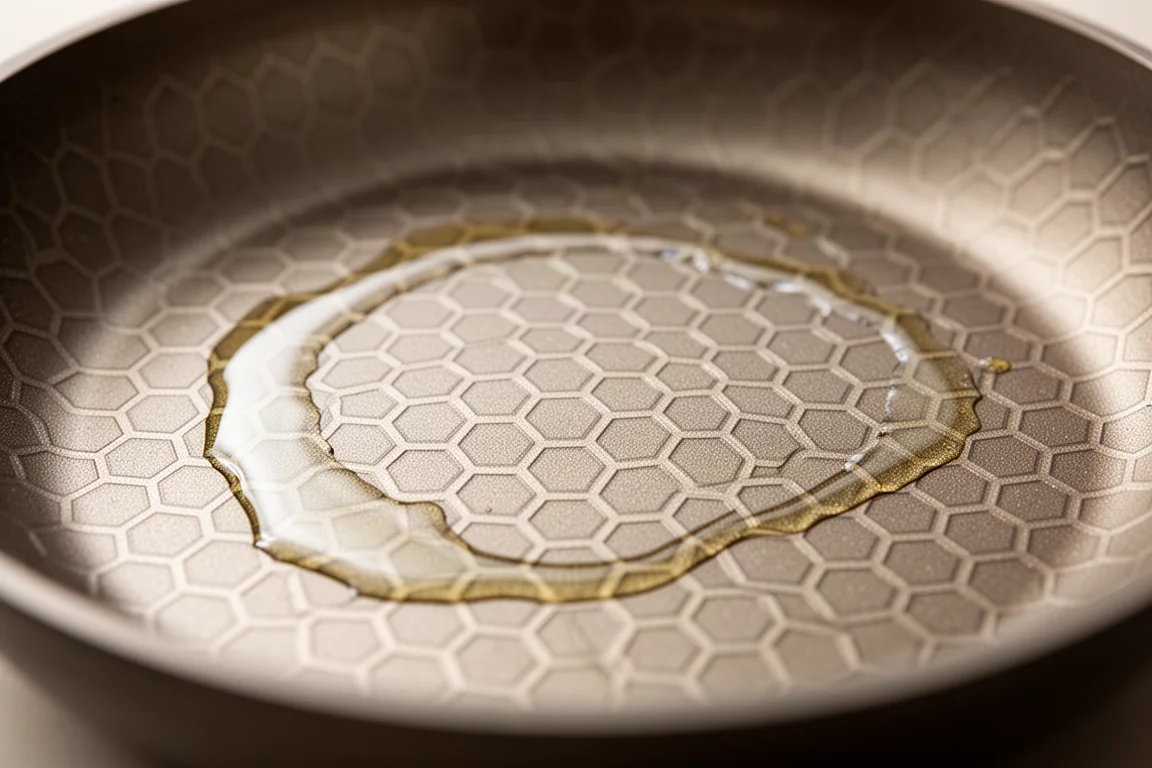
Fourth, and most surprisingly, it is not nonstick in the traditional sense. Our Place recommends using at least a teaspoon of high smoke point oil to activate the nonstick, and even suggests oiling the pan before storage. That is normal for carbon steel or cast iron, but unusual for a pan marketed as nonstick.
Performance: Surprisingly Good, With Caveats
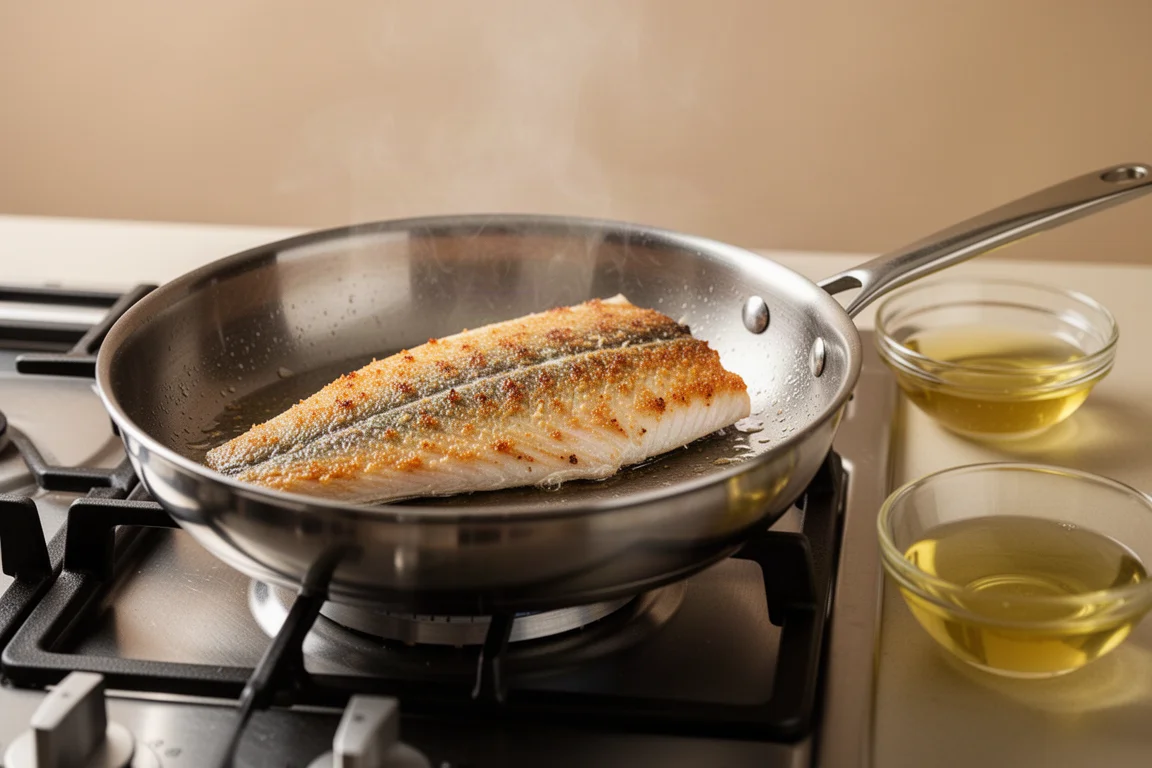
Early results were pleasantly surprising. Crispy rice dishes came out with a nicely crisped base, once perfectly and once with only minor sticking. Crispy skinned fish and reverse seared chicken thighs released with no sticking at all, and even a sunny side up egg and a French omelette worked well. That is genuinely impressive for a pan that needs fat and preheating to perform.
The concern is consistency. A close look at the surface shows an unevenly finished pattern: the texture is stretched and doubled in places around the edges, and there are bits of finish on the surface that were not properly removed. That level of quality control makes it hard to recommend with confidence, especially since the textured Lotus effect pattern is central to how the coating works.
Design and Build Quality
The design is where this pan stumbles hardest. It retains the same divisive Always Pan design, including the hole in the side of the pan, the attached spoon rest, and the accompanying wooden spatula. The triply stainless body did force some rework: the handles are now cast seamless steel welded directly to the pan body, slightly more rounded and more comfortable than before, with no paint issues. The hidden screw mechanism for the handle is a clever touch.
But the handles are extremely slippery when wet, and the lid is now made of very thin stainless steel, just 0.7mm thick. Across such a large surface that thin gauge feels flimsy. Worse, the rim is too short to seal a steam bender even with a towel, and the welded-on spoon rest prevents the classic workaround of sealing the pan with a sheet pan. That is a crucial functional flaw with no workaround.
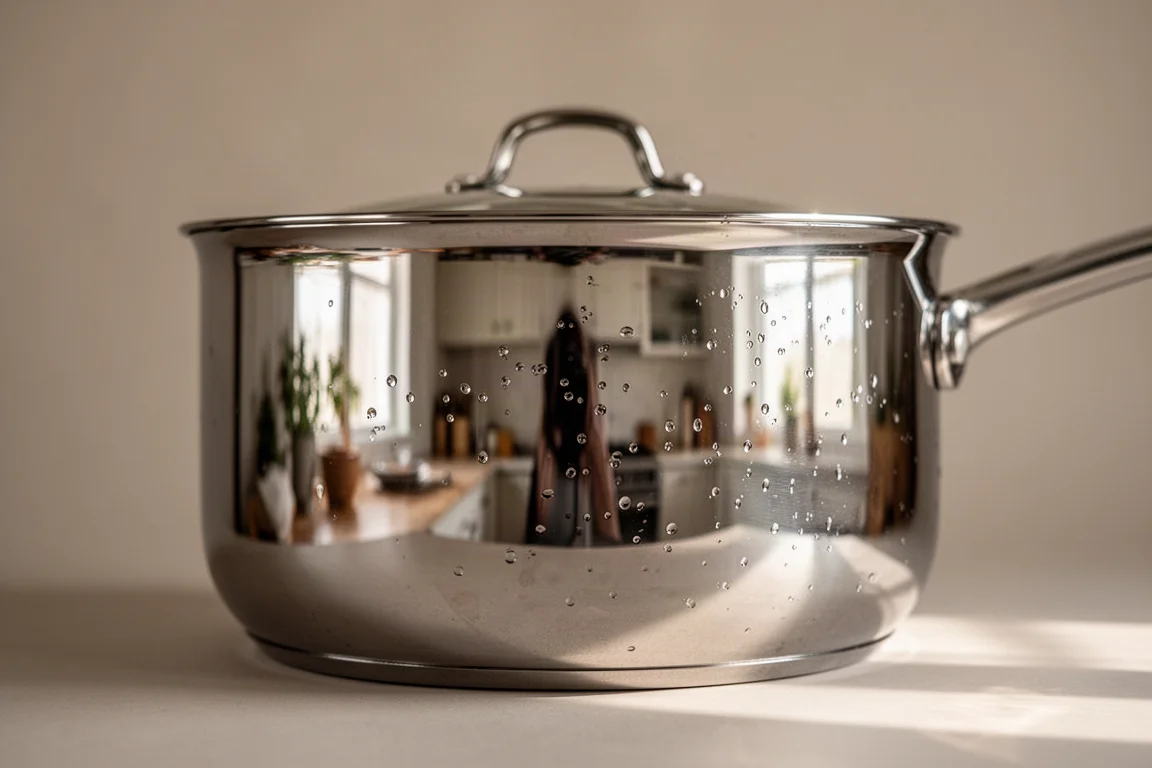
There is also the finish itself. The mirrored chrome shows off every water spot, and hard water makes it worse. It is a fingerprint magnet, and the huge domed lid reflects everything. For a brand built on aesthetics, shipping a finish that needs constant buffing to look half as good as it did out of the box feels out of character. If you can look past the chrome, the design score is still dragged down by everything else.
Materials and the NOCO Coating
The material story is the most interesting part. Where PTFE and ceramic sol gel coatings rely on chemistry to prevent sticking, the Always Pan Pro also uses a physical texture that induces the Lotus effect, a hydrophobic phenomenon a few infomercial-era pans have tried before, though none combined with a titanium oxide approach. That combination appears promising and does work.
Our Place advertises 3mm triply construction that extends all the way to the edge, which is uncommon and genuinely good. Still, open questions remain: the stretched pattern at the edges suggests the texture is applied before the pan is pressed into shape, which deforms precisely spaced geometry that is core to performance. And if food releases before it is fully cooked, only to require the preheat-and-oil process of regular stainless steel, it raises the question of whether the pan will degrade toward ordinary stainless performance over time. Longevity has always been the Always Pan’s weakness, and this score may need revisiting either way.
Things to Consider Before Buying
The oven safe claim is confusingly stated: the included care booklet says up to 575°F, while the website claims up to 1,000°F (or 750°F depending on finish). That inconsistency is not reassuring. The pan is metal utensil friendly, which makes sense given titanium oxide is harder than stainless steel, and it is dishwasher safe, having come through two cycles unharmed apart from visible water spotting.
Marketing is another consideration. The ad campaign makes “indestructible” claims through a paid celebrity chef endorsement, and professional cooks simply do not use pans the way home cooks do, so their experiences may not translate. The pan costs $200, which is a lot for a poorly finished, experimentally designed product, however promising the coating.
Buying Advice
For now, the advice is to wait. The NOCO coating is a licensed, patent pending technology rather than something Our Place owns outright, which suggests competitors with better manufacturing may adopt similar tech soon. If the coating proves durable over time, this approach could be the holy grail of accessible nonstick cooking. It just seems unlikely Our Place will be the brand to deliver it, given the recurring design and manufacturing issues across every Always Pan tested so far. At 3 out of 10, this is still the highest scoring Always Pan yet, which says as much about its predecessors as about this pan.
Conclusion
The Always Pan Pro is a genuinely weird pan: promising titanium oxide Lotus effect technology wrapped in questionable design, inconsistent finishing, and a $200 price tag. Early performance is strong, but longevity concerns and frustrating details like the unsealable lid and slippery handles make it hard to recommend right now. If you are drawn to the coating, it may be worth waiting for other manufacturers to adopt the same approach.
Product link
View more details for Our Place Always Pan Pro
This product is mentioned in the review. Check the specifications, options, and compatibility before buying.
View more details for Our Place Always Pan ProFurther reading
Related Reviews
Cookware
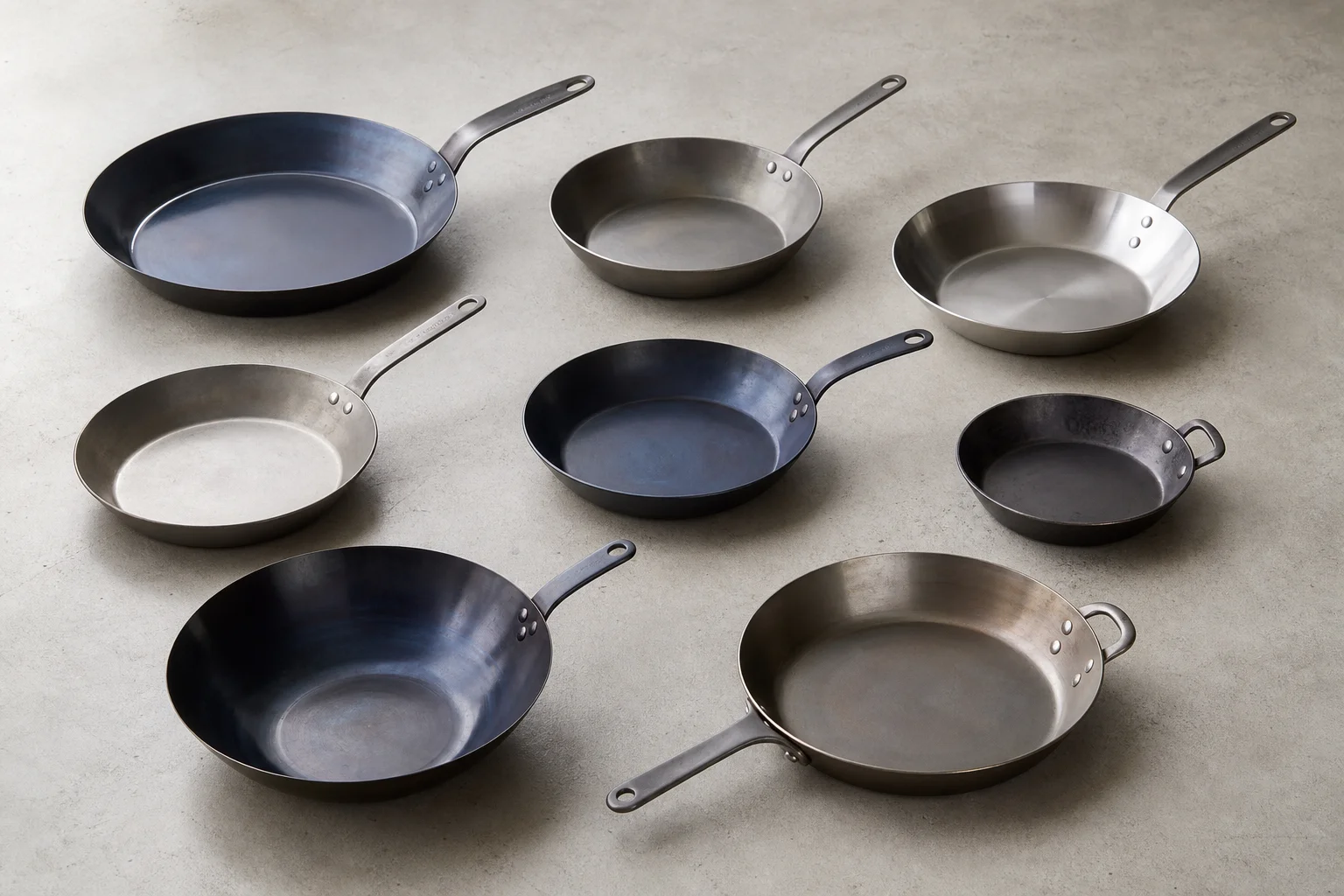
Best Carbon Steel Pans Tested: Which Brands Deliver Real Value
We tested eight popular carbon steel pans with controlled durability, heat, and cooking tests. Here's which ones perform best and which to avoid.
Cookware
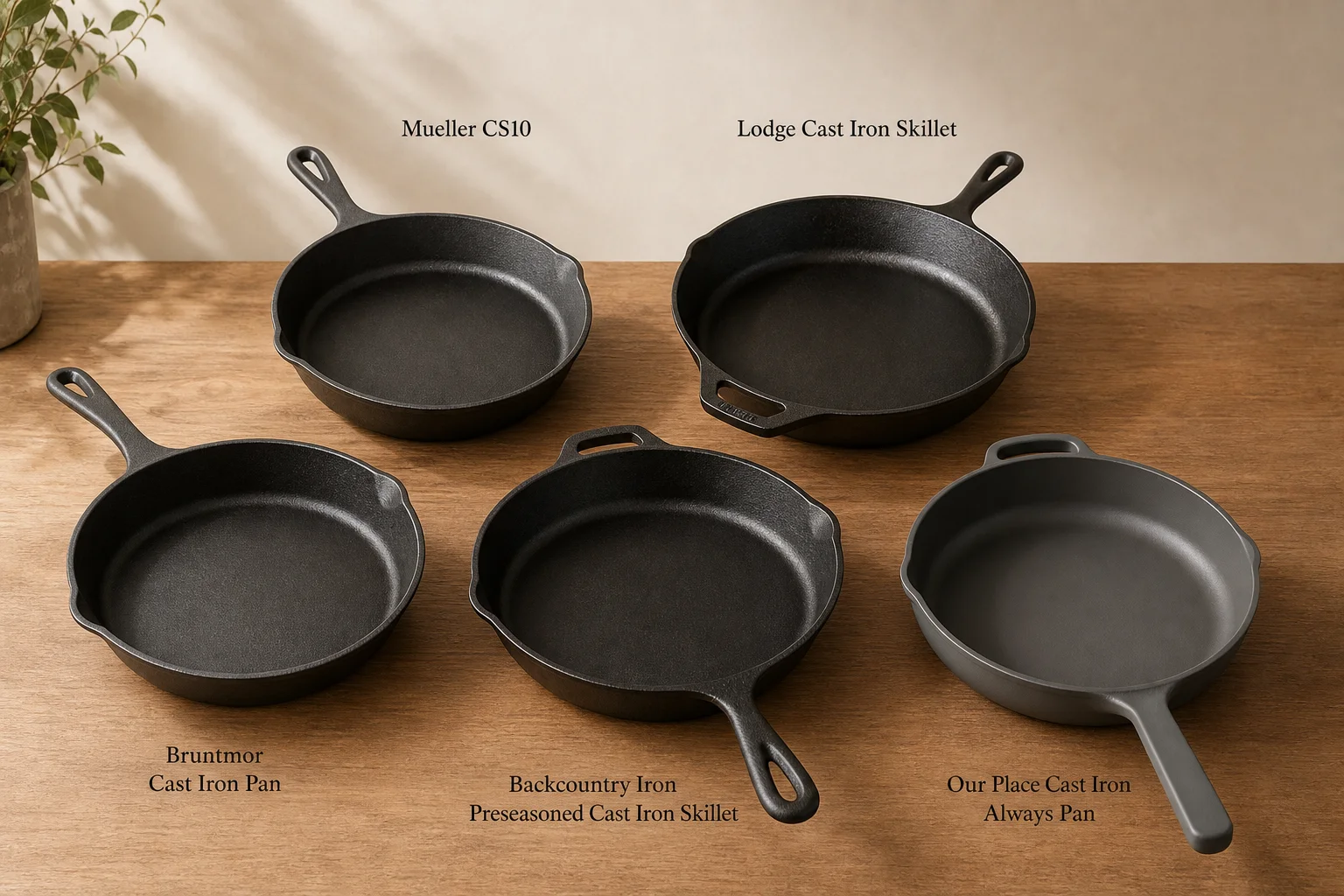
Best Cast Iron Pans 2026: Five Options from Budget to Premium
A practical breakdown of five cast iron skillets, from affordable Mueller to premium Our Place, with clear strengths and trade-offs for different cooking needs.
Cookware
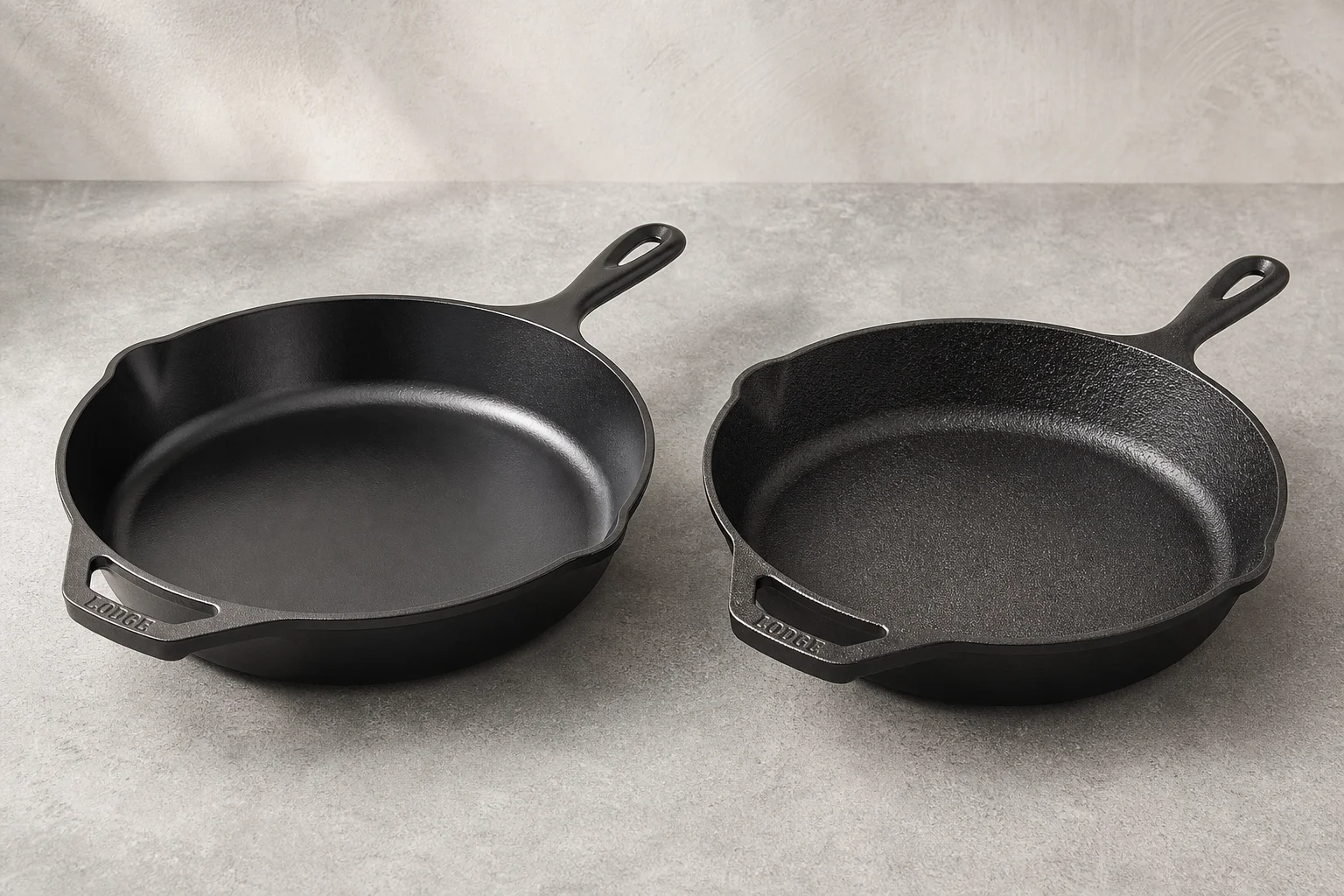
Best 12-Inch Cast Iron Skillets: Premium Craftsmanship vs. Reliable Budget Option
Two standout 12-inch cast iron skillets tested for heat retention, surface finish, and durability. One premium choice and one budget-friendly alternative that both deliver.