Automotive Tools
OTC Drain Plug Removal Tool Review: Why the Magnetic Oil Change Wand Beats the Budget Version
A simple magnetic drain plug remover that lets you spin out hot oil change bolts without digging around in the drain pan, and why the cheaper alternative falls short.
Introduction
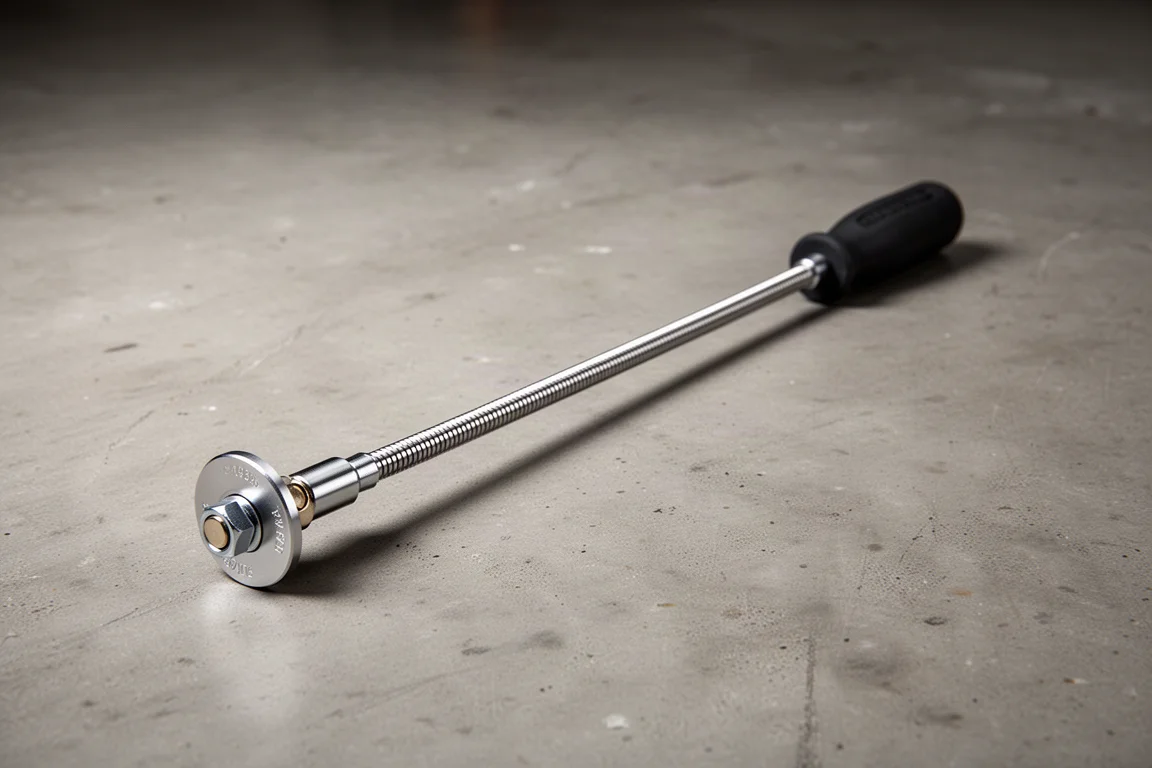
The OTC drain plug removal tool is one of those small products that changes a routine job more than most fancy tools do. It is a simple design: a captive set of walls for a hex bolt head, a neodymium magnet mounted on a flexible shaft, and a small handle. Once you crack a drain plug free with a wrench, you drop the tool on and can spin the bolt out by hand. The magnet holds the plug so it does not fall into the oil pan, and you never have to dig it out of the bottom of the drain container again.
This tool cost a little over 20 dollars on Amazon at the time of review, which made it one of the more expensive options in the category, but also one of the best built. In this review we compare it against a budget version that now sells for about six dollars to help you decide which is worth your money.

How the Tool Works
The idea is straightforward. Loosen the drain plug bolt with your normal wrench, then attach the magnetic tool to the bolt head. The captive walls keep the tool aligned with the hex, the neodymium magnet holds the plug, and the flexible shaft plus handle let you spin it the rest of the way out.
Because the magnet carries the plug, you can guide it straight into your oil collection container or pull it away cleanly. It also makes working with a hot engine practical, since you are not reaching into hot oil to fish out a loose bolt. That combination of grip, magnetism, and flexibility is what makes the tool so pleasant to use during regular oil changes.
Why the Cheap Alternative Falls Short
The budget version, made in China and available for about six dollars down from nine, shares the same basic parts: a flexible shaft, a neodymium magnet, and a single wall for the bolt head. Its magnet is riveted on rather than just glued, so it does not pop free the way some buyers report with other cheap units. It also has a solid shaft and a rubberized handle, so the basic build is not bad for the price.
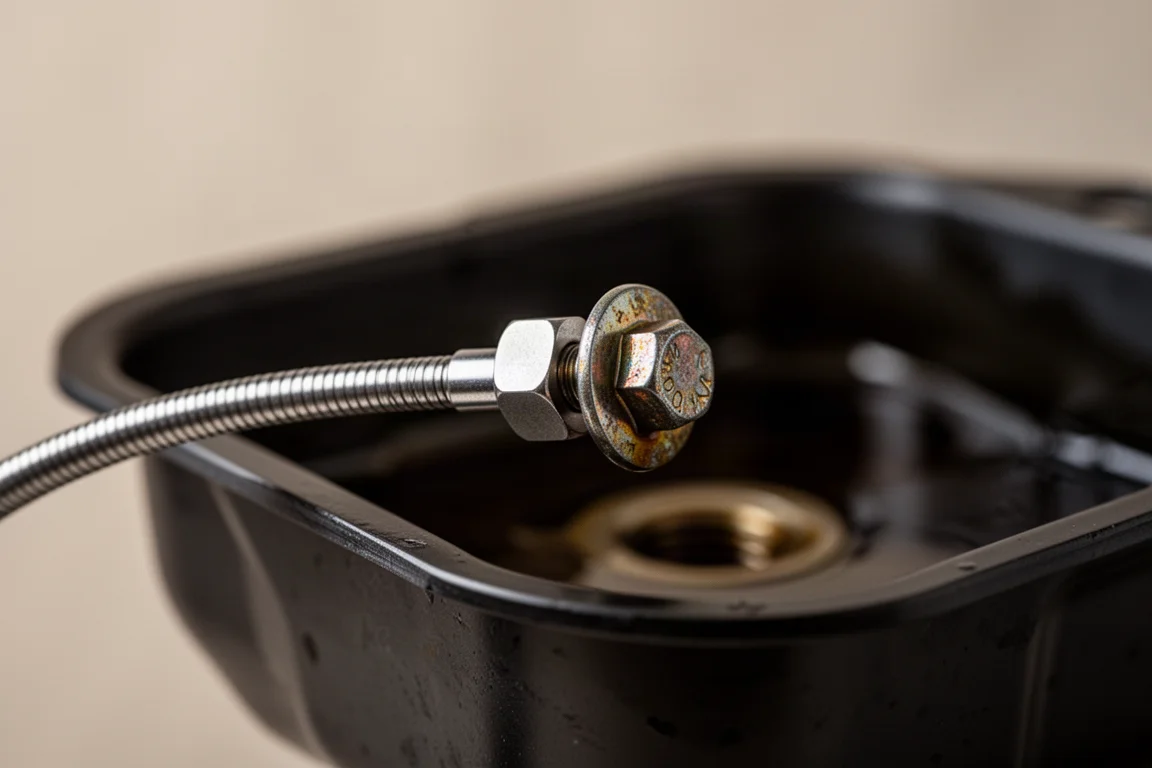
The problem is the wall height. On the budget tool, the single wall is noticeably taller relative to the bolt head than on the OTC. That means when you grab a bolt near the edge, the wall can hit the bolt at an angle and leave a gap, so the tool sits off kilter instead of seating properly. On shorter bolts the problem is even more prominent.
The practical result is weak torque transfer. With the OTC tool, grabbing a bolt causes the tool to bind up because the walls grip well. With the cheap one, the tool can just spin freely around the bolt head without much force, and on some bolts it can pop off entirely. On flat, low bolt heads it grabs better, but across a range of plugs it does not offer much force unless the bolt is already very loose.
What the Budget Version Gets Right
To be fair, the cheap version is not worthless. The magnet does hold on, the shaft is solid, the handle feels fine, and for six dollars it might get you started. If your drain plugs happen to be flat and low-profile, it can work reasonably well.
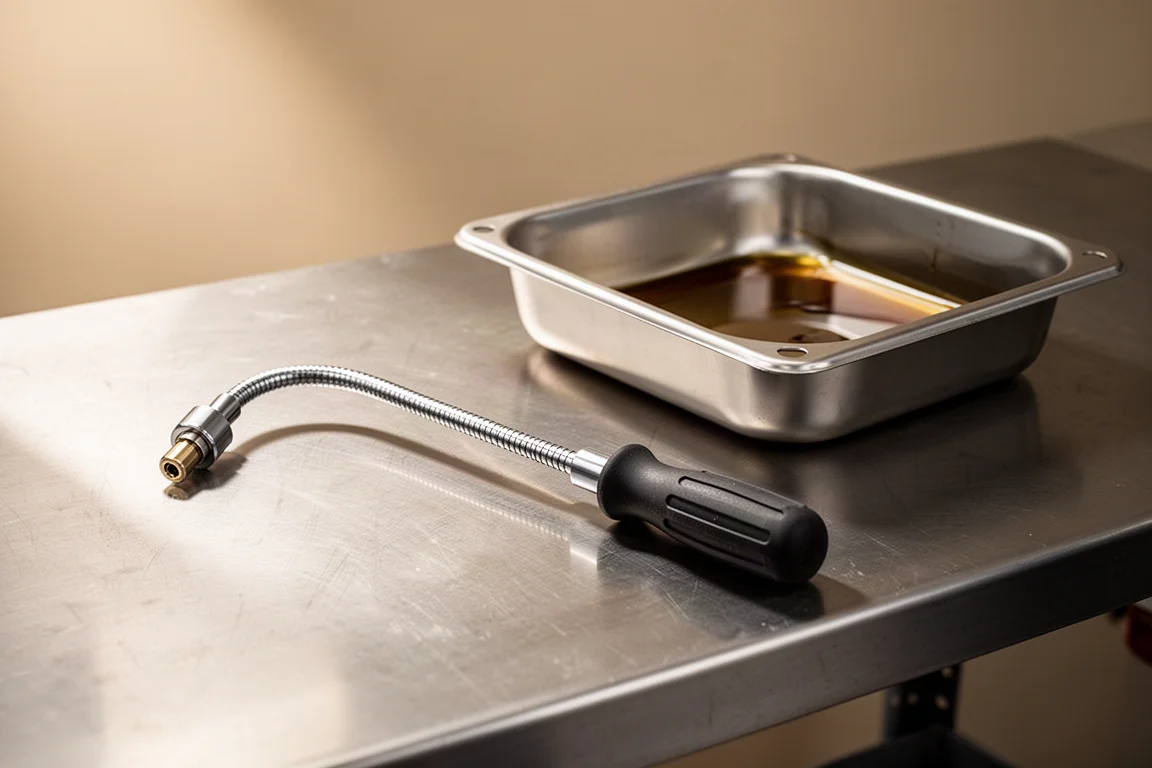
But it is a compromise. If you only want to try the concept once, the low price makes sense. If you plan to do more than a handful of oil changes, the poor grip means you will likely end up buying the better tool anyway.
Buying Advice
If you are unsure whether you will even use a tool like this, the temptation is to buy the cheapest option. That is a trap here, because a poor experience with a weak-gripping version may put you off a tool that actually works very well. Spending a little more on the OTC means the tool seats properly on the bolt, transfers force reliably, and makes every future oil change easier.
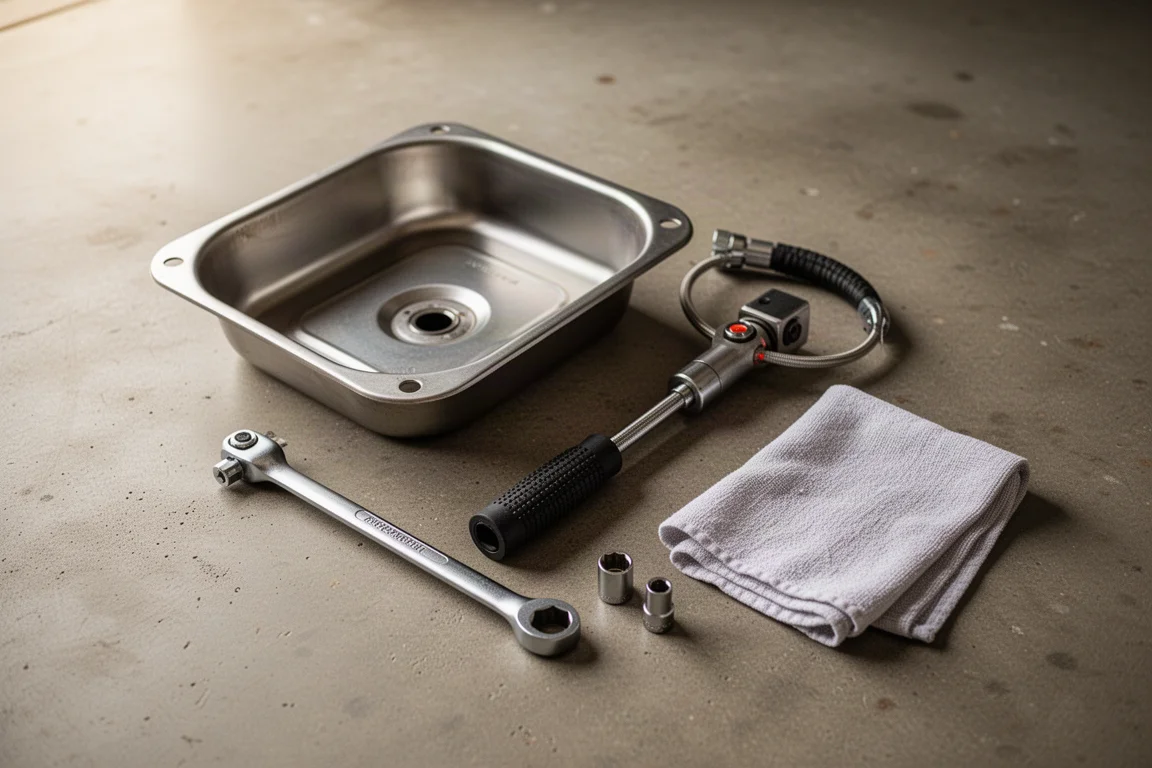
For occasional use on forgiving bolt heads, the six-dollar version can serve as a low-risk experiment. For anyone who changes oil regularly, the OTC is the clear recommendation: it costs a little over 20 dollars, it is better built, and it delivers the experience the product category promises.
Conclusion
The OTC drain plug removal tool does one simple job and does it very well: it holds your drain plug with a strong neodymium magnet, lets you spin it out without a fight, and keeps it out of the oil pan and off your hands. The cheaper alternative shares the design but not the execution, with a tall wall and loose grip that let bolts spin free. If oil changes are part of your routine, go for the better-built tool and enjoy the difference every time.
Product link
View more details for OTC Drain Plug Removal Tool
This product is mentioned in the review. Check the specifications, options, and compatibility before buying.
View more details for OTC Drain Plug Removal ToolFurther reading
Related Reviews
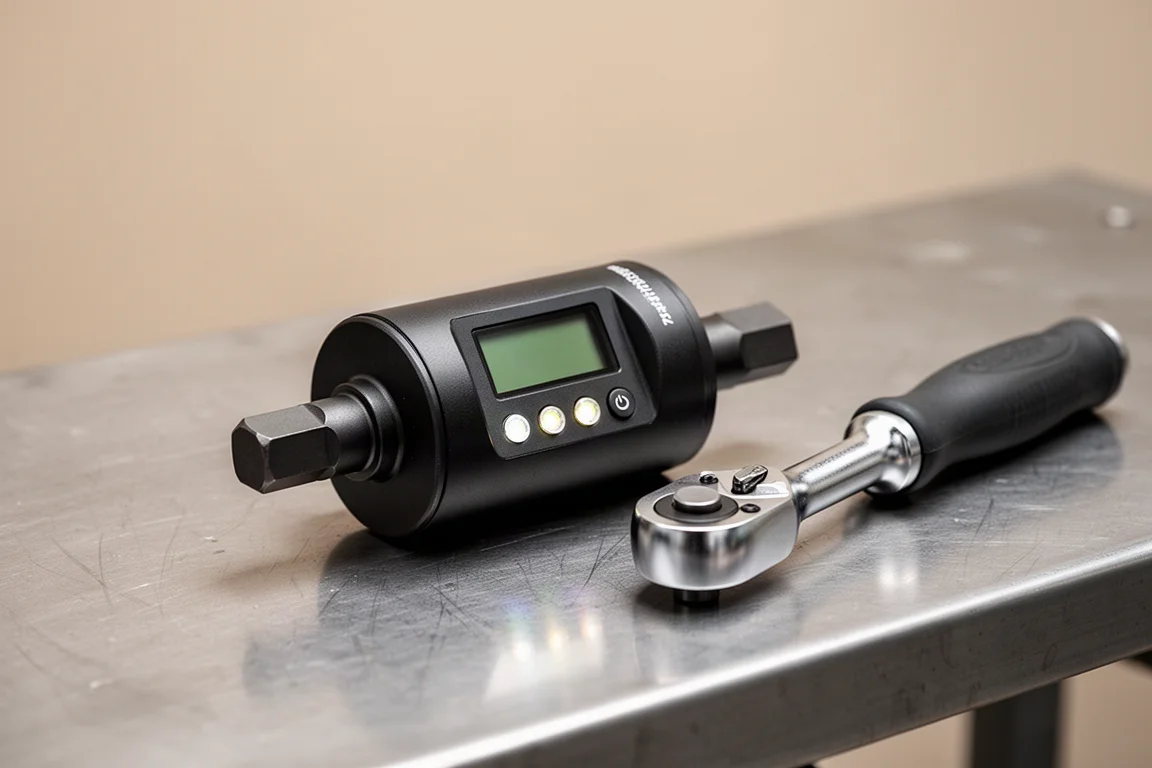
Automotive Tools
ALAIAL 1/2" Digital Torque Adapter Review: Turn Any Ratchet Into a Precision Tool
A practical look at the ALAIAL 1/2" digital torque adapter, an affordable way to add torque measurement to your existing ratchet.
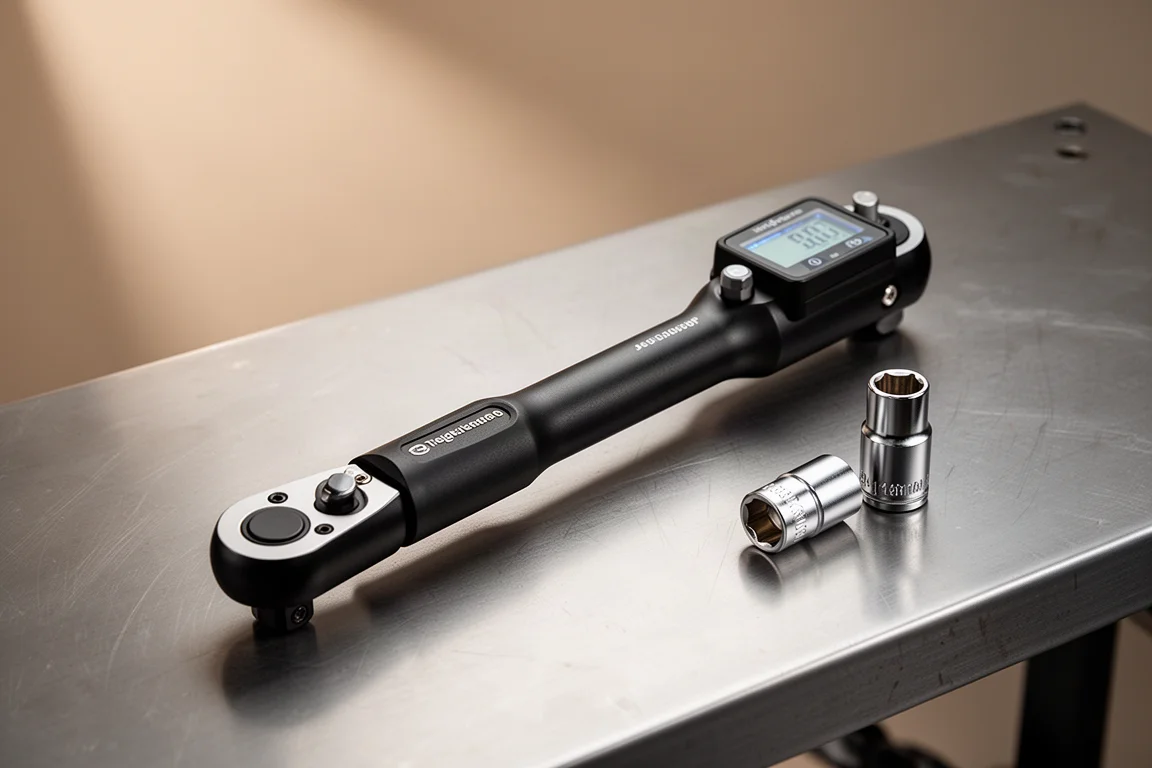
Automotive Tools
ALAIAL 3/8" Digital Torque Wrench Review: Accurate Fastening Made Simple
A practical look at the ALAIAL 3/8" digital torque wrench, covering its features, ease of use, and real-world performance for vehicle maintenance.
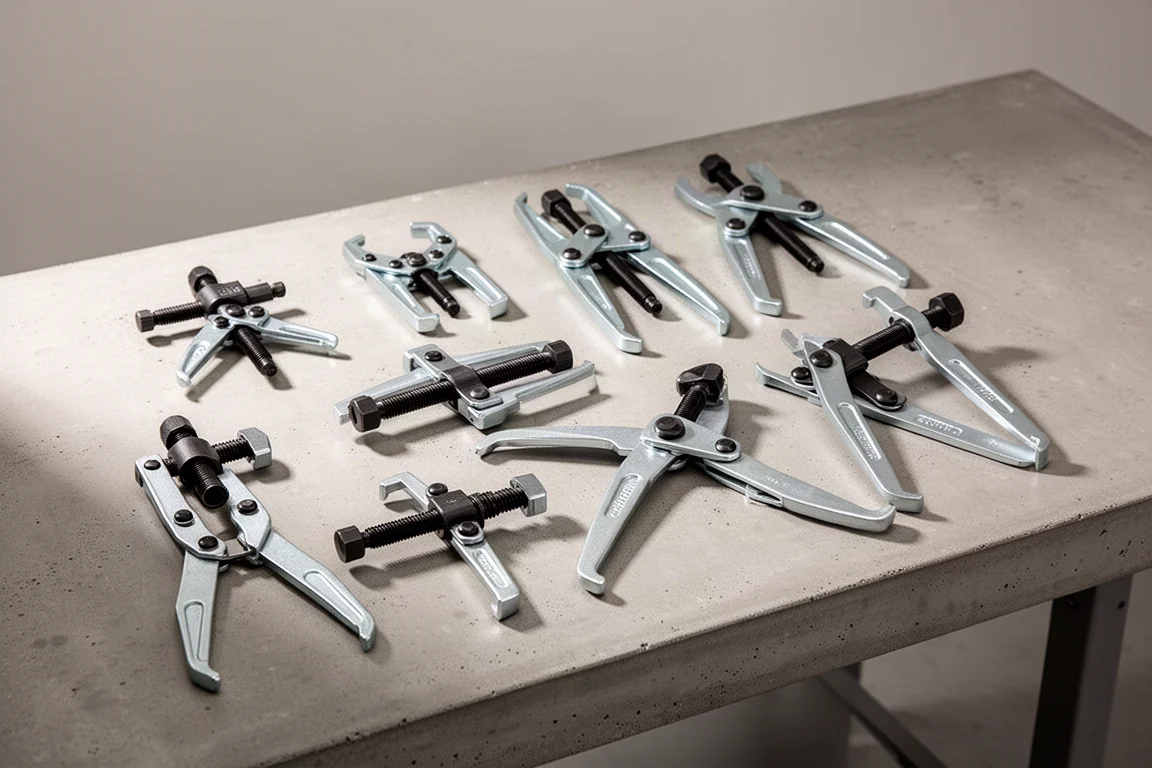
Automotive Tools
Best Gear Pullers 2026: 2-Ton and 5-Ton Options Compared
We compared nine gear pullers across 2-ton and 5-ton classes to see how design, build quality, and price affect real-world pulling performance.