Backpacks
Osprey Unlimited Backpack Review: 3D-Printed Comfort at a Premium Price
A detailed look at the Osprey Unlimited backpack, from its 3D-printed lumbar support and ventilated back panel to the $700 price tag and the small details that matter.
Introduction
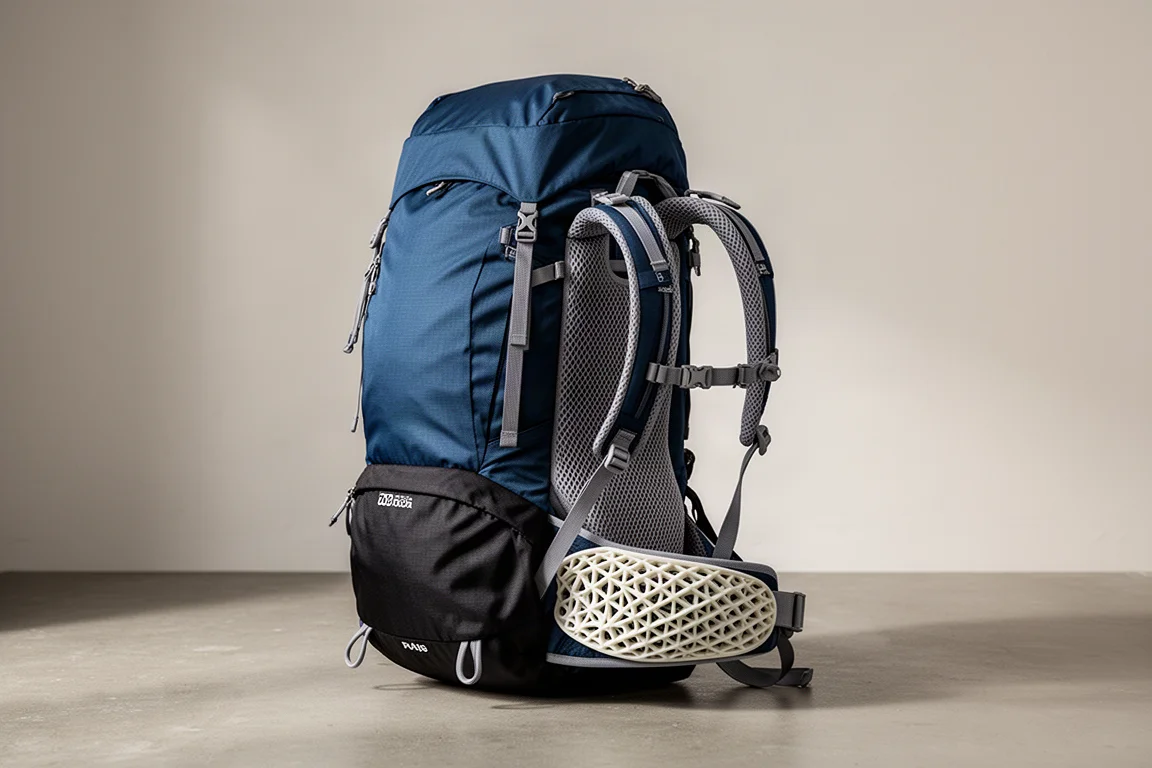
The Osprey Unlimited is a backpacking pack built around a 3D-printed Fitscape lumbar panel made with Carbon DLS technology. The series was developed by the brand’s founder together with its innovation team, and the brand has been open about the fact that cost was not the deciding factor during development. The result is a feature-dense pack with a $700 price tag that arrives with its own duffel bag.
On a multi-day trip covering roughly 30 miles with about 35 pounds of gear, food, water, and fuel on board, comfort was the headline. This review covers what genuinely works, what is simply novel, and who should think carefully before spending this much.
Who This Backpack Is For
This is a pack for hikers who carry real weight and feel every kilogram of it. If your base weight is already low and your trips are short, the Unlimited’s strengths are harder to justify. If you regularly shoulder a heavier load, whether that means camera gear, group food, or cold-weather equipment, the harness and load transfer are where the design earns its keep.
It also suits anyone who runs hot. The back panel is ventilated across the entire contact area, and the 3D-printed lumbar piece is built with an open structure rather than a solid foam block.

Hikers who alternate between long carries and short side trips will get extra value from the detachable lumbar pad, which converts into a small day pack once camp is set. It attaches neatly at the back of the hip belt and is comfortable enough to wear on its own.
Comfort, Fit, and Load Carrying
Comfort is the strongest argument for this pack. The hip belt adjusts across a wide range and holds its position once tightened, rather than creeping loose over the course of a long day. It also spreads pressure without feeling as though it is cinching you in.
The harness does much of the fitting for you. Pulling the two load lifter straps settles the pack onto the body, and the shoulder strap height can be raised or lowered along the aluminum frame using the alignment arrows on both sides, so the straps land correctly over the shoulders. The frame flexes with movement instead of fighting it, and the pack stays put once it is dialed in. Carrying a load in this pack is a notably controlled experience.
Ventilation and the 3D-Printed Lumbar Support
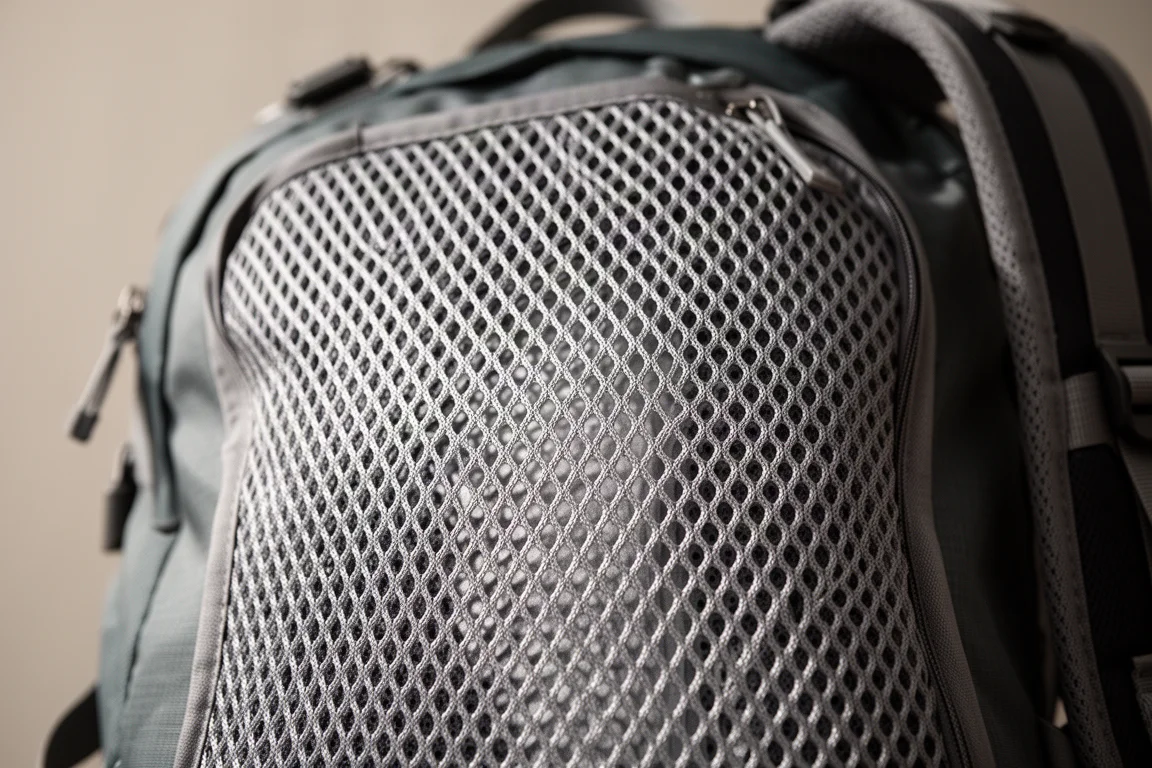
The back panel is suspended mesh with a substantial gap, roughly two inches, between the mesh and the interior of the pack. That does two things: it moves air across the back, and it keeps the contents of the pack from pressing into your spine. Your back rests on the frame and mesh rather than on your gear, so sharp or bulky items inside are far less noticeable.
The Fitscape lumbar panel is 3D printed and feels soft and slightly rubbery, with an open, form-fitting structure that adds grip and ventilation at the hips. Whether that technology justifies the premium is a fair question, since hikers have managed without a 3D-printed lumbar panel for decades. What is not in doubt is that it is comfortable, and that it is one of the more tangible results of the pack’s no-compromise design brief.
Access, Pockets, and Materials
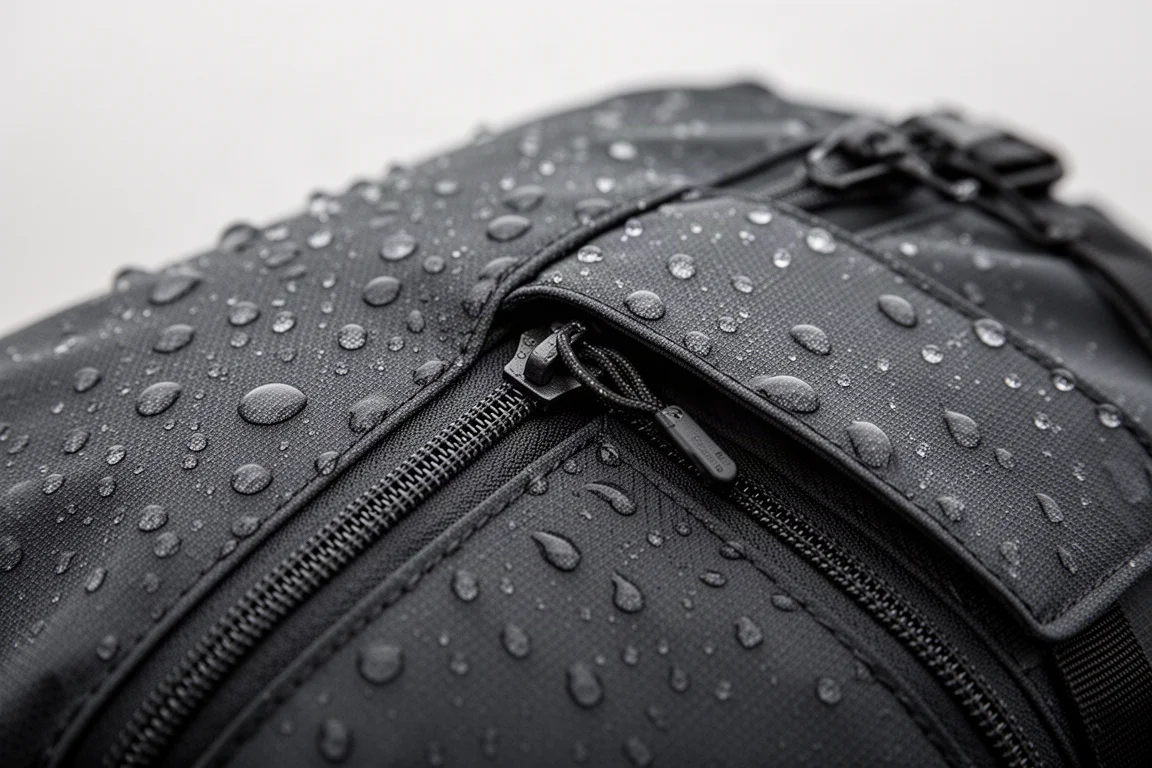
The main compartment opens from the bottom as well as the top, and both openings lead into the same space, which is convenient when you need one item without unpacking everything. A rain cover is included, and there are waterproof zippers along the top and on the hip belt pocket. The fabric carries a DWR coating, the body is 200 denier nylon, and a 500 denier nylon panel covers the base for abrasion resistance.
The hip belt has a single pocket. It is well placed, but it takes two hands to open, which is frustrating on a pack at this price. The side mesh pocket is generous, stretchy, and durable, and it angles forward so a bottle is easy to reach while walking, but it appears on one side only. Longer bottles, particularly a 1.5-liter bottle, can sit high enough that pulling one free means stopping and asking for help.
The rear compartment uses a covered zipper rather than exposed mesh, and it is divided into two crossed pockets by an internal panel, effectively doubling the usable space. The trade-off is that the material does not stretch, so bulky items are harder to cram in than they would be with a mesh shove-it pocket.
Durability, Weather Protection, and Details
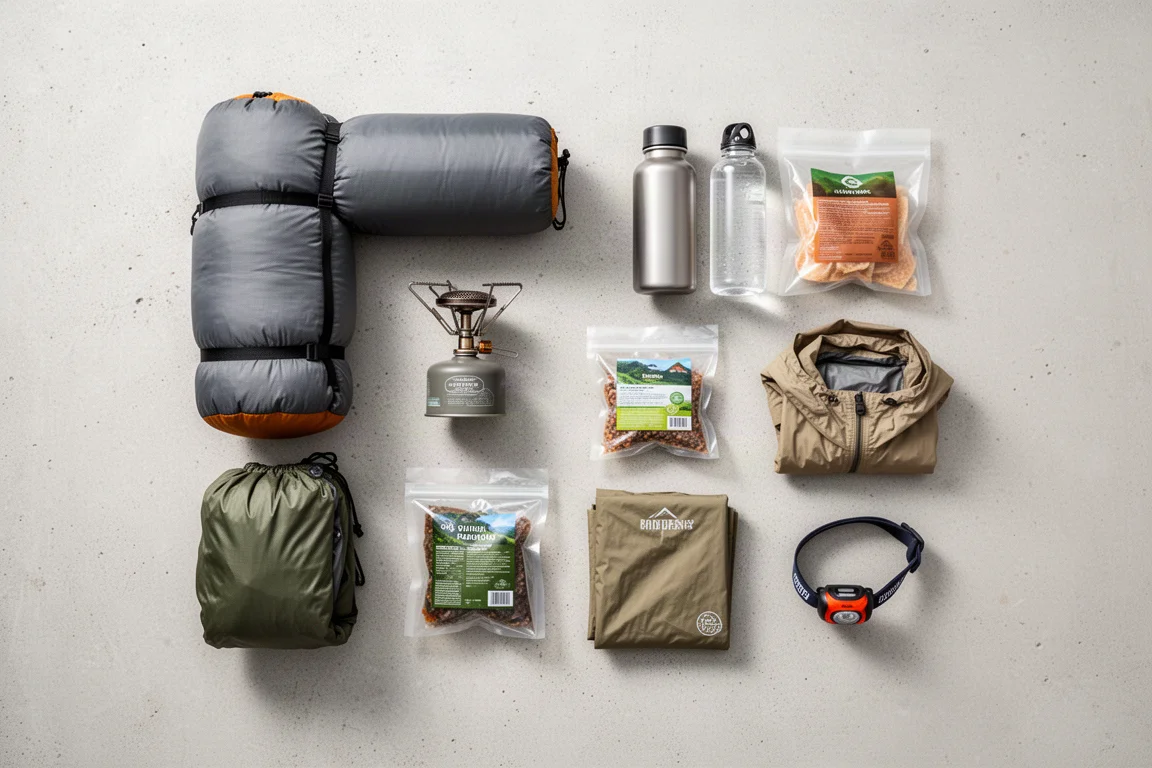
Most of the plastic hardware is injection molded specifically for this pack, from the hydration tube clips to the reinforced hard corners on the base that protect the fabric when the pack is set down on rough ground. There are attachment loops for strapping a sleeping pad or a tent to the outside.
A detachable lumbar pad sits at the back of the hip belt and works as a small day pack for side trips from camp. It has its own hydration port, so a bladder and hose can be routed through it. The main pack also allows external access to a water bladder, which means refilling does not require unpacking the load, a detail anyone who uses a bladder will appreciate.
Things to Consider Before Buying
The price is the obvious one. At $700, the Unlimited costs roughly as much as a complete, carefully chosen lightweight backpacking setup, which is the comparison most shoppers will make.
Weight is the second consideration. This is a feature-rich pack, not an ultralight one, and hikers who have trimmed their gear down to a minimal kit may find the simplicity and lower weight of a stripped-back pack more appealing.
Smaller frustrations matter at this price point: the two-handed hip belt pocket, the single side pocket, and the non-stretch rear pockets. None of them are dealbreakers, but they are the kind of details that stand out when a pack costs this much.
Buying Advice
Buy the Osprey Unlimited if comfort under load is the priority and the budget is genuinely available. It is a strong choice for heavier carries, hot conditions, and trips where the harness has to work over long days. The included rain cover, the detachable lumbar pack, and the external bladder access all add practical value rather than novelty.
Skip it if your kit is already ultralight, if you prefer a simple pack, or if $700 represents a significant share of your gear budget. In those cases, the money is usually better spread across a lighter shelter, quilt, and pack combination.
If you do buy it, spend time on the fit. Adjust the shoulder strap height along the frame first, then set the hip belt, then tension the load lifters. The pack responds noticeably to small changes, and getting it right is what makes the design feel worth the cost.
Conclusion
The Osprey Unlimited is a genuinely impressive piece of gear. Ventilation, fit, and load transfer hold up over multi-day trips with a heavy pack, and the details show real design intent rather than marketing. It is also expensive and relatively heavy for what it is. For hikers carrying substantial weight who value fit above all else, it is easy to recommend. For everyone else, the price is the deciding factor, and that is a reasonable reason to walk away.
Product link
View more details for Osprey Unlimited Backpack
This product is mentioned in the review. Check the specifications, options, and compatibility before buying.
View more details for Osprey Unlimited BackpackFurther reading
Related Reviews

Backpacks
Best Backpacks 2026: Laptop Protection, Durability, and Comfort Compared
We tested 12 backpacks from $18 to $350 for laptop protection, durability, back padding, comfort, zipper smoothness, and water resistance.
Backpacks
Best Backpacks Under ₹500 in India: Five Practical Options Compared
Five backpacks tested side by side, from budget-friendly to premium Indian brands. Real strengths, trade-offs, and honest buying advice for daily use.
Backpacks
Decathlon Trek 100 70L Backpack Review: Serious Value for Backpacking
A 70-litre backpacking pack with a torso system you can adjust while wearing it, a rigid frame, and a 10-year warranty for $120.