Backpacks
Osprey Talon Pro 40 L Review: A Technical Daypack Built to Take Abuse
A durable 40 L technical daypack with an adjustable torso system, strong load control, and a few practical trade-offs to weigh before buying.
Introduction
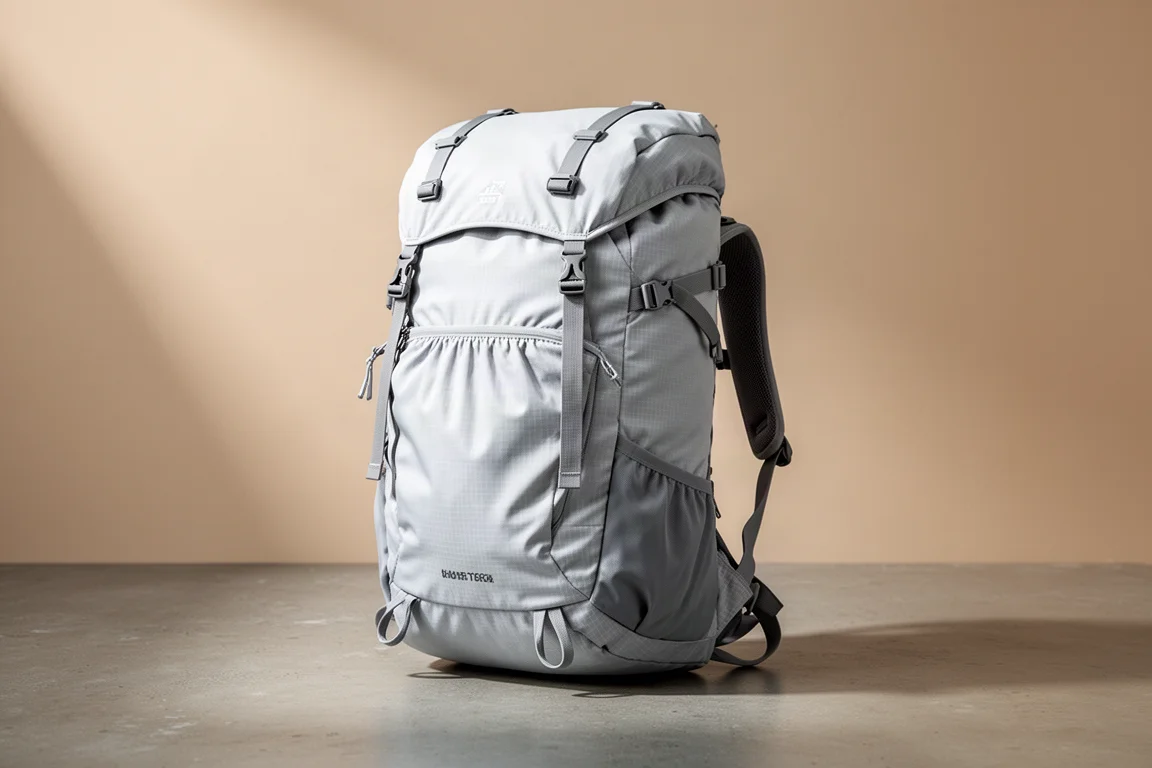
The Osprey Talon Pro 40 L is a technical daypack, and that word carries real meaning here. A technical pack is built from materials chosen for strength and abrasion resistance first, in the same way a technical shell jacket is built to survive scrapes against rock and pushes through dense branches. Osprey positions this model as its most advanced backpack and one of its strongest, and it is also one of the brand’s most expensive daypacks, with a retail price of $260.
At 40 litres, it covers long day hikes, fast overnight trips, and gear-heavy scrambles. What separates it from most packs in this size class is a fully adjustable torso system, a feature that is genuinely uncommon on smaller packs and one that changes how the pack fits and carries over a long day.

That mix of a durable build and a fit that can be dialled in makes the Talon Pro 40 L worth a close look for anyone who treats a daypack as long-term equipment rather than a seasonal purchase.
Who This Pack Is For
This pack is designed for men, with the Tempest serving as the equivalent women’s model. It suits hikers who leave maintained trails behind, push through trees, climb over rocks, and rub against rough surfaces along the way. If your walking is mostly on groomed paths with light loads, the technical fabrics and adjustable harness offer more capability than you strictly need.
Osprey’s naming across the Talon family is broad, and it is worth paying attention to. The line includes the Talon, Talon Pro, Talon Oxygen, Talon Jr., Extended and Velocity versions, along with lumbar bags and waist packs, in sizes from 11 L up to 44 L. Most are offered in two fit ranges, small to medium and large to extra large. Before ordering, confirm that you are getting the 40 L Talon Pro in the correct size range for your torso.
Main Strengths: Build Quality and Design
Build quality is excellent. The seam work is clean, there are no loose threads, and the hardware is well chosen throughout. That consistency is what Osprey is known for, and it holds up here. Durability has also proven itself in the field. This is a pack that has been dragged through forest, set down on rocks, and scraped past rough stone, and it has come back looking relatively unscathed, just a little dirty, with no fraying, no holes, and no failed stitching.
The spruce forest is a fair test of any pack, since it puts sharp, pointed limbs against the fabric constantly and they are impossible to avoid. Even after repeated contact, the material holds up well. Design is strong overall, with the adjustable torso system standing out as the most significant feature. Most 40 litre packs of this type use a fixed harness, and the fact that this one does not is the single biggest reason it feels different to wear.
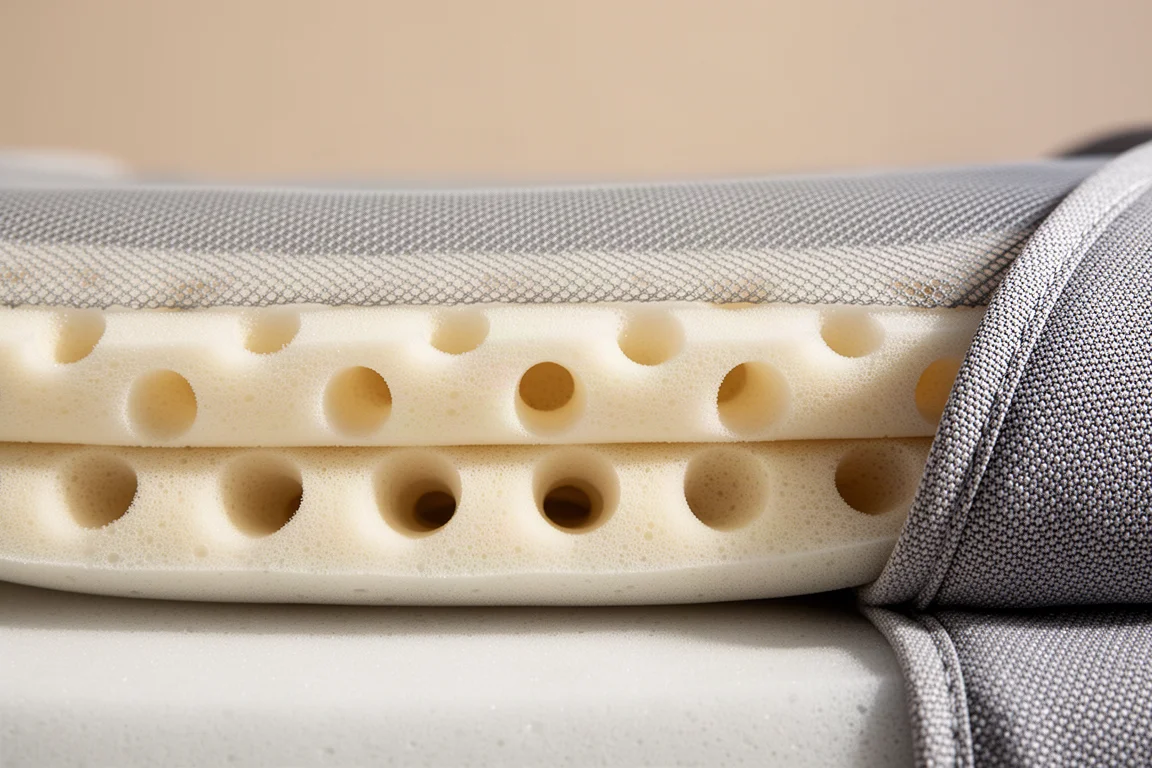
Supporting all of this is a frame sheet with a wire suspension system, which gives the pack a real structure rather than a soft, collapsing back. Osprey also backs its products with a lifetime guarantee that is among the best in the business, so if an issue does appear, it gets handled.
Fit, Torso Adjustment, and Carry Comfort
The torso system is the headline feature. It can be raised and lowered by roughly 5 inches to dial in the fit, and the process is simple: take the pack off, move the harness to where you want it, and tighten the straps. There is no guesswork involved.
The practical benefit shows up over a changing day. On a cold winter morning you can set the harness for a bulky jacket, then readjust once you warm up and shed a layer, so the pack stays comfortable the whole time rather than pinching in one configuration and floating in another.
Comfort holds up well with a maximum loadout of roughly 28 lb of gear, food, and water, which works out to a little over 30 lb once the pack itself is included. Beyond that weight, the harness and waist belt start to feel thin, so this is not a pack to overload. Comfort is subjective and varies with body type, but the balance between harness, torso adjustment, and waist belt is well judged.
Load control is a particular strength. The pack is wider than it is deep, which lets it sit close and move with you like a shell rather than shifting around when you step over logs or scramble up a slope. Plenty of compression straps let you cinch everything down so the weight stays put.
Ventilation is very good overall. The mesh-covered back panel with cut-out foam keeps the back dry even on strenuous uphill efforts with a lot of sweating. The harness and waist belt are less ventilated, which is expected given their foam construction, so this is not a class-leading ventilation design, but it is effective where it matters most.
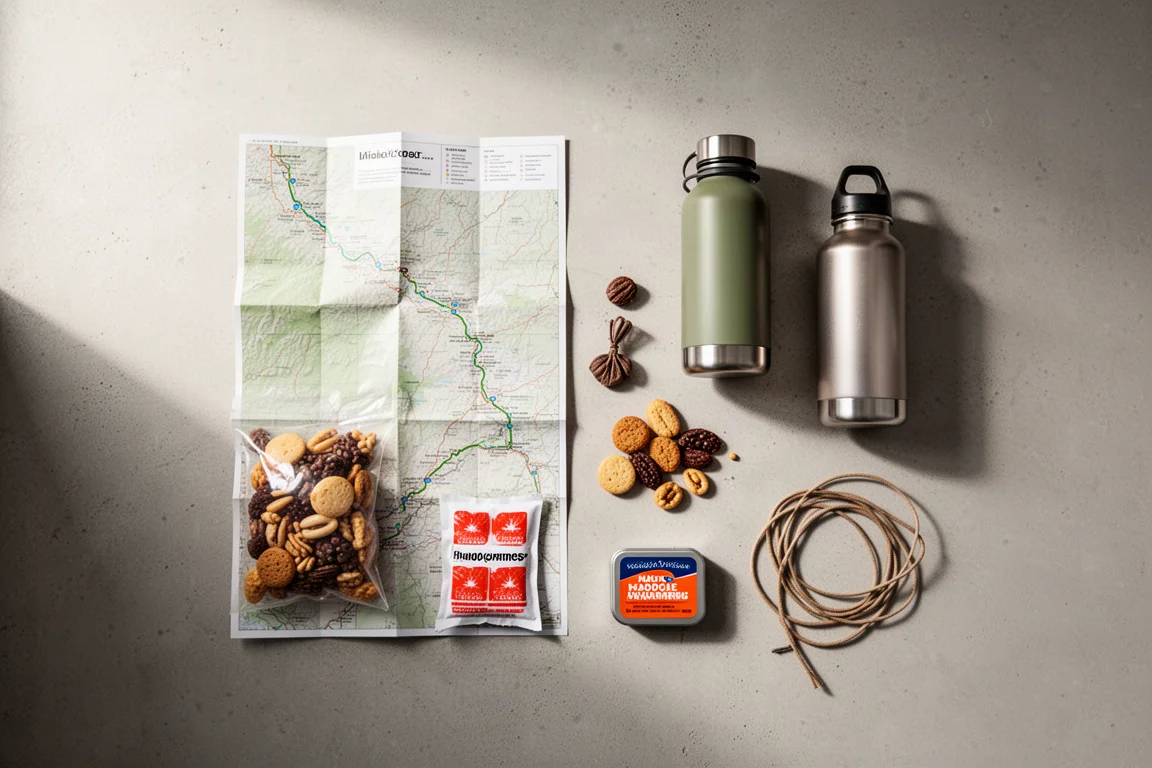
Water bottle pockets are large, and each side can take up to two 1 litre bottles. The two waist belt pockets are useful too, sized for hand warmers, a folded paper map, or a snack, though not for a large phone. Organisation is rounded out by the stretchy front pocket, the lid pockets, and the main body. Measured weight for the medium size is 3.1 lb, which is fairly light for a 40 litre pack but not groundbreaking, since lighter and less expensive options exist.
Materials, Hardware, and Durability
The material mix is one of the more interesting parts of this pack. It combines 420 denier nylon with a 210 denier nylon blended with ultra high molecular weight polyethylene ripstop, which is a composite construction in the same family of ideas as branded high-strength fabrics. The result is a shell designed to resist abrasion rather than simply cover a load.
Hardware matches that intent, with water-resistant YKK zippers and YKK hardware throughout. Recycled nylon also features in the build.

Field use backs up the specification. After repeated trips in dry and wet conditions, including plenty of contact with sharp limbs and rough rock, there is no fraying, no holes, and nothing coming apart at the seams. For the medium size, the pack measures 28.5 inches tall, 13.4 inches wide, and 11.8 inches deep. Inside, a crossbody compression strap holds the load down, and the hydration sleeve accommodates a 3 litre bladder with a clip to keep it in place.
Things to Consider Before Buying
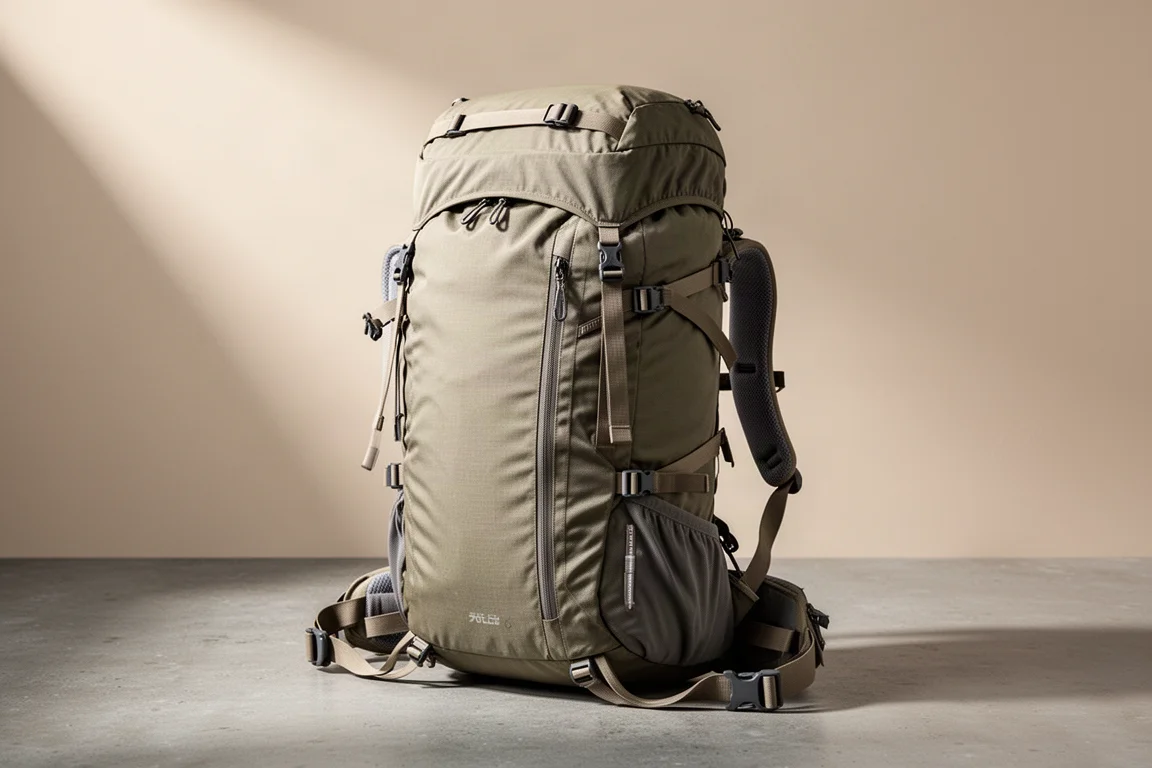
Colour accuracy is the first thing to check. Product photography of this pack shows what appears to be a dark grey backpack, but the actual colour is much lighter, with more white to it than grey, and in certain light it can even read slightly blue. That matters in daily use, because a light shell shows stains clearly, and those marks would be far less noticeable on the darker pack the images suggest. If colour accuracy is important to you, plan for a lighter pack than the photos imply.
The waist belt strap is only 1 inch wide, which can dig into the stomach for wearers with more cushioning around the midsection. A wider strap would have avoided this. It is a subjective point that depends on body type and on how many layers you are wearing, but it is worth paying attention to on the first few outings.
The water bottle pockets are large but there is no side access to them, so drinking means taking the pack off. On a pack this expensive, that omission is hard to justify.
Price is the final consideration. At $260, this is a lot of money for a 40 litre pack. The cost comes from three places: the Osprey brand itself, the use of recycled nylon, and the high-strength polyethylene composite fabric. Other well-known brands charge around this level for a comparable 40 litre pack, but Osprey’s own 65 litre backpack sells for $190, so the premium is really about the technical feature set rather than capacity. Note also that recycled content is a materials choice, not automatically an environmental benefit, so it is worth separating the marketing language from the real-world case for the pack.
Buying Advice
If you want a single daypack that handles rough terrain, carries loads up to around 30 lb well, and can be adjusted to fit different layers through the day, the Talon Pro 40 L delivers on all three. The adjustable torso system is the feature that justifies the price for that kind of use, and the lifetime guarantee supports owning it for a long time.
Before ordering, confirm the size range and make sure you are looking at the 40 L Talon Pro specifically, since the wider Talon family spans many models and capacities. If colour accuracy matters, expect a much lighter pack than the product photos suggest. If your priority is maximum capacity for the lowest spend, a cheaper larger pack will serve you better, and if you rarely leave groomed trails, a simpler daypack will do the same job for less.
Conclusion
The Osprey Talon Pro 40 L is a very well made backpack with an excellent feature set and a torso system that genuinely changes how it fits. It carries comfortably up to roughly 30 lb, controls that weight well, and is built to survive a lot of abuse and keep going. The trade-offs are real but specific: a lighter real-world colour than the photos show, a narrow waist belt strap that will not suit every body type, no side access to the bottle pockets, and a price that sits at the top of the daypack category. For hikers who want one technical pack that will last, those are manageable compromises.
Product link
View more details for Osprey Talon Pro 40 L
This product is mentioned in the review. Check the specifications, options, and compatibility before buying.
View more details for Osprey Talon Pro 40 LFurther reading
Related Reviews

Backpacks
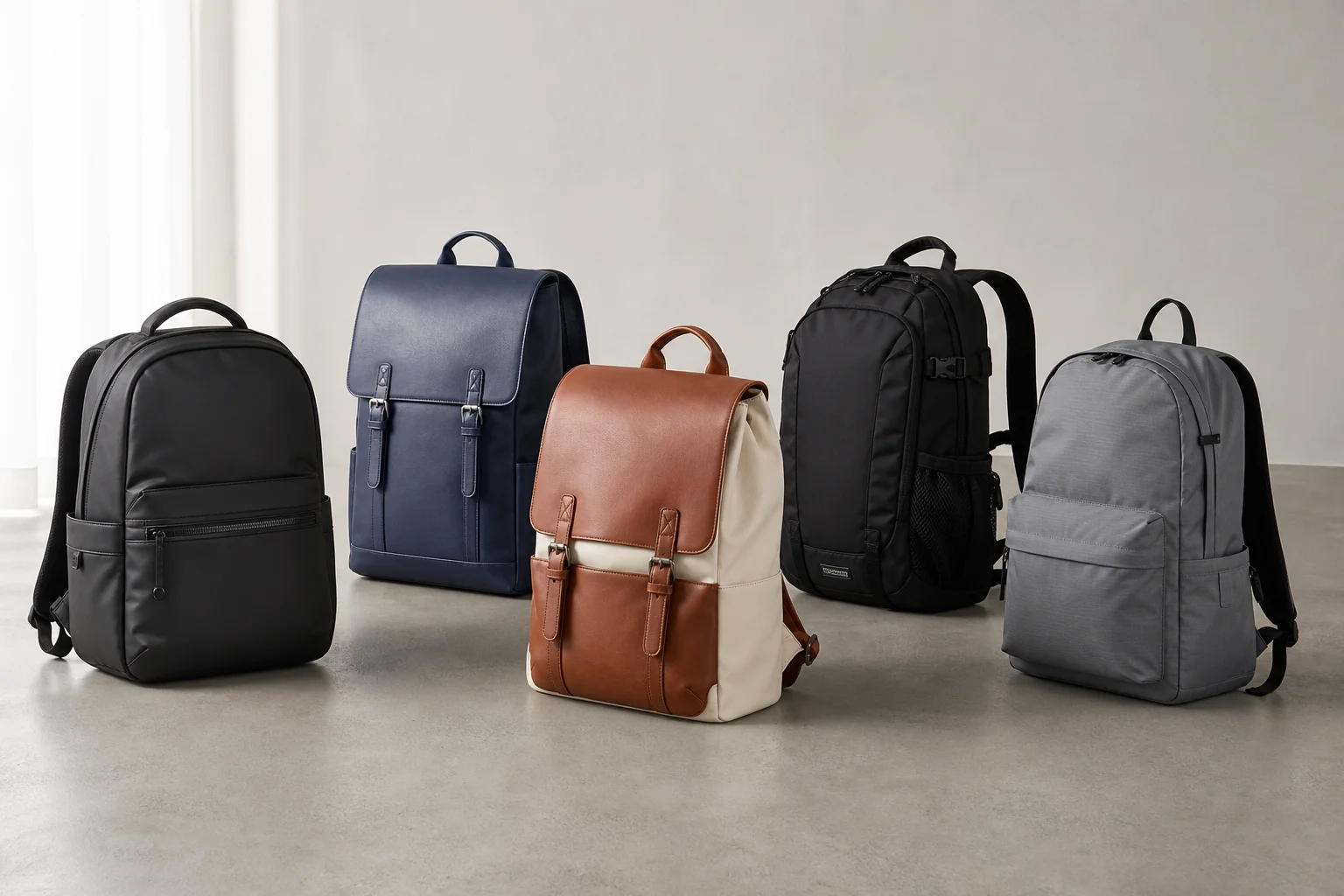
Best Backpacks 2026: Laptop Protection, Durability, and Comfort Compared
We tested 12 backpacks from $18 to $350 for laptop protection, durability, back padding, comfort, zipper smoothness, and water resistance.
Backpacks
Best Backpacks Under ₹500 in India: Five Practical Options Compared
Five backpacks tested side by side, from budget-friendly to premium Indian brands. Real strengths, trade-offs, and honest buying advice for daily use.
Backpacks
Decathlon Trek 100 70L Backpack Review: Serious Value for Backpacking
A 70-litre backpacking pack with a torso system you can adjust while wearing it, a rigid frame, and a 10-year warranty for $120.