Hiking Backpacks
Osprey Atmos AG 65 Review: A 65-Litre Pack Built to Last
A close look at the Osprey Atmos AG 65, covering its 210 and 500 denier fabrics, pocket layout, AntiGravity carrying system, 2.1 kg weight and fit advice.
Introduction
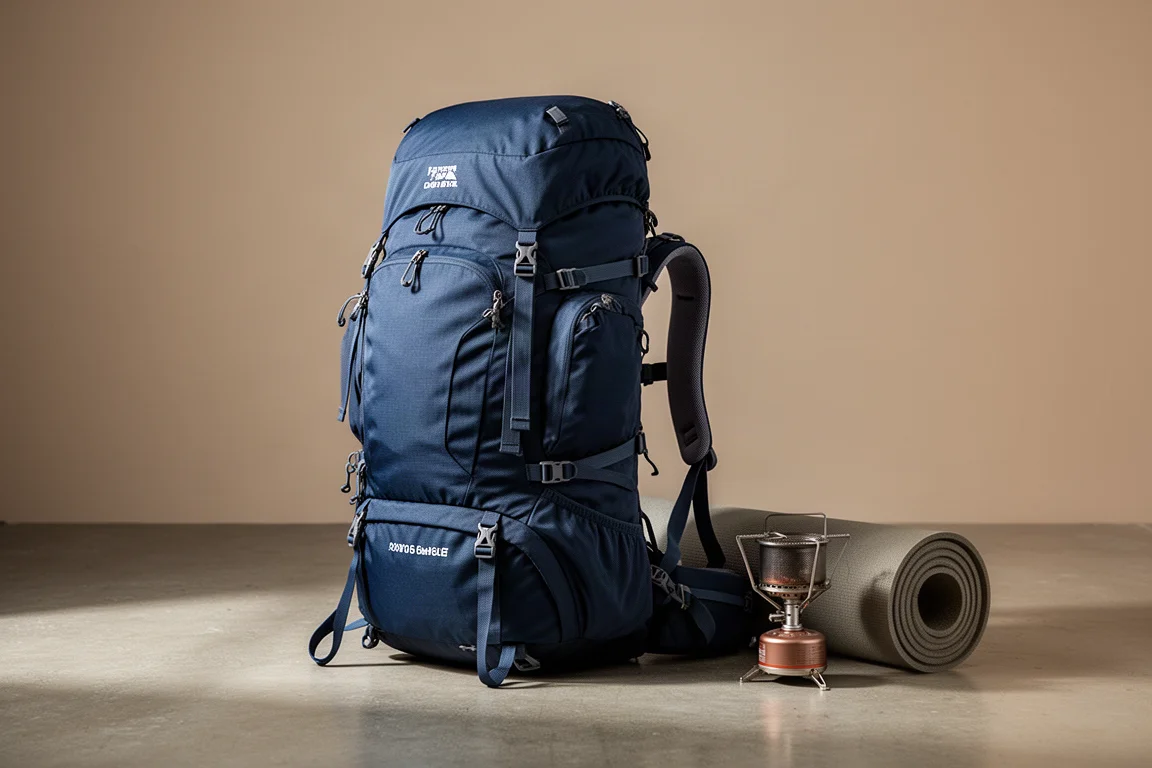
The Osprey Atmos AG 65 is a 65-litre backpack built for longer trips, where capacity, comfort and long-term durability matter more than saving every gram. Osprey is the brand, Atmos is the model line, and the 65 refers to the internal capacity in litres. The AG part of the name belongs to the model designation, and it is not spelled out anywhere on the pack itself.
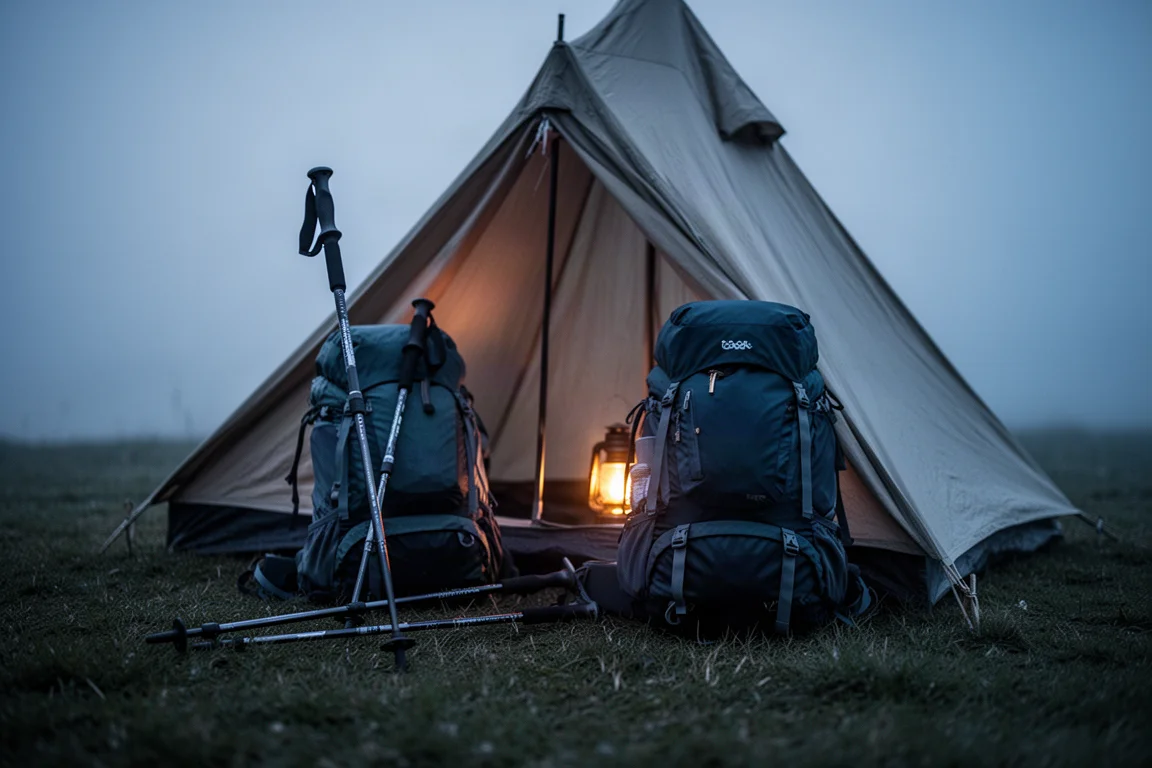
At £290 it sits firmly in investment territory, and the pack is available in blue, black and green. This navy version comes from an earlier production run, but it carries the same feature set as the current model. That matters because the Atmos AG 65 is not a light pack. It weighs 2.1 kg, and most of what makes it heavier is also what makes it more comfortable and more hardwearing.
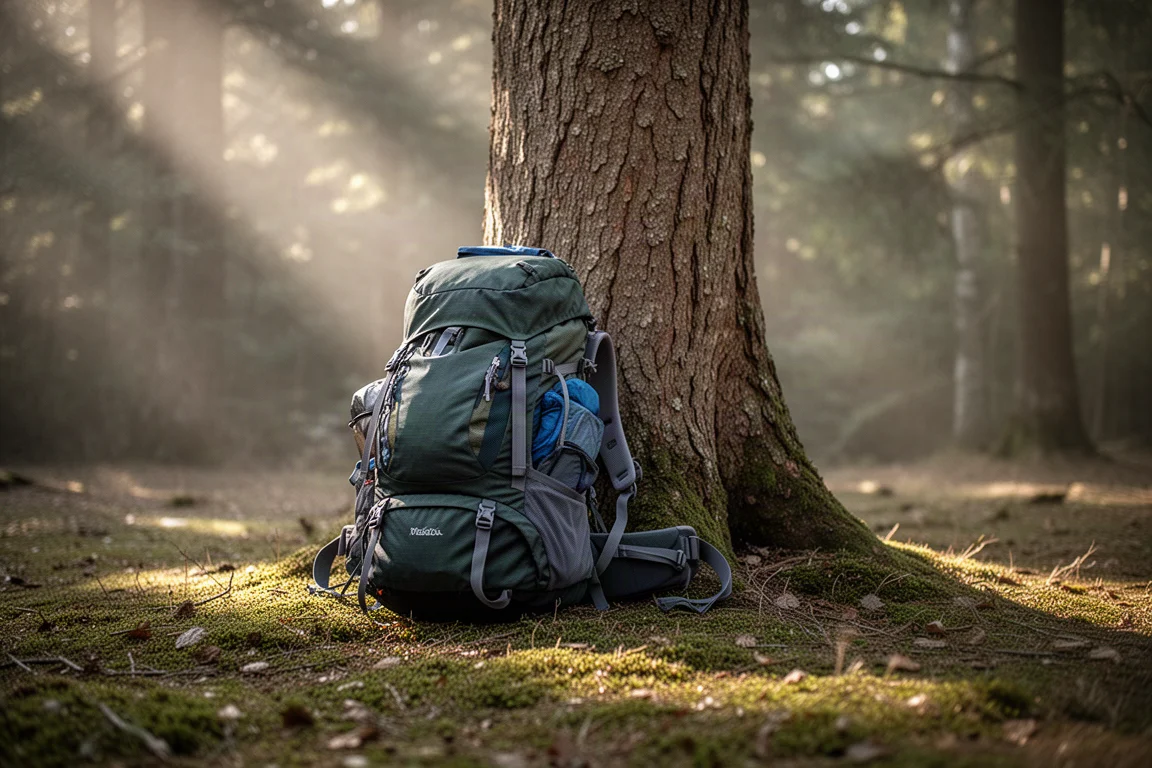
What follows breaks down how those features behave on the trail, where the design justifies its price, and which details are worth testing in a shop before you commit.
Who the Osprey Atmos AG 65 Is For
65 litres is a generous capacity, and it suits two broad groups. The first is newer backpackers, whose kit tends to be bulkier rather than heavier, so a bigger pack swallows a sleeping bag, spare clothing and a cook system without a fight. The second is experienced walkers heading out for long stretches, where ten to twelve days of food has to travel with them.
It also suits travellers moving between trains, stations and hostels, because the pocket layout keeps kit divided and protected rather than piled into one deep cavern. Anyone who normally carries a 48 to 50 litre pack on long trips will find this one roomy, and that extra room is a deliberate choice rather than a requirement.
Main Strengths: Durability and Load Carrying
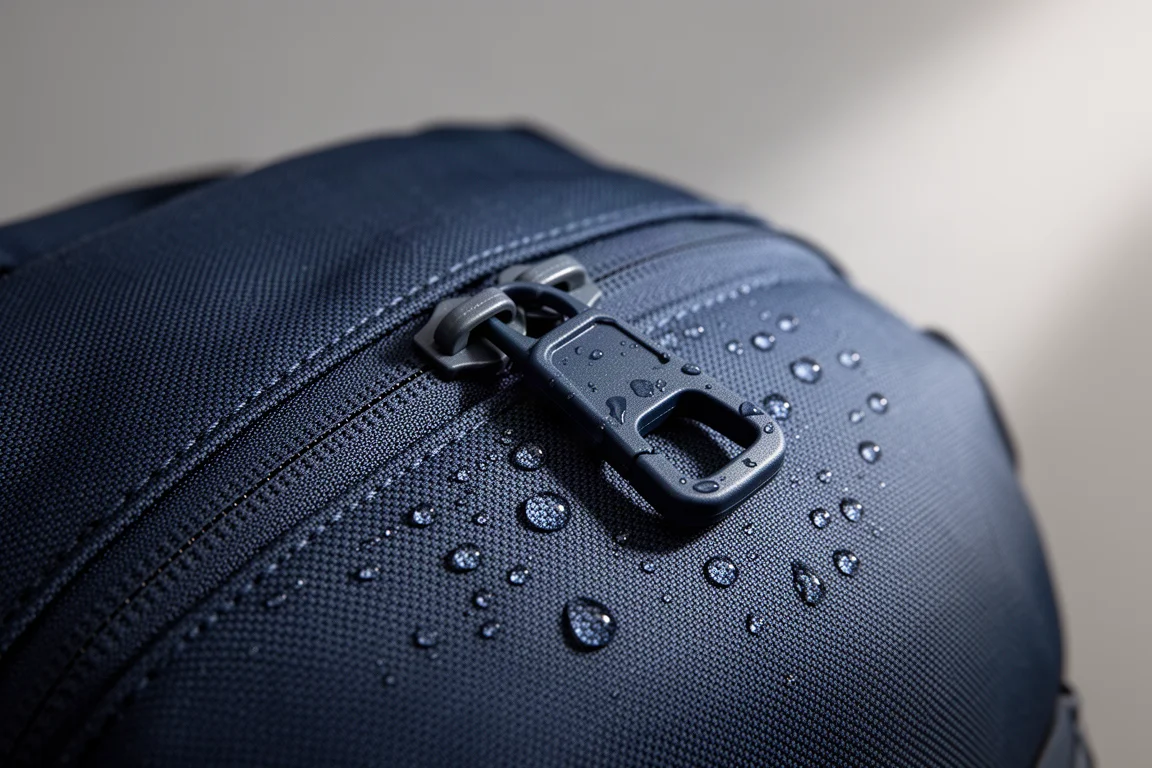
Fabric density is measured in denier, and the numbers here are unusually high. Most of the body uses a 210 denier weave, while the base steps up to 500 denier. For context, many waterproof jackets use somewhere between 70 and 100 denier, because a jacket has to stay breathable and flexible. A tighter, denser weave resists snags and abrasion far better, and the reinforced base copes with being set down on a station platform, gravel or broken glass. The fabric also carries a durable water repellent treatment, which shrugs off light moisture, though it is worth remembering that nothing short of solid plastic is genuinely waterproof.
A rain cover is included in a bright green, and it is one of the better designs around. Elastic runs around the edge, and the cover clips to the back of the pack so it cannot blow away in wind. The cover supplied with this pack has a clip, while the standard cover Osprey typically provides does not.
The carrying system is where the comfort comes from. An AntiGravity mesh back panel sits against your back and encourages ventilation, which helps reduce sweat loss over a long day. The harness offers four adjustment points for the shoulder section, plus adjustable shoulder straps, a sternum strap and a padded hip belt. Padding on the shoulder straps is generous, which is a real benefit if you are still building up to long days under load.
Top and bottom compression straps keep a loaded pack streamlined and held close to the body. That stability matters more than it sounds. A pack that swings shifts your centre of gravity and makes every step harder work, especially on narrow paths with a drop beside them.
Pocket Layout and Everyday Usability
The top lid, which Osprey calls the brain or hood, is removable. It has two compartments: a top pocket with a key fob and enough room for an OS map, a wallet, camera batteries and other small essentials, and a lower pocket sized for the rain cover. Taking the lid off saves weight, and an inbuilt flap takes over as a simple top that can also be tucked in and cinched down for extra protection in heavy rain.
The front Shove-It pocket uses a 50/50 design, with reinforced fabric across the front and sides and a thick stretch mesh over the top. That combination holds a surprising amount, from a jacket and gloves to a hat or a satellite communicator, while resisting the tearing that all-mesh versions were prone to. It is easiest to reach with help from a walking partner.
Two large side pockets sit beneath the Shove-It layer, roomy enough for gaiters, waterproof trousers, maps, guide books or snacks, and they use the same oversized glove-compatible zips found throughout the pack. Those zips have chunky plastic pulls that are easy to grab with cold or gloved hands.
The water bottle pockets are made of mesh with a reinforced base, and they offer two entry points: the usual top opening plus a side opening. The side access makes it genuinely easy to pull a bottle out and drink while walking. Inside, a dedicated sleeve holds a water bladder, and a 2.5 litre bladder fits comfortably, with a clip at the top to stop it sliding down the pack.
The main compartment is more than empty space. A red internal strap secures the load at the top so nothing tips out, the inside of the lid is printed with Leave No Trace principles in English and French, and a divider at the base creates a separate sleeping bag compartment. That divider is removable, so the lower section can become part of one large space instead.
On the outside there are two removable sleeping pad straps, ice axe loops with tidy toggles, and a trekking pole attachment on the left side of the harness. That last feature lets you stow a pole without collapsing it, which saves stopping and taking the pack off every time the terrain changes.
Things to Consider Before Buying
The most obvious trade-off is weight. At 2.1 kg this is a heavy pack, and the removable lid, the two lid pockets, the side pockets, the sleeping bag divider and the padded hip belt all contribute to it. Whether that is a fair exchange depends on how you walk. More comfort and organisation means more to carry, and carrying more can itself become uncomfortable.
The hip belt is another point worth testing. It is thick, reinforced and shaped to hug the hips so it stays put all day, but that grip makes it harder to get on and off, and it can feel restrictive while you are working your way into it. Once it is on, it is comfortable, but the process is not effortless.
The hip belt pockets sit quite far around on smaller frames, so reaching them can be fiddly. The 65 litre capacity is a temptation as well: extra space invites extra kit, and it is worth being honest about whether you need this much room. If your trips are shorter, a smaller pack will simply be easier to carry.
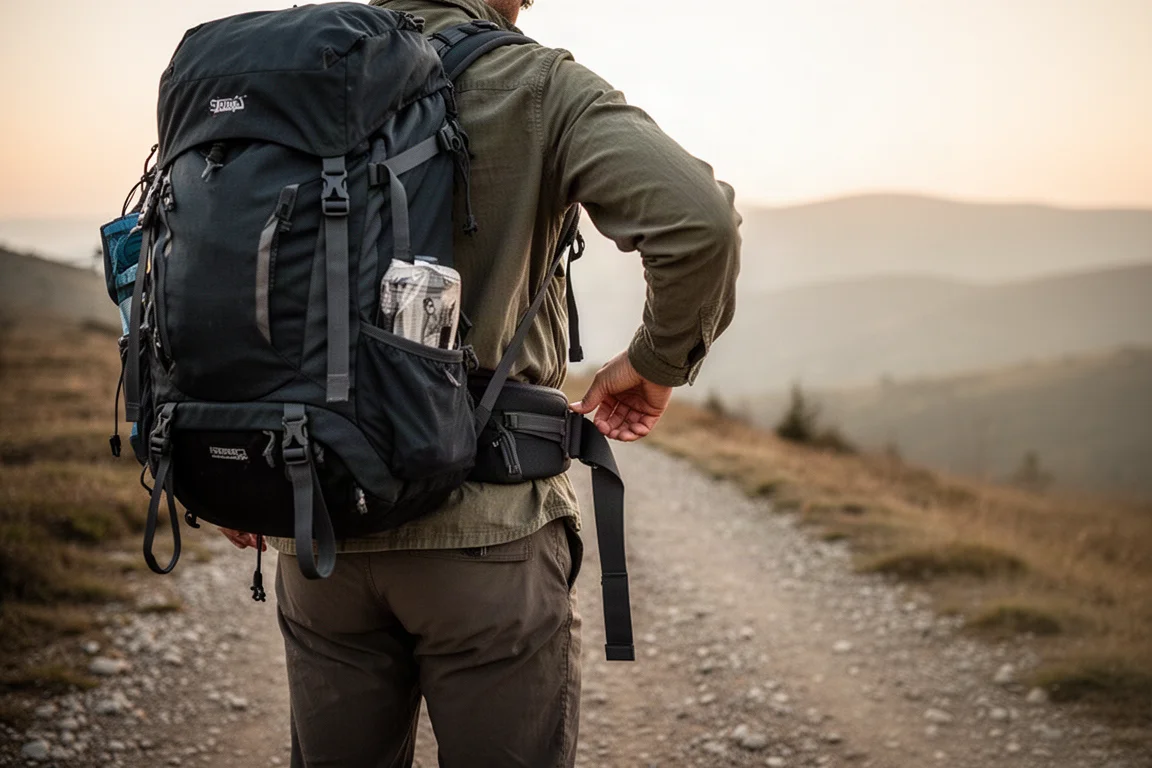
It is also worth remembering that buying secondhand is one of the most effective ways to reduce cost and the environmental footprint of new production, and a pack built this densely is well suited to a second life.
Fit and Sizing: Try Before You Buy
The Atmos AG 65 comes in small, medium and medium-large, which refers to frame and hip belt sizing rather than capacity. Because fit changes dramatically once a pack is loaded, the most reliable approach is to visit an outdoor shop, ideally an independent one, and load the pack with your own kit or with weights. Most packs feel acceptable when empty. The harness, hip belt and adjustment system only prove themselves under load.
Two checks are worth making. First, the shoulder straps should sit against you with no gap, since any space introduces movement. Second, the hip belt should carry the weight on your hips rather than your shoulders. Bring your own gear if you can, because bulk and weight distribution affect fit as much as the size label does.
Buying Advice
At £290, the Atmos AG 65 is a serious purchase, and it makes most sense as a long-term one. The denier counts, the reinforced base, the glove-friendly hardware and the number of genuinely usable pockets point to a pack designed to keep working season after season rather than one to replace in a year or two.
If you are new to backpacking, the combination of a padded harness, an adjustable fit and a large capacity is forgiving while you learn what your kit weighs and how it carries. If you already know your base weight and prefer to travel light, these comfort features will feel like unnecessary grams, and a smaller capacity will serve you better.
Decide first whether 65 litres matches the trips you actually take. If it does, and you value organisation and durability over low weight, this is a well-considered option worth trying on before you buy. A loaded test walk and the right size will tell you more than any specification list.
Conclusion
The Osprey Atmos AG 65 is a heavy, durable and feature-dense pack for people who need a lot of space and want the carrying system to do the work. Its 210 denier body, 500 denier base and clipped rain cover point to a long working life, while the AntiGravity back panel, adjustable harness and padded hip belt handle comfort. The trade-offs are real: 2.1 kg, a hip belt that grips firmly, and hip belt pockets that are a stretch on smaller frames. Load one up before you commit, and the decision becomes straightforward.
Product link
View more details for Osprey Atmos AG 65
This product is mentioned in the review. Check the specifications, options, and compatibility before buying.
View more details for Osprey Atmos AG 65Further reading
Related Reviews
Hiking Backpacks
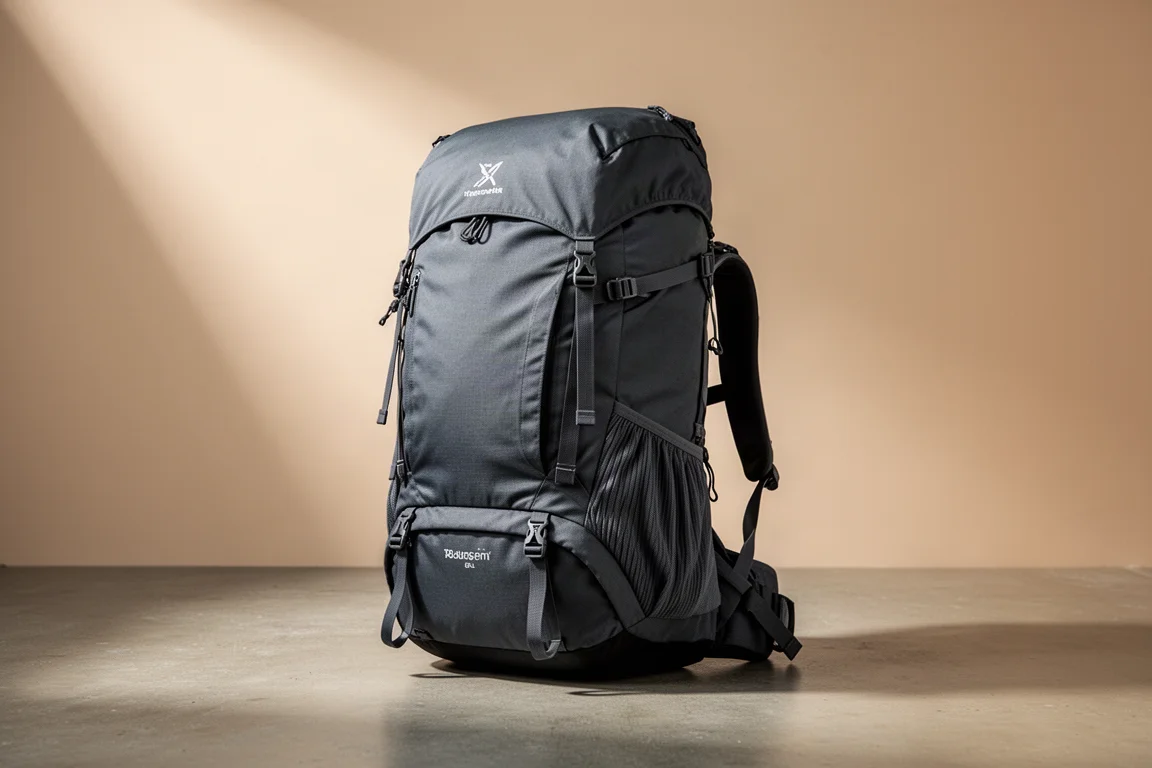
Decathlon MT 900 70+10 Backpack Review: Big Capacity, Heavy Weight, High Price
A feature-dense 80-liter hiking backpack with excellent build quality, ten pockets, and dual loading, held back by a six-pound weight and a $210 price.
Hiking Backpacks
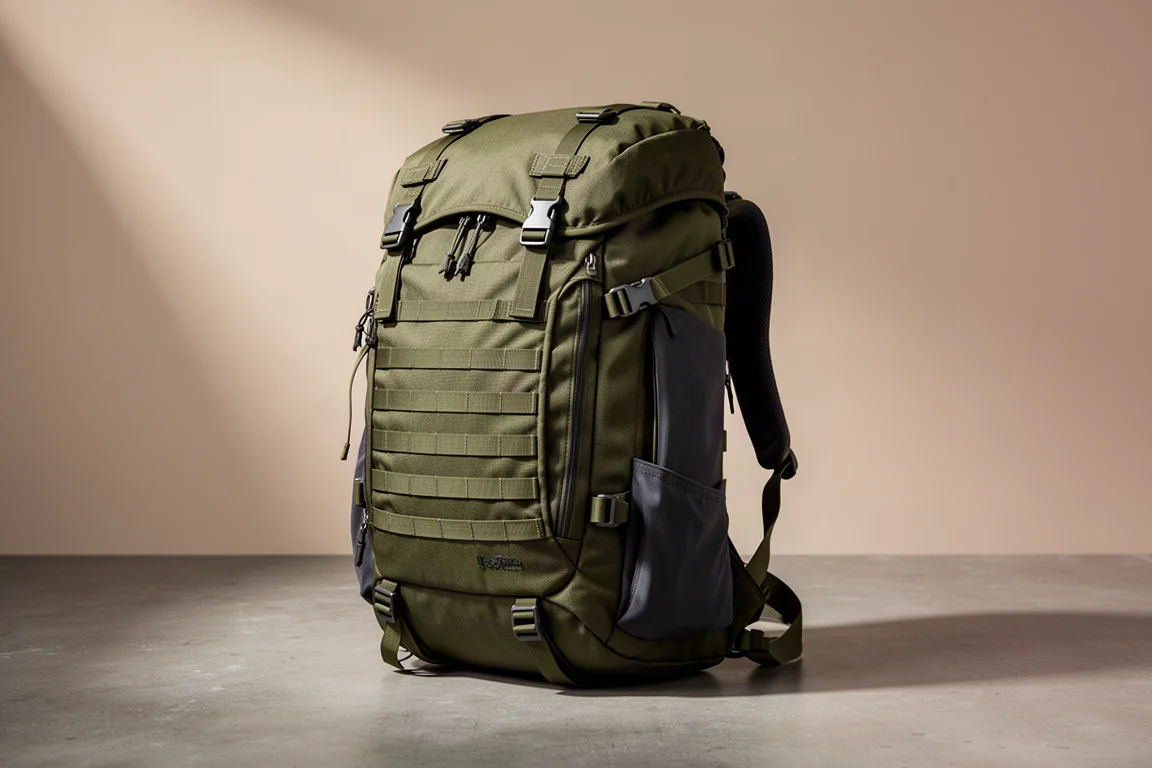
Martingtop 65L MOLLE Hiking Backpack Review: Capacity and Value, Undone by Hardware
A 65-liter tactical-style internal frame pack with MOLLE webbing, an adjustable torso, and a rain cover, held back by slipping hardware and a flexible frame.
Hiking Backpacks
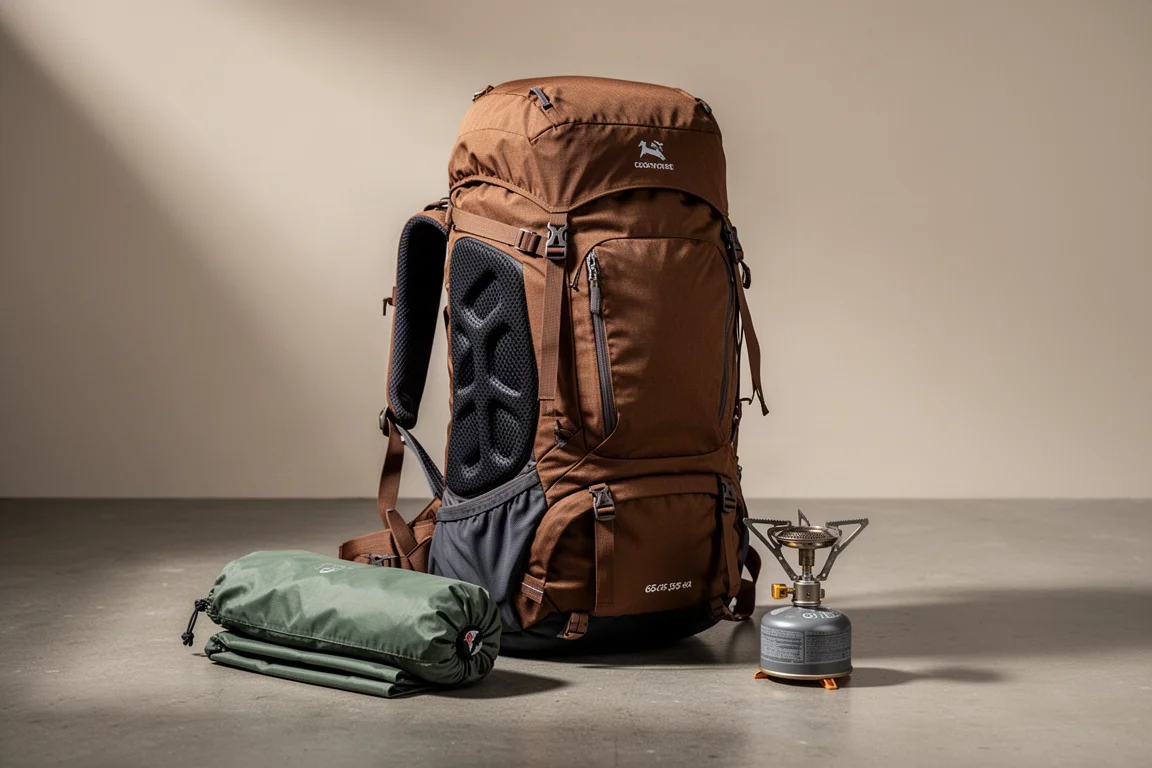
Osprey Rook 65L First Look: Osprey's Most Affordable 65L Backpack
A detailed first look at the Osprey Rook 65L, the least expensive 65-litre pack Osprey makes at $190, covering its suspension, storage layout, weight, materials, and the trade-offs to weigh before buying.