E-Bikes
Orbea Gain and Mahle X20 Review: A Lightweight E-Road Setup That Blends In
A practical look at the Orbea Gain and the updated Mahle X20 motor system: what changed, how much the bike weighs, and who this lightweight e-road setup suits.
Introduction
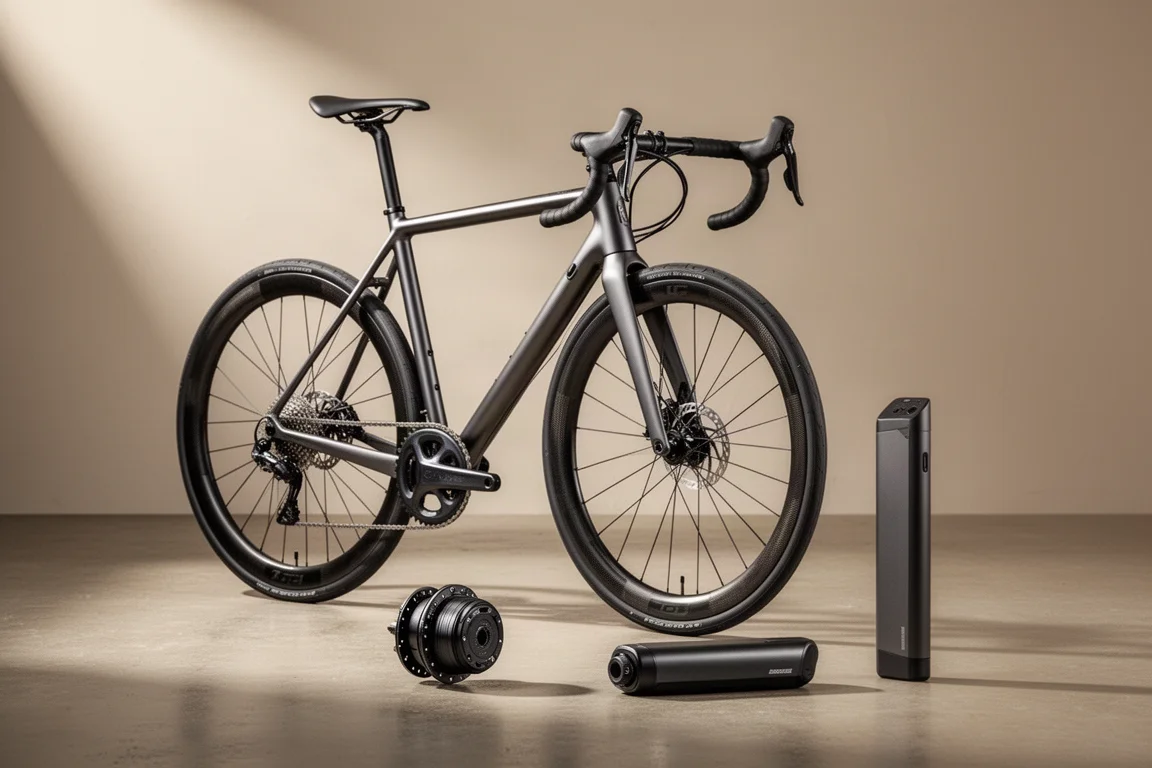
Lightweight electric road bikes have become one of the more interesting corners of cycling. The Orbea Gain is a good example: from a few paces away it reads as an ordinary road bike, with slim tube profiles and the same silhouette as an unassisted machine. The motor lives in the rear hub, and the down tube gives little away either.
This Gain is built around the updated Mahle X20 motor system, the flagship of Mahle’s X series. The update lifts torque by 18 percent and raises peak power, and it arrives on a bike that weighed 13.5 kg on the scales, complete with carbon wheels and a range extender. That is still heavier than a pedal-only road bike, but it is a long way from the e-bikes of only a few years ago.
The sections below cover both halves of the setup: the bike itself and the motor system that powers it.
Orbea Gain: A Lightweight E-Road Bike That Blends In
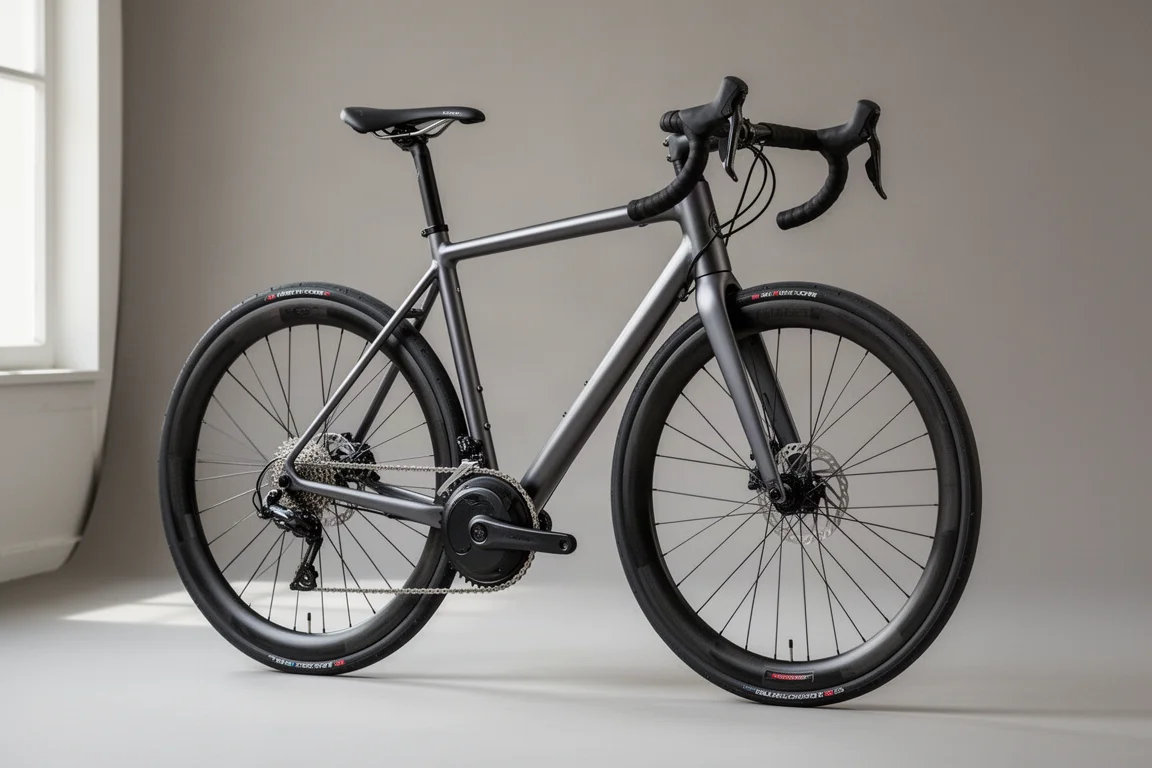
The Gain’s most distinctive quality is visual. Because the motor sits in the rear hub, the frame keeps the proportions of a conventional road bike. The down tube looks standard as well, though it houses a 350 Wh EX-3 battery.
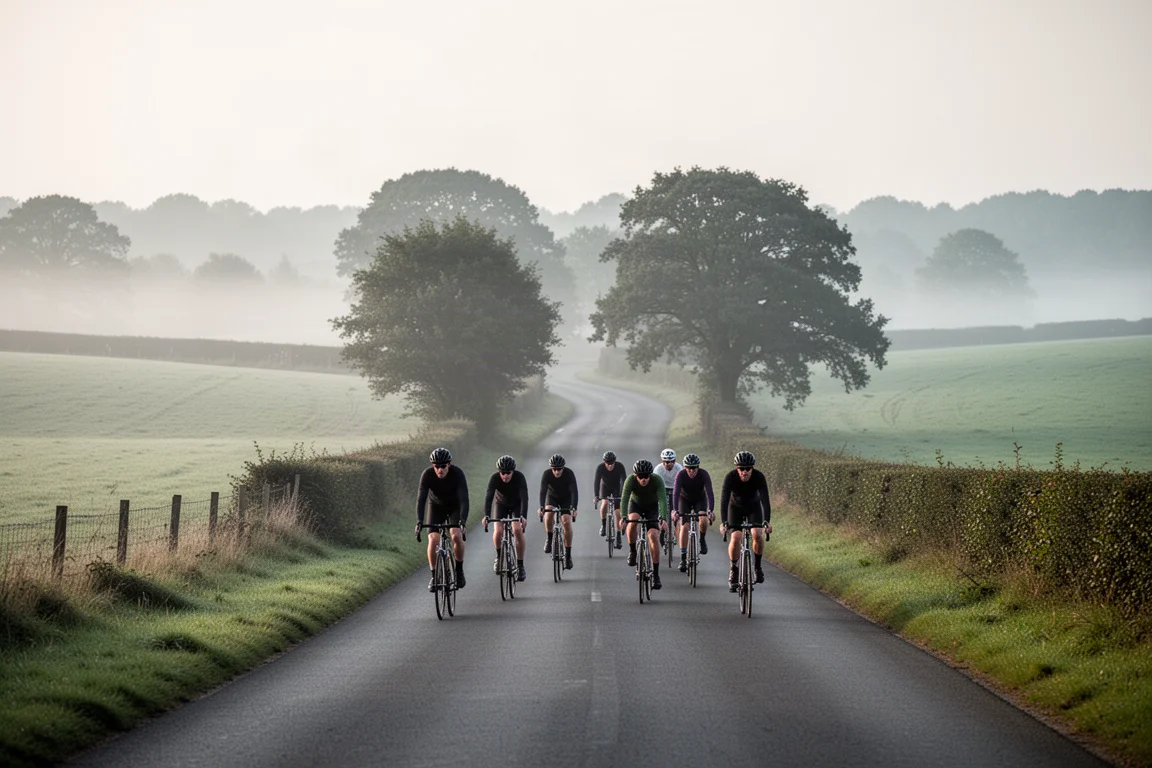
The geometry is based on the racy Orca road bike, relaxed slightly to suit weekend rides and everyday cycling rather than race pace. That makes for a bike that would not look or feel out of place on a regular road group ride.
On the scales, the complete bike as tested, with carbon wheels, the X20 system and the external EX1 range extender stowed in the second bottle cage, came to 13.5 kg.
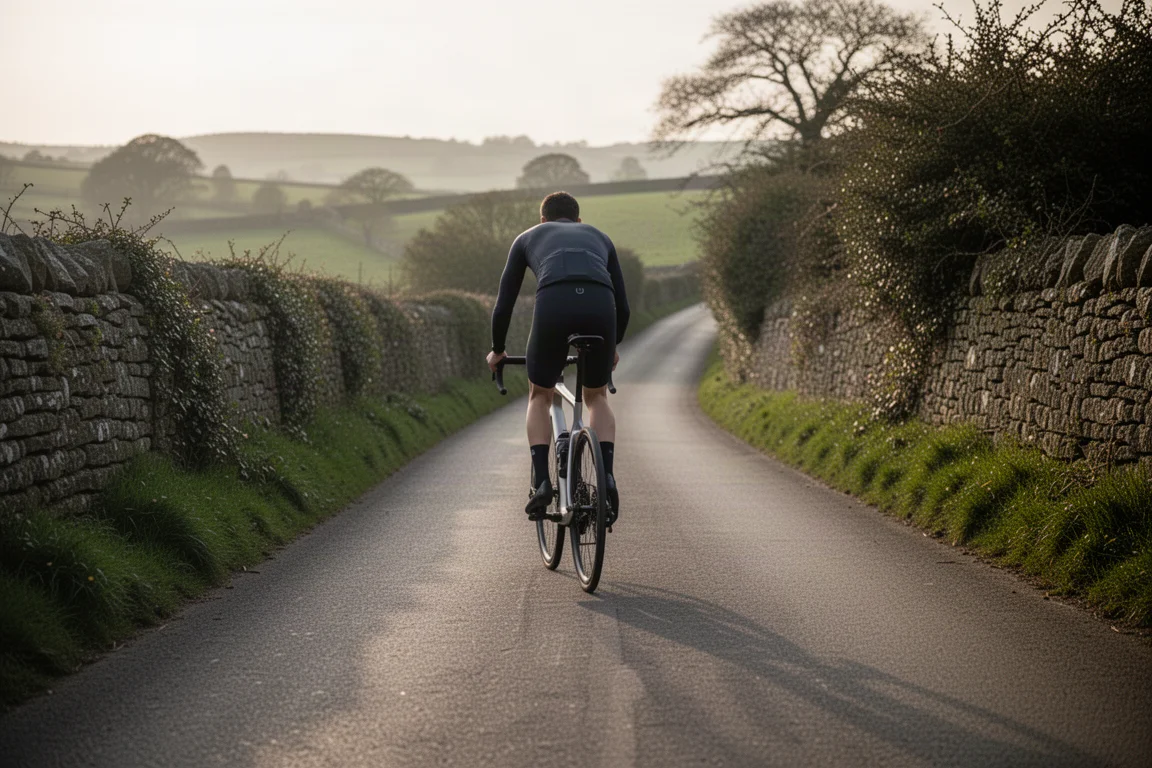
Assistance can be adjusted with the controller on the bike or the buttons on the handlebars, and riders can fine-tune the delivery through the app within the mapping set by the brand.
Mahle X20: The Flagship Motor System Behind the Bike
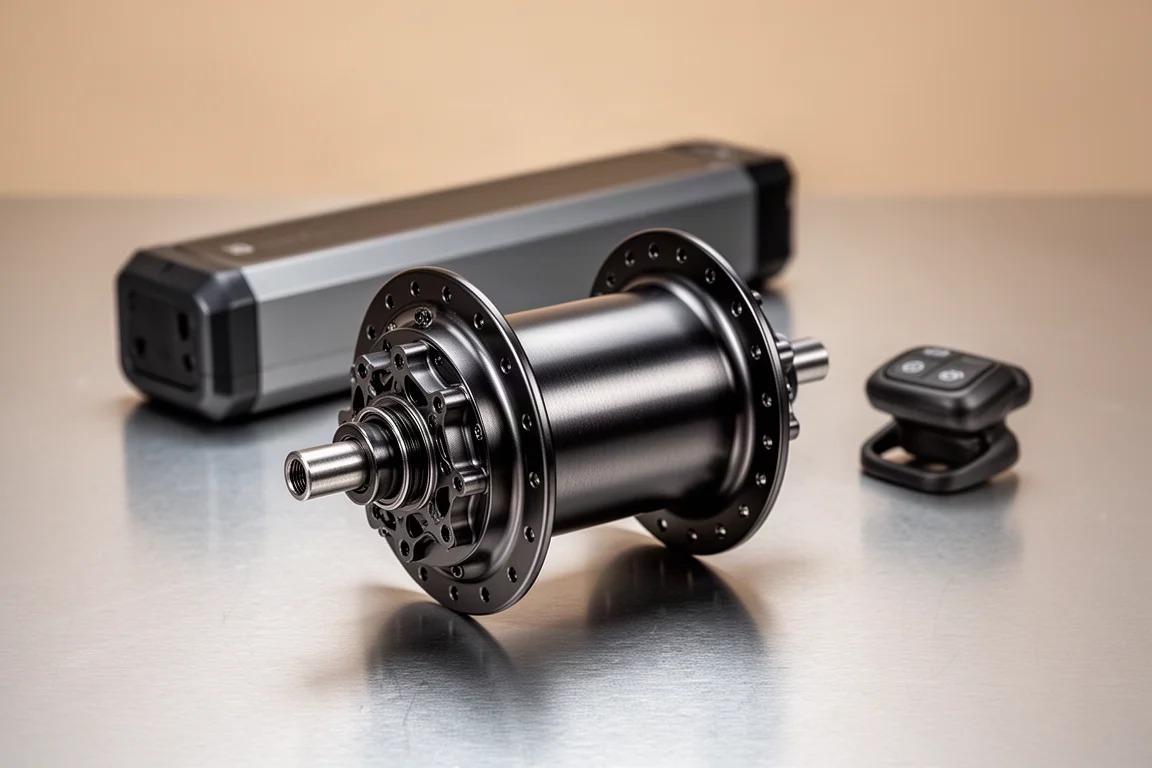
The X20 is Mahle’s flagship system in the X series, sitting above the X30 and X35. Those two come in at lower price points with less torque, less range and slightly more weight, which makes the X20 the natural fit for premium lightweight road, gravel and urban bikes that keep the silhouette of an unassisted machine.
Total system weight is 3.2 kg for the motor, torque sensor, a small 250 Wh battery and the Pulsar1 bike computer. Mahle points to the torque sensor as central to the natural pedaling feel: the more torque the rider applies, the more assistance the system delivers.
The system is not tied to one brand. It appears across road, gravel and urban models from a wide spread of mainstream and smaller boutique bike makers, which means the same hardware can be found on very different bikes.
What the Updated X20 Changes on the Road
Two numbers define the update. Torque rises 18 percent, from 55 Nm to 65 Nm, and peak power climbs from 250 W to 275 W. Torque matters because it shapes how quickly assistance arrives, which feeds into acceleration and how the bike handles different terrain and surfaces. On smooth tarmac the change is subtle; on looser gravel the extra torque is more likely to be felt.
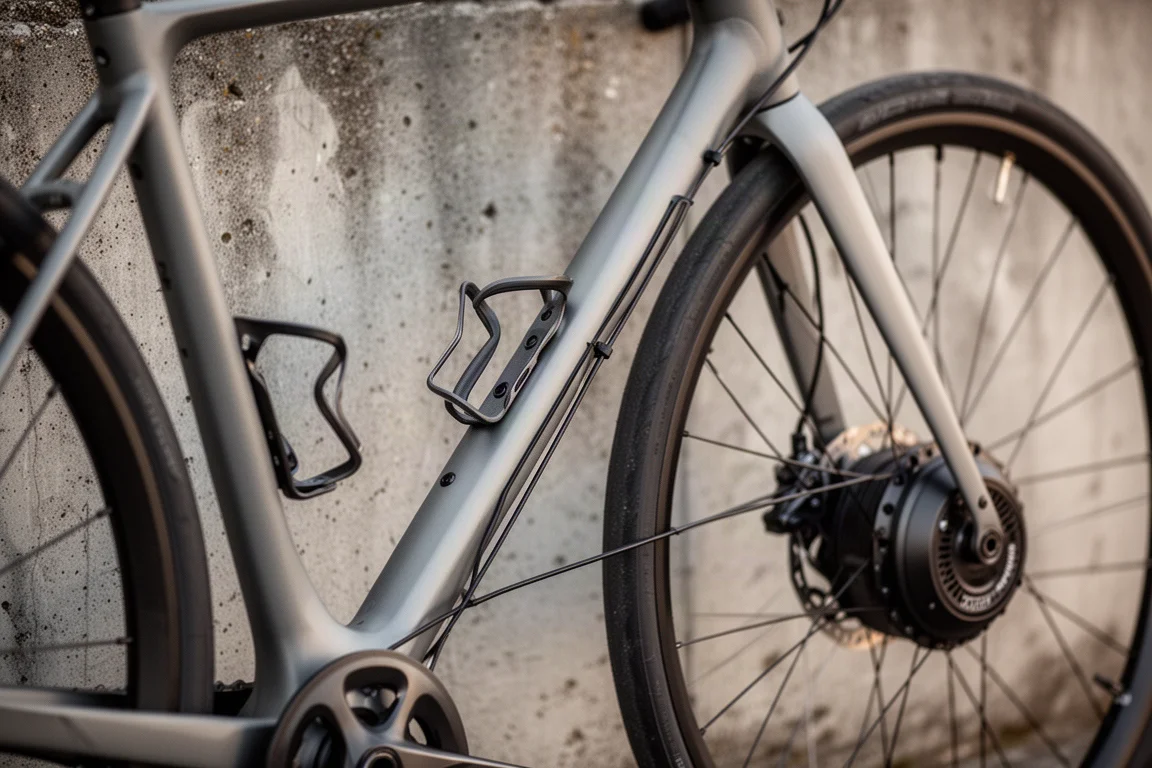
In practice, that power makes steep climbs far more forgiving. On a 10 percent gradient with assistance at its highest setting, the bike can hold roughly 11 km/h while the rider contributes only about 100 W. Assistance stops at 15.5 mph, or about 25 km/h, on UK roads, so above that speed the rider is doing the work.
Each bike brand defines its own motor mapping, so the same X20 can feel different from one model to another. Riders can adjust within that range through the app.
Battery Range, System Weight and the Range Extender
Mahle quotes a range of around 140 km from the 350 Wh EX-3 battery in the down tube. The EX1 range extender adds roughly 60 km of assisted pedaling and can be carried neatly in a second bottle cage, as it is on this build.
Real range depends on how much assistance is used, so those figures are best treated as a guide.
Weight is the other half of the story. The bike as tested sits at 13.5 kg with carbon wheels and the extender on board. That is heavier than a motor-free road bike, but noticeably lighter than e-bikes of even a few years ago, and the integration has improved just as much as the numbers.
Who the Orbea Gain Is For
This is a bike for riders who want a boost without giving up the feel of a road bike. If you are coming back from an injury, riding with people who are fitter than you, or simply do not have the time to train as much as you would like, the Gain keeps the road riding experience intact while taking the edge off the hardest sections.
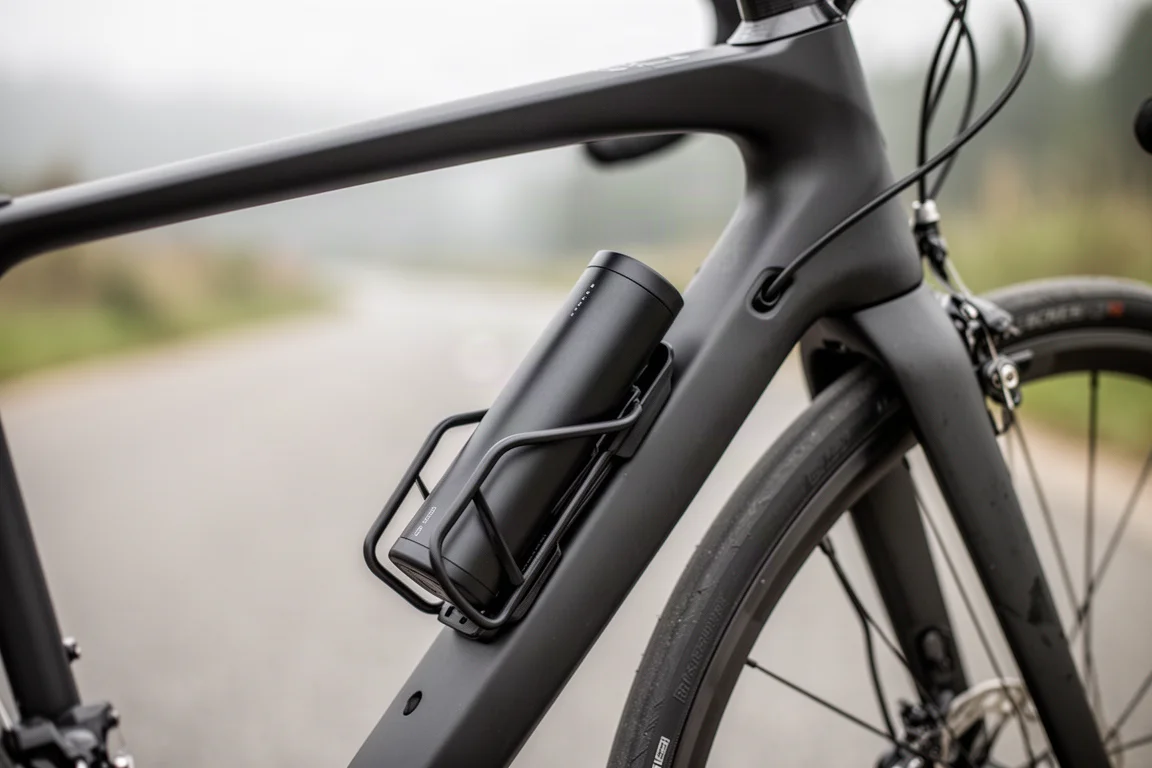
It also suits riders who care about how an e-bike looks. The hub-based motor and the standard-looking down tube mean the Gain does not advertise its assistance, so it fits into a normal group ride without drawing attention.
What to Consider Before Buying
Weight is the first thing to weigh up. At 13.5 kg as tested, the Gain is heavier than an unassisted road bike, and riders chasing the lightest possible build will still find a pedal-only bike lighter. The gap is smaller than it once was, and the assistance more than offsets it on climbs.
Assistance limits are worth knowing before you buy. On UK roads the motor stops helping at 15.5 mph, or about 25 km/h, so faster riding is unassisted.
The X20 is also part of a wider range. The X30 and X35 sit below it with less torque, less range and slightly more weight, and they arrive at lower price points. If you do not need the extra torque, those systems are worth understanding before deciding.
Finally, motor mapping varies by brand. The same X20 can feel quite different depending on the bike it is fitted to.
Buying Advice: Matching the Setup to Your Riding
If the goal is a road bike that hides its assistance and still rides like a road bike, the Gain and the X20 are a coherent pairing. The 13.5 kg tested weight, the hub-mounted motor and the relaxed take on the Orca geometry all point to a bike built for long weekend rides and everyday miles rather than race day.
Think about whether you need the range extender. It adds around 60 km of assisted pedaling and fits neatly in the second bottle cage, but it takes up a bottle position and adds weight to a bike that is already trying to stay light. Riders with shorter routes may prefer to leave it at home.
Think also about which tier of the X series suits you. The X20 brings the most torque and range in the family, while the X30 and X35 offer a lower entry point with less of both.
Conclusion
The Orbea Gain with the updated Mahle X20 is a convincing example of how far lightweight e-bikes have come. The motor hides in the rear hub, the battery hides in the down tube, and the whole bike comes in at 13.5 kg as tested, which is close enough to a road bike to keep the ride feeling familiar.
The X20 update itself is a modest but meaningful step: 65 Nm of torque and 275 W of peak power, in a system that weighs 3.2 kg and appears across a broad range of road, gravel and urban bikes. For riders who want a little help on the climbs without changing how they ride, this setup makes a strong case.
Further reading
Related Reviews

E-Bikes
Best Folding E-Bikes 2026: Five Picks for Every Budget and Riding Style
From budget-friendly commuters to high-tech performance machines, these five folding e-bikes cover the full spectrum of needs and price points.
E-Bikes
Best Raleigh E-Bikes: Trace, Motus, Centros and Modem Compared
A practical comparison of four Raleigh e-bikes, covering battery range, motor placement, gearing and the kind of riding each model suits best.
E-Bikes
Best Rally E-Bikes Compared: Trace, Motus, Grand Tour, Centros and Modem
A practical look at five Rally e-bikes, from the lightweight Trace city bike to the cargo-ready Modem, with range, motor position and pricing explained.