E-Bikes
Best Rally E-Bikes Compared: Trace, Motus, Grand Tour, Centros and Modem
A practical look at five Rally e-bikes, from the lightweight Trace city bike to the cargo-ready Modem, with range, motor position and pricing explained.
Introduction
Anyone who grew up pulling wheelies on a Chopper, a Grifter or a Burner knows the appeal of simply riding for the fun of it. As an adult, an e-bike is the easiest way back to that feeling: pedal assistance lets you cover more ground, take on steeper climbs and arrive without breaking a sweat, while the bike still behaves like a bicycle.
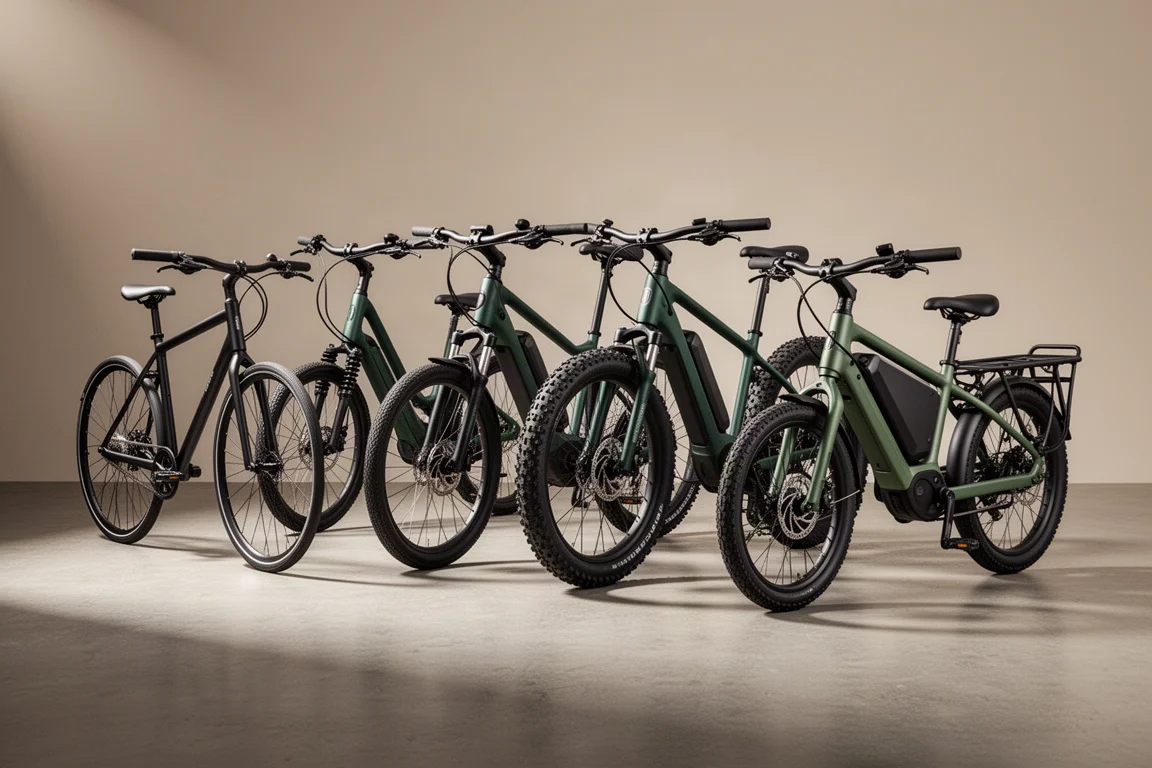
Rally’s range covers four clear directions. There is a lightweight city machine, a comfortable long-range commuter with a top specification variant, a rugged adventure bike, and a small-wheeled cargo hauler. This guide looks at each one, what it is designed for, and where the trade-offs sit.
What Makes a Rally E-Bike (And What to Look For)
In the UK, a legal e-bike assists your pedalling up to 15.5 mph. Once you pass that speed the motor backs off and you ride under your own power. The motor is limited to a maximum of 250 watts, the bike must have pedals as its main form of propulsion, and the assistance has to be triggered by turning the pedals rather than by a twist throttle.
Beyond those legal basics, e-bikes follow the same logic as conventional bikes. Models built for tarmac tend to be fully rigid, lighter and more nimble, while off-road designs add suspension, bigger tyres and a more rugged build.
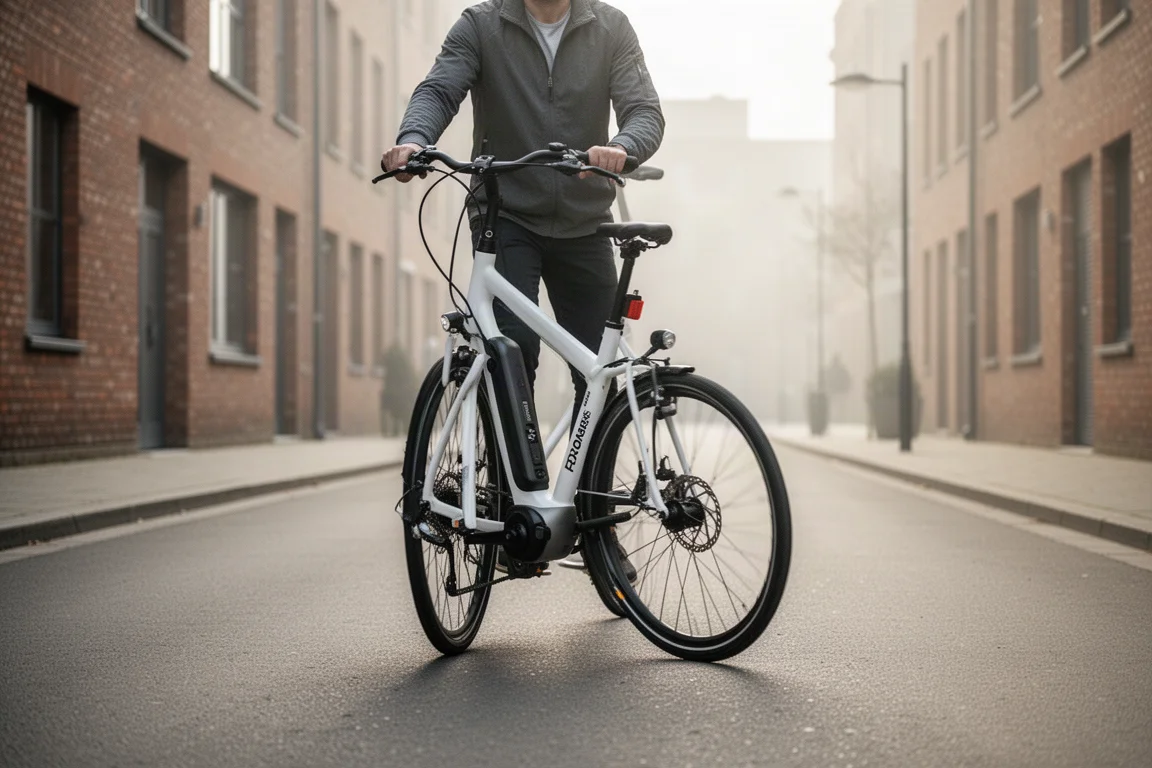
When comparing the models in this range, four details matter most. Battery capacity sets the range, motor position shapes how the assistance feels, frame configuration decides how easy the bike is to mount and live with, and overall weight affects everything from carrying the bike up steps to how it handles at low speed.
Rally Trace: The Lightweight City Commuter
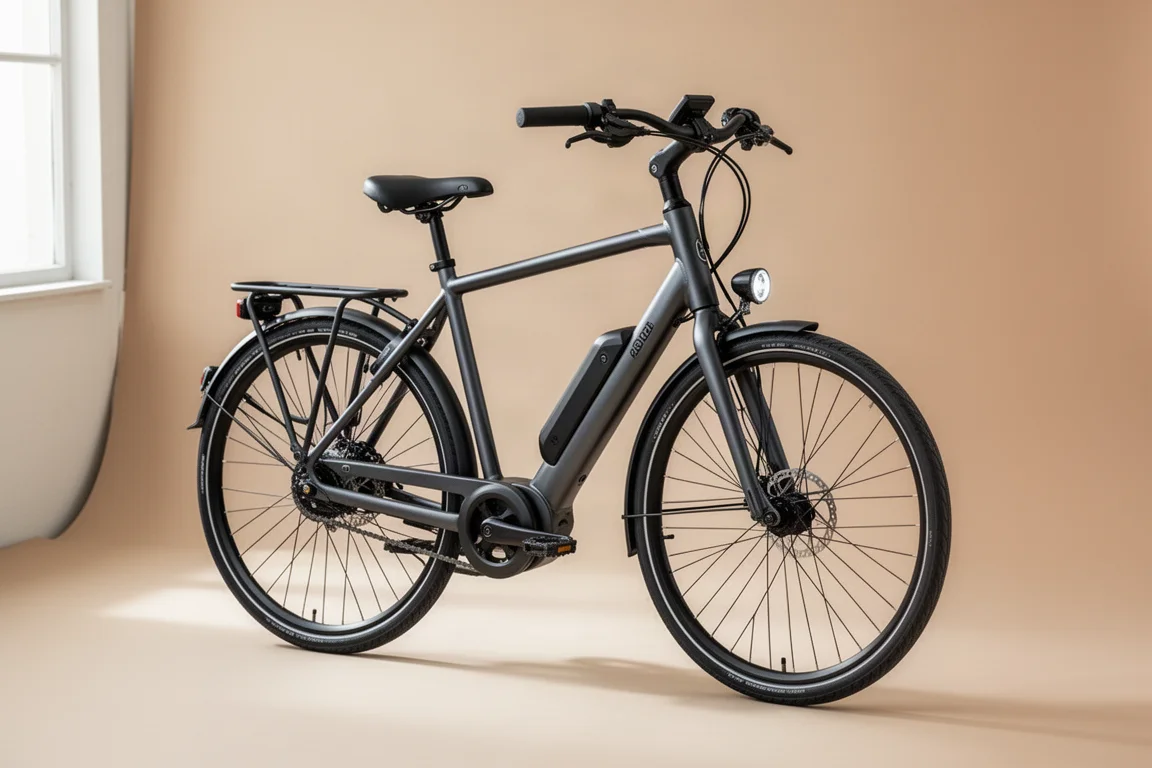
If the goal is making a daily commute more enjoyable without arriving hot and bothered, the Rally Trace is the lightest and most nimble option in the range. The frame uses sleek straight tubes in a classic shape, and at a glance it is easy to mistake for a conventional bike. The 250 Wh battery is tucked into the downtube, the motor sits in the rear hub, and a discreet display and control panel is mounted on the top tube.
At 16.5 kg it is light for an e-bike. On flatter ground it rolls well enough that you can comfortably ride beyond the assistance threshold, and the extra help is most obvious when you reach a climb or accelerate away from the lights. Rally quotes around 50 miles of range, which may prove a conservative estimate in real use. The low weight also matters for anyone carrying a bike up and down apartment steps.
It arrives fully equipped for city duty, with front and rear lights, mudguards and a rear pannier rack, plus a Shimano 9-speed drivetrain with a 40-tooth single chainring and Tektro hydraulic brakes. It is priced at £2,199.
Rally Motus: More Range and Comfort
The Rally Motus trades some of that lightness for range and comfort. Battery capacity rises to 400 Wh, or 500 Wh on the in-tube Tour and Grand Tour models, which Rally says can roughly double the range to around 100 miles.
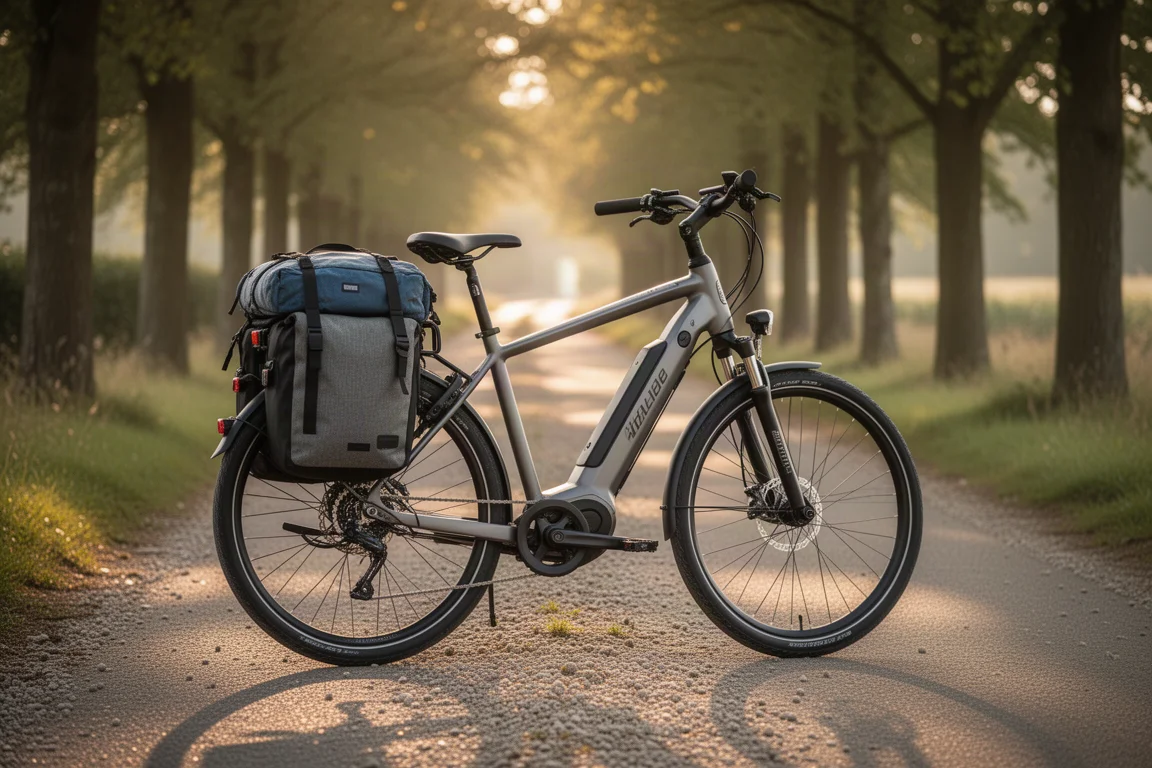
Comfort comes from an RST suspension fork with 50 mm of travel, and the bike is offered in different frame configurations, including a step-through option alongside a standard crossbar. Specifications vary too, with a choice between derailleur and hub gear systems. All of that hardware adds weight: with the larger battery, motor drive unit and suspension, the Motus comes in at around 28.5 kg. Pricing starts at £2,199 for the standard model.
Rally Motus Grand Tour: Smoother Crank-Drive Assistance
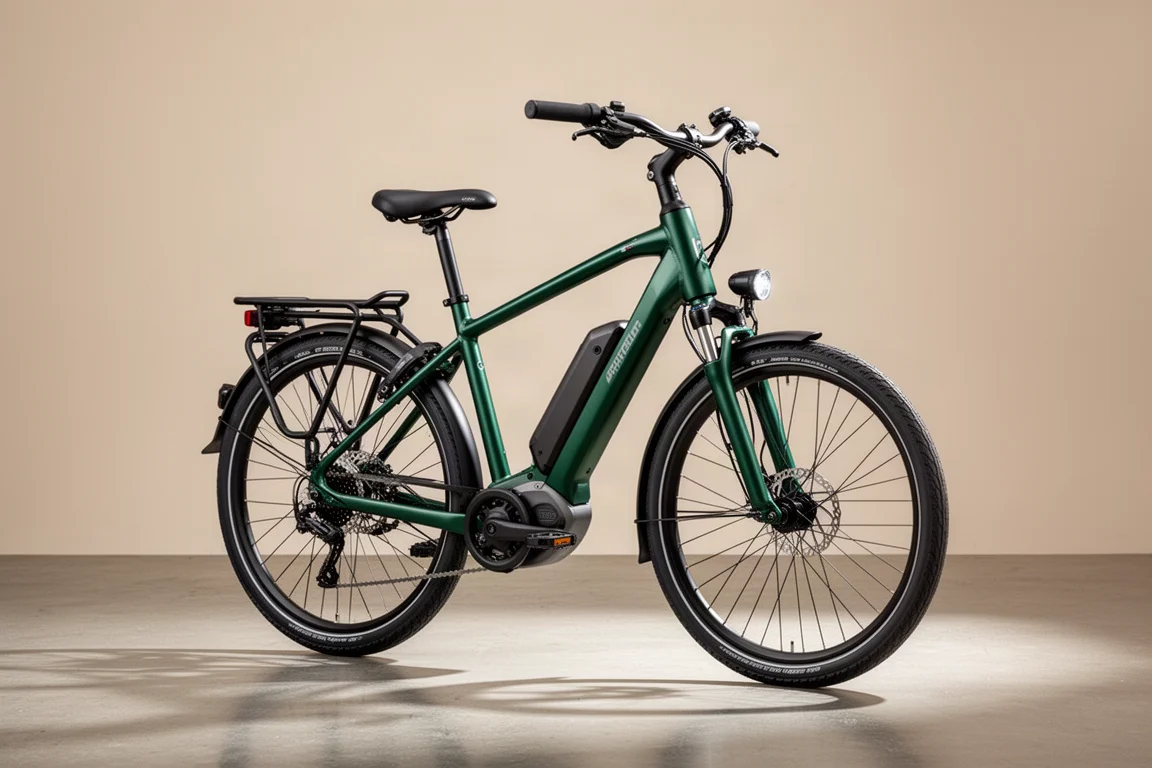
The Motus Grand Tour is the top specification in the Motus family, and the key difference is where the motor sits. Rather than driving the rear wheel, the Bosch motor supplies assistance to the cranks. Many riders prefer this because the motor weight sits in a more central position and the assistance arrives in a smoother, more natural way. The Bosch Active Line motor is also virtually noise free.
Combined with the in-tube 500 Wh battery, the Grand Tour is built for long, easy rides, with a range that Rally suggests could take you from Nottingham all the way to London without breaking a sweat. The larger battery, motor drive unit and suspension add up to a sturdier overall machine. It is priced at £2,799.
Rally Centros: Built for Off-Road Adventures
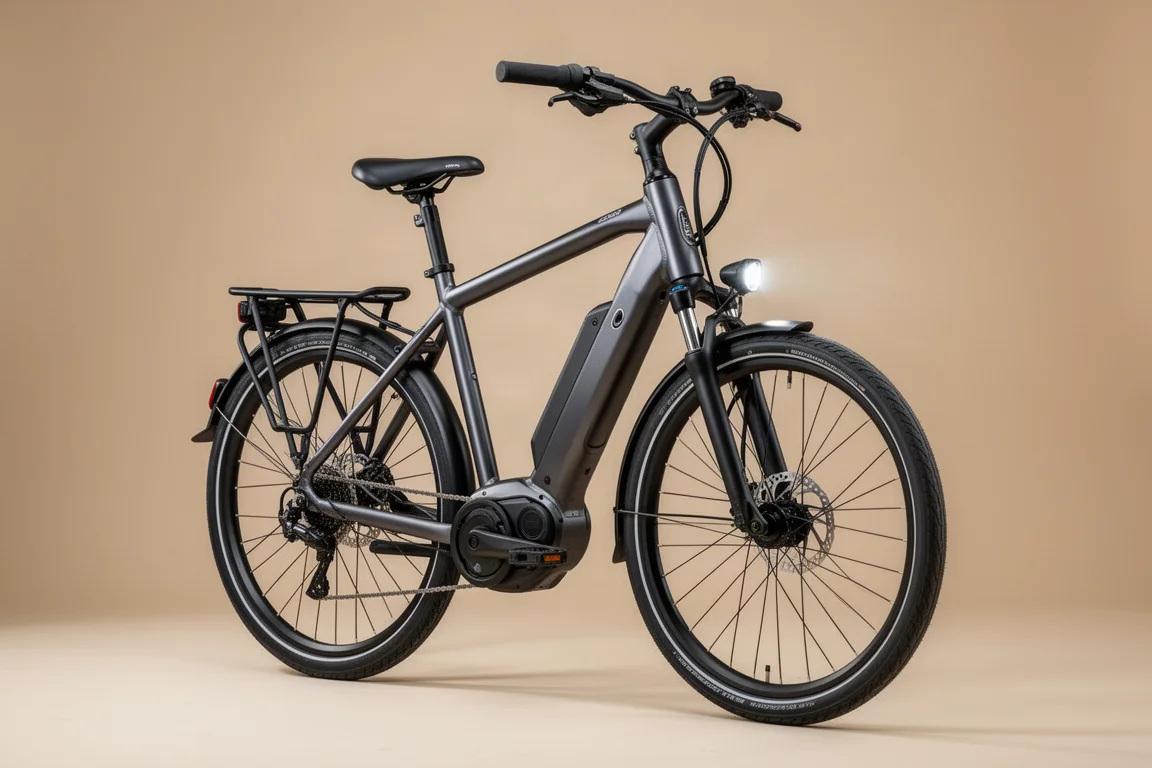
The Rally Centros is the model to consider if your riding extends beyond tarmac and well-trodden paths. A 625 Wh battery delivers a range of up to 130 miles, more than either the Motus or the Trace, and the motor is a mid-mounted Bosch Performance Line unit that puts more power through the cranks than the Active Line found on the Motus. That extra output is what lets it take on steep, loose climbs.
The Suntour suspension fork offers 63 mm of travel, 13 mm more than the Motus fork, and the 650b wheels are slightly smaller in diameter than the 700c wheels used on the Motus and Trace. That smaller size brings manoeuvrability, strength and tyre clearance, which is why the bike runs chunky 55 mm Schwalbe Marathons. A pannier rack is fitted as standard, and a built-in modular rail system makes it easy to carry extra water bottles and batteries when you are nowhere near a supply.
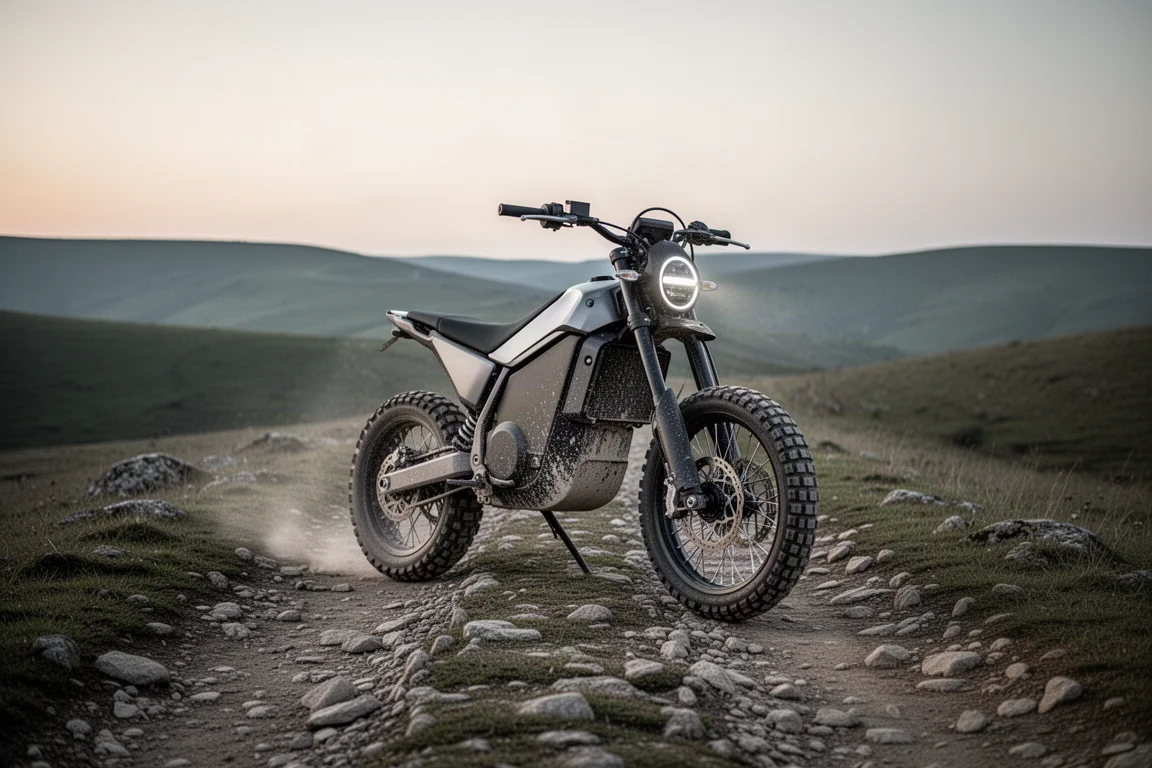
There are two versions to choose from: one with a Shimano Nexus 8-speed hub gear and one with a Shimano Alivio 9-speed derailleur system. The derailleur version is £2,999 and the hub gear model is £3,099.
Rally Modem: The Cargo-Ready Urban Utility Bike
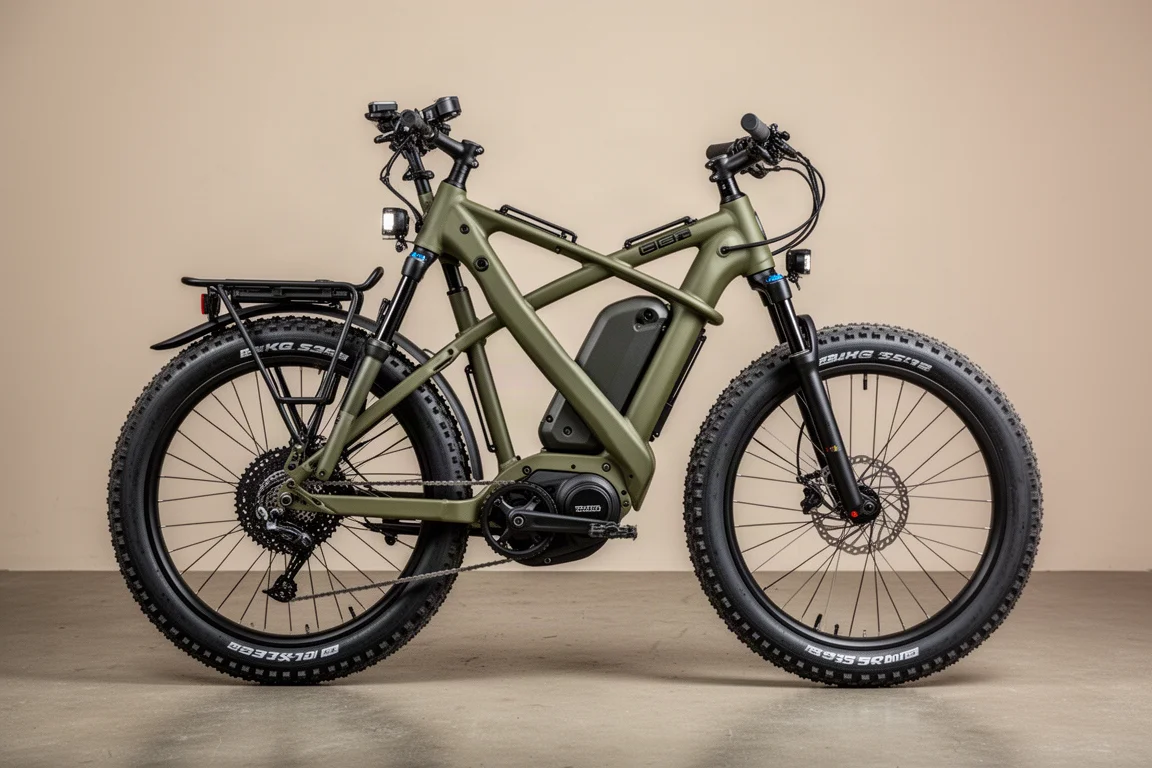
The Rally Modem is a new urban utility bike that combines features of the Motus and the Centros in a cargo-friendly frame. It carries a 500 Wh battery and a range of around 100 miles, matching the Motus, but uses the more powerful Bosch Performance Line mid-mounted motor from the Centros so it can move a load without struggling.
The 20-inch wheels are central to the design. Their smaller size frees up space to load up the bike and keeps the centre of gravity as low as possible, and small wheels are also very strong. They are paired with wide 60 mm Schwalbe Pickup cargo tyres. Stopping power comes from Shimano MT200 mountain bike hydraulic disc brakes with a 180 mm rotor at the front and a 160 mm rotor at the rear, while gearing is handled by a simple, durable Shimano Nexus 5-speed hub with a 38-tooth chainring, a combination that works well with the Bosch motor across a useful range of speeds.
Practicality runs through the whole design. The aluminium frame comes in a single size, with fit taken up by a dropper seat post and an adjustable stem. SKS mudguards, front and rear lights and a modular carrier are included, and the bike is offered in a single build option.
Which Rally E-Bike Suits You?
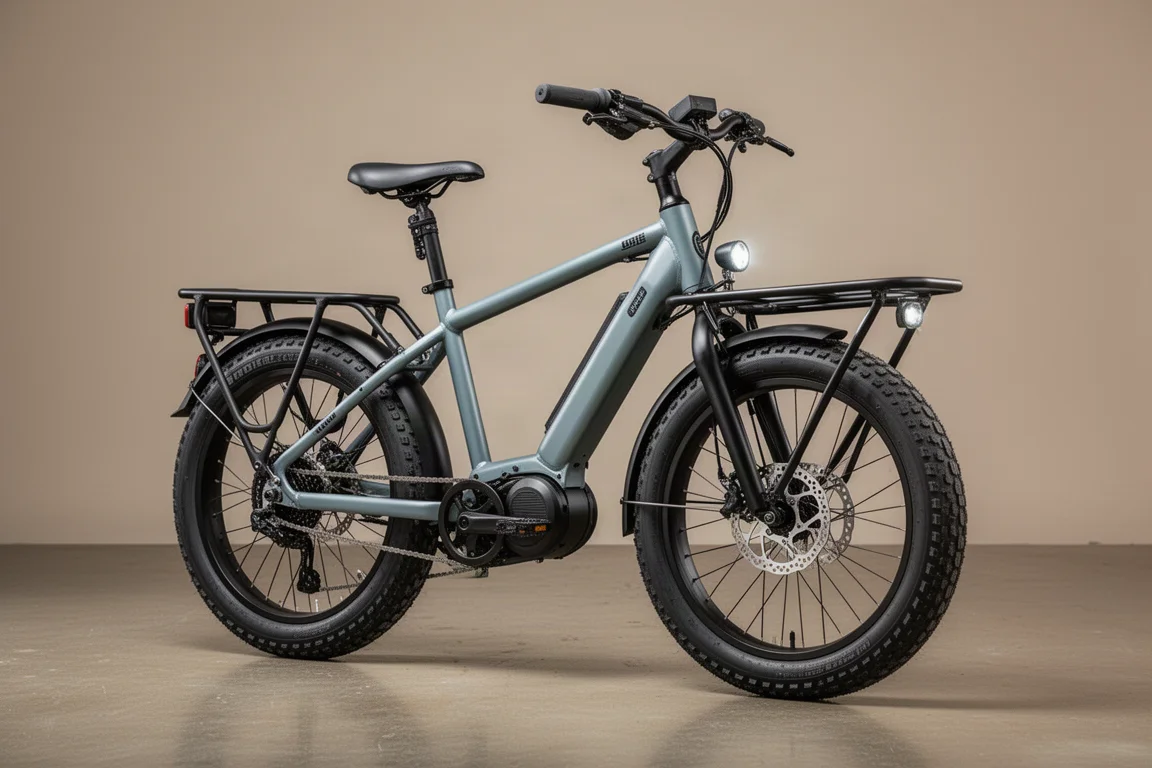
Choosing between these models comes down to the riding you actually do rather than the specification sheet. The Trace is the obvious pick for short urban trips and mixed-mode commutes, especially if you need to carry the bike up steps or store it in a small flat. The Motus adds range and comfort, and the step-through frame option makes it easier to mount in everyday clothing.
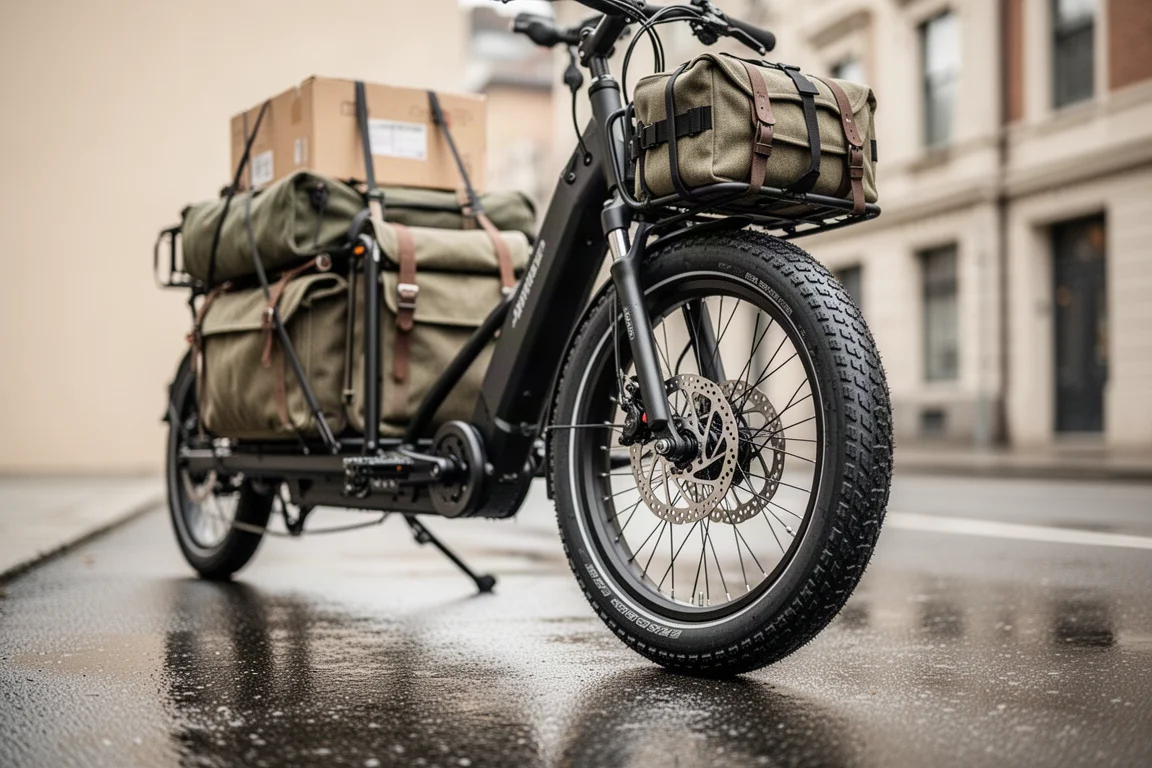
If you want the smoothest, quietest assistance with the motor weight in the centre of the bike, the Motus Grand Tour is the one to look at. For off-road tracks, longer adventures and the longest range in the range, the Centros is the natural choice. And if the bike needs to earn its keep by carrying shopping, tools or cargo, the Modem’s small wheels, low centre of gravity and reinforced cargo tyres make it the most capable load carrier of the group.
It also helps to be honest about your longest regular trip and where you will charge the bike. A larger battery adds range and weight together, so the lightest model that covers your typical day is usually the one that stays enjoyable to ride.
Conclusion
Rally’s e-bike range is built around a simple idea: matching the bike to the riding. The Trace keeps things light, quick and city-friendly, the Motus and Motus Grand Tour add range, comfort and a choice of motor position, the Centros is the adventure option with the longest range, and the Modem turns the same platform into a practical load carrier. Pick the one that fits your daily route and the rest of the details fall into place.
Further reading
Related Reviews

E-Bikes
Best Folding E-Bikes 2026: Five Picks for Every Budget and Riding Style
From budget-friendly commuters to high-tech performance machines, these five folding e-bikes cover the full spectrum of needs and price points.
E-Bikes
Best Raleigh E-Bikes: Trace, Motus, Centros and Modem Compared
A practical comparison of four Raleigh e-bikes, covering battery range, motor placement, gearing and the kind of riding each model suits best.
E-Bikes
Cleytro ES7 Electric Bike Review: Powerful Fat-Tire E-Bike for Mixed Terrain
The Cleytro ES7 combines a 750W motor, 48V battery with 90+ km range, and 26-inch fat tires for stable, comfortable riding across city streets and rough terrain.