Fountain Pens
Opus 88 Harmony Fountain Pen Review: A Pearlescent Eyedropper With Character
A marbled resin Japanese eyedropper from Opus 88 with rose gold trim, a stainless steel JoWo nib, and a design that stands apart from the brand's other models.
Introduction
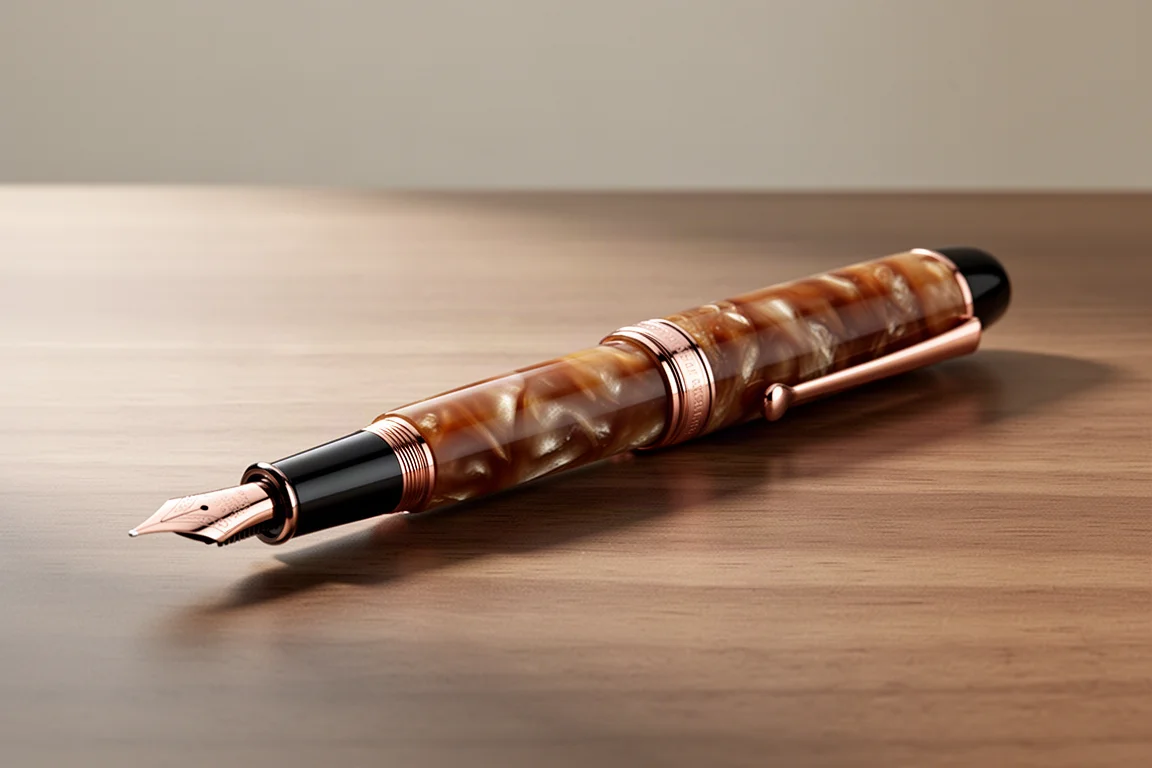
The Opus 88 Harmony is a modern eyedropper fountain pen from the Taiwan-based brand, and it takes a different visual direction than the company’s familiar demonstrator models. Instead of clear acrylic, the Harmony leans on warm brown marbled resin with rose gold plated trim, giving it a richer, more dressed-up look while keeping the practical eyedropper filling system the brand is known for.
It is offered in two finishes: a gray and red marble with muted grays, vibrant reds, and rose gold accents, and the brown marble reviewed here, which pairs deep swirling warm browns with the same rose gold trim. The rose gold choice works well; it complements the brown hues better than standard yellow gold would.
Design and Finish
The cap and barrel are made from a warm brown marbled resin with a good deal of pearlescence. Twist the pen in the light and the shimmer shifts noticeably, giving the material a sense of life and motion rather than sitting flat. Because the resin is marbled, every pen in the series will look slightly different, so your particular pattern will be unique.
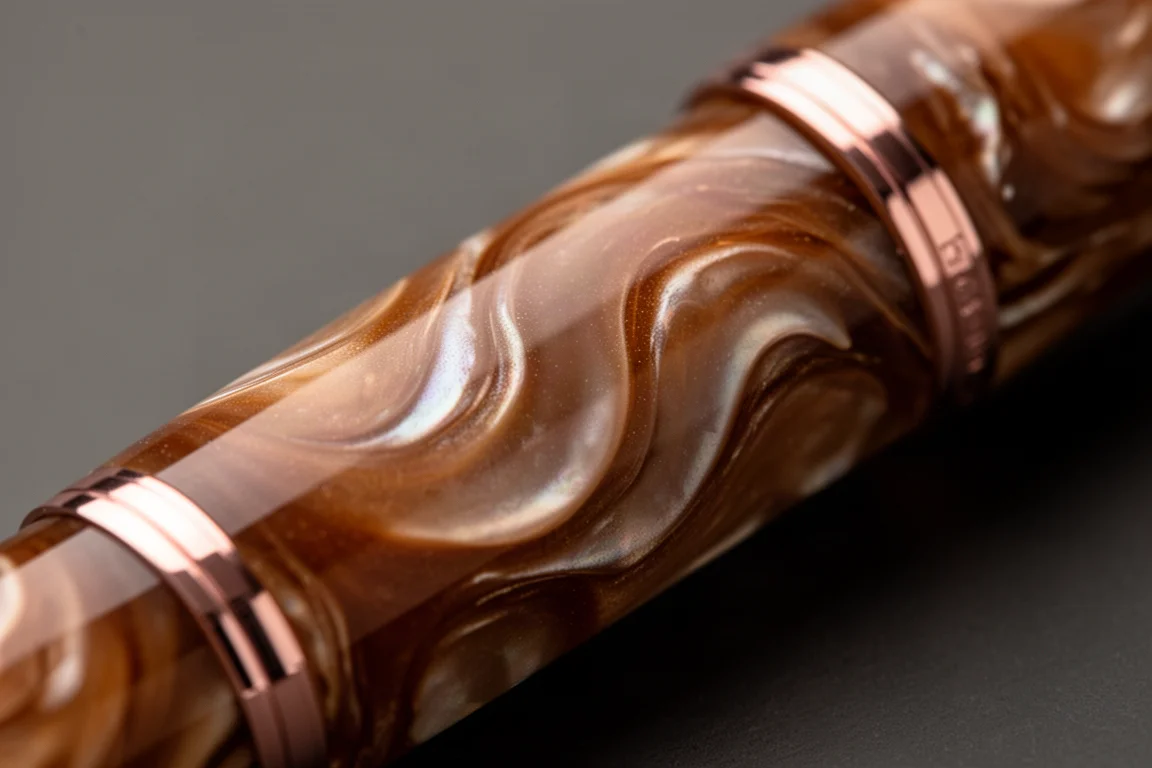
The finial is black, which complements the brown nicely, and the top carries a rose gold plated insert engraved with the Harmony name. The clip is an interesting one: slightly beaded with a rather large hammerhead at the end, a distinctive touch that sets the silhouette apart. The cap angles up to its thickest point and tapers down to the cap band, which is engraved with the Opus 88 company name. From there, a medium step down leads to the barrel, which angles down gently before ending in a flat black finial.
Parts and Features
The Harmony uses a JoWo number 6 stainless steel nib available in fine, medium, or broad, paired with a plastic feed. The section is a bit on the narrow side, beginning with a slight flare before angling up to the cap threads, with a small step up to the barrel. The cap twists off with a little over two rotations.
Like most Opus 88 pens, this is a modern eyedropper, sometimes called a Japanese eyedropper. Removing the section reveals a small stopper inside, and at the end of the barrel the piston unscrews to break the seal between the stopper and the section. The section is tapered so the stopper forms a seal between chambers, and an O-ring on the section helps prevent ink seepage.
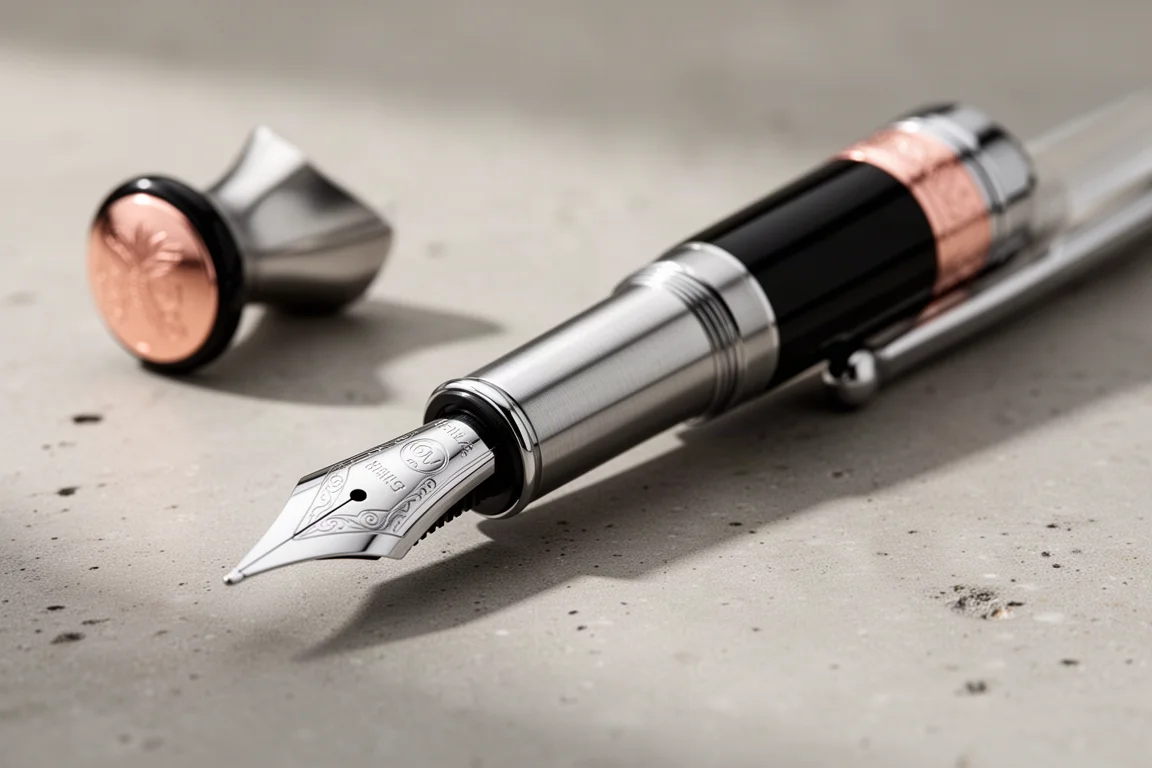
In use, keeping the piston twisted down prevents ink from flowing between the ink chamber and the section, so you write off the ink stored in the section alone. Once it runs out, a small twist of the piston breaks the seal and replenishes the supply. For a quick note you may never need to do this, but during longer writing sessions cracking the seal keeps the ink flowing. Some writers simply crack it from the start for a fully consistent line, which avoids the lighter stroke you otherwise get as the section’s supply diminishes.
The pen is long enough to use unposted. The cap does post, though not particularly securely, so it takes some intent to seat it. When posted, the light cap does not back-weight the pen or throw off the balance.
Inking and Writing Performance
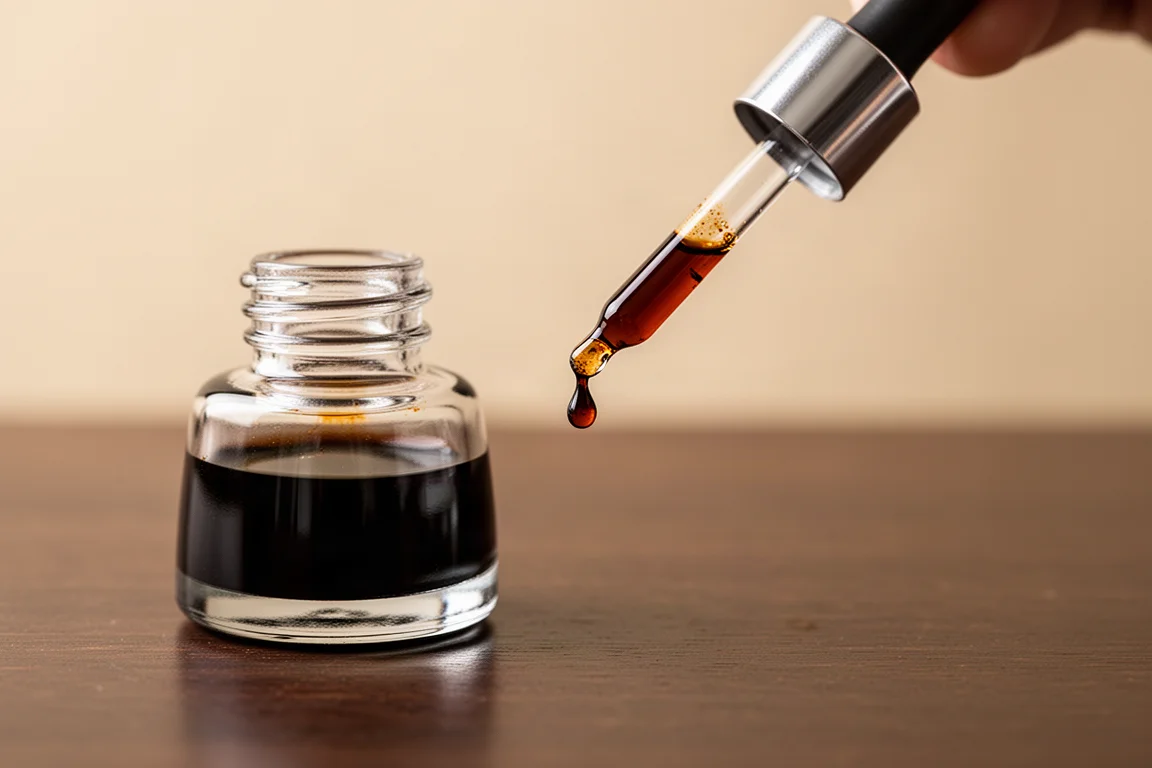
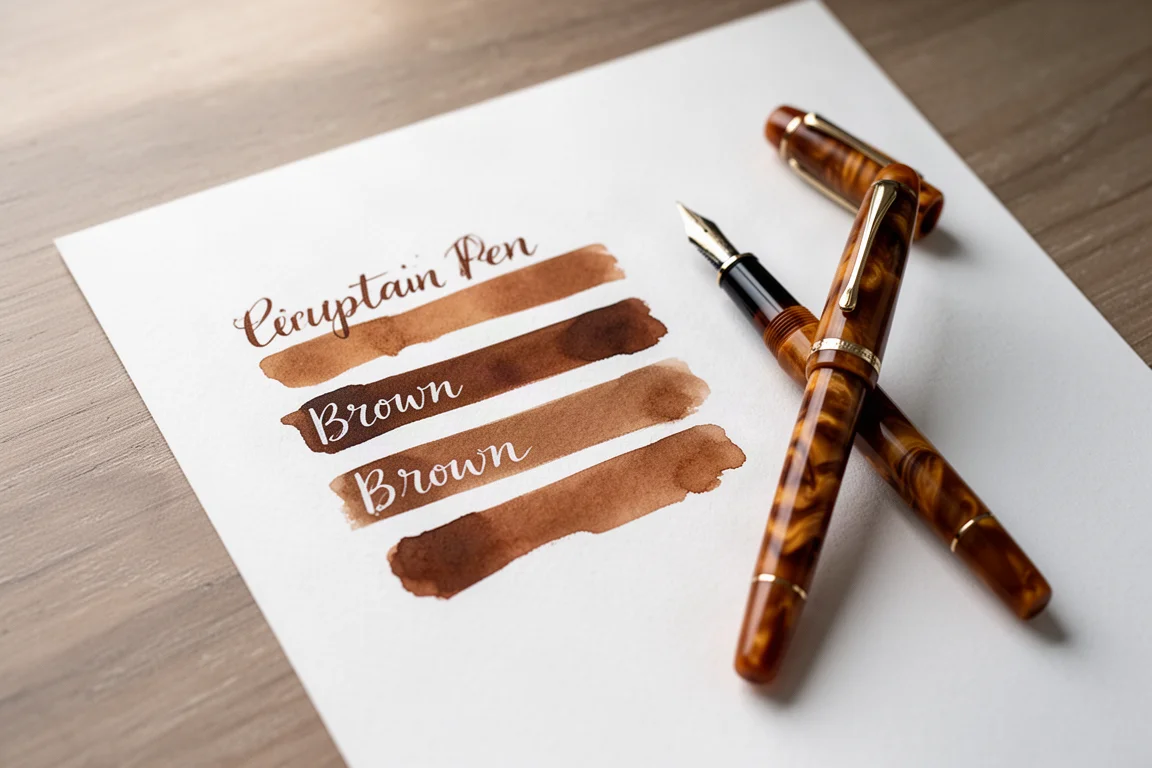
Filling is straightforward. Opus 88 typically includes a glass eyedropper in the box, and you remove the section and draw ink directly into the barrel. Cracking the piston seal slightly drops the plunger out of the way, though it is easy enough to work around it. For this sample the pen was filled with Montblanc Toffee Brown, a saturated brown that suits the pen’s palette.
Writing with the fine stainless steel nib was a pleasant surprise. Fine and extra fine nibs are not usually preferred here, but this one avoids the scratchiness and roughness that can make small nibs unpleasant. There is little to no line variation, which is expected, and ink flow is decent for a fine nib. Reverse writing is a little sharp, but in fast writing the feed keeps up well. Ink comparisons alongside Bungubox Piano Mahogany, a redder brown, and SBRE Brown, a lighter tannier shade, showed the Toffee Brown sitting comfortably in the middle as a deep saturated brown.
Things to Consider Before Buying
The eyedropper system means a very large ink capacity, but it also means you need to be comfortable with a piston seal and occasional ink management. The posted cap is not especially secure, so unposted use is the safer bet. The section is narrow, which some hands may find less comfortable over long sessions. And because the resin is marbled, the exact look of your pen will differ from photos of any other unit.
Buying Advice
The MSRP is $167, but the Harmony has been seen as low as $133, roughly 20% off the suggested retail price. For a large-capacity eyedropper with a JoWo nib, distinctive marbled resin, and rose gold trim, that discount territory makes it an appealing option for anyone who wants something a little different from Opus 88’s clearer demonstrator models. It suits writers who value big ink capacity, warm classic styling, and a fine nib that behaves better than most.
Conclusion
The Opus 88 Harmony is an interesting offering and a genuinely different look for the brand, trading the transparent demonstrator aesthetic for pearlescent brown marble and rose gold. With a reliable eyedropper mechanism, a pleasant fine nib, and pricing that dips well below MSRP, it is an easy recommendation for anyone drawn to a classic-looking pen that still carries a full tank of ink.
Product link
View more details for Opus 88 Harmony
This product is mentioned in the review. Check the specifications, options, and compatibility before buying.
View more details for Opus 88 HarmonyFurther reading
Related Reviews
Fountain Pens
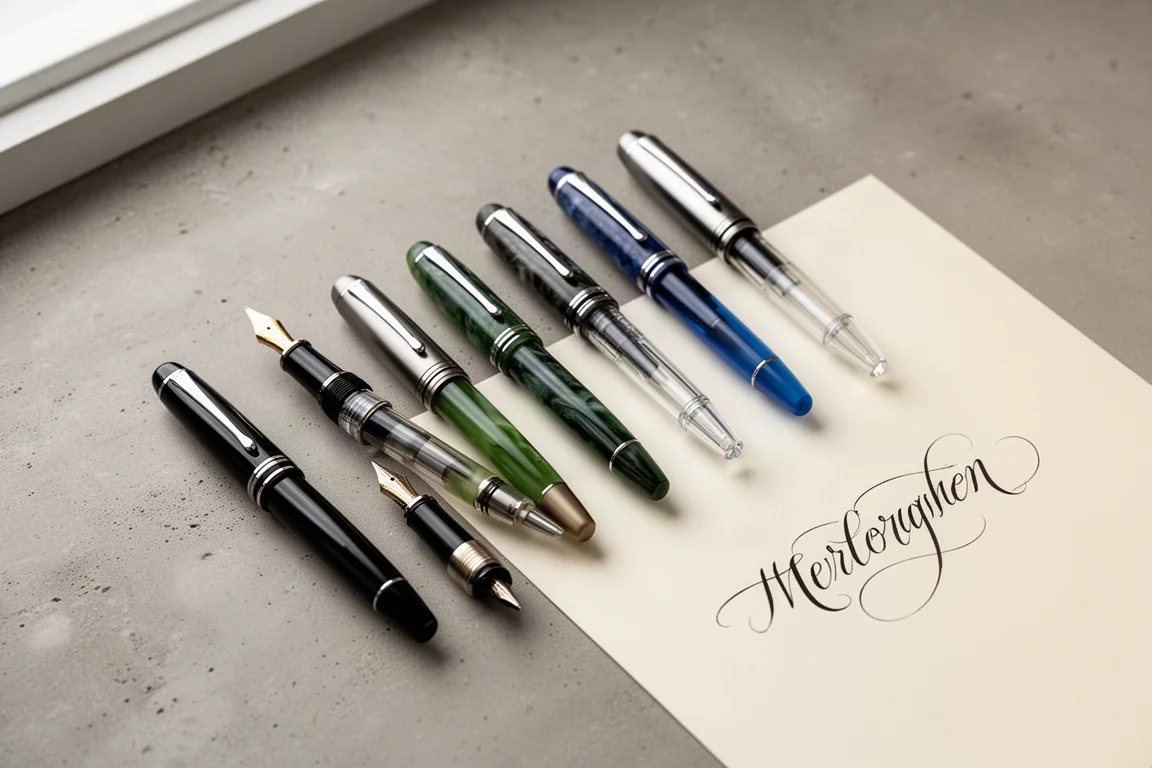
Best Budget Fountain Pens Tested: 9 Pens, One Clear Winner
A hands-on comparison of nine affordable fountain pens for everyday writing, calligraphy, and sketching, with a clear standout for flexible nib fans.
Fountain Pens
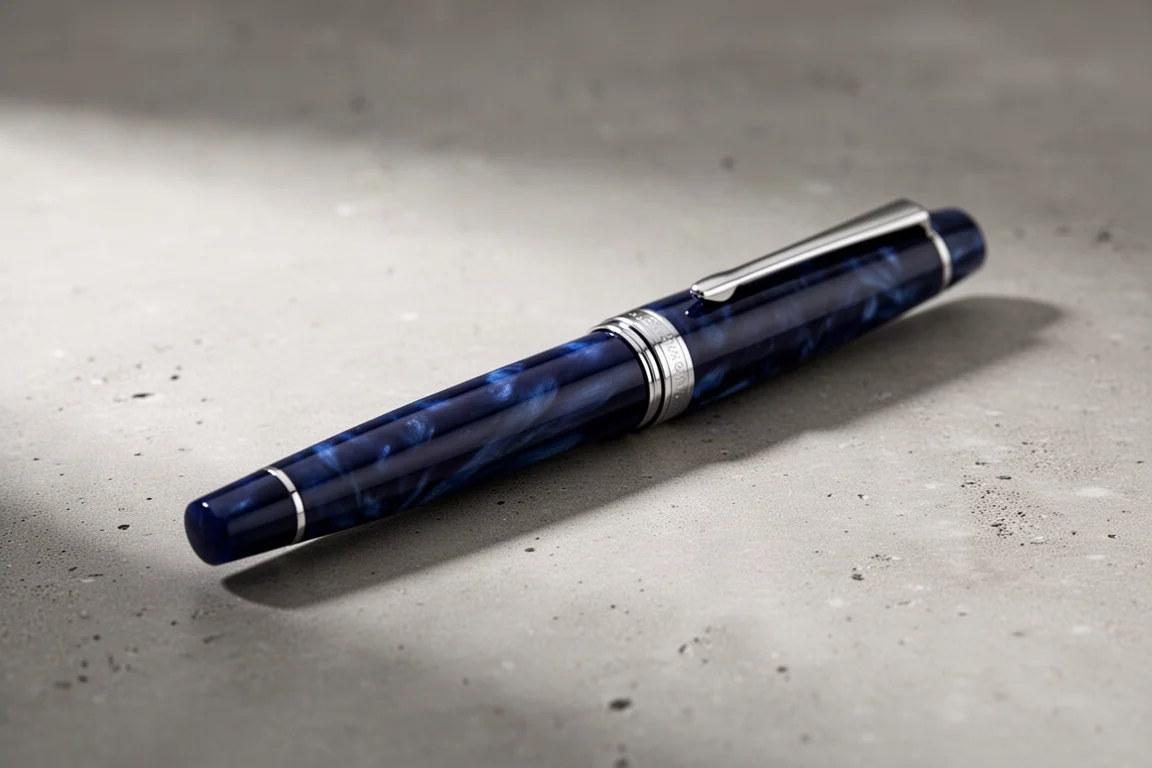
Aurora Optima Review: An Italian Piston Filler That Punches Above Its Price
A 14k gold nib, ebonite feed, and a beautifully deep oraloid body make the Aurora Optima one of the most rewarding piston fillers around.
Fountain Pens
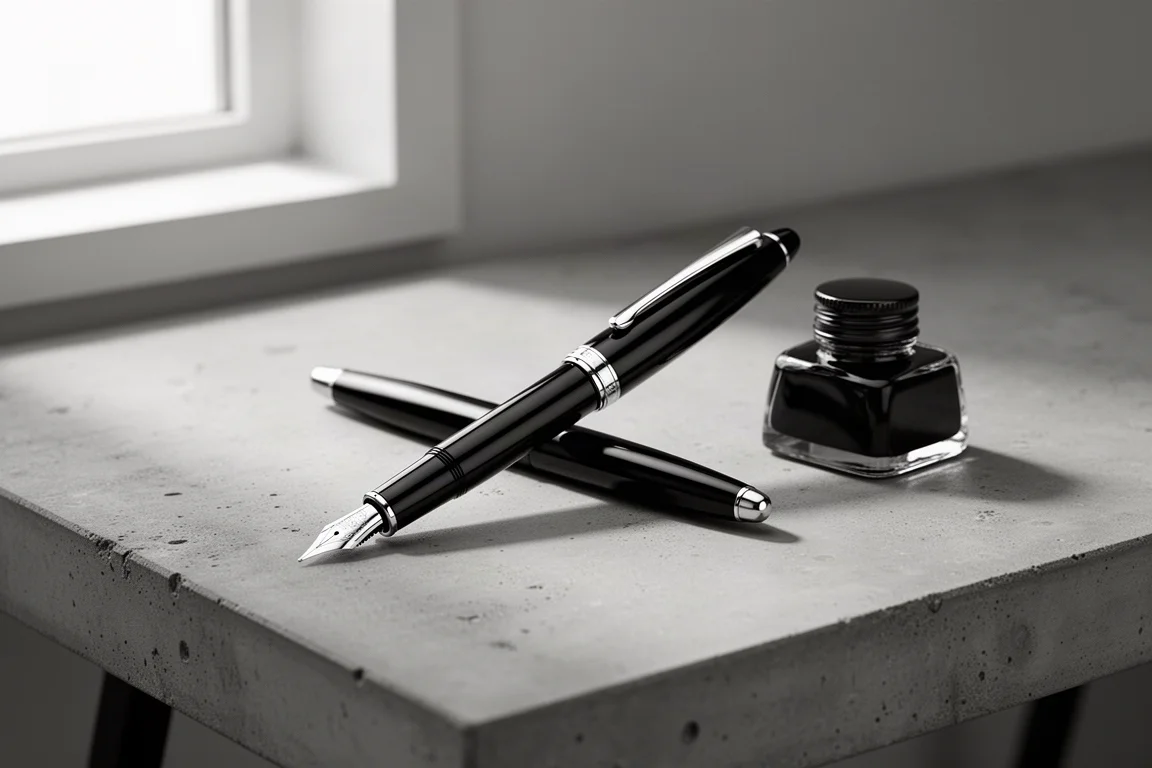
Cross Bailey Light Review: The Entry-Level Fountain Pen Worth Keeping at the Office
A plastic-bodied Cross with a metal clip, snap cap, and famously smooth extra fine steel nib. Around $15, available almost everywhere, and easy to recommend.